The article highlights five outdated lab tests—total serum vitamin B12, serum iron, creatinine, total testosterone, and total cholesterol—that clinicians should replace with more precise, evidence-based biomarkers like holotranscobalamin, ferritin with CRP, cystatin C, free testosterone, and apolipoprotein B to improve diagnosis and patient care.

An 'unusual' side effect of weight-loss drugs like Ozempic and Mounjaro is emerging, where these medications may interfere with PET-CT scans by causing abnormal FDG uptake patterns, potentially leading to misdiagnoses or unnecessary procedures. Experts recommend careful documentation of medication history to prevent diagnostic errors, as current guidelines do not address this issue.
Microsoft has developed an AI system that outperforms human doctors in diagnosing complex health conditions, solving over 80% of selected case studies compared to 20% by physicians, and aims to complement rather than replace medical professionals, though further testing is needed before clinical use.
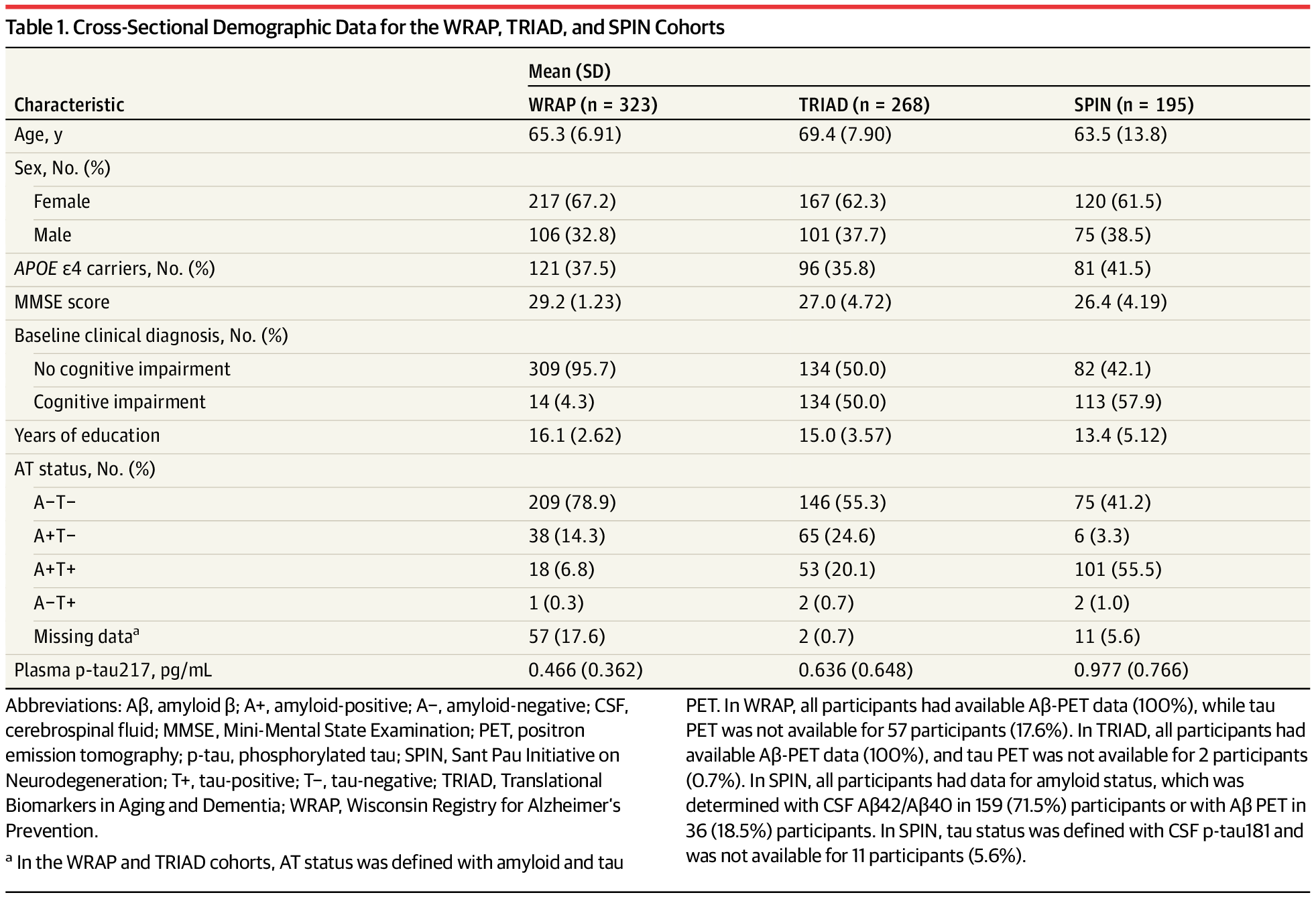
A cohort study evaluated the diagnostic accuracy of a commercially available plasma phosphorylated tau 217 (p-tau217) immunoassay for Alzheimer disease (AD) pathology. The study found that the p-tau217 immunoassay accurately identified abnormal amyloid β (Aβ) and tau pathologies, showing similar accuracies to cerebrospinal fluid biomarkers. Longitudinally, plasma p-tau217 values showed an annual increase only in Aβ-positive individuals, with the highest increase observed in those with tau positivity. The wider availability of high-performing assays may expedite the use of blood biomarkers in clinical settings and benefit the research community.
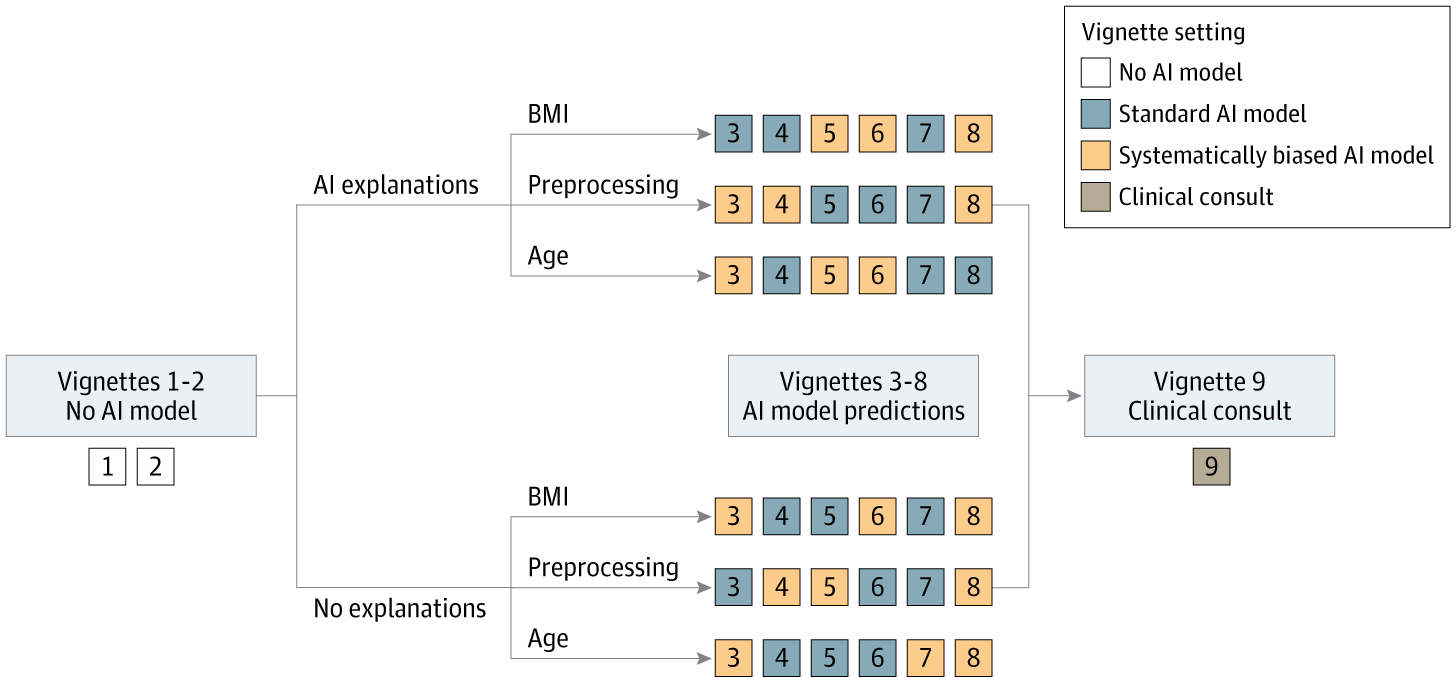
A study evaluated the impact of artificial intelligence (AI) models on clinician diagnostic accuracy in the diagnosis of hospitalized patients. The results showed that when clinicians were provided with standard AI model predictions and explanations, diagnostic accuracy increased by 4.4%. However, when clinicians were shown systematically biased AI model predictions, diagnostic accuracy decreased by 11.3%, and the explanations did not mitigate the negative effects. This suggests that while AI models can improve diagnostic accuracy, systematic bias in AI models can worsen clinician accuracy, and image-based AI model explanations may not help clinicians recognize biased models.
Radiologists outperformed commercially available AI tools in accurately identifying the presence and absence of three common lung diseases on chest X-rays, according to a study published in Radiology. While AI tools showed moderate to high sensitivity rates, they produced more false-positive results than radiologists, especially when multiple findings were present or for smaller targets. The study highlights the need for further testing of AI tools in real-life clinical scenarios and emphasizes the importance of radiologists' expertise in interpreting complex chest X-rays. AI systems could serve as a valuable second opinion for radiologists but should not be autonomous in making diagnoses.