Creating gold in a lab is theoretically possible through nuclear reactions or particle accelerators, but it requires enormous amounts of energy and cost, making it impractical and economically unfeasible.
Scientists at Michigan's FRIB are experimentally recreating how heavy elements beyond iron are formed in stars, focusing on the intermediate neutron-capture process (i-process), which fills gaps in understanding of element formation like gold and platinum, using advanced isotope experiments to identify where and how these processes occur in stellar environments.
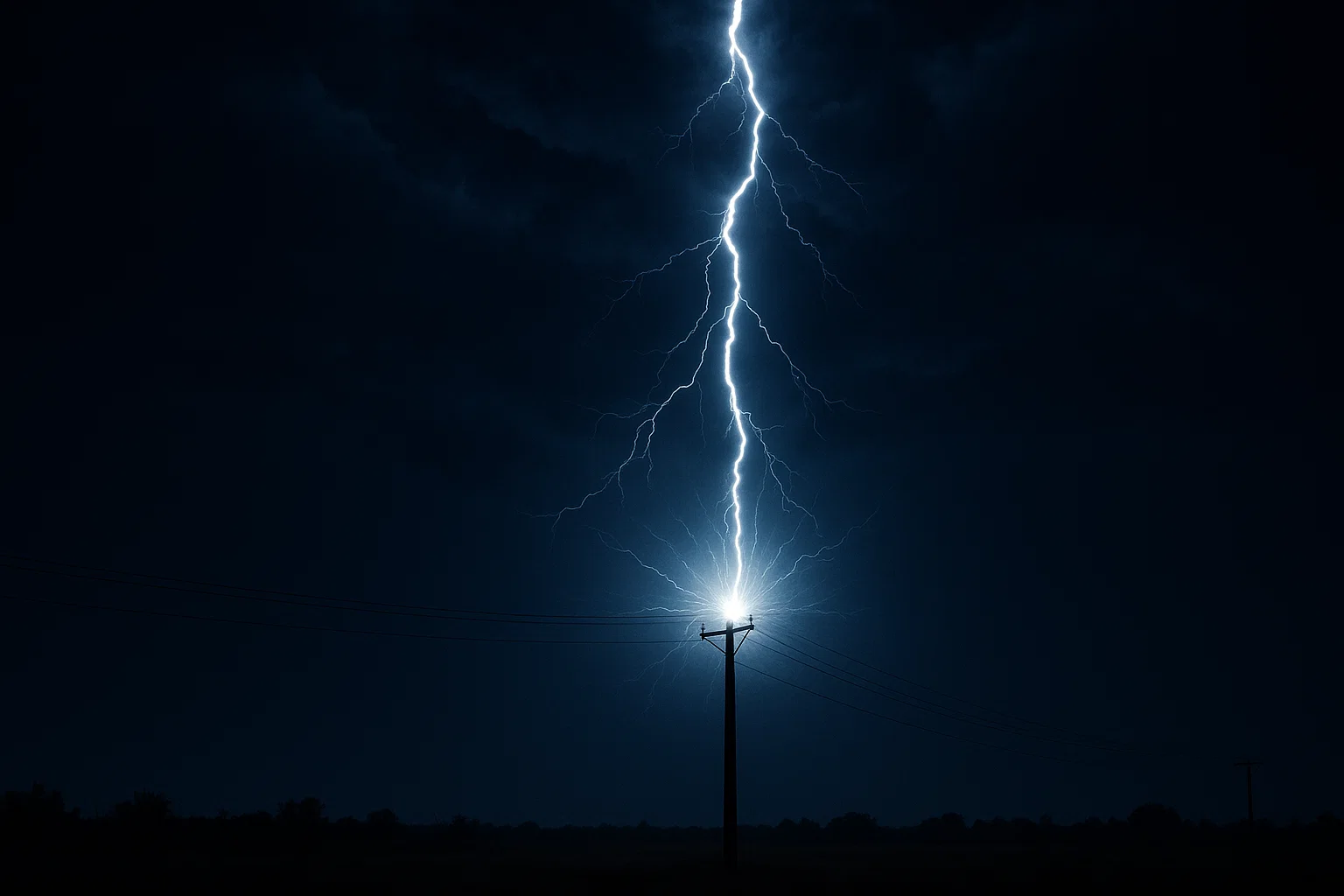
Scientists in Japan captured the first ground-based observation of a terrestrial gamma-ray flash (TGF) occurring just before a lightning strike, revealing that these powerful radiation bursts originate from the electric fields in storm clouds and may act as natural particle accelerators, deepening our understanding of lightning and high-energy atmospheric phenomena.
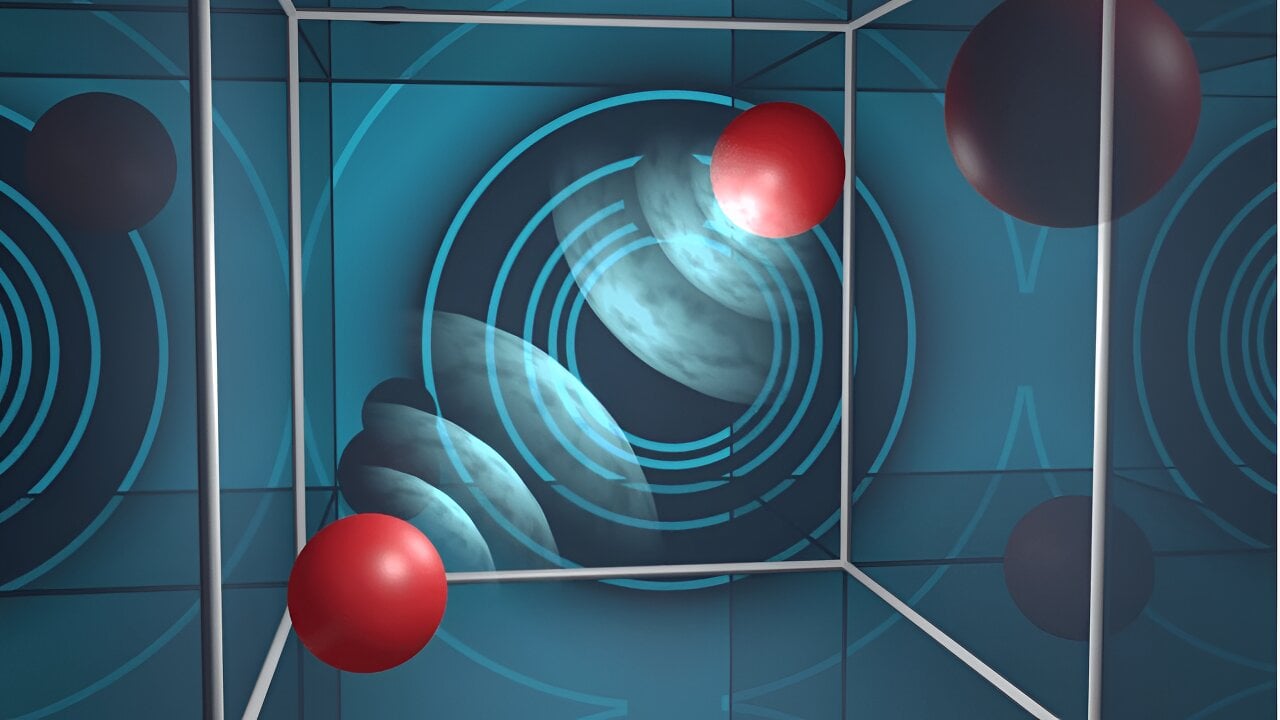
Researchers from North Carolina State University and Michigan State University have developed a new approach for modeling low-energy nuclear reactions, which are crucial for understanding the creation of elements in stars. By focusing on the properties and energies of compound nuclei formed in simulations, the team derived a formula to predict interactions involving charged clusters of protons. This work fills a gap in current simulations and provides a foundation for improving predictions of nuclear reactions, ultimately enhancing our understanding of the cosmos.
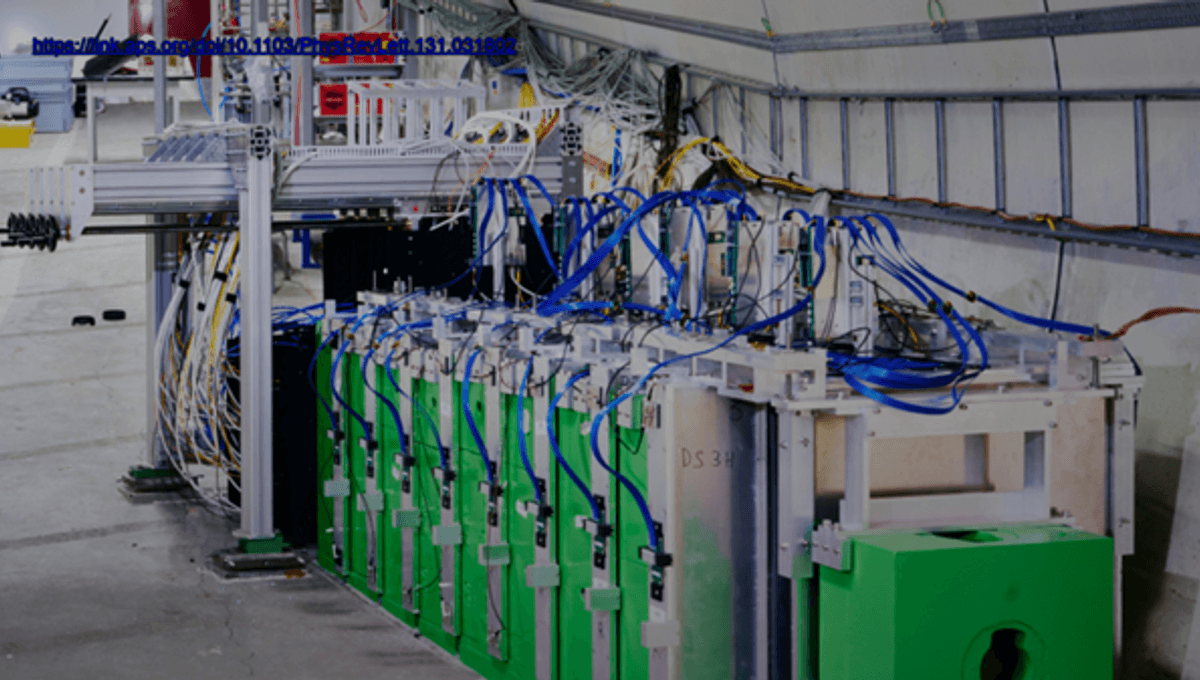
For the first time, neutrinos produced from nuclear reactions triggered by the Large Hadron Collider (LHC) have been detected, marking a breakthrough in particle physics. Neutrinos are elusive particles that are difficult to capture due to their weak interaction with other matter. The discovery could help scientists gain insights into subatomic particle behavior and resolve unanswered questions in the field. Two independent teams used different approaches to detect the neutrinos, with the FASER collaboration observing 153 detections and the SND@LHC collaboration observing eight candidate events.
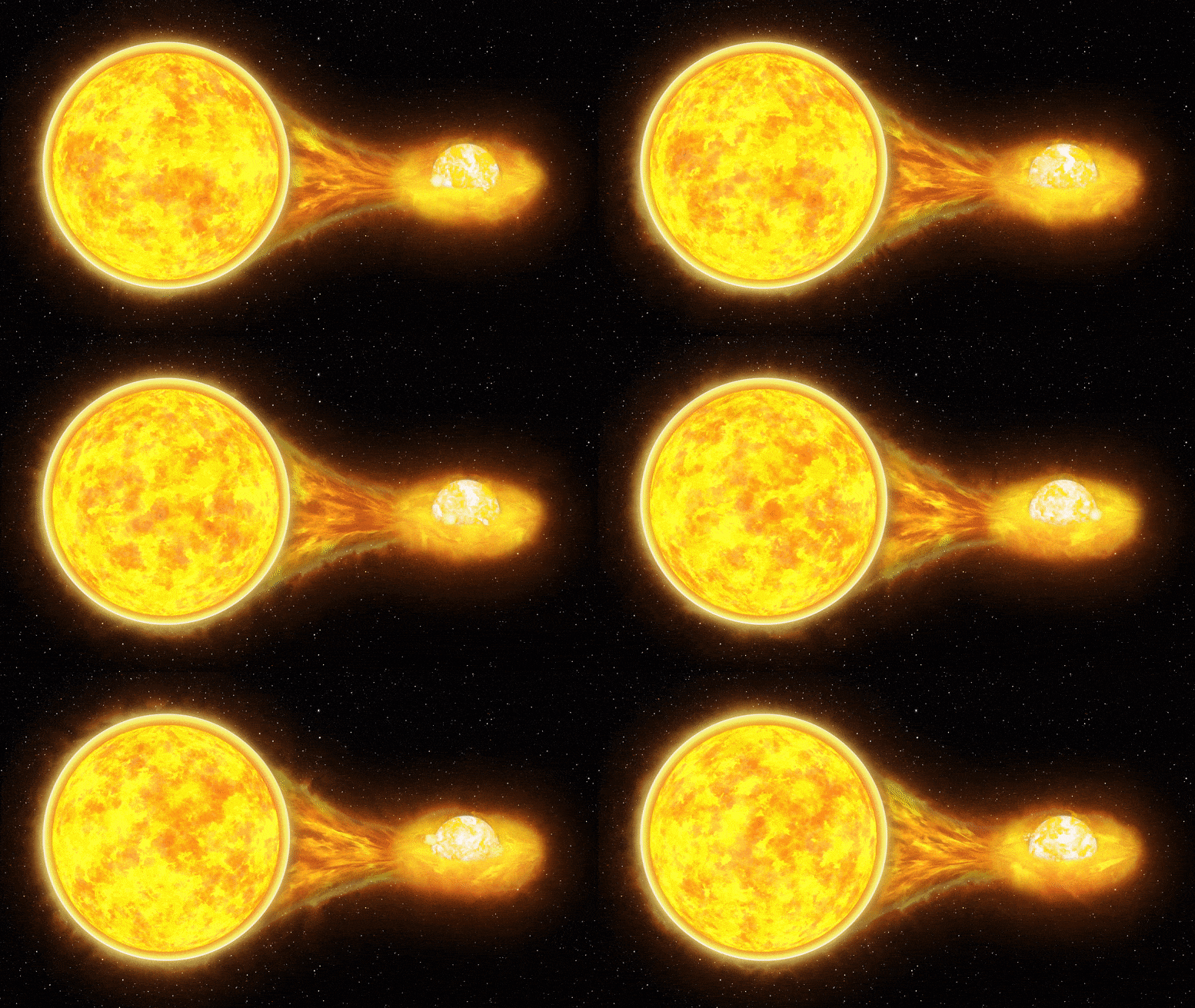
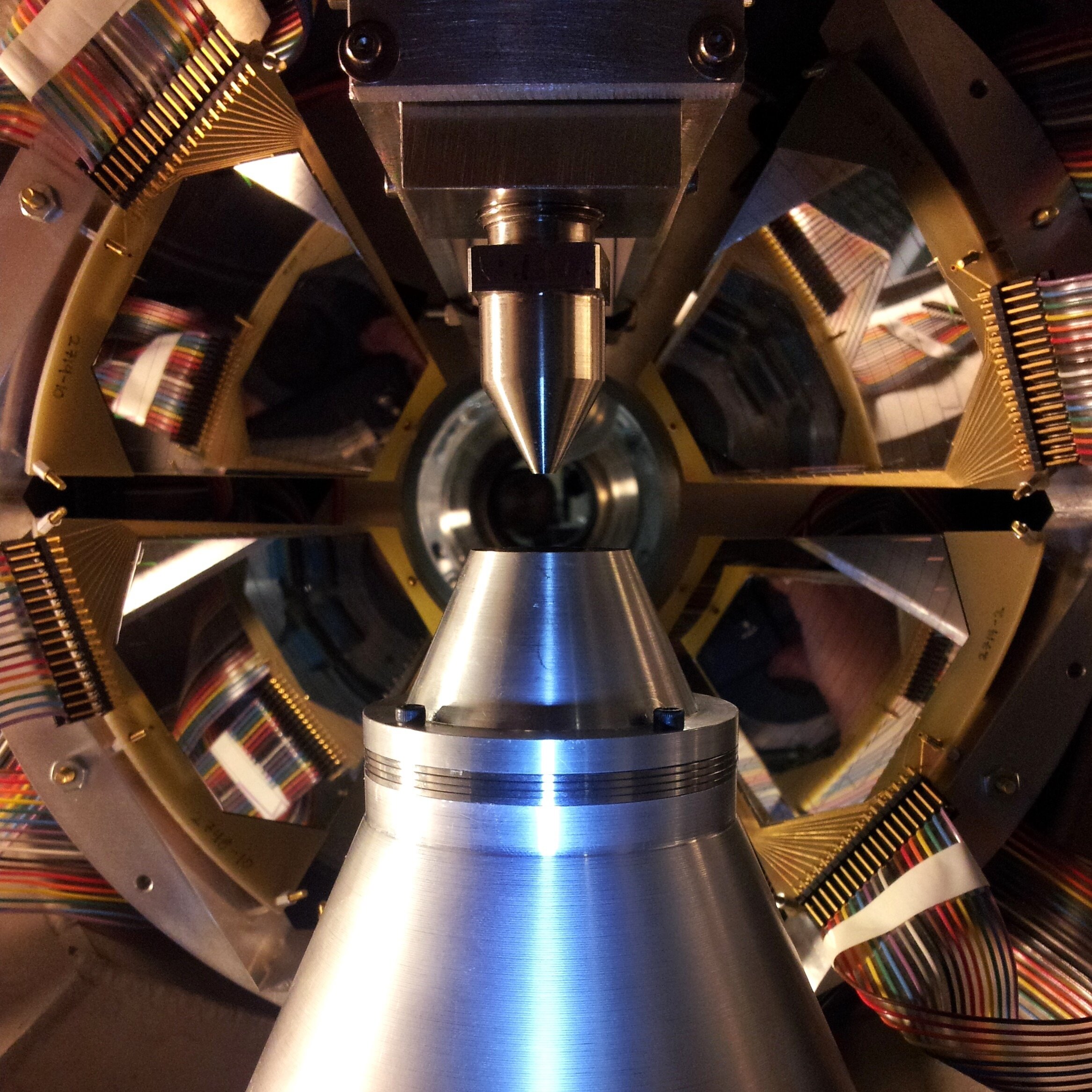
Scientists at the Department of Energy’s Oak Ridge National Laboratory have replicated a nuclear reaction that occurs on the surface of a neutron star, using a unique gas jet target system. The experiment improves understanding of nuclear reactions that lead to the creation of diverse nuclear isotopes, refining theoretical models used to predict element formation. The team used high-resolution detectors to measure energies and angles of the proton reaction products, and back-calculated to discover the dynamics of the reaction. The achievement may help reveal the cosmic recipes of elements in everything from people to planets.
Scientists at Oak Ridge National Laboratory have produced a signature nuclear reaction that occurs on the surface of a neutron star gobbling mass from a companion star. The achievement improves understanding of stellar processes generating diverse nuclear isotopes. The team uses a unique gas jet target system, which produces the world's highest-density helium jet for accelerator experiments, to understand nuclear reactions that proceed with the same physics on Earth as in outer space.
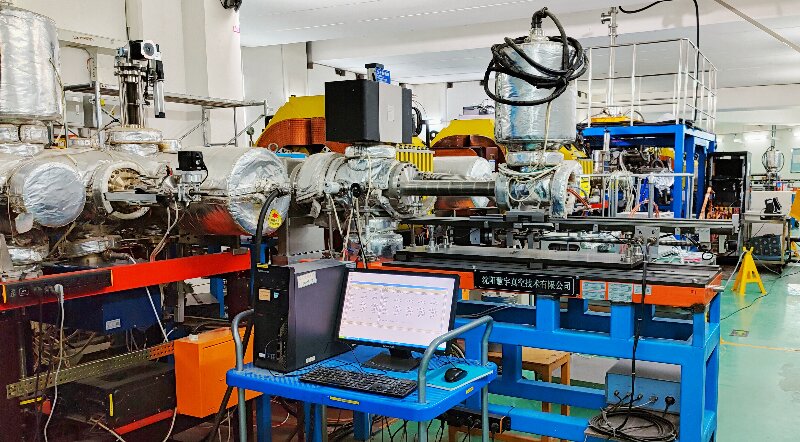
Researchers at the Institute of Modern Physics in China have used ultrasensitive mass spectrometry to measure the masses of several key nuclei with high precision, including germanium-64, which plays a decisive role in the nuclear reaction sequence that powers X-ray bursts on the surface of neutron stars. By using the new data to model X-ray bursts, the researchers set constraints on the properties of neutron stars, finding that the density of the neutron star is lower than expected and the temperature of the outer shell of the neutron star should be higher than generally believed after the X-ray burst.