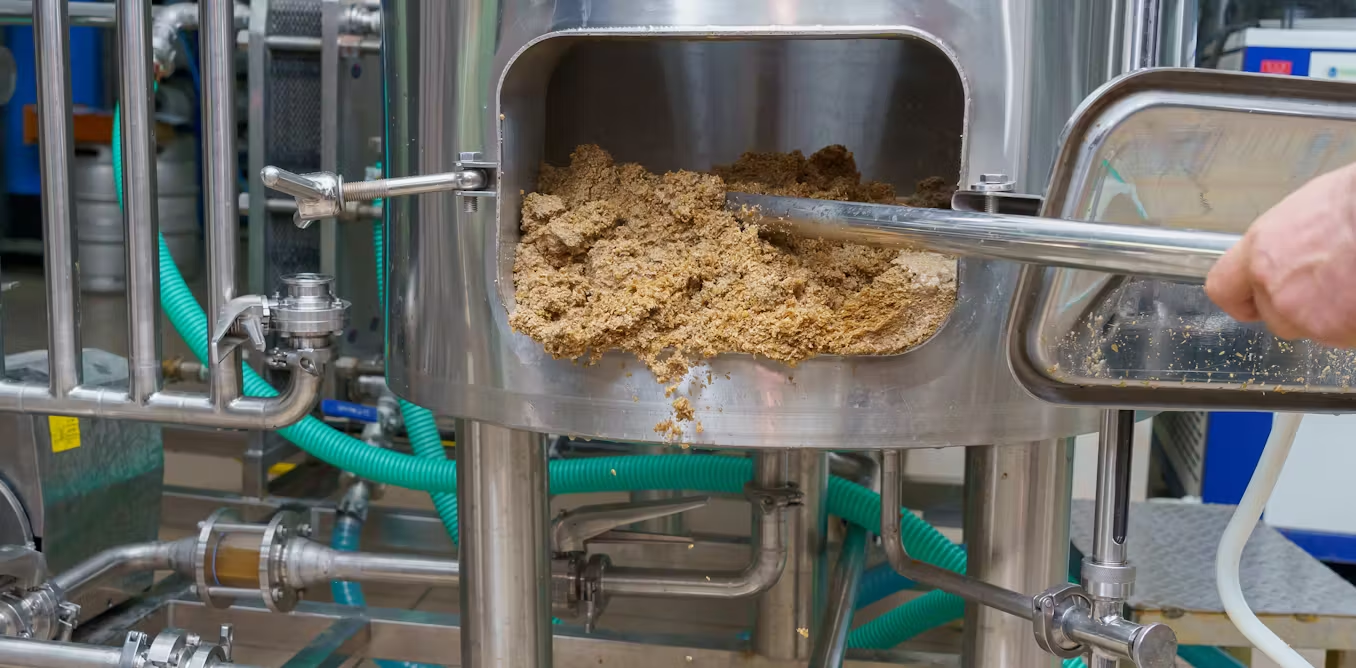
Scientists are exploring how to repurpose brewery waste into nanoparticles that can fight bacteria, offering a sustainable way to reduce environmental pollution and develop new antibacterial agents, with initial research showing promising results for safety and efficacy.
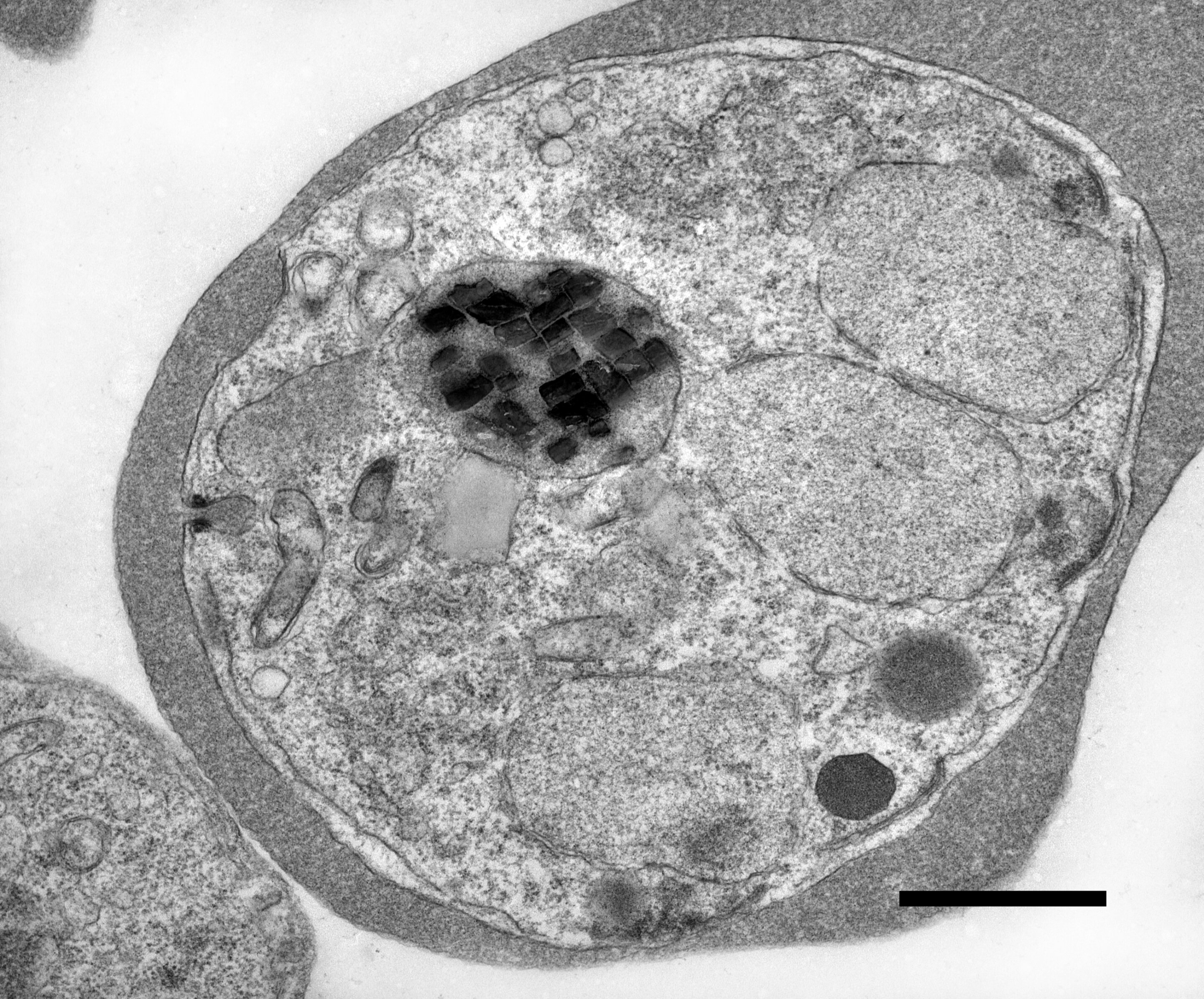
Scientists discovered that the spinning iron crystals inside malaria parasites are powered by a chemical reaction involving hydrogen peroxide, which may help the parasite manage toxic substances and could lead to new drug targets and nanotechnology applications.
A new nanoparticle-based cancer vaccine shows promising results in mice, preventing multiple tumor types with up to 88% efficacy over 250 days, though human applicability remains to be tested.
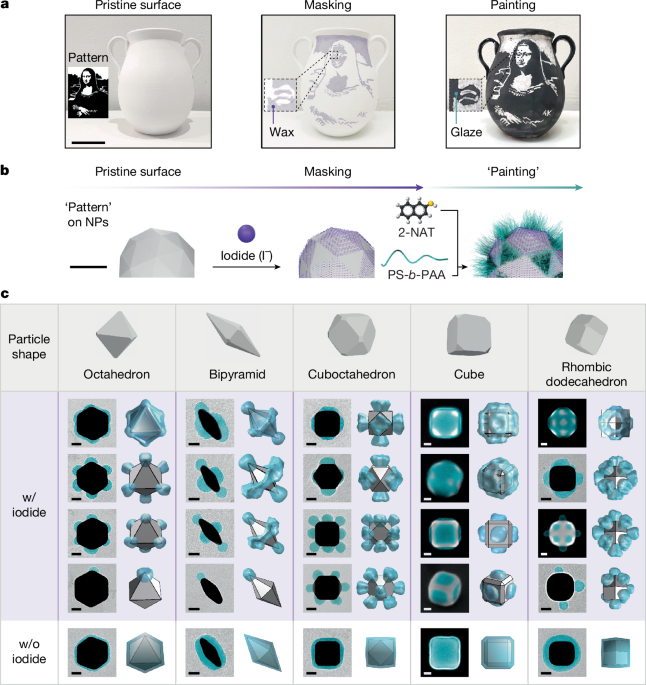
The article introduces a bottom-up atomic stencilling method to create highly precise and uniform patchy nanoparticles with diverse surface patterns, achieved through facet-selective iodide masking and polymer grafting, enabling advanced self-assembly into ordered superlattices and broad applications in nanotechnology.
Scientists have developed a novel nanoparticle-based approach that repairs the blood-brain barrier in mice, leading to rapid clearance of Alzheimer's-related plaques and improved cognitive function, suggesting a potential new direction for treatment research, though human applicability remains uncertain.
Scientists developed nanoparticle-based supramolecular drugs that successfully reversed Alzheimer's symptoms in mice by repairing the blood-brain barrier and promoting clearance of amyloid-beta, showing promising potential for future human treatments.
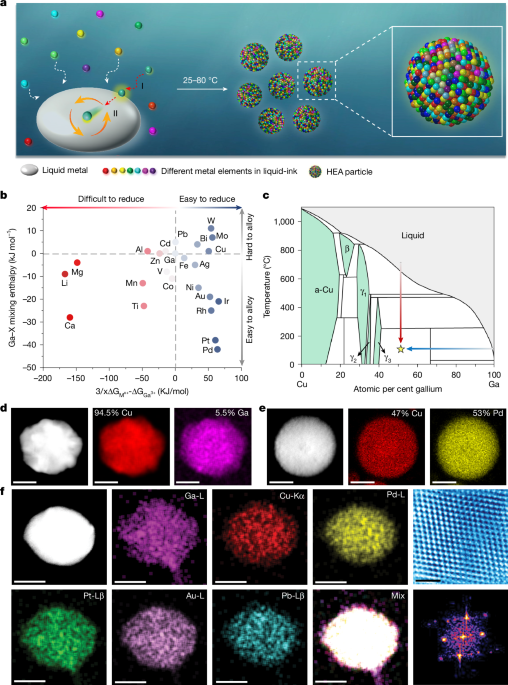
The article discusses a novel method of synthesizing high-entropy alloys using isothermal solidification, supported by in situ TEM experiments and extensive characterization, highlighting advances in nanoparticle synthesis and materials engineering.
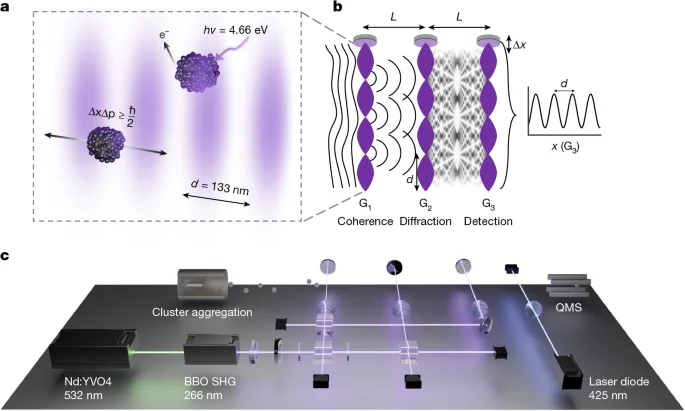
Physicists at ETH Zurich and the Barcelona Institute of Photonic Sciences have developed a method to control and expand the quantum wavepacket of levitated nanoparticles, potentially paving the way for matter-wave interference experiments with larger objects by using a technique called quantum squeezing to increase coherence length.
Scientists at Northwestern University developed lipid nanoparticle spherical nucleic acids (LNP-SNAs) that significantly improve CRISPR delivery into cells, tripling gene-editing efficiency, reducing toxicity, and enhancing the potential for safer genetic medicines.
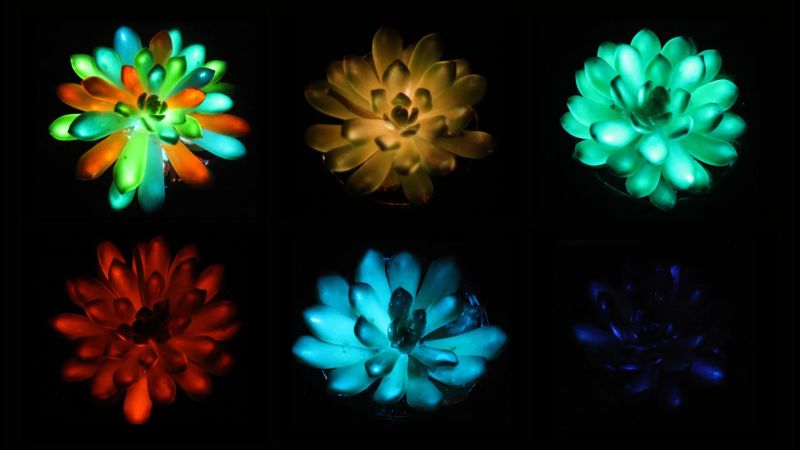
Scientists in China have developed the first multicolored, glow-in-the-dark succulent plants by injecting them with nanoparticles, allowing them to emit light for up to two hours after sunlight exposure, with potential future applications in decorative lighting and public spaces, though practical use remains limited due to safety and brightness concerns.
Northwestern University researchers have developed DNA-wrapped lipid nanoparticle spherical nucleic acids (LNP-SNAs) that significantly enhance CRISPR delivery, increasing cell entry efficiency threefold, reducing toxicity, and improving gene editing success, paving the way for safer and more effective genetic medicines.
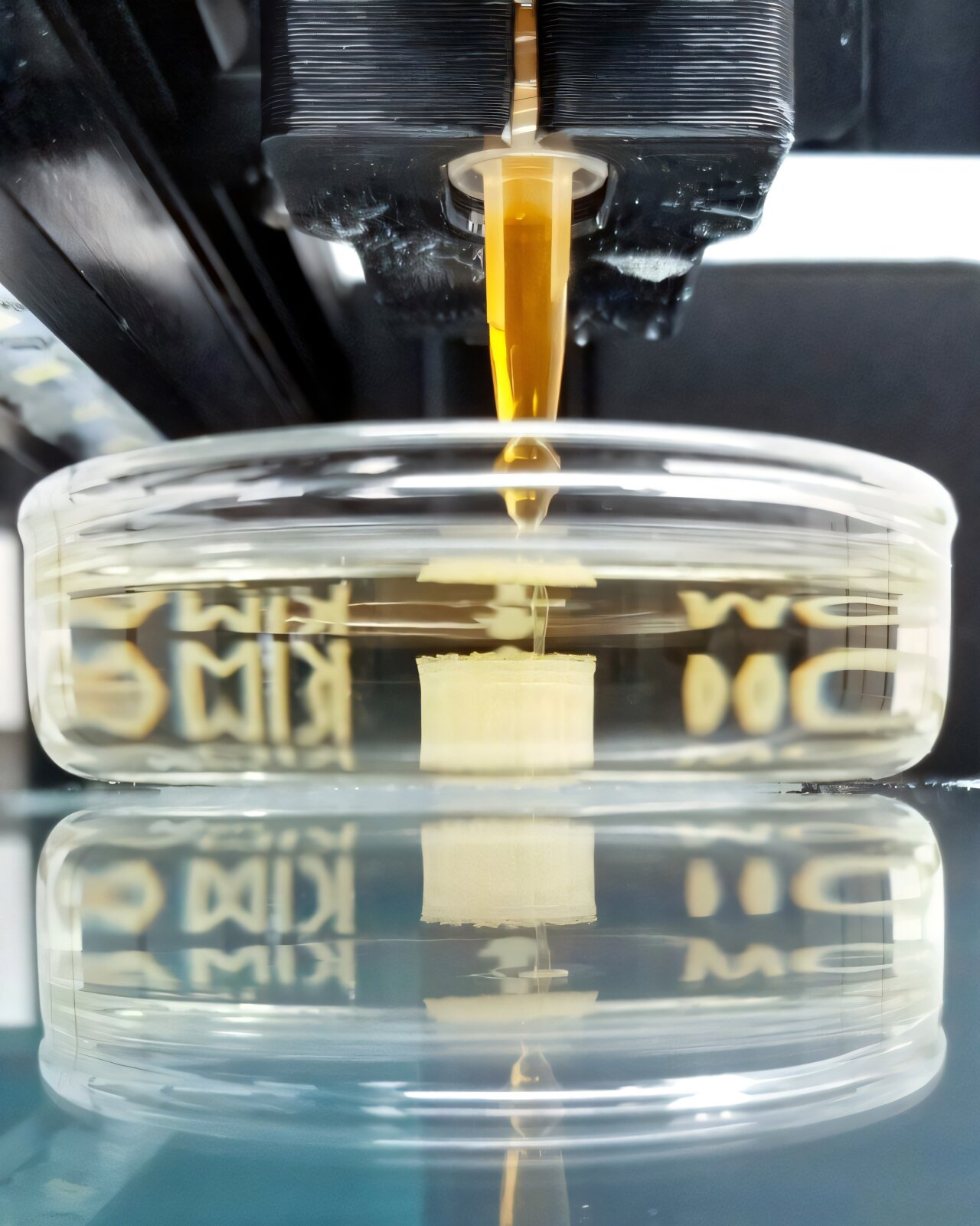
Cornell researchers developed a novel one-step 3D printing method using soft matter approaches to produce superconductors with record-breaking properties, including high magnetic field resilience, by self-assembling copolymer-inorganic nanoparticle inks into crystalline structures, potentially advancing technologies like MRI magnets and quantum devices.
Research from Purdue University reveals that typical hair styling routines, especially those involving heat tools above 300°F, release billions of tiny nanoparticles that can penetrate deep into the lungs, potentially causing respiratory and other health issues. The study highlights the role of heat and certain chemicals like D5 siloxane in nanoparticle formation and emphasizes the importance of good ventilation to reduce exposure. Future research aims to better understand the full health impacts of these emissions.
Purdue University engineers found that heat-styling hair care products release billions of nanoparticles that can deposit in the lungs, posing health risks such as respiratory stress and inflammation, especially when combined with heat from styling tools. The study highlights the need for better ventilation and reduced use of such products to mitigate exposure.
Researchers at Swansea University have developed a synthetic sugar-coated nanoparticle that acts as a decoy to block Covid-19 from infecting human cells, reducing infection rates by nearly 99%, and offering a potential new approach for antiviral therapies.