Tag

Paris Climate Agreement

All articles tagged with #paris climate agreement

climate-finance1 year ago

$1 Trillion Needed Annually for Climate Action in Developing Nations by 2030

A new study by the Independent High-Level Expert Group on Climate Finance reveals that poorer nations need $1 trillion annually by 2030 to address climate change, five years earlier than current UN climate talks suggest. The report warns that delaying this funding until 2035 would burden vulnerable countries. The study suggests that half of the required funds could come from private investments, with the rest from multilateral banks and direct grants. The ongoing Cop29 summit in Azerbaijan is grappling with disagreements over funding sources and amounts, with developing countries emphasizing the need for public finance to address adaptation needs.

environment1 year ago

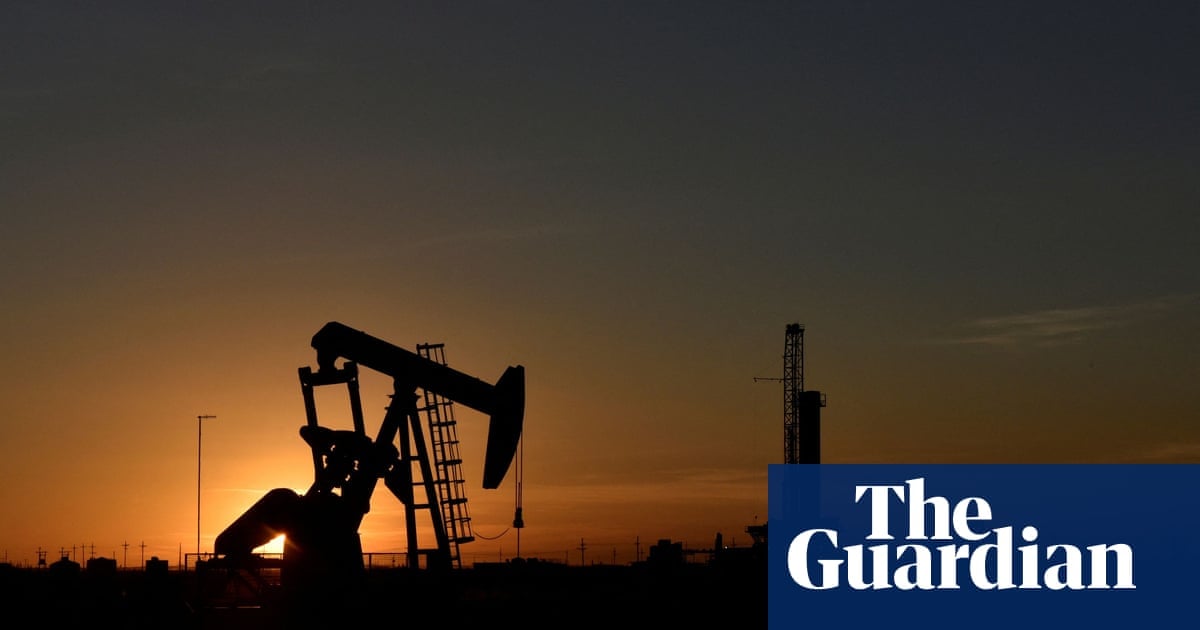
Exxon Urges Trump to Maintain U.S. Role in Paris Climate Accord

Exxon Mobil CEO Darren Woods urged President-elect Trump to remain in the Paris climate agreement, arguing that a U.S. exit would create global confusion and business uncertainty. Despite Exxon's support for the agreement since 2015, the Trump administration withdrew the U.S. from the accord in 2020, a decision reversed by President Biden in 2021. Woods emphasized the inefficiency and uncertainty caused by policy shifts between administrations.

politics1 year ago

Trump's Climate Policies: From Paris Exit to Petrostate Ambitions

President-elect Donald Trump plans to withdraw the US from the Paris climate agreement and open national monuments for drilling, according to reports. His transition team, including former officials David Bernhardt and Andrew Wheeler, is preparing executive orders to reduce federal land protections and eliminate environmental justice offices. Trump aims to promote fossil fuel production and reduce regulations, reversing policies from the Biden administration. He also intends to appoint an "energy czar" and terminate a permit pause on new natural gas export terminals.

environment-climate-change1 year ago

"Unveiling the 57 Companies Responsible for 80% of Global Carbon Emissions"

A study reveals that just 57 oil, gas, coal, and cement producers are responsible for 80% of global greenhouse gas emissions since the 2016 Paris climate agreement, with most increasing their output of fossil fuels despite pledges to cut emissions. The Carbon Majors Database, compiled by researchers, highlights the significant role of state-controlled corporations and shareholder-owned multinationals in driving the climate crisis, with Chinese state coal production accounting for the largest share of historic global CO2 emissions. The study underscores the need for accountability and action from these energy giants to address the consequences of their activities and mitigate the threat of climate change.

climate-change1 year ago

"Earth Exceeds Critical Warming Threshold for 12 Consecutive Months"

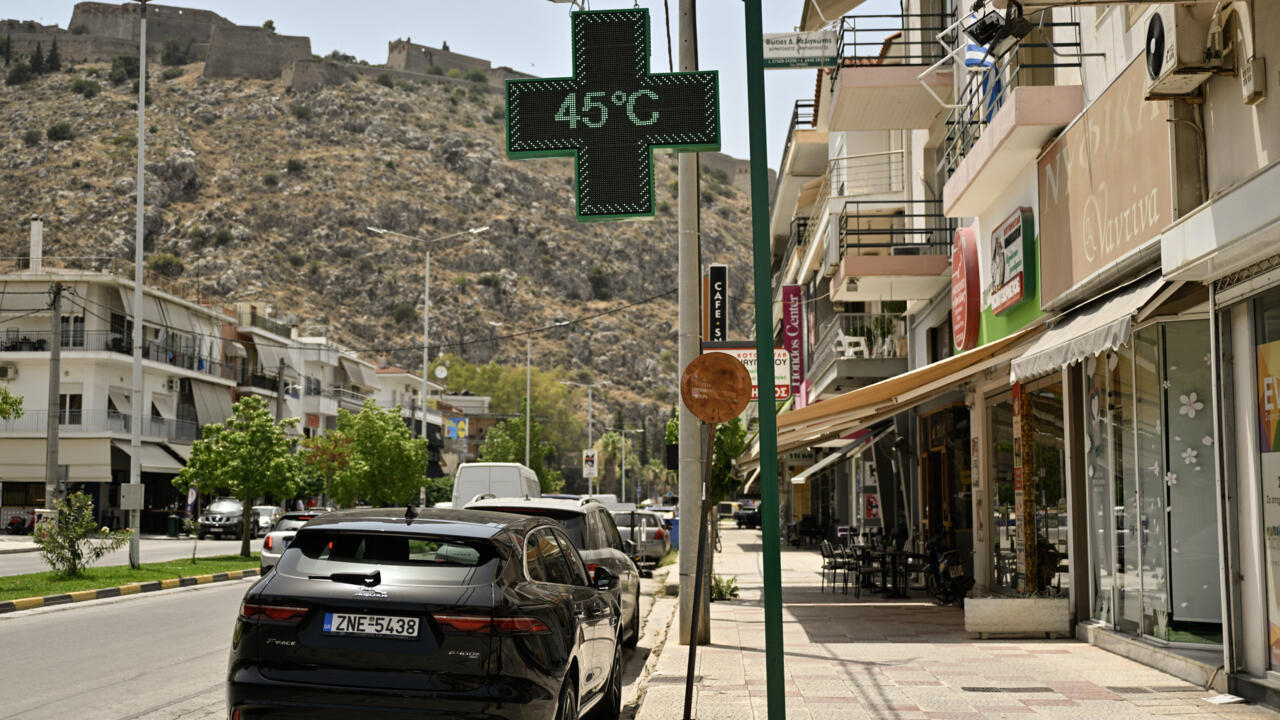
The Earth has experienced a 1.5 degrees Celsius increase in temperature over the past 12 months, surpassing a critical threshold set in the Paris climate agreement. While the 1.5C goal may still be achievable with significant emissions reductions, most experts believe it is inevitable that this threshold will be surpassed. The impact of crossing this threshold includes increased likelihood of catastrophic tipping points and strain on global infrastructure, emphasizing the urgency of transitioning away from fossil fuels to mitigate further warming.

environment1 year ago

Earth Exceeds 1.5°C Warming Limit for Record 12-Month Period

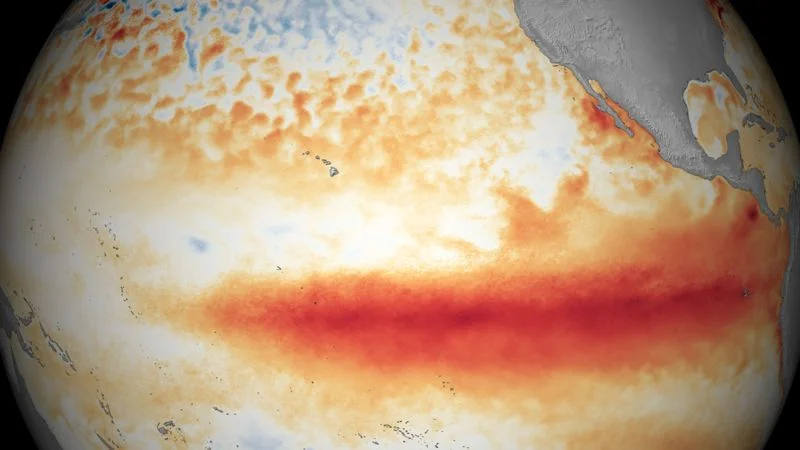
The Copernicus Climate Change Service reported that global temperatures have exceeded 1.5 degrees Celsius above pre-industrial levels for the first time over a 12-month period, signaling a warning to humanity about the accelerating pace of climate change. The extreme temperatures, exacerbated by the El Nino phenomenon, have led to devastating impacts such as storms, droughts, and wildfires across the planet. This breach of the 1.5C threshold underscores the urgent need to reduce planet-heating emissions and align with the Paris climate agreement's targets to mitigate the escalating environmental and societal costs of climate change.

energy2 years ago

Global Coal Demand Reaches Record High in 2023, But Expected to Decline by 2026

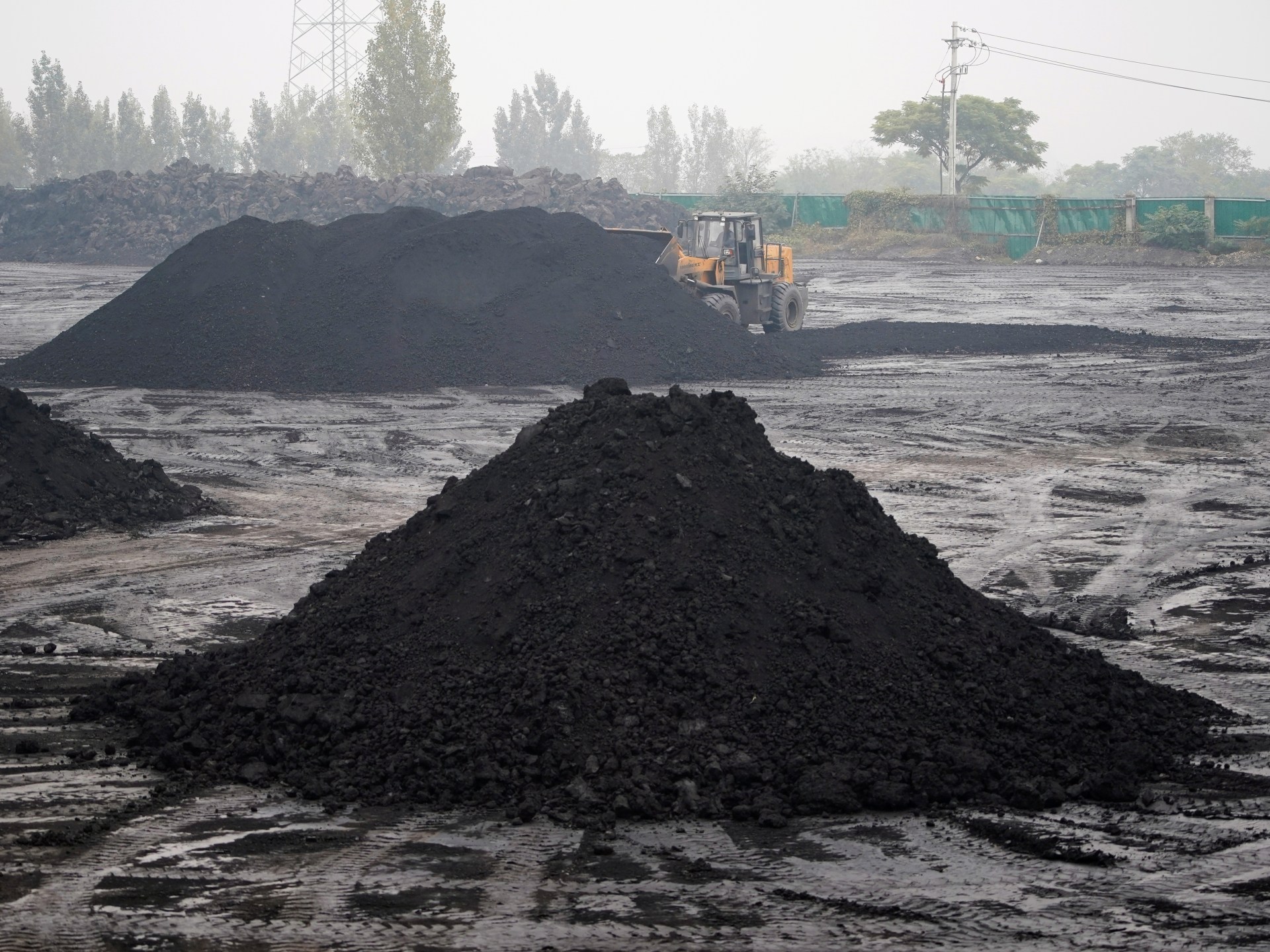
Global coal use is projected to reach a record high in 2023, driven by strong demand in emerging and developing economies such as India and China, according to a report by the International Energy Agency (IEA). The report states that coal consumption is expected to rise by 1.4% in 2023, surpassing 8.5 billion tonnes for the first time. However, coal use is set to decline by about 20% this year in both the European Union and the United States. The IEA highlights that the pace of clean energy deployment, weather conditions, and structural shifts in the Chinese economy will significantly impact the future outlook for coal. To meet the goals of the Paris climate agreement, the use of unabated coal would need to decrease at a faster rate.

climate-change2 years ago

"2023: The Hottest Year on Record Confirmed by Scientists and UN"

Earth has set a new monthly record for heat for the sixth consecutive month, making 2023 on track to become the hottest year on record. November was nearly a third of a degree Celsius hotter than the previous hottest November, and the autumn season was also the hottest on record. The planet is currently 1.46 degrees Celsius warmer than pre-industrial times, close to the international threshold set by the Paris climate agreement. Scientists attribute the record-breaking heat to human-caused climate change and the El Nino-La Nina cycle. Without reducing greenhouse gas emissions, catastrophic floods, fires, heatwaves, and droughts will continue to worsen.

climate-change2 years ago

2023 Set to Break Records as Hottest Year Yet, Scientists Warn

Scientists have confirmed that 2023 will officially be the hottest year on record, with global temperatures projected to be more than 1.4 degrees Celsius warmer than pre-industrial levels. This surpasses the 1.5-degree threshold set in the Paris climate agreement, raising concerns about the ability of humans and ecosystems to adapt. Every month since June has been the hottest on record, with November being approximately 1.75 degrees warmer than pre-industrial levels. The report comes as delegates from over 150 countries gather for COP28, the UN's annual climate summit, where discussions on phasing out fossil fuels are taking place. The combined effects of El Niño and human-caused climate change are attributed to the exceptional warmth in 2023. The world is on track to exceed 1.5 degrees of warming on a longer-term basis, posing significant long-term risks.

climate-change2 years ago

"Food's First Net Zero Plan Urges Rich World to Reduce Meat Consumption"

The United Nations' Food & Agriculture Organization (FAO) is set to release the first comprehensive plan to align the global agrifood industry with the Paris climate agreement. The plan, expected to be published during the COP28 summit, will urge developed nations to reduce their meat consumption while encouraging developing countries to improve their livestock farming practices. Food systems contribute to about one-third of global greenhouse gas emissions, with livestock farming being a major source of methane, deforestation, and biodiversity loss. The FAO's plan, although non-binding, aims to inform policy and investment decisions and accelerate the food industry's climate transition. The guidance on meat consumption is intended to send a clear message to governments, even though politicians in wealthier nations tend to avoid policies that influence consumer behavior. The FAO's plan will also address issues such as weather adaptation, food waste, and fertilizer use, and will be rolled out in three parts over the next few years.

climate-change2 years ago

Earth Breaks Through Critical 2-Degree Warming Limit, Raising Climate Change Concerns

The Earth's temperature briefly exceeded the crucial 2-degree Celsius threshold, a limit that scientists have warned could have catastrophic and irreversible consequences for the planet and its ecosystems. Although this breach was temporary, it signifies a planet that is steadily getting hotter and moving towards a longer-term situation where reversing climate crisis impacts will be difficult or impossible. The breach occurred just before the UN COP28 climate conference, where countries will assess their progress towards the Paris Climate Agreement's goal of limiting global warming to 2 degrees above pre-industrial levels. The world is already on track to surpass 1.5 degrees of warming, and even with current emissions-reduction pledges, it is projected to reach between 2.5 and 2.9 degrees this century. Every fraction of a degree above 1.5 degrees worsens the impacts, putting more people at risk and increasing the likelihood of irreversible tipping points. Scientists emphasize the urgency of tackling greenhouse gas emissions to address this alarming trend.

environment2 years ago

Global Emissions Plans Fail to Contain Climate Crisis, UN Assessment Reveals

A UN assessment reveals that even if countries fulfill their current climate pledges, planet-heating pollution in 2030 will still be 9% higher than in 2010, putting the world "wildly off track" to contain global heating. The report highlights a significant gap between nations' actions and the necessary emissions reductions to limit global warming to 1.5 degrees Celsius. While emissions are projected to peak and start decreasing before the end of the decade, the progress is considered insufficient. The findings emphasize the urgent need for bolder action to address the climate crisis.

climate-change2 years ago

Climate Expert Warns: Earth Heating Up Faster Than Predicted

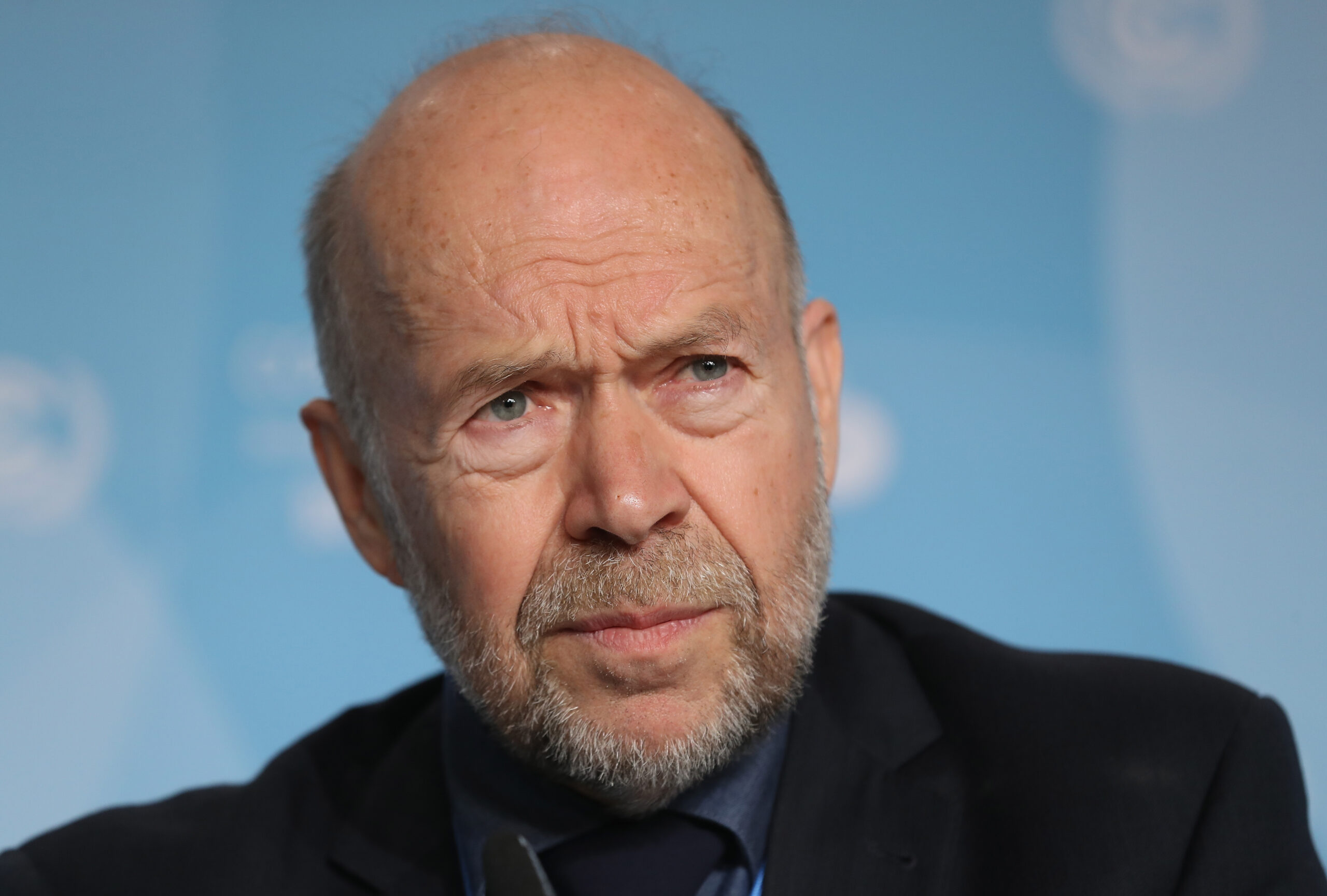
Former head of NASA's climate group, James Hansen, warns that the rate of global warming could increase significantly in the next few decades, surpassing the targets set by the Paris climate agreement. Hansen's study, published in the journal Oxford Open Climate Change, suggests that a reduction in sulfuric air pollution particles could accelerate global warming. The research also indicates that widely used climate models underestimate the sensitivity of ocean heat transport currents to melting ice, potentially leading to drastic climate impacts such as superstorms, changes in rainfall patterns, and significant sea-level rise. The study has sparked controversy within the climate science community, with Hansen criticizing the United Nations Intergovernmental Panel on Climate Change (IPCC) for underestimating future warming, while other researchers, including IPCC authors, have criticized the study.

climate-change2 years ago

Climate Scientist's Dire Warning: Imminent Planetary Warming Deepens Divides

A new study published in the journal Oxford Open Climate Change warns of an imminent spike in planetary warming, projecting a big jump in the rate of warming in the next few decades. The research suggests that a reduction in sulfuric air pollution particles called aerosols could send global temperatures soaring beyond the targets of the Paris climate agreement sooner than expected. The study has sparked controversy and deepened divides among climate scientists, with the lead author, James Hansen, criticizing the United Nations Intergovernmental Panel on Climate Change (IPCC) for underestimating future warming. The findings also suggest that widely used climate models underestimate the speed at which global ice sheets could melt and sea levels could rise. The study highlights the urgent need for action to address climate change and the challenges faced by countries working to limit its harmful effects.

climate-change2 years ago

World on track to surpass critical climate threshold within next decade.

The World Meteorological Organization warns that the world is on track to breach a key climate threshold for the first time within the next five years due to heat-trapping pollution and a looming El Niño. There is a 66% chance that the planet’s temperature will climb above 1.5 degrees Celsius of warming above pre-industrial levels for at least one year between 2023 and 2027. Breaching the 1.5-degree threshold may only be temporary, but it would be the clearest signal yet of how quickly climate change is accelerating. Countries pledged in the Paris Climate Agreement to limit global warming to well below 2 degrees, and preferably to 1.5 degrees, compared to pre-industrial temperatures.