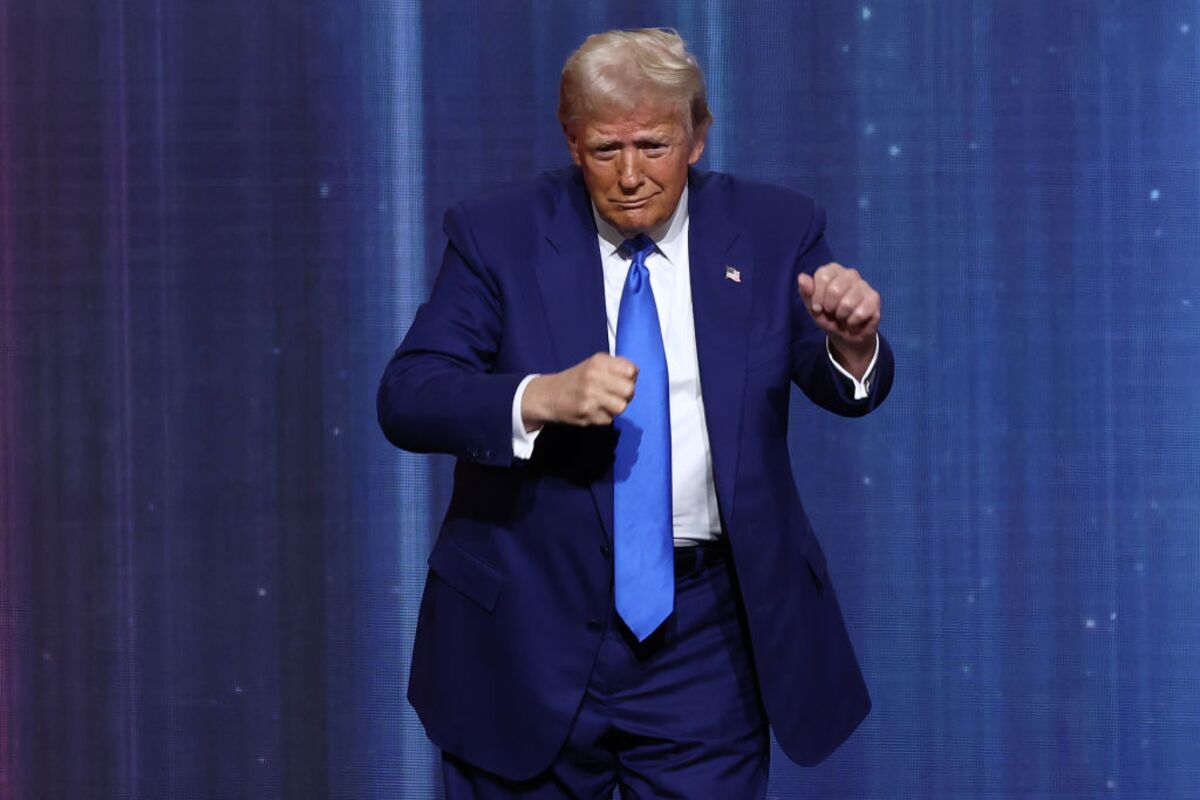
President Trump shared tariff letters with several emerging economies, including the Philippines and Sri Lanka, as part of his broader trade strategy, which involves delaying the implementation of reciprocal tariffs until August 1, 2025, amidst ongoing negotiations and diplomatic communications.
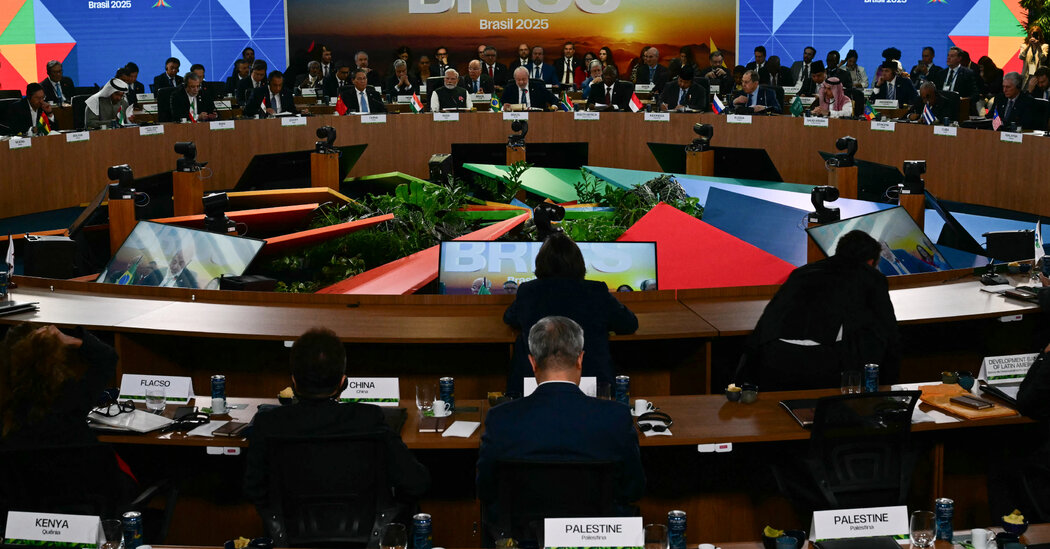
Amid looming US tariffs, the BRICS nations are strengthening intra-group trade and cooperation, signaling a shift away from dependence on the US and a move towards a more multipolar global order, despite US threats of additional tariffs and tensions.
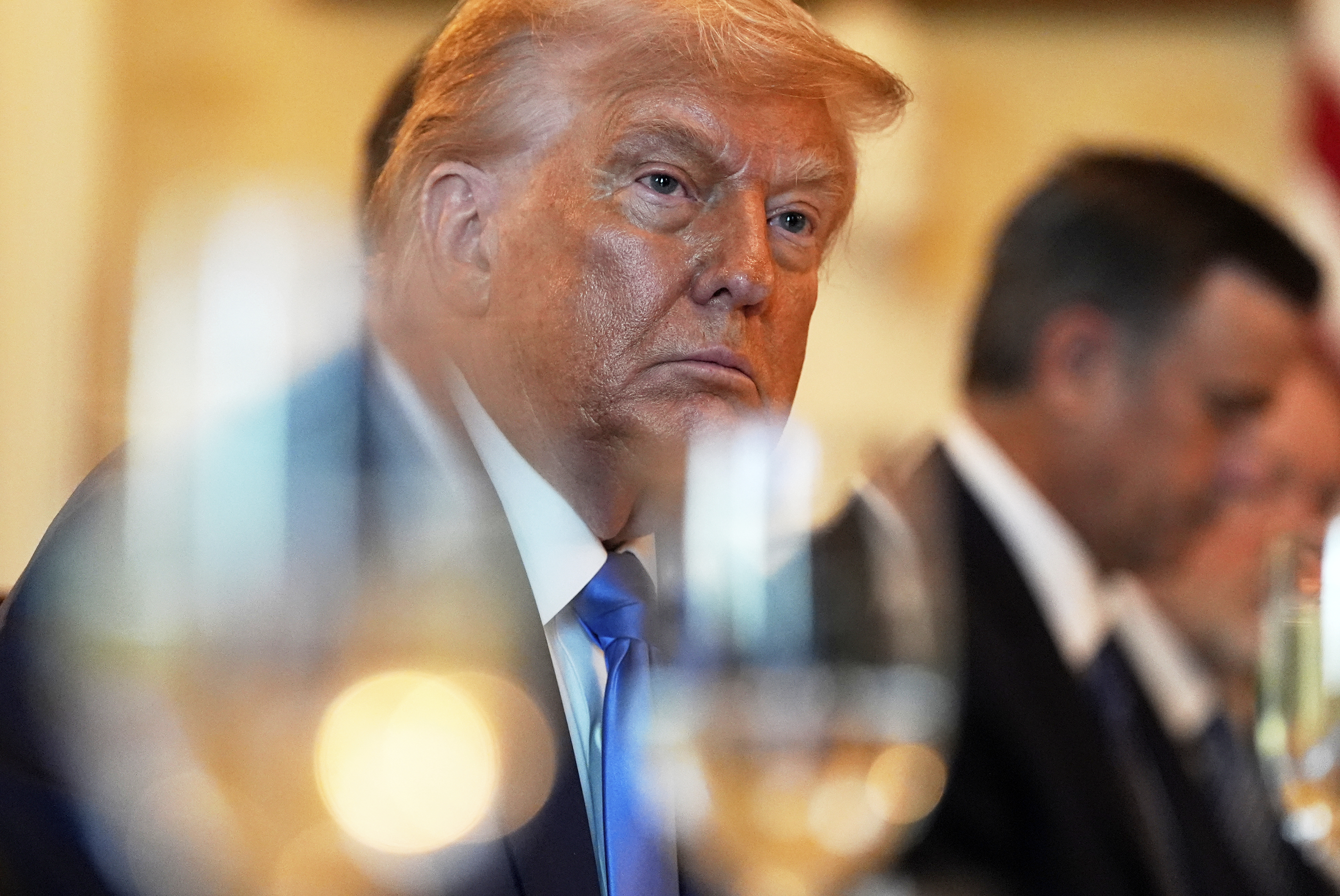
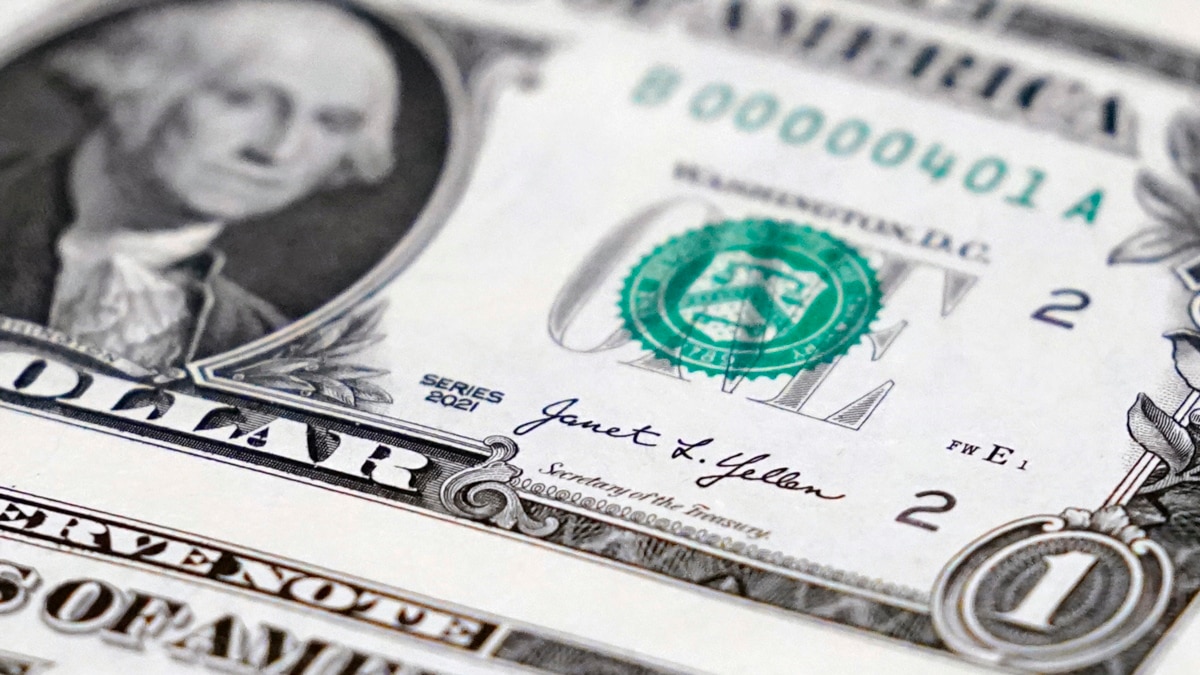
Donald Trump has signaled his intent to aggressively defend the US dollar's global dominance by warning emerging economies, particularly the BRICs group, against abandoning the dollar. He stated that countries that do so would face difficulties trading with the US.
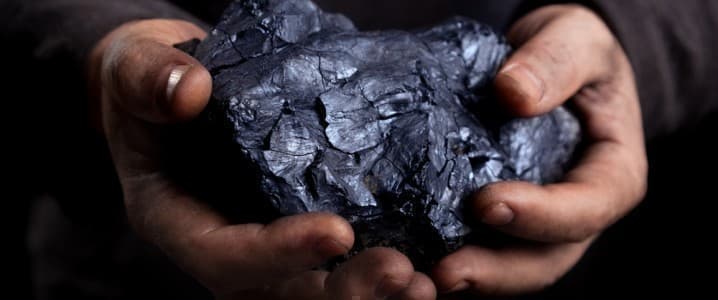
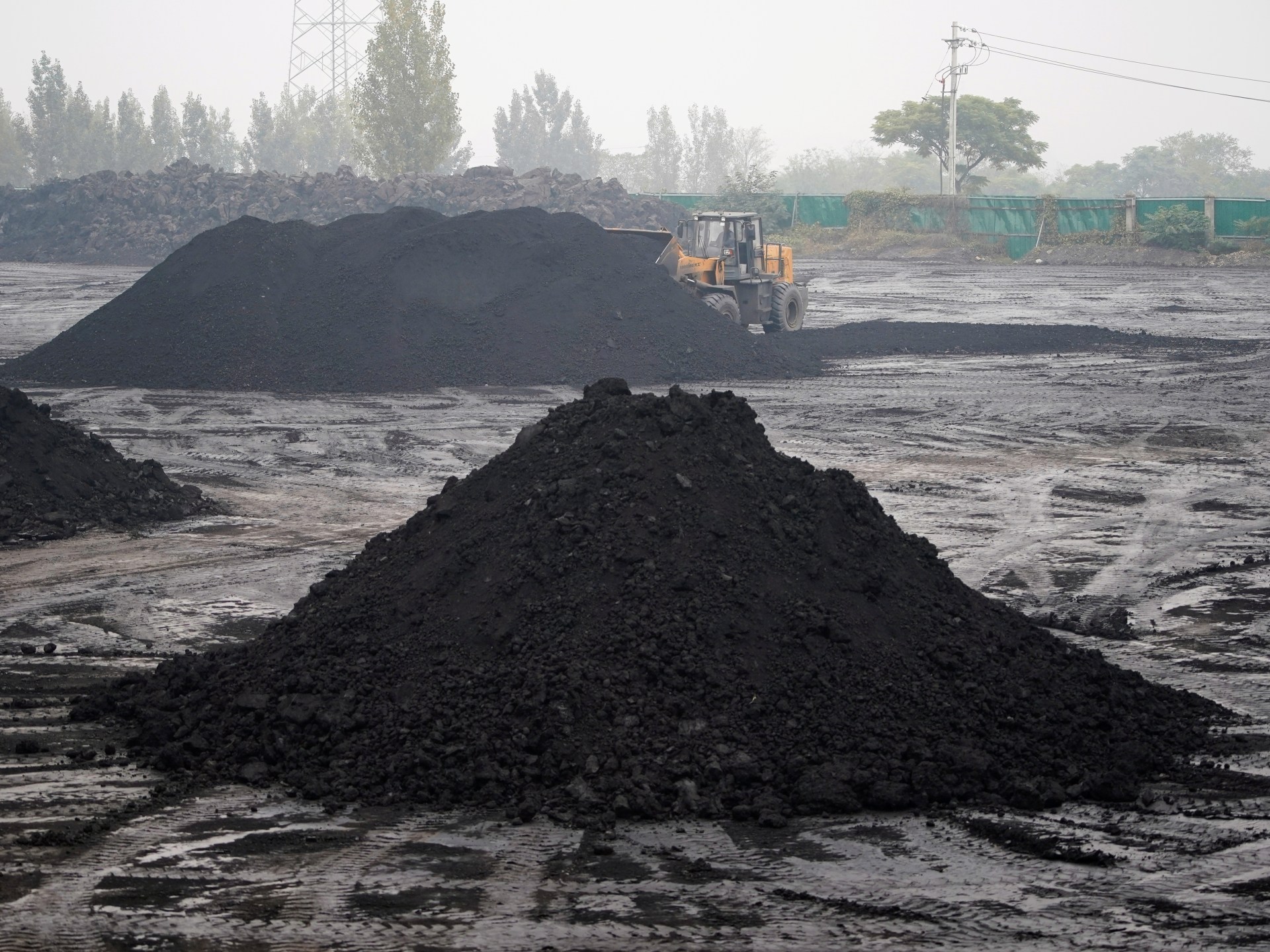
Global coal demand is projected to reach a record high of 8.5 billion tons in 2023, driven by strong demand in emerging economies like India and China. While coal use in the United States and the EU is expected to decline, the top three coal producers - China, India, and Indonesia - are increasing production. The International Energy Agency (IEA) predicts a decline in coal use after 2023 due to the expansion of renewable energy sources. However, the pace of renewable energy deployment in key Asian economies will determine the future of coal. The IEA emphasizes the need for greater efforts to meet international climate targets.
Global coal use is projected to reach a record high in 2023, driven by strong demand in emerging and developing economies such as India and China, according to a report by the International Energy Agency (IEA). The report states that coal consumption is expected to rise by 1.4% in 2023, surpassing 8.5 billion tonnes for the first time. However, coal use is set to decline by about 20% this year in both the European Union and the United States. The IEA highlights that the pace of clean energy deployment, weather conditions, and structural shifts in the Chinese economy will significantly impact the future outlook for coal. To meet the goals of the Paris climate agreement, the use of unabated coal would need to decrease at a faster rate.
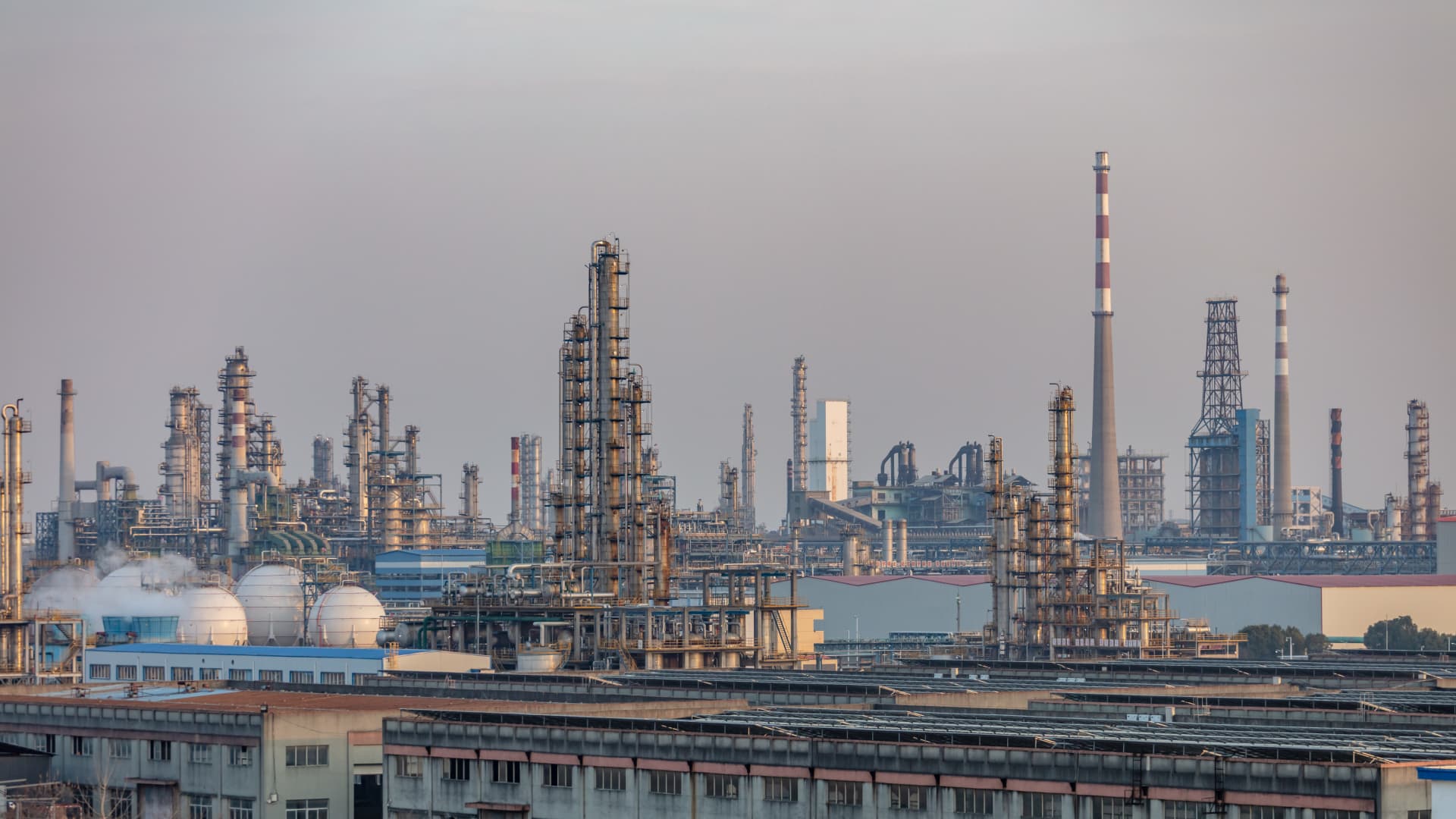
China's decades-long dependence on oil may be coming to an end as its demand for oil is predicted to peak within the next three to five years. Experts suggest that global oil markets should look to countries like India and other emerging economies in Southeast Asia to create resilience on the demand side. China's commitment to carbon neutrality by 2060 and the rapid growth of electric vehicle adoption may contribute to a decline in its crude oil demand. However, some analysts believe that without significant technological innovation, China's oil demand will continue for the next two to three decades.
The BRICS group, consisting of Brazil, Russia, India, China, and South Africa, is holding its 15th summit in Johannesburg. Originally coined as BRIC in 2001, the bloc was established in 2009 to challenge the dominance of the United States and its Western allies. Over 40 countries, including Iran, Saudi Arabia, Argentina, and Ethiopia, have expressed interest in joining BRICS, viewing it as an alternative to Western-dominated global bodies. These nations hope that membership will bring benefits such as development finance, increased trade, and investment. Dissatisfaction with the global order has grown, particularly during the COVID-19 pandemic, when developing nations faced difficulties accessing life-saving vaccines. The BRICS summit aims to strengthen economic cooperation and multilateral trade while operating by consensus.
Developing countries, including members of the BRICS bloc, are expressing frustration with the dominance of the U.S. dollar in the global financial system and its potential for destabilizing their economies. While there have been discussions about expanding trade in local currencies to reduce reliance on the dollar, concrete proposals for alternative currencies have not yet emerged. Critics argue that the dollar's influence allows the U.S. to impose financial sanctions and that fluctuations in its value can cause economic chaos abroad. However, the alternatives to the dollar remain limited, with the euro and China's yuan not rivaling its international gravitas. The dollar still has its supporters, particularly in countries like Argentina and Zimbabwe, where it has provided stability amidst economic challenges.
Emerging economies, including the BRICS bloc, are expressing dissatisfaction with the dominance of the US dollar in the global financial system. However, finding a viable alternative to the dollar has proven challenging. While discussions have taken place about expanding trade in local currencies, concrete proposals have yet to emerge. The dollar remains the most-used currency in global business, accounting for a significant majority of trade invoicing. The euro and China's yuan have made some inroads, but they still fall short of challenging the dollar's dominance. The path to a new currency and a major upheaval in the global financial system is seen as long and requiring trust.
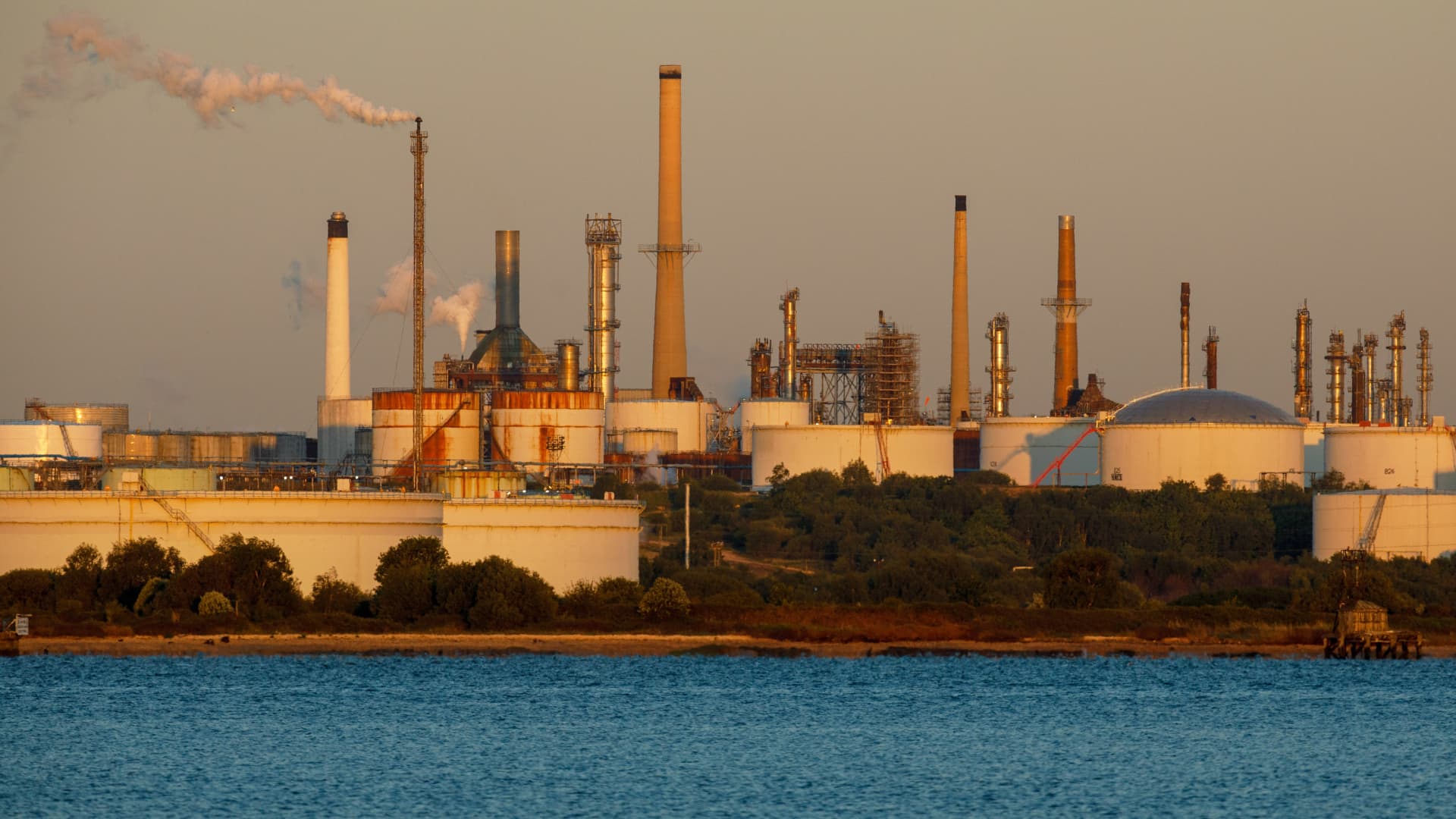
Major oil importers like India, Japan, and South Korea will be the most affected if oil prices reach $100 per barrel, as some have predicted. The voluntary production cuts by OPEC and its allies are set to start in May and last until the end of 2023. Countries heavily reliant on oil imports, such as Japan and South Korea, will be hit the hardest. Emerging markets that do not have the foreign currency capability to support fuel imports, such as Argentina, Turkey, South Africa, and Pakistan, will also be negatively impacted. However, while $100 per barrel may be within the horizon, the higher price point may not stay for long.