Tag

Pareidolia

All articles tagged with #pareidolia

science2 months ago

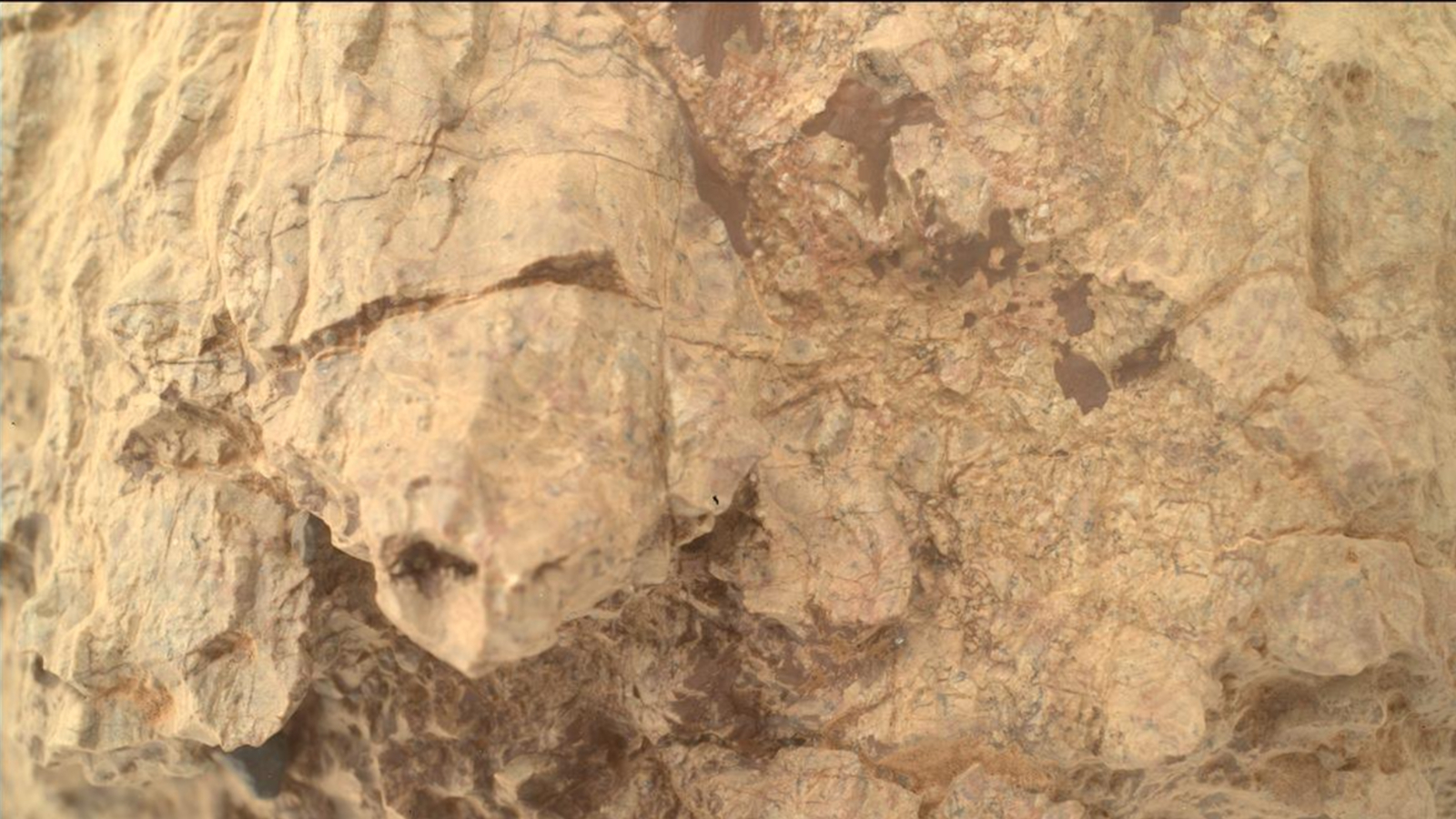
NASA Rover's Mars Photos Spark Rumors of a Fiero with a Rocket Engine

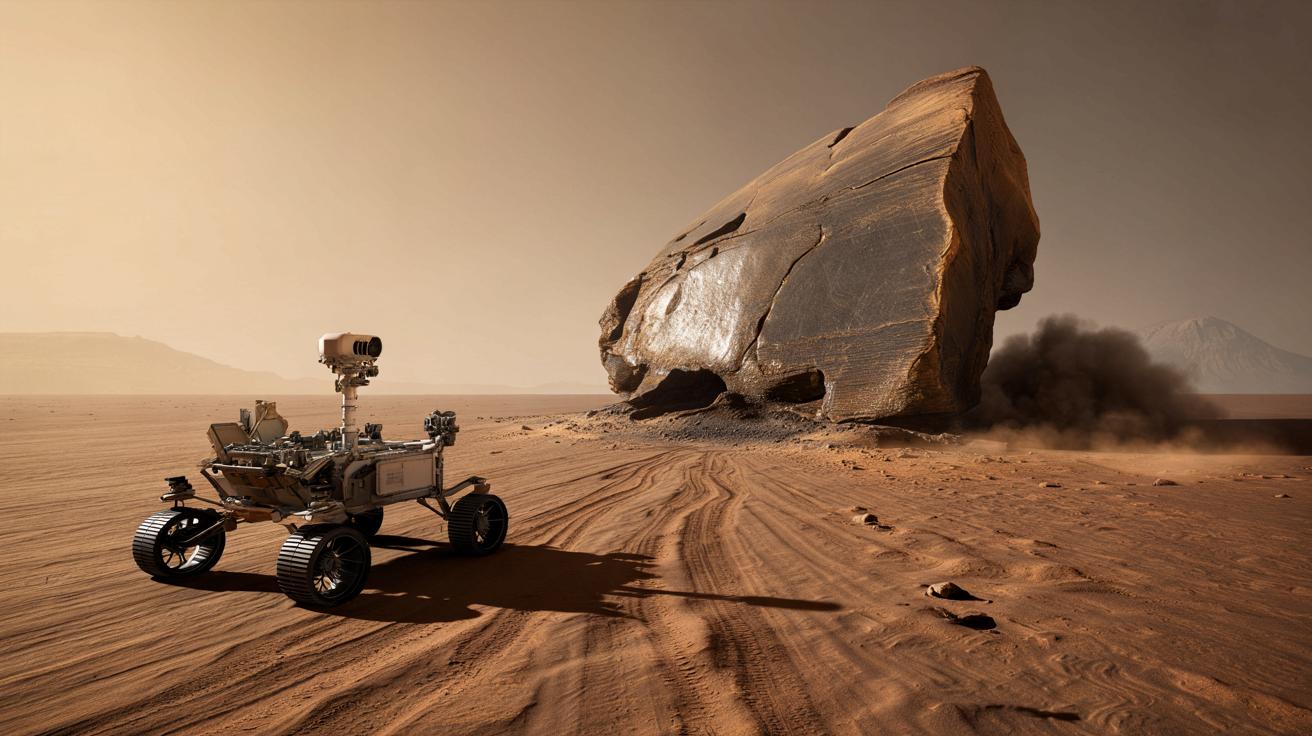
A viral claim that NASA's Perseverance rover found a 1984 Pontiac Fiero on Mars is unfounded; the image is a result of pareidolia, image compression artifacts, and photo editing, with no scientific evidence supporting the presence of a car or rocket engine on Mars. The story highlights how perception, context, and social media can create false narratives around space images, but NASA's data and imaging tools do not support such claims.
lifestyle1 year ago

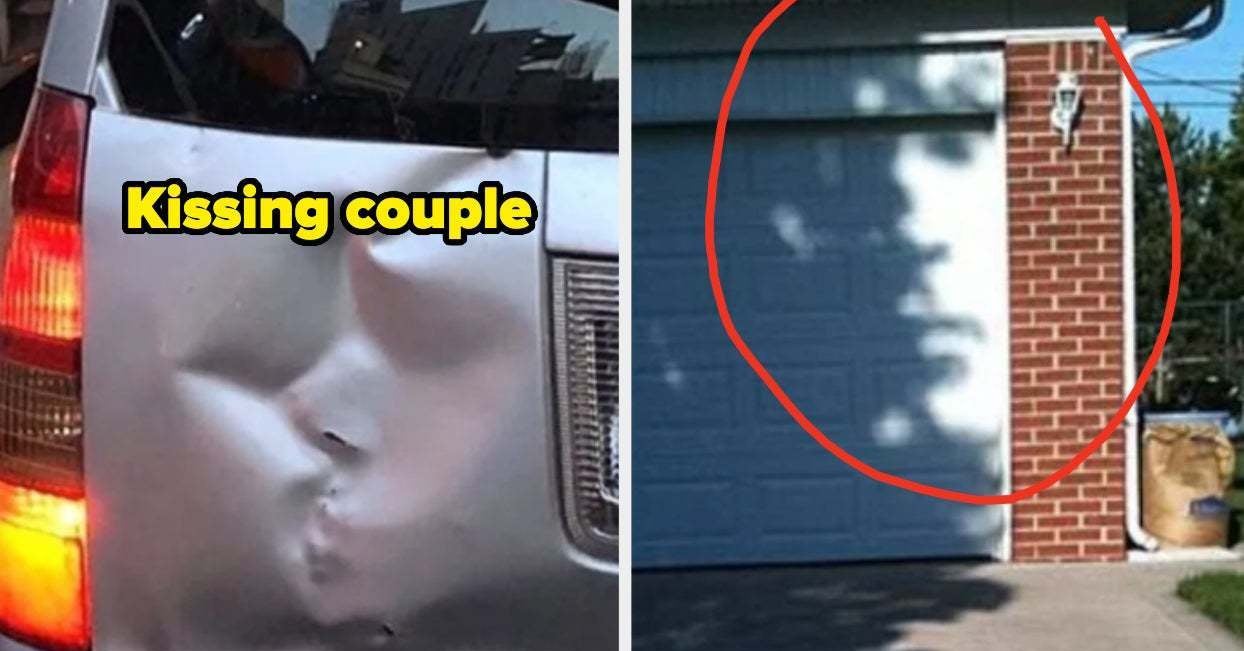
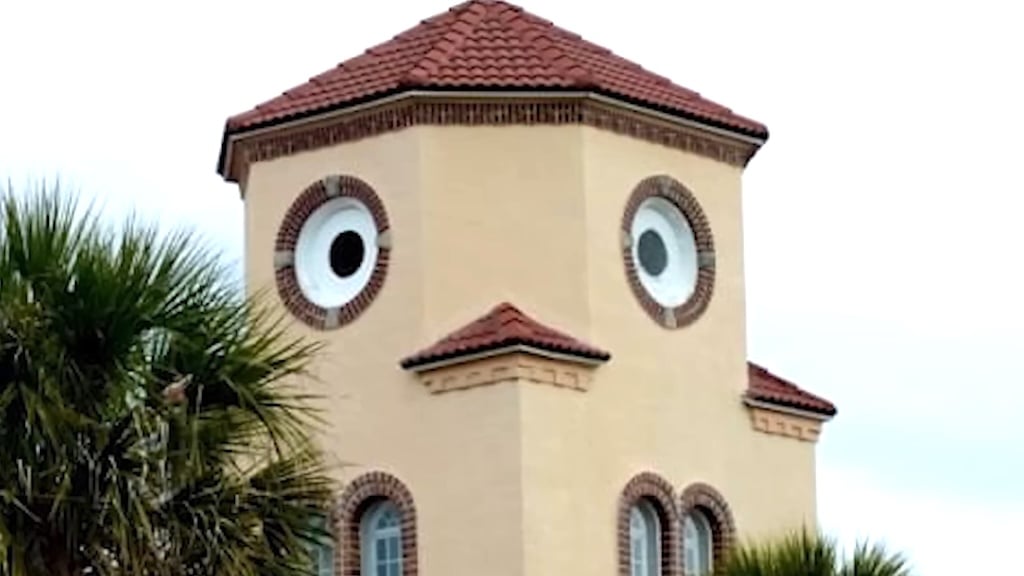
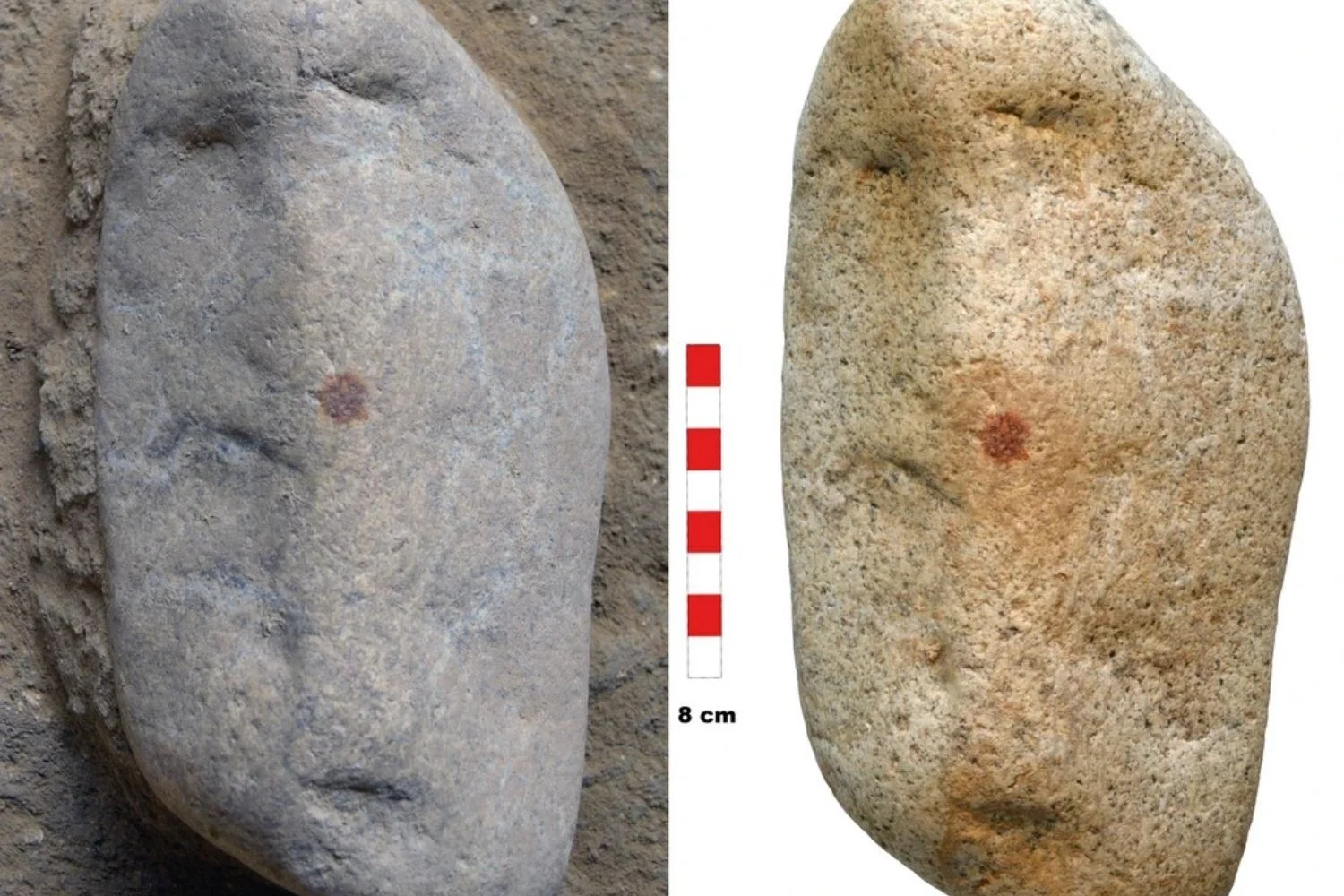
"117 Hilarious Pareidolia Pics That Show Our Brains' Wild Imagination"

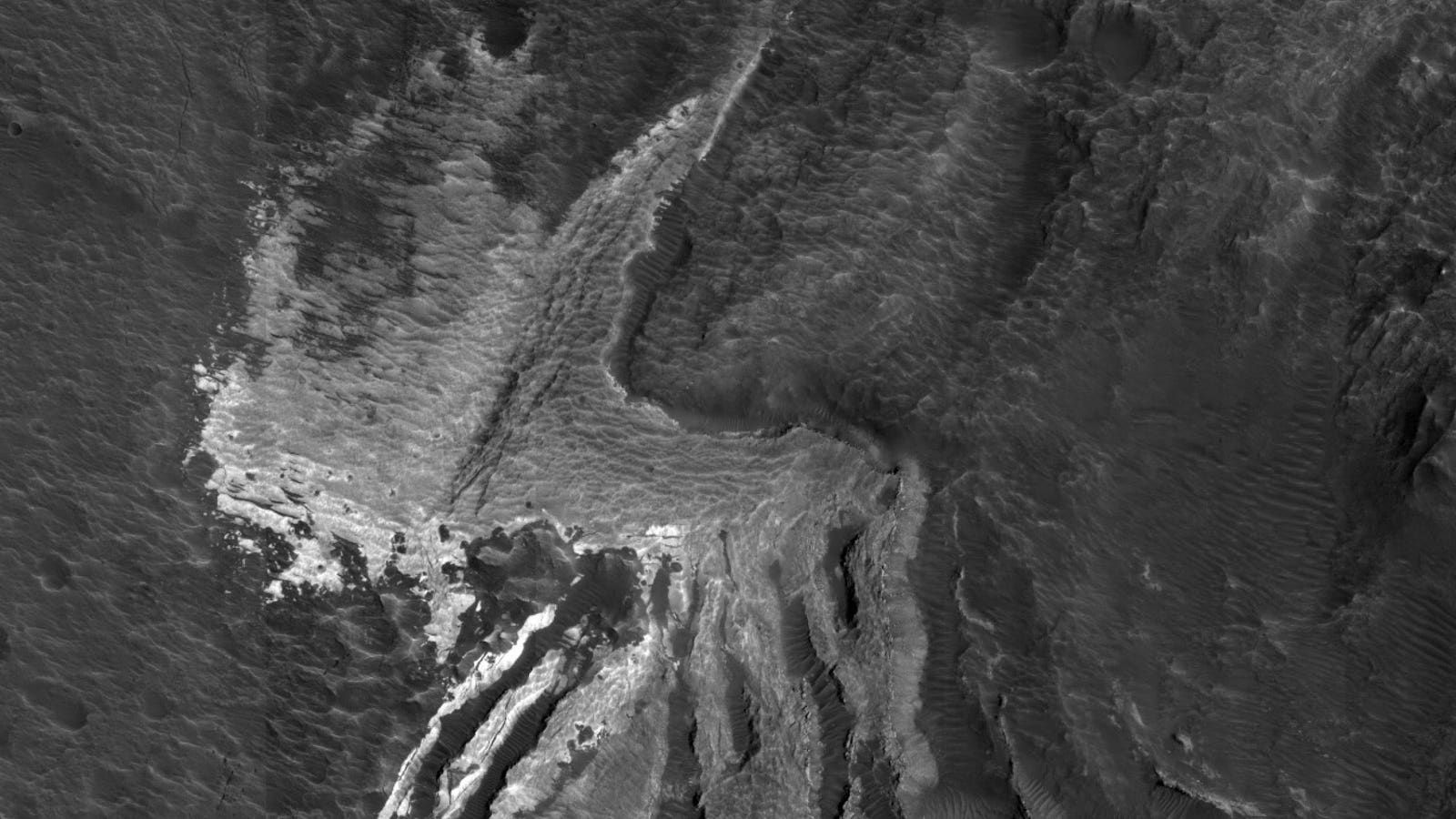
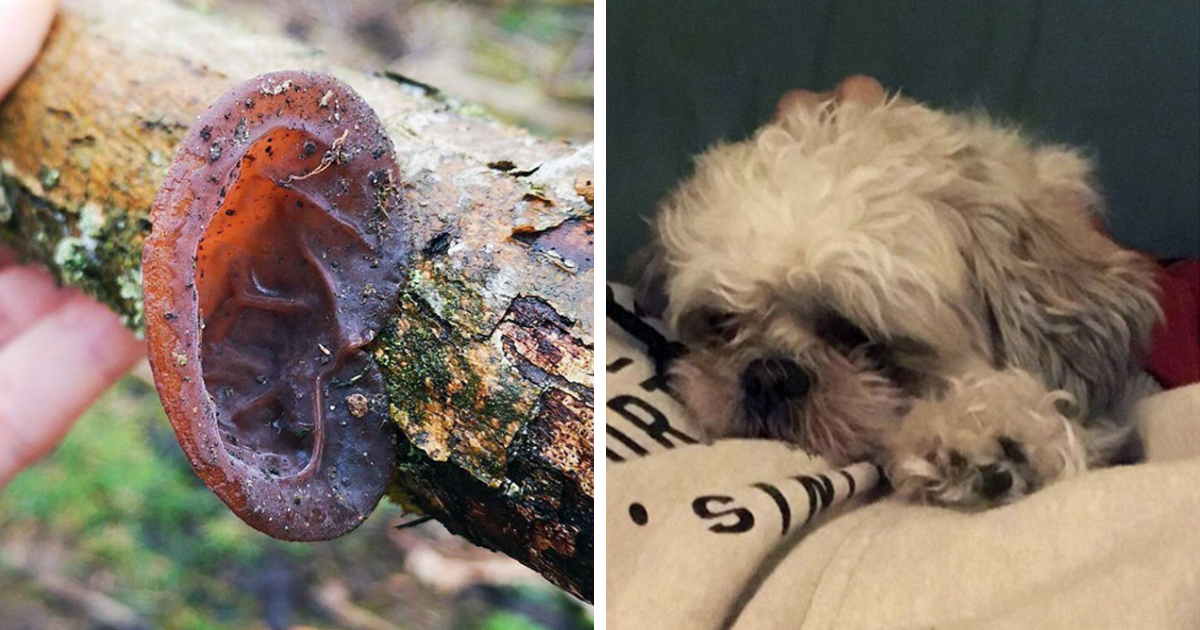
Pareidolia is a phenomenon where people see familiar faces or shapes in random objects, driven by the brain's tendency to recognize patterns. This article showcases 117 amusing examples of pareidolia, from everyday items to famous instances like NASA's Mars face and artistic uses by Leonardo da Vinci. The phenomenon has historical roots and even sparked high-value auctions for items resembling famous figures.

science-and-technology1 year ago

NASA Debunks Mystery of 'Swoopy' Object on Mars

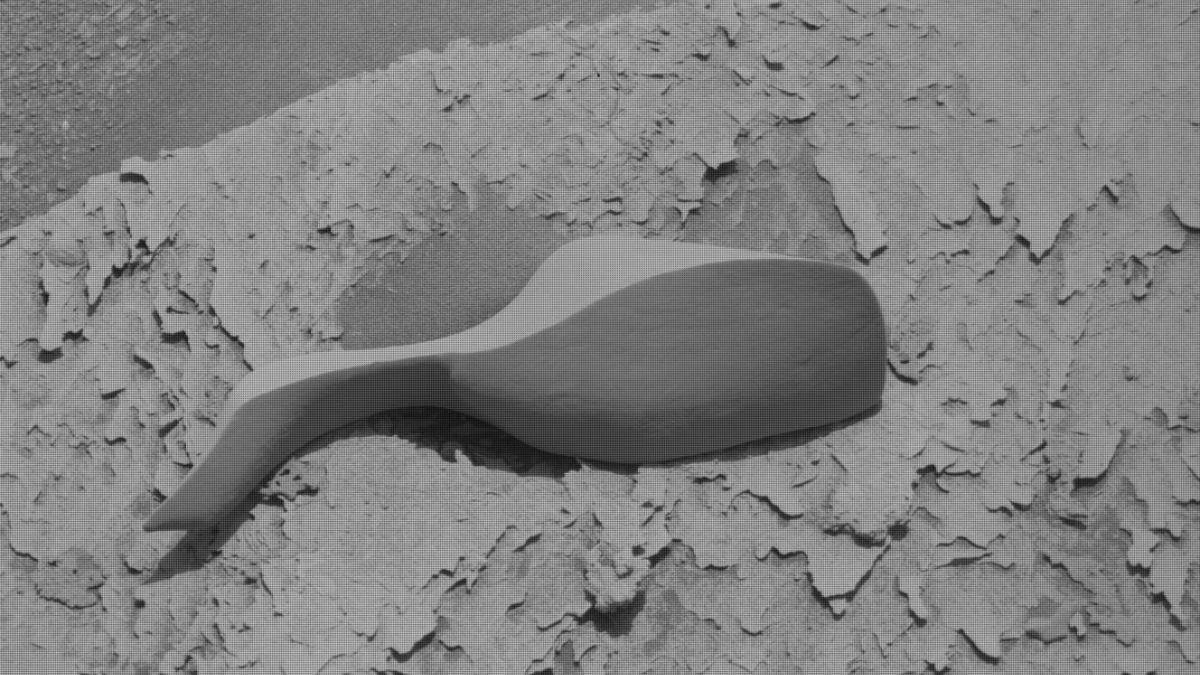
A photograph of a mysterious object on the surface of Mars has been confirmed by NASA to be a wind-carved rock, debunking speculations of it being a Martian bowling pin or an alien's shoe horn. The phenomenon is attributed to pareidolia, the tendency to see familiar shapes in random patterns. This is reminiscent of the famous "face on Mars" photo from 1976, which was later revealed to be a natural rock formation. The image was captured by NASA's Curiosity rover, which has been exploring Mars since 2012 in search of evidence that the planet could have supported Earth-like life.

entertainment2 years ago

"Captivating Pareidolia: 31 Mesmerizing Photos"

This article showcases 31 photos of pareidolia, the phenomenon of perceiving meaningful images in random patterns. The images range from a water buffalo at the dentist to a shadow resembling Batman, and from a pigeon pooping a self-portrait to a scary woman in a pile of laundry. These fascinating examples demonstrate how our brains can find familiar shapes and faces in everyday objects.

archaeology2 years ago

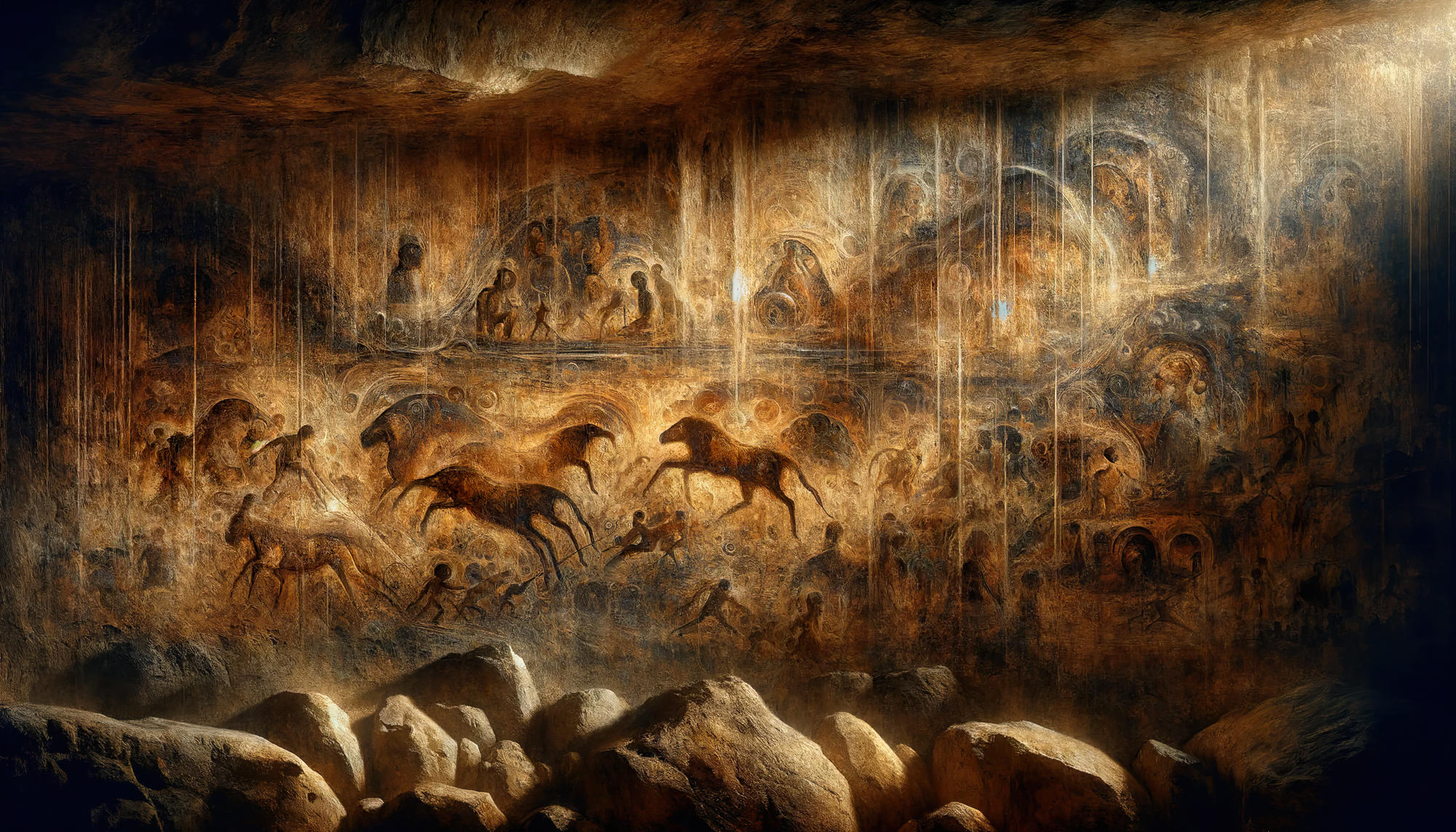
"Pareidolia Unveiled: Ancient Cave Paintings Reveal Mind-Bending Illusions"

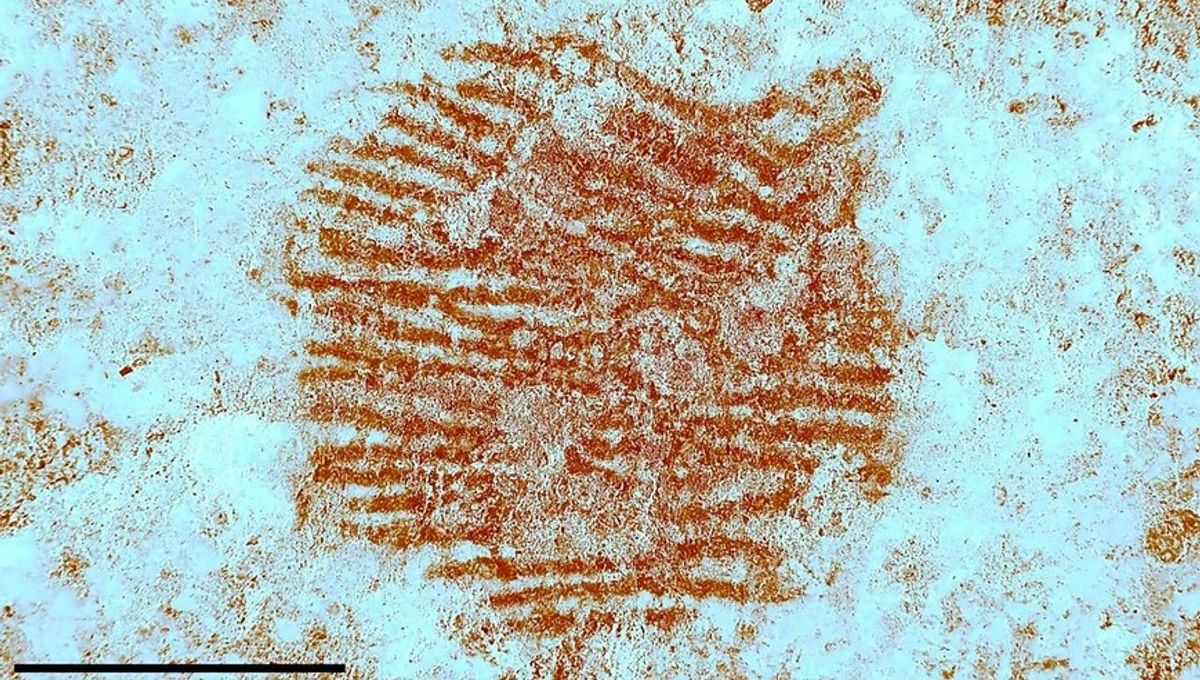
A new study suggests that Ice Age cave art, dating back 40,000 years, was influenced by pareidolia, a phenomenon where humans see meaningful shapes in random patterns. Researchers found that many cave paintings in Northern Spain incorporated natural features of the cave walls, indicating that artists were influenced by both pareidolia and their own creativity. The study also explored the role of lighting conditions and advances our understanding of the experiences and influences of Upper Palaeolithic artists.

science-and-space2 years ago

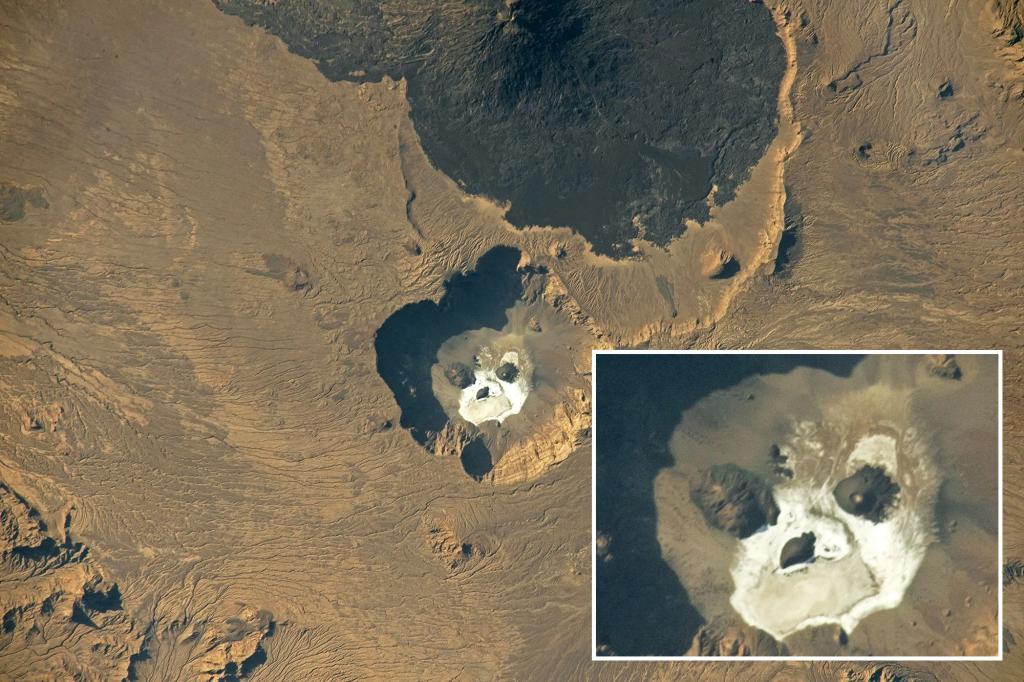
"NASA Astronaut Captures Eerie Skull-Like Image from Space"

NASA has released images of a skull-like formation in the Tibesti Mountains in the Republic of Chad, spotted by an astronaut aboard the International Space Station. The formation, known as Trou au Natron, features a volcanic pit and soda lake surrounded by a white mineral crust made of salt. The area was once a glacial lake and is considered one of the most remote and isolated regions in the world. NASA also mentioned that people perceiving faces in space images is a result of pareidolia, the tendency to see patterns in random formations.

space2 years ago

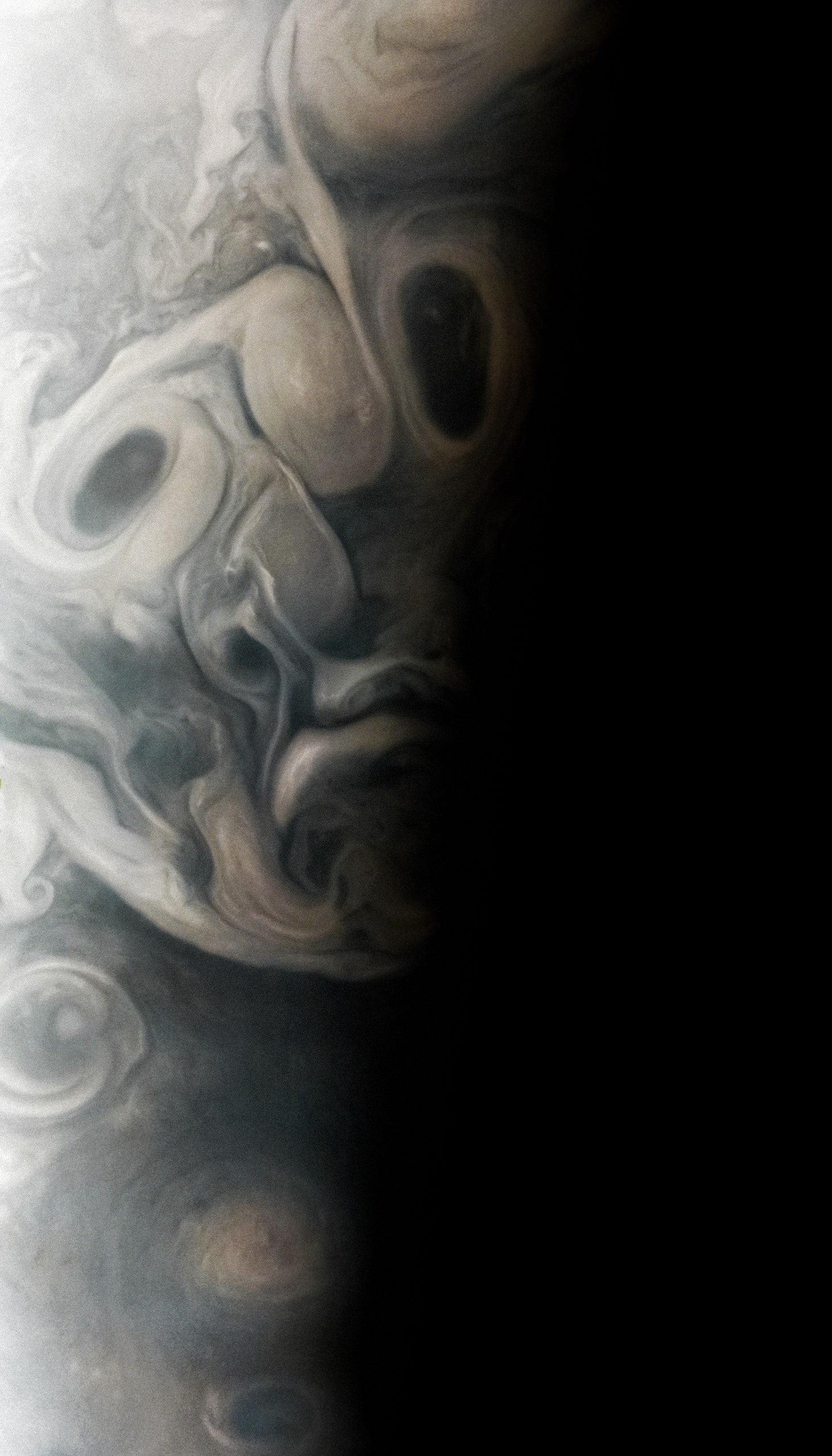
"Jupiter's Mysterious Face: NASA's Hubble Reveals Stunning Ultraviolet Image"

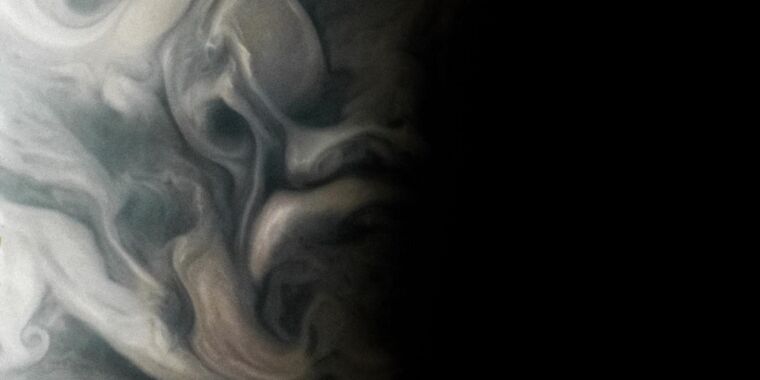
NASA's Juno spacecraft captured an image of unique cloud formations in Jupiter's far northern region, known as Jet N7, which resembles an "eerie face." The image shows turbulent clouds and storms along Jupiter's terminator, highlighting the complex topography of the area. NASA explains that the perception of a face in the image is an example of pareidolia, where observers see patterns in random formations. The image was taken by citizen scientist Vladimir Tarasov using raw data from JunoCam when the spacecraft was approximately 4,800 miles above Jupiter's cloud tops.

science-and-psychology2 years ago

"Unveiling the Fascinating World of Pareidolia: Faces Hidden in Everyday Objects"

Duncan Clarke explores the phenomenon of Pareidolia, specifically why the human brain often sees faces in inanimate objects. He explains that our early exposure to faces and our innate social nature have trained our brains to be adept at recognizing and interpreting facial expressions. Clarke also discusses the psychology behind this phenomenon and offers amusing historical examples of how our cognitive systems automatically pattern match onto emotional states and identities of facial subjects.

space2 years ago

NASA Captures Eerie Halloween Image of Jupiter's Spooky 'Face'

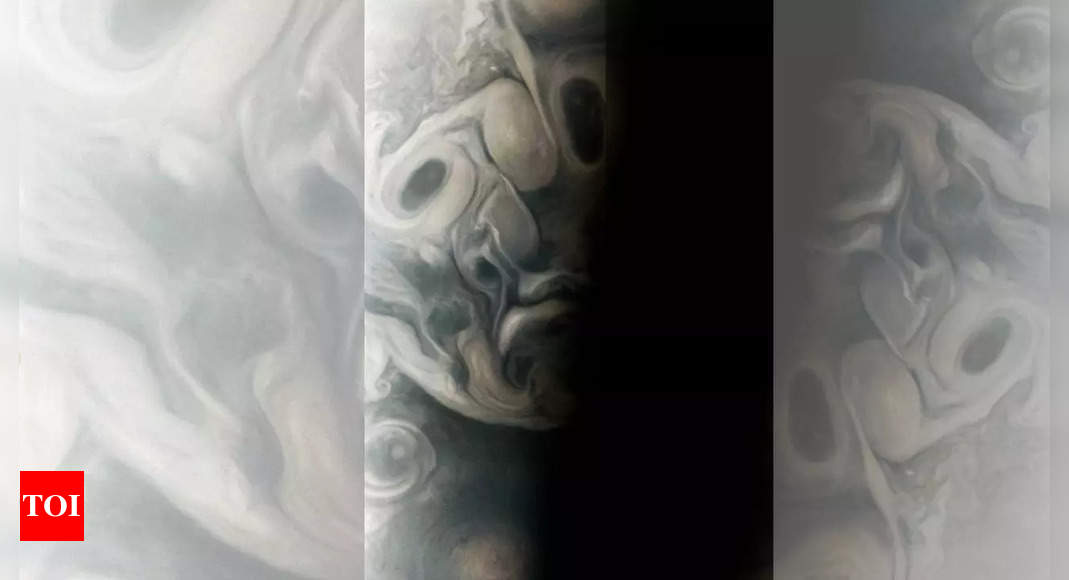
NASA's Juno spacecraft captured a spooky "face" on Jupiter during a recent flyby, just in time for Halloween. The image shows swirling clouds and turbulent storms on the planet, forming an eerie, elongated frowning face. The photo was released on October 25th, coinciding with Picasso's birthday, and NASA compared the haunting view to one of his paintings. The appearance of the face is due to the planet's turbulent weather system and the effect of pareidolia, where observers perceive faces or patterns in random formations. This is not the first time such phenomena have been spotted in space, with previous instances including a bear's face on Mars and an "alien doorway" rock formation.

astronomy2 years ago

"Captivating Snapshot: Unveiling the Eerie Side of Jupiter, the Solar System's Giant"

In celebration of Halloween, the Juno spacecraft captured a spooky image of Jupiter during its 54th flyby of the gas giant. The image, processed by citizen scientist Vladimir Tarasov, shows turbulent storms on Jupiter's surface resembling a golem. This highlights our tendency for pareidolia, where we perceive meaningful images in random patterns.

space2 years ago

Juno Mission Discovers Spooky 'Face' on Jupiter

NASA's Juno spacecraft captured an image during a recent flyby of Jupiter that resembles a spooky face, just in time for Halloween. The photograph showcases a region in Jupiter's northern area known as Jet N7, displaying swirling clouds and storms that form the eerie face. The image was taken from a height of approximately 4,800 miles and at a latitude near 69 degrees north. NASA released the image on October 25, coinciding with Picasso's birthday, and highlighted that such images often induce pareidolia, where observers discern faces or patterns in random configurations.