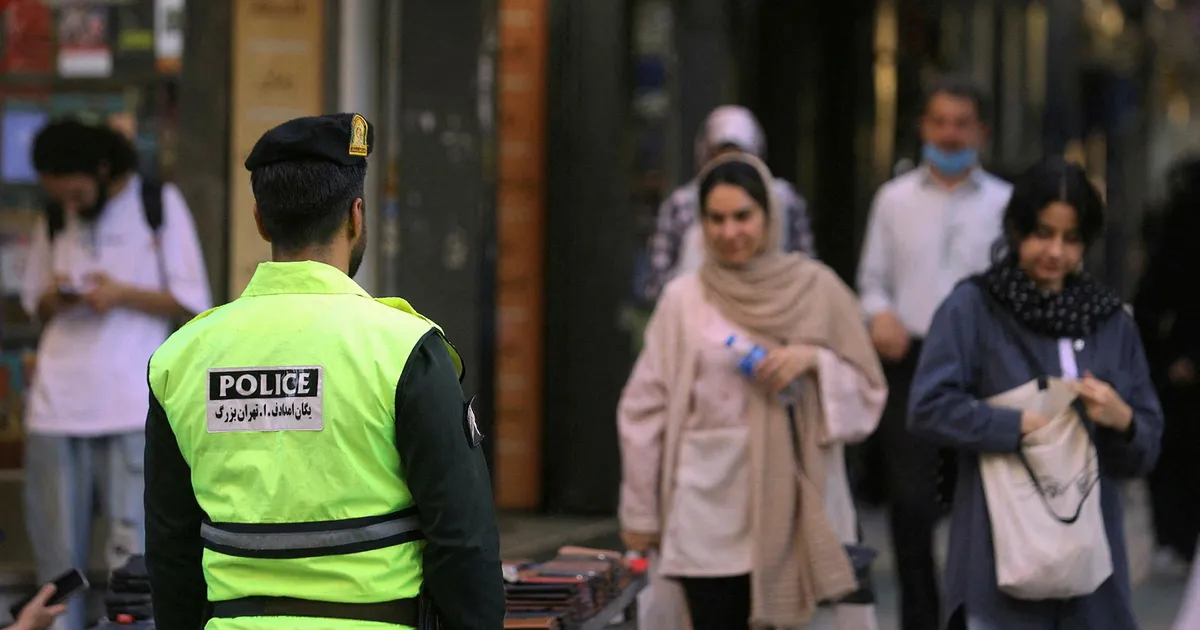
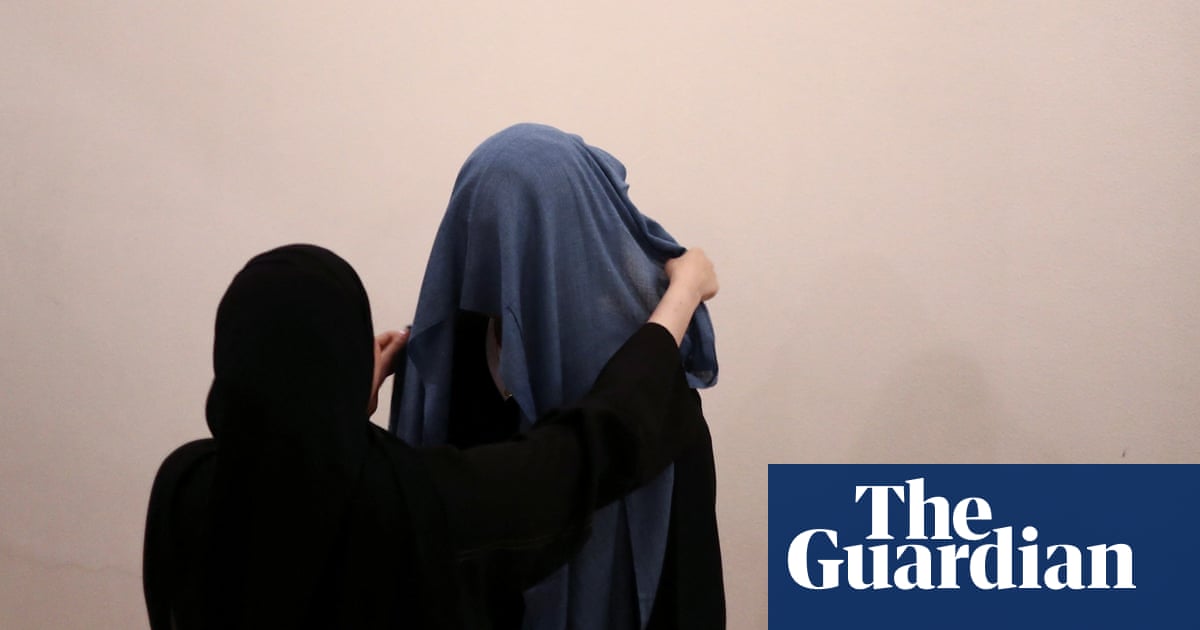
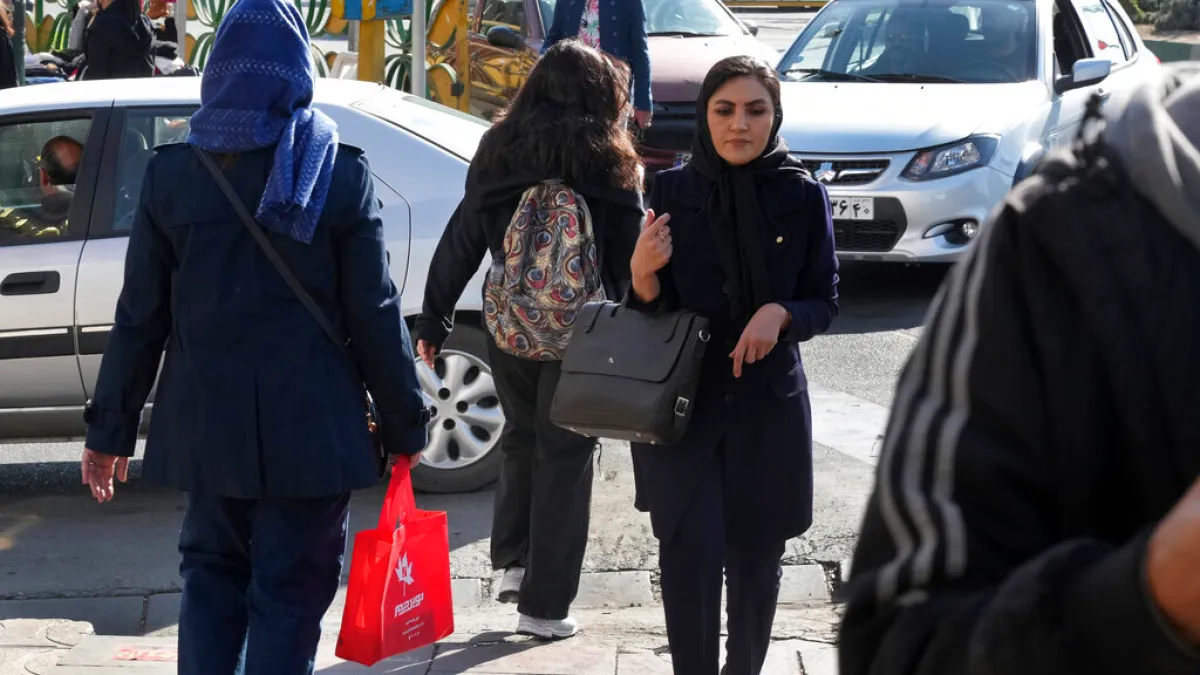
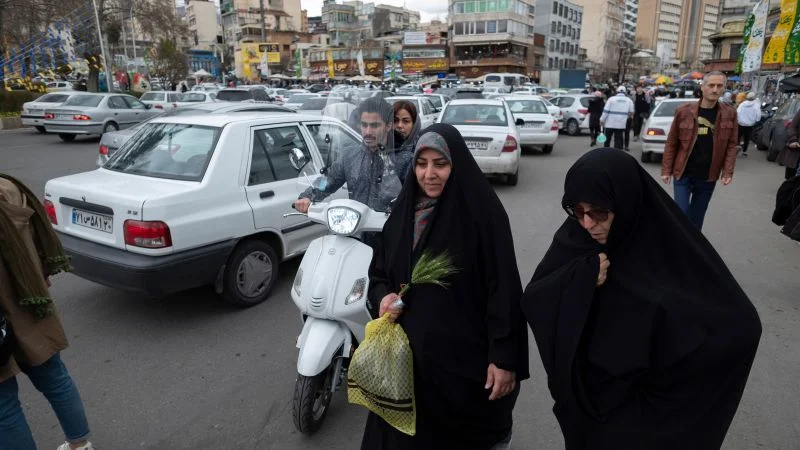
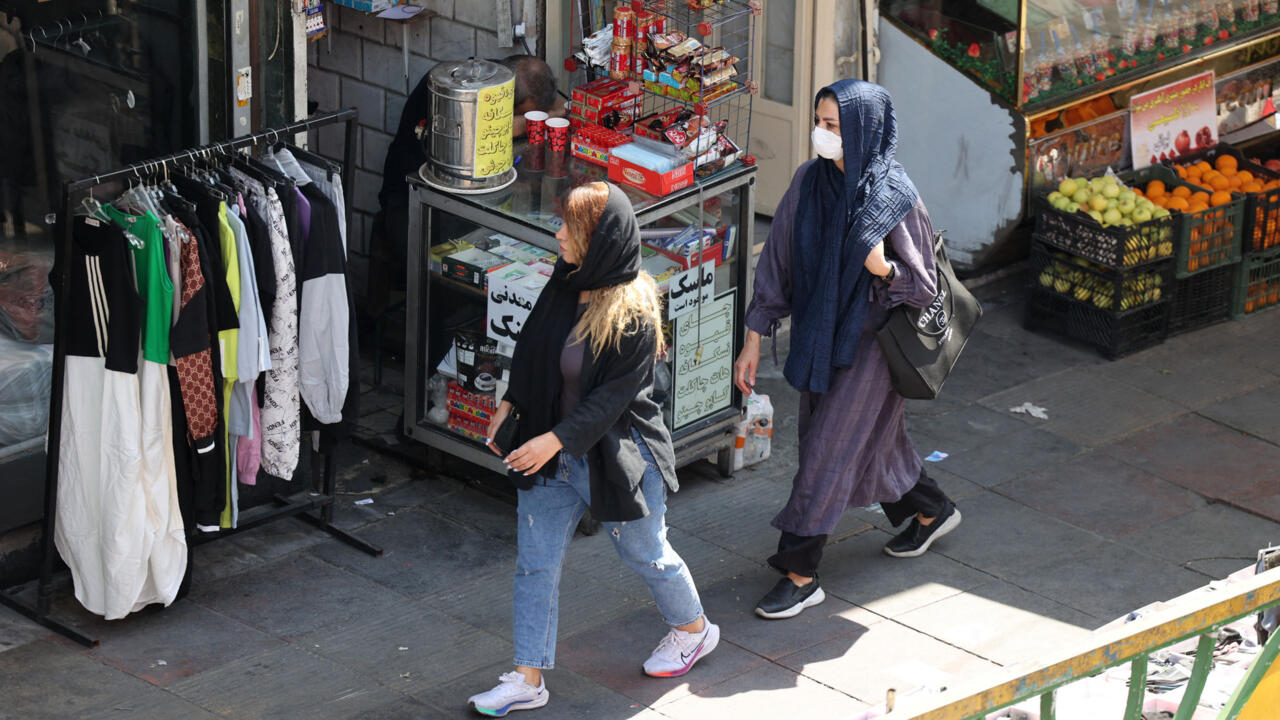
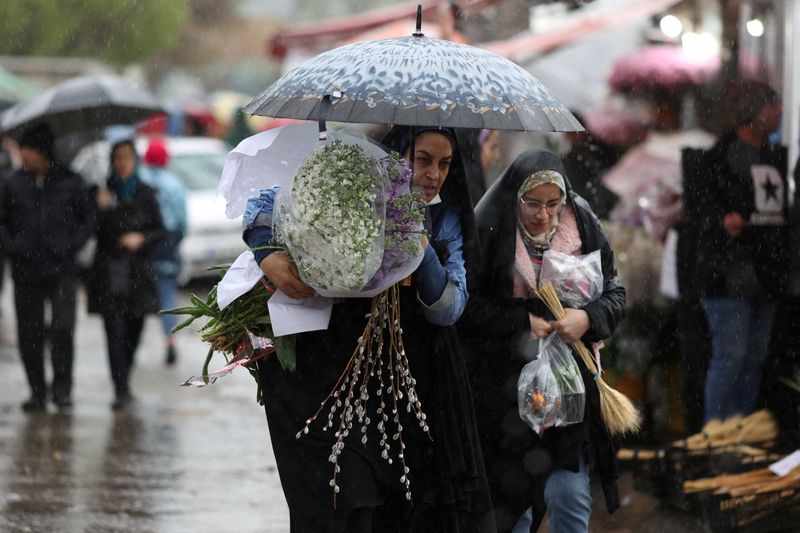
The Tehran Police announced a new phase of enforcement of Iran's mandatory hijab law, with videos circulating on social media showing unveiled women being violently attacked by uniformed guards, despite the new enforcement phase not yet being officially made.
A 16-year-old girl in Iran, Armita Geravand, is reportedly brain dead after allegedly being attacked by morality police for violating the country's hijab law. State media aired security footage showing women dragging Geravand's limp body off a train, but her family claims she collapsed due to a blood pressure issue. Activists suspect she may have been pushed or attacked by the police. The incident has sparked demands for an independent investigation by the UN, as well as concerns of a repeat of the mass demonstrations that followed the death of Mahsa Amini, who was detained for improperly wearing the hijab.
An Iranian teenager, Armita Geravand, who fell into a coma after an alleged encounter with police enforcing the hijab law, is reported to be brain dead. This incident could reignite protests similar to those sparked by the death of Mahsa Amini, a Kurdish Iranian woman who died in custody last year. In a related development, two journalists, Niloofar Hamedi and Elaheh Mohammadi, have been sentenced to 13 and 12 years in prison respectively for their coverage of Amini's death. The charges include collaboration with the US government and acting against national security.
Armita Geravand, a 16-year-old Iranian girl who fell into a coma after an alleged encounter with officers over violating the country's hijab law, is reported to be "brain dead" by Iranian state media. Concerns have been raised by rights advocates that Geravand may suffer the same fate as Mahsa Amini, whose death in the custody of morality police last year sparked widespread protests. Iran has denied that Geravand was harmed during the confrontation, but her case highlights ongoing restrictions on women's dress and the defiance of the strict Islamic dress code.
A 16-year-old Iranian girl, Armita Geravand, is in critical condition in a Tehran hospital after allegedly falling into a coma following a confrontation with agents in the metro for violating the hijab law. Activists have raised concerns about her well-being, citing the case of Mahsa Amini, who died in custody last year, sparking nationwide protests. Iranian authorities have denied the claims, but a rights group posted a picture of Geravand unconscious in the hospital. Security forces have reportedly forbidden her parents from posting her picture or speaking to human rights groups. CCTV footage showed Geravand without a hijab, but the authenticity of the footage could not be verified.
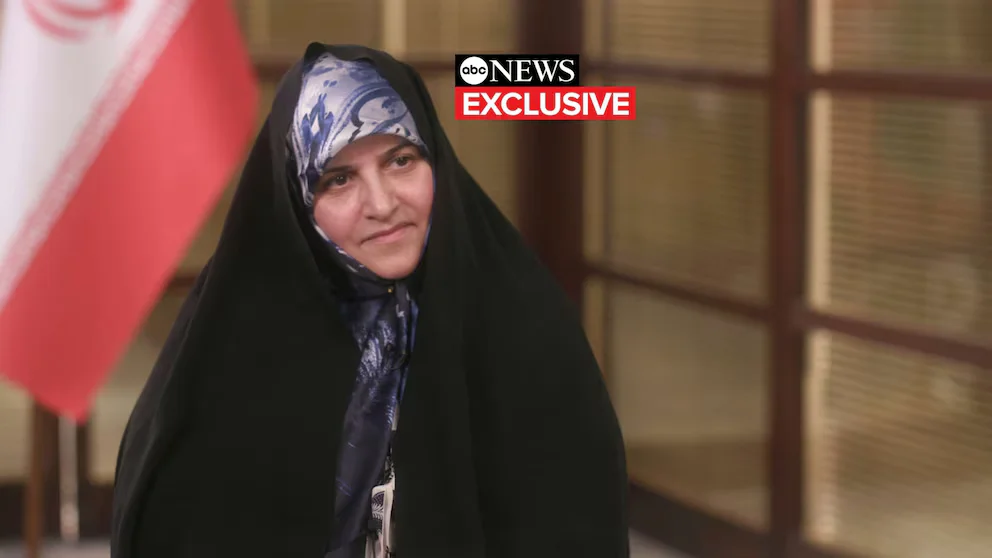
The wife of Iran's president defended the country's strict hijab law, comparing it to dress codes everywhere and stating that prison time for violations is "out of respect for women." She did not directly answer when asked about the punishment for noncompliance, but emphasized that breaking any law comes with its own set of punishments. The public hijab requirement has faced pushback from the "Woman, Life, Freedom" movement, with at least 551 protesters killed since its start.
Iran is proposing a harsh hijab law with longer jail terms and AI surveillance to identify violators; scientists have developed an AI application that can predict future pandemics by analyzing genetic sequences, infection rates, and mortality rates; travel scammers are using AI-generated guidebooks on Amazon to trick buyers with fake positive reviews, highlighting the need for stricter regulations; AI and machine learning have helped researchers discover potential senolytic molecules for age-related diseases; a UBS report praising OpenAI's ChatGPT has sparked an AI fever in Silicon Valley, with tech giants rushing to develop their chatbots, but the profitability and sustainability of generative AI remain uncertain.
Iran has announced the return of the controversial "morality police" to enforce the mandatory hijab law, just 10 months after the death of Mahsa Amini in police custody sparked nationwide protests. Women will be warned to follow hijab rules, and if they do not comply, they will be referred to the judicial system. This move is part of a series of severe punishments, including arresting activists and implementing uncommon court sentences, for those who do not abide by the mandatory hijab law. The decision to send the morality police back into the streets comes ahead of the first anniversary of Amini's death, leading activists to believe that the regime is preparing to control the atmosphere surrounding the anniversary.
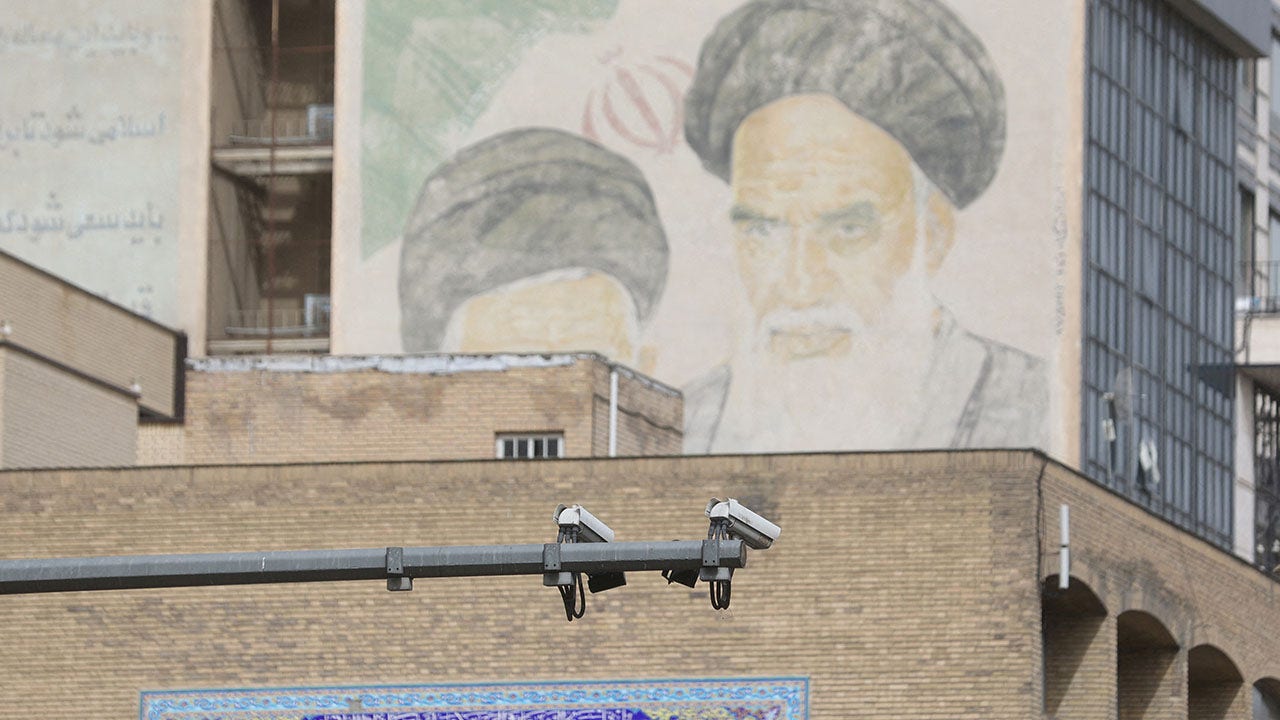
Iranian authorities have started installing CCTV cameras in public places to monitor women who have discarded their hijabs in violation of the country's strict dress code. Women who violate the law will receive warning text messages. The move comes after the death of Mahsa Amini, a 22-year-old Kurdish woman who died in the custody of Iran's morality police after she was detained for not wearing her hijab properly. Protests that erupted in the wake of Amini's death were met with a brutal crackdown by the government.
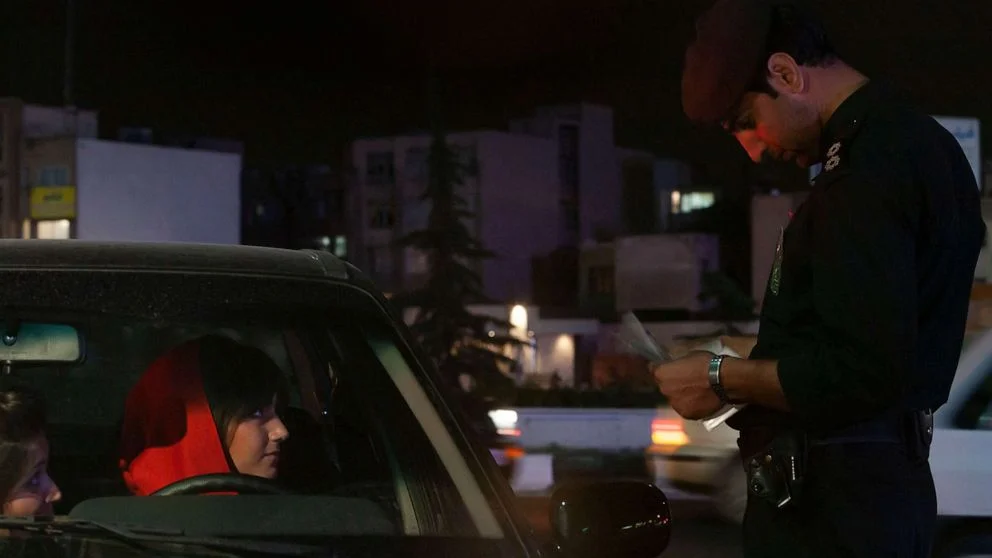
Iranian police plan to use smart cameras in public places to identify and penalize women who violate the country's strict Islamic dress code. The number of women defying the compulsory dress code has increased since a wave of protests after the death in custody of Kurdish-Iranian Mahsa Amini. Police will send warning messages to violators of the hijab law and car owners will receive a warning text if any of their passengers violate the dress code. The requirement for women to wear the headscarf in public was enshrined in law shortly after the Islamic revolution of 1979.
Iranian authorities are installing cameras in public places to identify and penalise unveiled women who defy the compulsory dress code. After being identified, violators will receive warning text messages. The move is aimed at preventing resistance against the hijab law, which has relaxed since anti-government protests erupted in September 2020. Women who defy the law risk public rebuke, fines or arrest. The announcement has sparked anger among the country's powerful religious elite, who see the veil as a civilisational foundation of the Iranian nation.
Iranian authorities plan to use smart cameras in public places to identify women who violate the country's hijab law. After being identified, the women would be sent warning messages detailing the specific time and place they had "violated" the law. The move comes after widespread protests against the mandatory dress code, which many women have been defying. The authorities show no sign of backing down on the issue, stating that any kind of individual or collective behavior against the law will not be tolerated.
Iranian authorities are installing cameras in public places to identify and penalise women who defy the compulsory dress code by not wearing a veil. After being identified, violators will receive warning text messages. The move is aimed at preventing resistance against the hijab law, which requires women to cover their hair and wear long, loose-fitting clothes. Women have been defying the law since the death of a 22-year-old Kurdish woman in custody last September. The police statement called on businesses to monitor societal norms and urged citizens to confront unveiled women.
Iranian authorities are installing cameras in public places to identify and penalize women who defy the compulsory dress code by not wearing a hijab. After being identified, violators will receive warning text messages. The move is aimed at preventing resistance against the hijab law, which requires women to cover their hair and wear long, loose-fitting clothes. Women who violate the law face public rebuke, fines, or arrest. The veil is considered one of the civilizational foundations of the Iranian nation and one of the practical principles of the Islamic Republic.
Iranian authorities are installing cameras in public places to identify and penalize women who violate the compulsory dress code by not wearing a hijab. After being identified, violators will receive warning text messages. The move is aimed at preventing resistance against the hijab law, which has been defied by a growing number of Iranian women. Under Iran's Islamic sharia law, women are obliged to cover their hair and wear long, loose-fitting clothes. Violators have faced public rebuke, fines or arrest.