Tag

Paleontologists

All articles tagged with #paleontologists

paleontology1 year ago

"Garzapelta: The Newly Identified Ancient Crocodile Ancestor"

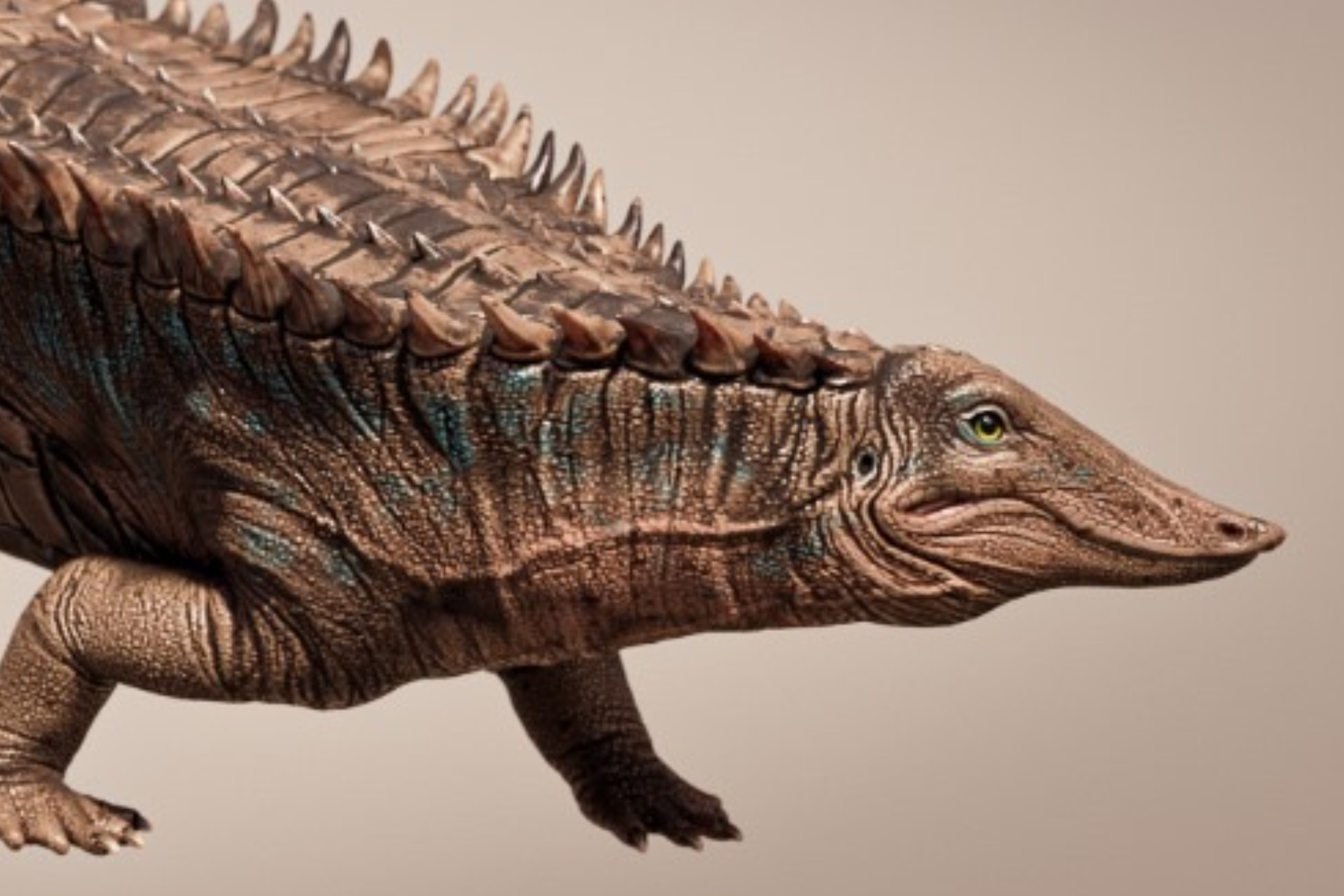
Paleontologists have discovered a new species of ancient crocodile, named Garzapelta muelleri, which lived during the Late Triassic period and was known for its sturdy bony armor. The specimen, found in northwest Texas, had been sitting on a shelf for 30 years before being identified as a new species. These aetosaurs were characterized by their extensive bony armor and are thought to have gone extinct around 200 million years ago, possibly due to environmental changes or competition from evolving dinosaur groups. The discovery sheds light on the evolutionary history of these creatures and the convergent evolution of their protective features.
paleontology1 year ago

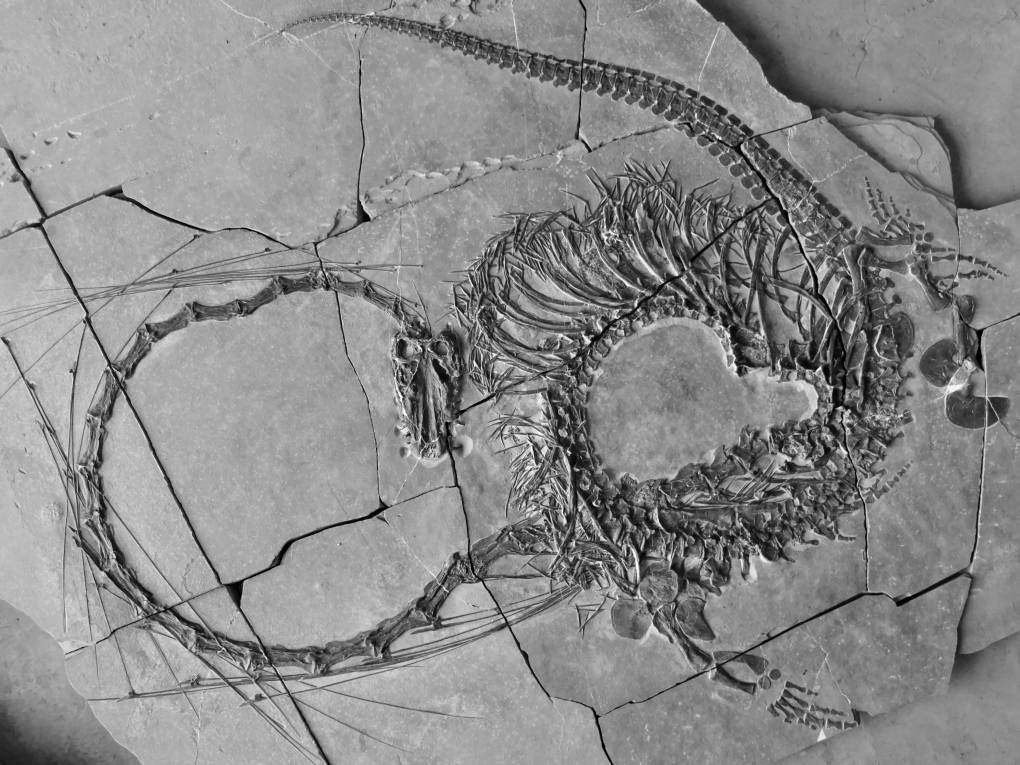
"240-Million-Year-Old 'Chinese Dragon' Fossil Unveiled by Scientists"

Paleontologists have discovered a 240-million-year-old "dragon" fossil in China, which is about 16 feet long and believed to be adapted to the ocean. The reptile, named Dinocephalosaurus, has a long neck with 32 separate vertebrae, longer than its body and tail combined, and is thought to have played a key role in feeding. The international team of researchers hopes that further study of this remarkable find will shed light on the evolution of this group of animals.

paleontology1 year ago

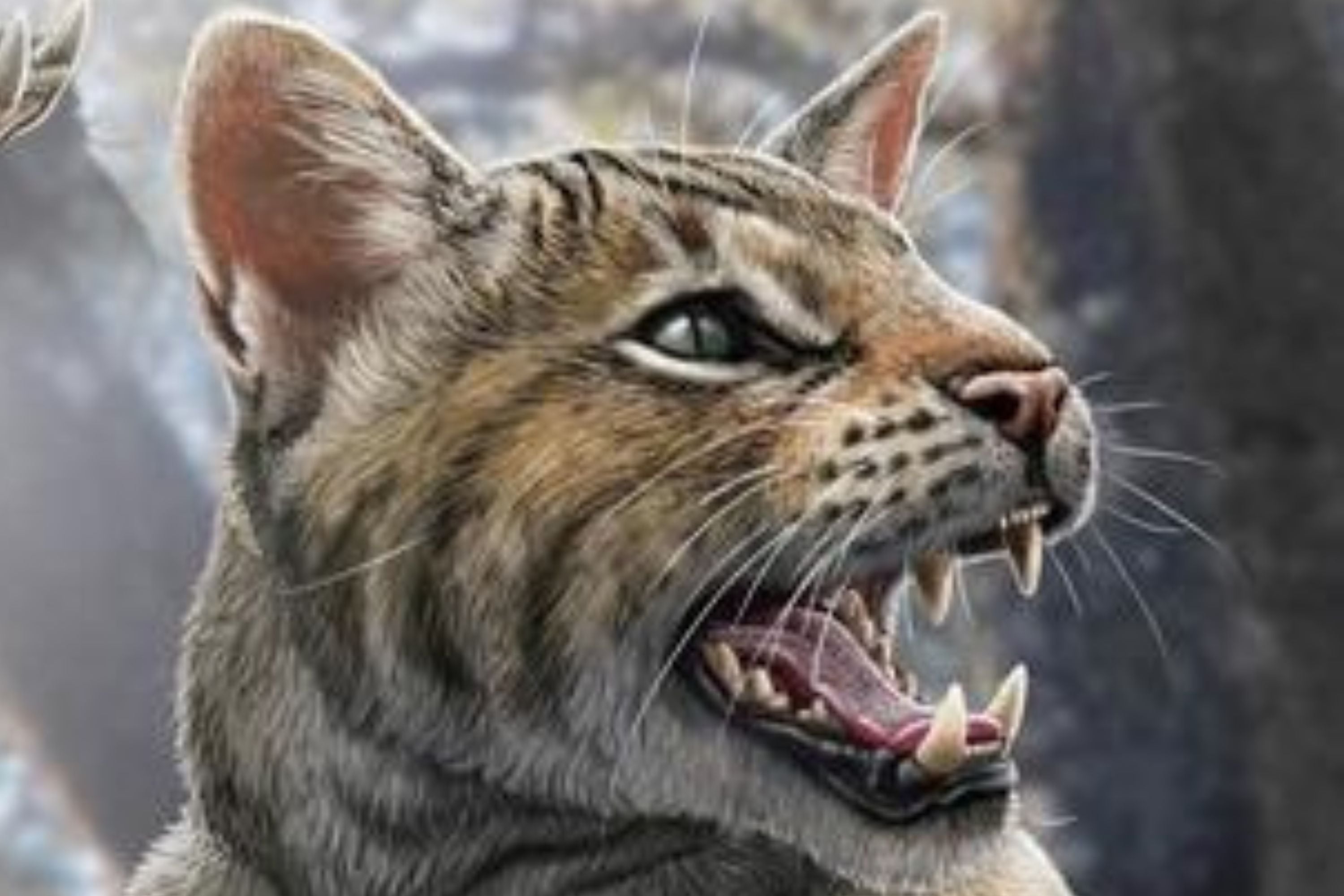
"Discovery of Prehistoric Cat Species Reveals Formidable Bite"

Paleontologists have discovered a new species of prehistoric cat, Magerifelis peignei, which lived over 15 million years ago and likely had a powerful bite. The fossil, a jawbone, was found in Madrid and represents a new form of feline with primitive teeth and a robust jaw. This discovery has important implications for understanding the evolution of felines and suggests that M. peignei was capable of exerting powerful bites, potentially enabling it to rapidly kill larger prey than similarly-sized felines today.

paleontology2 years ago

"Discover the Most Astonishing Dinosaur Fossils of 2023"

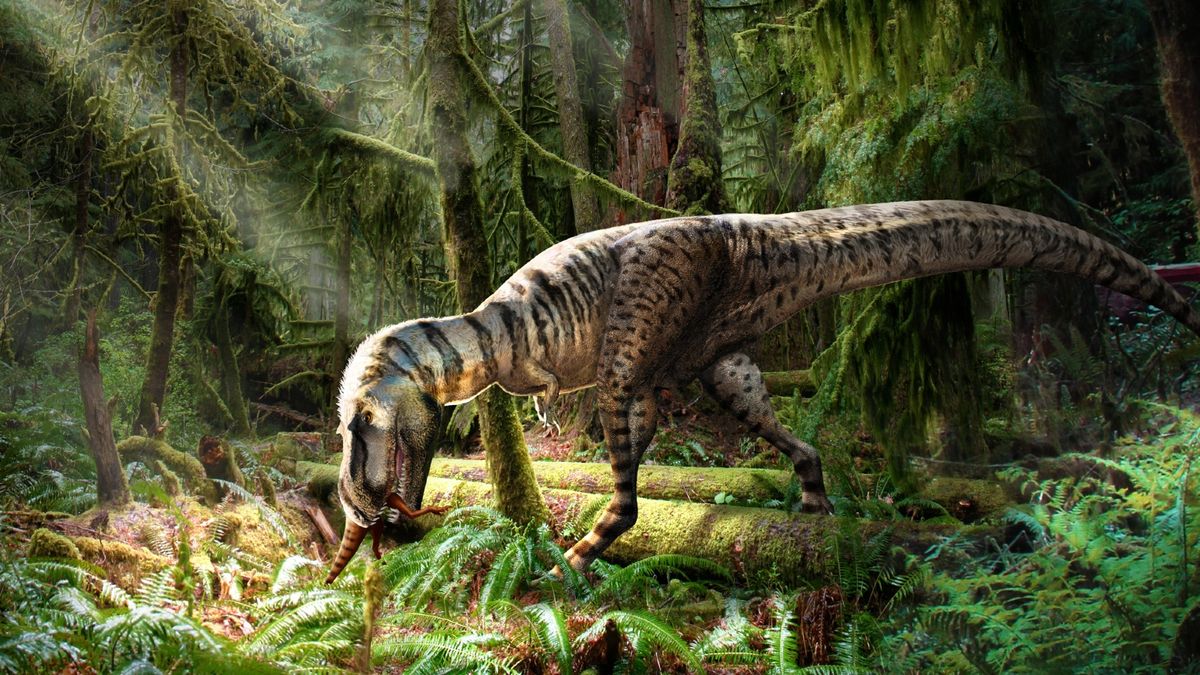
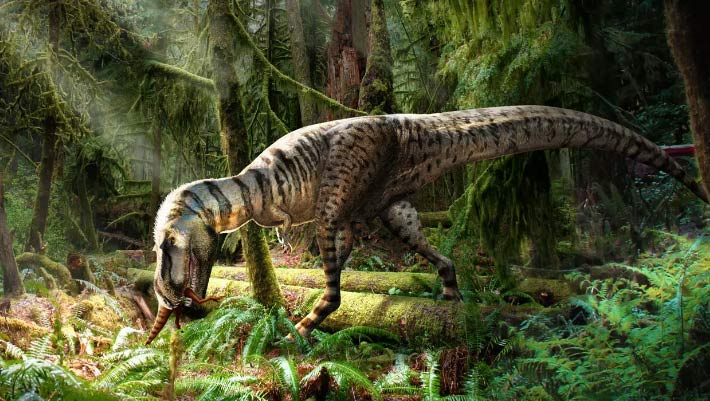
Paleontologists have made several remarkable dinosaur fossil discoveries in 2023, including the first-ever tyrannosaur meal found inside a juvenile Gorgosaurus, a new species of titanosaur in Spain, a cliff covered in fossilized footprints from various dinosaurs in Alaska, entwined fossils of a dinosaur and mammal locked in a battle to the death in China's "dinosaur Pompeii," the first-ever non-avian dinosaur voice box found in Mongolia, an animated reconstruction of a never-before-seen duck-billed dinosaur in Chile, a new species of ankylosaur with blade-like armor in the UK, a new plant-eating dinosaur species named after a Roman god in Utah, X-ray scans revealing that dinosaur feathers were more similar to modern bird feathers than previously thought, and evidence of communal nesting in a small bird-like dinosaur in Canada.

paleontology2 years ago

"Unearthing the Coolest Dinosaur-Age Discoveries in 2023"

Paleontologists made several exciting discoveries in 2023, including a teenage gorgosaurus with the hindlimbs of two-year-old dinosaurs in its stomach, the fossil of a 24-foot-long lizard called Jormungandr walhallaensis, evidence suggesting that dust from the asteroid impact caused the Cretaceous-Paleogene mass extinction, a fossil showing a possum-sized mammal biting down on a beaked dinosaur, an immaculately preserved trilobite, an agate formed inside a dinosaur egg, the discovery of a peculiar reptile with scimitar-like claws, the finding of 92 titanosaur nests in India, the revelation that meat-eating theropod dinosaurs had skin covering their teeth, and the discovery of a Microraptor with a mammal's foot in its stomach. Additionally, the American Ornithological Society announced the removal of human names from common English names of North American birds.

paleontology2 years ago

Unearthing the Enormous Skull of an Ancient Sea Monster on England's Jurassic Coast

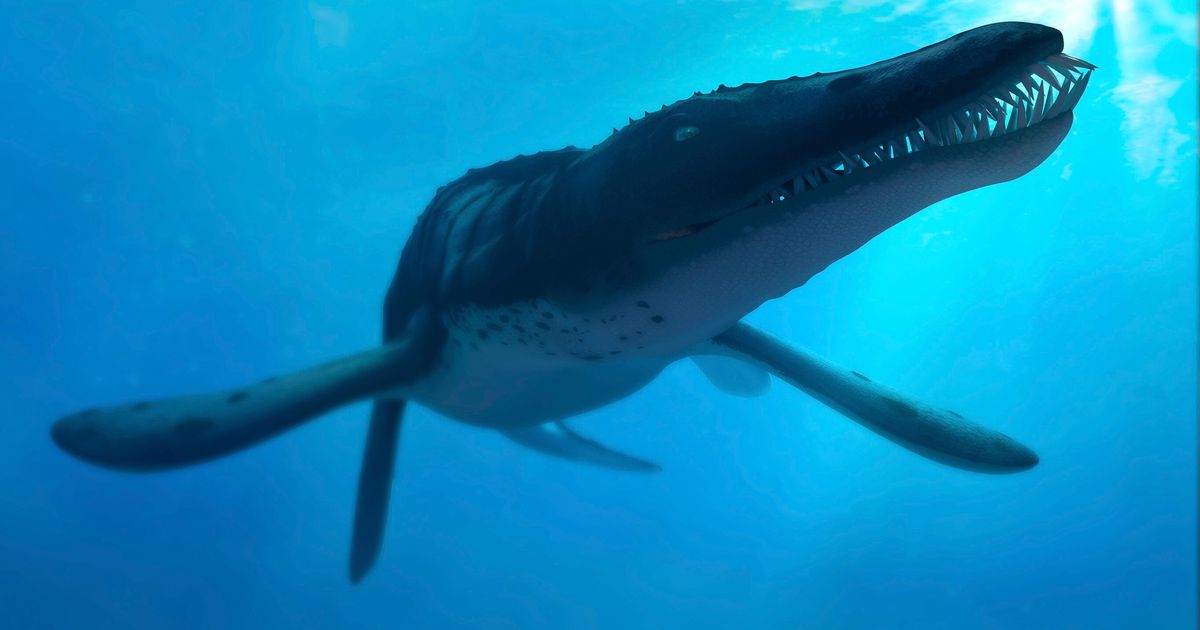
Paleontologists have uncovered a 150 million-year-old pliosaur skull, measuring 6 feet in length, along England's Jurassic Coast. The largely intact skull, which is larger than the average human's height, is a unique find and could provide new insights into the creature's anatomy. The fossil was discovered by chance on the beach below a cliff and was extracted with the help of ropes and a makeshift stretcher. The rest of the reptile's body is believed to be in the cliff, but further excavation will require significant funding. The skull will be displayed at the Etches Collection Museum of Jurassic Marine Life and featured in a BBC documentary.

paleontology2 years ago

Insights into the Diet of Young Tyrannosaurs: Fossilized Stomach Contents Reveal Prey Preferences

Paleontologists in Canada have discovered a 75-million-year-old fossilized skeleton of a juvenile tyrannosaurid dinosaur, Gorgosaurus libratus, with the remains of two young individuals of the small dinosaur Citipes elegans in its stomach. This finding provides direct evidence that young tyrannosaurs had different diets than their adult counterparts, suggesting a major dietary shift as they grew. Juvenile tyrannosaurs likely hunted small and young prey, while adults hunted large herbivores. The study sheds light on the ontogenetic dietary shifts of these iconic predators.

paleontology2 years ago

Ancient Gigantic Sea Monster Unearthed in Mexico

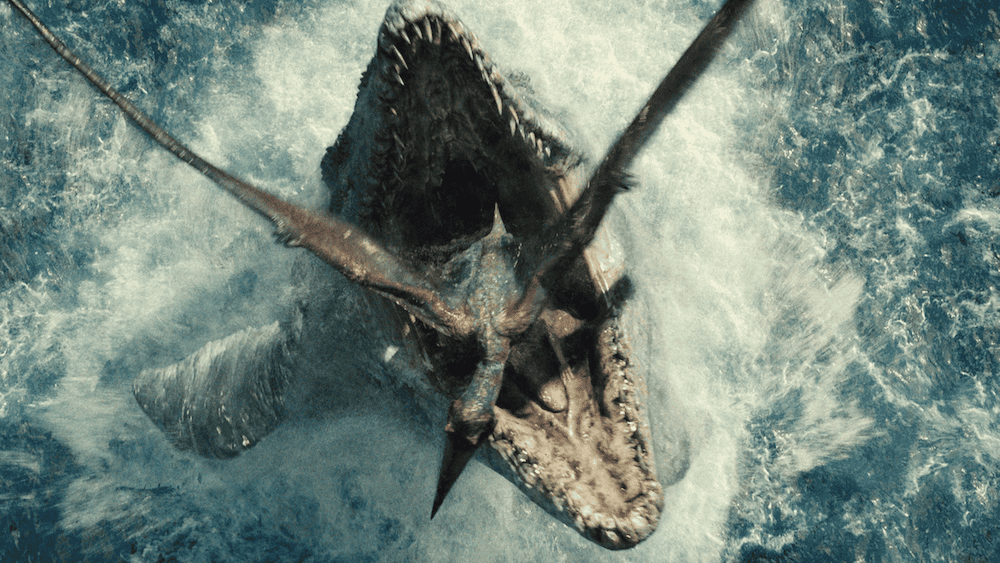
A new species of mosasaur, a gigantic ancient sea monster, has been discovered in Mexico with a nearly complete skull. Named Yaguarasaurus regiomontanus, this slender-jawed creature belonged to the extinct Mosasauridae group and provides valuable insights into the size, migration, and mating patterns of mosasaurs that lived over 90 million years ago. Mosasaurs were fully aquatic predators that roamed the oceans, feeding on fish, cephalopods, sharks, and even other mosasaurs. The latest discovery is estimated to be over 17 feet long, but some fossils indicate sizes of nearly 40 feet. The complex ancestry of mosasaurs within the Mosasauridae family is still a subject of debate among researchers.

paleontology2 years ago

Tiny Dinosaur Unearthed in North Texas

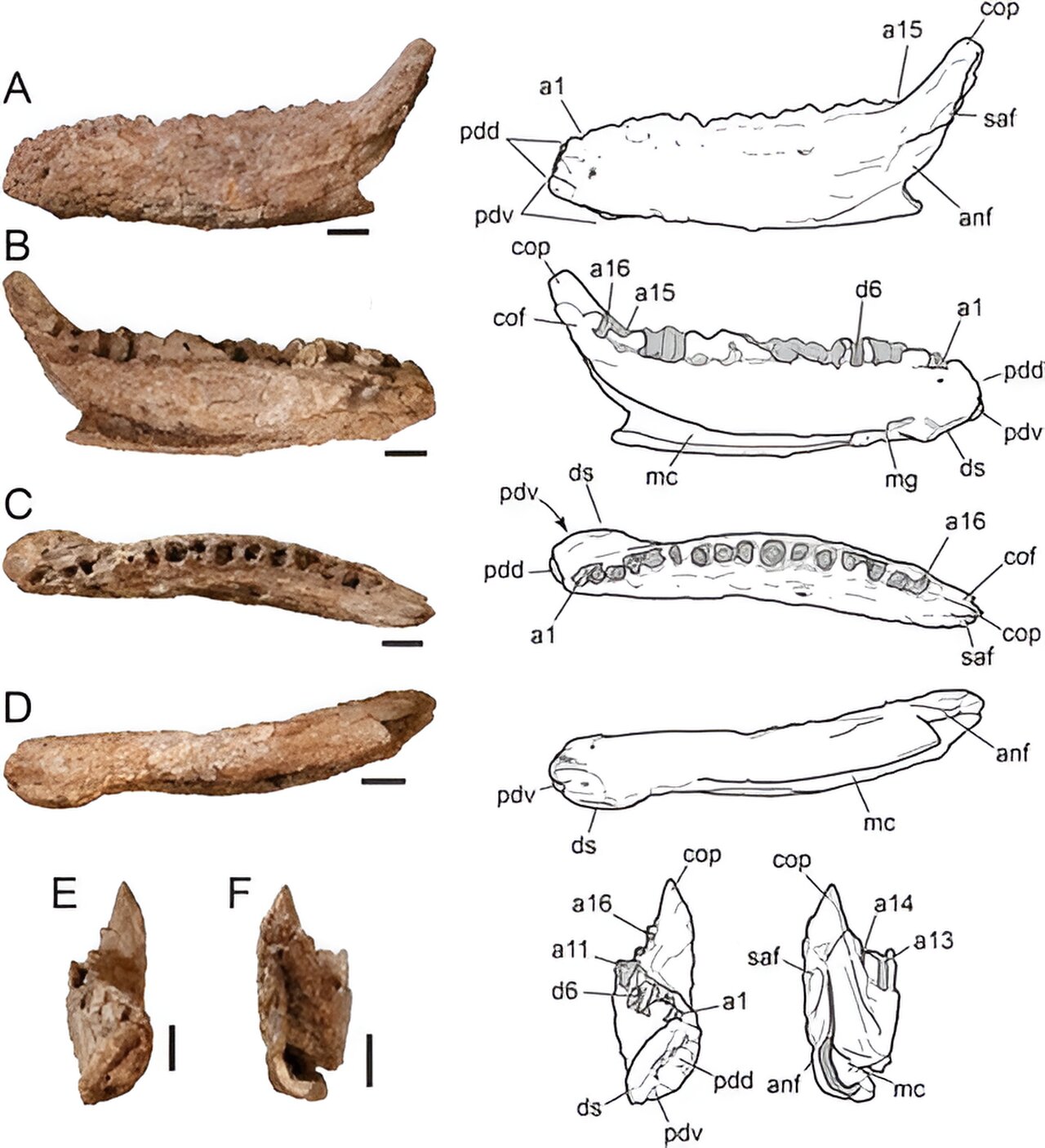
Scientists from the Perot Museum of Nature and Science have discovered a new species of plant-eating dinosaur in North Texas. The fossil, named Ampelognathus coheni, was initially thought to belong to a small crocodile but was later identified as a new kind of dinosaur. The discovery is significant as small plant-eating dinosaurs had not been found in North Texas before. This finding provides valuable insights into the ecosystem and life in eastern North America 96 million years ago. The scientists believe that more discoveries can be made in the future, shedding light on the region's prehistoric past.

science-and-paleontology2 years ago

"Hidden Fossil Treasure Unearthed Beneath Wastewater Pipe"

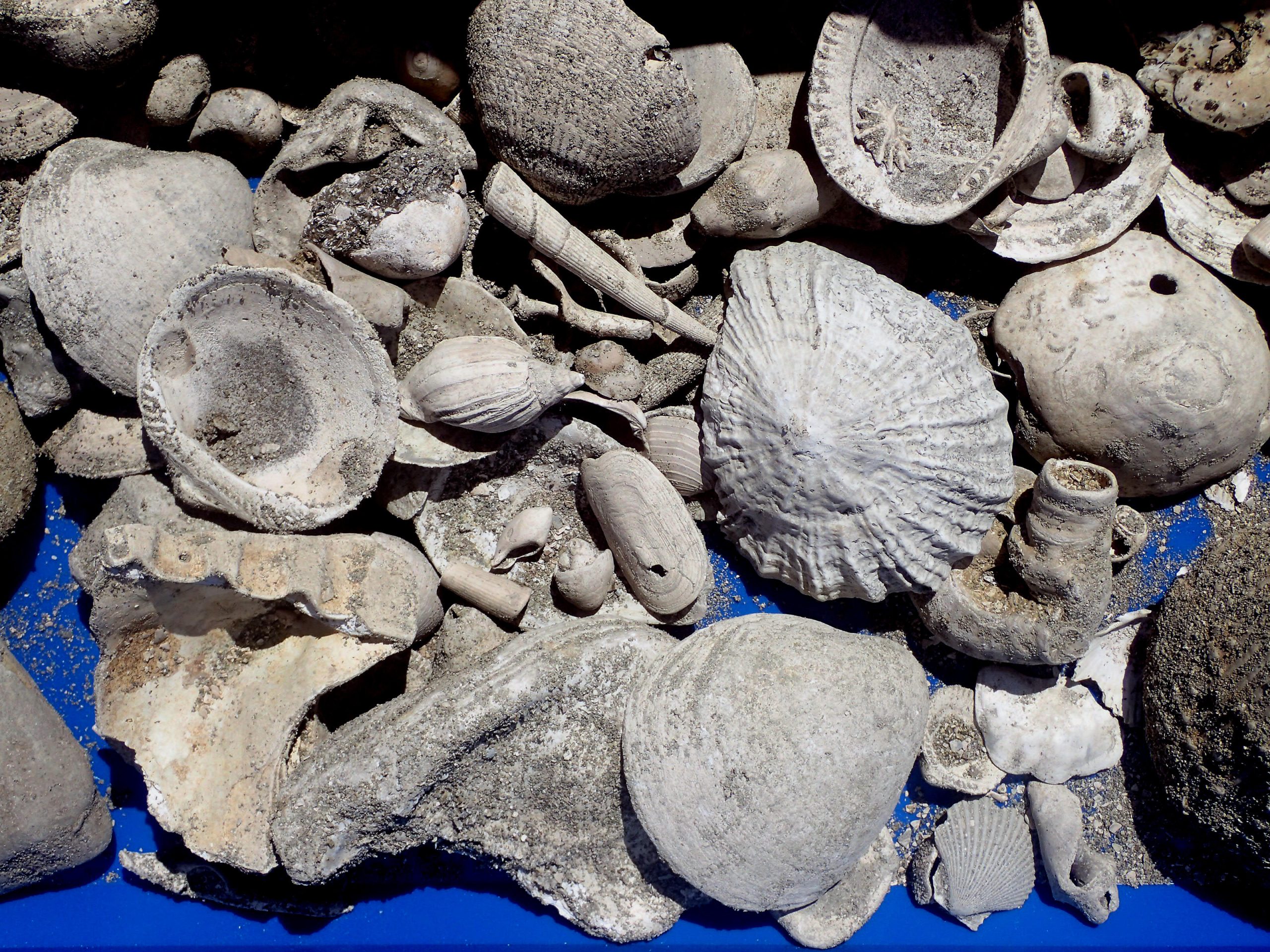
A 3-million-year-old fossil bed containing 266 species, including the world's oldest known flax snails, great white shark teeth, and an extinct sawshark spine, was discovered under the Mangere Wastewater Treatment Plant in Auckland, New Zealand. The excavation, which yielded over 300,000 fossils, provides valuable insights into the diverse ancient marine life and paleoenvironment of the region. At least ten previously unknown species were identified, and the findings have been published in the New Zealand Journal of Geology and Geophysics.

paleontology2 years ago

Unearthing Argentina's Terrifying Terror Bird Footprints

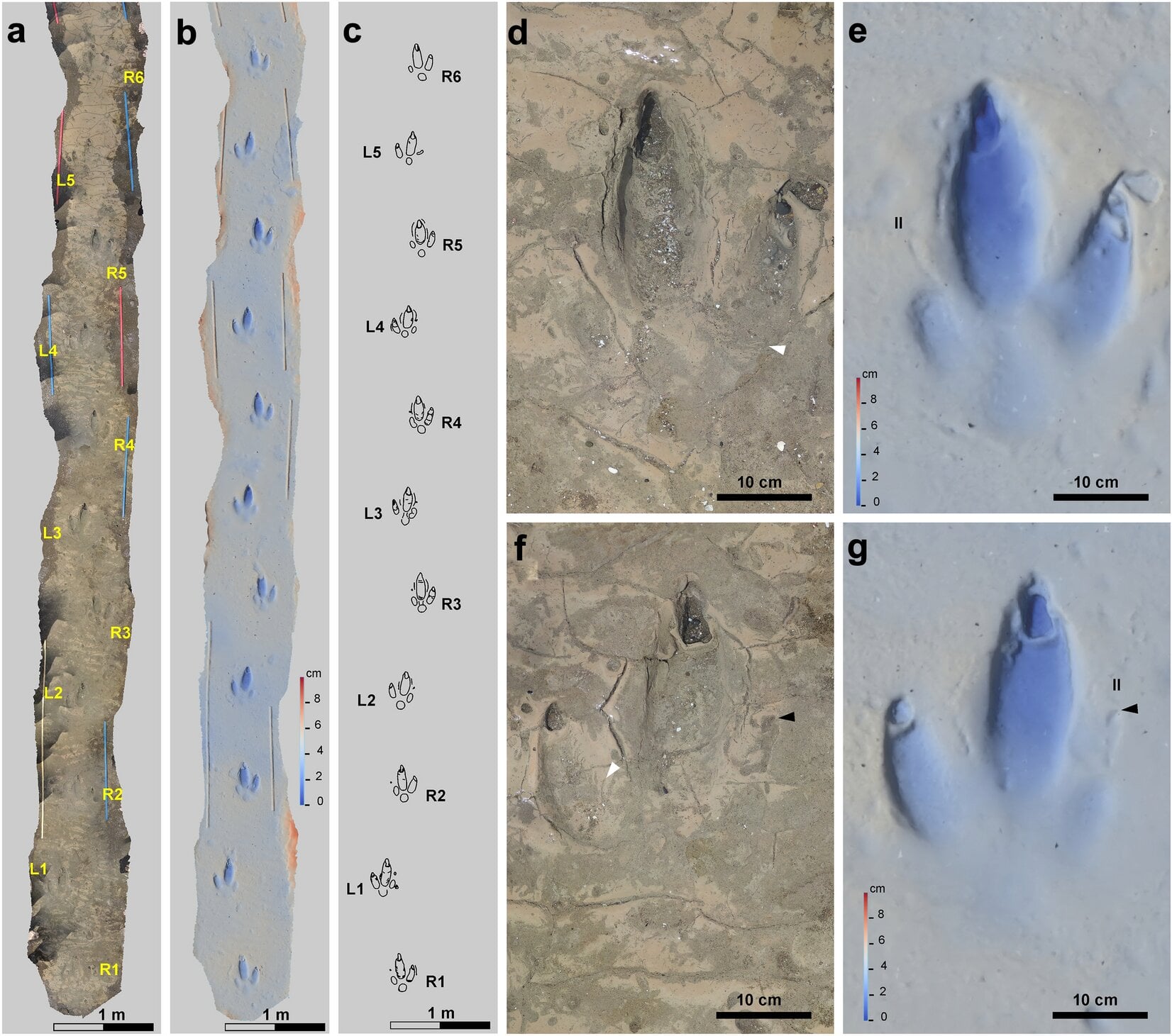
Paleontologists in Argentina have discovered the first well-preserved footprints of Phorusrhacidae, also known as "terror birds." The footprints were made by a medium-sized bird approximately 8 million years ago and show evidence of wrinkle traces and mud cracks. The researchers suggest that the bird had a hip height of 0.81 m, weighed around 55 kg, and ran at a speed of 2.74 m/s. The footprints indicate that terror birds had developed adaptations for running quickly and killing prey, similar to Velociraptors.

paleontology2 years ago

Ancient Proteins Unearthed in 125-Million-Year-Old Dinosaur Feathers

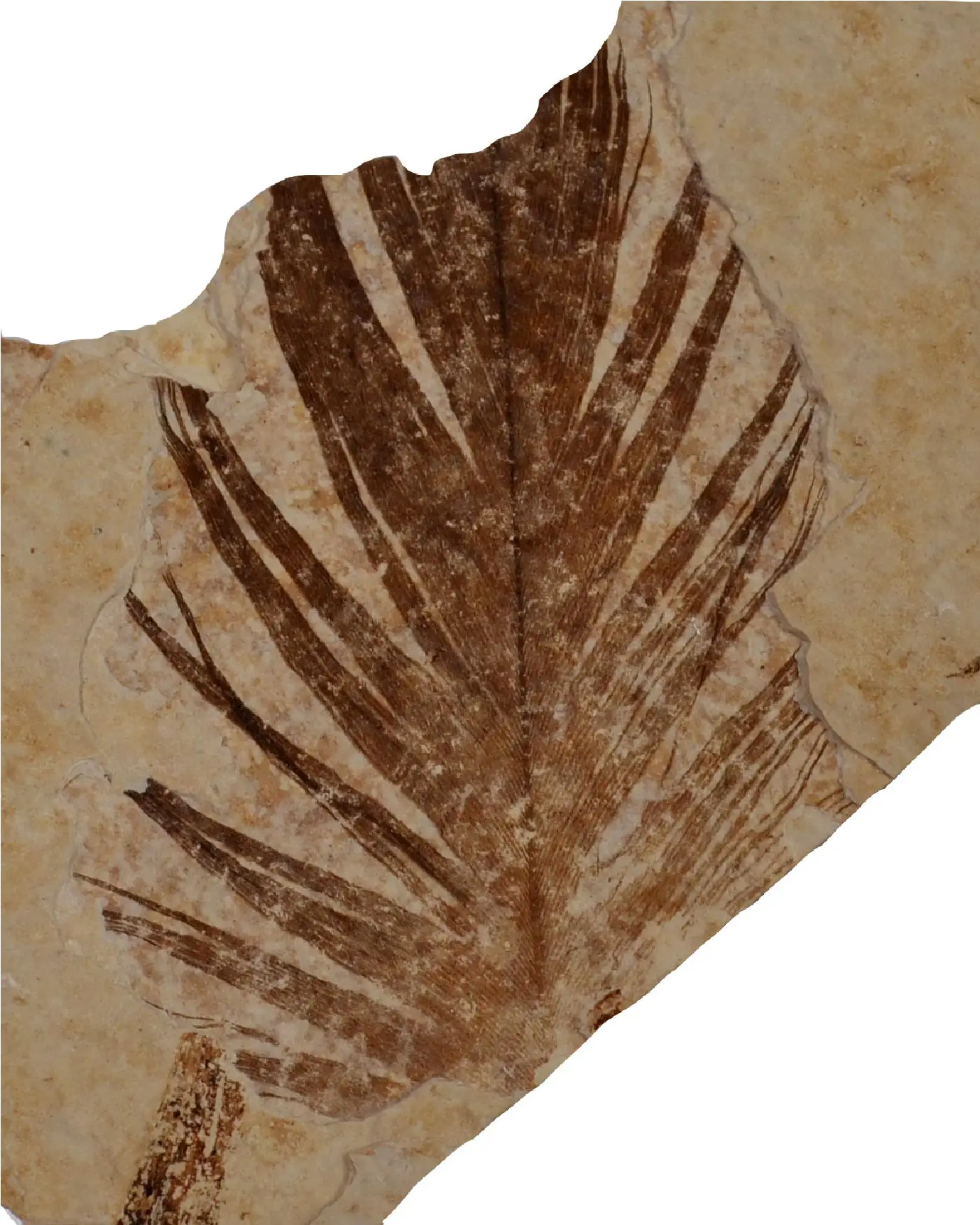
Paleontologists at University College Cork have discovered X-ray evidence of proteins in 125-million-year-old dinosaur feathers, revealing that the protein composition of modern-day feathers was also present in the feathers of dinosaurs and early birds. The research challenges previous studies suggesting that ancient feathers had a different composition and confirms that the chemistry of feathers originated much earlier than previously thought. The team developed a new method to detect traces of ancient feather proteins and found that feathers from the dinosaur Sinornithosaurus contained beta-proteins, similar to modern bird feathers. The study also sheds light on the fossilization process and the preservation of biomolecules in deep time.

paleontology2 years ago

Unveiling the True Colors of Fossilized Insects through Experiments

A team of paleontologists and ecological scientists has developed a new technique to estimate the coloration of fossilized insects. By comparing simulated fossilization of living insects with ancient specimens, the researchers found that darker patches on the baked samples represented areas rich in melanin, a dark pigment. They also discovered that uniform dark areas likely result from fossilization, while splotchy areas are more likely to represent original coloring. The study suggests that experiments like these could provide valuable insights into the coloration of fossilized insects.

paleontology2 years ago

"The Colossal Dinosaur Tracks Unearthed in Alaska's 'Coliseum'"

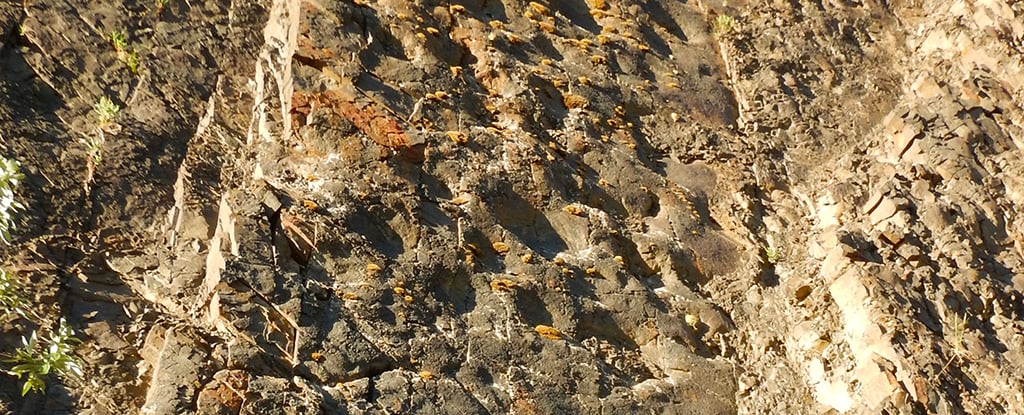
A large and multi-layered rock formation in Denali National Park, Alaska, known as the 'Coliseum', contains a vast collection of dinosaur tracks dating back 70 million years. The site, measuring 7,500 square meters, reveals evidence of various dinosaur types and species, suggesting it was a busy watering hole on a flood plain. The tracks are preserved in different ways, providing insights into the shape and texture of the dinosaurs' feet. The site also yields fossilized plants, pollen, and traces of freshwater shellfish, offering a glimpse into the Late Cretaceous ecosystem.

paleontology2 years ago

"Unearthing the Enormous Remains: Unveiling the Heaviest Animal in History"

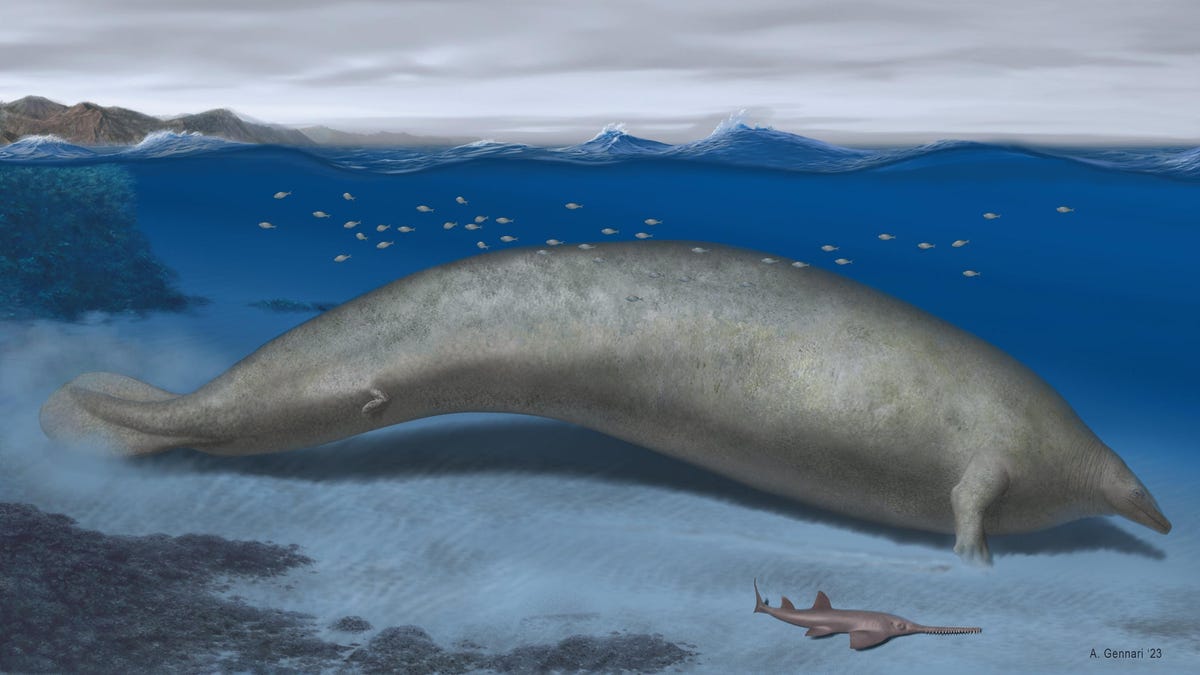
Paleontologists have discovered the fossilized remains of an Eocene-era whale in Peru that may be the heaviest animal ever, surpassing the blue whale in mass. Named Perucetus colossus, the whale weighed between 93.7 and 374.8 tons (85 and 340 metric tons), making it one of the largest creatures of all time. The discovery challenges previous assumptions about the timing and environment in which extreme gigantism in cetaceans occurred. The researchers believe that P. colossus was a shallow-water scavenger and had dense bones, suggesting it was a coastal dweller. The find sheds light on the evolution of large marine animals and raises questions about the potential for future gigantism.