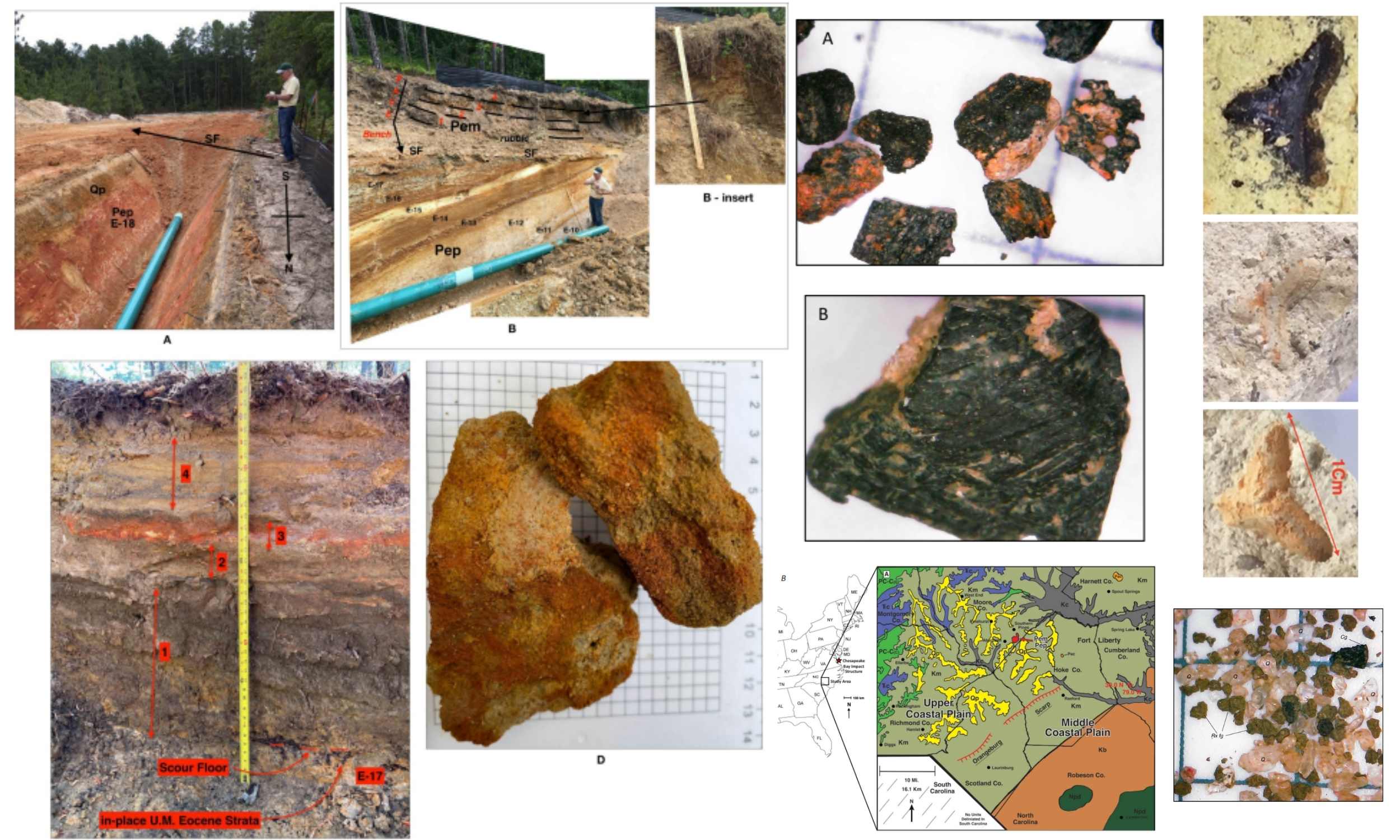
Geologists in North Carolina have discovered evidence of a late Eocene extraterrestrial impact and subsequent tsunami, including impact debris, iridium spikes, and tsunami deposits, linked to the nearby Chesapeake Bay impact structure, providing new insights into regional impact history and sea level changes.
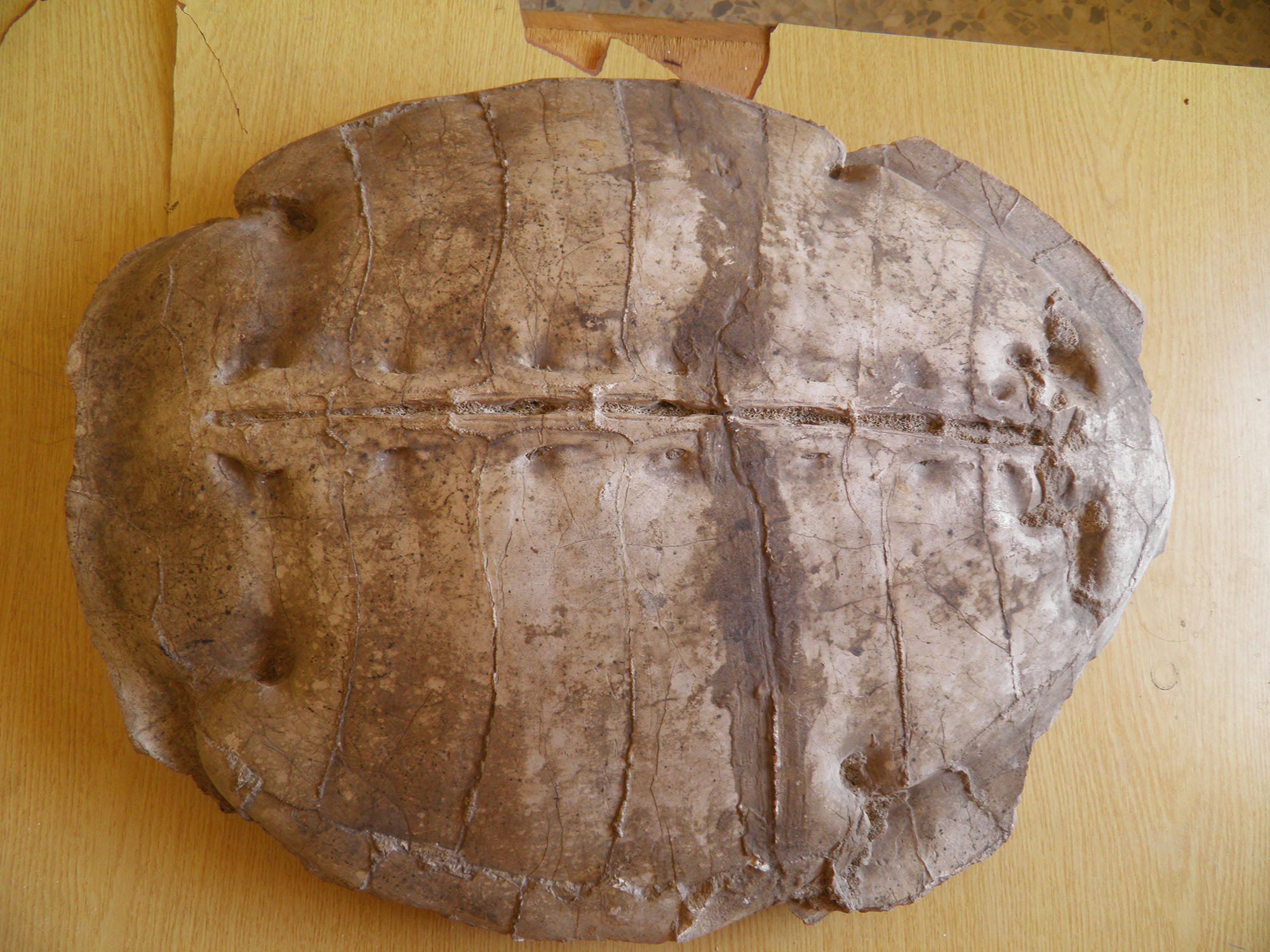
Scientists discovered a 50-million-year-old fossil sea turtle, Syriemys lelunensis, in Syria, marking the first vertebrate fossil described from the country and providing new insights into the evolution and distribution of ancient sea turtles, despite the complex political situation.
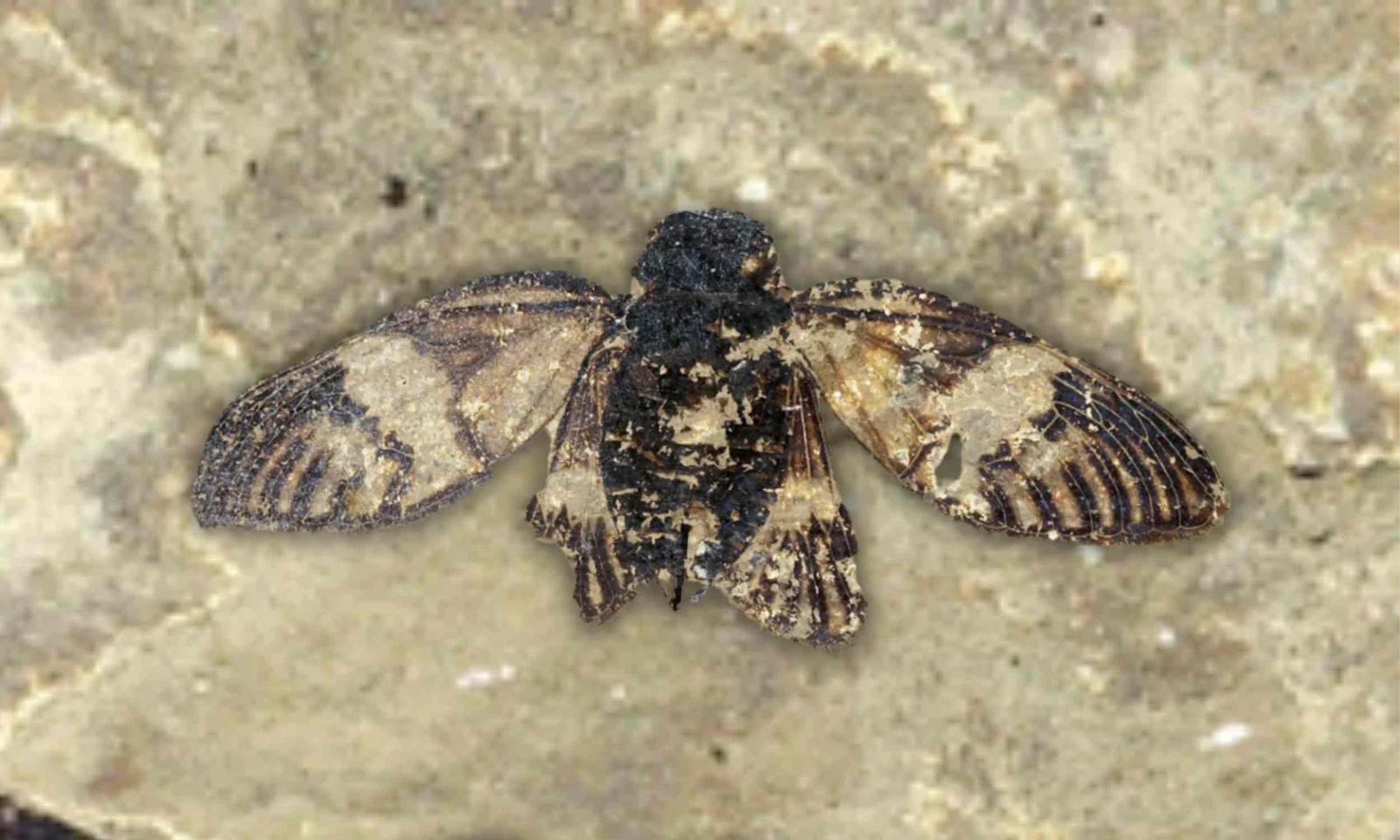
A 47-million-year-old cicada fossil was discovered in Germany's Messel Pit, providing crucial insights into the evolution and biodiversity of ancient insects, especially within the Platypleurini group, and filling a significant gap in the fossil record of cicadas.
Scientists have discovered the oldest true cicada fossil in Europe, dating back 47 million years to the Eocene era at the Messel Pit, providing new insights into cicada evolution and biodiversity during that period.
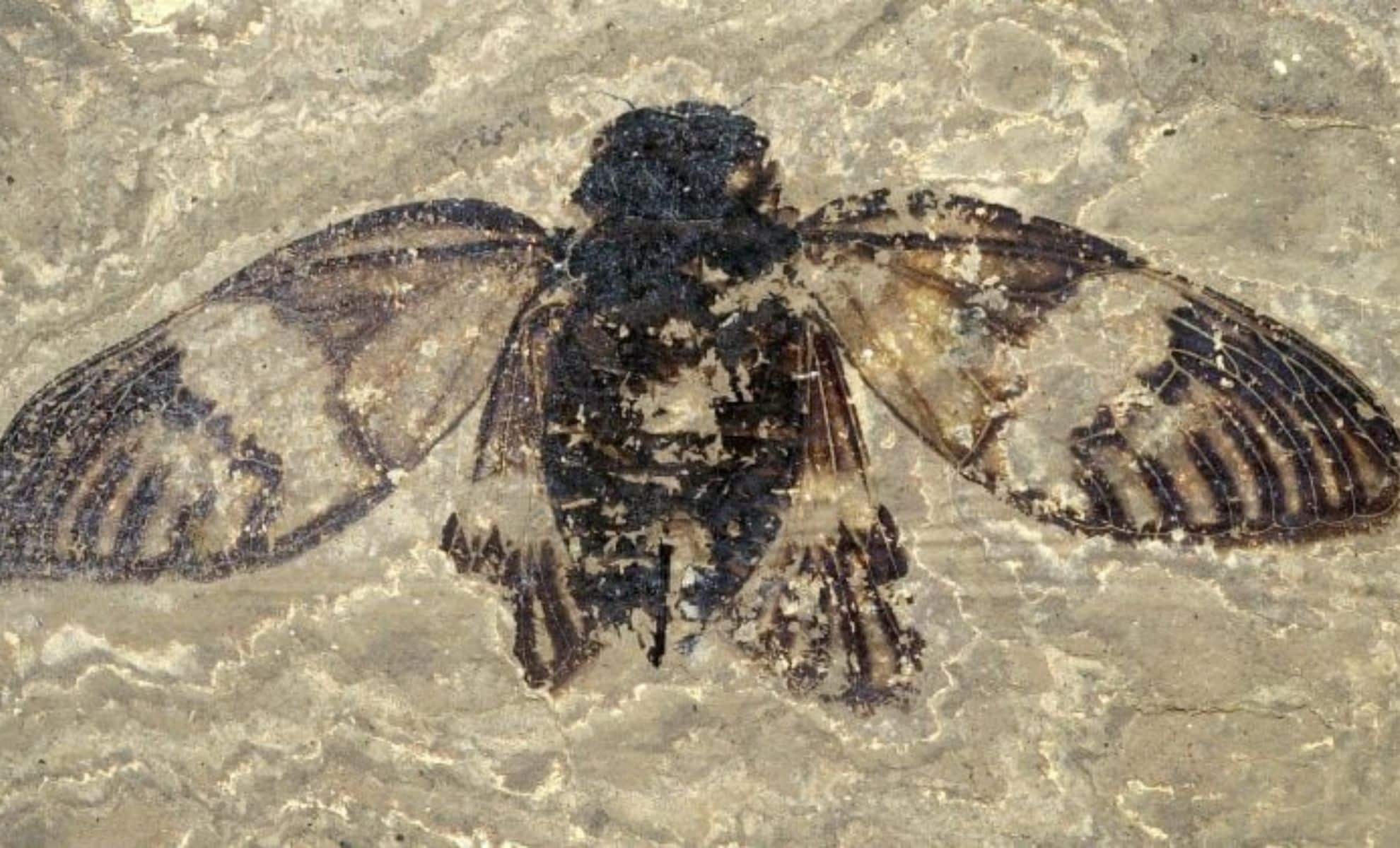
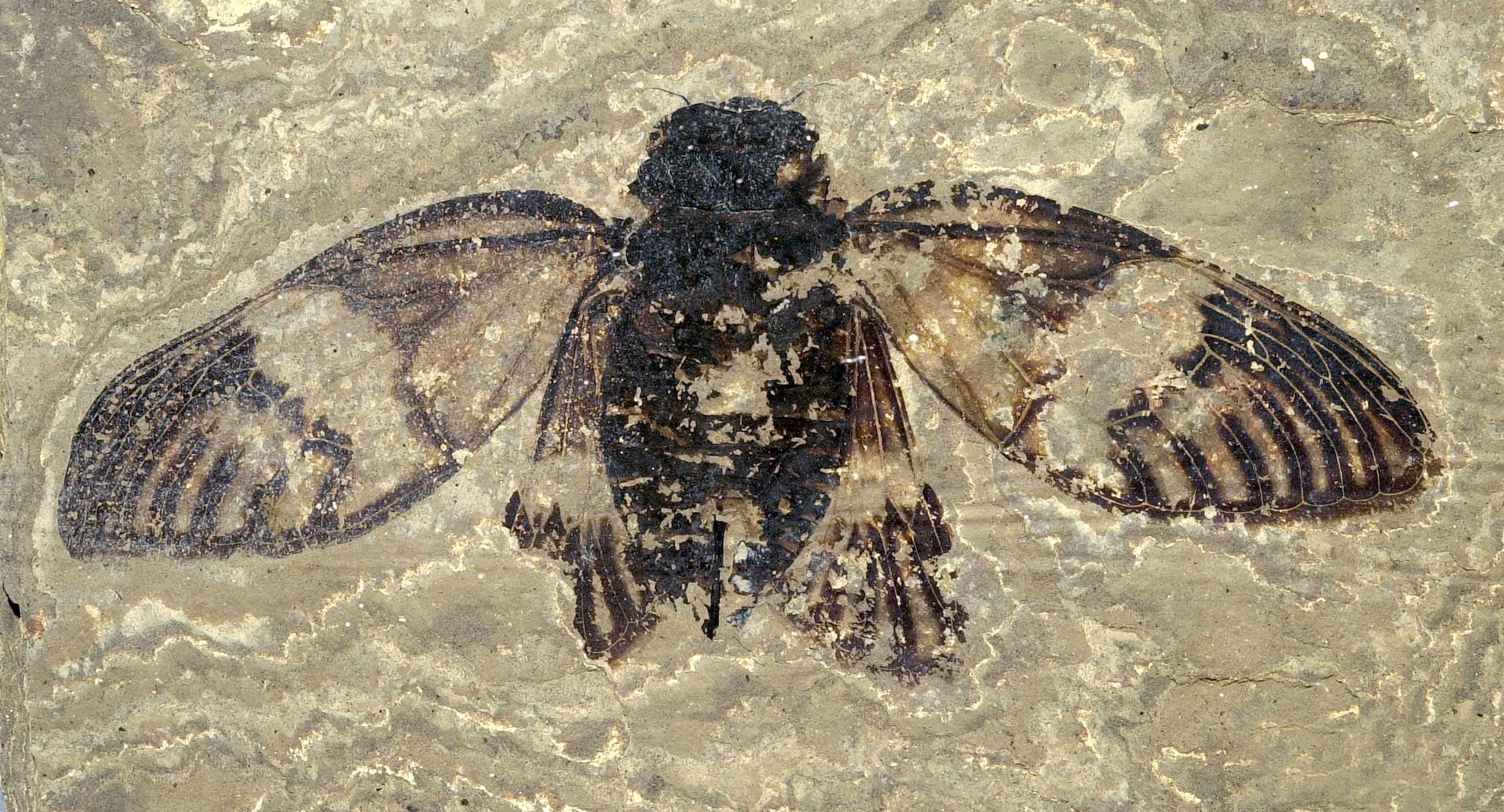
Scientists discovered a 47-million-year-old cicada fossil at the Messel Pit in Germany, remarkably preserved with detailed wings, providing new insights into the evolution and distribution of cicadas, especially their presence outside Africa and Asia during the Eocene period. This find helps refine the timeline of cicada evolution and suggests ancient European populations were more diverse than today, with potential implications for understanding how climate change influenced their migration and extinction.
Methane emissions in the Eocene period may have contributed to polar warming by creating a blanket of invisible clouds that trapped warmth against the surface, boosting temperatures by 7 degrees Celsius during the coldest winter months. These polar stratospheric clouds (PSCs) were more prevalent due to the positions of Earth's continents and mountains at the time. While PSCs are currently less common in the Arctic, rising greenhouse gas emissions could increase their prevalence in the future. Understanding the role of clouds, including PSCs, is crucial for accurate climate modeling and predicting the transformation of the poles, which are experiencing rapid warming and ecosystem changes.
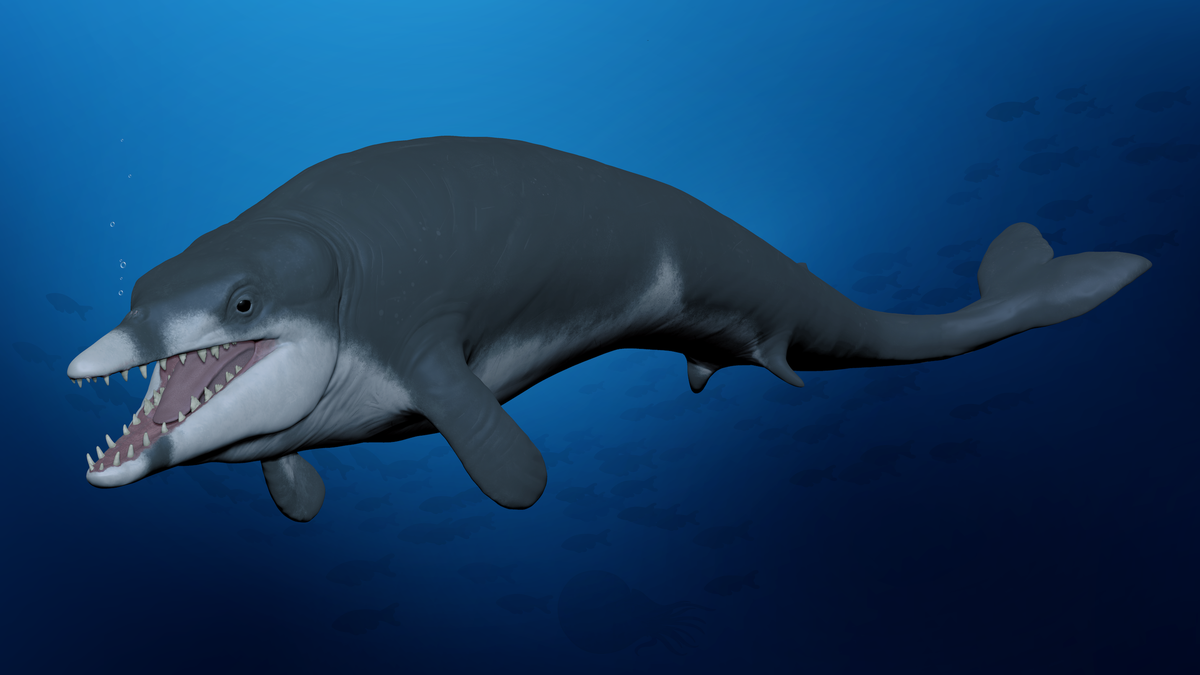
Paleontologists have discovered the smallest known basilosaurid whale, named Tutcetus rayanensis, in Egypt's Fayum Depression. The whale lived during the Eocene period, approximately 41 million years ago, and measured about 8 feet and 2 inches long, weighing just 412 pounds. This discovery highlights the diversity within the basilosaurid family and provides insights into the evolution of early whales. The fossilized remains were found in 2012 and contribute to the understanding of the Eocene marine ecosystems.
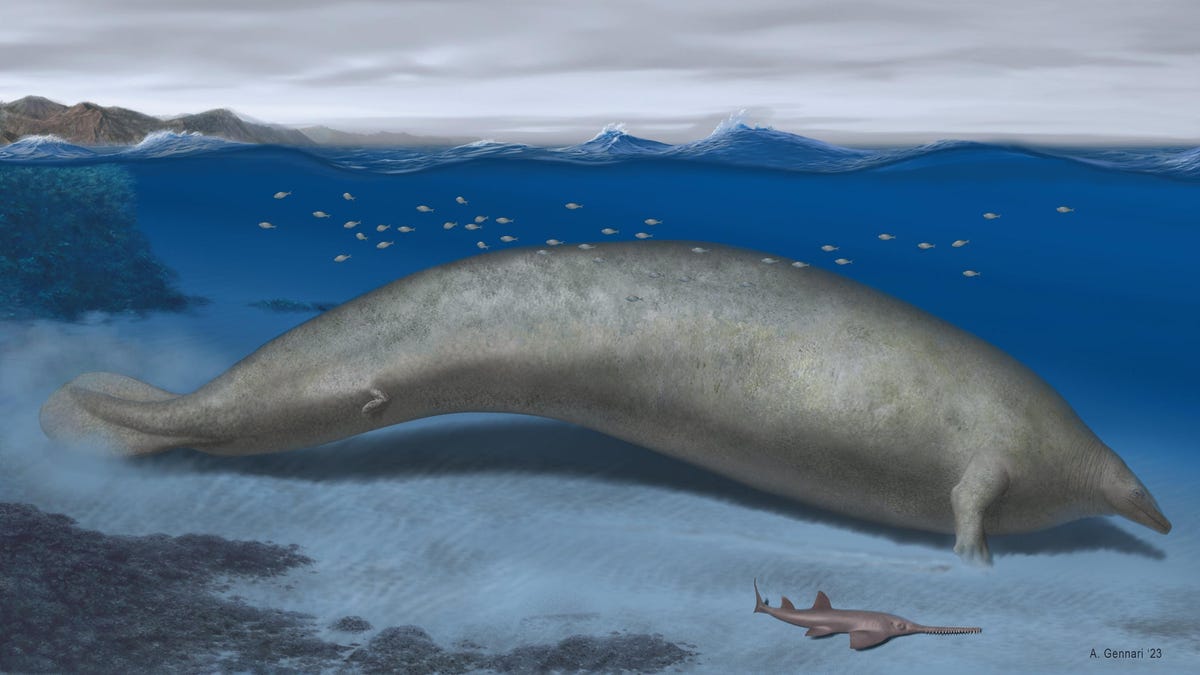
Paleontologists have discovered the fossilized remains of an Eocene-era whale in Peru that may be the heaviest animal ever, surpassing the blue whale in mass. Named Perucetus colossus, the whale weighed between 93.7 and 374.8 tons (85 and 340 metric tons), making it one of the largest creatures of all time. The discovery challenges previous assumptions about the timing and environment in which extreme gigantism in cetaceans occurred. The researchers believe that P. colossus was a shallow-water scavenger and had dense bones, suggesting it was a coastal dweller. The find sheds light on the evolution of large marine animals and raises questions about the potential for future gigantism.
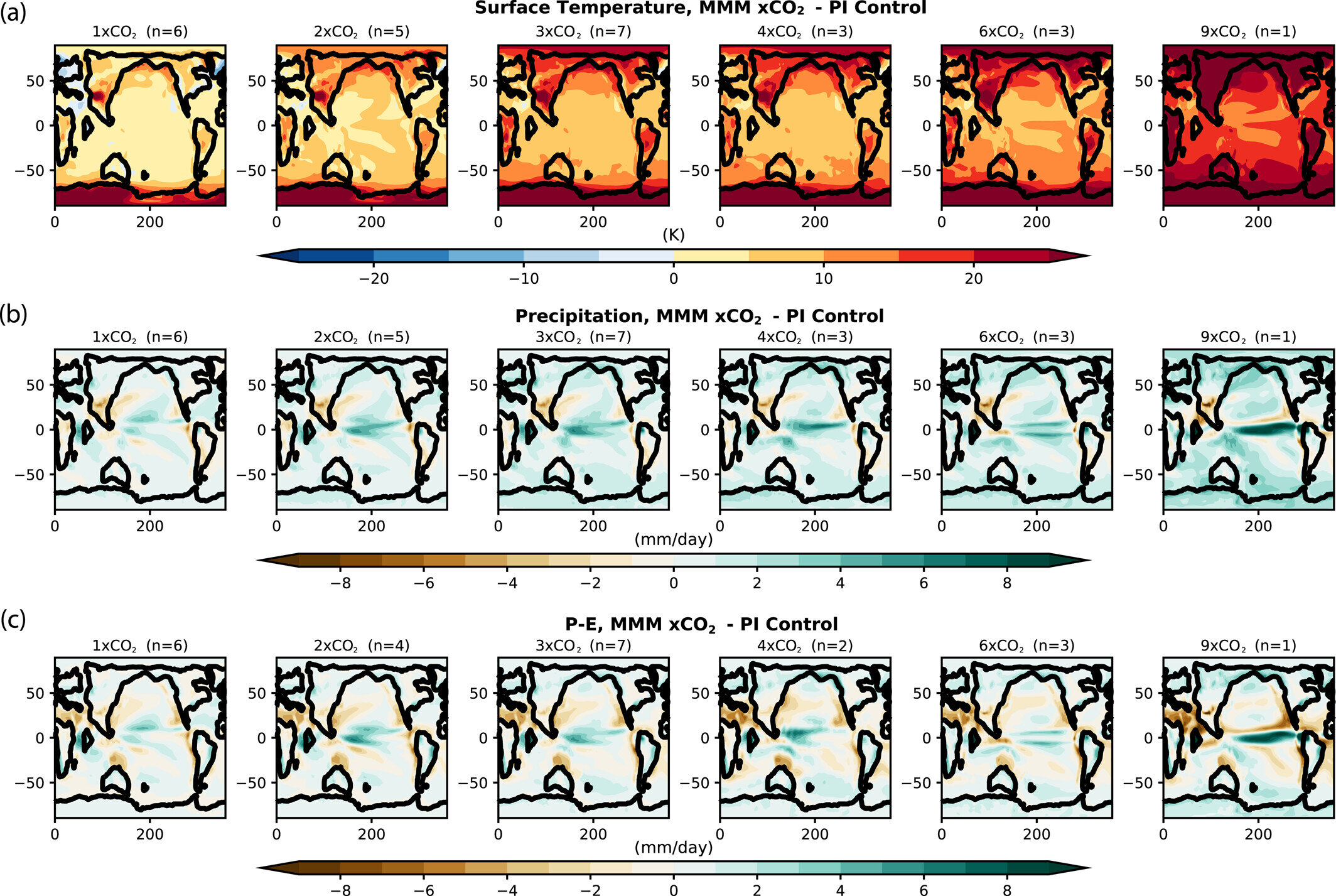
Modeling of Earth's response to global warming has suggested that dry regions will become more arid and wet regions will experience more precipitation, with an uneven distribution of moisture in the atmosphere. However, scientists have studied ancient global warming events to suggest that, at least for the subtropics, this may not be the case. The Early Eocene Climatic Optimum (56–48 million years ago) was one of the warmest intervals of the last 66 million years, with mean global surface temperatures over 14°C warmer than present. Researchers have used the Deep-Time Model Intercomparison Project (DeepMIP) to reconstruct global mean rainfall patterns during the early Eocene across the planet and found that higher global mean surface temperatures correlated with increased mean annual precipitation estimates.