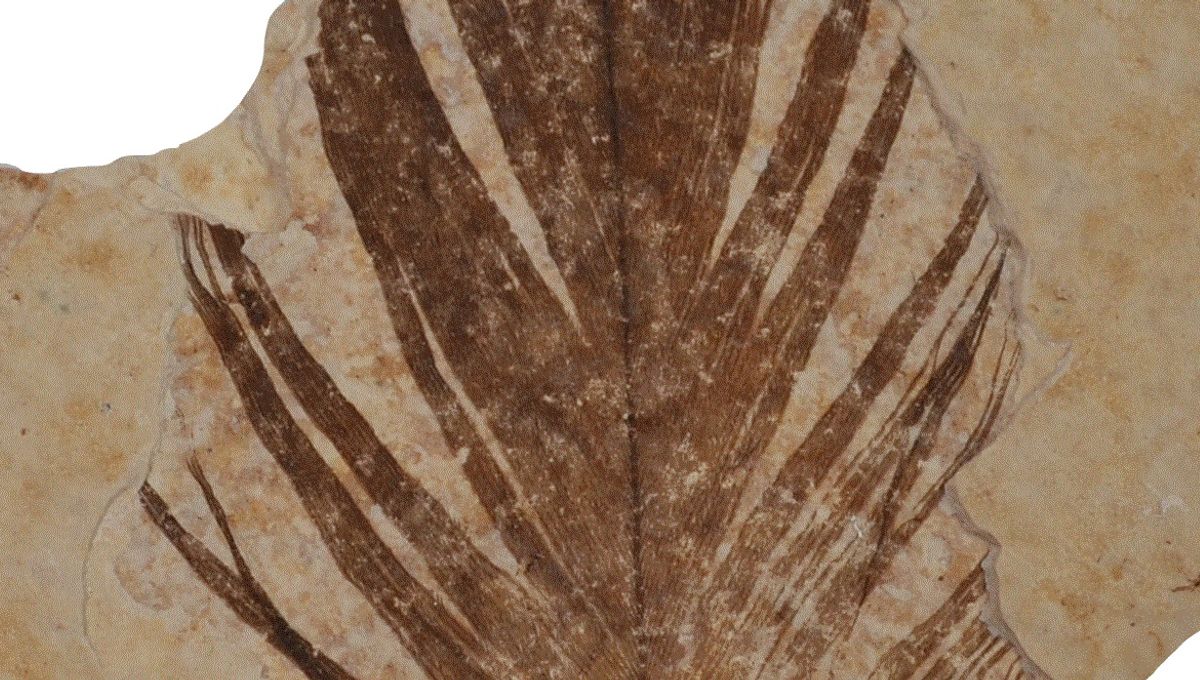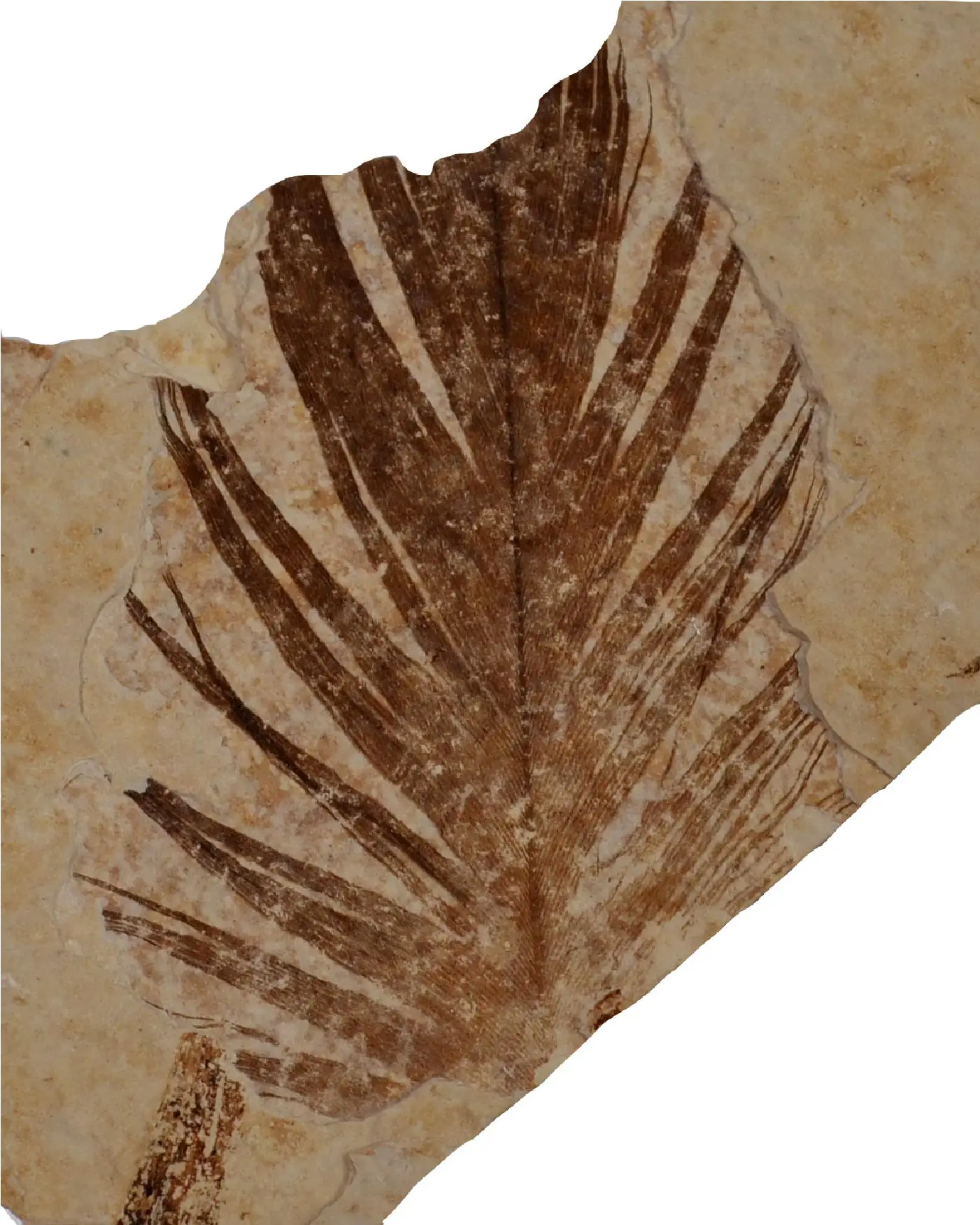
Paleontologists at University College Cork have discovered X-ray evidence of proteins in 125-million-year-old dinosaur feathers, revealing that the protein composition of modern-day feathers was also present in the feathers of dinosaurs and early birds. The research challenges previous studies suggesting that ancient feathers had a different composition and confirms that the chemistry of feathers originated much earlier than previously thought. The team developed a new method to detect traces of ancient feather proteins and found that feathers from the dinosaur Sinornithosaurus contained beta-proteins, similar to modern bird feathers. The study also sheds light on the fossilization process and the preservation of biomolecules in deep time.

A new study using powerful X-rays has revealed that dinosaur feathers had a protein composition similar to modern birds, suggesting an early origin of bird feather chemistry, possibly 125 million years ago. The research found that the alpha-proteins in fossil feathers likely formed due to heat during fossilization, rather than being originally present. This discovery provides insights into the evolution of feathers and highlights the close relationship between dinosaurs and birds.
A study conducted by scientists from University College Cork, Linyi University, and the Stanford Synchrotron Radiation Light Source has revealed that the protein composition of dinosaur feathers is similar to that of modern birds, suggesting that the modern feather may have evolved much earlier than previously thought. By analyzing 125-million-year-old fossil feathers, the researchers found traces of beta-keratin, indicating that alpha-keratin was likely formed through degradation during the fossilization process. The study also highlights the need for a more holistic analysis of ancient fossils and their biomolecules, as well as the development of new tools to understand the chemical secrets of fossils.