Tag

Ct Scanning

All articles tagged with #ct scanning

science1 year ago

CT Scans of Giant Hailstones Reveal Clues for Storm Prediction

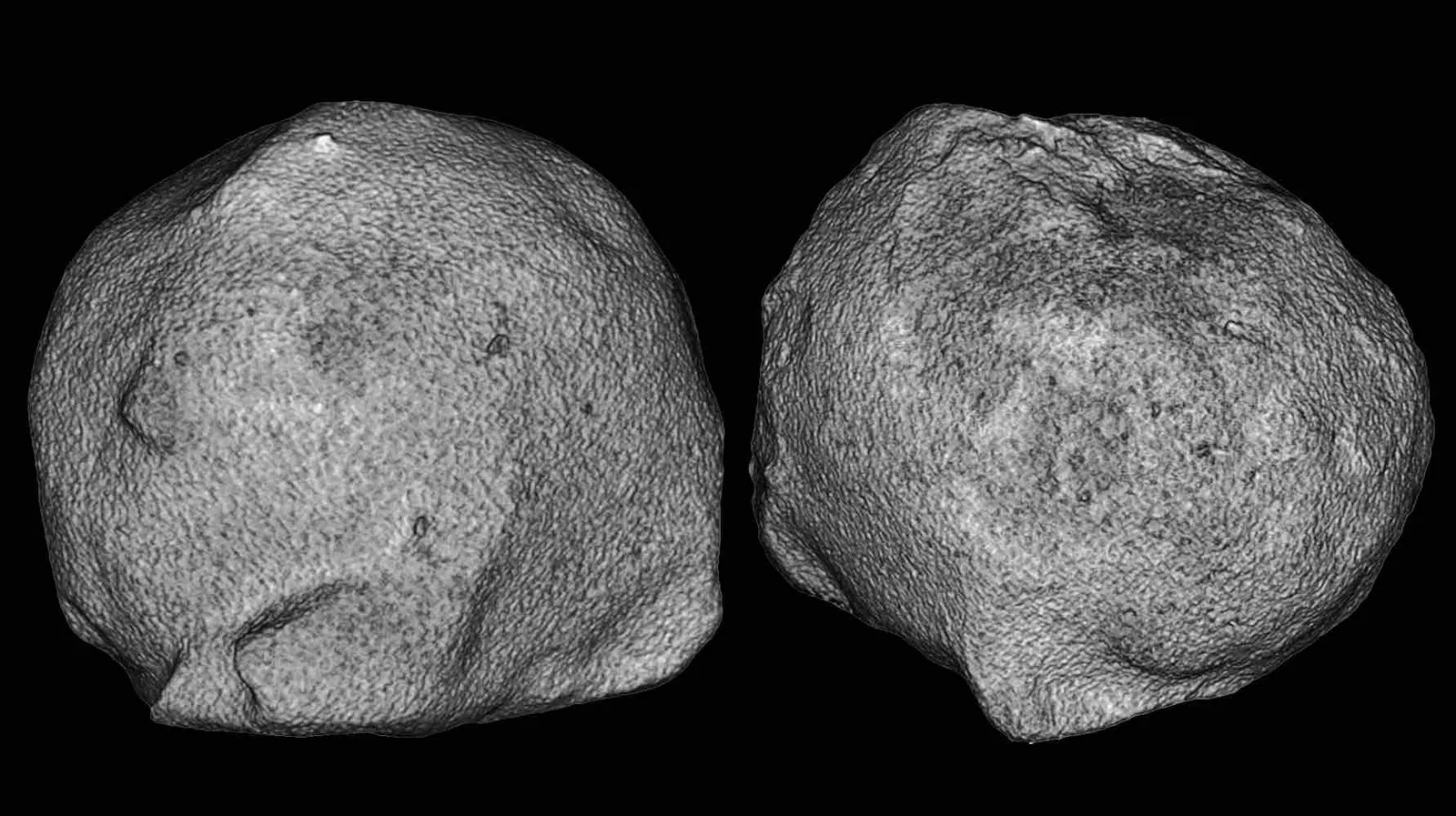
In August 2022, Catalonia experienced a severe hailstorm with giant hailstones causing injuries and damage. Researchers used CT scanning to study the internal structure of these hailstones without destroying them, revealing surprising insights into their formation. The study, published in Frontiers in Environmental Science, found irregular internal axes and uneven growth processes, challenging previous assumptions about hailstone shapes. Despite challenges like high costs, the findings could improve hail forecasting and help mitigate damage from extreme weather events.

paleontology2 years ago

Ancient Fruit Unveils Oldest Frankincense and Myrrh Fossils

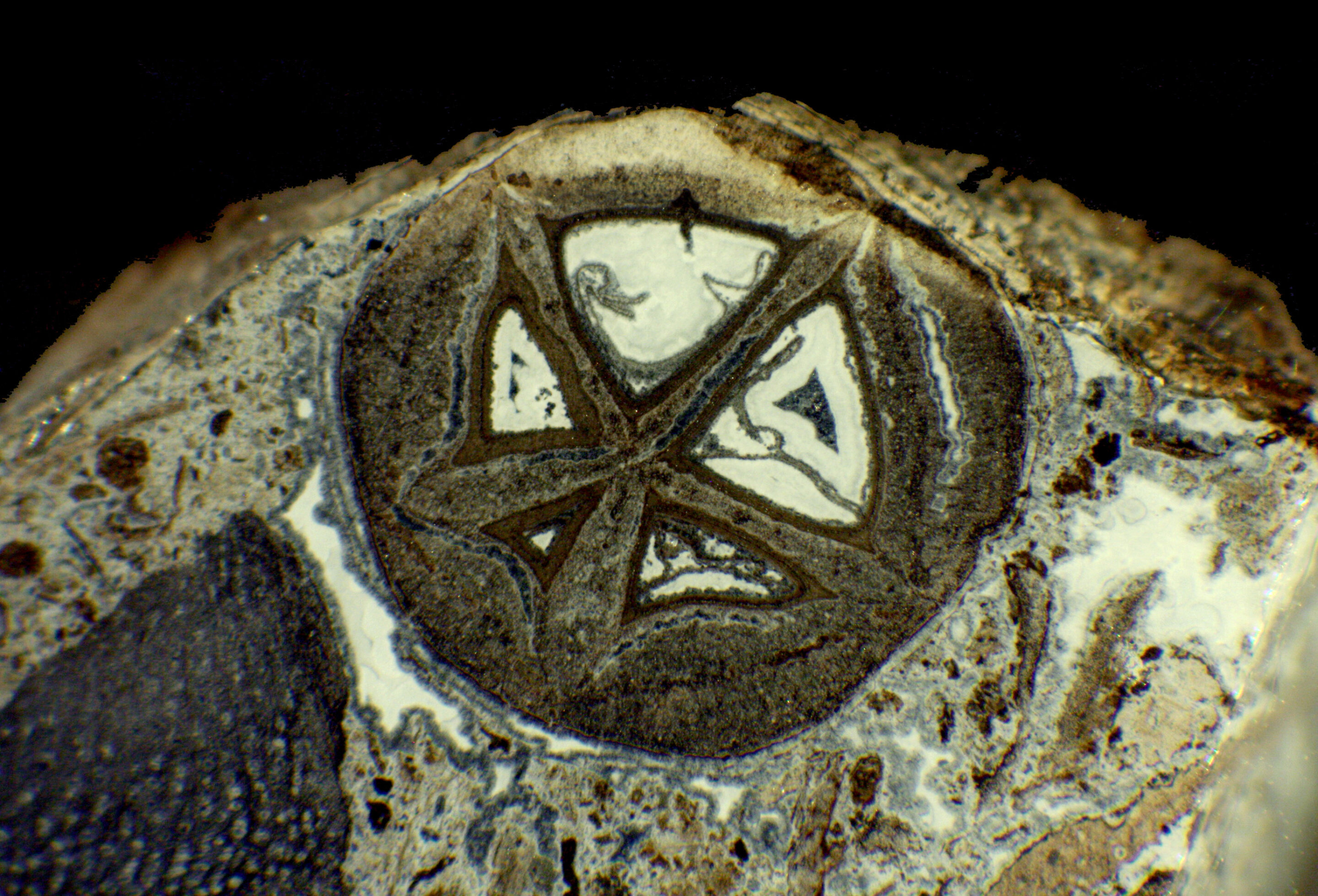
Researchers have identified small bead-like fossils found in India as the oldest known fossils of the Frankincense and Myrrh family. Using CT scanning technology, the fossils were identified as belonging to an extinct species in the Burseraceae family. These fossils provide important insights into the origin and distribution of the family, suggesting that the southern hemisphere may have been the birthplace of the Frankincense family. The findings were published in the International Journal of Plant Sciences.

science2 years ago

"Unveiling the Ancient Arthropod: Three Eyes and Four Pairs of Limbs Shed Light on Early Animal Evolution"

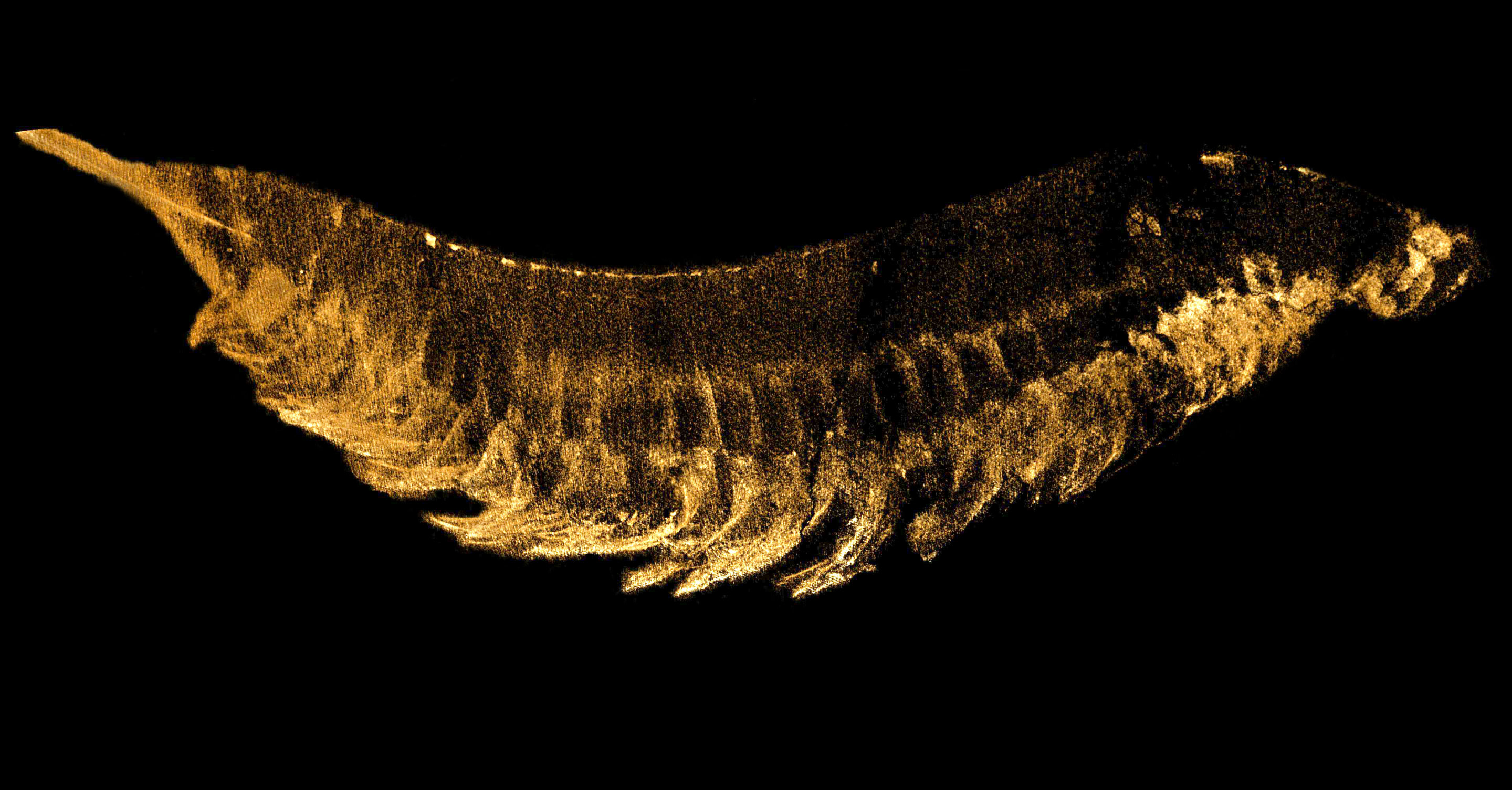
Researchers have redescribed a unique fossil animal called Kylinxia, which fills in a gap in our understanding of arthropod evolution. The fossil, found in rocks nearly 520 million years old in southern China, reveals a three-eyed creature with fearsome limbs used for catching prey. The well-preserved fossil allowed scientists to digitally image its head, identifying six segments, similar to many living arthropods. This discovery provides valuable insights into the early evolution of arthropods and challenges previous theories about the number of segments in their heads.

science2 years ago

"Scientists Reconstruct Skull of Scotland's Prehistoric 'Tadpole from Hell' After 100 Years"

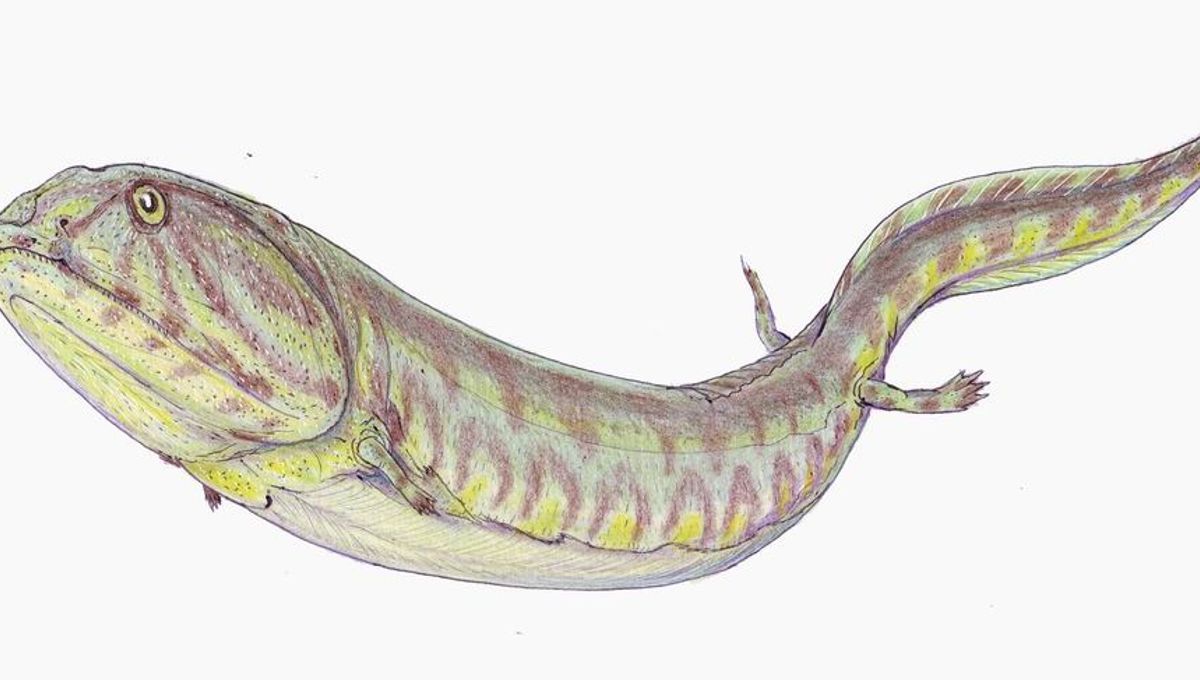
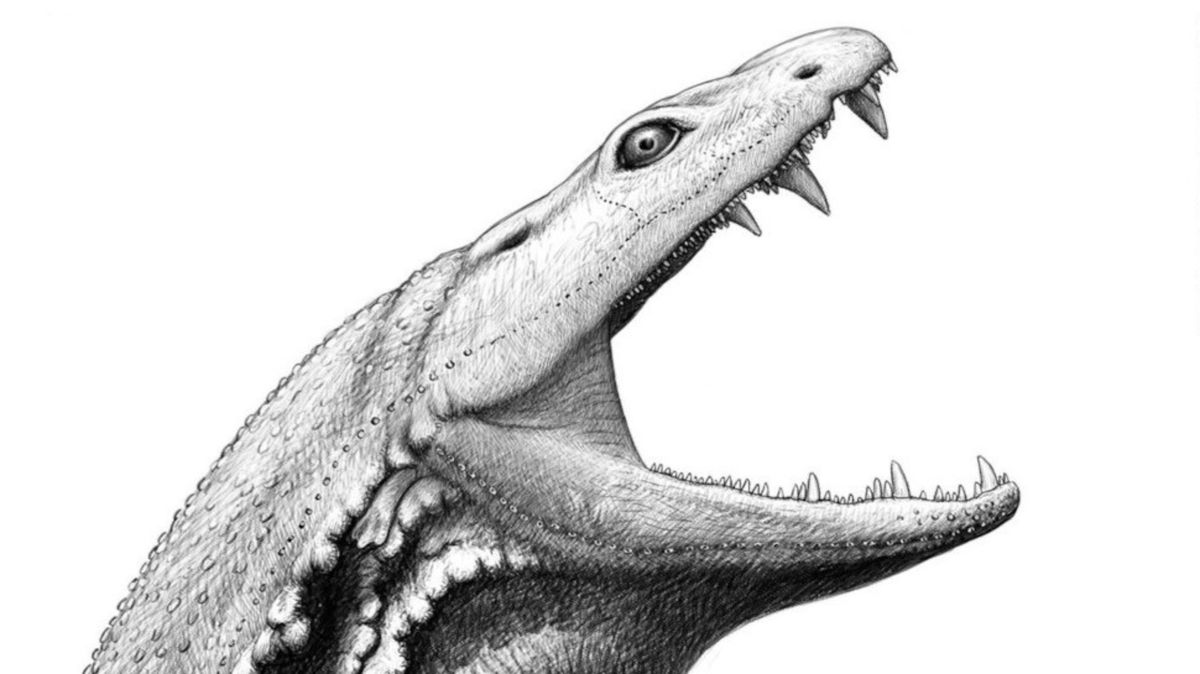
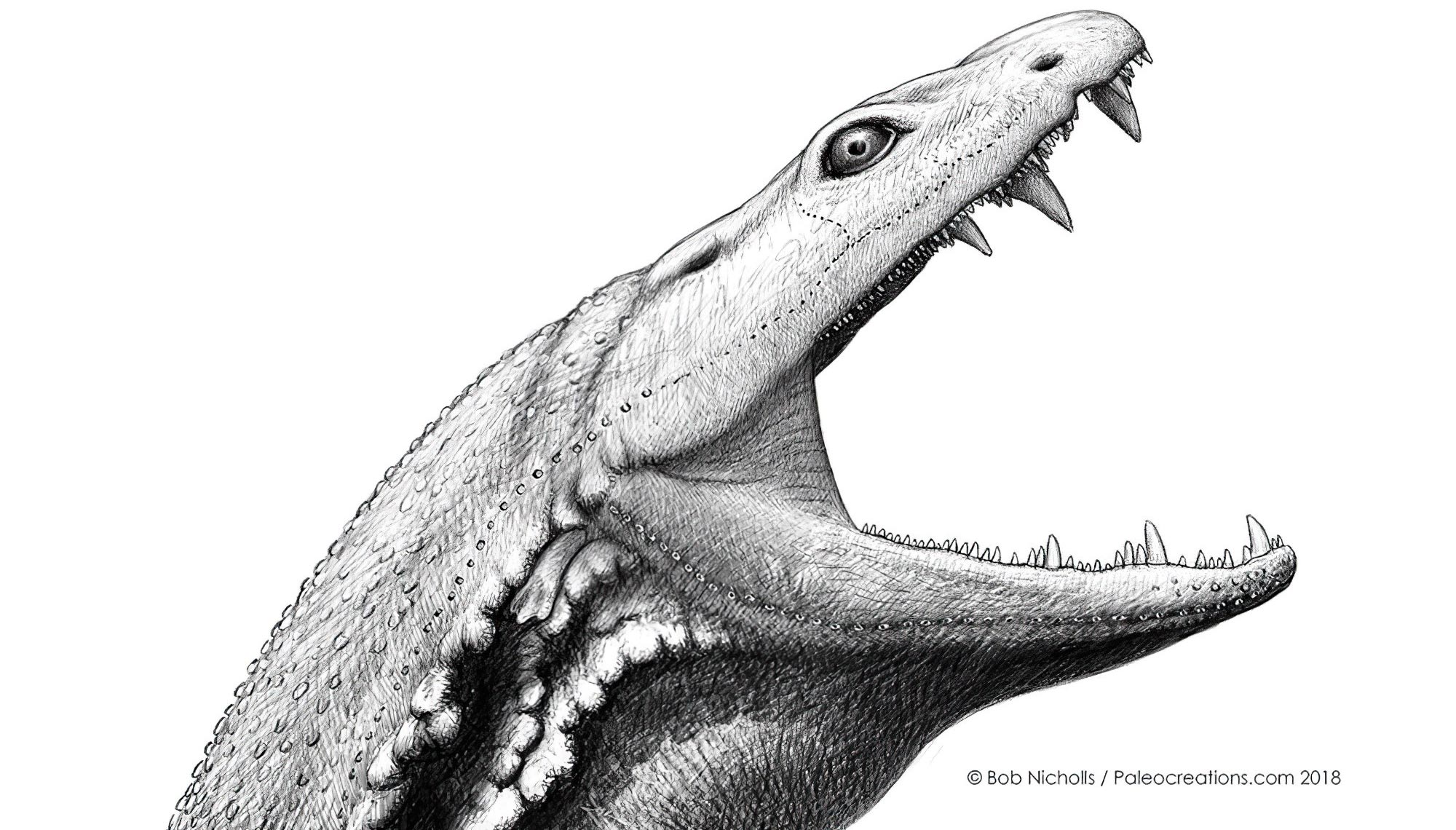
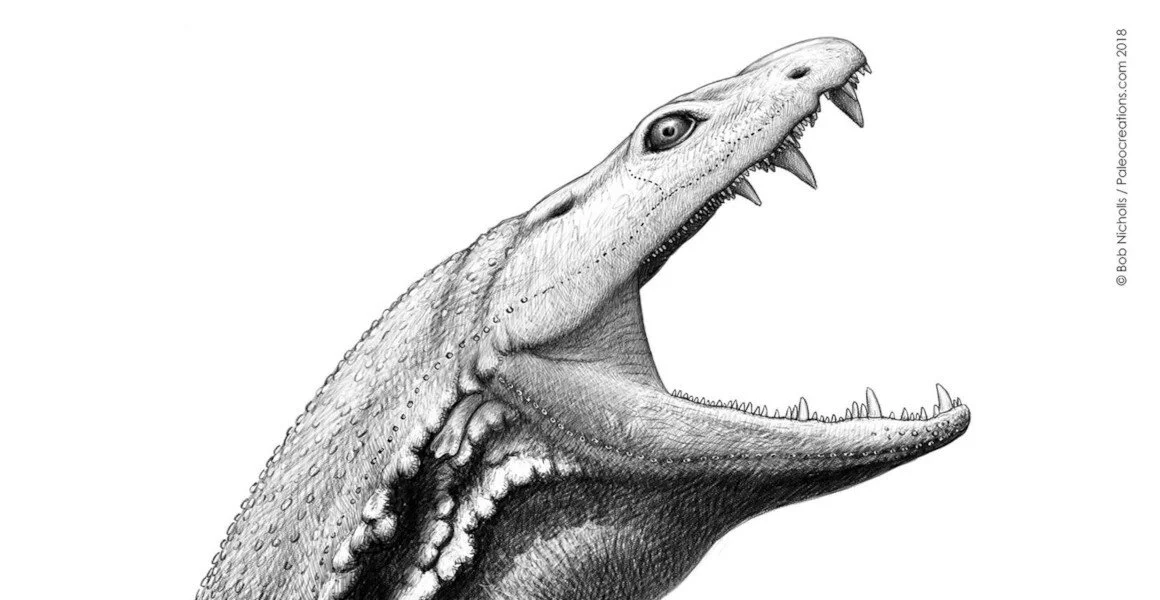
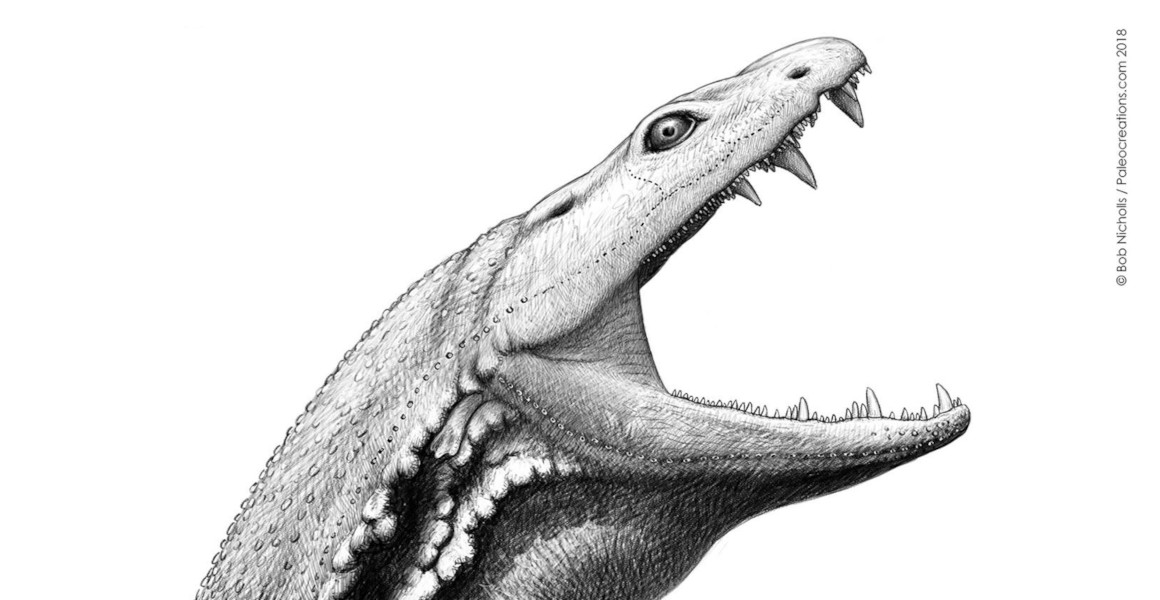
Scientists have digitally reconstructed the skull of Crassigyrinus scoticus, an early tetrapod that lived in the coal swamps of Scotland over 300 million years ago. The aquatic predator, closely related to some of the first species to make the transition from water to land, had previously been difficult to understand due to severely crushed fossils. However, advances in CT scanning and 3D visualization allowed researchers to piece together the fragments and discover that the animal had a skull similar to modern crocodiles, large teeth, and powerful jaws. The reconstructed skull sheds light on how the carnivore would have lived and hunted prey in ancient Scottish swamps.

science2 years ago

Unveiling the Terrifying Face of the Prehistoric "Tadpole From Hell"

Scientists have reconstructed the face of a 330 million-year-old extinct species, Crassigyrinus scoticus, using CT scanning and 3D visualization. The animal, which lived in coal swamps in what is now Scotland and parts of North America, had huge teeth and powerful jaws, and was around 6.5 to 9.8 feet long. It had a relatively flat body and very short limbs, similar to a crocodile or alligator, and was adapted to hunt prey in swampy terrain. The new facial reconstruction shows it had large eyes to see in muddy water, as well as lateral lines, a sensory system that allows animals to detect vibrations in water.

science2 years ago

Prehistoric 'Killer Tadpole' Unveiled by Scientists.

Scientists have reconstructed the face of a 330 million-year-old extinct species, Crassigyrinus scoticus, using computed tomography (CT) scanning and 3D visualization. The animal was a tetrapod, a four-limbed animal related to the first creatures to transition from water to land, and lived in coal swamps in what is now Scotland and parts of North America. The new facial reconstruction shows it had large eyes to see in muddy water, as well as lateral lines, a sensory system that allows animals to detect vibrations in water. The animal had huge teeth and powerful jaws and was adapted to hunt prey in swampy terrain.

paleontology2 years ago

Unveiling the Terrifying "Tadpole From Hell" - Ancient Predator Discovered in Scottish Fossils.

Researchers have digitally reconstructed the skull of Crassigyrinus scoticus, a 330-million-year-old species, revealing a shape similar to a modern crocodile rather than the previously assumed tall skull. The discovery sheds light on the behavior of this ancient predator, which lived in coal swamps and likely hunted like modern crocodiles. With huge teeth, big eyes, and a range of sensory adaptations, Crassigyrinus scoticus was well-suited to hunting prey in Carboniferous swamps over 300 million years ago.

paleontology2 years ago

Reconstructing ancient predator's skull from Scottish fossils.

Digital reconstructions of broken fossils have revealed more about the life of Crassigyrinus scoticus, an ancient crocodile-like predator that lived over 300 million years ago. Advances in CT scanning and 3D visualization have allowed researchers to piece together the fragments of the crushed fossils for the first time, revealing what Crassigyrinus's skull would have looked like. The resulting shallower skull shape agrees with a recent re-evaluation of the rest of Crassigyrinus' body, which found that it was a relatively flat-bodied animal with very short limbs.

science2 years ago

Reconstructing ancient predator's skull from Scottish fossils.

Digital reconstructions of crushed fossils have revealed the skull of Crassigyrinus scoticus, an ancient crocodile-like predator that lived over 300 million years ago in Carboniferous swamps. The reconstructed skull shows that Crassigyrinus had a shape similar to a modern crocodile, with powerful jaws and huge teeth. The predator also had a range of sensory adaptations, including large eyes and lateral lines to detect vibrations in the water. The reconstructed skull is being put through biomechanical simulations to determine what the predator was capable of.