
"Unveiling the Complex Relationship: Ozone Layer, Pollution, and Skin Cancer"
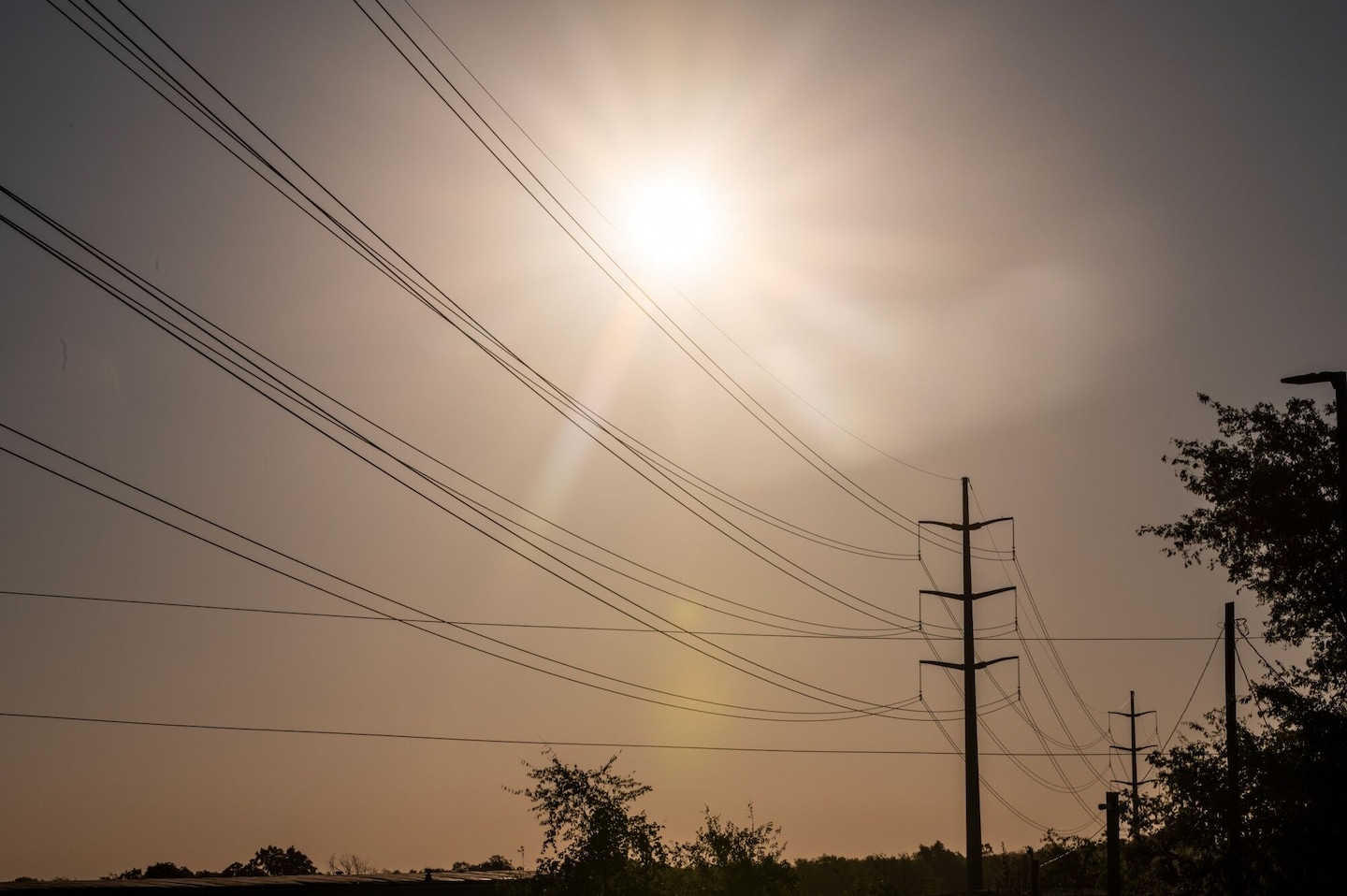
A new scientific paper published in AGU Advances challenges the conventional understanding of the ozone layer's impact on human health. While the 1987 Montreal Protocol successfully prevented further depletion of the ozone layer and reduced cases of skin cancer, the study suggests that small decreases in the ozone layer could actually save lives by decreasing ground-level air pollution. The researchers found that certain chemicals, such as sulfates, could alter the ozone content in the atmosphere, leading to complex interactions between "good ozone" in the stratosphere and "bad ozone" in the troposphere. The decrease in ground-level air pollution resulting from these interactions could outweigh the rise in skin cancer, potentially saving between 33,000 and 86,000 lives annually. However, experts caution that these findings are preliminary and highlight the challenges of balancing different health impacts in policy decisions.
Reading Insights
0
1
6 min
vs 7 min read
89%
1,258 → 136 words
Want the full story? Read the original article
Read on The Washington Post