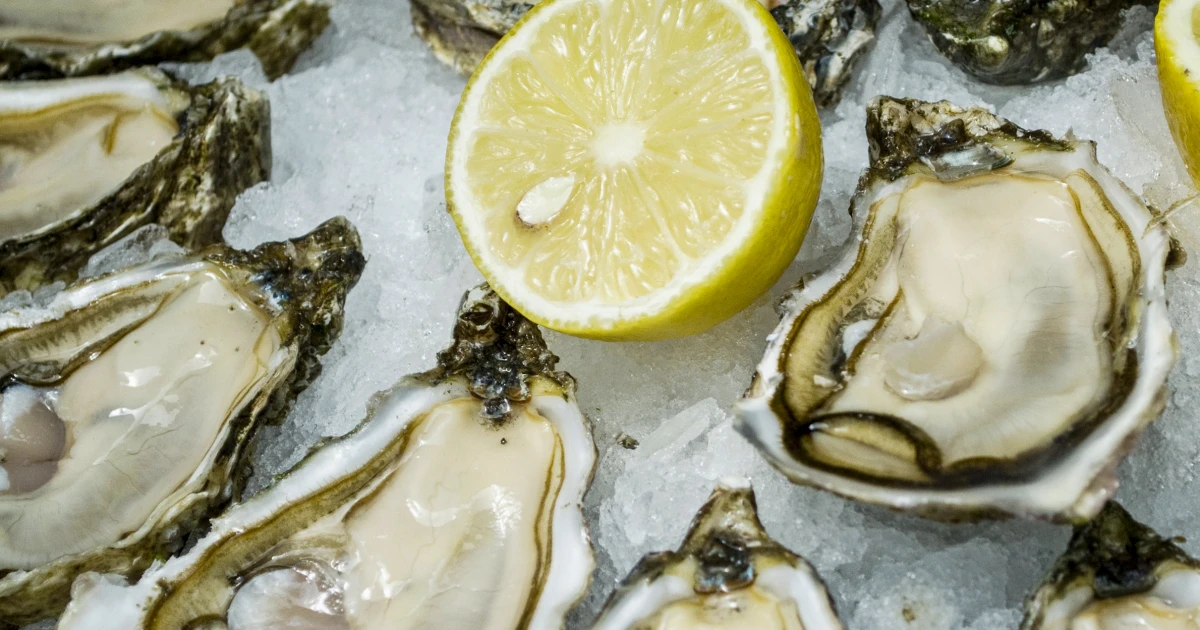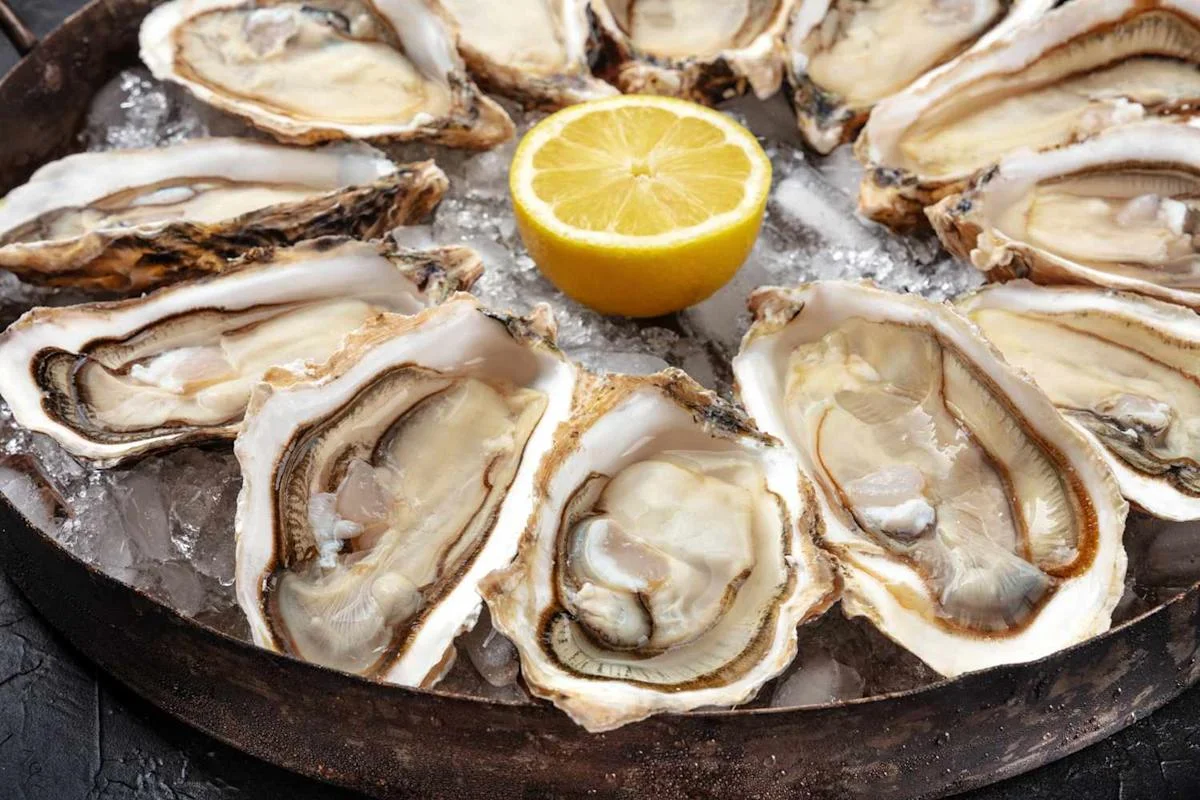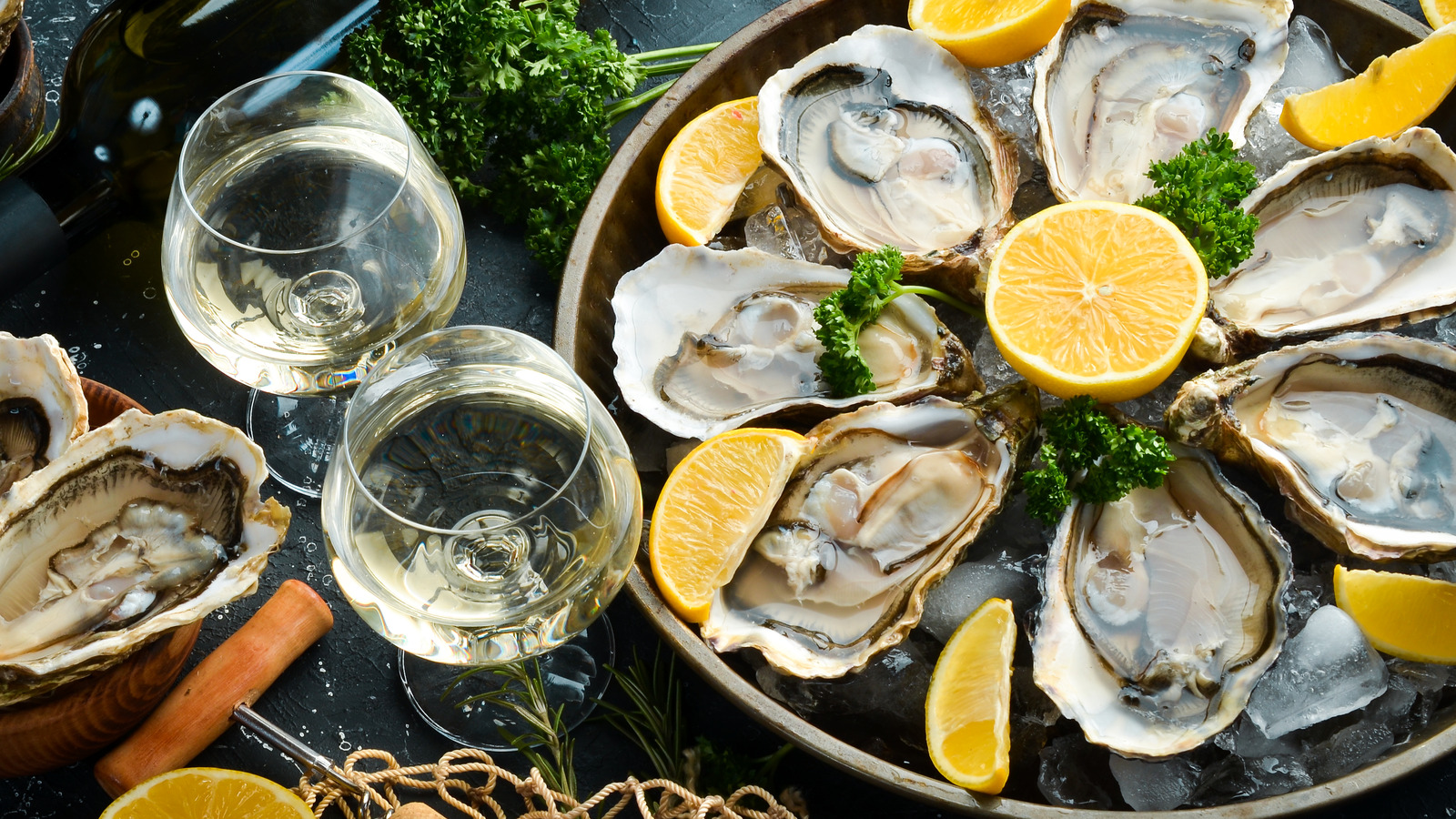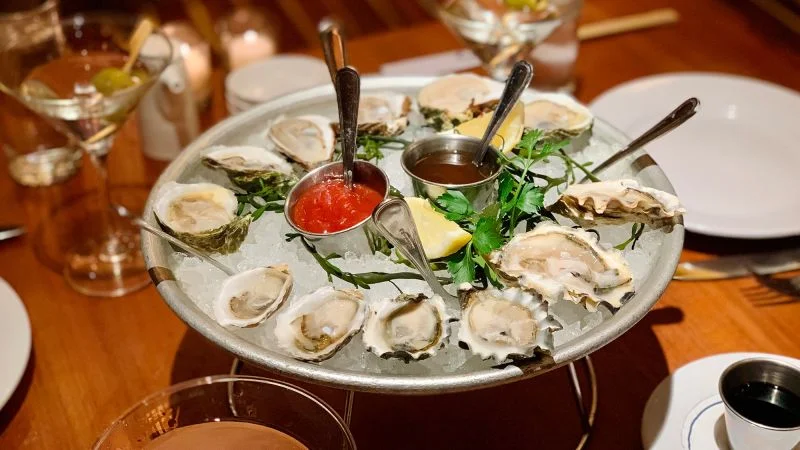
A multistate salmonella outbreak linked to raw oysters has sickened over 60 people across 22 states. Health officials advise avoiding raw oysters, especially for vulnerable groups, and emphasize proper cooking and handling practices to reduce infection risks. Salmonella can cause gastrointestinal illness with symptoms like diarrhea and fever, and cooking oysters thoroughly is the best way to kill bacteria. People should stay informed about recalls and advisories, and practice good hygiene to prevent illness from seafood and other high-risk foods.
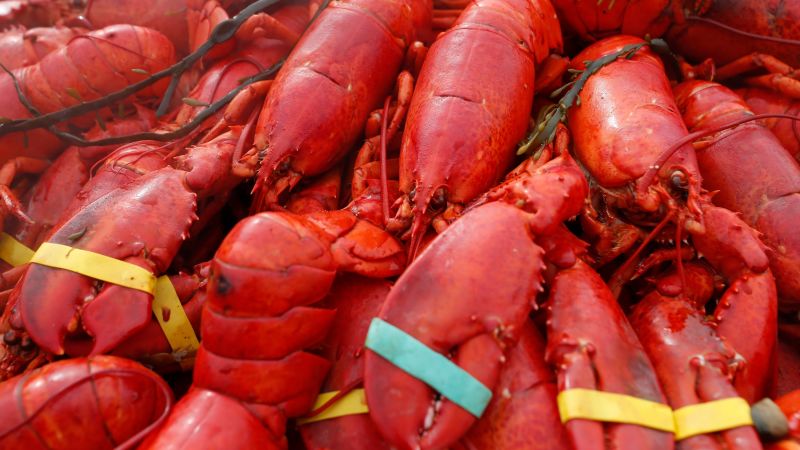
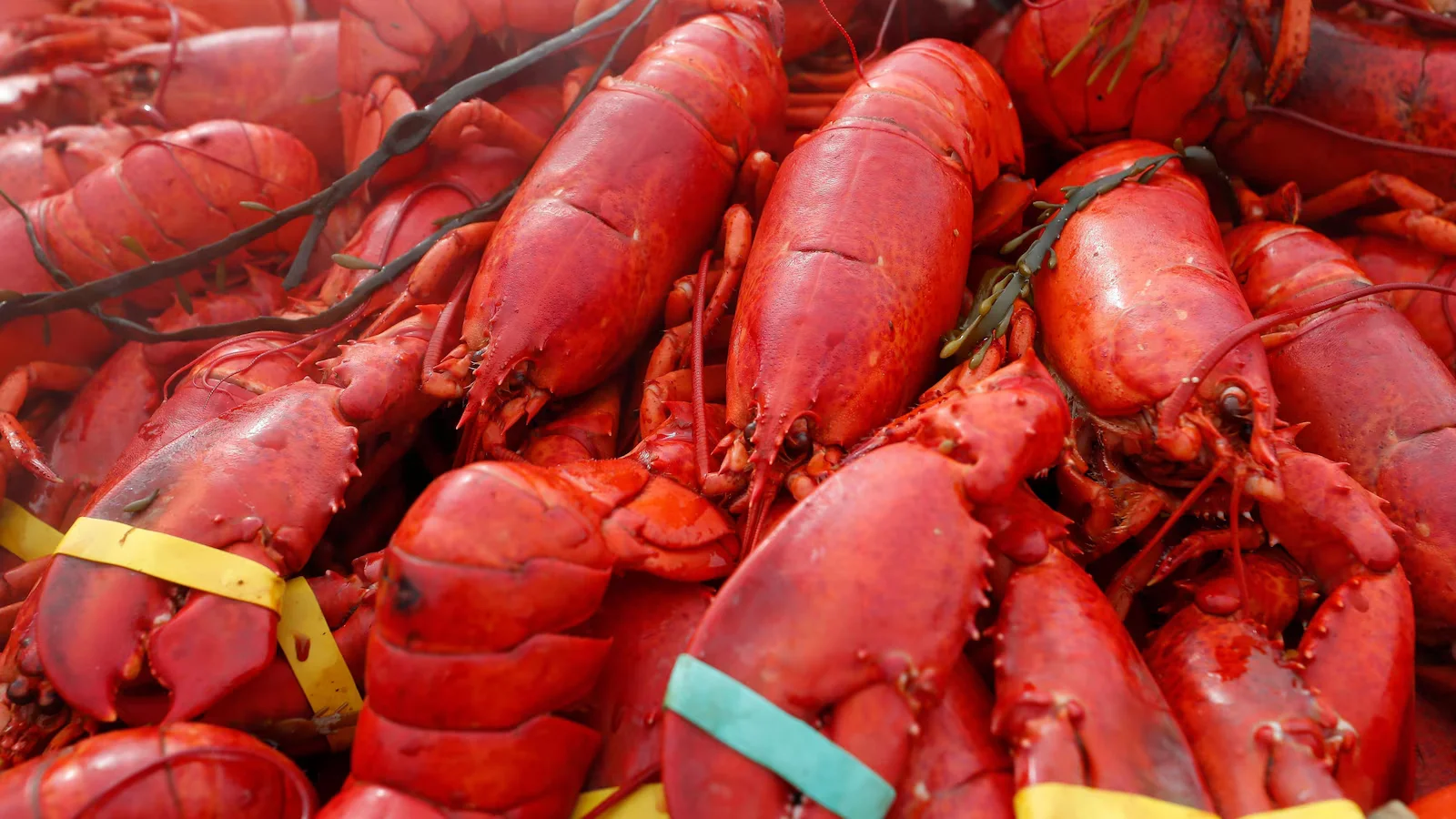
Multiple seafood thefts, including 40,000 oysters, $400,000 worth of lobster, and crabmeat, occurred in New England within weeks, involving sophisticated theft methods like impersonation and phishing, ultimately impacting consumers and small businesses.
Multiple seafood thefts, including $400,000 worth of lobster, oysters, and crab, occurred in New England, involving sophisticated theft methods like impersonation and fraud, impacting local businesses and consumers.
Two deaths in Louisiana have been linked to Vibrio vulnificus, a bacteria contracted from eating raw oysters and exposure to warm coastal waters, with the state experiencing a higher number of cases and fatalities this year, highlighting the risks associated with raw seafood consumption and open wounds in seawater.
Two more deaths and an increase in Vibrio vulnificus infections in Louisiana highlight the rising danger of consuming tainted oysters, with a record number of cases this year, prompting health officials to urge caution.
The Hama Hama Oyster Saloon in Washington, accessible only after a scenic drive through natural landscapes, offers a rugged, farm-to-table oyster experience with a focus on sustainability and connection to the source, contrasting with more polished city oyster bars.
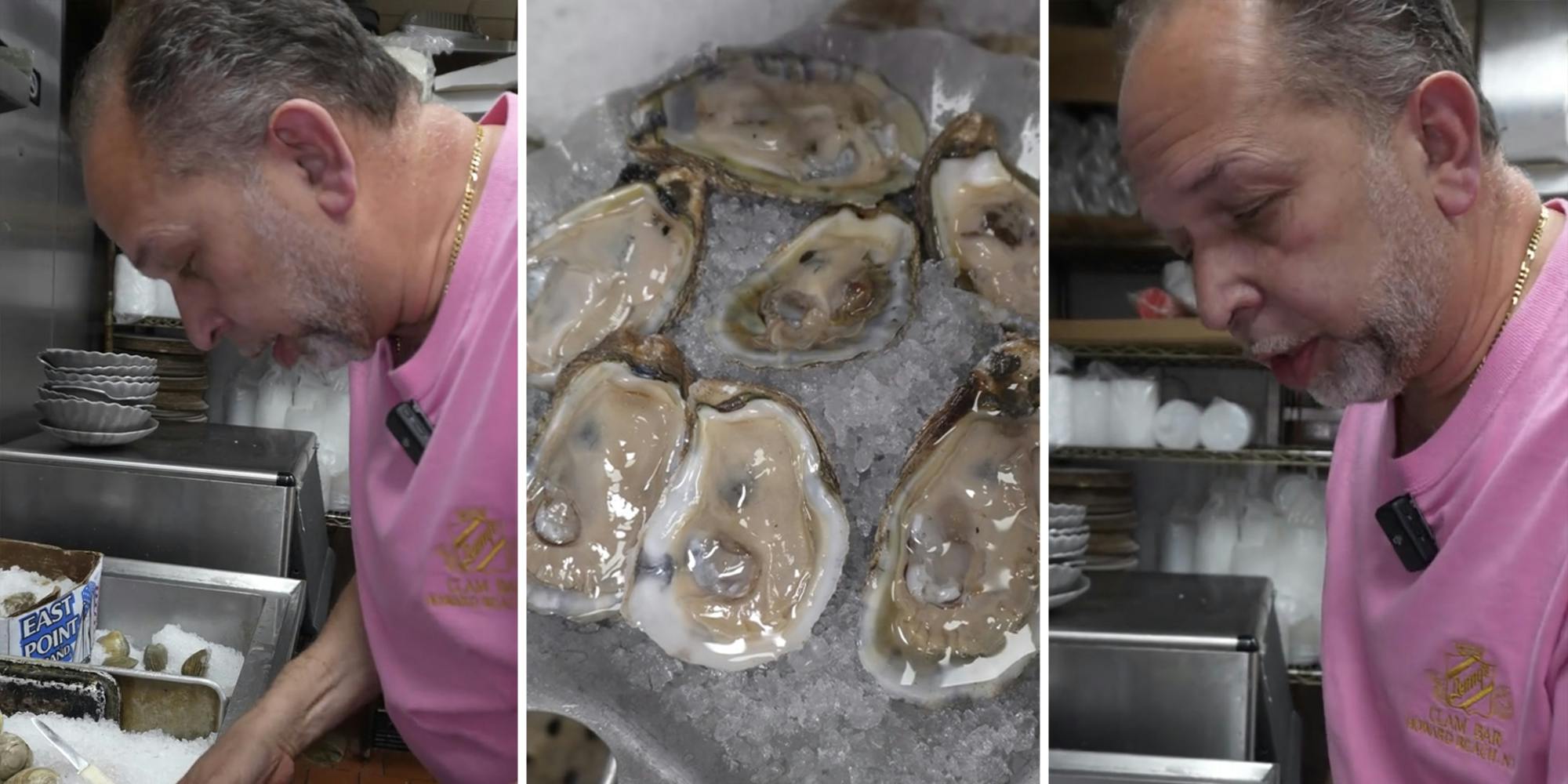
Joe DeCandia Jr., owner of Lenny's Clam Bar in Brooklyn, claims in a viral TikTok video that raw oysters are alive when served, sparking mixed reactions from viewers. While some are deterred from trying oysters, others remain unfazed. Experts clarify that oysters are unlikely to be alive when eaten but caution about the risks of foodborne illness from consuming raw shellfish.
While there is no scientific evidence directly linking oysters to increased libido, they are high in zinc, which is associated with improved testosterone levels and essential for male fertility. Oysters also contain an amino acid that may support testosterone production, but results are inconsistent in humans. The placebo effect may also play a role in the belief that oysters are an aphrodisiac. Other foods like watermelon, beets, and strawberries are also considered aphrodisiacs, and experts recommend eating light and avoiding excessive alcohol consumption for better sexual performance.
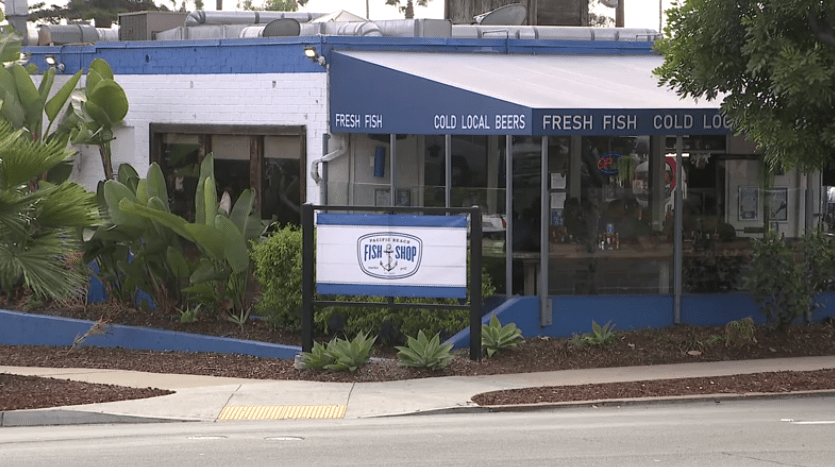
At least 41 cases of norovirus illness in San Diego County have been linked to contaminated oysters imported from Northwest Mexico. The oysters, known as "Rocky Point" oysters, originated from Bahia Salina in the Sonora region of Mexico and were traced to three restaurants and wholesale locations in San Diego County. Health officials recommend asking about the origin of oysters when dining out and seeking medical care if experiencing symptoms. The Fish Shop, one of the locations under investigation, has suspended service of the oysters and is monitoring all food supplies to ensure safety standards are met.
A TikTok video of a woman eating 48 oysters at an Atlanta seafood restaurant has sparked debates about dating etiquette. The video went viral, with viewers commenting on the amount of food and whether the woman left an appropriate tip. The restaurant's general manager defended the woman's actions, stating that it was not unusual for customers to consume large quantities of oysters at their establishment. She also clarified that the video was not staged and that the woman's date returned after she paid the bill. The TikTok video has generated interest in the restaurant and increased oyster sales.
A man in Texas died after consuming raw oysters at a restaurant and contracting a bacterial infection known as Vibrio vulnificus. This bacteria thrives in warm coastal waters and can be found in raw or undercooked seafood. Vibrio infections can cause diarrhea, vomiting, bloodstream infections, and severe skin lesions, with a fatality rate of 15-30%. The Centers for Disease Control and Prevention (CDC) has issued a health alert due to the increasing number of infections and deaths. It is recommended to cook oysters properly and take precautions such as covering open wounds when in contact with saltwater or raw seafood.
The U.S. Food and Drug Administration (FDA) has issued an alert advising consumers not to eat oysters harvested in southeastern Connecticut last week, as they may be contaminated. The Connecticut Department of Agriculture implemented a precautionary closure of shellfish-growing waters off Groton and Stonington due to possible sewage contamination. No illnesses have been reported, and all recalled oysters were destroyed or returned. The FDA has notified restaurants and food retailers in multiple states that may have purchased the potentially contaminated oysters. Contaminated oysters can cause illness, especially if eaten raw, and consumers experiencing food poisoning symptoms should contact their healthcare provider. The source of contamination is being investigated, and the shellfishing area will remain closed until the issue is resolved.
Contrary to popular belief, it is safe to eat oysters during the summer months as long as certain precautions are taken. Oyster farms in cold Northeast waters follow strict guidelines to produce good-quality shellfish, and oysters can now be bred to be sterile, eliminating concerns about changes in flavor due to reproduction. Oyster farmers regularly test the water to ensure safe levels of bacteria. It is important to buy oysters from trusted sources, avoid oysters harvested in warm waters, and consume them fresh. Cold-water oysters from New England or the Pacific Northwest have a lower risk of high bacteria levels.
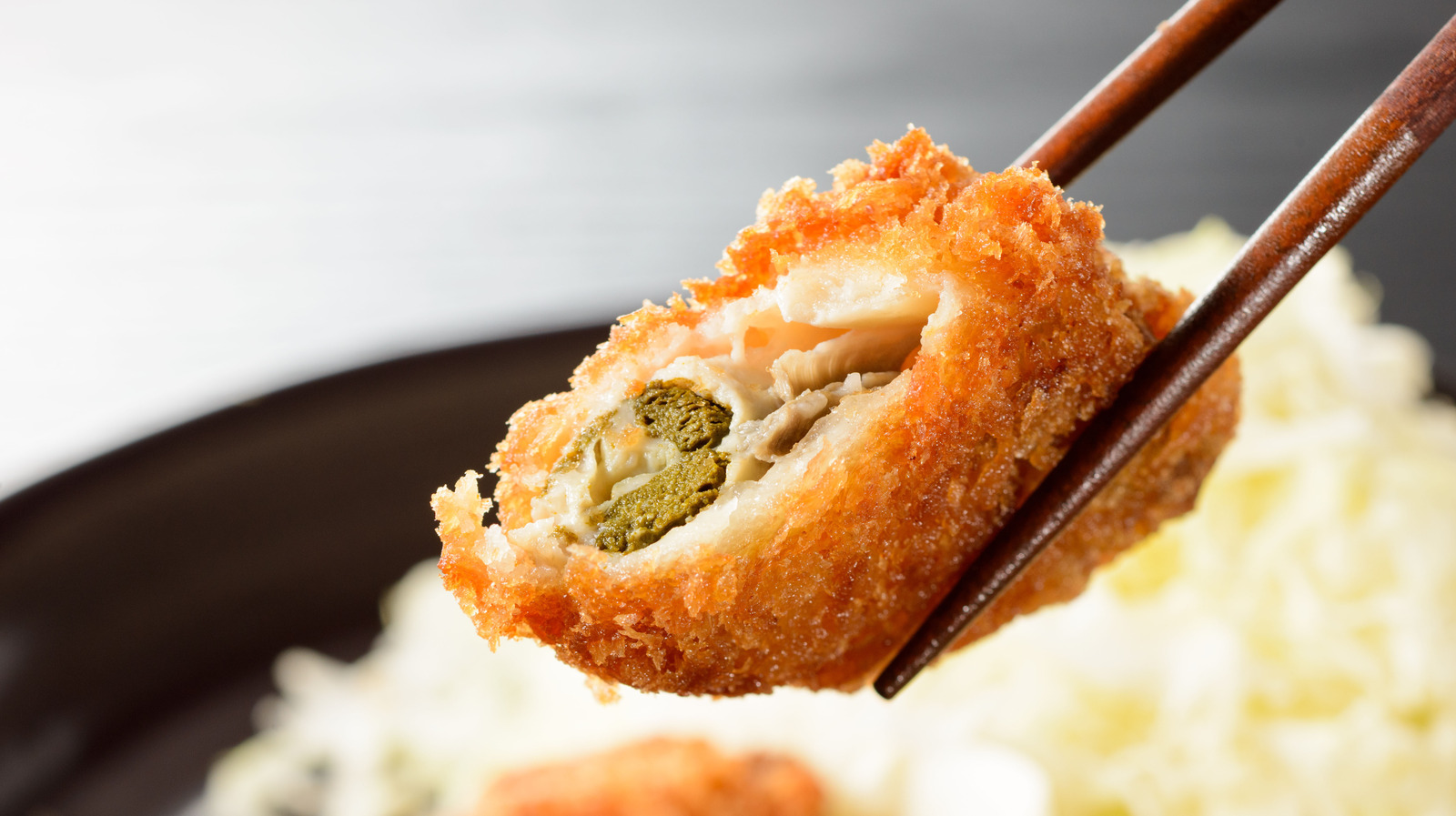
Shucking oysters can be time-consuming and stressful, but canned oysters offer a convenient and affordable alternative. Popcorn oysters, made with canned oysters, are a crispy and chewy dish that is easy to make. Simply drain the oysters, make a batter with flour, cornmeal, and seasoning, coat the oysters, and fry until golden brown. Canned oysters are a nutritious option, rich in iron, potassium, and magnesium. Don't underestimate the deliciousness of canned oysters and enjoy them in popcorn oyster form.