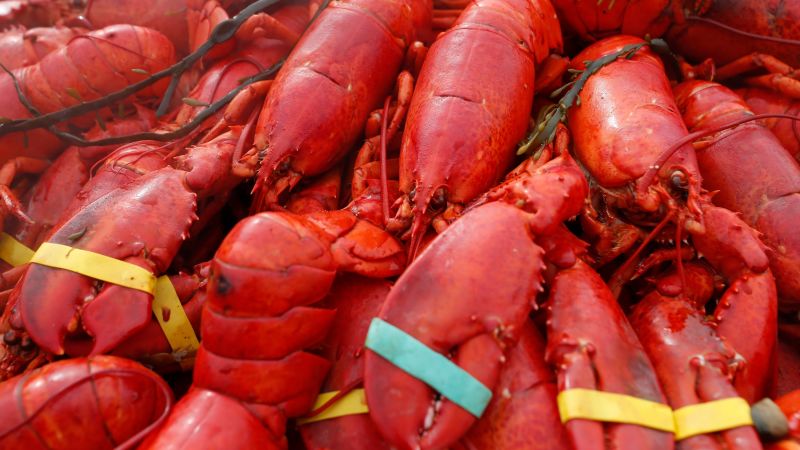
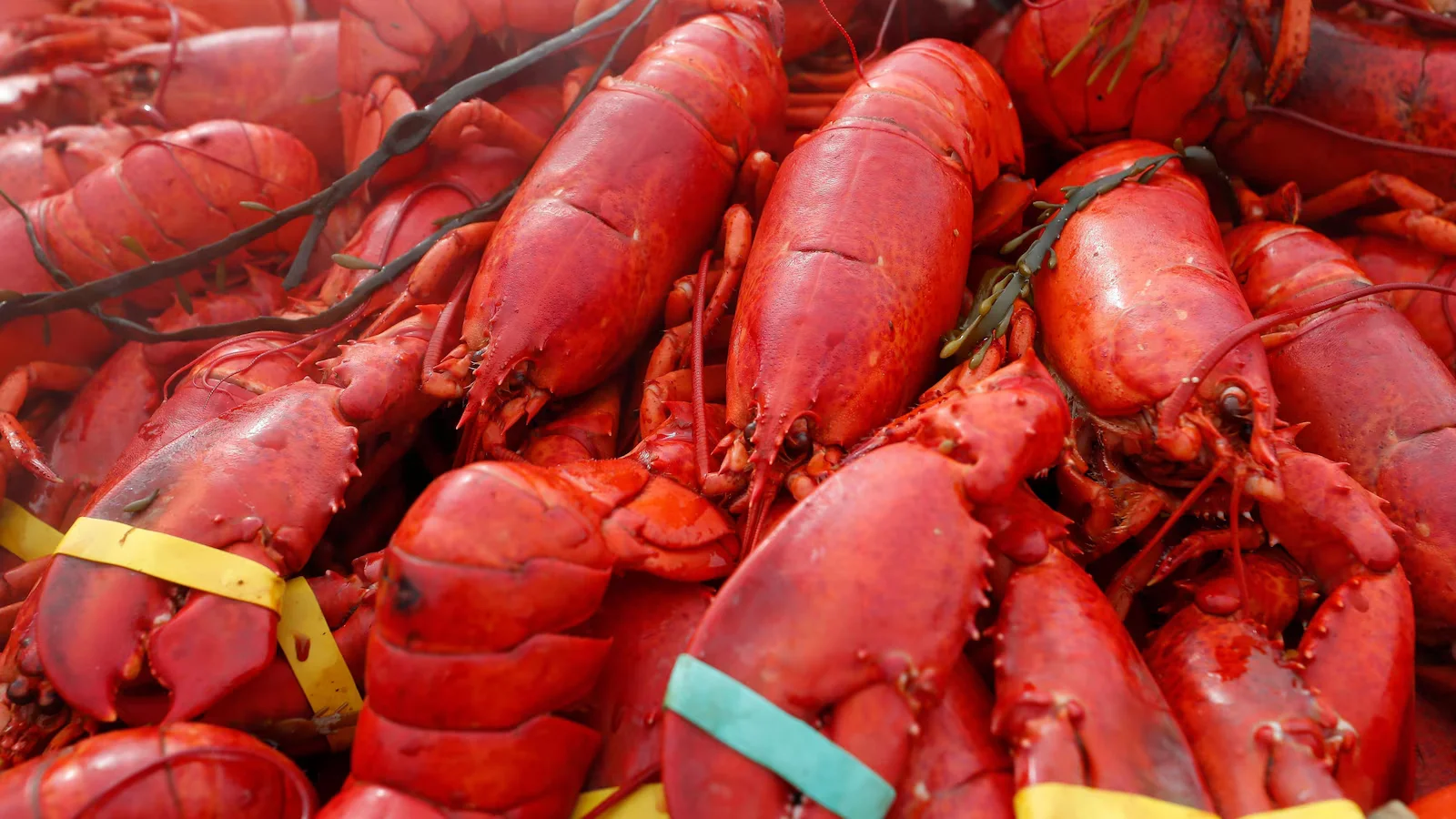
Multiple seafood thefts, including 40,000 oysters, $400,000 worth of lobster, and crabmeat, occurred in New England within weeks, involving sophisticated theft methods like impersonation and phishing, ultimately impacting consumers and small businesses.
Multiple seafood thefts, including $400,000 worth of lobster, oysters, and crab, occurred in New England, involving sophisticated theft methods like impersonation and fraud, impacting local businesses and consumers.
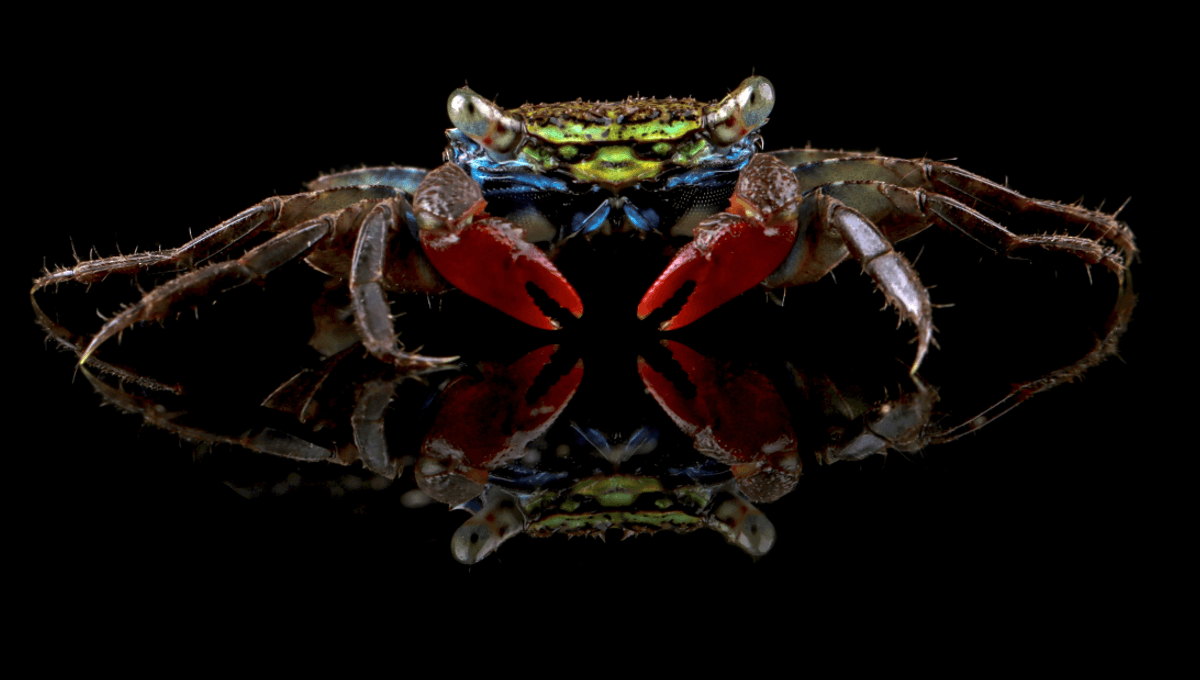
Scientists discovered that the face-banded crab, Parasesarma eumolpe, uses its brightly colored facial bands as external light reflectors, functioning like headlamps to communicate with other crabs, a unique form of macro signaling in animals.
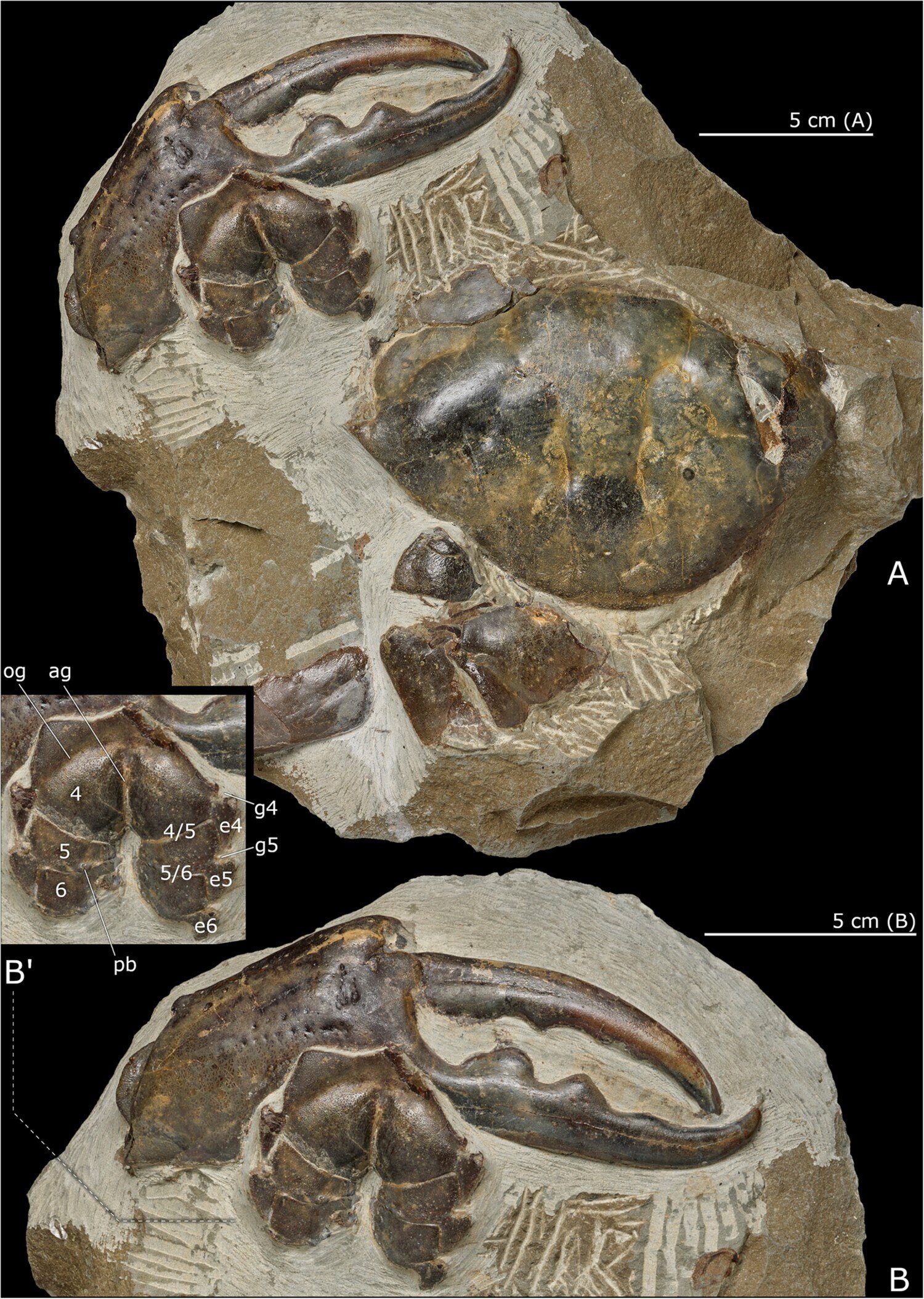
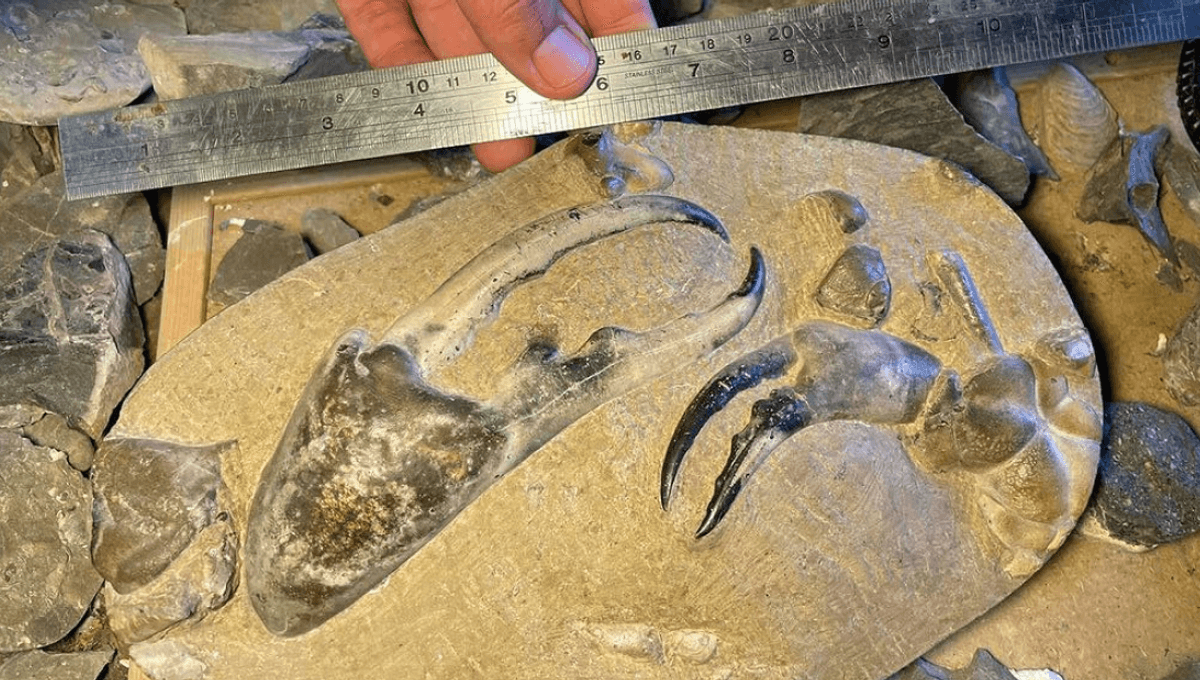
Researchers have identified the largest known crab fossil claw ever discovered, embedded in a rock found on a beach in North Taranaki, New Zealand. The claw, estimated to be from approximately 8.8 million years ago, represents a new species named Pseudocarcinus karlraubenheimeri. It belongs to the genus Pseudocarcinus, which includes the modern giant deepwater crab. The researchers suggest that crabs in the area have tended to grow larger over time due to threats from rivals or predators, and a larger claw would have been useful in obtaining food.
A fossil claw from a new species of crab, Pseudocarcinus karlraubenheimeri, dating back 8.8 million years, has been discovered in New Zealand, making it the largest fossil crab claw ever found. The ancient crabs were found in sediments from the upper Miocene Urenui Formation and are believed to be the precursor to today's Southern Giant Crab. The discovery sheds light on the ancient ecosystem and the evolution of these giant crustaceans, indicating they lived in deep-sea environments with a rich food source.
A new synthetic compound, zosurabalpin, has been discovered as a promising antibiotic against the drug-resistant bacterial species CRAB (carbapenem-resistant Acinetobacter baumannii). This novel antibiotic targets CRAB using a unique attack strategy, disrupting the bacterium's outer membrane machinery. The compound is currently undergoing early-stage safety trials in humans and shows potential as a new class of antibiotic with a narrow target, reducing the impact on the body's microbiome. The discovery raises the possibility of LPS as a promising new target for future antibiotics against other gram-negative bacteria.
Scientists have discovered a new class of antibiotic named Zosurabalpin, which has proven effective against the drug-resistant superbug CRAB (Carbapenem-resistant Acinetobacter baumannii) in lab tests and mouse models. CRAB is a critical pathogen with a high mortality rate, and the new antibiotic works by disrupting the bacteria's protective membrane. While promising, Zosurabalpin's effectiveness in humans has yet to be confirmed through clinical trials. This breakthrough could potentially address the growing global health threat of antimicrobial resistance, which causes over 1 million deaths annually.
A new study finds that antibiotic-resistant bacteria can still make its way into the ICU, contaminating an entire hospital ICU in Hangzhou, China with a virulent strain that infected one in three patients. Carbapenem-resistant Acinetobacter baumannii (CRAB) made its way into this ICU through multiple patient admissions and continued to spread through airflow, staff, shared equipment, and plumbing. The findings emphasize the need for deep and regular cleaning of surfaces, isolation of CRAB-positive patients, minimal relocation between beds to slow its spread, and enhanced hand washing protocols among staff.