
Tag

Lost City Hydrothermal Field

All articles tagged with #lost city hydrothermal field

Lost City Under the Sea: A 60-Meter Habitat That Could Rewrite Life's Origins
science1 month ago

Lost City Under the Sea: A 60-Meter Habitat That Could Rewrite Life's Origins

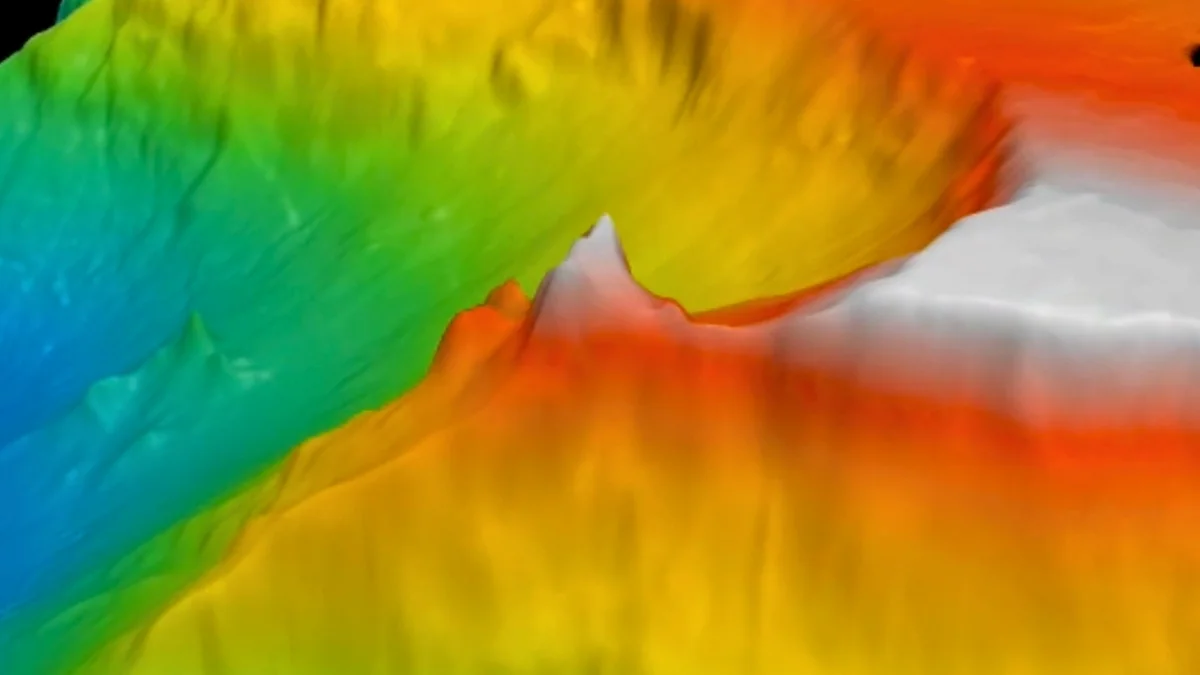
Scientists describe the Lost City hydrothermal field off the Mid-Atlantic Ridge, featuring calcite chimneys up to 60 meters tall and vents that emit hydrogen- and methane-rich fluids, supporting life without magma heat and potentially shedding light on how life began on Earth and perhaps on icy worlds; a 2024 1,268‑meter mantle rock core from the site could hold crucial clues, and the ecosystem’s uniqueness and mining threats have spurred calls to protect it, potentially as a World Heritage site.
"Lost City Revealed: Unveiling the Underwater Marvels of the Atlantic Ocean"
science-and-environment2 years ago

"Lost City Revealed: Unveiling the Underwater Marvels of the Atlantic Ocean"

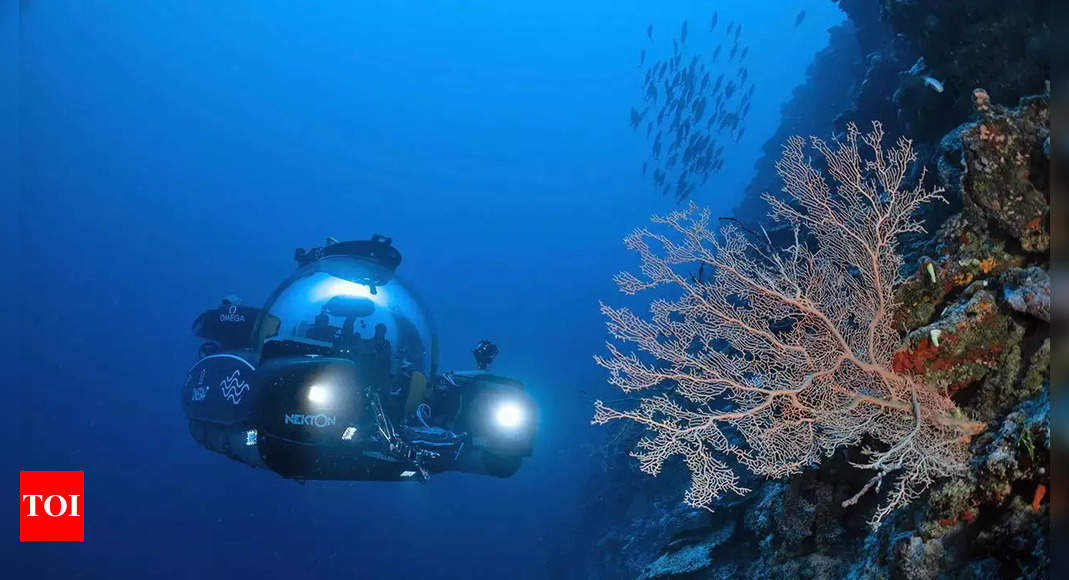
Scientists have discovered the "Lost City Hydrothermal Field" beneath the Atlantic Ocean, an otherworldly environment with towering structures and a unique ecosystem. This hydrothermal field, which has existed for at least 120,000 years, is formed through a geological phenomenon where the upthrusting mantle reacts with seawater, releasing hydrogen, methane, and other gases. The presence of hydrocarbons suggests that life could have originated in similar habitats, not only on Earth but potentially on other celestial bodies. However, the Lost City faces a potential threat from deep-sea mining activities, prompting calls for its recognition as a World Heritage site to protect this natural wonder.

"Geologists Retrieve Historic Samples of Earth's Mantle Through Deep-Sea Drilling"
science2 years ago

"Geologists Retrieve Historic Samples of Earth's Mantle Through Deep-Sea Drilling"

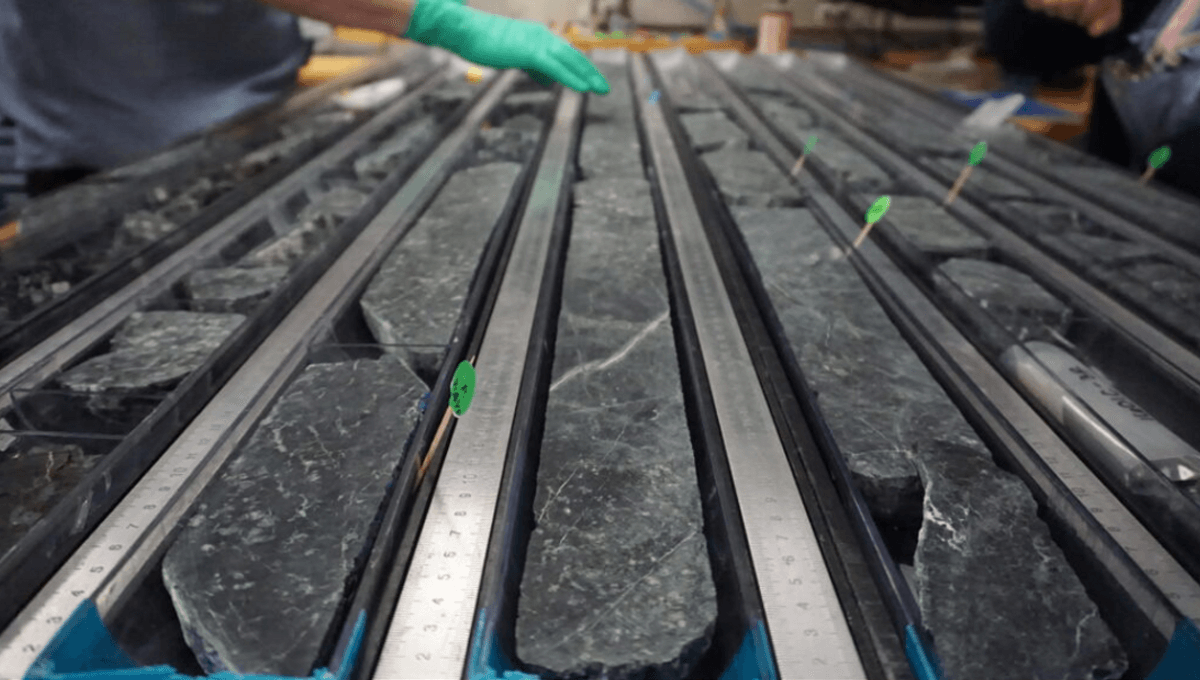
Geologists aboard the JOIDES Resolution ship have drilled down to 1,000 meters below the sea floor to collect mantle rock samples from beneath the Lost City Hydrothermal Field. The samples are expected to provide new insights into the composition and structure of the mantle, as well as processes that take place within it. The team has already sampled mantle rock that has never melted into magma, but some geophysicists argue that the samples show signs of seawater influence and should be termed deep crust rather than mantle.