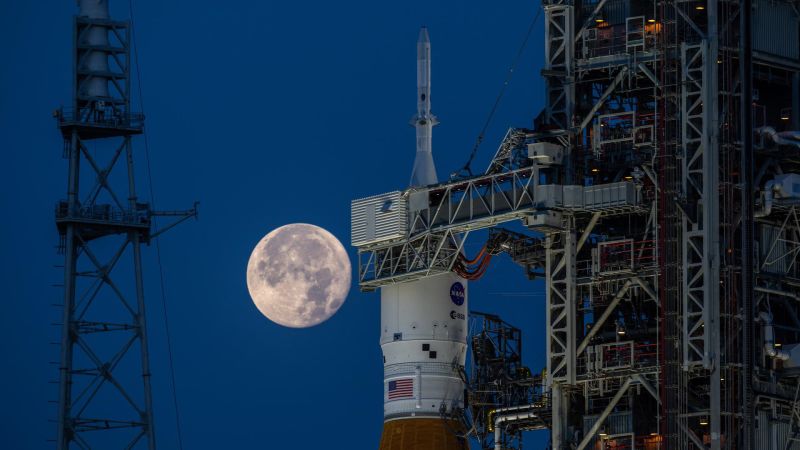
NASA is preparing for the Artemis 2 mission in 2026, which will be the first crewed lunar flyby since 1972, marking a significant step towards establishing a permanent lunar presence and advancing human space exploration beyond low Earth orbit.
NASA's Artemis II mission, set to launch as early as February 2023, will send four astronauts on a lunar flyby to test spacecraft systems and gather scientific data, marking a significant step toward returning humans to the moon and establishing a lunar base, amid technological challenges and geopolitical interest.
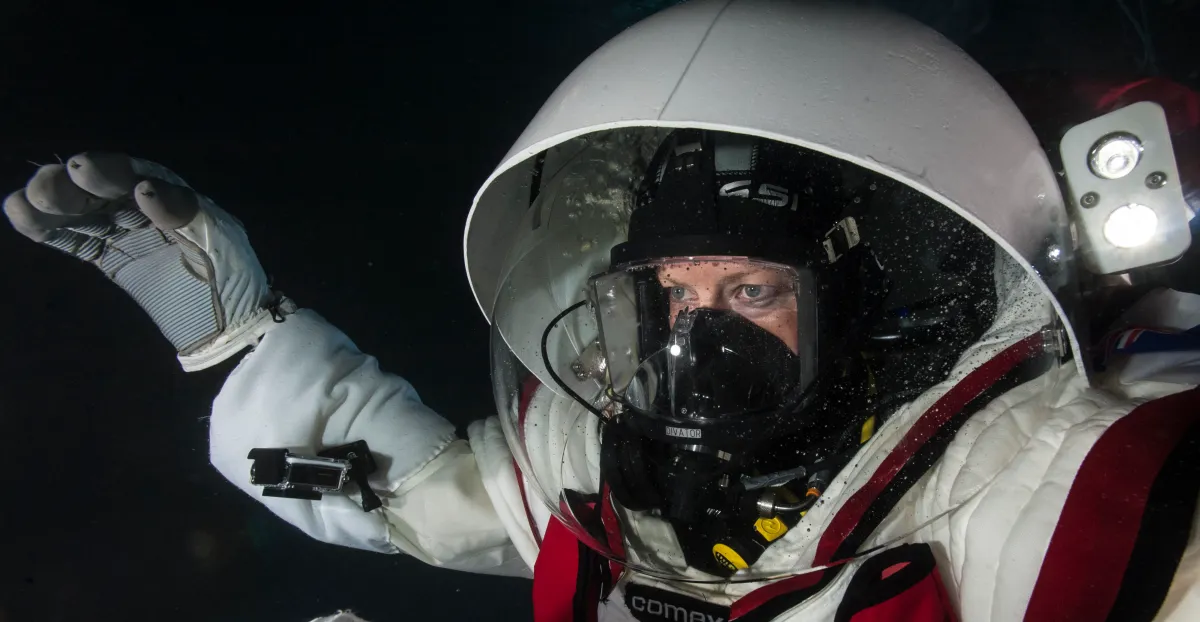
ESA has been conducting a 20-year study at Concordia station in Antarctica, where a medical doctor lives for 13 months to research the psychological and physiological effects of extreme isolation and environment, providing insights relevant to space missions beyond Earth.
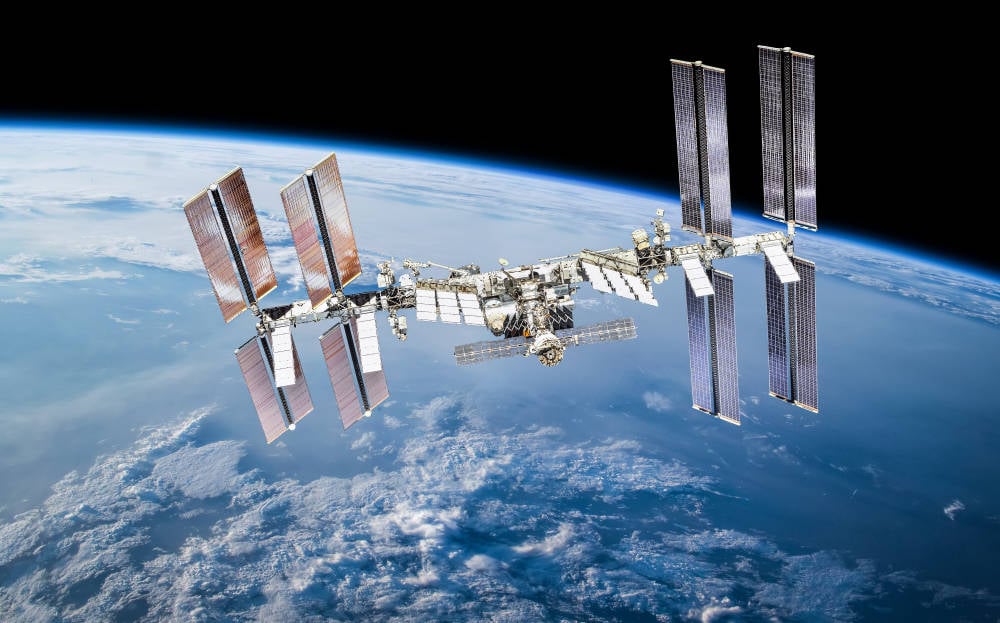
The article commemorates 25 years of continuous human presence on the ISS since its first crew in 2000, highlighting its early challenges, growth, and current decline, with plans to deorbit the station by the end of the decade and a shift towards commercial space stations, raising questions about the future of human space habitation.
The article discusses the evolution and future of space exploration, emphasizing the importance of integrating biological life and advanced technology beyond Earth, while reflecting on historical visions and current challenges in making humanity a multiplanetary species and understanding our place in the universe.
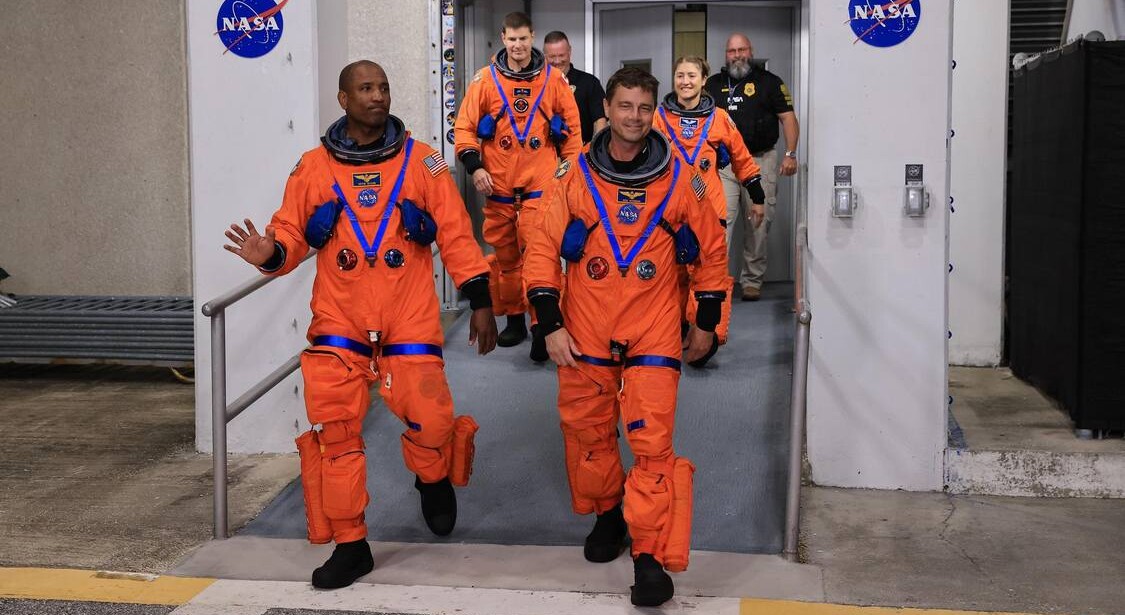
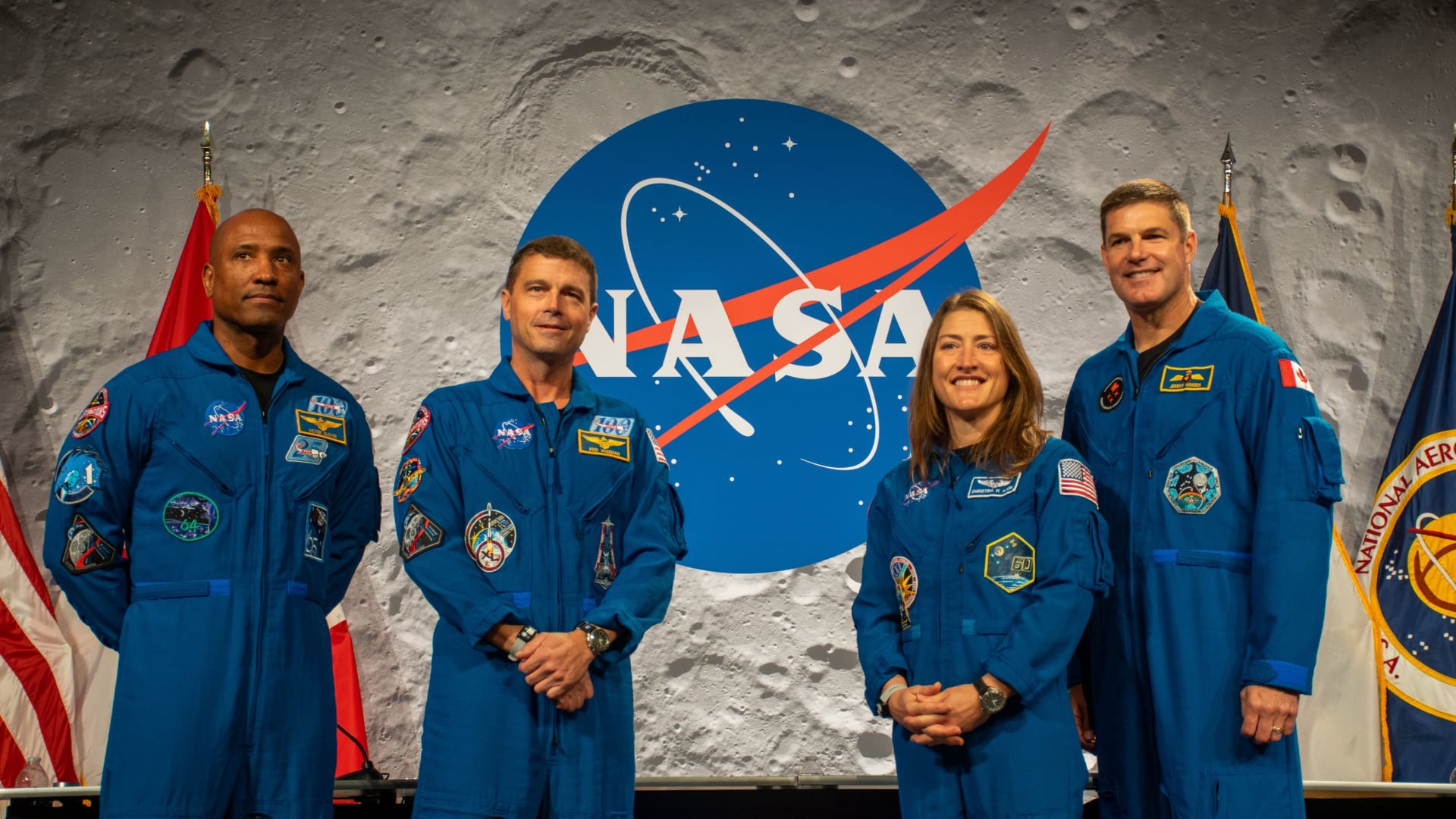
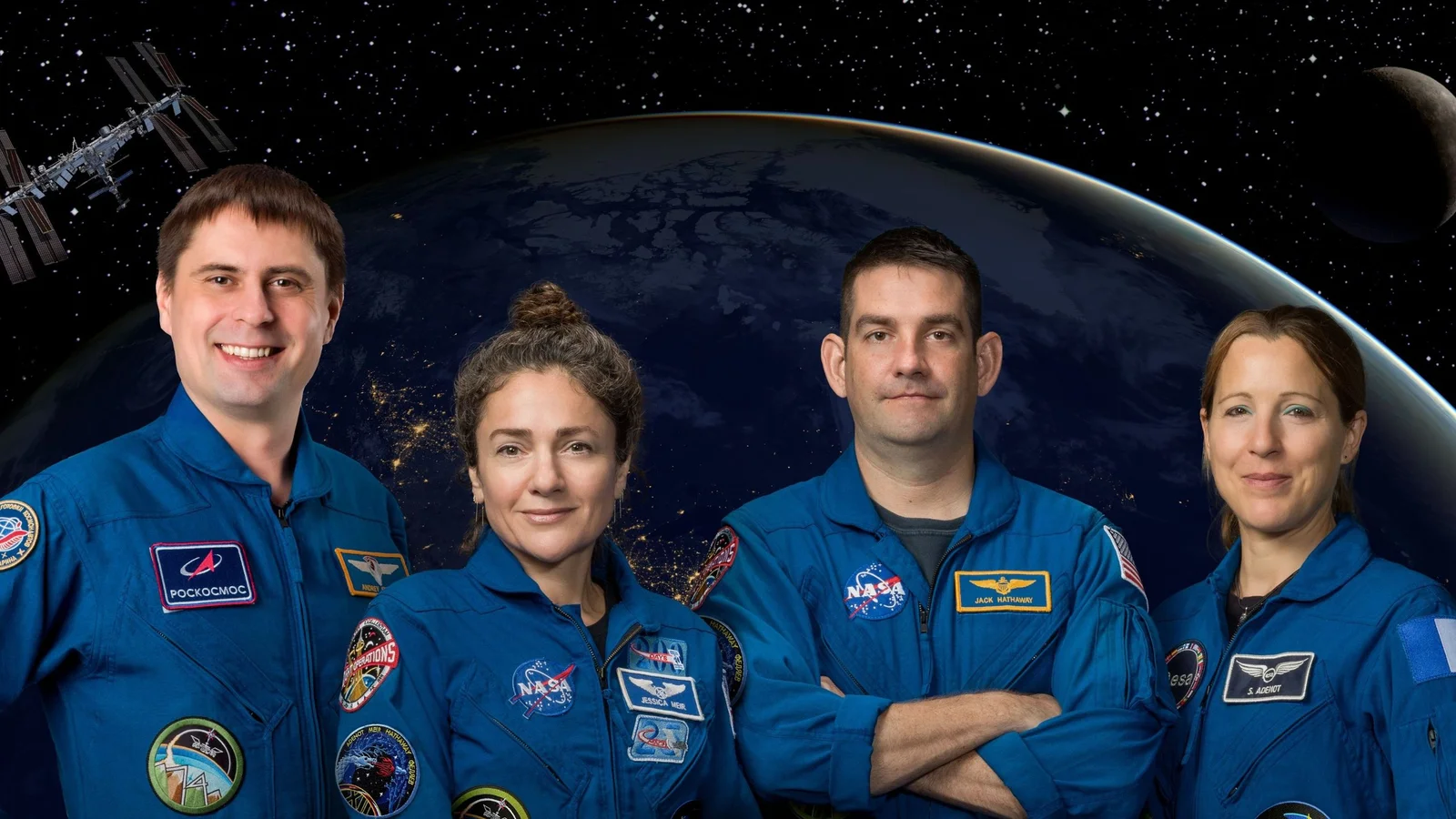
NASA's Artemis 2 astronauts are fully prepared for their historic lunar mission, which will be the first crewed flight beyond low Earth orbit in decades, aiming to return humans to the Moon, including the first Black man and woman, and set new records for distance and exploration. The crew is focused and ready for any scenario as they prepare for a 10-day mission around the Moon, marking a significant step in space exploration and the ongoing space race with China.
NASA's Artemis 2 astronauts are fully prepared for their upcoming lunar mission, which aims to be the first crewed moon flight in over 50 years, marking significant milestones including the first woman and person of color on the lunar surface, and advancing human space exploration towards Mars.
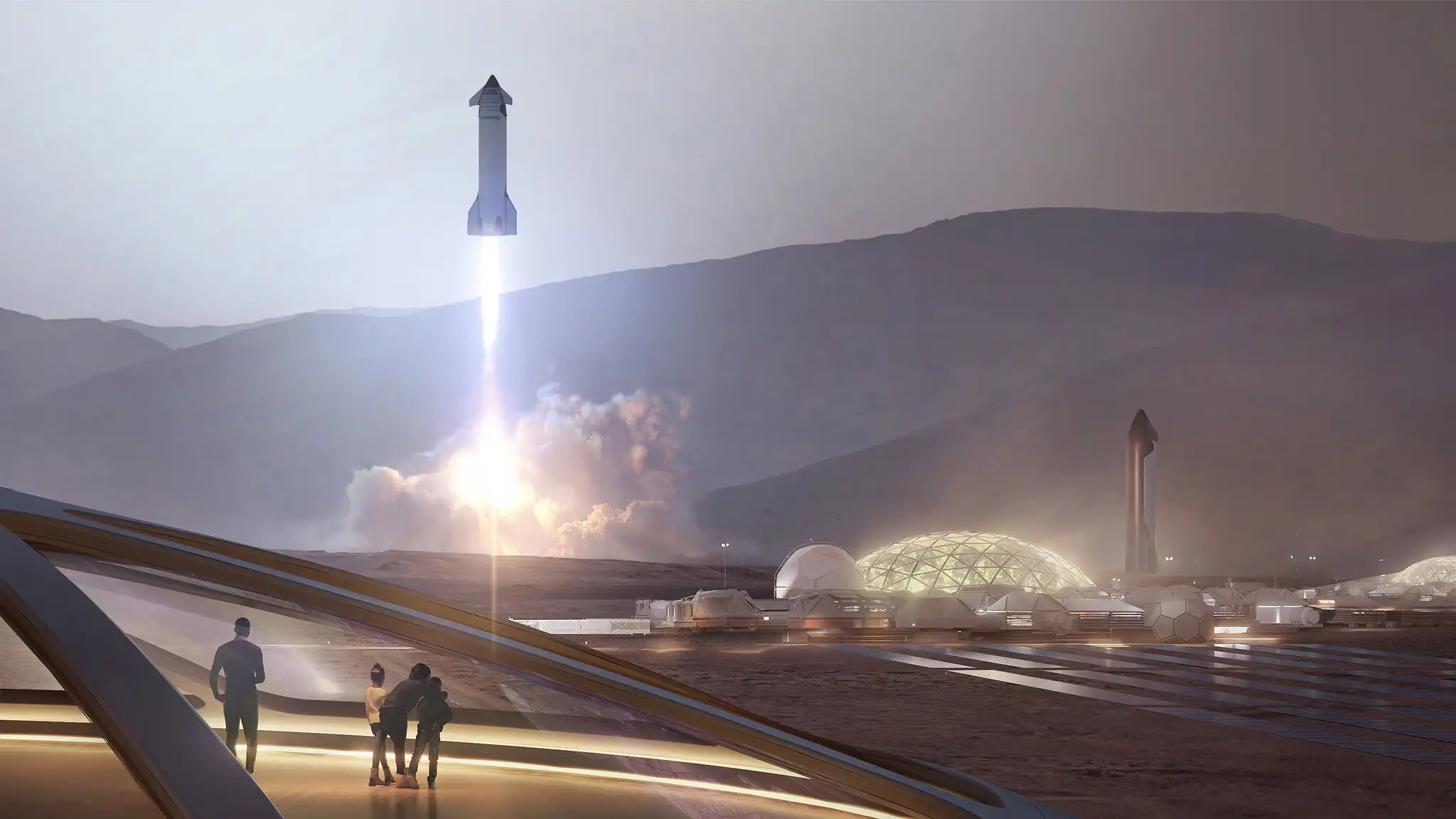
The article discusses how SpaceX's Starship could revolutionize Mars missions by allowing larger payloads, reducing complexity, and enabling landing at equatorial sites without relying on indigenous water, contrasting with NASA's more conservative approaches.
The article discusses the challenges of human space travel, particularly to Mars, highlighting how space medicine can improve astronaut health and potentially benefit health on Earth by addressing issues like osteoporosis, muscle loss, and metabolic changes caused by microgravity. It also notes that current astronaut selection is limited by health criteria, but advances in space medicine could broaden eligibility and support long-term space missions.
On October 31, 2000, the first crew arrived at the ISS, marking the start of continuous human presence in space, a milestone that has supported extensive scientific research. The station faces aging challenges and potential retirement by 2030, while China has launched its own space station, Tiangong, expanding its influence. Growing orbital debris poses significant risks to space operations, prompting efforts to improve debris management and ensure sustainable human activity in orbit.
October 31, 2000, marked the last day when all humans were on Earth together, as it was the launch date of the first crew to the International Space Station, symbolizing a new era of international cooperation in space. Since then, the ISS has hosted thousands of experiments and fostered global collaboration, but it is expected to be decommissioned by 2030, with China’s Tiangong space station taking a leading role in human space presence. Challenges like space debris threaten future exploration, but advancements in technology and new commercial and geopolitical efforts are shaping the future of human space exploration.
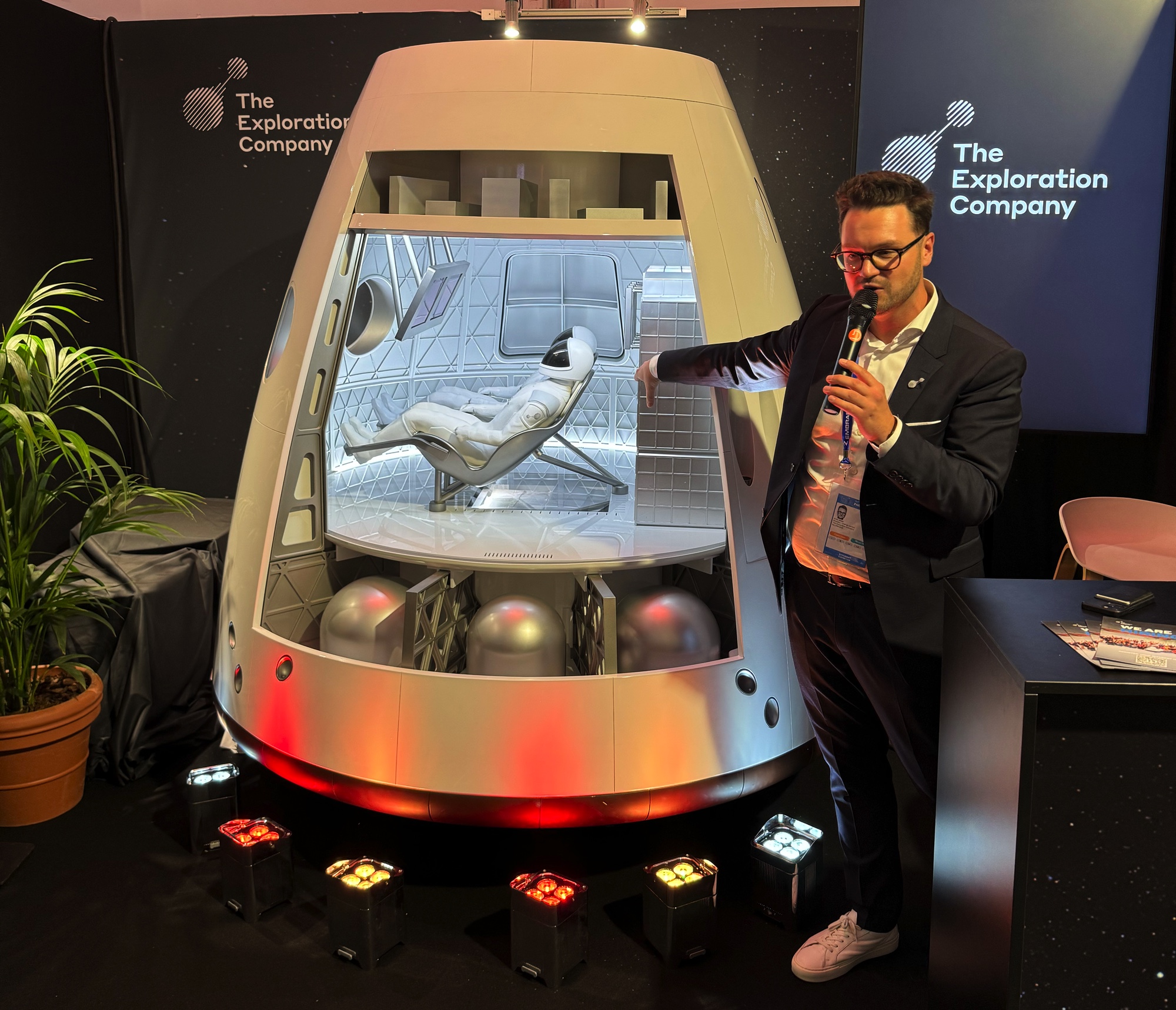
The Exploration Company unveiled an updated model of its Nyx spacecraft at the Paris Air Show, with plans for a crewed version capable of carrying 4-5 astronauts, targeting a development timeline of about 10 years and requiring European government support, while currently focusing on cargo missions including upcoming tests and commercial missions.
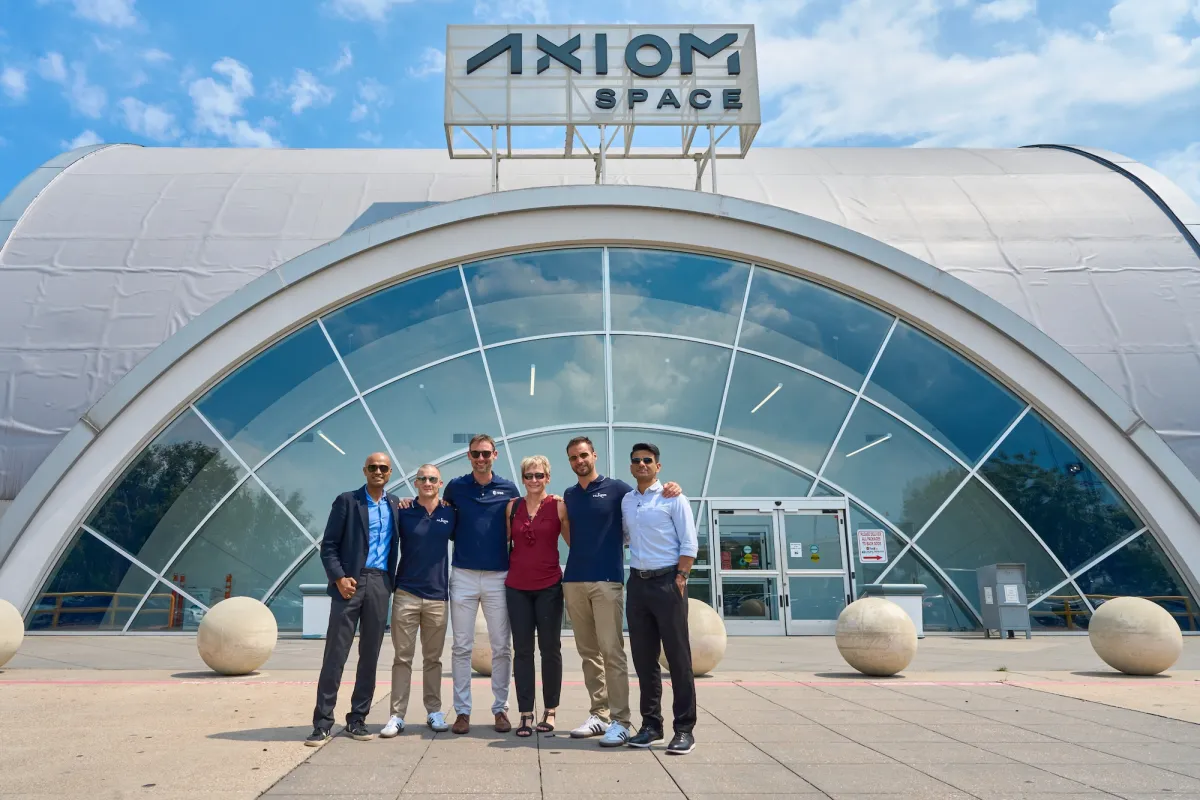
Axiom Space is preparing for its fourth mission to the ISS, marking a milestone as its first break-even mission and a significant step for national space programs from India, Poland, and Hungary, highlighting the growing role of commercial companies in space exploration.
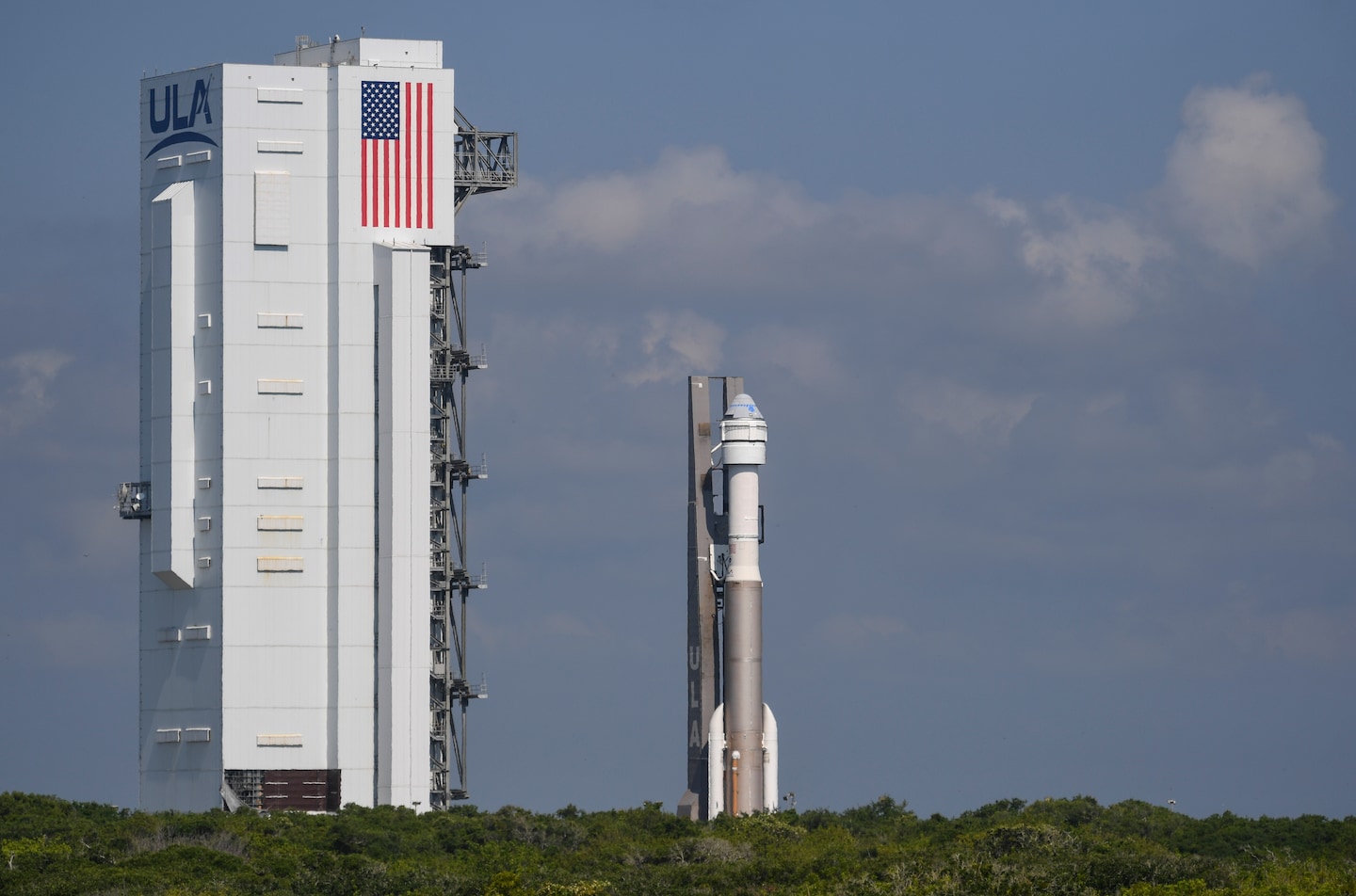
NASA's commercial crew program has seen a stark contrast between SpaceX's rapid success and Boeing's struggles. SpaceX has become a leading space company, frequently launching rockets and securing lucrative contracts, while Boeing has faced numerous delays and technical issues with its Starliner spacecraft. Boeing's upcoming crewed flight is critical for its reputation and future in human spaceflight, as it aims to finally certify Starliner for regular missions to the International Space Station.
NASA has selected Texas A&M University as the first approved facility in Exploration Park, a 240-acre development at the Johnson Space Center in Houston, to lease underutilized land for the development of a facility focused on human spaceflight research and development to enhance the commercial space economy. The lease agreement will allow the A&M System and others to create facilities for collaborative development, increasing commercial access and competitiveness in the space and aerospace industries. This collaboration aims to support U.S. goals for the commercialization and development of a robust space economy by fostering a multi-use environment for academic researchers, aerospace companies, and entrepreneurs to collaborate with NASA.