space-industry12.495 min read
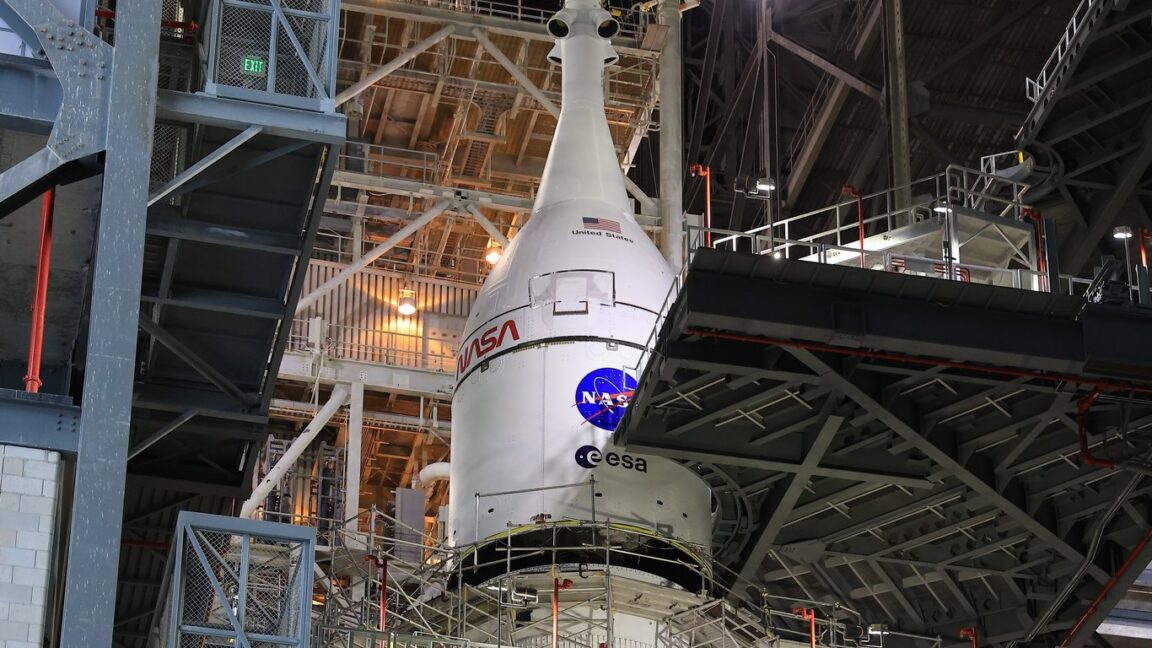
Rocket Developments: China Tests Falcon 9 Clone, NASA Completes Moon Rocket Stack
4 months ago•Source: Ars Technica

The latest space industry stories, summarized by AI
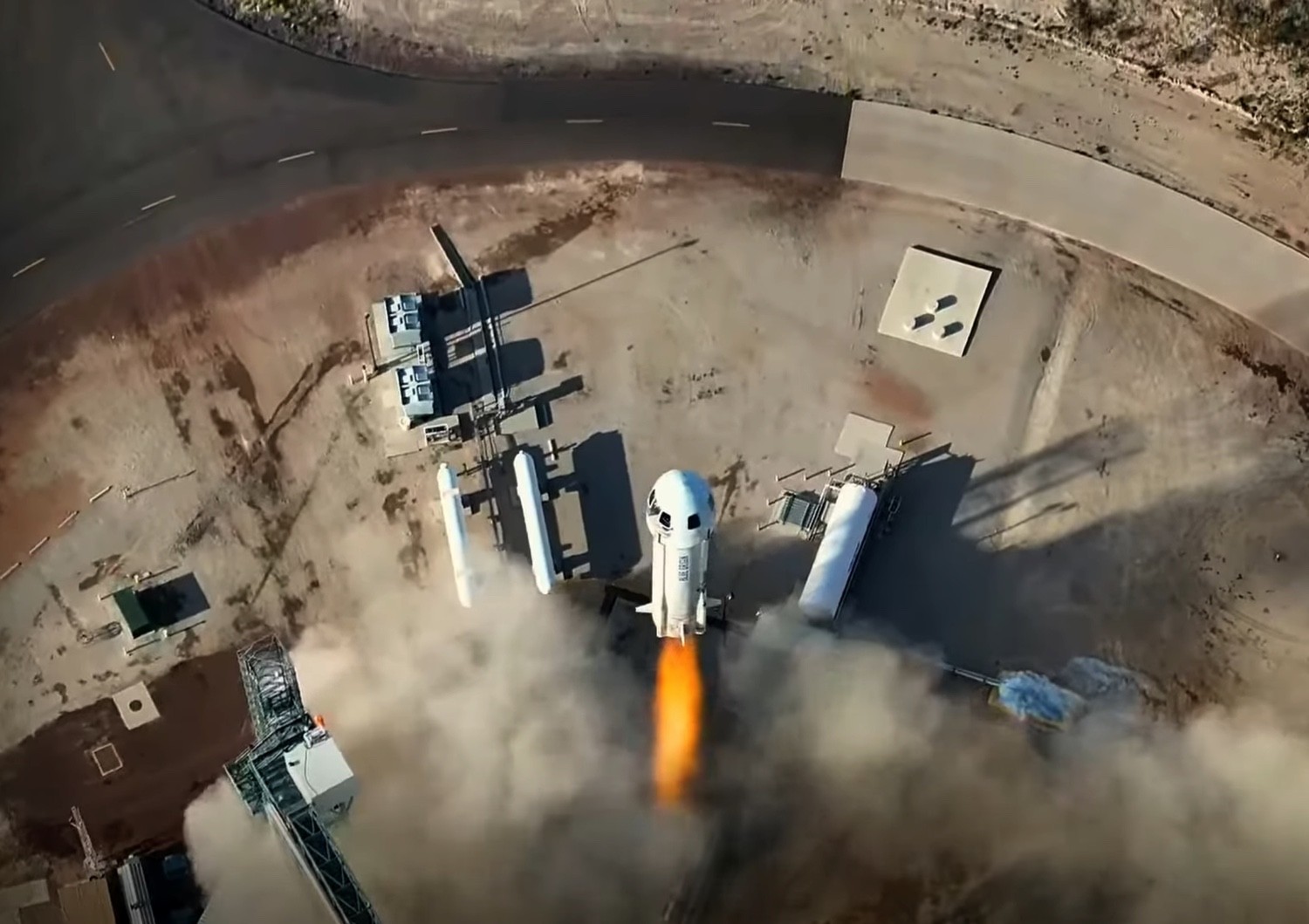
Blue Origin plans to increase the launch frequency of its New Shepard suborbital vehicle to weekly within the next few years, driven by strong customer demand, and is considering new international spaceports to support this growth, including upgrades to its vehicles and engines.
SpaceNews•8 months ago
SpaceNews•8 months ago
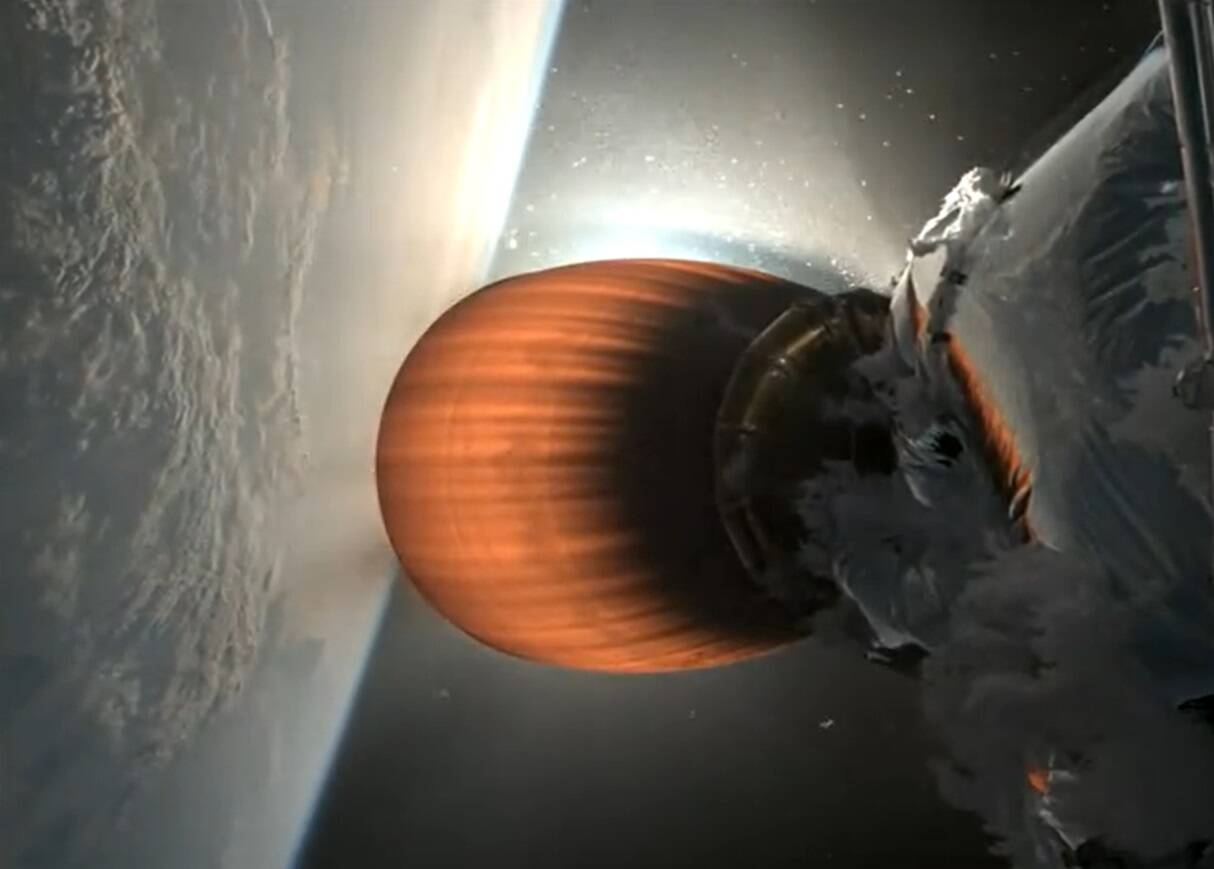
SpaceX's recent Falcon 9 launch experienced a second-stage anomaly, resulting in the loss of 20 Starlink satellites. The incident, involving a liquid oxygen leak and engine failure, has prompted a full investigation in coordination with the FAA. This setback could have significant implications for the space industry, which heavily relies on SpaceX for launches, especially given the limited alternatives. The next crewed mission, Polaris Dawn, is delayed until SpaceX resolves the issue.

Boeing's Starliner spacecraft has faced numerous technical issues during its missions to the International Space Station, contrasting sharply with SpaceX's successful Crew Dragon missions. Despite receiving more funding initially, Boeing's repeated malfunctions have damaged its reputation and raised concerns about its future in the human-rated space race. With the ISS set to retire in 2030, Boeing must quickly resolve these issues to fulfill its contract and remain relevant in space exploration.
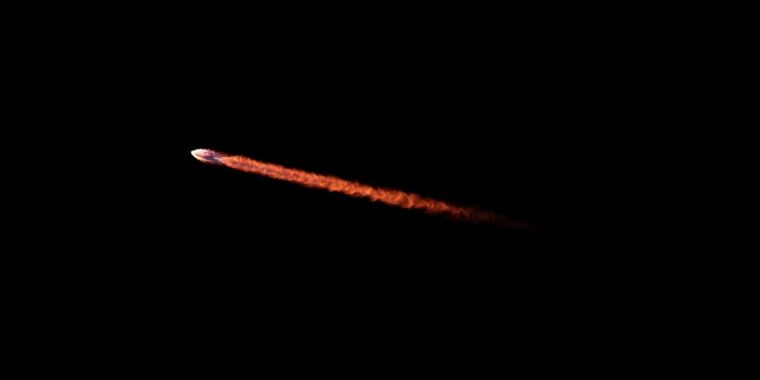
Firefly Aerospace is potentially up for sale, with investors considering a valuation of around $1.5 billion. Blue Origin successfully returned to flight with its New Shepard spacecraft, carrying 90-year-old Ed Dwight, despite a parachute issue. German startup Rocket Factory Augsburg successfully tested the first stage of its RFA One rocket. China is expanding its commercial spaceport to support increased launch activity and the development of large satellite constellations.
The emergence of SpaceX’s Starship vehicle, designed for heavy payloads, is expected to disrupt the small launch vehicle market by potentially lowering prices and encouraging the development of larger satellites. While some believe Starship's capacity and pricing could overshadow small launch vehicles, others argue that the industry will continue to see demand for smaller satellites and should focus on stimulating the market. The debate mirrors existing discussions about SpaceX's impact on the smallsat market through its Transporter and Bandwagon rideshare missions, with some companies expressing concerns about competing with SpaceX's pricing strategies.
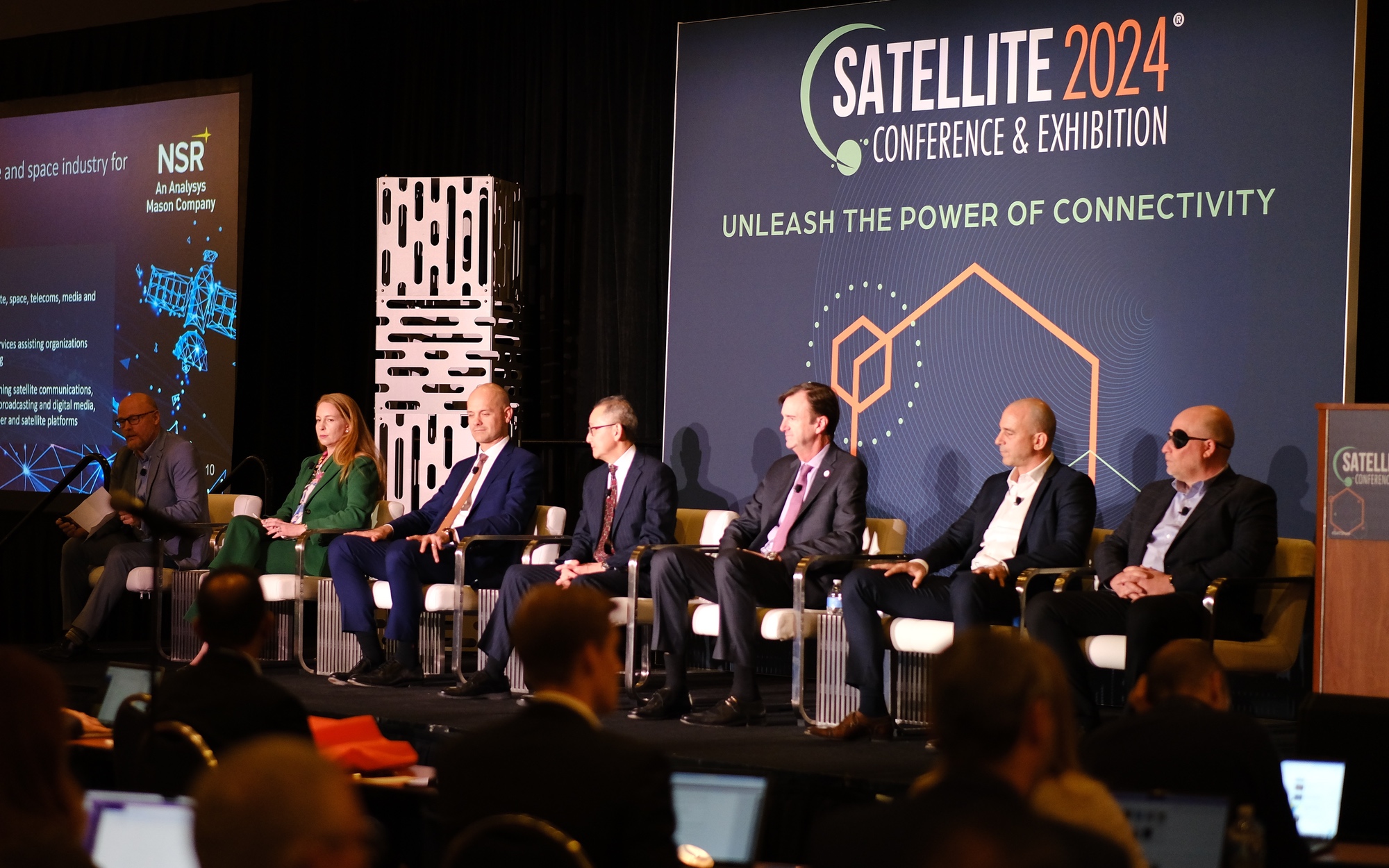
The launch industry is in a transition phase with new families of launch vehicles being introduced by various companies, including United Launch Alliance, Mitsubishi Heavy Industries, Arianespace, Relativity Space, and Rocket Lab. SpaceX continues to lead the market with its Falcon 9 and Falcon Heavy rockets, aiming for 148 launches this year, while also developing the larger capacity Starship. As companies seek to differentiate themselves, they are focusing on providing custom services and unique trajectories for customers, hoping to compete with SpaceX's current advantages.
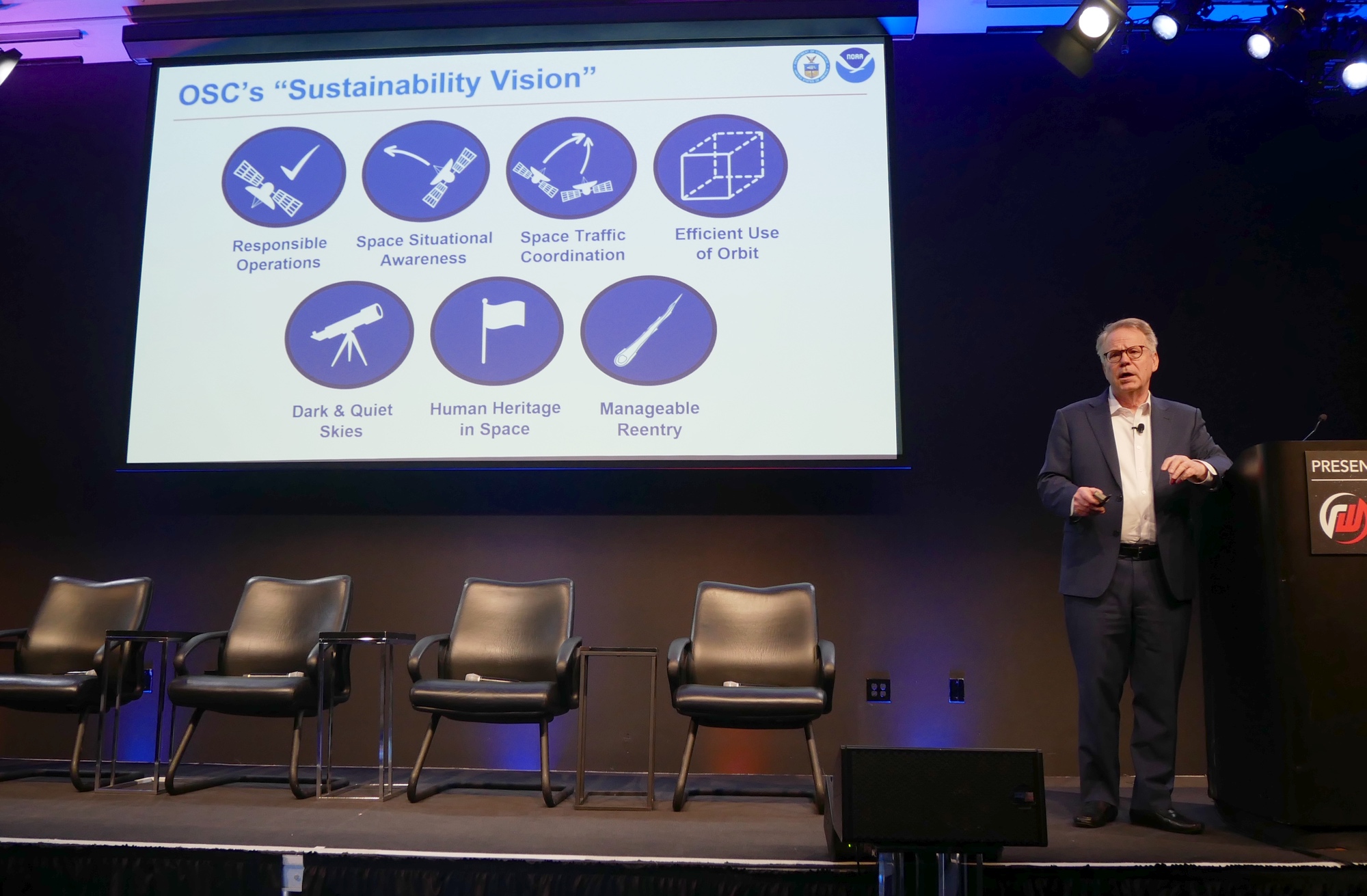
Richard DalBello, director of the Office of Space Commerce, emphasized the need for the space industry to address a broader range of sustainability issues beyond orbital debris, including space traffic coordination, protection of night skies from satellite interference, and environmental concerns. International cooperation and the development of internationally accepted responsible actions are crucial in addressing these issues, with the International Telecommunication Union taking steps to study space sustainability and strategies for post-mission disposal of satellites.

Several space companies, including Momentus, Astra, and Sidus, are facing financial challenges, with some at risk of delisting, acquisition, or bankruptcy. Momentus is running out of money and needs a major new backer or buyer to avoid bankruptcy. Astra has been nearly out of cash since October and is seeking a take-private deal to improve its situation. Sidus, which went public in late 2021, has seen minimal revenue growth and has struggled to raise significant funding. Despite these challenges, the space sector as a whole continues to attract interest from private markets, with overall investment bouncing back in 2023.
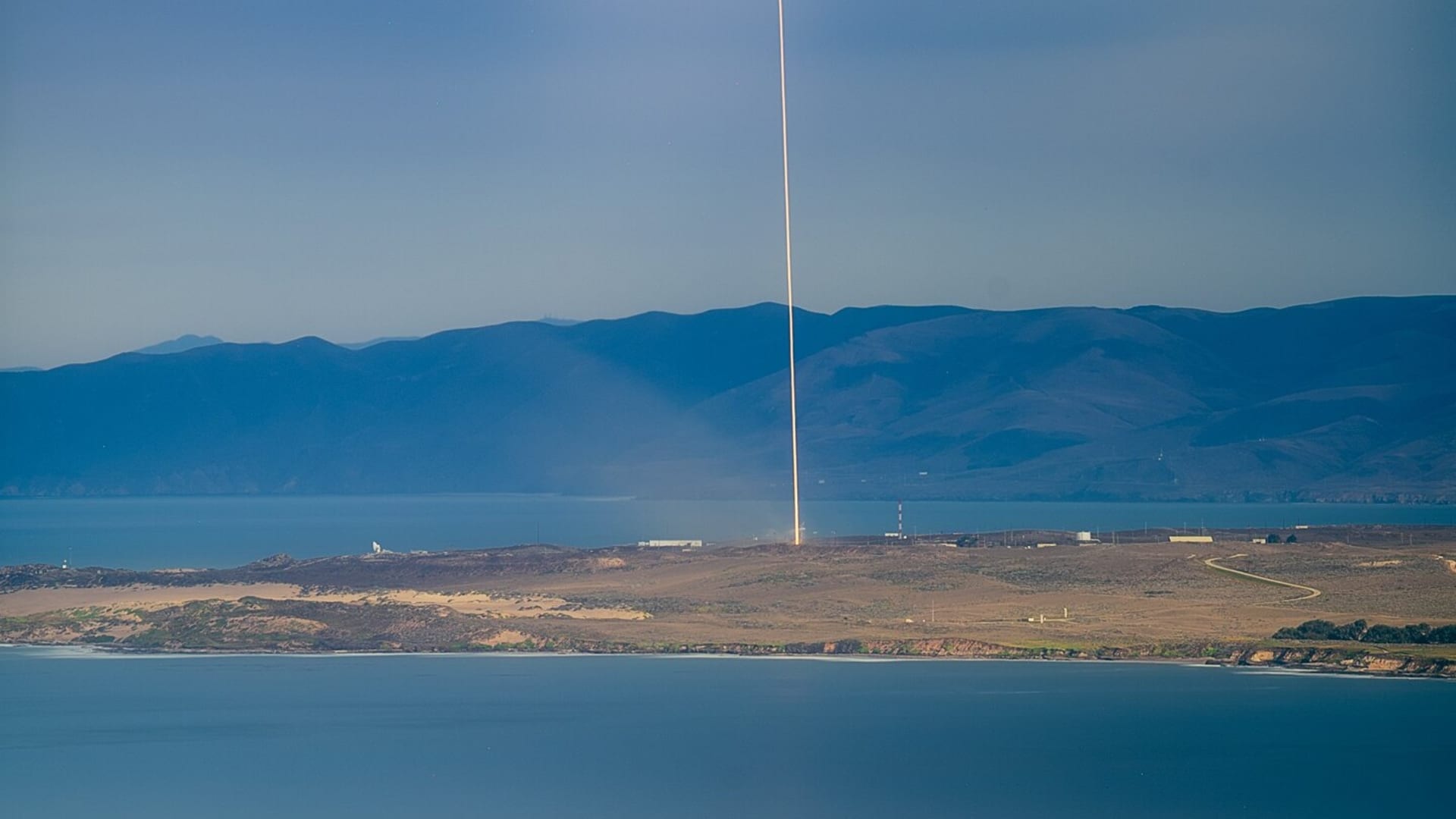
Investment in the space sector rebounded in 2023, nearing the record high of 2021, with infrastructure accounting for 70% of total investment. Space infrastructure companies raised $2.6 billion in the fourth quarter, contributing to a total of $12.5 billion for the year. The report also highlighted 39 merger and acquisition deals in the sector, signaling a year of consolidation, with expectations for more M&A activity in 2024.

The space industry is expected to see significant developments in 2024, including the shaping up of direct-to-device satellite programs, progress from Blue Origin and SpaceX, the deployment of satellites by Starship, and multiple American moon lander attempts. Recent industry news includes successful debuts and setbacks, NASA delays, and significant contracts and funding awards. Notable personnel changes and upcoming rocket launches are also highlighted.
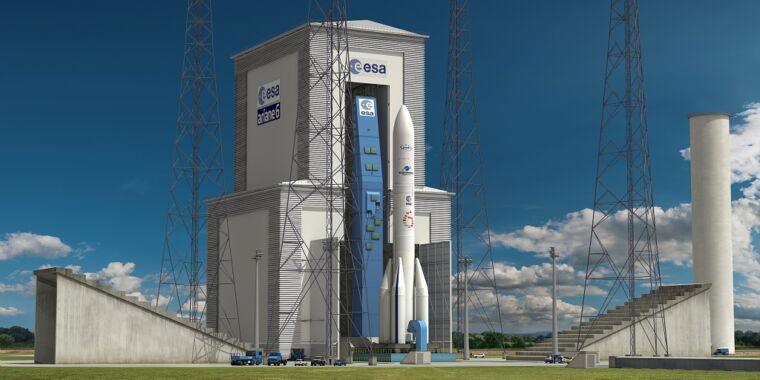
The head of the European Space Agency expressed concerns about the future of ArianeGroup's monopoly in the European launcher market following a decision to introduce more competition. With the rise of SpaceX and delays in Ariane 6, European countries are injecting new funds into the program but face challenges in competing with lower-cost providers. The ESA aims to emulate NASA's approach by encouraging competition to reduce costs and is challenging the private sector to develop a cargo vehicle for the International Space Station. Germany supports more competition in the launcher market, and it's possible that new rivals could disrupt ArianeGroup's monopoly in the future.