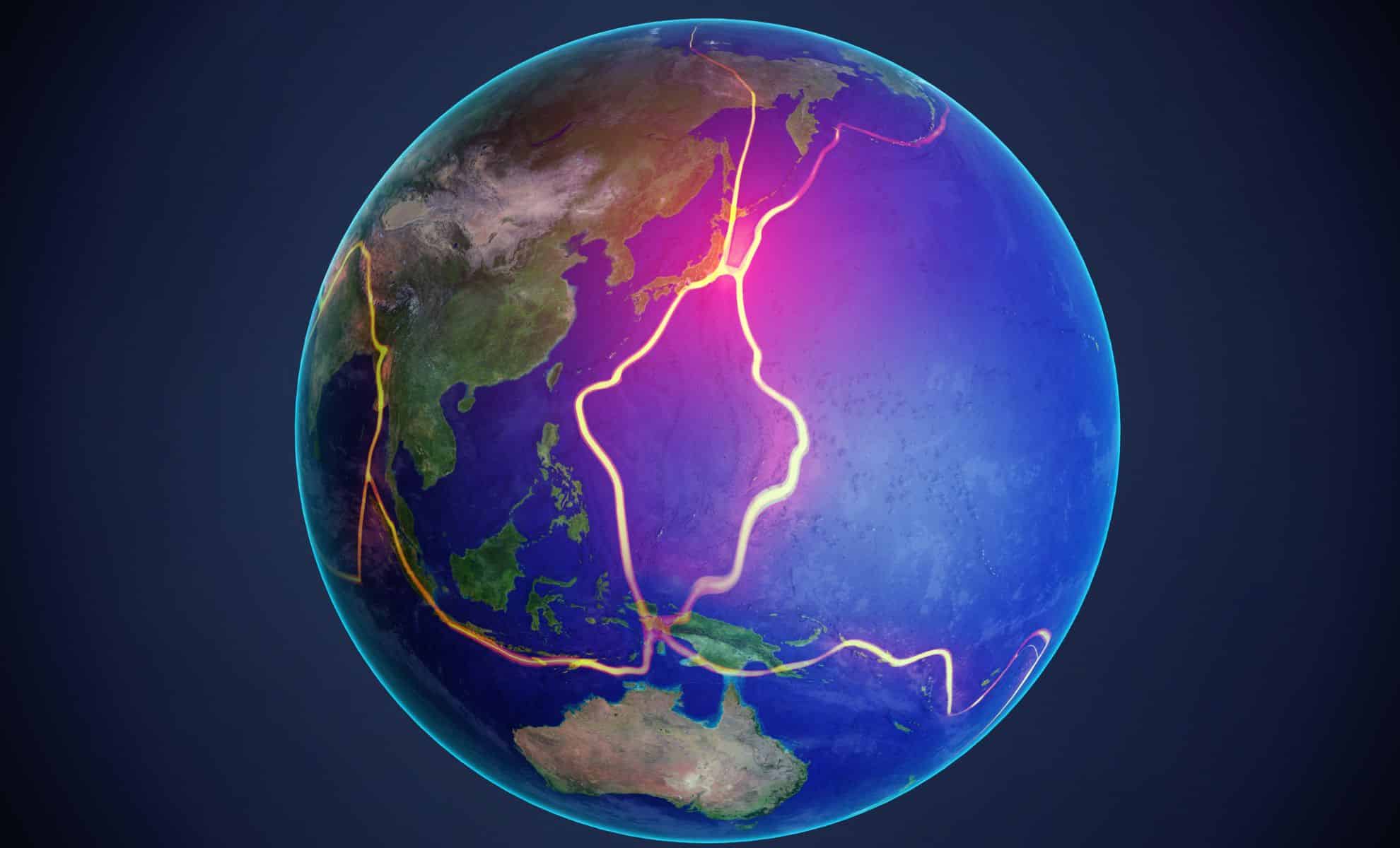
A study reveals that two ocean bands near 40° latitude in both hemispheres are warming faster than ever, driven by shifts in wind patterns and ocean currents, with significant implications for climate, weather, and marine life.
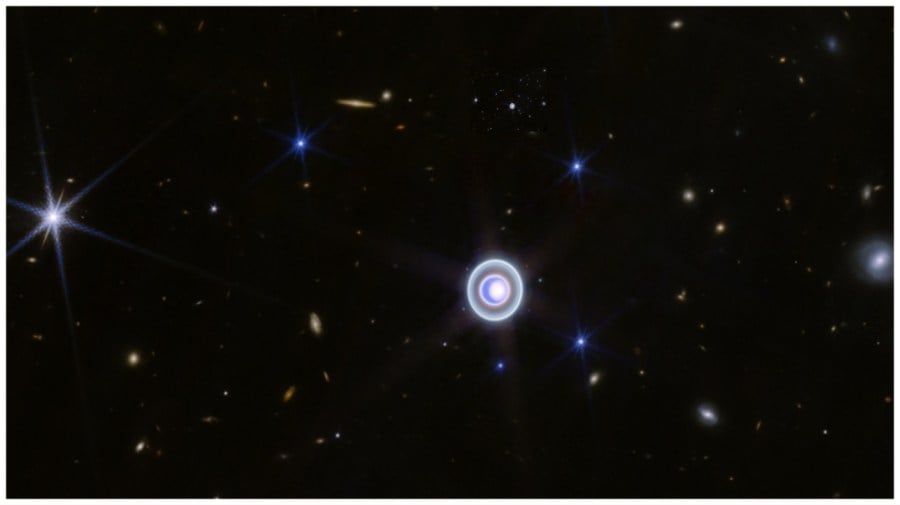
A study using Hubble observations over 20 years found that Uranus's structure and brightness have changed significantly, with complex atmospheric circulation patterns and variations in polar regions related to seasonal changes.
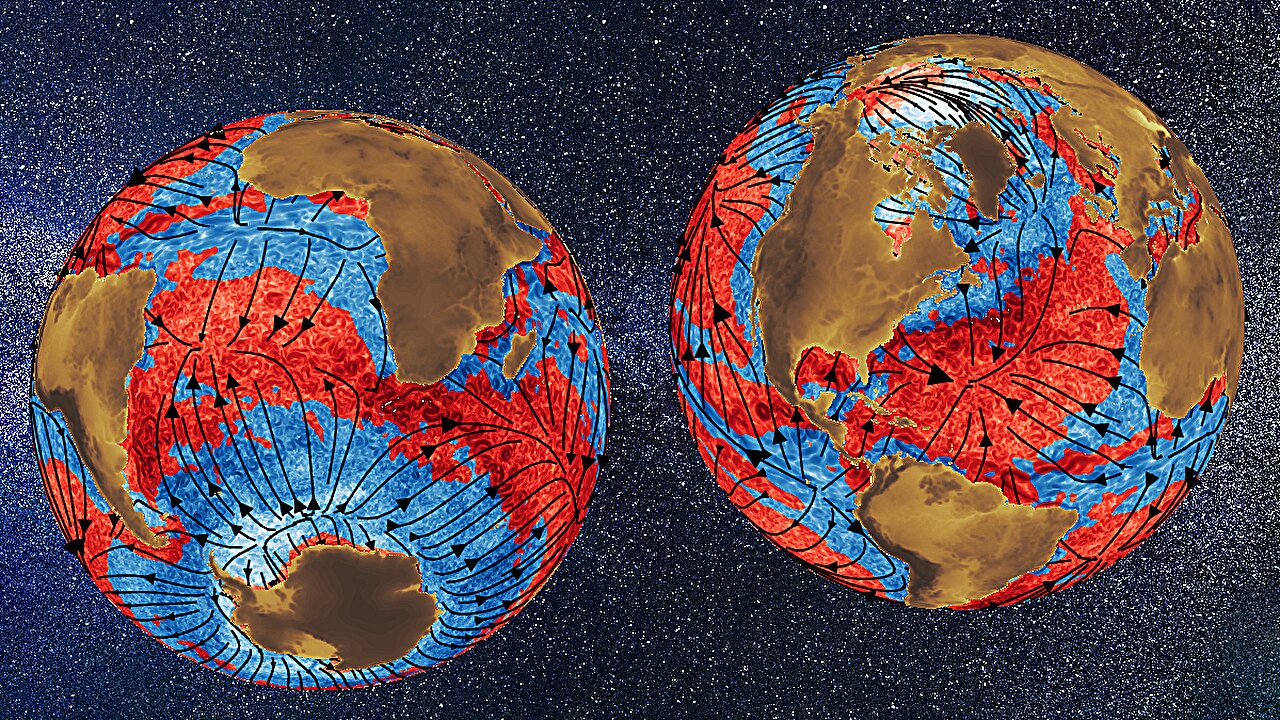
Scientists have discovered a direct link between ocean weather systems and global climate, using a mechanical analysis approach instead of statistical methods. The study, led by researchers at the University of Rochester, found that oceanic weather patterns interact with climate scales, with energy transfer occurring in a pattern that mirrors the global atmospheric circulation. The researchers also identified the role of the intertropical convergence zone in producing ocean turbulence. This mechanistic analysis provides a promising framework for understanding the climate system and its connection to extreme weather events.
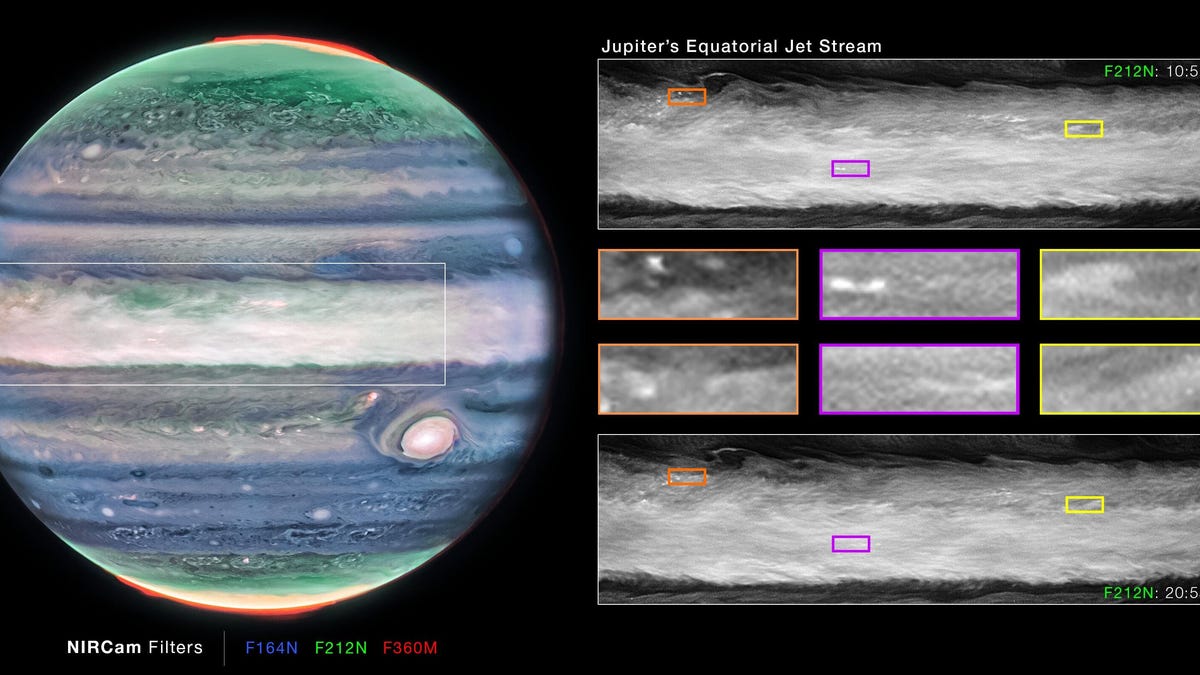
The Webb Space Telescope has detected a high-speed jet shooting across the equator of Jupiter, traveling at about 320 miles per hour and located in Jupiter's lower stratosphere. This discovery suggests that Jupiter's atmosphere may be more dynamic than previously thought. The jet was tracked using visible wind shears in the image taken by Webb's Near-Infrared Camera. The finding indicates that Jupiter's atmospheric circulation around its equator is more similar to Saturn than previously known. Future missions, such as the ESA's JUICE and NASA's Europa Clipper, will provide more detailed observations of Jupiter and its moons.
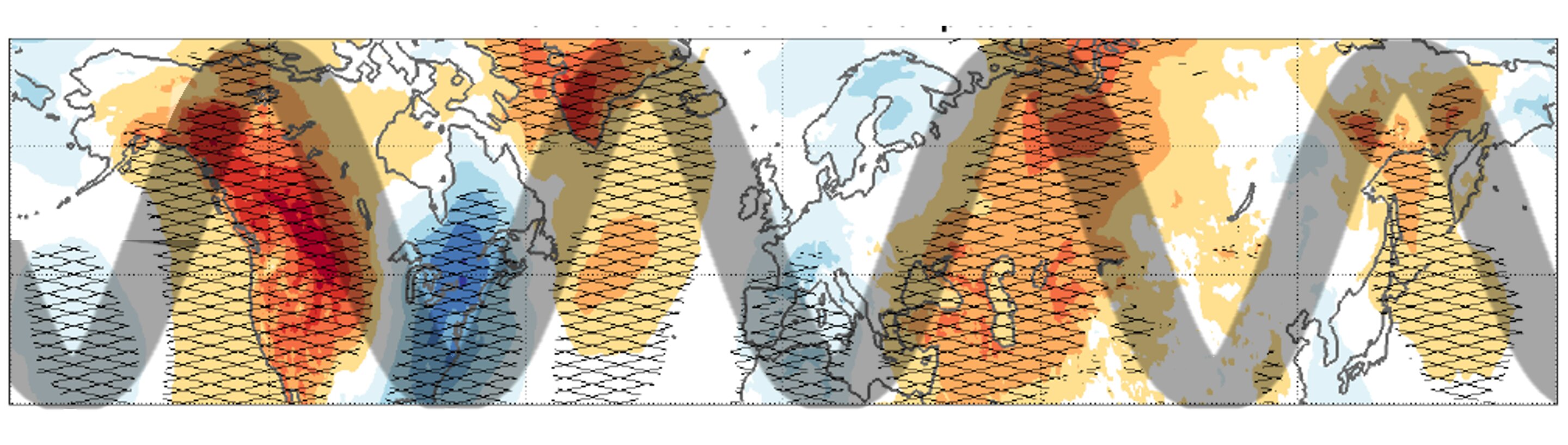
A new study has identified a jet-stream pattern known as a wave-4 that locks in extreme winter cold or wet conditions over North America and Europe for weeks at a time. These weather waves have doubled in frequency since the 1960s and have caused significant damage and loss of life. While winters are getting milder on average, the study highlights the increasing risk of extreme cold and wet events. The researchers suggest that the destabilization of the jet stream due to rapid warming in the Arctic may be contributing to the amplification of these weather patterns. Understanding the mechanisms behind these patterns could help improve predictions and mitigate the impacts of extreme weather events.
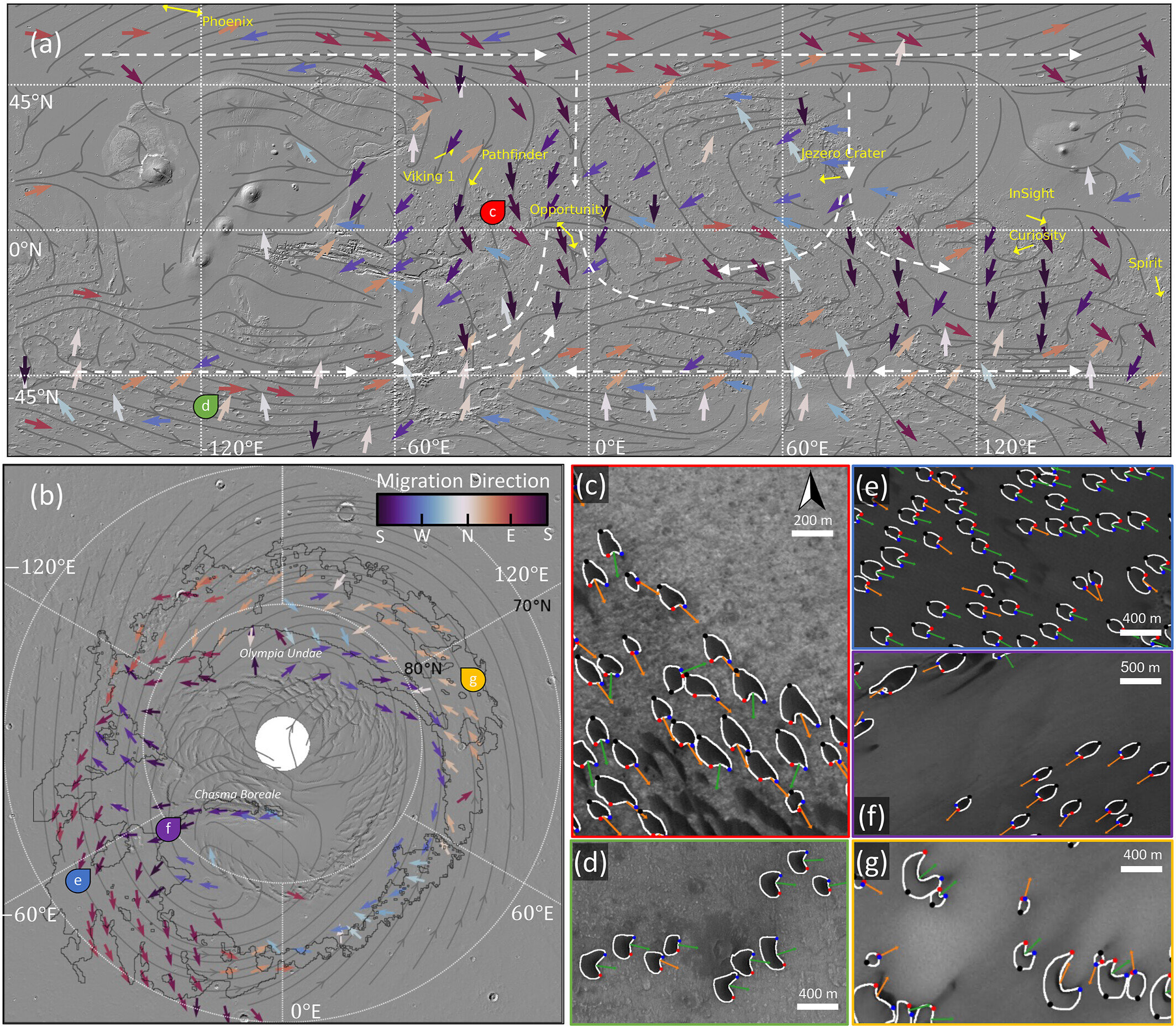
Machine learning has been used to analyze the morphology of barchan dunes on Mars, revealing the planet's atmospheric wind patterns. The study found that localized topography, such as impact craters, can deflect winds and influence dune formation. The research identified distinct patterns in dune migration related to summer atmospheric circulation, with northward-directed winds at mid-latitudes and cyclonic circulation near the north pole. At latitudes above 45°N, dune migration patterns are easterly, matching the cyclonic polar vortex circulation. The study provides valuable insights for understanding Mars' meteorological activities and supporting future manned missions to the planet.