Tag

Obstructive Sleep Apnea

All articles tagged with #obstructive sleep apnea

health1 month ago

Chronic Snoring and Heart Risk: Early Signs and Causes

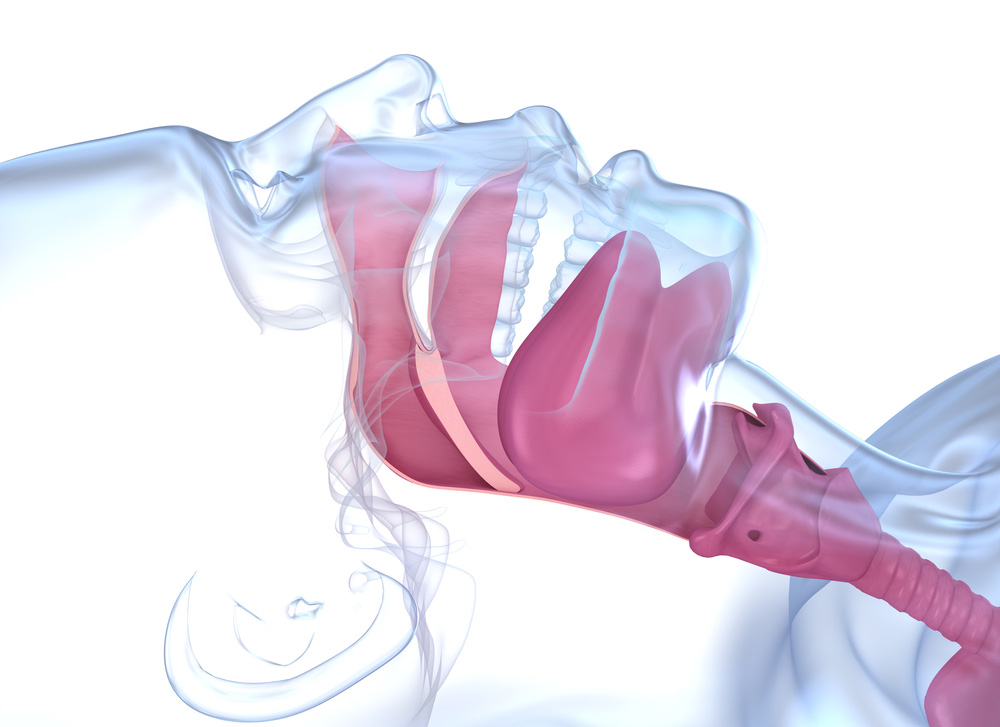
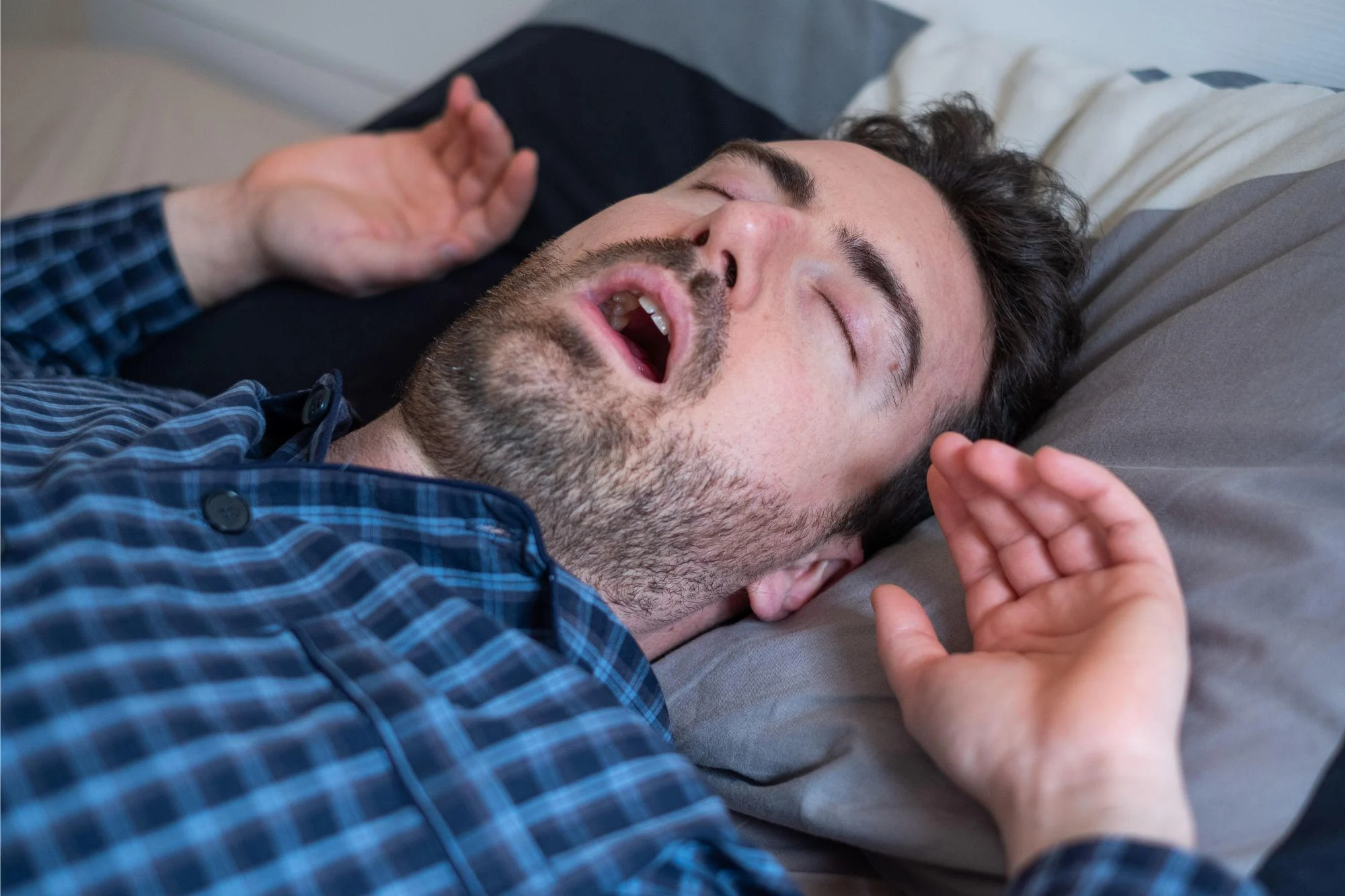
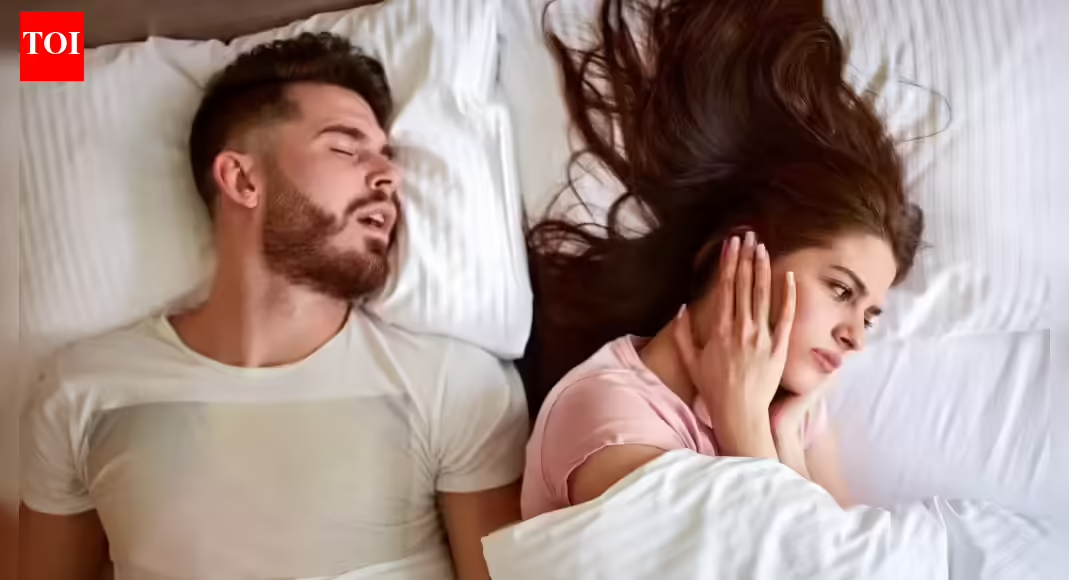
Chronic snoring can be a warning sign of Obstructive Sleep Apnea (OSA), a condition linked to serious health risks like high blood pressure, stroke, and heart failure. Recognizing symptoms such as loud snoring, breathing pauses, daytime fatigue, and morning headaches is crucial for early diagnosis and intervention, which can significantly reduce long-term health complications.

health1 year ago

"New Drug Offers Hope for Non-Obese Sleep Apnea Patients"

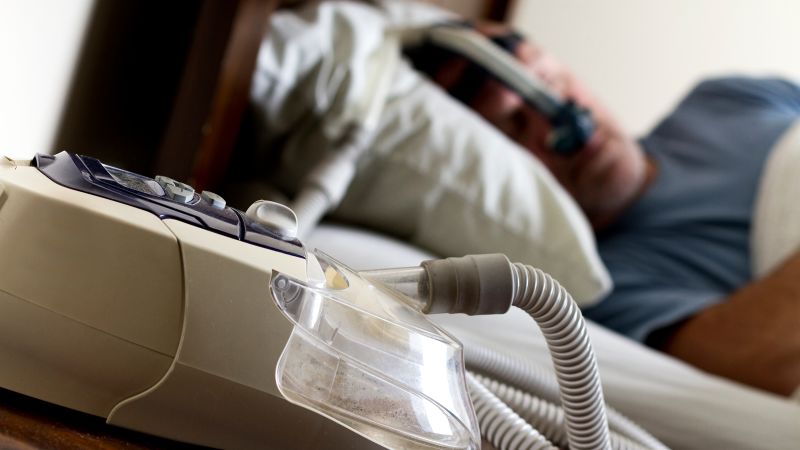
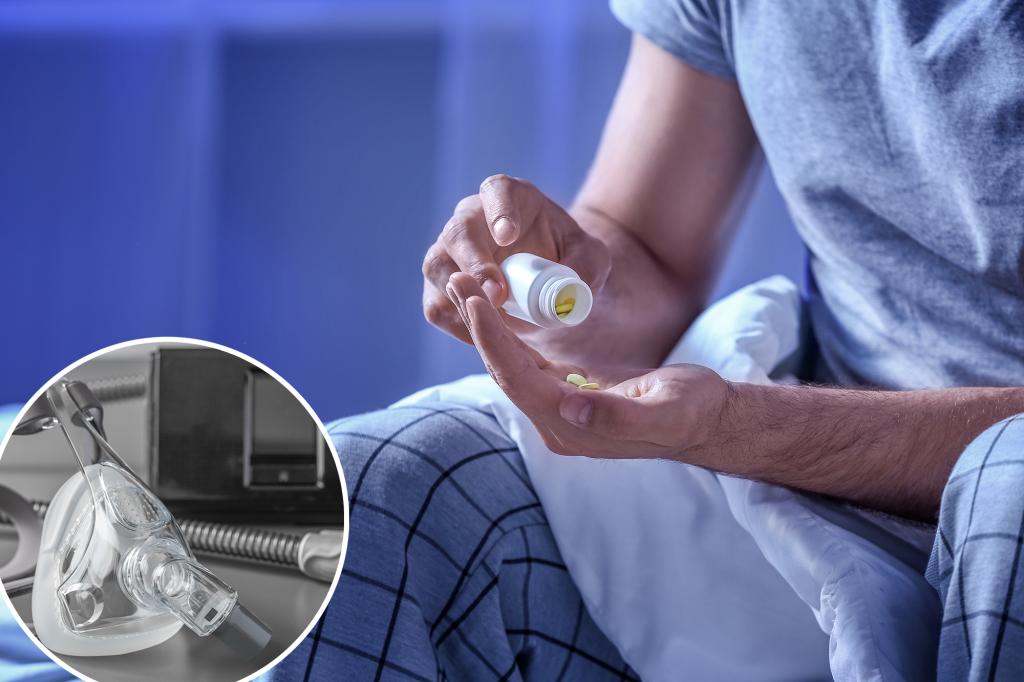
A new drug, AD109, developed by Apnimed, could potentially replace CPAP machines for treating sleep apnea, offering a less cumbersome and more cost-effective solution. The drug, a combination of aroxybutynin and atomoxetine, has shown promising results in phase II trials, particularly for mild cases of obstructive sleep apnea (OSA), with no major side effects reported. However, concerns remain about its efficacy for severe cases and the absence of oxygen saturation data in the trials. A third trial is currently underway.

health1 year ago

"Zepbound: Promising Treatment for Obstructive Sleep Apnea Trials"

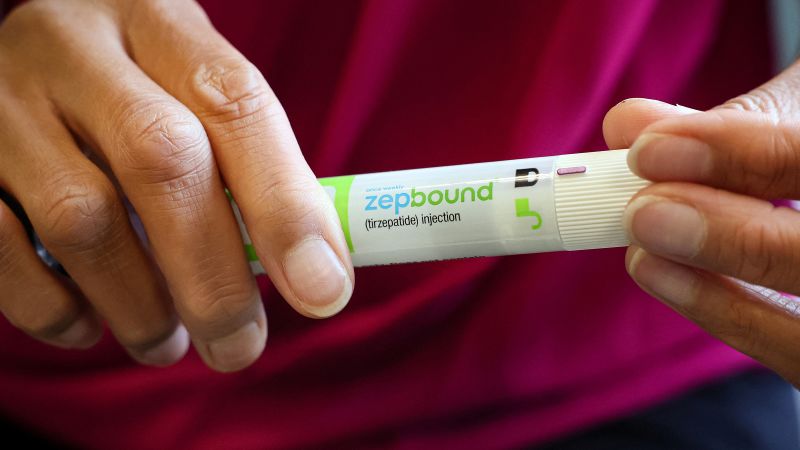
Eli Lilly's obesity drug Zepbound has shown positive results in treating obstructive sleep apnea (OSA) in a Phase 3 study, potentially positioning it as the first approved treatment for OSA. Patients taking Zepbound experienced a significant reduction in the apnea-hypopnea index compared to those on a placebo, indicating its potential to address breathing interruptions during sleep in individuals with obesity.

health1 year ago

"Zepbound: Promising Treatment for Sleep Apnea and Obesity"

Drugmaker Eli Lilly plans to submit Zepbound, a weight loss drug, to the FDA for potential use in treating obstructive sleep apnea, based on trial results showing improvement in sleep apnea symptoms and weight loss. The drug, containing tirzepatide, was initially approved for type 2 diabetes and later for obesity. Preliminary results from late-stage trials showed significant reduction in breathing events during sleep and weight loss in participants with obstructive sleep apnea, with or without positive airway pressure therapy. The results are yet to be peer-reviewed or published in a medical journal.

health1 year ago

"Implantable Device for Sleep Apnea Ideal for Overweight Individuals"

A new study found that an implantable hypoglossal nerve stimulator for obstructive sleep apnea works best for people who are overweight but not severely obese, with a BMI of up to 32. The device, which costs between $50,000 and $100,000, is approved for people with a BMI of up to 40, but the study suggests that for those with a BMI over 32, the device might be unsuccessful up to 75% of the time. The implant was also found to be less successful for people who sleep on their backs. The device, which is an alternative to CPAP, has been implanted in 60,000 people worldwide and is activated at night to stimulate the tongue and keep the airway open. The study highlights the importance of selecting the right candidates for this treatment, especially those who have struggled with CPAP.

health-tech1 year ago

"Samsung Galaxy Watch Receives FDA Approval for Sleep Apnea Detection"

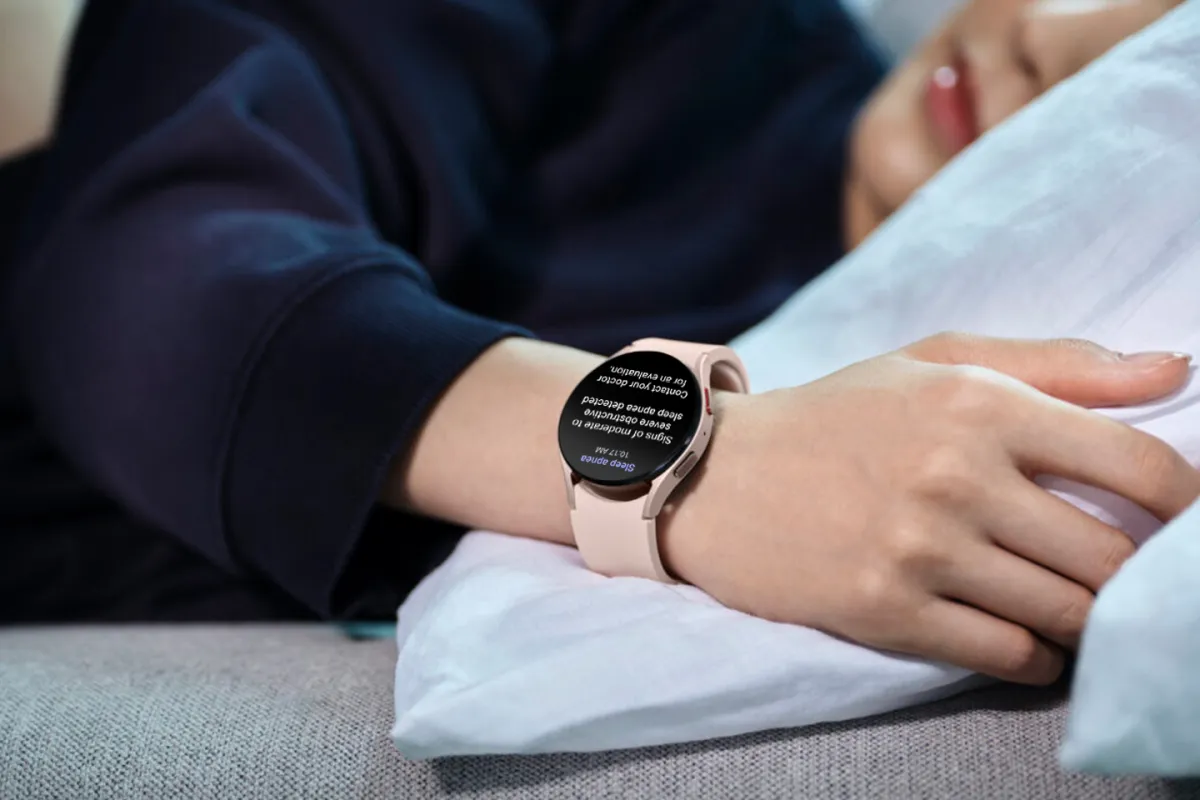
Samsung's Galaxy Watch line has received FDA approval for sleep apnea detection, a significant development in the smartwatch category's focus on health and fitness features. Obstructive sleep apnea (OSA) affects millions globally, with many cases going undiagnosed. The feature will enable users to detect signs of moderate to severe OSA over a two-night monitoring period, potentially aiding in the early identification and treatment of this common and chronic sleep condition.

health2 years ago

FDA Grants First-Ever Clearance for Vivos Therapeutics' Oral Device to Treat Severe Sleep Apnea

Vivos Therapeutics has received FDA 510(k) clearance for its oral appliances, becoming the first company to offer an alternative treatment for severe obstructive sleep apnea (OSA) in adults. The clearance allows Vivos to market its removable CARE oral appliances as a clear alternative to CPAP or surgical neurostimulation implants for patients with severe OSA. The FDA clearance also marks the first time an oral appliance has been approved to treat moderate and severe OSA in adults. The statistically significant data submitted to the FDA showed that 80% of severe OSA patients experienced an improvement in their condition, with an average treatment time of just 9.7 months. Vivos' proprietary CARE appliances gradually reposition the hard and soft tissues of the airway, optimizing its function and flow.

health2 years ago

Recognizing the Overlooked Symptom of a Dangerous Sleep Disorder

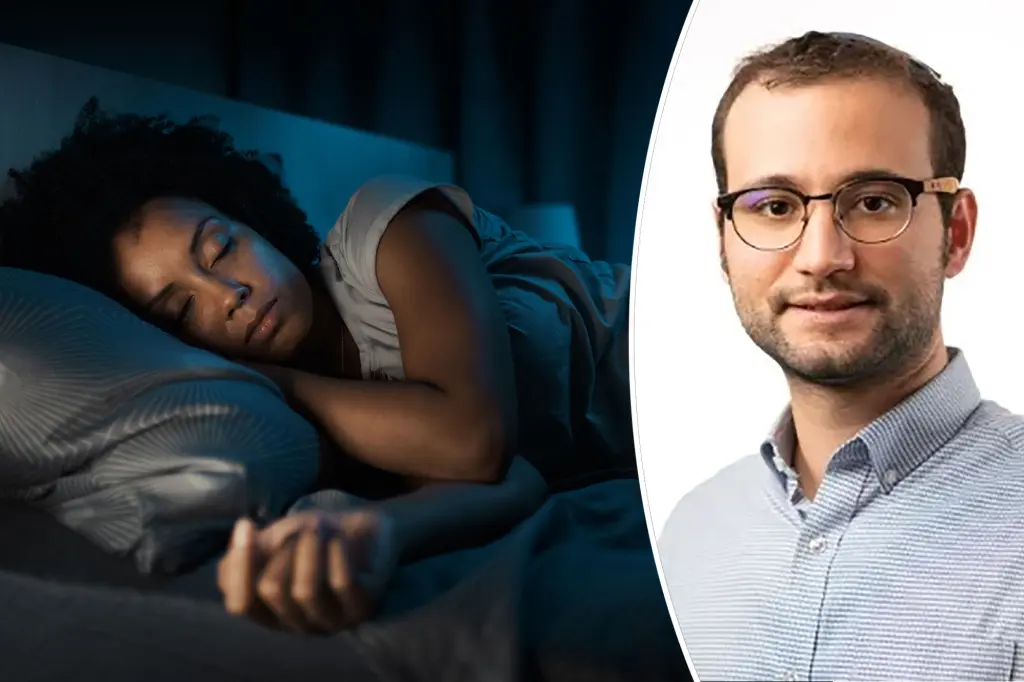
Sleep scientist Dr. Joachim Behar warns that obstructive sleep apnea (OSA), a common sleep disorder affecting millions, often goes undetected due to overlooked symptoms. OSA can lead to serious conditions like Type 2 diabetes and heart disease if left untreated. Symptoms include excessive daytime sleepiness, snoring (the most commonly overlooked symptom), gasping or choking during sleep, dry mouth or sore throat upon waking, morning headaches, trouble focusing, mood changes, high blood pressure, and decreased interest in sex. Simple lifestyle changes and the use of a continuous positive airway pressure (CPAP) machine are effective treatments. Lack of consistent sleep is a growing public health concern, with nearly half of American adults experiencing sleep deprivation.

health2 years ago

The Connection Between Sleep Apnea and Cognitive Decline

A new analysis of data from five population-based studies suggests that better sleep consolidation and the absence of obstructive sleep apnea are associated with higher cognitive function in adults without dementia. On the other hand, shorter sleep duration is linked to impaired attention and cognitive issues. The study highlights the importance of preventing obstructive sleep apnea and improving sleep consolidation for optimizing cognition with aging. Further research is needed to explore interventions that can improve consolidated sleep and maintain cognitive function. Lifestyle changes, such as weight loss and stress management, can help decrease obstructive sleep apnea.

health2 years ago

"Unraveling the Cardiovascular Risks of Sleep Apnea: NIH-funded Study Reveals Insights"

A study funded by the National Institutes of Health has found that people with obstructive sleep apnea have an increased cardiovascular risk due to reduced blood oxygen levels caused by interrupted breathing. The study analyzed data from over 4,500 adults and identified hypoxic burden (reduction in blood oxygen levels), ventilatory burden (interruptions in breathing due to airway obstruction), and nighttime arousals as key factors contributing to the link between sleep apnea and cardiovascular disease. The findings suggest that treating sleep apnea could help prevent future cardiovascular outcomes.

health2 years ago

"Alarming Prevalence: 20% of Adults Affected by Perilous Snoring"

A study conducted in France suggests that approximately 20% of adults may suffer from obstructive sleep apnea (OSA), a condition characterized by symptoms such as loud snoring, interrupted breathing, and recurring awakenings. However, only a small fraction of those affected are diagnosed and receiving treatment. OSA is more prevalent in certain demographics, including men and older individuals, with women often going undiagnosed. The condition is associated with an increased risk of serious health issues such as hypertension, stroke, heart diseases, and type 2 diabetes. The study highlights the need for increased awareness and screening for OSA to mitigate these risks.

health2 years ago

Sleep Apnea's Impact on Cognitive Decline and Gene Activity Revealed

A study has found that obstructive sleep apnea (OSA) can lead to early cognitive decline in middle-aged men, even in the absence of other health conditions or obesity. The research, which focused on non-obese, otherwise healthy men with OSA, revealed deficits in executive functioning, visuospatial memory, vigilance, sustained attention, impulse control, and social cognition. OSA is a commonly underdiagnosed condition that affects a significant portion of the population, with many individuals unaware they have it. The study suggests that OSA can directly cause cognitive impairments, and further research is needed to understand the underlying mechanisms and the impact of co-morbidities on cognitive deficits in OSA patients.

health2 years ago

Sleep Apnea Linked to Higher Long-COVID Risk

Adults with obstructive sleep apnea who have had COVID-19 are more likely to experience long-term symptoms suggestive of long COVID than those without the sleep disorder, according to a large study supported by the National Institutes of Health (NIH). The study, which analyzed electronic health records of more than 2.2 million Americans with COVID-19, suggests close monitoring after a COVID-19 infection may help adults with sleep apnea. The findings may also strengthen understanding of why some people are more likely to develop the post-viral syndrome after acute infection.

health2 years ago

The Connection Between Sleep Apnea and Early Cognitive Decline

Obstructive sleep apnea (OSA) can cause early cognitive decline, even in middle-aged men who are otherwise healthy and not obese, according to a study by researchers from the UK, Germany, and Australia. The study found that OSA was associated with cognitive decline, poorer executive function, and decreased impulsive control. The most significant deficits were demonstrated in tests that assess both simultaneous visual matching ability and short-term visual recognition memory for non-verbalizable patterns, tests of executive functioning and cued attentional set shifting, in vigilance and psychomotor functioning, and lastly, in social cognition and emotion recognition.