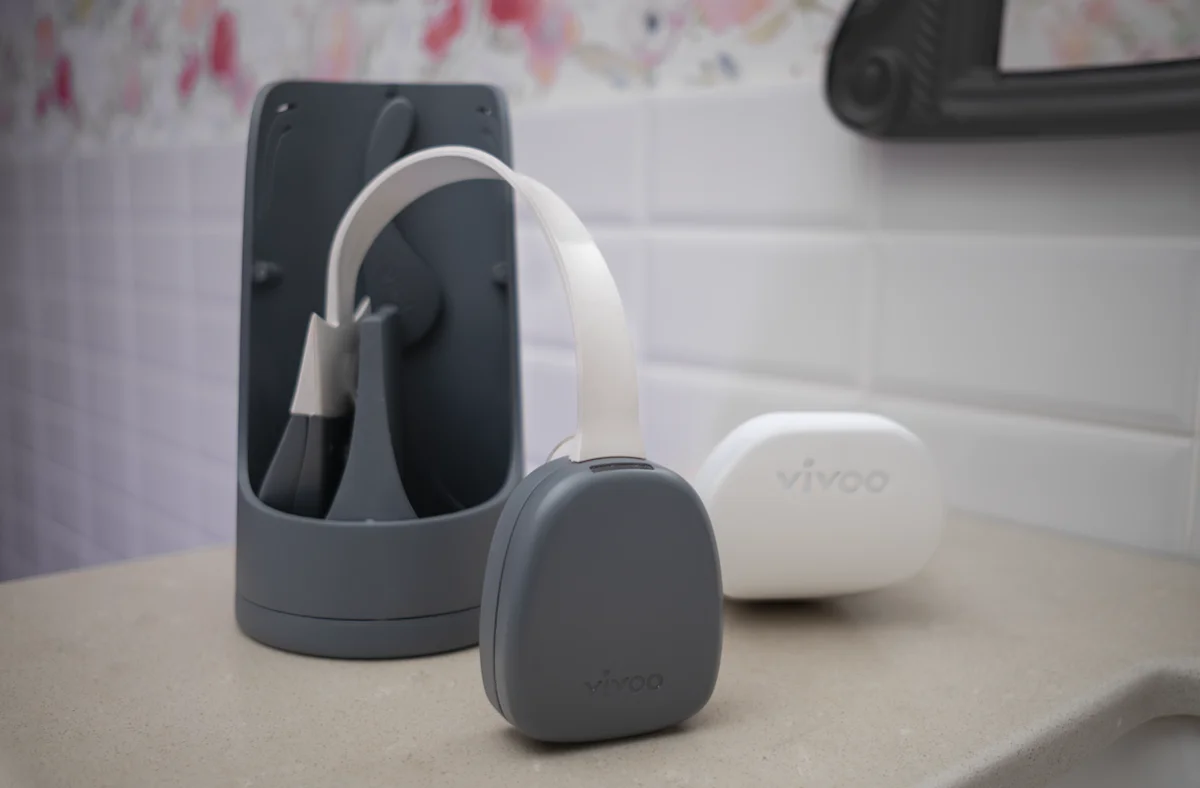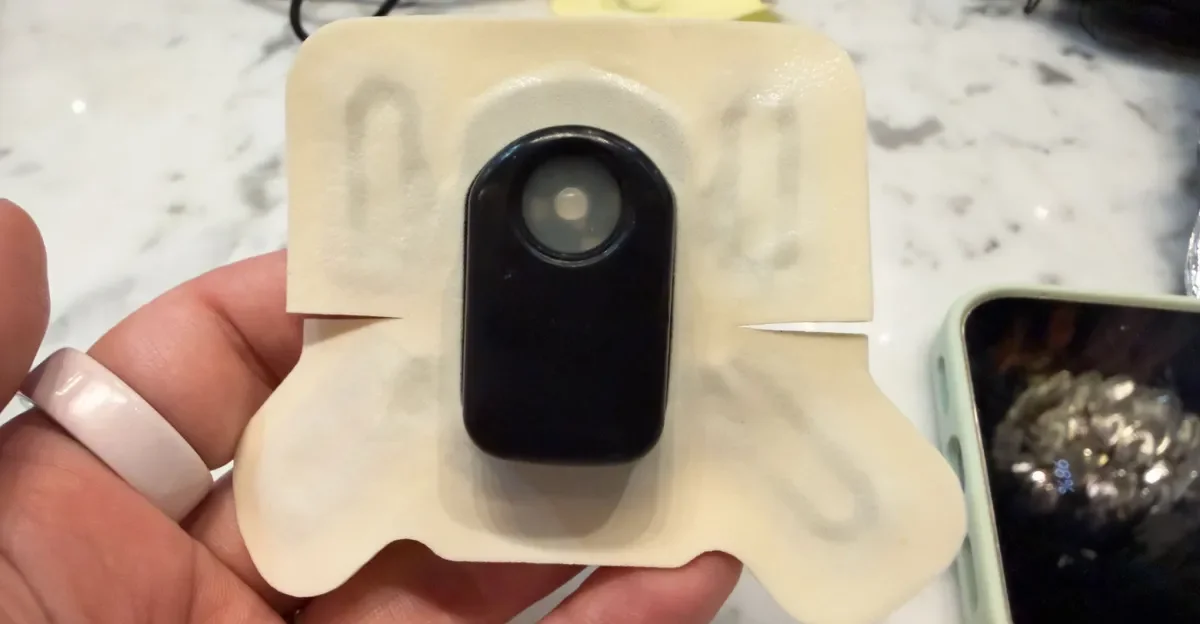
Vivoo unveiled a smart toilet at CES 2026 that uses optical sensors to monitor hydration levels via urine analysis, offering over 1,000 tests per charge, and introduced the Hygenic FlowPad, a microfluidic menstrual pad that tracks fertility markers and health indicators, with availability and pricing details provided for the smart toilet.
Victoria Song recounts the evolution of the 'taint bandaid' into the 'taint zapper,' a device designed to delay premature ejaculation using electrodes, from its debut at CES 2020 to its final form after years of development.
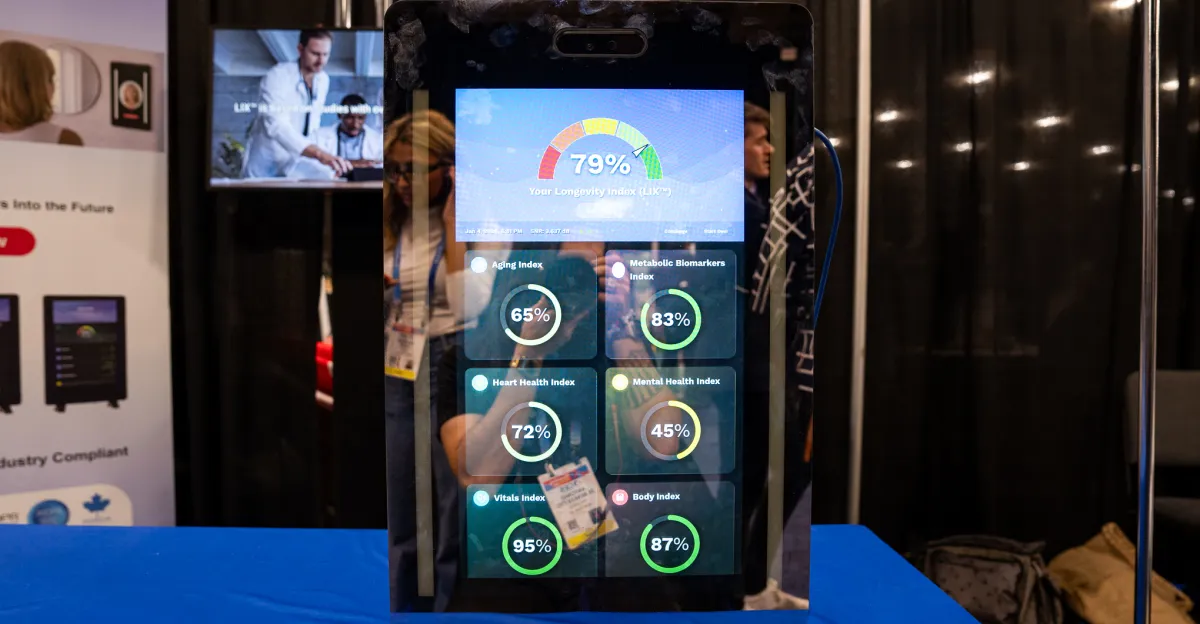
At CES 2026, Nuralogix showcased the $899 Longevity Mirror, a smart mirror that uses transdermal optical imaging to assess health metrics and provide a longevity score, though its accuracy and medical validity should be approached with caution.
New toilet cameras like Kohler's Dekoda and Throne are emerging as tools to monitor gut health by analyzing stool samples through images, sparking debates about their necessity, privacy, and potential obsession with 'ideal' gut conditions.
Linda Yaccarino, former CEO of X, has been appointed as the CEO of eMed Population Health, an AI startup focusing on health technology related to GLP-1 drugs for weight management and diabetes, leveraging her negotiation skills and tech industry recognition to lead the company's efforts to improve global healthcare outcomes.
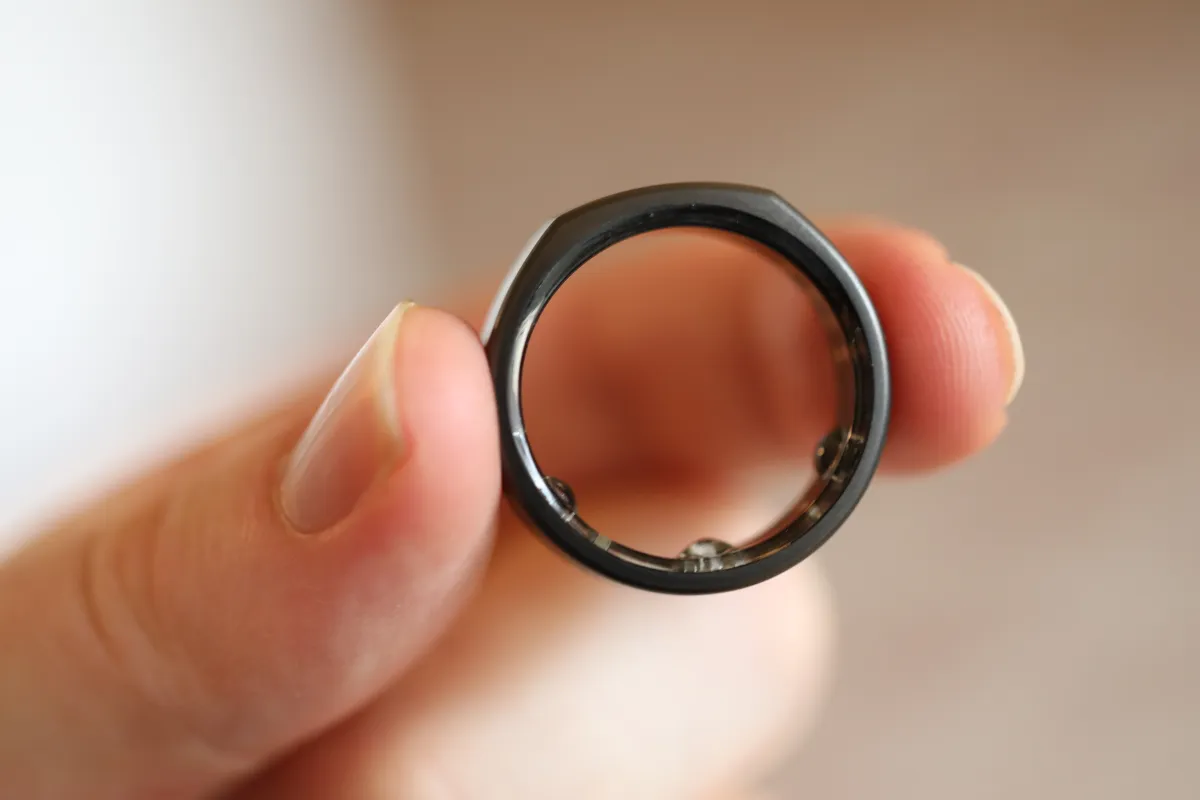
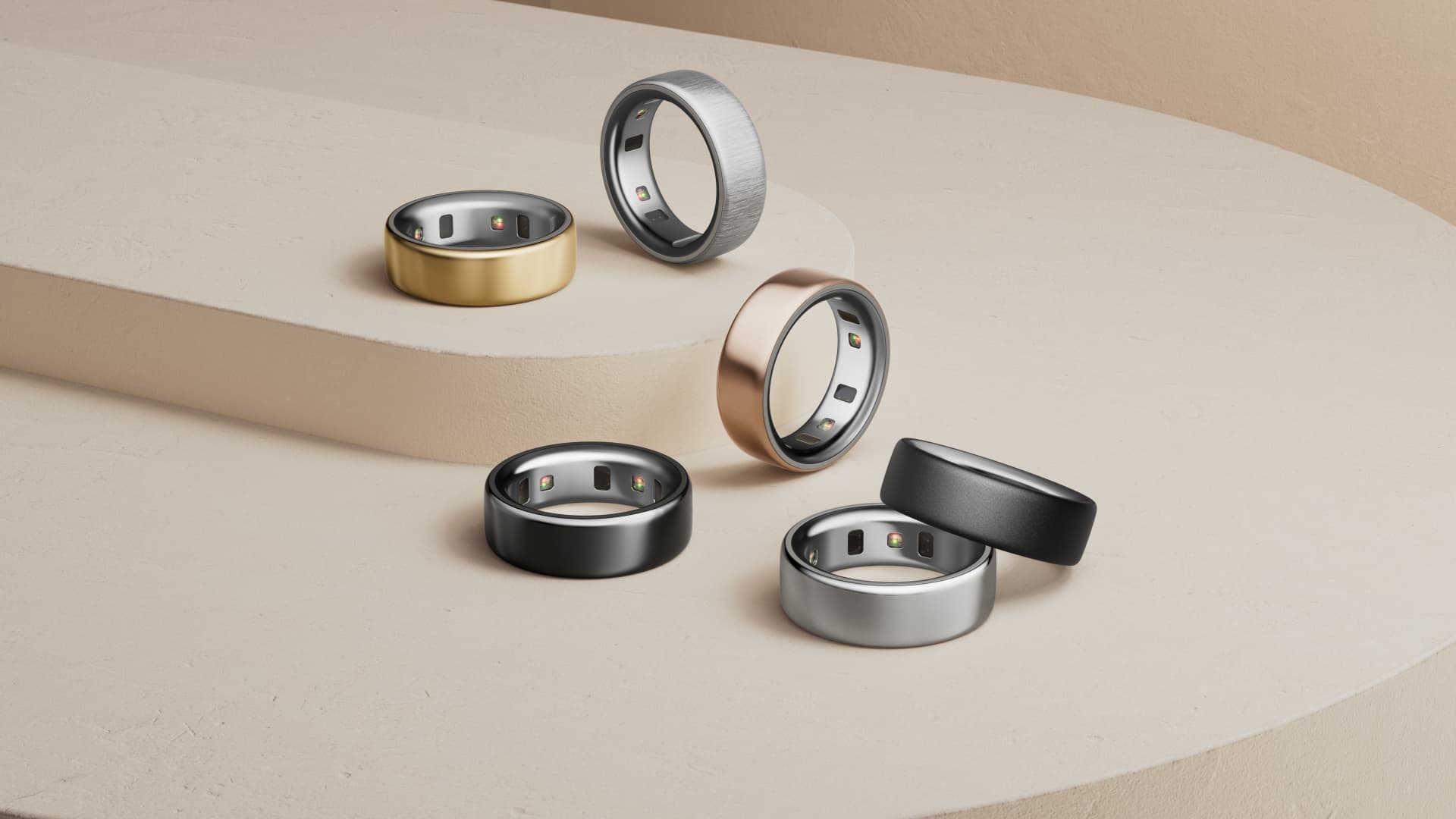
Oura, the smart ring maker, has secured a $75 million investment from glucose monitoring device firm Dexcom, raising its valuation to over $5 billion. This partnership will integrate Oura's rings with Dexcom's glucose monitoring technology, allowing users to track blood sugar levels and make informed health decisions. The first app integration is expected by mid-2025. Oura, which has sold 2.5 million rings, anticipates doubling its sales in 2024. This collaboration positions Oura and Dexcom against competitors like Apple, which is also exploring noninvasive glucose monitoring solutions.
Oura CEO Tom Hale stated that Apple is unlikely to launch a smart ring, despite speculation, as the company remains focused on the Apple Watch. Hale believes Apple is unconvinced about the value of a smart ring alongside a watch and is cautious about entering a challenging product category. Oura, a pioneer in smart rings, recently released its Oura Ring 4 amid growing competition in the wearable tech market.
Annie Lamont, a seasoned venture capitalist and Connecticut's First Lady, has made significant strides in health tech investing, achieving substantial returns with companies like AthenaHealth and Devoted Health. With a career spanning four decades, Lamont has adeptly navigated various tech cycles, now focusing on AI's potential in healthcare. Her firm, Oak HC/FT, continues to support innovative startups, leveraging her extensive experience and network to drive success.
Alina Su, CEO of Generation Lab, predicts a rise in young people joining the longevity movement, increased accessibility to longevity practices, and the establishment of more standards in the field. Her company offers the SystemAge test, which uses epigenetic blood tests to provide personalized health recommendations. Su emphasizes a shift from treatment to prevention in healthcare, aiming to empower individuals to optimize their health.
Oura Ring introduces a new feature called Symptom Radar, allowing users to opt in to experimental features to detect early signs of physiological strain by monitoring biometric trends like temperature, respiratory rate, resting heart rate, and heart rate variability. While not a diagnostic feature, it aims to provide users with alerts for significant changes and the option to prioritize rest. The company is cautious about billing it as an illness detection feature and is focused on helping users better understand their body's signals. This move aligns with a broader trend in the wearables industry, with Google also introducing a similar labs feature for Fitbit Premium subscribers.
The FDA has authorized Prenosis' AI-powered diagnostic tool, Sepsis ImmunoScore, as the first AI tool capable of diagnosing sepsis, a life-threatening condition. The tool uses 22 parameters to assess a patient's risk of sepsis and is integrated into electronic health records for easy access by clinicians. Prenosis worked with the FDA for 18 months to demonstrate the tool's safety and efficacy and plans to conduct additional studies to demonstrate its accuracy and impact on clinical decision-making.
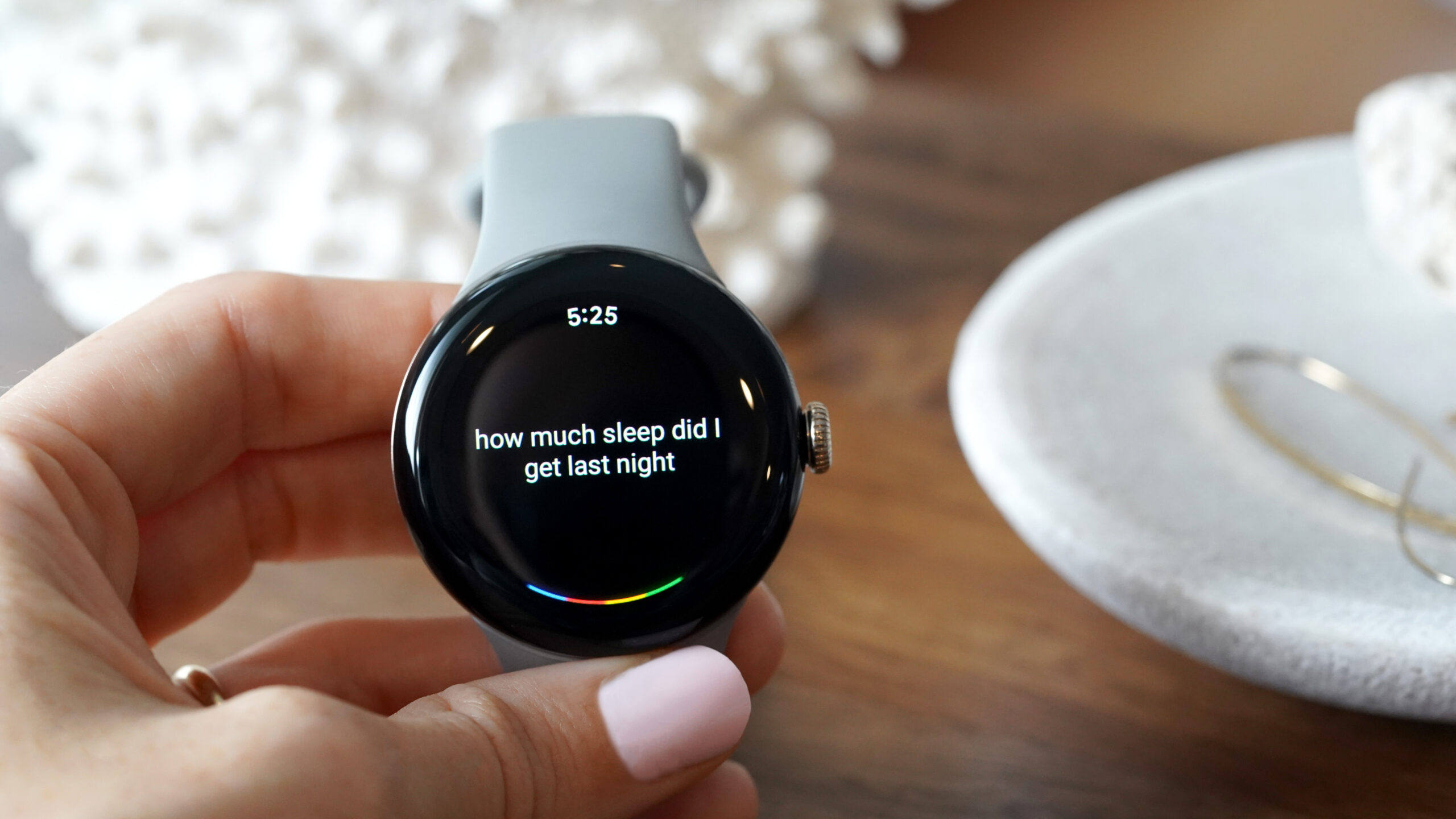
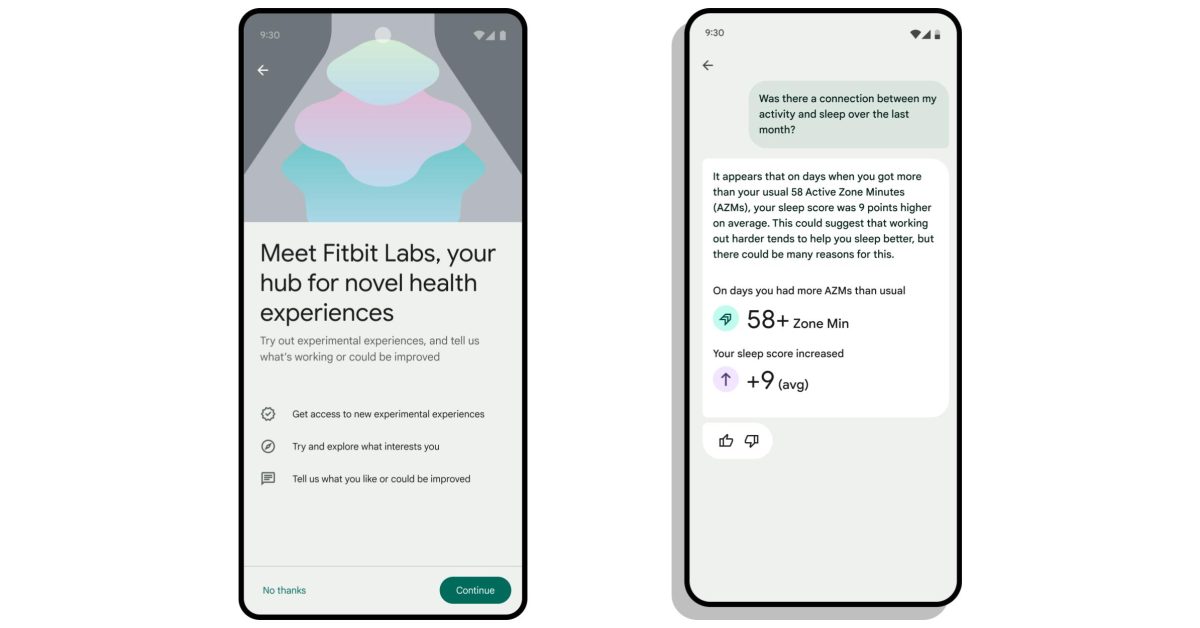
Google has announced plans to introduce an AI-powered health chatbot for Fitbit users, set to launch later this year as part of the Fitbit Labs program. The chatbot will use advanced AI to analyze health data from Fitbit wearables and provide personalized insights in natural language, potentially serving as a personalized health coach. Additionally, Google is developing a Personal Health Large Language Model (LLM) to offer comprehensive insights and personalized recommendations, aiming to become an on-demand health coach. This initiative is part of Google's broader push to integrate AI tools into healthcare, with plans for a similar LLM called AMIE to assist medical professionals.
Fitbit Labs, powered by a new Personal Health Large Language Model (LLM) from Fitbit and Google Research, will allow Fitbit Premium users to test and provide feedback on experimental AI features, including a chatbot for natural and conversational data inquiries. The model aims to deliver personalized coaching capabilities based on individual health and fitness goals, utilizing a diverse set of health signals from research case studies. Google Search is also enhancing visual search information for health conditions, while Google is researching a medical domain version of its Gemini model for tasks such as report generation for medical images.
Johnson & Johnson is collaborating with Nvidia to develop and scale new artificial intelligence applications for surgery, aiming to integrate AI within devices and platforms from pre-op to post-op to provide surgeons with comprehensive information. The companies are leveraging AI to analyze surgical video, automate documentation, and enhance surgical training and decision support. This collaboration aims to save surgeons time and provide them with the best tools and information, ultimately benefiting patients and healthcare staff.
Epic Systems, a $4.6 billion health records giant, is developing a suite of 60 generative AI tools, including a prototype coding assistant powered by GPT-4, to streamline medical coding processes in hospitals. While the AI tool can suggest codes, it still requires human oversight and calibration due to potential inaccuracies. Epic aims to alleviate the burden on clinicians and address staffing shortages in healthcare through generative AI applications, but human touch remains crucial for complex cases. The company's incumbent advantage and partnerships with Microsoft and startup Abridge position it as a key player in the evolving landscape of AI in healthcare.