The FDA has approved Roche's Elecsys pTau181 blood test to help primary care physicians rule out Alzheimer's in adults over 55 showing symptoms, marking a significant step in early diagnosis and understanding of the disease, though further testing remains necessary for confirmation.
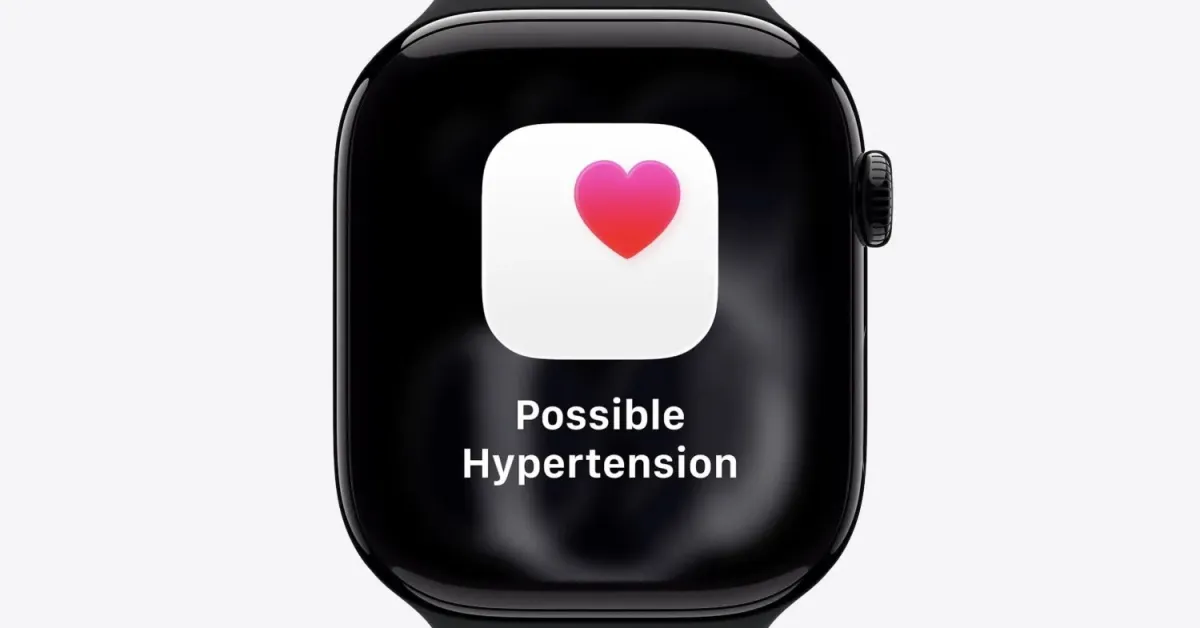
Apple Watch's new hypertension notifications, cleared by the FDA, will launch globally next week, using sensor data to monitor blood pressure signs passively and alert users to potential high blood pressure, aiming to help nearly half of undiagnosed cases and promote early health interventions.
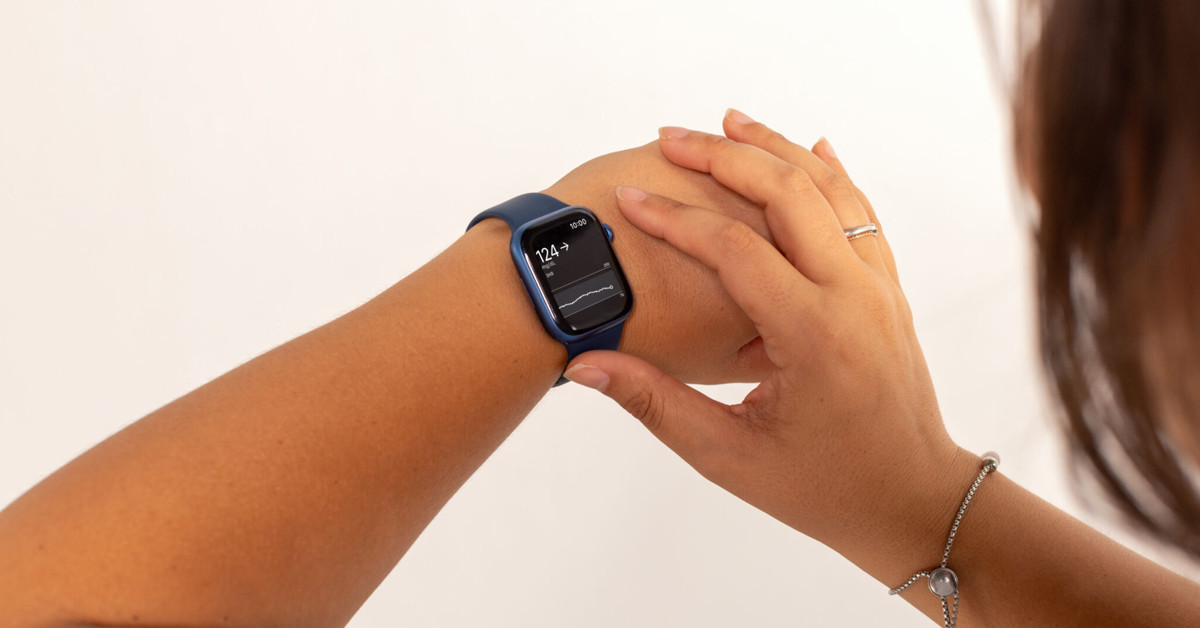
Dexcom G7 CGM users can now monitor their real-time blood sugar data directly from an Apple Watch, using a dedicated Bluetooth connection for instant readings and alerts. This feature, available in the US, UK, and Ireland, requires an Apple Watch Series 6 or later and an iPhone running iOS 17. While it enhances convenience, it doesn't replace the need for a smartphone or Dexcom receiver for setup and comprehensive data analysis.
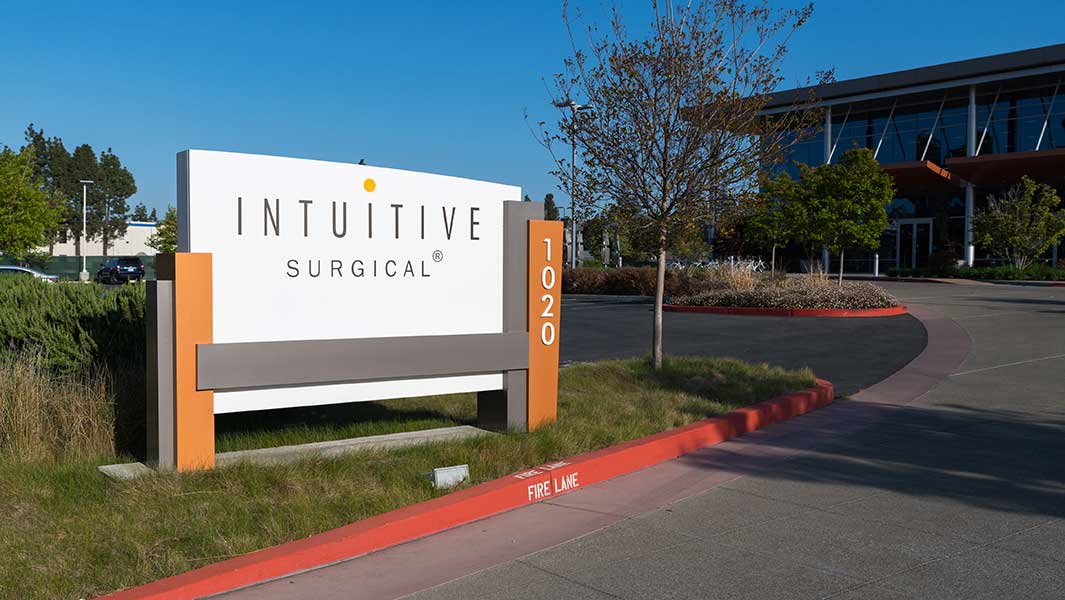
Intuitive Surgical's stock surged after receiving FDA clearance for its next-generation robotic surgery system, da Vinci 5, which promises improved accuracy, precision, and computing power compared to its predecessor, da Vinci Xi. The company plans to initially launch the system for a small number of U.S. surgeons before a broader release, aiming to gather additional data on its use. CEO Gary Guthart anticipates that the new system will lead to better patient outcomes, enhanced experiences for both patients and care teams, and reduced overall healthcare costs.
Intuitive, a leader in minimally invasive care, has received FDA clearance for its fifth-generation robotic system, da Vinci 5, designed to enhance surgical precision and patient outcomes. The system features improvements such as next-generation 3D display, force-sensing technology, and enhanced computing power, aiming to streamline workflow and increase surgeon comfort. Initially available to select U.S. customers, da Vinci 5 builds on the success of its predecessors and is expected to drive the future of robotic-assisted surgery.
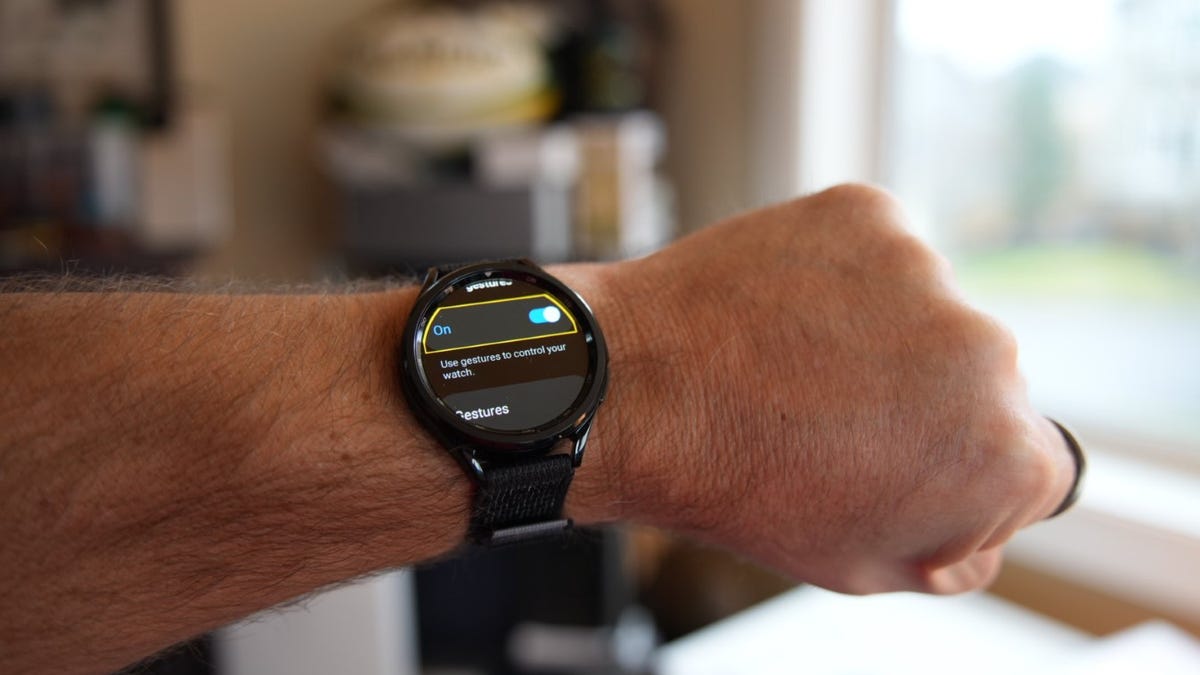
The Samsung Galaxy Watch has received FDA clearance for a sleep apnea detection feature, set to be available in the third quarter of this year. The feature will track signs of moderate to severe obstructive sleep apnea by monitoring blood oxygen levels and notifying users through the Samsung Health Monitor app. While the company warns against using it as a replacement for traditional diagnosis and treatment, this new feature aims to help users proactively spot symptoms of sleep apnea and reduce health-related complications.
Google's Pixel 8 Pro has been updated to allow its temperature sensor to measure human body temperature, but the process is described as finicky and not user-friendly. The sensor, located in the rear camera array, requires users to hold the phone close to their forehead and swipe it over the temporal artery, making it difficult to gauge accuracy. Despite receiving FDA clearance, the feature includes disclaimers about accuracy and its inability to detect illness. Overall, the unconventional method and questionable accuracy raise doubts about the practicality and usefulness of this feature for the average user.
Intuitive Surgical has submitted for FDA clearance of its next-generation da Vinci 5 multiport surgical robot, with hopes for a 2024 launch. The company reported strong Q4 results, with revenue up 17% year-over-year. The da Vinci 5 will join Intuitive’s existing robotic surgical system portfolio, and the company is also in discussions with regulators in Japan and South Korea. Intuitive is gearing up for da Vinci 5 manufacturing and promises more details about its features and benefits after FDA clearance.
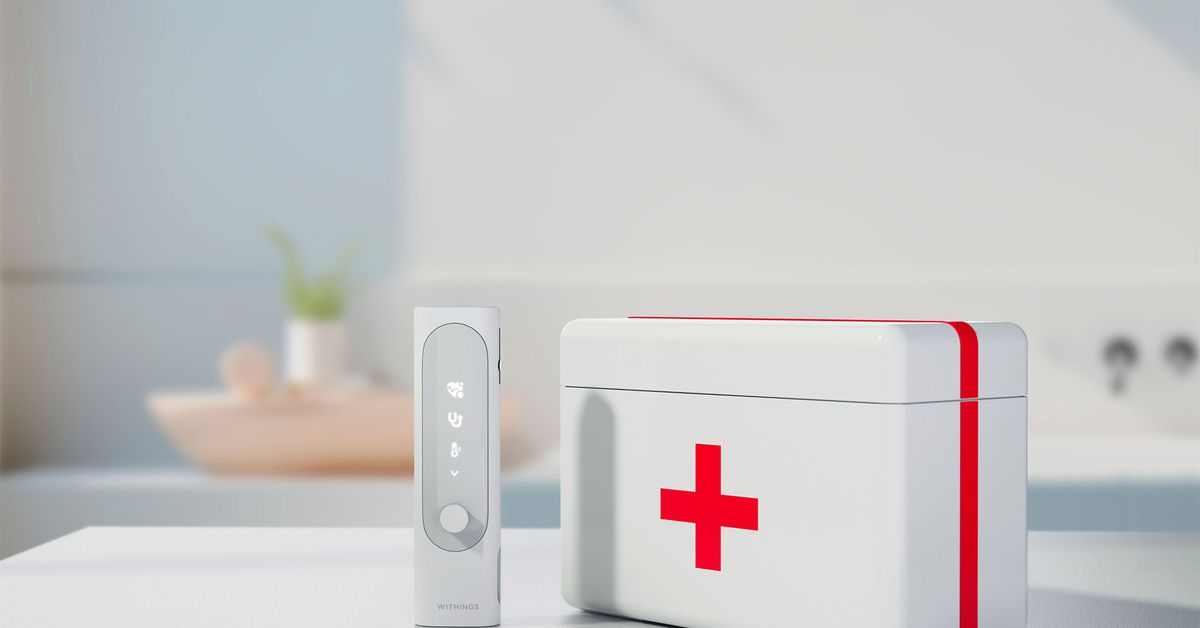
Withings has unveiled the BeamO, a $249.95 multiscope device that combines a thermometer, pulse oximeter, EKG, and stethoscope for at-home health monitoring. The device uses PPG sensors, electrodes, and a digital stethoscope to measure temperature, take EKG readings, and monitor blood oxygen levels and heart and lung health. Withings plans to launch the BeamO in June, but FDA clearance for EKG and AFib detection features may cause delays, as seen with previous products. Despite this, Withings continues to expand its at-home health platform, aiming to enhance telehealth capabilities with the BeamO.
The use of wearable technology for monitoring babies' vital signs, such as heart rate and oxygen levels, has become increasingly popular among parents seeking peace of mind. However, experts warn that these devices may not be as accurate as claimed and can actually fuel parental anxiety. The recent FDA clearance of the Owlet Dream Sock, an infant wearable, has raised questions about the effectiveness and safety of such devices. While they may provide some reassurance for parents of high-risk infants, experts caution against relying on them for healthy babies and emphasize the importance of following safe sleep guidelines. Ultimately, parents should consider the potential impact on their mental health and consult with healthcare professionals before using wearable baby monitors.
Vivos Therapeutics has achieved a significant milestone with its first-ever 510(k) clearance from the FDA for the treatment of severe obstructive sleep apnea (OSA) in adults using its removable CARE oral appliances. This clearance allows Vivos to offer an alternative treatment option to patients with severe OSA, providing an alternative to CPAP therapy or surgical neurostimulation implants. It is the first time the FDA has granted approval for an oral appliance to treat both moderate and severe OSA in adults aged 18 and older. Vivos Therapeutics aims to improve the quality of life for individuals suffering from sleep apnea by providing effective and accessible treatment options.
Vivos Therapeutics has received clearance from the US FDA for its oral device designed to treat severe obstructive sleep apnea (OSA). This marks the first-ever clearance for an oral appliance to treat moderate and severe OSA in adults. The device gradually repositions the airway's hard and soft tissues, optimizing its function and flow. Study data supported the FDA's decision, showing a 50% improvement in the index used to determine the presence and severity of the disease. Shares of Vivos Therapeutics more than doubled in premarket trading following the announcement.
Vivos Therapeutics has received FDA 510(k) clearance for its oral appliances, becoming the first company to offer an alternative treatment for severe obstructive sleep apnea (OSA) in adults. The clearance allows Vivos to market its removable CARE oral appliances as a clear alternative to CPAP or surgical neurostimulation implants for patients with severe OSA. The FDA clearance also marks the first time an oral appliance has been approved to treat moderate and severe OSA in adults. The statistically significant data submitted to the FDA showed that 80% of severe OSA patients experienced an improvement in their condition, with an average treatment time of just 9.7 months. Vivos' proprietary CARE appliances gradually reposition the hard and soft tissues of the airway, optimizing its function and flow.
Tenax Therapeutics has received FDA clearance for its Investigational New Drug (IND) application for TNX-103, an oral levosimendan, for the treatment of pulmonary hypertension with heart failure with preserved ejection fraction (PH-HFpEF). The company plans to initiate the first of two Phase 3 studies, called the LEVEL Study, in the fourth quarter of 2023. The primary endpoint for both Phase 3 studies will be the six-minute walk distance (6MWD). The FDA does not require a cardiovascular outcomes trial for this indication. TNX-103 has the potential to address the underlying pathophysiology of PH-HFpEF and could provide a new approach for reducing high central and venous blood pressures associated with the condition.
Tenax Therapeutics has received FDA clearance for its Investigational New Drug (IND) application for TNX-103, an oral levosimendan, for the treatment of pulmonary hypertension with heart failure with preserved ejection fraction (PH-HFpEF). The company plans to initiate the first of two Phase 3 studies, called the LEVEL Study, in the fourth quarter of 2023. The Phase 3 program aims to enroll 300 patients for 6 months and 100 patients for 1 year, with the primary endpoint being the 6-minute walk distance. The FDA does not require a cardiovascular outcomes trial, and the use of oral levosimendan in PH-HFpEF is protected by a patent until 2040. PH-HFpEF currently has no FDA-approved treatments, and the prevalence is estimated to exceed 2 million patients in North America by 2030.