Tag

Archaeological Excavation

All articles tagged with #archaeological excavation

"Exploring the Secret Tunnel Network of an 800-Year-Old Abandoned Home in France"

Originally Published 1 year ago — by Yahoo! Voices

Featured image for "Exploring the Secret Tunnel Network of an 800-Year-Old Abandoned Home in France"
Source: Yahoo! Voices

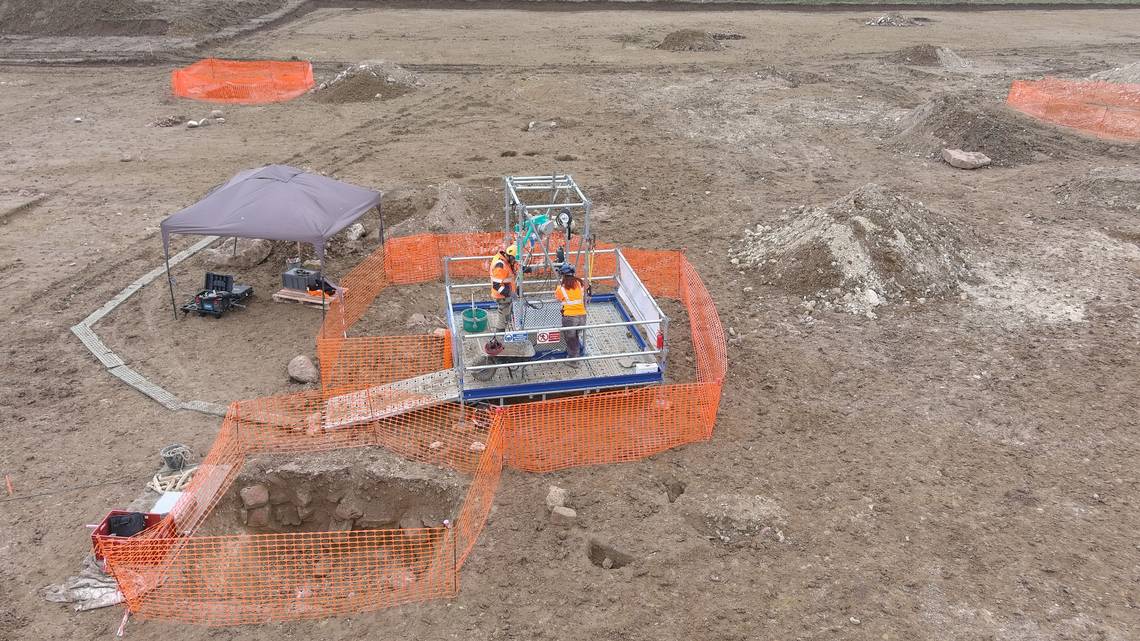
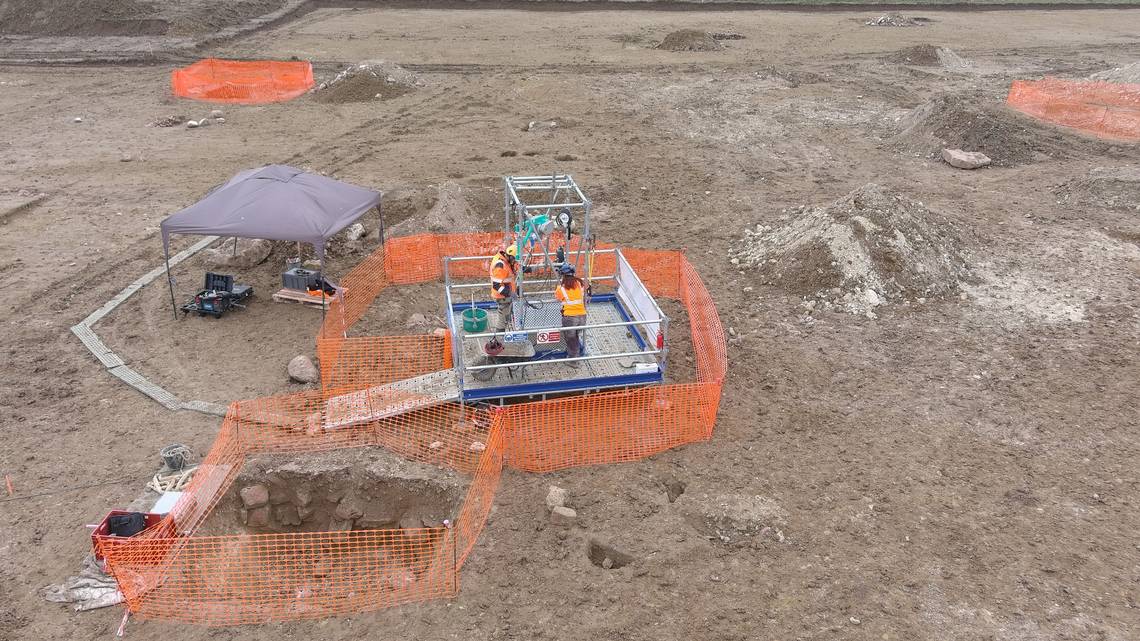
Archaeologists in Distré, France, uncovered a network of hidden tunnels at an 800-year-old site, along with evidence of agricultural and cattle farming, 30 silos, and a water well. The tunnels, extending for about 160 feet with five different rooms, were likely used for storage and possibly for holding small livestock, with potential defensive purposes. The site, occupied from the 10th to 12th centuries, is believed to have served as a collection point for larger agricultural operations, and excavations and analysis are ongoing.
"Exploring the Secret Tunnel Network of an 800-Year-Old Abandoned Home in France"

Originally Published 1 year ago — by Yahoo News

Featured image for "Exploring the Secret Tunnel Network of an 800-Year-Old Abandoned Home in France"
Source: Yahoo News

Archaeologists in Distré, France, uncovered a network of hidden tunnels at an 800-year-old site, revealing an agricultural community from the Middle Ages with evidence of farming and cattle raising. The tunnels, extending for about 160 feet with five different rooms, were likely used for storage and possibly for holding small livestock, and could have served a defensive purpose. The site also featured a water well and extensive storage facilities, indicating it may have served as a collection point for larger agricultural operations. Excavations and analysis of the site are ongoing.

"Neolithic Seafaring: Unearthing Advanced Mediterranean Boats"

Originally Published 1 year ago — by Phys.org

Featured image for "Neolithic Seafaring: Unearthing Advanced Mediterranean Boats"
Source: Phys.org

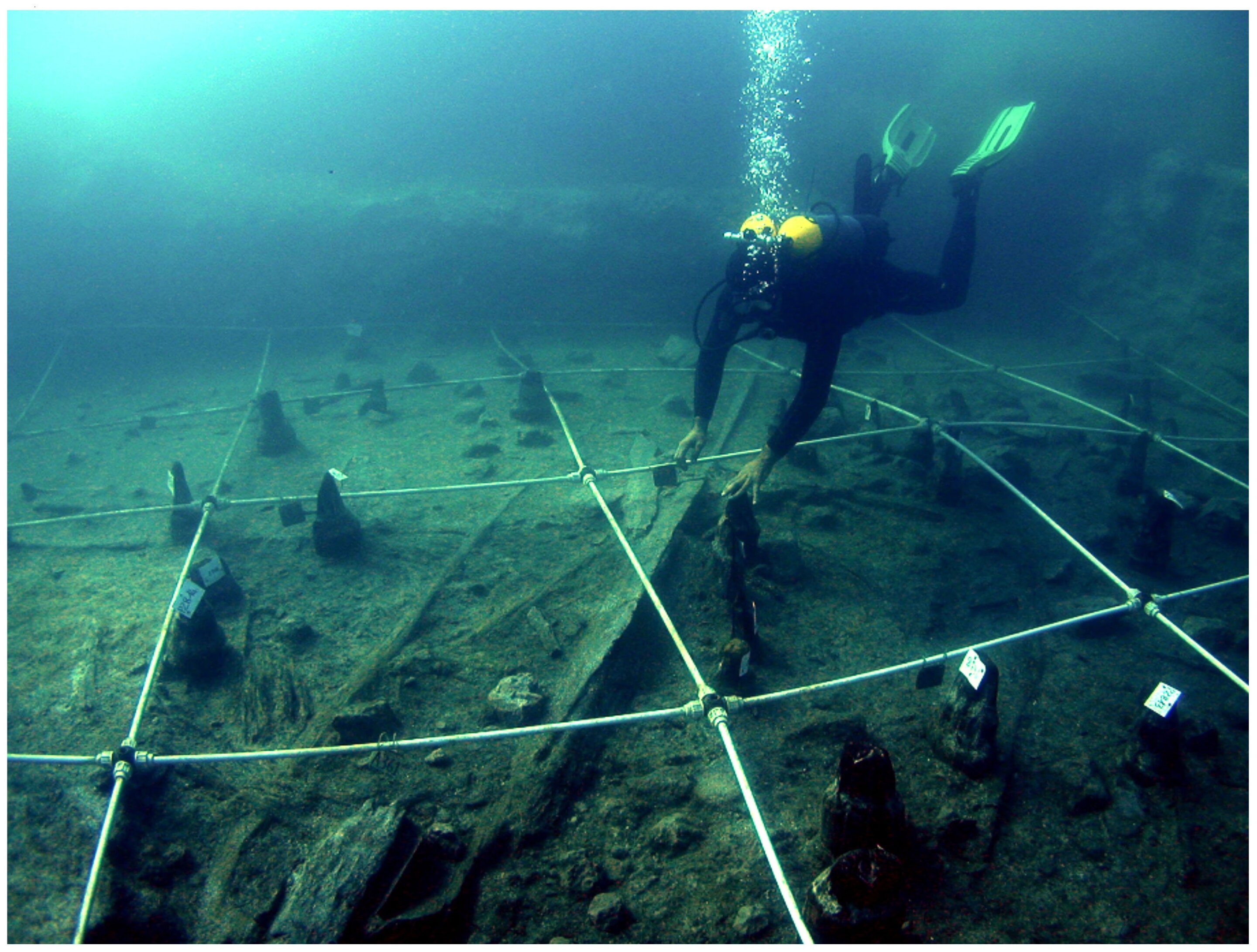
A study published in PLOS ONE reveals that 7,000-year-old canoes excavated at the Neolithic lakeshore village of La Marmotta near Rome, Italy, demonstrate advanced nautical technology. The canoes, dating between 5700 and 5100 BC, were constructed from four different types of wood and feature advanced construction techniques, indicating a detailed understanding of structural design and wood properties. The presence of T-shaped wooden objects associated with one canoe suggests the use of sails or other nautical elements. These findings provide valuable insights into the technological sophistication of early agricultural and pastoral communities and suggest that major advances in sailing were made during the early Neolithic period.

"Unveiling Britain's Frozen in Time Bronze Age Village"

Originally Published 1 year ago — by CNN

Featured image for "Unveiling Britain's Frozen in Time Bronze Age Village"
Source: CNN

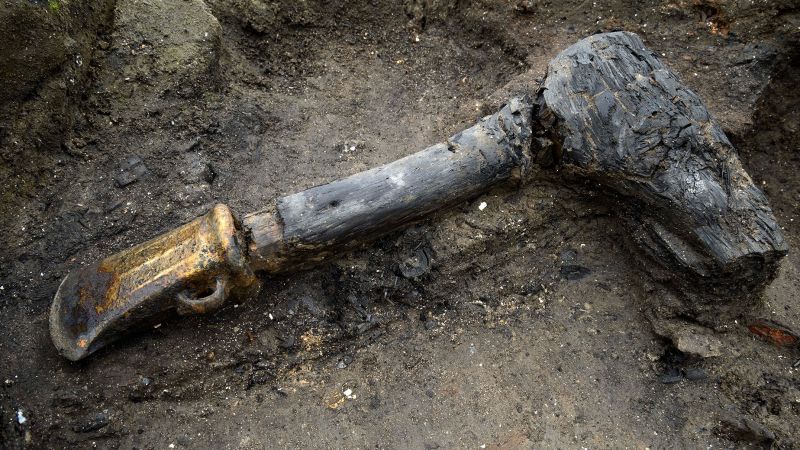
The excavation of Must Farm, a Bronze Age village in eastern England, has revealed a remarkably preserved snapshot of late Bronze Age society, providing comprehensive insights into everyday life in Britain during the ninth century BC. The site, dubbed "Britain's Pompeii," features well-preserved roundhouses, wooden and textile artifacts, and evidence of domestic activities. The village was likely in use for only a year before a devastating fire destroyed it, leaving behind a wealth of artifacts that challenge previous assumptions about Bronze Age societies and their material culture.

"Ancient Lord's Tomb Yields Priceless Gold Ensemble"

Originally Published 1 year ago — by Newsweek

Featured image for "Ancient Lord's Tomb Yields Priceless Gold Ensemble"
Source: Newsweek

Archaeologists have discovered an ancient tomb at the El Caño archaeological site in Panama, containing a significant collection of gold artifacts from the pre-Hispanic Gran Coclé culture, dating back to around A.D. 750. The tomb, believed to belong to a high-status adult male, also contains the remains of potentially sacrificed individuals buried alongside him. The assemblage of gold artifacts, including belts, bracelets, earrings, and other items, is considered to be of "incalculable" historical and cultural value, shedding light on the distinctive artistic style of the Gran Coclé culture.

"Unearthing the Largest Roman Military Base in Israel: 1,800-Year-Old Discovery at 'Armageddon'"

Originally Published 1 year ago — by Daily Mail

Featured image for "Unearthing the Largest Roman Military Base in Israel: 1,800-Year-Old Discovery at 'Armageddon'"
Source: Daily Mail

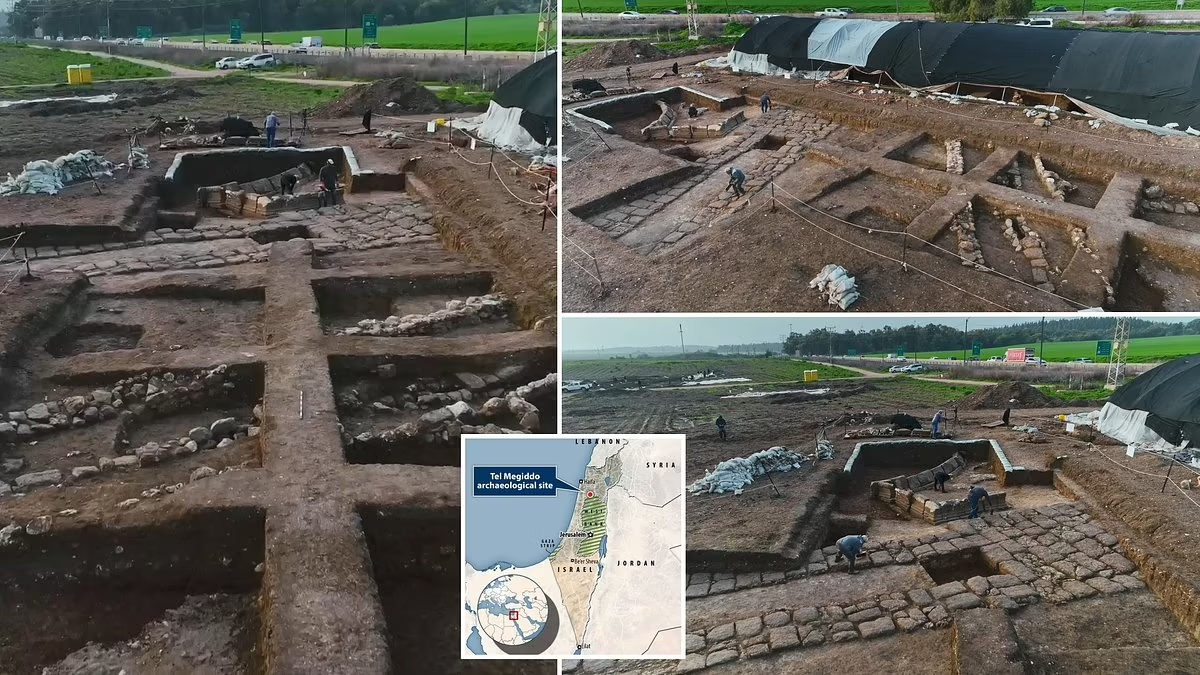
Archaeologists have discovered an 1,800-year-old Roman camp at Armageddon, believed to be the site of the apocalyptic final battle as described in the Book of Revelation. The camp, which housed over 5,000 soldiers from the Sixth Ironclad Legion, was found at the foot of Tel Megiddo in northern Israel. The ancient city of Tel Megiddo, established around 7,000 BCE, has been a site of historical importance and reached its peak during the middle Bronze Age before being destroyed by fire around 1,150 BCE. The excavation also revealed a large, monumental public building, a podium, and the main road of the camp, as well as coins, weapons parts, pottery sherds, and glass fragments.

"Unveiling the Untouched: Archaeologists Discover Wealthy Family's 2,600-Year-Old Tomb"

Originally Published 2 years ago — by CBS News

Featured image for "Unveiling the Untouched: Archaeologists Discover Wealthy Family's 2,600-Year-Old Tomb"
Source: CBS News

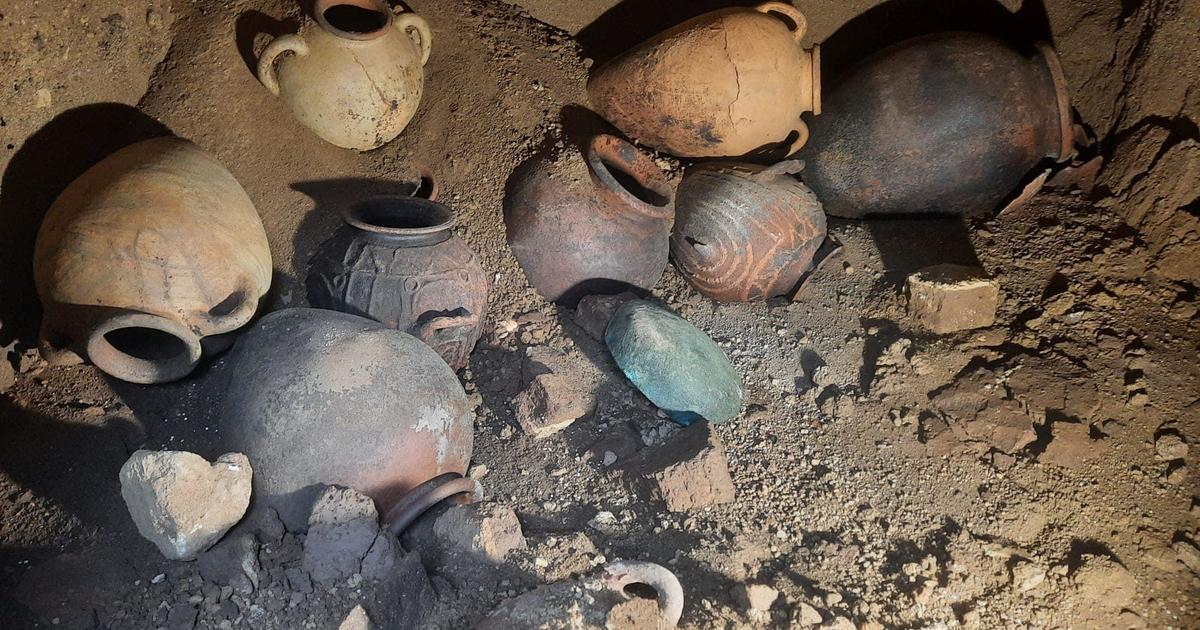
Italian archaeologists have opened a 2,600-year-old tomb in Montalto di Castro, Italy, belonging to a wealthy Etruscan family. The tomb, found remarkably intact, contained a collection of pottery, amphorae filled with wine from Greece, utensils, cups, iron objects, ceramics, decorative accessories, and a bronze cauldron. The discovery provides insights into the wealth and burial practices of the Etruscans, who dominated Italy until the Roman Empire's expansion in the 4th century B.C. The tomb's complex structure and layout also intrigue archaeologists and historians.

"Unearthing Scotland's Ancient Neolithic Tomb: 5,000-Year-Old Skeletons Revealed"

Originally Published 2 years ago — by AOL

Featured image for "Unearthing Scotland's Ancient Neolithic Tomb: 5,000-Year-Old Skeletons Revealed"
Source: AOL

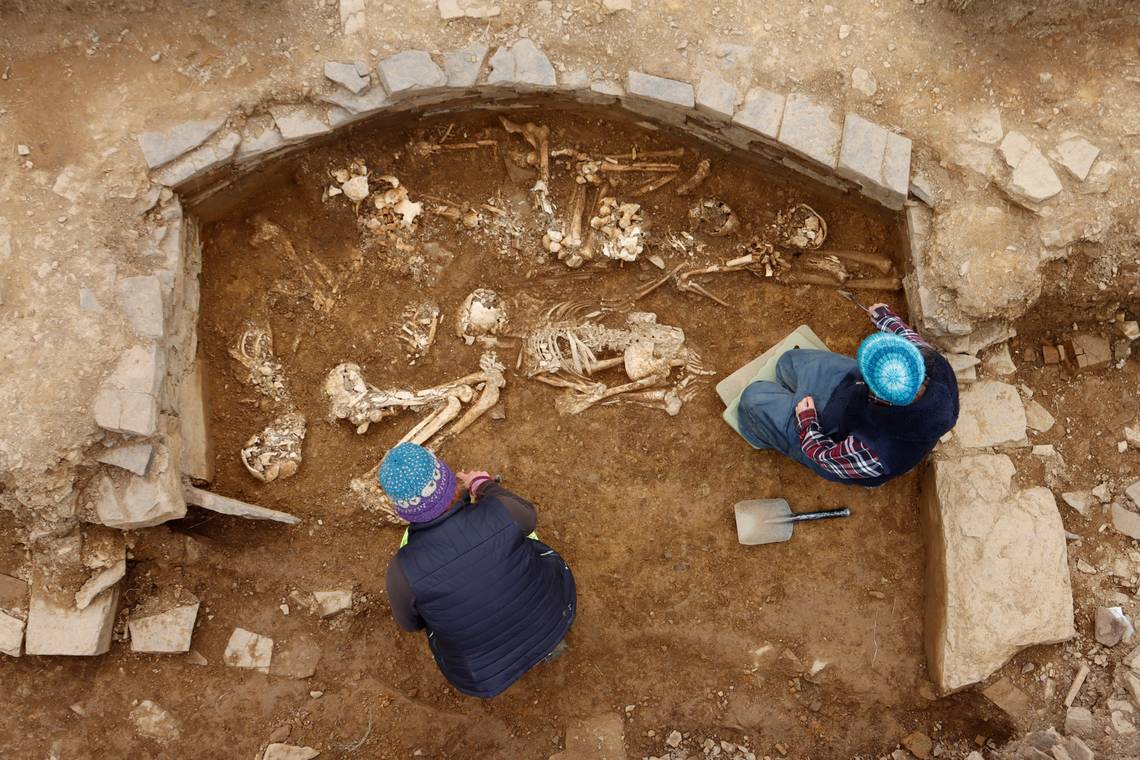
An "incredibly rare" Neolithic tomb, estimated to be 5,000 years old, has been discovered buried under a field in Orkney, Scotland. The tomb, known as a "Maes Howe-type" passage grave, features a 50-foot-wide stone mound with a central chamber and six smaller rooms. Fourteen human skeletons, along with stone tools, pottery, and a bone pin, were found inside. The excavation director expressed astonishment at the size and construction of the tomb, which was nearly lost without record.

Ancient Peruvian Pyramid Yields Remarkably Preserved 1,000-Year-Old Mummy

Originally Published 2 years ago — by Newsweek

Featured image for Ancient Peruvian Pyramid Yields Remarkably Preserved 1,000-Year-Old Mummy
Source: Newsweek

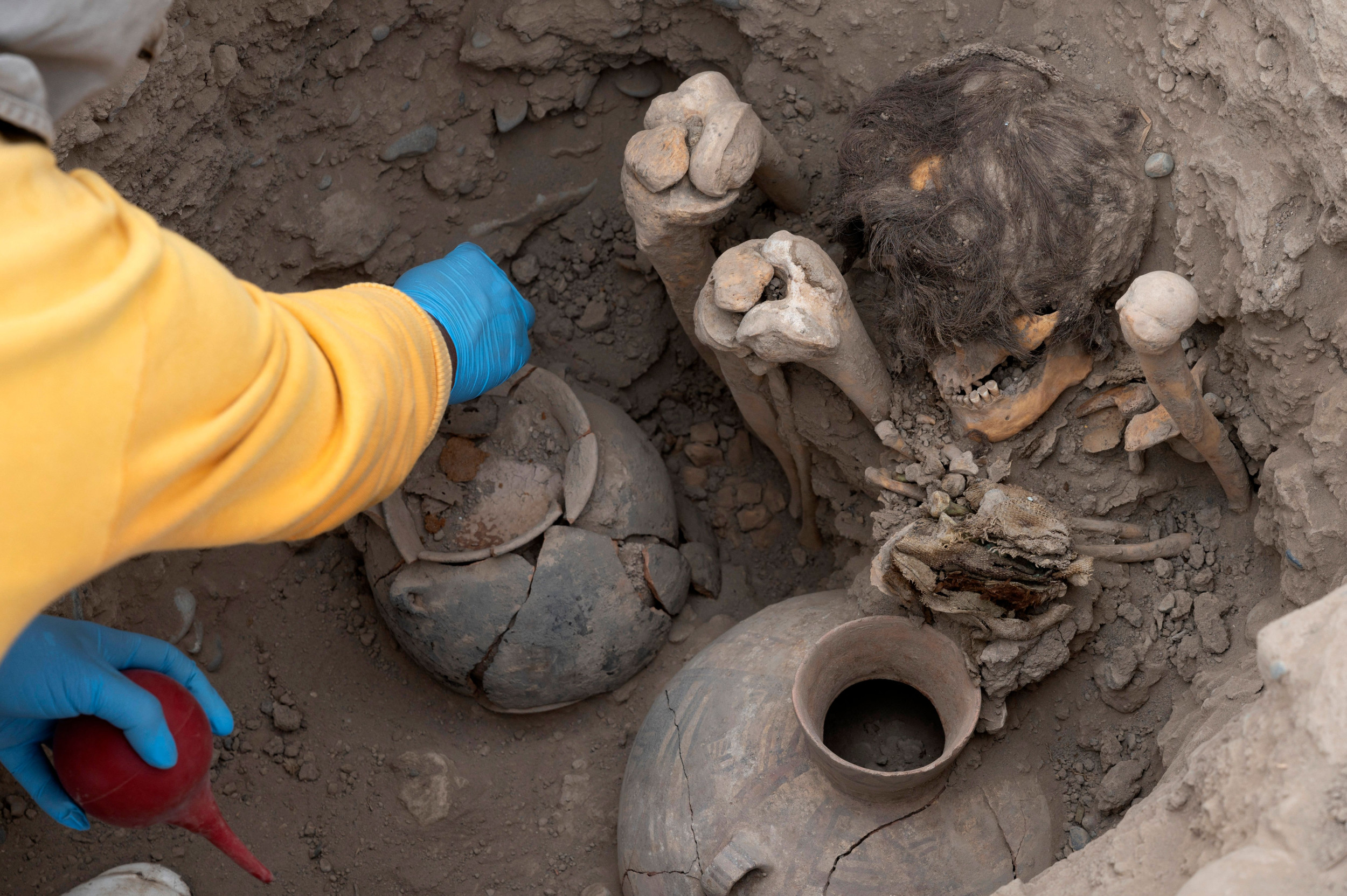
Archaeologists in Peru have discovered a 1,000-year-old mummy belonging to the pre-Inca Ychsma culture at the Huaca Pucllana archaeological site in Lima. The mummy was found buried in a simple grave at the top of the pyramid, along with ceramic vessels and other artifacts. The Huaca Pucllana site served as an important ceremonial center for the Lima culture and later the Ychsma culture, which used it as a burial ground. The discovery sheds light on the ancient history of the region and the preservation of the site amidst modern urban development.

"Hidden Marvels: Ancient Underground Structures Discovered beneath Zerzevan Castle in Turkey"

Originally Published 2 years ago — by NPR

Featured image for "Hidden Marvels: Ancient Underground Structures Discovered beneath Zerzevan Castle in Turkey"
Source: NPR

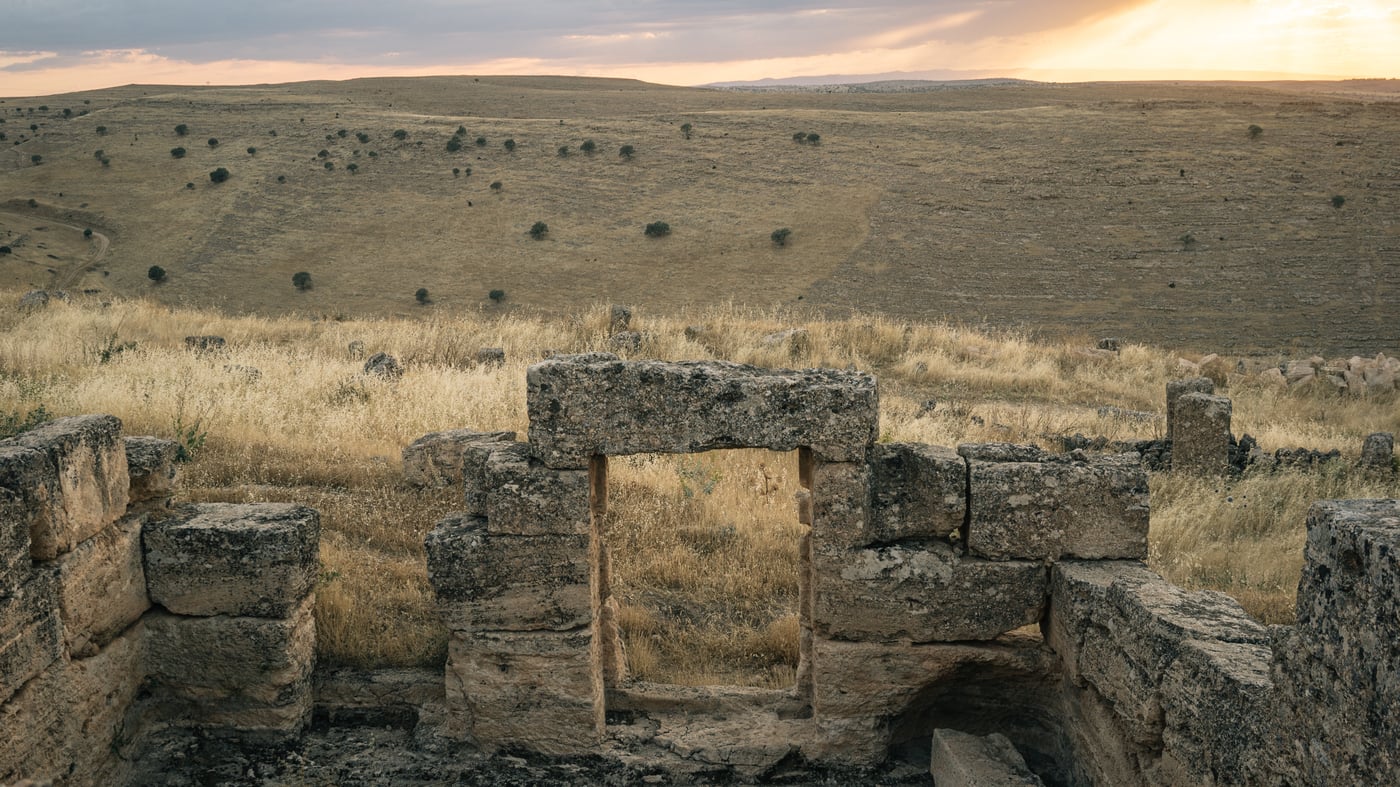
Archaeologists in Turkey have discovered massive structures below Zerzevan Castle, a Roman-era military garrison, through ground-penetrating radar scans. These structures, yet to be excavated, are revealing artifacts dating back to pre-Roman times and may change the understanding of the region's ancient history. The site also includes the well-preserved Mithras Temple, believed to be the best-preserved temple of its kind in the world. Excavations in the area are expected to continue for another three decades.

"Unearthing a Rare Stone Age Find in Mid-Norway"

Originally Published 2 years ago — by Phys.org

Featured image for "Unearthing a Rare Stone Age Find in Mid-Norway"
Source: Phys.org

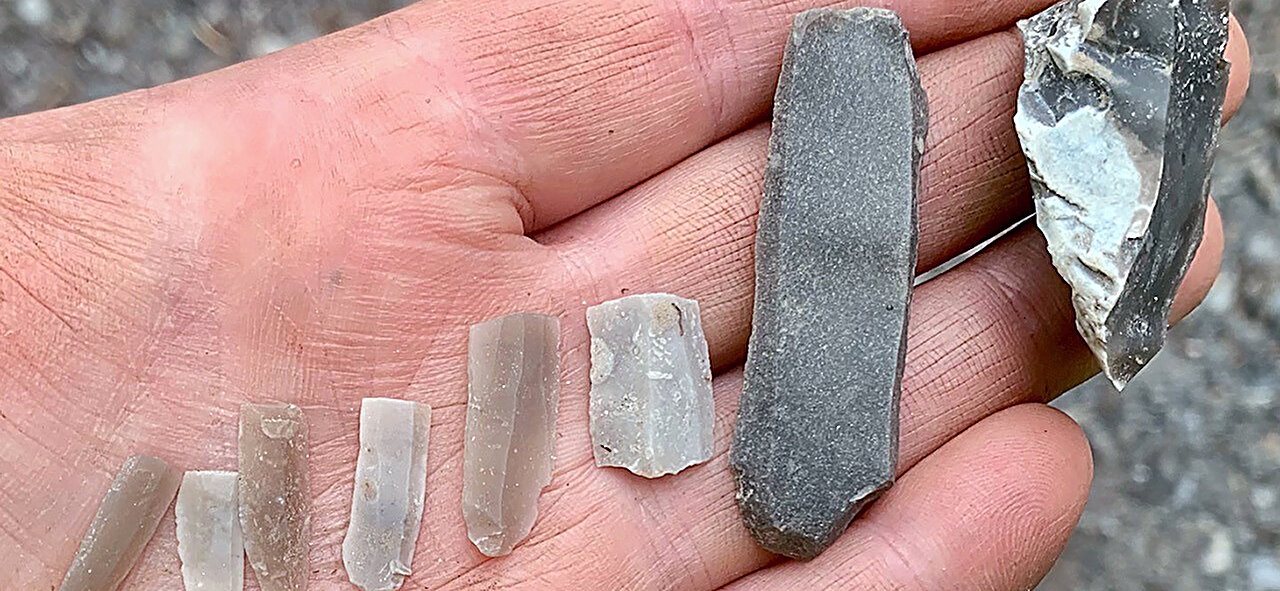
Archaeologists conducting an excavation in Vinjeøra, Norway, made a surprising discovery of artifacts from the Stone Age, specifically from people who migrated to Finnmark from the east around 9000 BC. These artifacts, including small and medium-sized flint objects with straight and parallel edges, indicate a different stone technology than the pioneer culture associated with the southwest migration. The findings suggest that two waves of migration occurred in Scandinavia after the retreat of the ice, with the eastern immigrants bringing new technology and mixing with the existing population. The lack of evidence from the eastern immigrants along the western coast is due to changes in sea level erasing most of the settlements. The discovery is considered rare and exciting for archaeologists.

"Lost Observatory Unearthed: Michigan State Students Make Historic Discovery on Campus"

Originally Published 2 years ago — by The Washington Post

Featured image for "Lost Observatory Unearthed: Michigan State Students Make Historic Discovery on Campus"
Source: The Washington Post

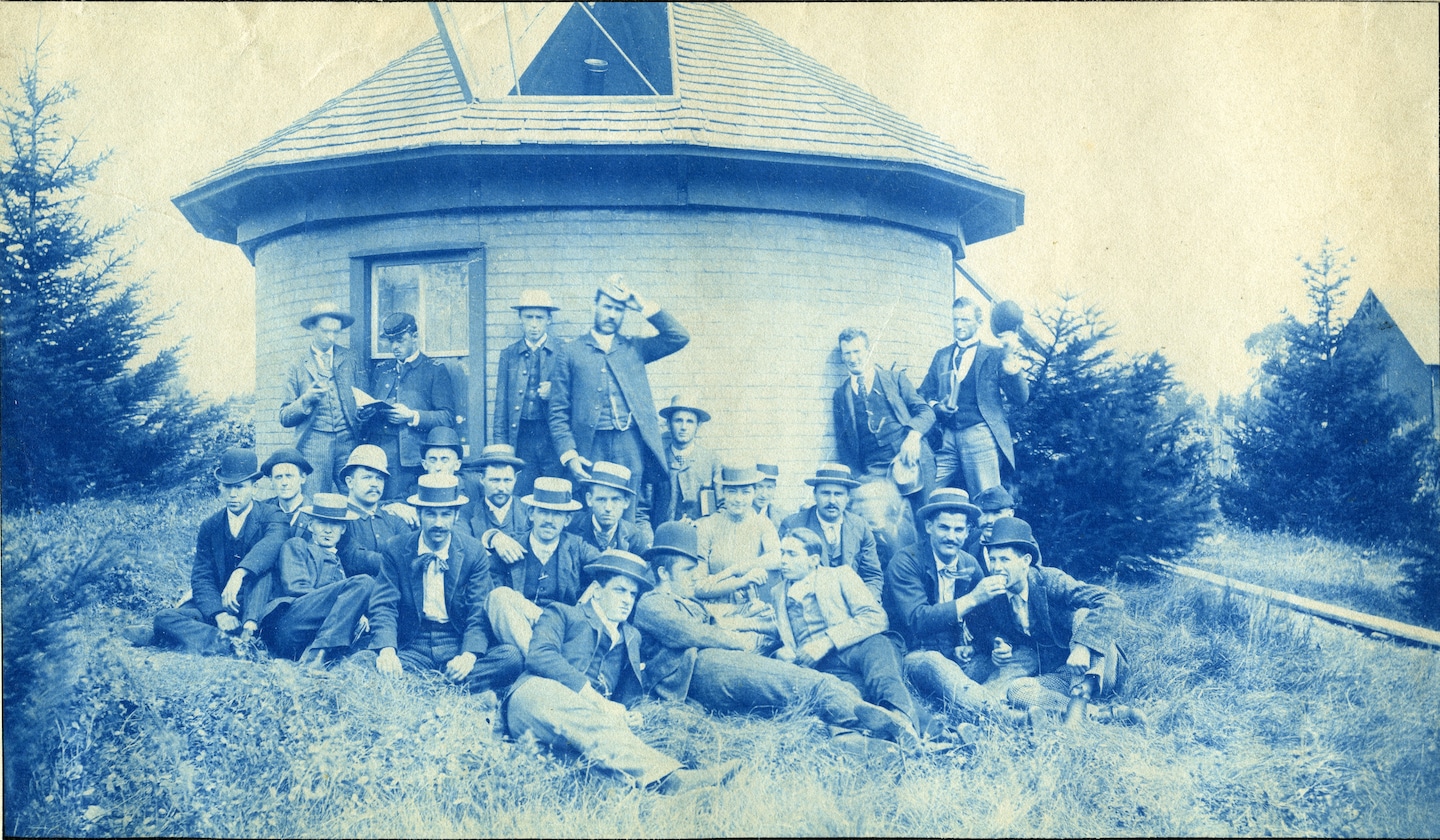
Students working with Michigan State University's Campus Archaeology Program have discovered the cobblestone foundation of a 142-year-old observatory buried near a student residence hall on campus. The site, which dates back to 1881, will become a dig site for undergraduates and local residents to practice archaeological techniques. The discovery was made when construction workers hit a hard surface while installing hammock poles, leading researchers to consult school records and uncover the historical significance of the area. Further excavation could provide insights into campus life and the university's early astronomy studies.

Unearthing Giant Prehistoric Handaxes in England

Originally Published 2 years ago — by The Jerusalem Post

Featured image for Unearthing Giant Prehistoric Handaxes in England
Source: The Jerusalem Post

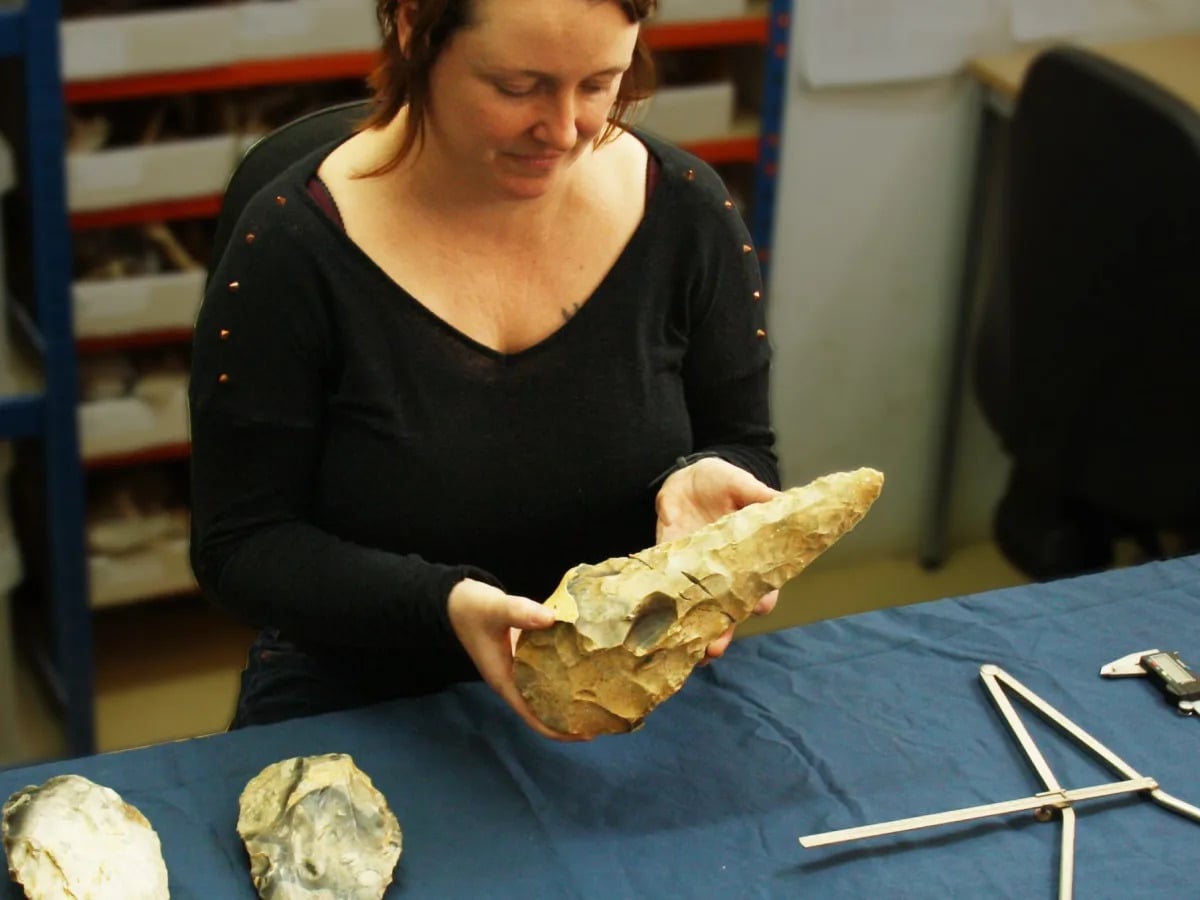
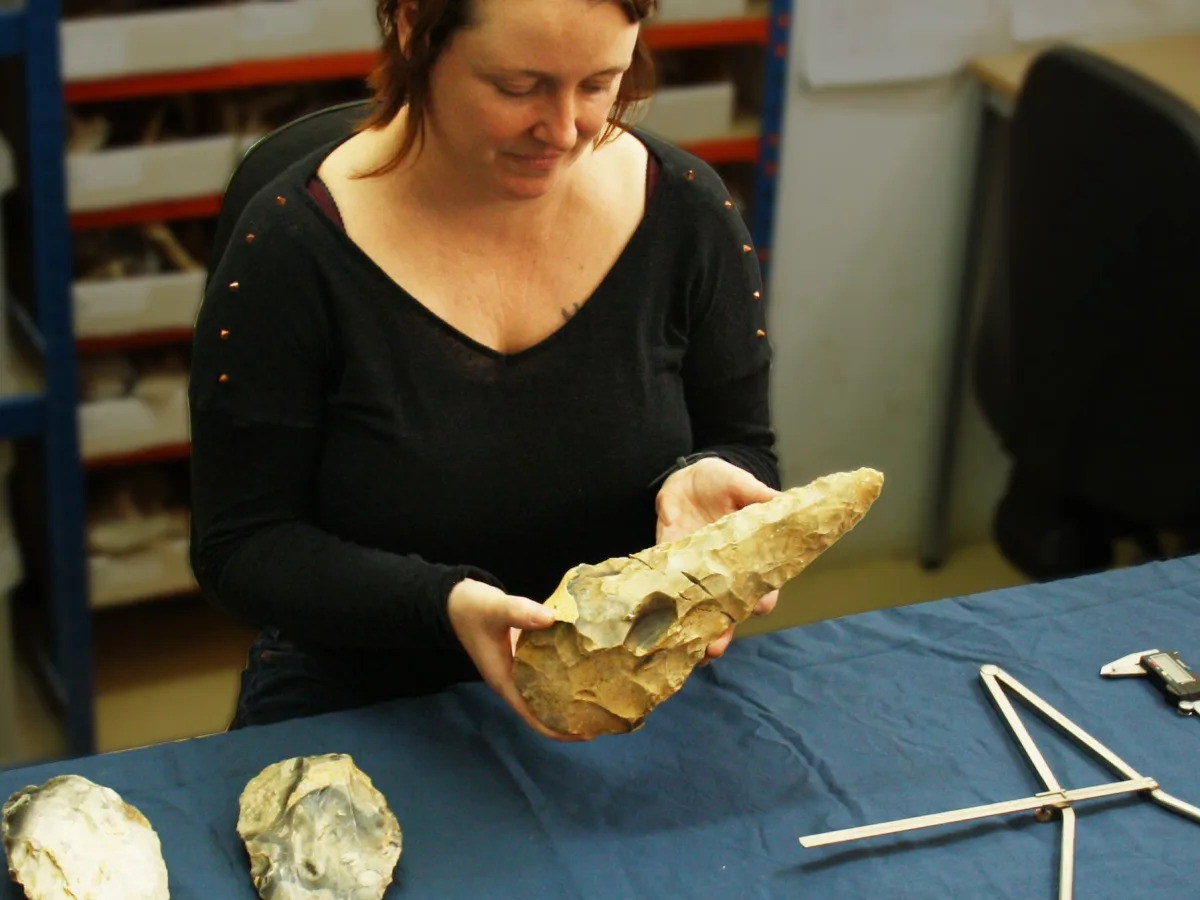
Archaeologists from UCL Institute of Archaeology have discovered a pair of giant handaxes, including the third largest ever found in Britain, at an archaeological site in Frindsbury, Kent. The handaxes, weighing over 3.5 pounds and estimated to be over 300,000 years old, are believed to have been used for specialized purposes or in symbolic/cultural practices. The discovery offers an opportunity to learn more about the early humans who made these tools and their significance.

"Enigmatic Oversized Hand Axes Baffle Scientists at Ancient Ice Age Site in England"

Originally Published 2 years ago — by Yahoo! Voices

Featured image for "Enigmatic Oversized Hand Axes Baffle Scientists at Ancient Ice Age Site in England"
Source: Yahoo! Voices

Two giant hand axes, over 300,000 years old, have been discovered in England. These prehistoric tools, measuring over 22cm long, are difficult to handle and may have been used for demonstrations of strength and skill. Archaeologists believe they were used for butchering or skinning animals, but their large size suggests a possible symbolic or less practical function. The site where they were found was a prime hunting ground during the Ice Age, inhabited by early humans and Neanderthals. The purpose and creators of these unusually large hand axes remain a mystery.

"Enigmatic Oversized Hand Axes Baffle Scientists at Ancient Ice Age Site in England"

Originally Published 2 years ago — by Yahoo News

Featured image for "Enigmatic Oversized Hand Axes Baffle Scientists at Ancient Ice Age Site in England"
Source: Yahoo News

Two giant hand axes, over 300,000 years old, have been discovered in England. These prehistoric tools, measuring over 22cm long, are so large that it is difficult to imagine how they were used practically. Archaeologists speculate that they may have been used for demonstrations of strength and skill, rather than for practical purposes like butchering or skinning animals. The discovery offers an opportunity to learn more about the early humans who made these tools and the reasons behind their size.