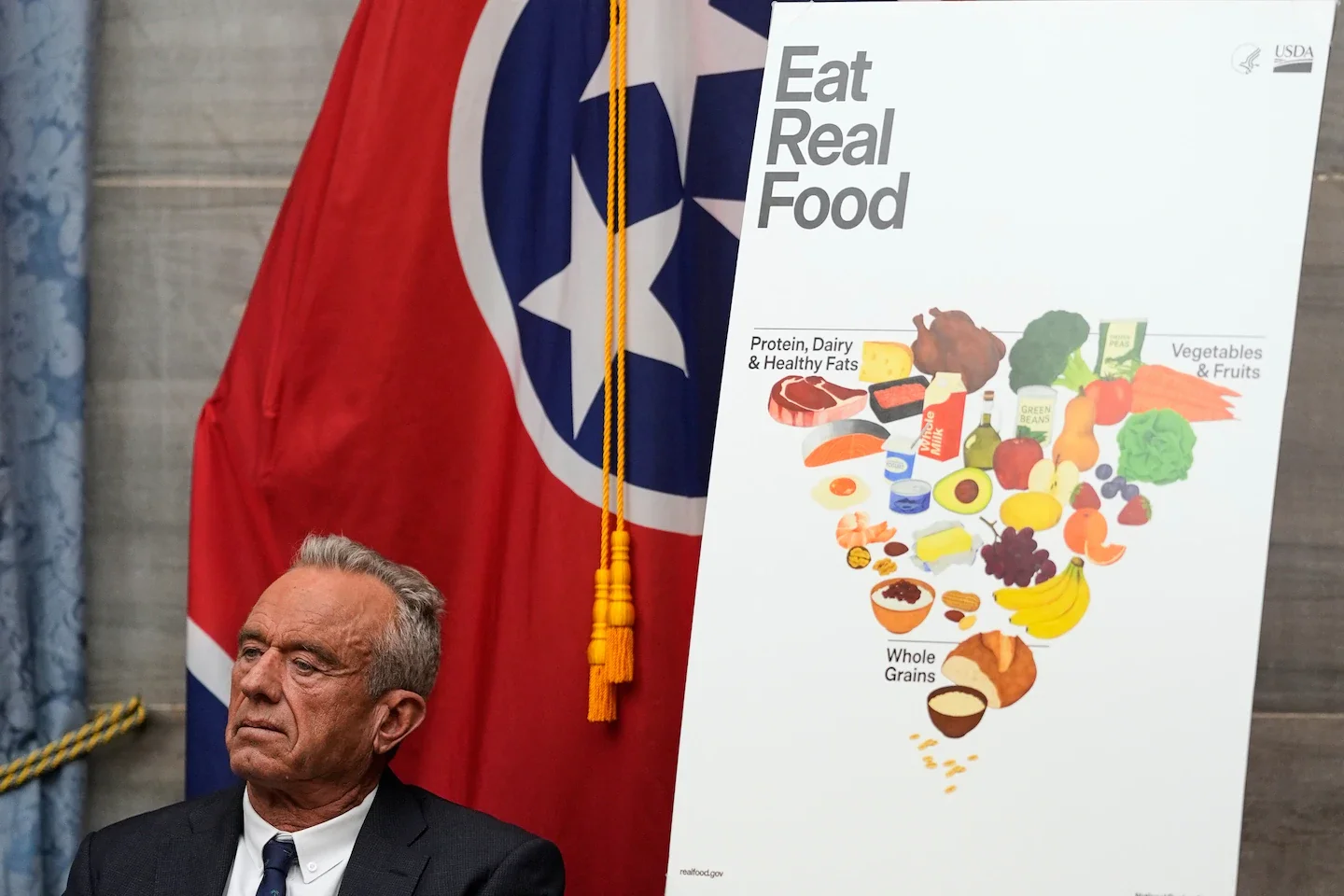
The new US dietary guidelines, despite being promoted as a major update, largely reinforce traditional advice with some controversial shifts, notably emphasizing meat and dairy consumption and presenting a confusing upside-down food pyramid that may mislead the public. While they promote eating real, minimally processed foods, they also contain contradictions and political symbolism that diverge from scientific consensus, especially regarding plant-based proteins and saturated fats. Overall, their practical impact is limited as most Americans do not follow government nutrition advice.
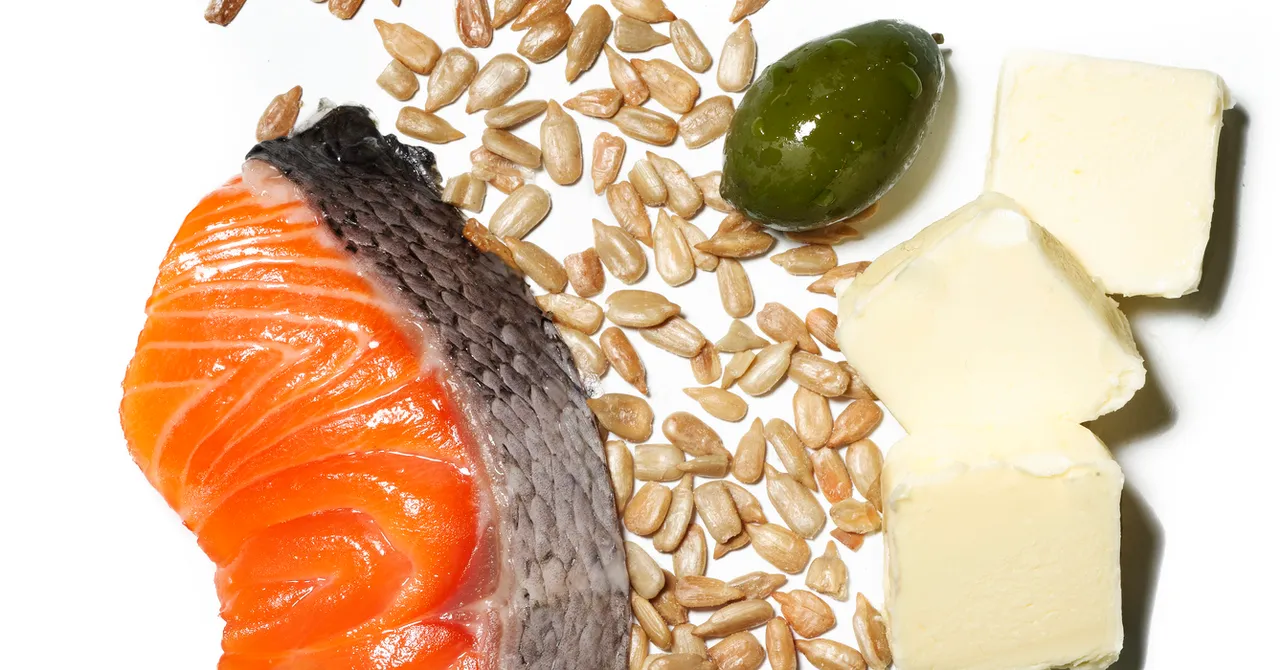
The article discusses potential changes to U.S. dietary guidelines influenced by Health Secretary Robert F. Kennedy Jr., who advocates for increased saturated fat consumption, contrary to longstanding scientific consensus that links saturated fats to cardiovascular disease. The current guidelines recommend limiting saturated fat intake to less than 10% of daily calories, emphasizing plant-based unsaturated fats for better heart health. Experts warn that ignoring scientific evidence could impact public health recommendations.
Originally Published 6 months ago — by MindBodyGreen
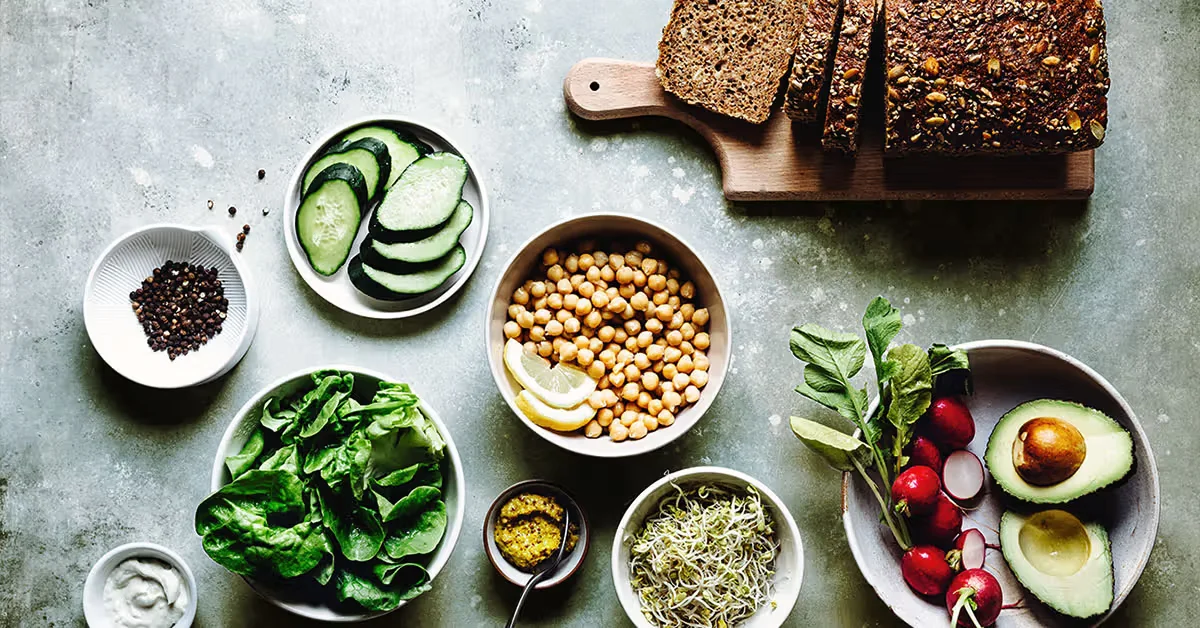
Dr. Amy Shah highlights practical, research-backed superfoods like kiwi, blueberries, citrus, and cocoa that support cognition, mood, sleep, and gut health, emphasizing simple dietary changes for long-term well-being.
A controversial study on the ketogenic diet's effects on cholesterol and artery plaque has sparked intense debate in the nutrition community, with critics questioning its methodology and conclusions, while some advocates see it as challenging long-standing beliefs about LDL cholesterol and heart disease.
A new study presented at a meeting of the American Heart Association suggests that intermittent fasting, particularly eating within an eight-hour window and fasting for at least 16 hours, may be linked to a significantly higher risk of dying from heart disease and stroke. However, some experts caution that the findings are not conclusive, as the study relied on self-reported diet data and did not specifically ask if respondents were intermittently fasting. While the results may not yet be cause for alarm, they highlight the complexities of nutrition science and the need for further research on intermittent fasting.
Nutritional studies have repeatedly shown an association between ice cream and a lower risk of diabetes and heart problems, despite it being a dessert loaded with saturated fat and sugar. Researchers generally don't like to talk about it or trumpet it in research. The possible factors in ice cream's favor include its relatively low glycemic index, but self-reporting study participants often lie about what they're eating. However, none of the experts interviewed for the article is inclined to believe that the ice-cream effect is real.