health-and-nutrition8 months ago
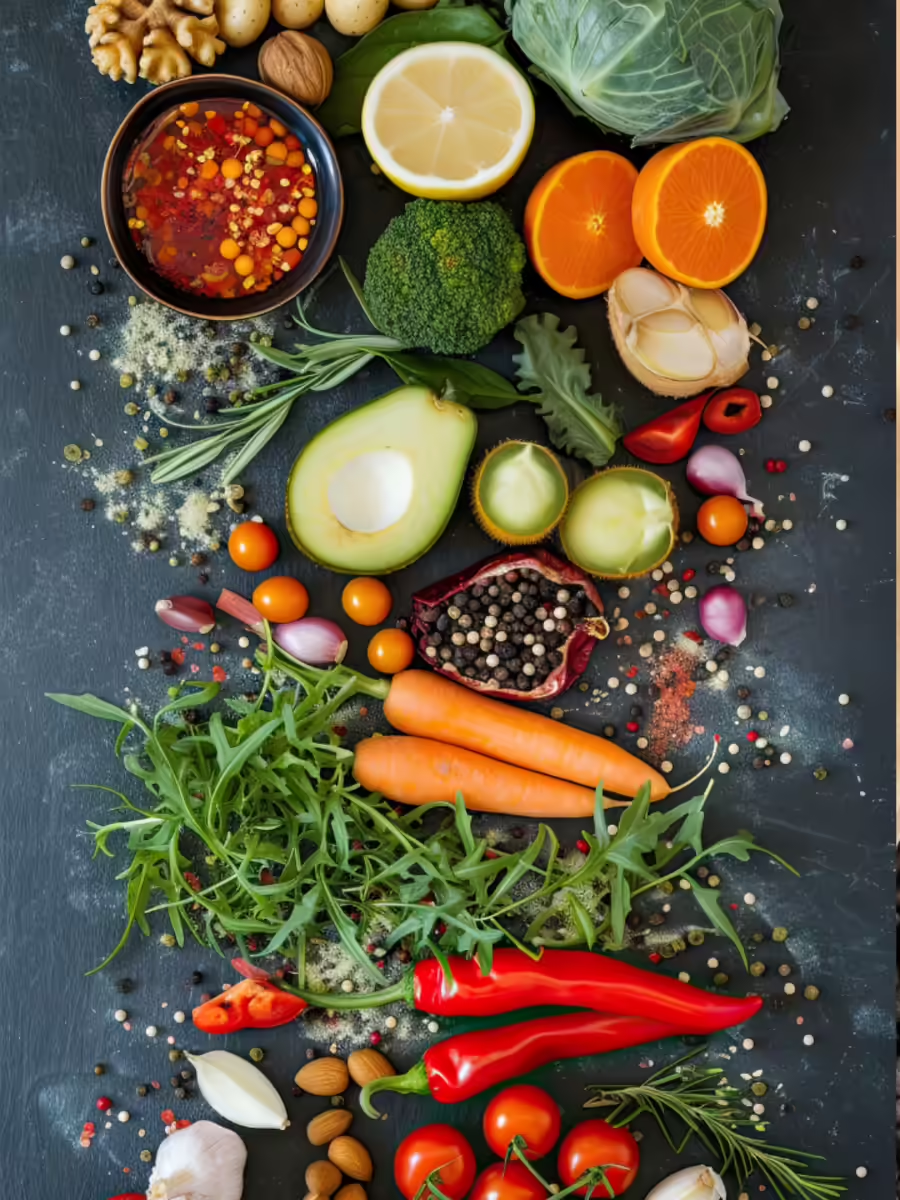
Top 10 Iron-Rich Vegetarian Foods
The article lists the top 10 vegetarian foods that are highest in iron, emphasizing their importance for maintaining healthy iron levels in a vegetarian diet.

All articles tagged with #iron rich foods
The article lists the top 10 vegetarian foods that are highest in iron, emphasizing their importance for maintaining healthy iron levels in a vegetarian diet.
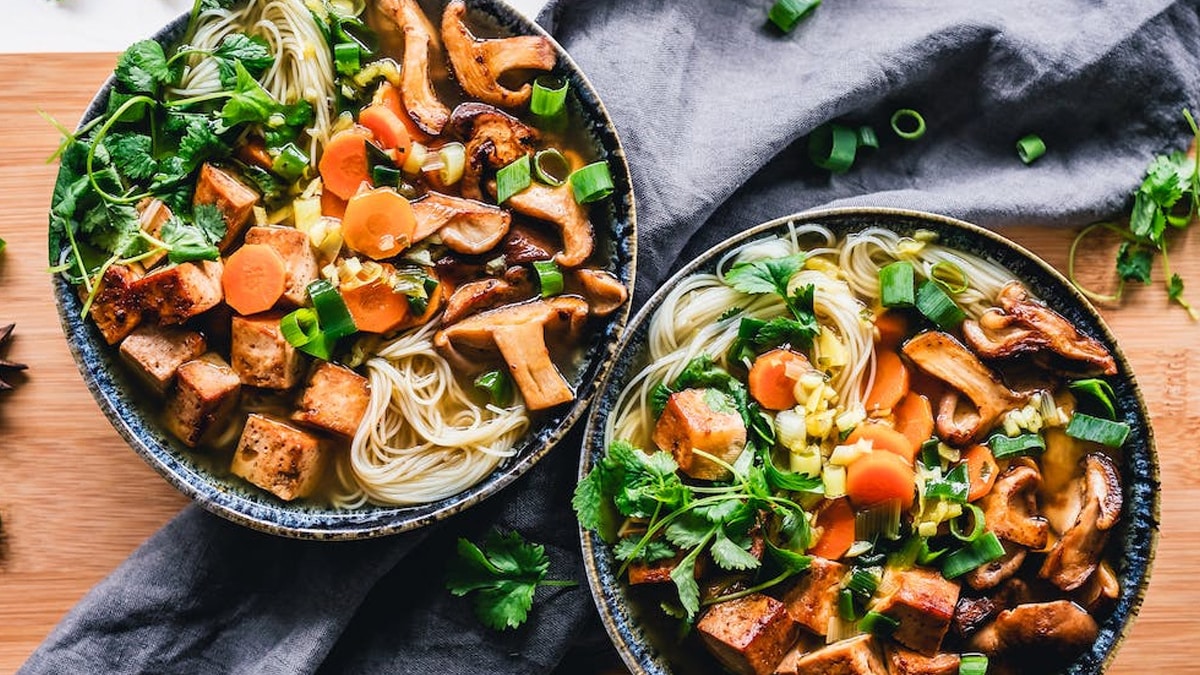
As winter approaches, it's important to make dietary changes to stay healthy and energized. Iron-rich foods are particularly beneficial during this season to combat nutrient deficiencies and boost immunity. Vegetarian options like spinach, lentils, tofu, cashews, and pumpkin seeds are excellent sources of iron and can be incorporated into various recipes such as palak dal, stuffed chickpea paratha, tofu bhurji, cashew balls, and roasted pumpkin seeds. These recipes provide a delicious way to increase iron intake and combat feelings of sluggishness during winter.

Feeling tired may be a sign of iron-deficiency anemia, a condition where the body lacks enough healthy red blood cells to carry sufficient oxygen. Gastrointestinal issues, certain medications, and underlying health problems can contribute to iron deficiency. To meet iron needs, most adults can rely on their diet, but vegans and vegetarians may need to consume more iron-rich foods due to lower absorption rates. Consuming vitamin C alongside plant-based iron sources can enhance absorption. However, coffee and tea should be avoided as they reduce iron absorption. While iron supplements may seem like a solution, it is important to consult a doctor first, as they can mask symptoms of other types of anemia and excessive iron intake can have adverse effects on health.
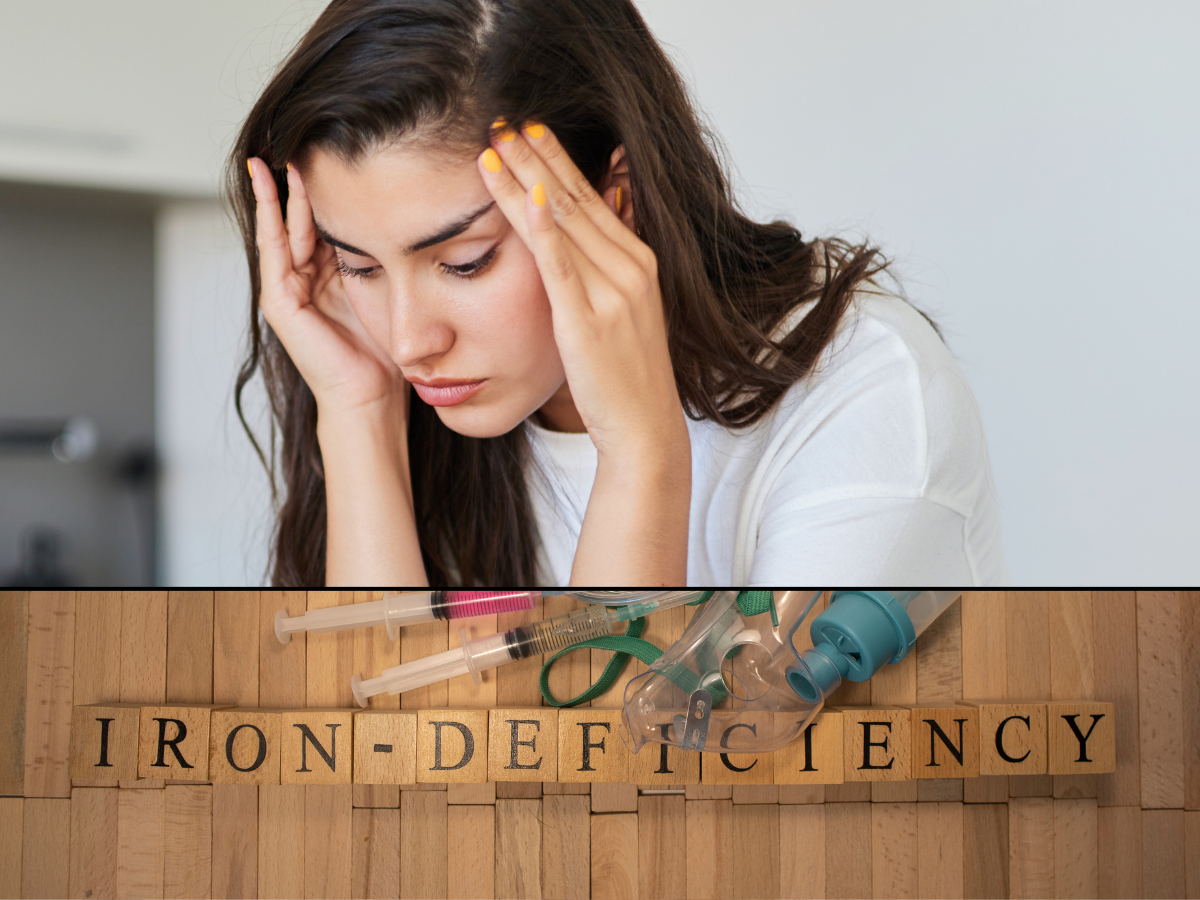
A new study from the University of Michigan Medical School reveals that nearly 40% of girls and young women aged 12 to 21 in the US are deficient in iron. Iron deficiency can lead to anemia and increase the risk of illness and infection. Symptoms of iron deficiency include fatigue, weakness, pale skin, and difficulty concentrating. To combat iron deficiency, it is recommended to consume iron-rich foods such as dark-green leafy vegetables, fortified cereals, meat, dried fruit, and pulses, while reducing consumption of tea, coffee, milk, and dairy.