Tag

Canine Health

All articles tagged with #canine health

science2 months ago

Genetic Secrets of Alaska's Hero Dog Balto Unveiled After a Century

Scientists sequenced Balto's genome to uncover genetic traits linked to resilience and endurance, finding he had fewer harmful mutations and no wolf ancestry, aligning with his historical role as a tough, cold-adapted sled dog. The study highlights the importance of genetic diversity and performance traits in working dogs and demonstrates how museum specimens can provide valuable scientific insights even a century later.

health-pets1 year ago

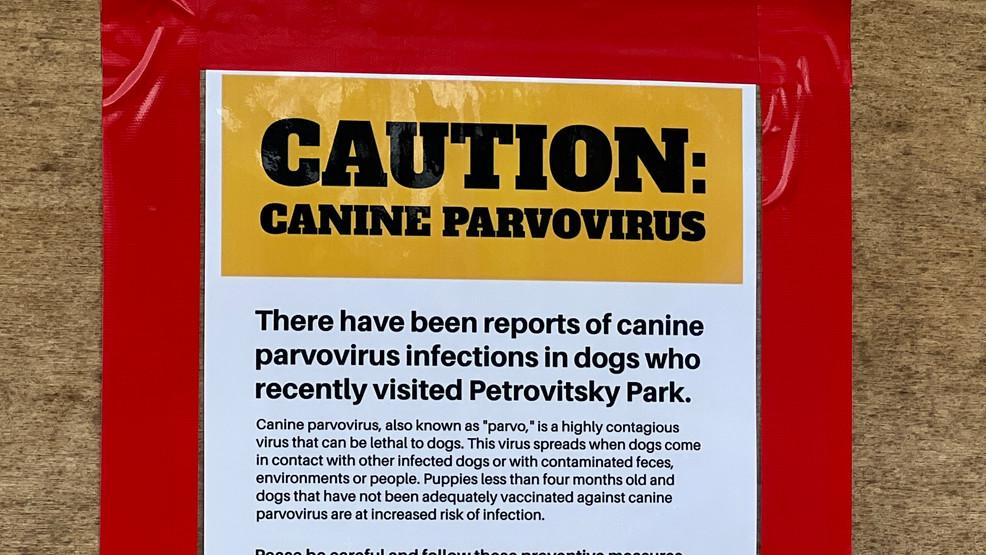
Parvovirus Outbreak in Renton Park Endangers Local Dogs

Canine Parvovirus, also known as "Parvo," has been spreading in King County's Petrovitsky Park, leading to at least three known infections in the last month. The virus is highly contagious and can be fatal to dogs if not promptly treated. Dog owners are advised to ensure their pets are vaccinated and to keep them away from infected dogs and pet waste. Treatment options include vaccines for prevention and monoclonal antibody treatment for infected dogs. It is crucial for dog owners to clean up after their pets to prevent the spread of the virus.

health1 year ago

"Survey Reveals Alarming Trend: Majority of Pet Owners Against Vaccinating Their Animals"

A study found that over 37% of dog owners believe that vaccinations could cause autism in their pets, leading to a growing trend of pet vaccination hesitancy. This trend is attributed to misinformation and financial constraints, and is concerning to animal health experts due to the potential risks of preventable diseases. Veterinarians emphasize the importance of pet vaccinations, particularly for rabies and distemper, and recommend discussing individual vaccination needs with a local veterinarian to ensure protection against severe diseases.

pets-and-animals1 year ago

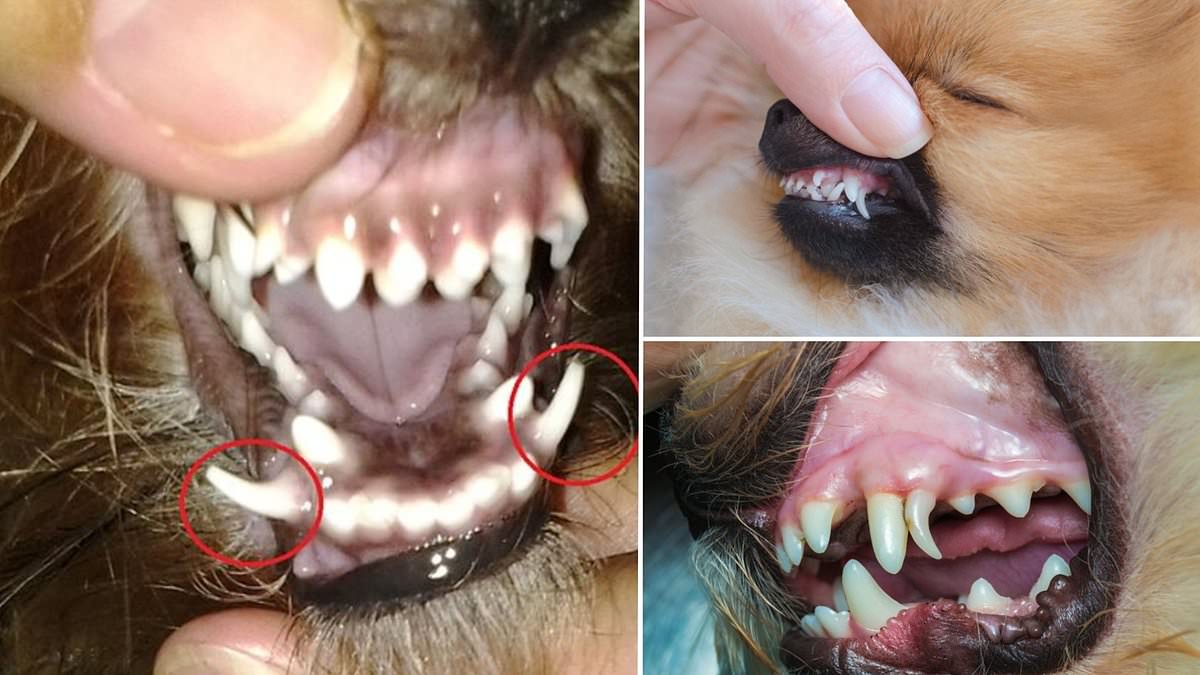
"7% of Dogs Exhibit 'Shark Teeth' with Extra Gnashers"

A new study reveals that seven percent of dogs suffer from 'shark teeth', a condition where two sets of teeth come out of the gums, leading to misaligned bite and an increased risk of gum infection. Yorkshire terriers have the highest prevalence of this condition, followed by toy poodles, Maltese, and chihuahuas. The study, based on 2.8 million dog medical records, suggests that smaller breeds are more prone to 'shark teeth', and regular veterinary checks are crucial for early identification and removal of persistent deciduous teeth to prevent associated problems. Additionally, dog owners are warned about toxic algae that can be fatal if ingested by dogs.

petsanimal-health1 year ago

"Tracking the Spread: Updates on the Mysterious Dog Respiratory Illness"

Cases of a mysterious and potentially fatal respiratory illness among dogs have decreased, but researchers are still investigating its origins. Colorado State University is conducting research to determine if the illness is linked to known viruses or bacteria, and results are expected to be released in February. Dog owners are advised to stay updated on vaccinations, watch for cough symptoms, and be cautious about close contact with unfamiliar dogs.

pets-and-animals1 year ago

"Can Your Dog's Nose Predict Its Lifespan?"

A study of over 584,000 dogs in the UK has revealed that canines with squished faces and small noses tend to have shorter life expectancies compared to those with longer faces and larger snouts. French Bulldogs, known for their smushed-in face and small nose, have one of the lowest life expectancies at 9.8 years, while breeds with longer faces like miniature dachshunds and Italian greyhounds live for an average of 14 years. The study suggests that the physical features of flat-faced dogs may lead to breathing issues and other health defects, urging potential dog owners to consider a breed with better chances of a long and healthy life.

pets-and-animals1 year ago

"Predicting Canine Longevity: The Nose Size and Face Shape Connection"

A large study in the UK found that a dog's snout length, body size, and sex can influence its life expectancy, with flat-faced, or brachycephalic, dogs generally living shorter lives. The study revealed that small-sized, long-faced females tend to live the longest, while flat-faced breeds like English bulldogs and French bulldogs have shorter life expectancies. The findings have prompted concerns from experts about the health and welfare of these breeds, with calls for prioritizing health over aesthetic trends in dog breeding. Additionally, the study suggests that purebred dogs tend to outlive mixed breeds, and ongoing research is exploring the life expectancies of popular designer dog breeds.

pets-and-animals1 year ago

"Diverse Life Expectancies Among Dog Breeds"

A study of almost 600,000 British dogs from over 150 breeds revealed "spectacular" variations in lifespans, with small breeds generally living longer than larger ones. The Lancashire Heeler and Tibetan Spaniel were among the longest-lived, while the Caucasian Shepherd had the shortest lifespan. Contrary to previous findings, purebred dogs were found to live slightly longer than crossbred dogs on average. The study aims to help dog owners and welfare groups make informed decisions and improve the lives of canine companions, highlighting specific populations that need attention.

pets-and-animals1 year ago

Recognizing and Supporting Canine Depression: Signs and Solutions

Dogs can experience depression due to various factors such as aging, illness, loss, environmental changes, trauma, and empathy with their owners. Signs of depression in dogs include loss of interest, reduced activity, changes in appetite, and excessive licking. Creating a routine, bonding with the pet, introducing a new friend, making meals exciting, behavior modification training, and seeking veterinary help are ways to help manage a dog's depression. If symptoms persist, it's important to consult a vet for a treatment plan tailored to the dog's needs.

pets-and-animals2 years ago

Unidentified respiratory illness poses threat to Wisconsin dogs

Veterinarians in Wisconsin and across the US are still grappling with a mysterious respiratory illness affecting dogs, with symptoms including flu-like symptoms, cough, nasal discharge, fever, pneumonia, and kennel cough-like symptoms. The cause of the illness remains unknown, and it often does not respond to antibiotics. While some dogs recover on their own, others experience serious and prolonged symptoms, and in rare cases, death. The illness was first reported in Oregon and has since been reported in multiple states. Experts believe that lower vaccination rates among dogs adopted during the pandemic and reduced exposure to pathogens due to social distancing measures may be contributing factors. Researchers are actively working to identify the pathogen responsible for the illness.

pets2 years ago

Mysterious Dog Illness Spreads Across Multiple States

A mystery respiratory illness called Atypical Canine Infectious Respiratory Disease (aCIRD) is spreading across the US, with cases reported in 16 states. The illness, which may be caused by a virus or bacteria, has now reached Illinois and could soon spread to Missouri. While the exact cause and transmission method are still unknown, pet owners are advised to avoid contact with sick dogs, communal water bowls, and shared toys, and to be cautious when bringing their dogs out in public. Dogs with underlying breathing conditions or compromised immune systems are at higher risk.

pets2 years ago

"Expert-Recommended: The Top 7 Grain-Free Dog Food Brands for Your Pup"

Grain-free dog food has gained popularity among pet owners due to perceived benefits for canine health, such as improved digestion, reduced allergic reactions, enhanced energy levels, weight management, and overall health and well-being. The top seven best grain-free dog food brands recommended by experts include Wellness Complete Health, Open Farm, Taste of the Wild, Acana, Merrick Grain-Free, Blue Buffalo, and Canidae. However, it is important to consult with a veterinarian before making any dietary changes for your dog.

pets2 years ago

Mysterious Canine Respiratory Illness Sparks Concern Among Veterinarians

Veterinarians are cautioning dog owners not to panic over reports of a mysterious respiratory illness affecting dogs. While there have been cases of dogs falling ill with respiratory symptoms, including coughing and pneumonia, there is still no clear evidence connecting these cases to a single pathogen or a new disease. The lack of a robust surveillance system for infectious diseases in dogs makes it difficult to determine if there is a widespread outbreak. Negative test results for known pathogens could be due to various factors, and it's possible that a combination of co-occurring infections is causing the illness. Veterinarians advise dog owners to take common-sense precautions, such as avoiding contact with sick dogs and keeping vaccinations up to date.

pets2 years ago

Nationwide Outbreak: Dog Hotels and Day Cares on High Alert as Virus Spreads Rapidly

Dog hotels and daycares in Minnesota are closely monitoring a fast-spreading virus that is sickening dogs across the country. The illness, potentially caused by a new type of bacterial infection, is difficult to prevent as it can be airborne. Symptoms include coughing, sneezing, running eyes or nose, and lethargy. Vets recommend keeping dogs up-to-date on vaccines, avoiding large groups of unknown dogs, and not sharing water bowls to help prevent the spread of the virus.

health2 years ago

Unveiling the Dangerous Mystery Dog Illness Sweeping Across America

A mysterious and potentially dangerous respiratory illness is spreading among dogs in the US, with hundreds of cases reported in over 10 states. The illness, described as an "atypical canine infectious respiratory disease," has been detected in Oregon, Colorado, Illinois, and New Hampshire. While the exact cause is still unknown, veterinarians suspect a viral origin. Symptoms include coughing, sneezing, nasal and eye discharge, and lethargy. Dog owners are advised to reduce contact with unknown and sick dogs, avoid communal water bowls, and seek veterinary care if their pets show symptoms.