Congress is unlikely to extend ACA subsidies before the holiday recess, risking higher premiums for millions, while President Trump's approval ratings hit a new low at 36%. The administration is also fast-tracking new nuclear reactor designs, raising safety concerns, and a new statue of Barbara Rose Johns has been installed in the U.S. Capitol.
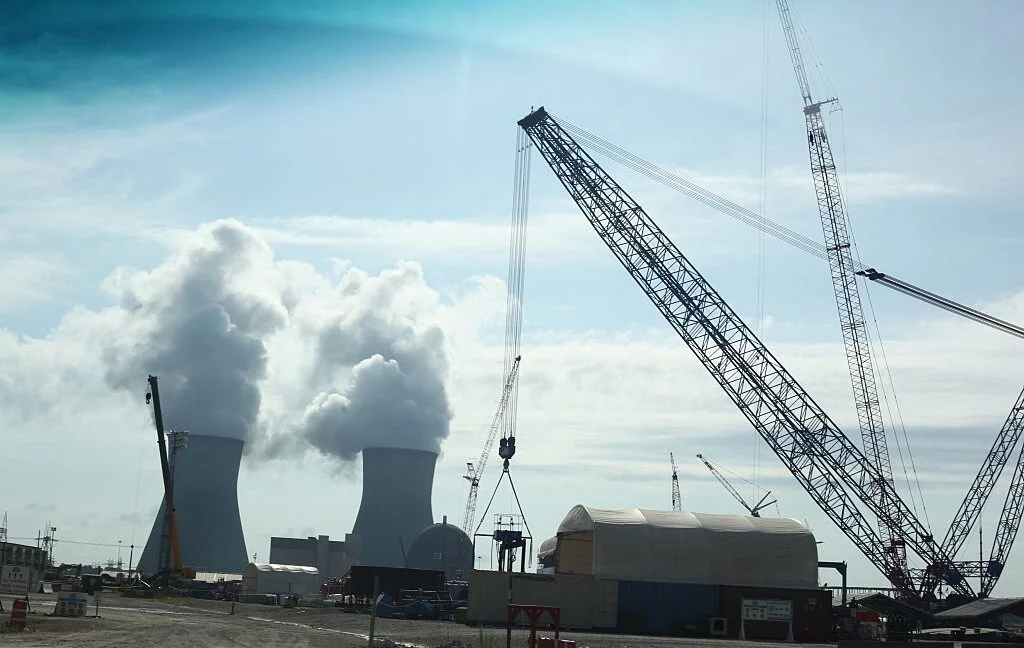
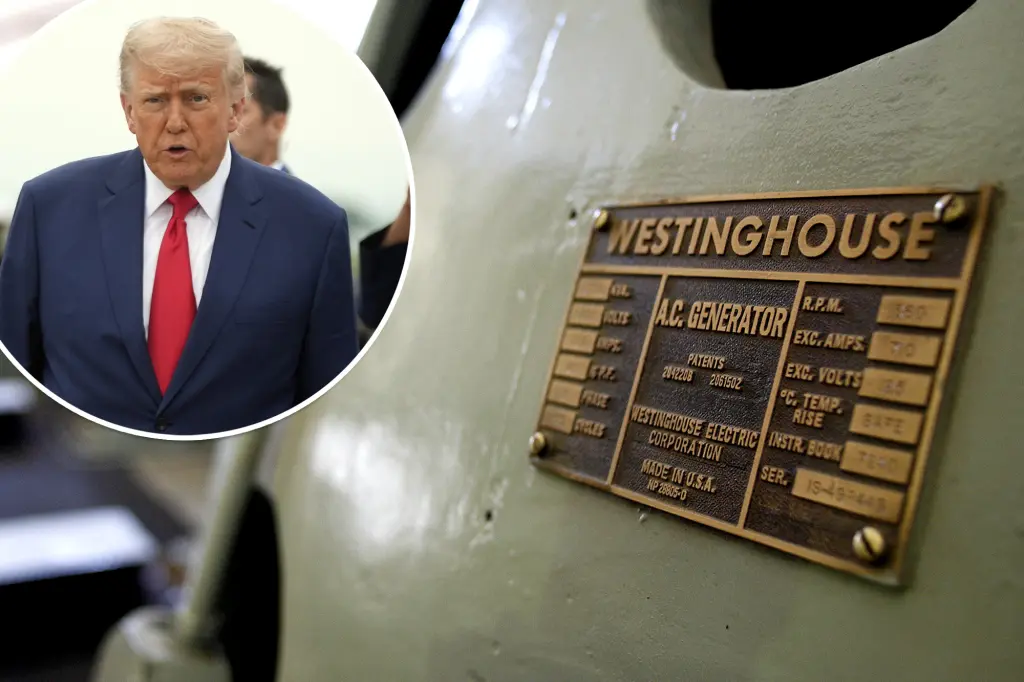
Westinghouse announced an agreement with the Trump administration to build at least $80 billion worth of new nuclear reactors in the US, involving collaborations with GE Vernova and Hitachi, though details and official confirmation are currently lacking.
Fermi Inc. has announced plans to build four large nuclear reactors in Texas to power private data centers, partnering with Doosan Enerbility and Hyundai Engineering & Construction, signaling a bold move to revive large-scale nuclear energy in the US amidst rising demand for AI infrastructure, though the project faces high costs and supply chain challenges.
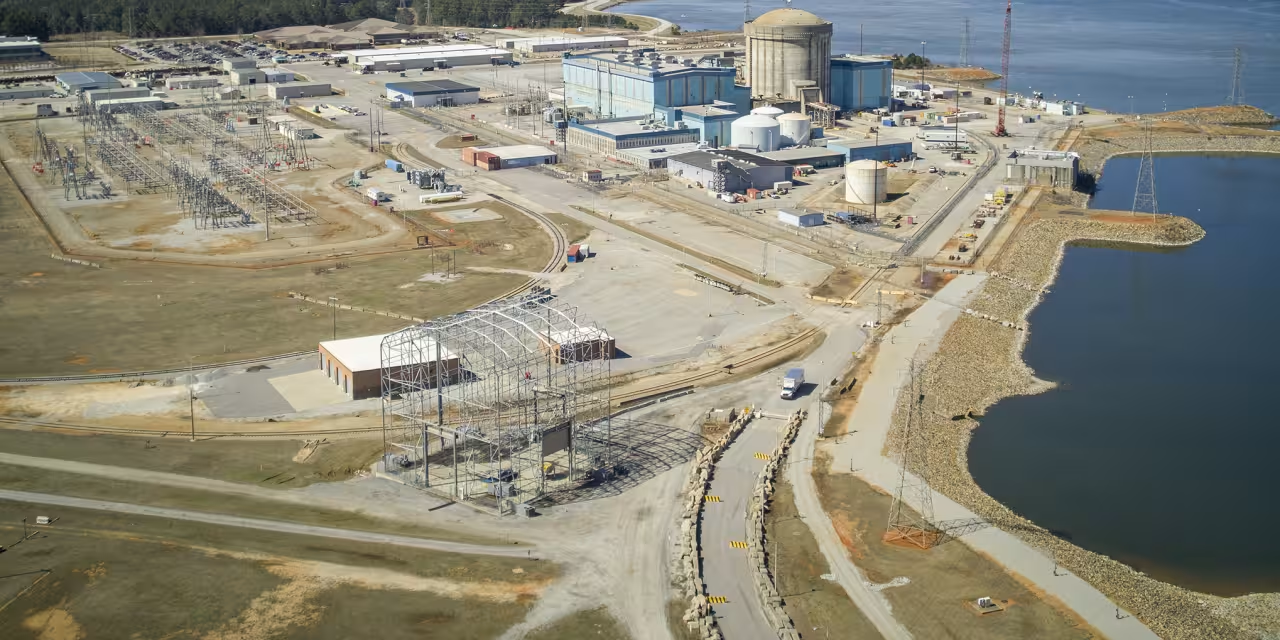
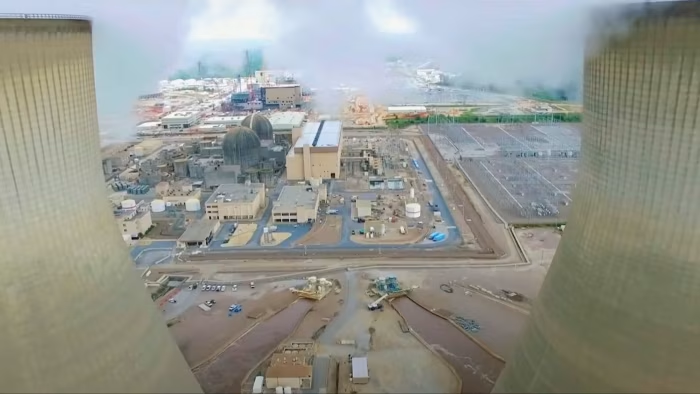
Brookfield Asset Management has won a bid to complete two nuclear reactors in South Carolina, halted in 2017, with plans to ensure no additional costs for ratepayers and potential power sales to data centers, marking a significant step in the U.S. nuclear revival.
Fermi, a Texas-based company aiming to build the world's largest data center campus powered by natural gas and nuclear reactors, went public with a $13.8 billion valuation, soaring 55% on debut. Despite its ambitious plans and early advantages, the company faces significant hurdles including infrastructure development, securing tenants, and long construction timelines, making its stock a risky but potentially high-reward bet on AI-powered data infrastructure.
Acting NASA Administrator Sean Duffy emphasizes the importance of the US building nuclear reactors on the moon to secure a strategic advantage in space exploration and national security, aiming to beat China and Russia to establish a lunar base with sustainable energy, particularly before other nations can claim key lunar regions.
Westinghouse plans to build 10 large nuclear reactors in the U.S. by 2030, aiming to significantly boost nuclear power in line with President Trump's goal of quadrupling nuclear capacity by 2050, with a focus on using AI to streamline construction processes.
The U.S. Department of Energy has launched a pilot program to accelerate testing of advanced nuclear reactors outside national labs, aiming for at least three reactors to achieve criticality by July 4, 2026, to boost U.S. nuclear innovation, economic growth, and national security.
The article discusses the historical and ongoing efforts to develop nuclear power for space exploration, highlighting early ambitions from President Kennedy, current projects like NASA's DRACO, and the potential for nuclear energy to revolutionize travel to Mars and beyond, amid a shift in both government and commercial space initiatives.
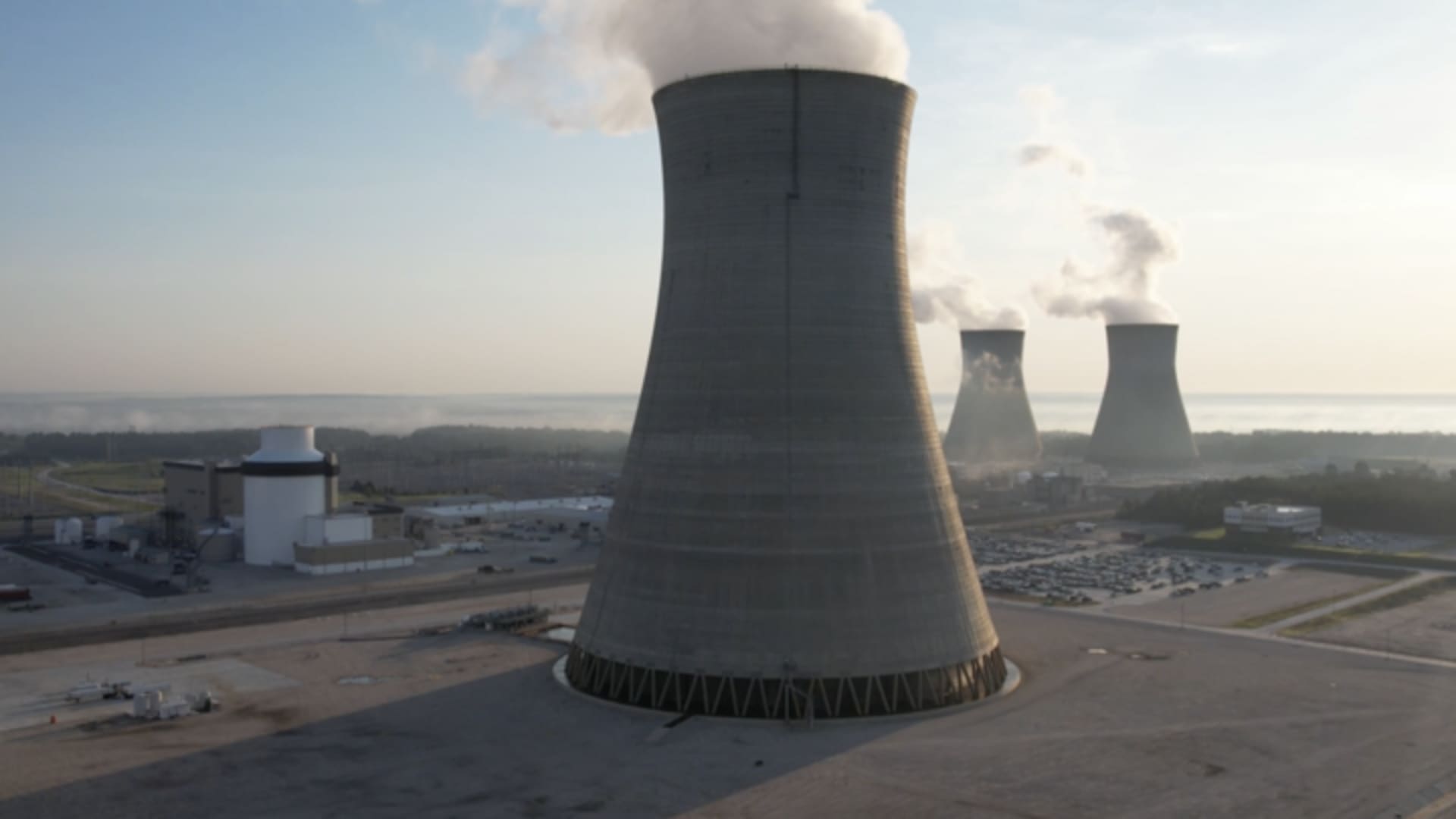
Westinghouse is in talks with US officials and industry partners to deploy 10 large nuclear reactors, responding to President Trump's executive orders aimed at streamlining nuclear power licensing and regulation, leveraging its approved reactor design and recent experience building reactors in Georgia.
Westinghouse is in discussions with US officials to deploy 10 large nuclear reactors, aiming to capitalize on President Trump's executive orders to significantly expand US nuclear capacity by 2050, with an estimated cost of $75 billion, amidst a broader industry push and regulatory support.
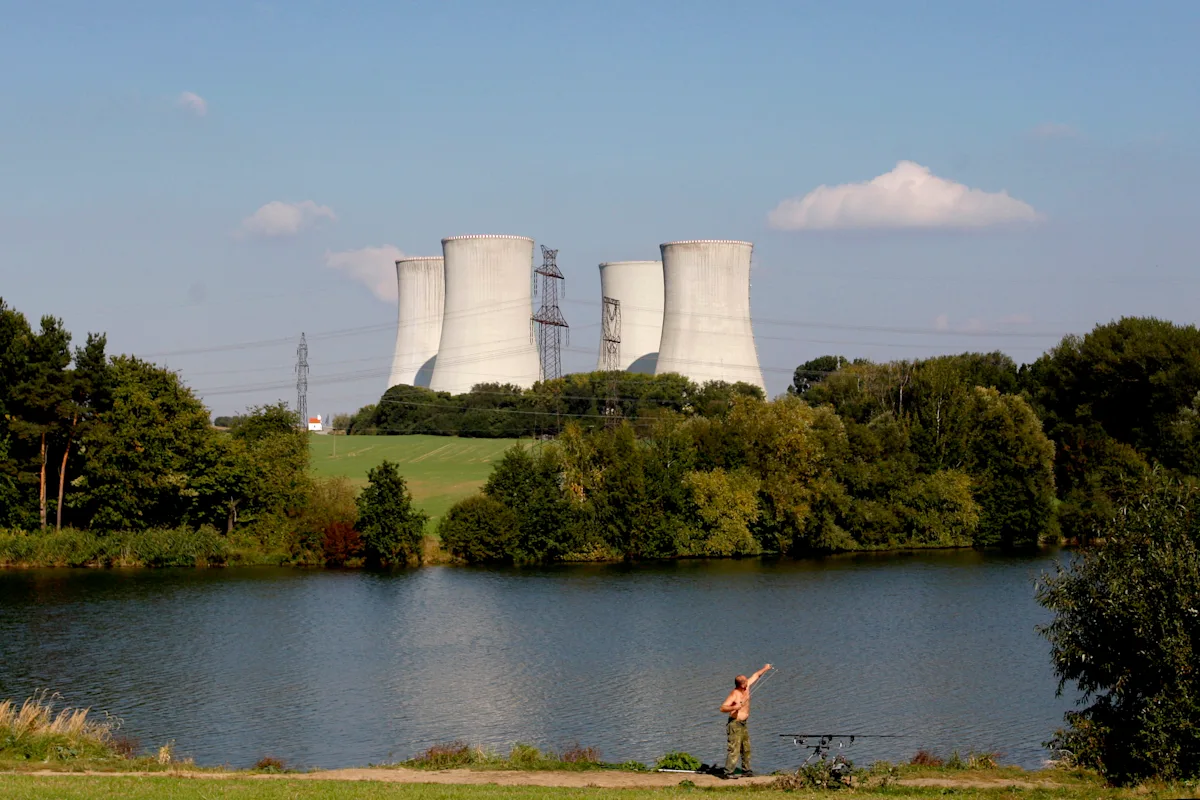
The Czech Republic signed a deal with South Korea's KHNP to build two nuclear reactors at the Dukovany power plant, following a court ruling that cleared legal obstacles, as part of its efforts to enhance energy self-sufficiency and reduce reliance on fossil fuels, with the first reactor expected operational by 2036.
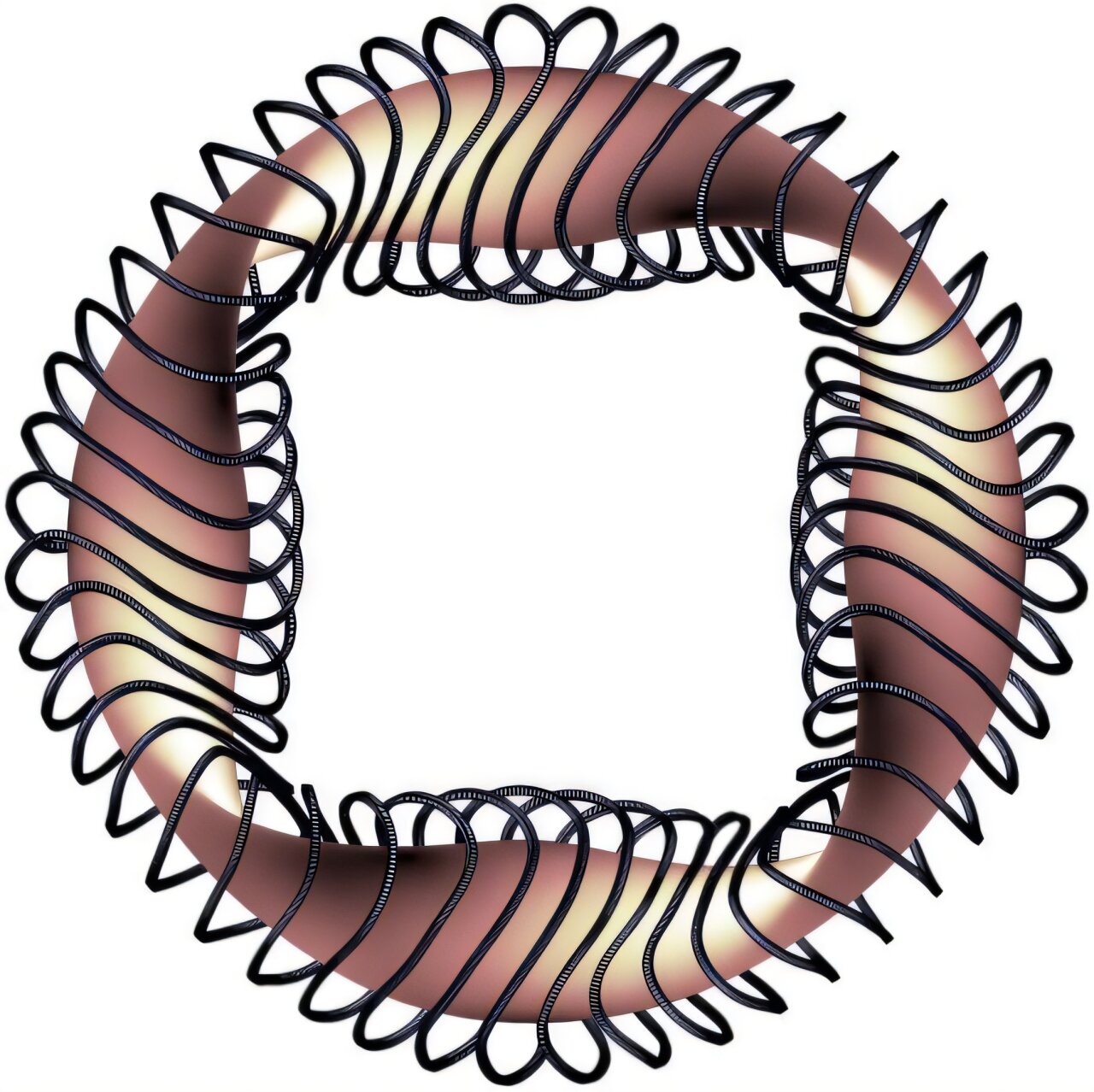
Researchers at Laboratorio Nacional de Fusión–CIEMAT in Madrid have developed a new family of magnetic fields, termed 'piecewise omnigenous,' which could improve plasma confinement in fusion reactors without requiring complex equipment. This approach may simplify the design and construction of stellarators, potentially making fusion energy more feasible. The study, published in Physical Review Letters, suggests that these magnetic fields could offer similar confinement properties to traditional omnigenous fields but with less complexity and cost.
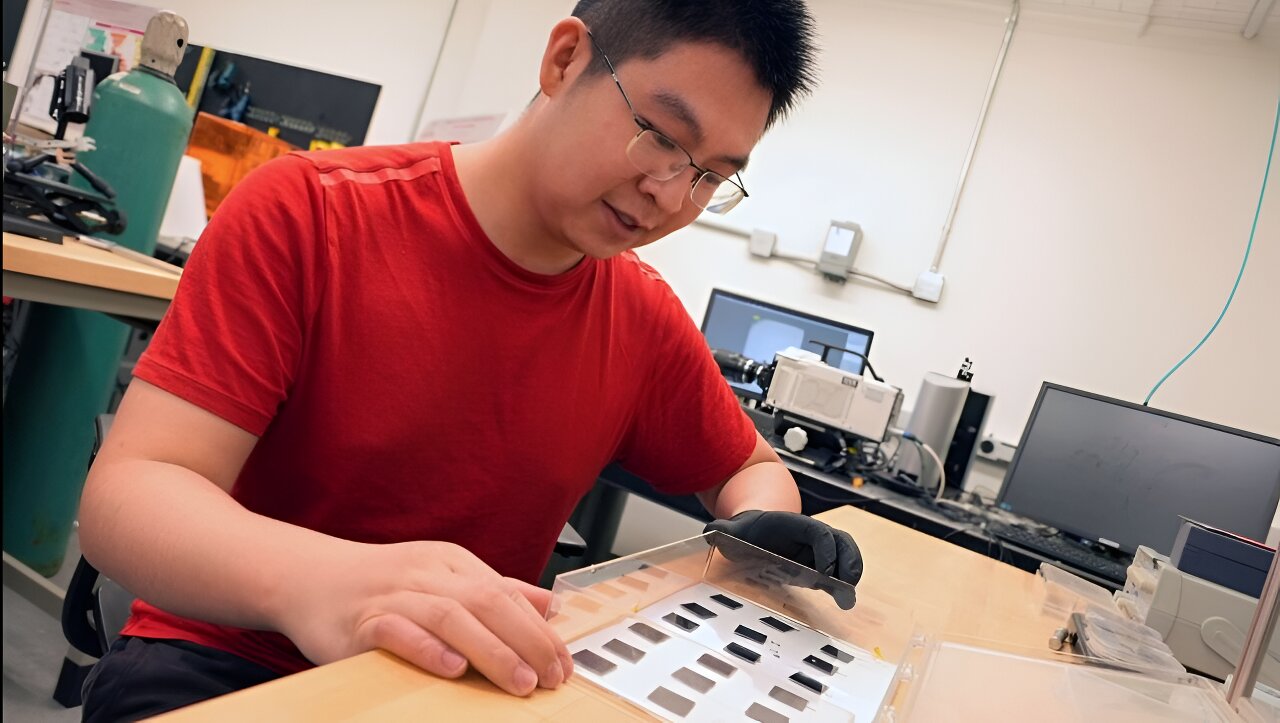
Researchers at Virginia Tech have developed a method to achieve the Leidenfrost effect, where water droplets hover on a vapor layer, at significantly lower temperatures using surfaces covered with micropillars. This discovery, published in Nature Physics, has potential applications in cooling industrial machines and nuclear reactors, as well as in surface cleaning. The new method could help prevent damage and disasters in nuclear machinery by improving heat transfer efficiency.
Researchers at Virginia Tech have developed a textured surface with micropillars that can induce the Leidenfrost effect at significantly lower temperatures, potentially revolutionizing cooling systems in nuclear reactors and other industrial applications by preventing vapor explosions and enhancing safety.