Meta is making a significant investment in nuclear energy by financing fuel for the startup Oklo's reactors, marking one of the largest private sector commitments to nuclear in the US and signaling a shift towards advanced nuclear technologies and domestic fuel production.
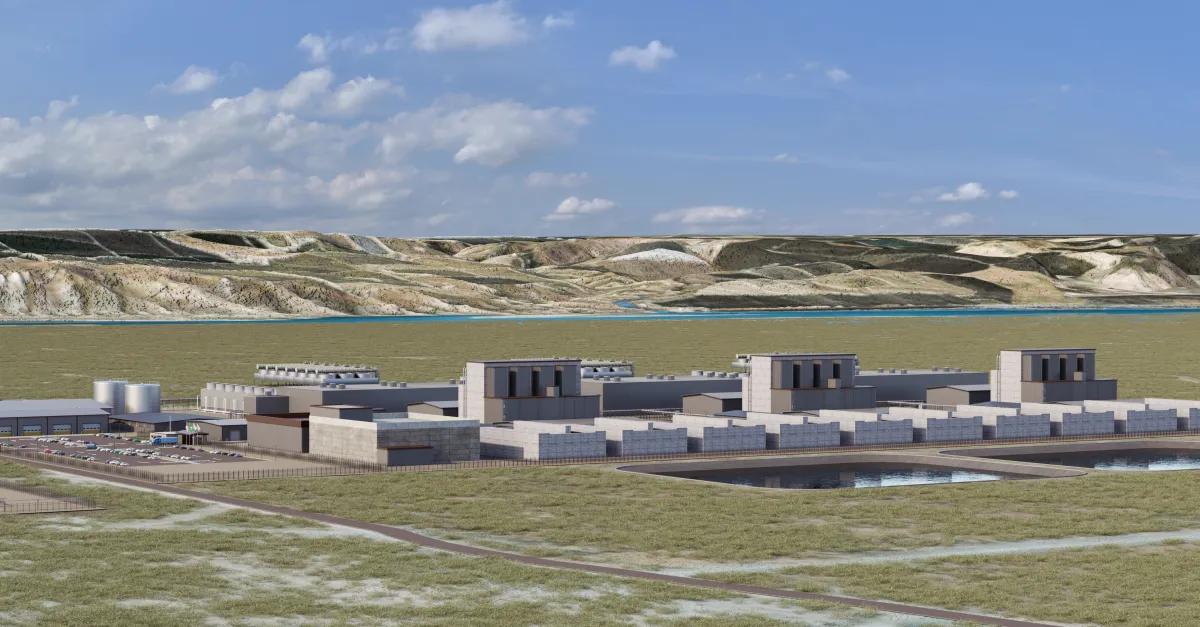
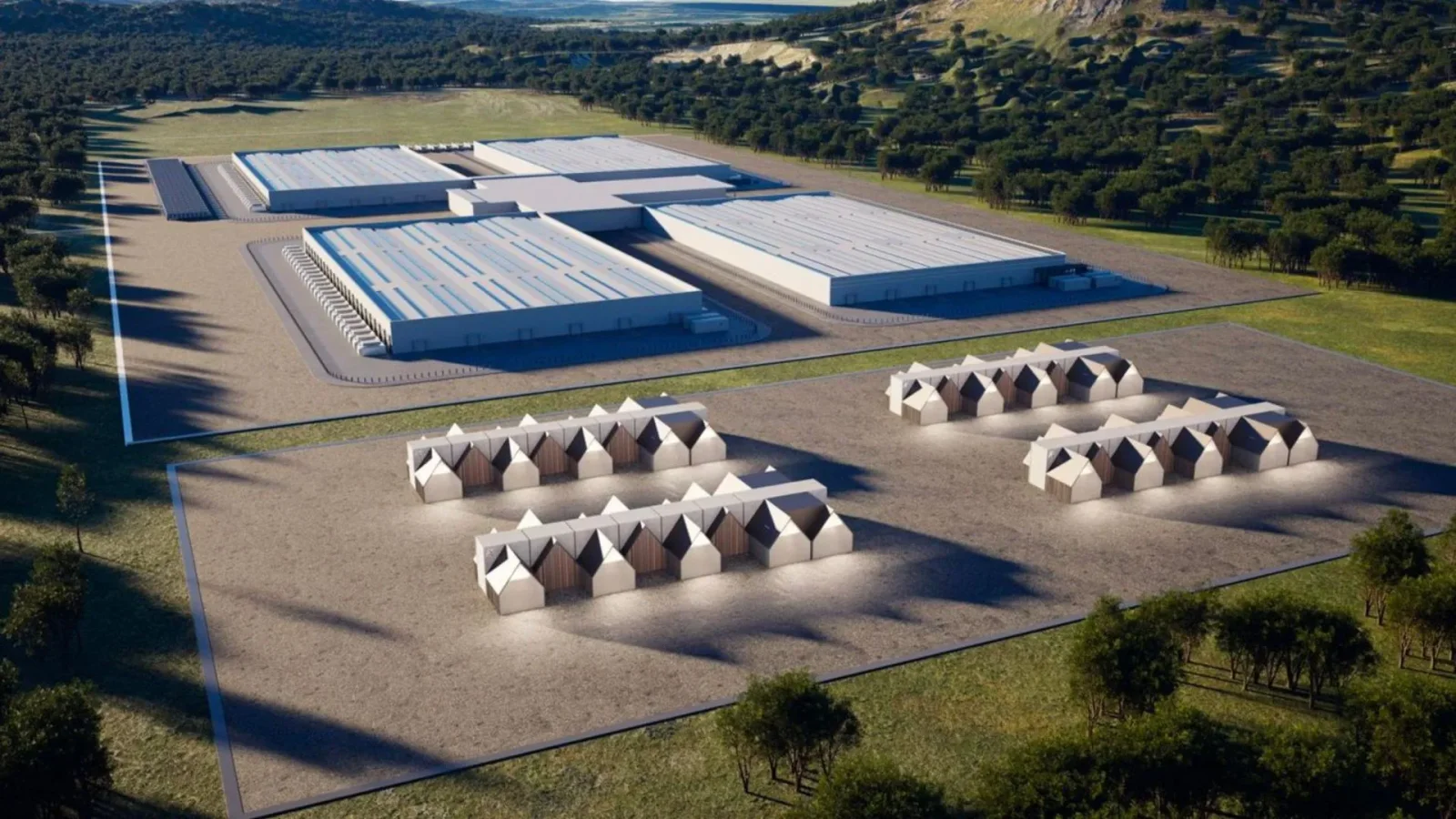
Amazon announced plans to support the development of small, modular advanced nuclear reactors in Washington State, including the new Cascade Advanced Energy Facility, which aims to generate 960 MW of power and create jobs, with construction expected to start in the late 2020s.
The U.S. Department of Energy has selected four companies—Oklo, Terrestrial Energy, TRISO-X, and Valar Atomics—to develop advanced nuclear fuel lines, aiming to strengthen domestic nuclear fuel supply, support reactor deployment, and enhance national security under the Trump administration's energy strategy.
Google and Kairos Power are collaborating to deploy an advanced nuclear reactor, Hermes 2, in Tennessee by 2030, with TVA purchasing up to 50 MW of power. This project aims to demonstrate the viability of smaller, safer, and more affordable nuclear plants, helping to revitalize nuclear energy in the U.S. and support Google's data center energy needs, while sharing financial risks to encourage industry adoption.
The US Department of Energy has selected 11 advanced nuclear reactor projects to fast-track their development and testing by July 2026, aiming to make the US a global leader in nuclear energy and support a continuous energy supply through innovative reactor designs like molten salt reactors and modular reactors for data centers.
The U.S. Department of Energy has announced the initial selection of 11 advanced reactor projects to participate in President Trump's Nuclear Reactor Pilot Program, aiming to advance nuclear technology deployment.
The U.S. Department of Energy has launched a pilot program to accelerate testing of advanced nuclear reactors outside national labs, aiming for at least three reactors to achieve criticality by July 4, 2026, to boost U.S. nuclear innovation, economic growth, and national security.
The Biden-Harris Administration has announced new initiatives to strengthen the U.S. nuclear industry and advance clean energy goals, including the creation of a Nuclear Power Project Management and Delivery working group, support for advanced reactor deployment, and measures to reduce reliance on Russian uranium. These efforts aim to achieve a carbon-free electricity sector by 2035, create good-paying jobs, and ensure energy security and affordability.
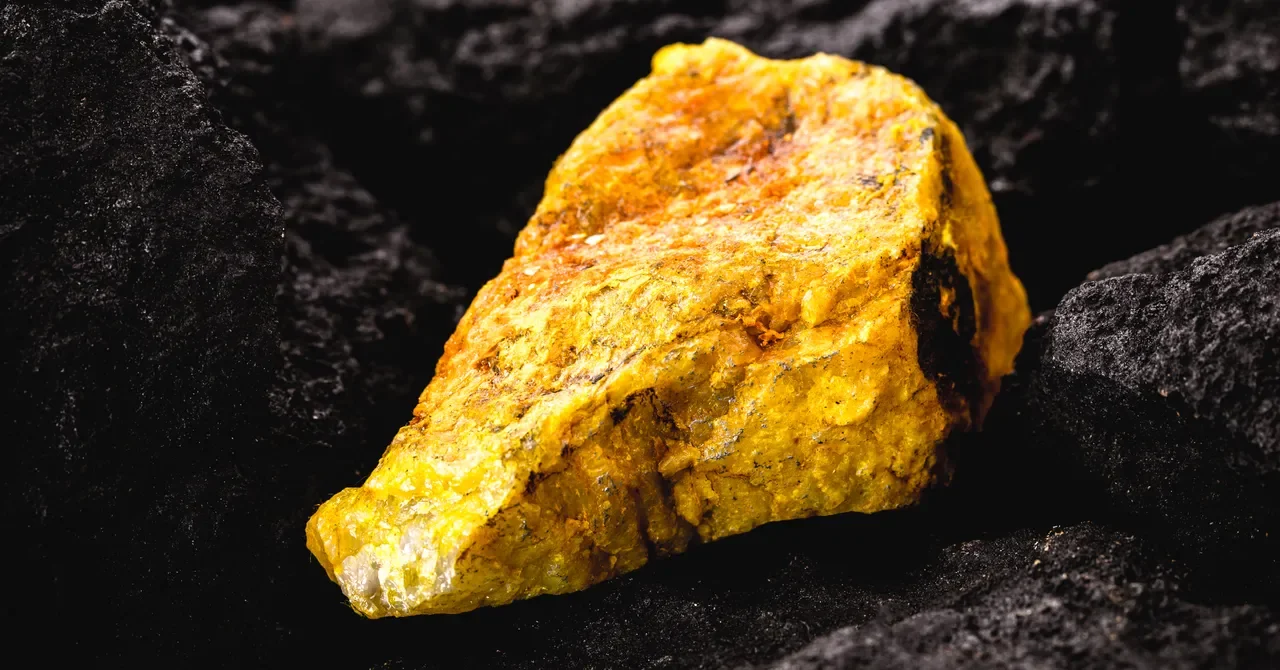
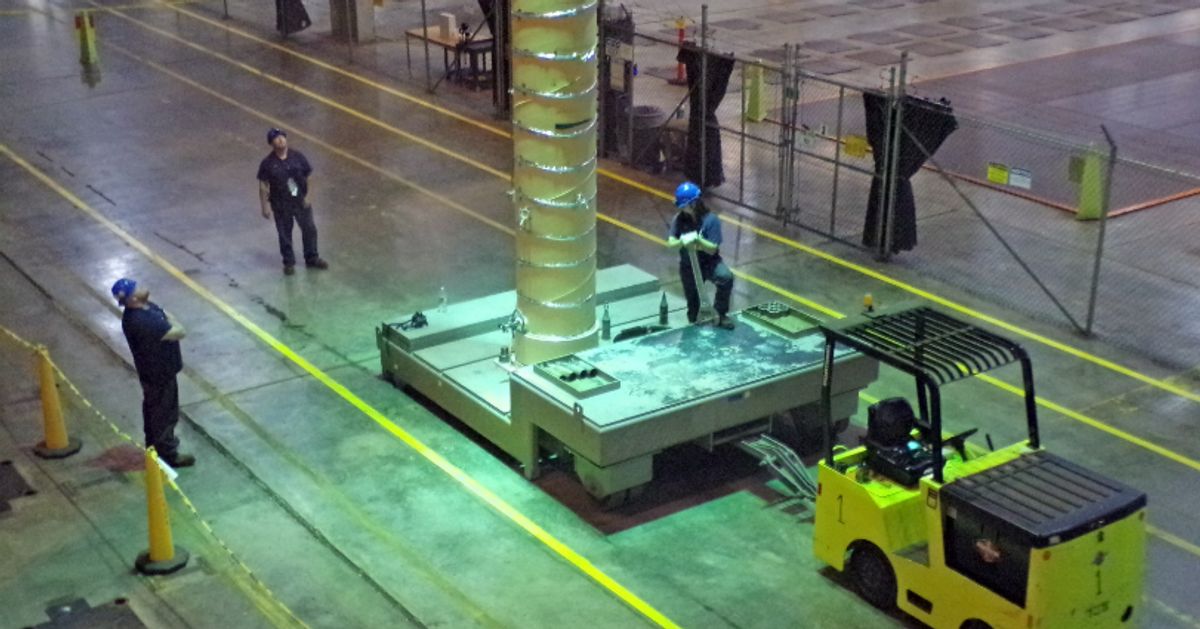
The United States is working to break Russia's monopoly on the concentrated form of uranium fuel needed for advanced nuclear reactors. Currently, there is only one vendor in the world, an arm of the Russian government, that sells this fuel. However, the Ohio-based Centrus Energy has announced a deal to supply California-based reactor startup Oklo Inc. with high-assay low-enriched uranium (HALEU). This fuel is necessary for the new generation of atomic startups seeking to commercialize advanced reactors. The U.S. is also investing in domestic fuel enrichment facilities to reduce dependence on imports and revive the declining nuclear sector. Congress has allocated billions of dollars for domestic fuel enrichment, and Centrus has plans to expand its capacity with the right amount of investment.
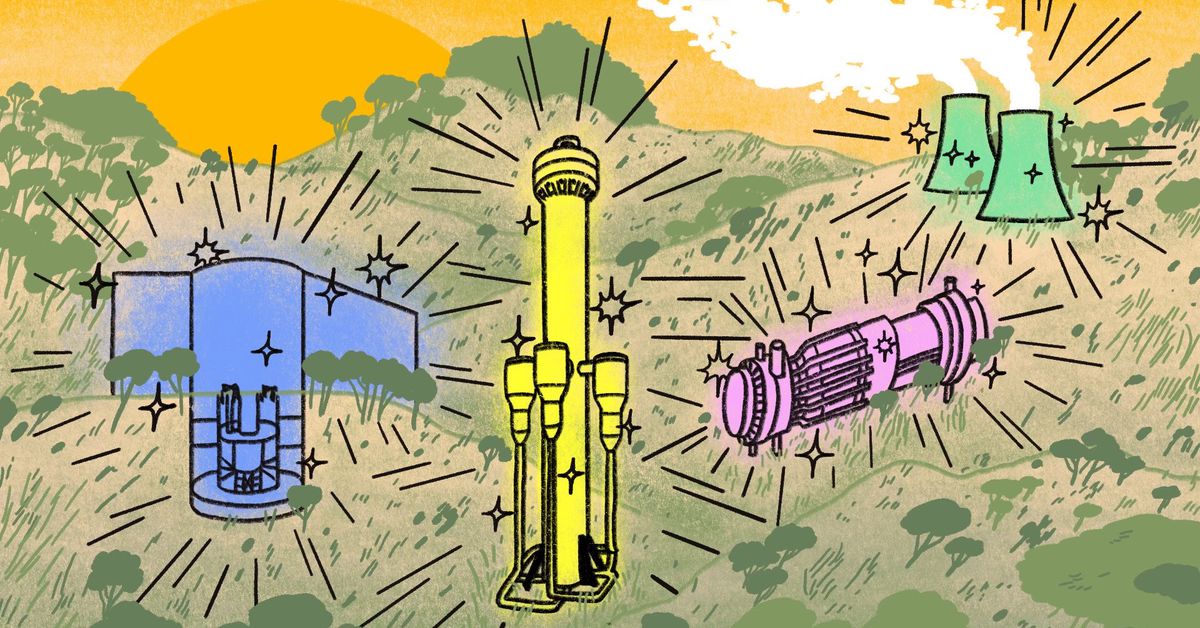
Advanced nuclear reactors, especially smaller designs, could help solve many of the persistent problems with nuclear energy. The US government is renewing its bets on nuclear power to produce a steady stream of electricity without emitting greenhouse gases. The new generation of nuclear power includes fourth-generation reactors that use other materials like liquid metal, pressurized gas, and molten salt. These designs can reach higher operating temperatures, which can lead to greater efficiency. Nuclear energy could also be used to provide industrial heat to factories, produce hydrogen, and capture carbon dioxide directly from the air. However, building anything big is really hard, and nuclear energy brings even more unique challenges.