The article discusses concerns over a $6 billion merger between Trump Media & Technology Group and fusion energy company TAE Technologies, highlighting potential conflicts of interest for Donald Trump, whose financial stake could influence government decisions on fusion energy, raising ethical questions and fears of favoritism in the emerging clean energy sector.
BP p.l.c. announced that Meg O’Neill will become the new CEO effective April 2026, succeeding Murray Auchincloss who will step down in December 2023 and serve as an advisor until then. O’Neill, currently CEO of Woodside Energy, brings extensive experience in the energy sector, and her appointment is part of BP’s strategy to become a more streamlined and profitable company. Carol Howle will serve as interim CEO until O’Neill’s arrival.
SM Energy and Civitas Resources are merging in a $12.8 billion all-stock deal to create a top-10 U.S. independent oil producer with a premier asset portfolio, significant synergies, and strong free cash flow projections, aiming to enhance shareholder value and sustainability.
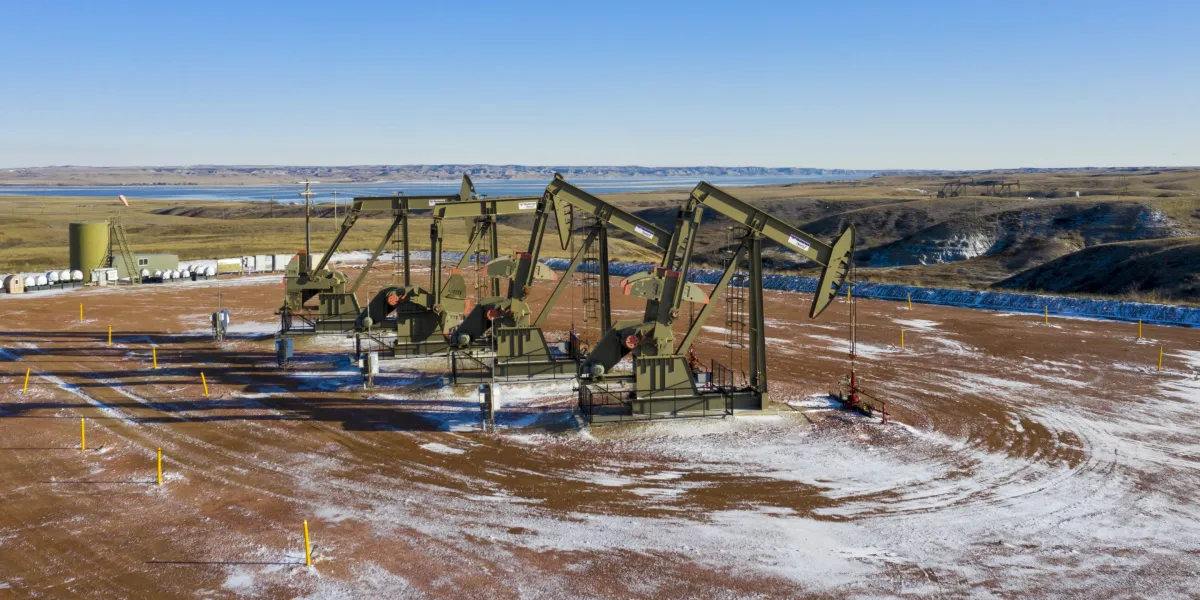
Despite falling oil prices, Exxon and Chevron are increasing their oil production, indicating a strategic move to maintain market presence and profitability in a challenging economic environment.
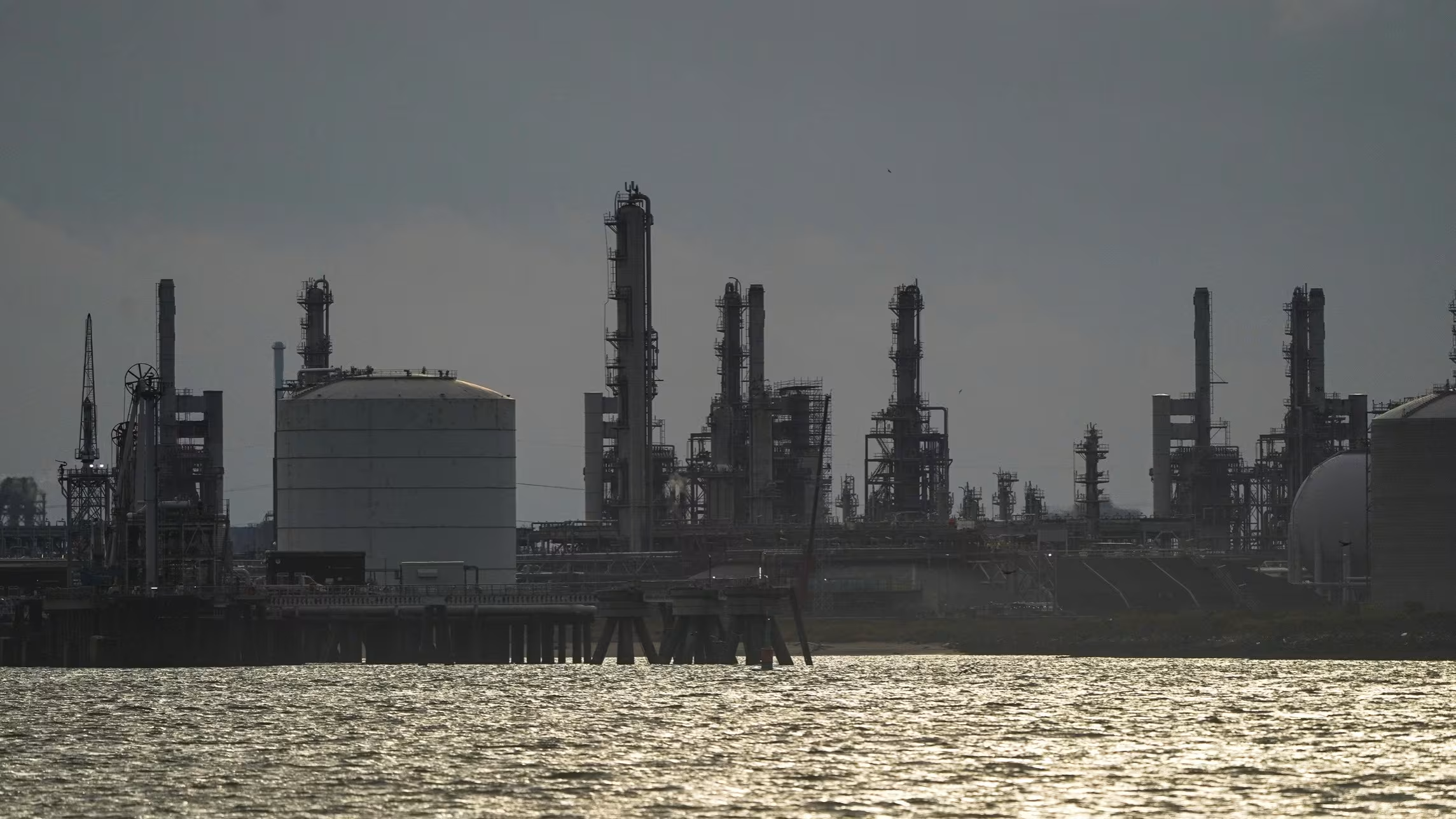
Lukoil plans to sell its international assets following Western sanctions related to Ukraine, marking a significant move by a major Russian oil company. The sale is conducted under an OFAC wind-down license, with potential bids being considered, and includes assets like the Iraq West Qurna 2 oil field and refineries in Bulgaria and Romania.
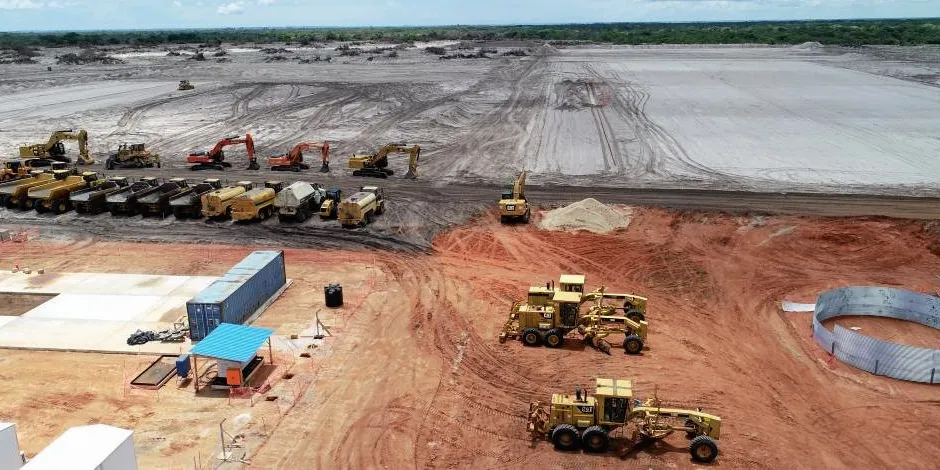
TotalEnergies has lifted the force majeure on its $20 billion Mozambique LNG project, signaling progress in the project’s development amidst the global energy transition.
California's hydrogen industry faces a setback as the Biden administration cancels a $1.2 billion federal grant for a key hydrogen project, but state leaders and industry stakeholders remain optimistic about alternative funding and continued development, emphasizing California's commitment to clean energy despite federal setbacks.
Adnoc's XRG has canceled its $18.7 billion acquisition of Santos, marking a significant development in the energy sector amidst ongoing industry shifts.
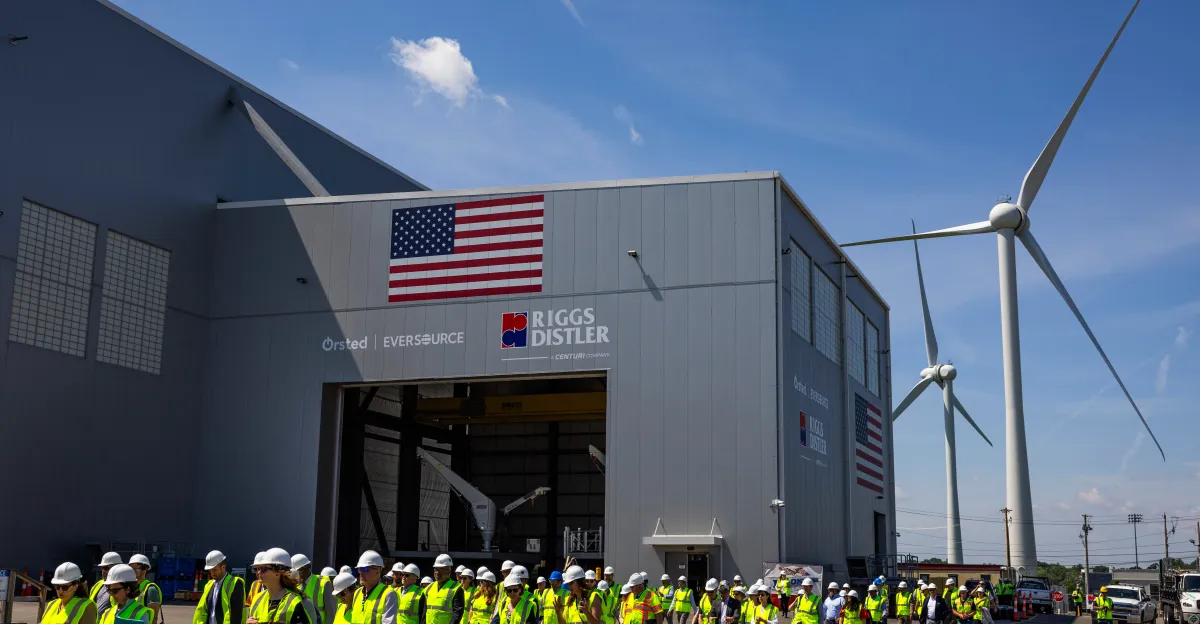
Former President Trump ordered a major offshore wind project to cease construction just before completion, marking a significant setback for the renewable energy sector and highlighting ongoing political and environmental tensions.
Chevron has shifted from aggressive growth in U.S. shale to focusing on profitability and efficiency, leveraging scale and technology to turn shale into a cash-generating asset, while expanding internationally through acquisitions like Hess and offshore projects in Guyana, aiming to stabilize U.S. production and prioritize shareholder returns.
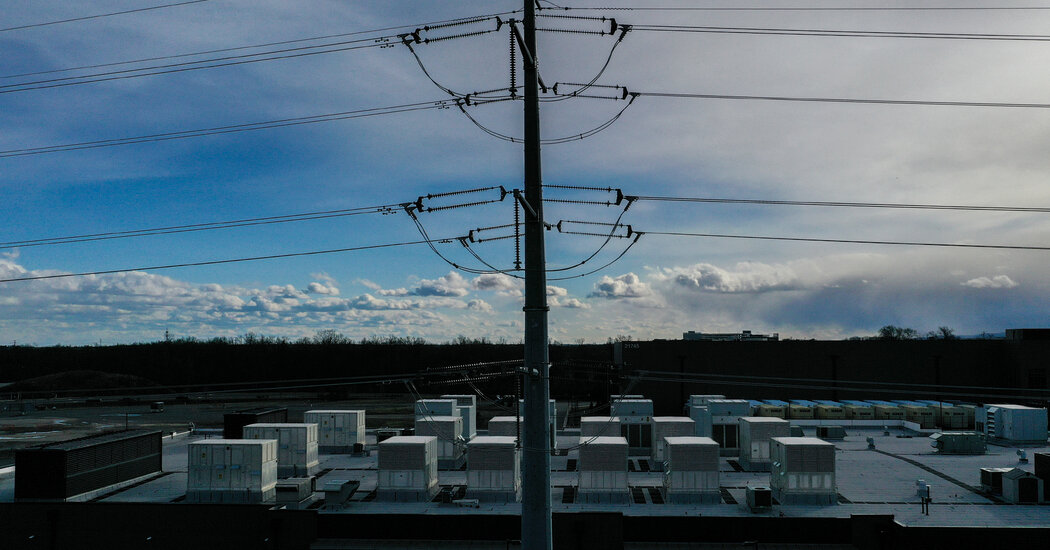
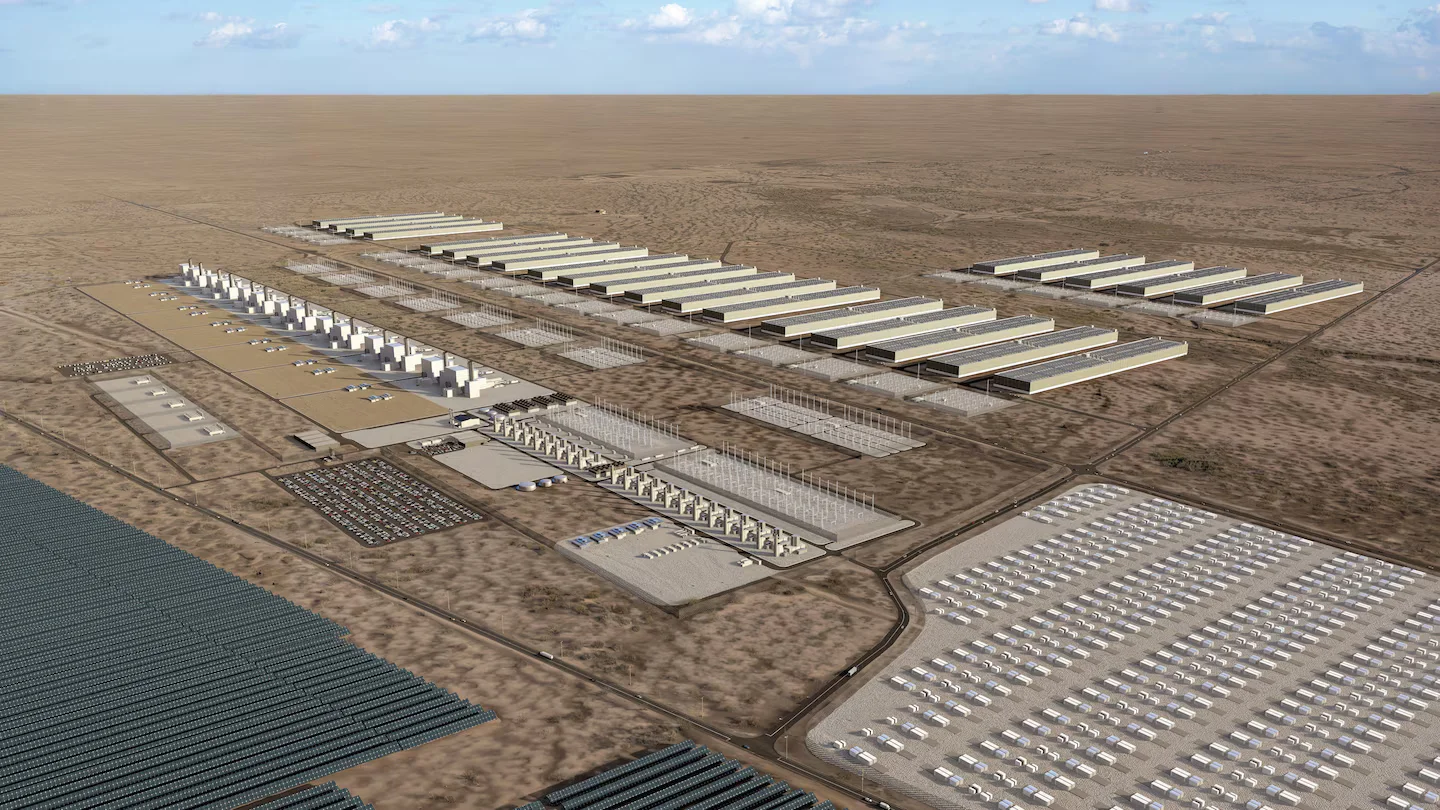
Big Tech companies like Amazon, Google, and Microsoft are significantly transforming the U.S. power grid by building data centers and expanding into energy, which could lead to higher electricity rates for consumers and small businesses as their demand for power increases, blurring the lines between energy consumers and producers.
Oil prices declined after OPEC+ announced a September increase in output by 547,000 barrels per day, reversing some previous cuts, amid ongoing concerns about U.S. sanctions on Russia and geopolitical tensions. Despite the hike, traders remain cautious about potential sanctions impacts, especially on Russian oil exports, with some countries like India continuing to buy Russian oil despite U.S. threats.
Oil prices remained steady as mixed US economic indicators and new EU sanctions on Russia offset each other, with concerns over potential supply disruptions due to sanctions being balanced by signs of economic growth and lower inflation expectations. The EU's new sanctions include a crude oil price cap and bans on Russian petroleum products, while US companies like Chevron are making strategic moves in the energy sector.