Tag

Lyrids Meteor Shower

All articles tagged with #lyrids meteor shower

astronomy1 year ago

"Your Guide to Viewing the Lyrids Meteor Shower This Week"

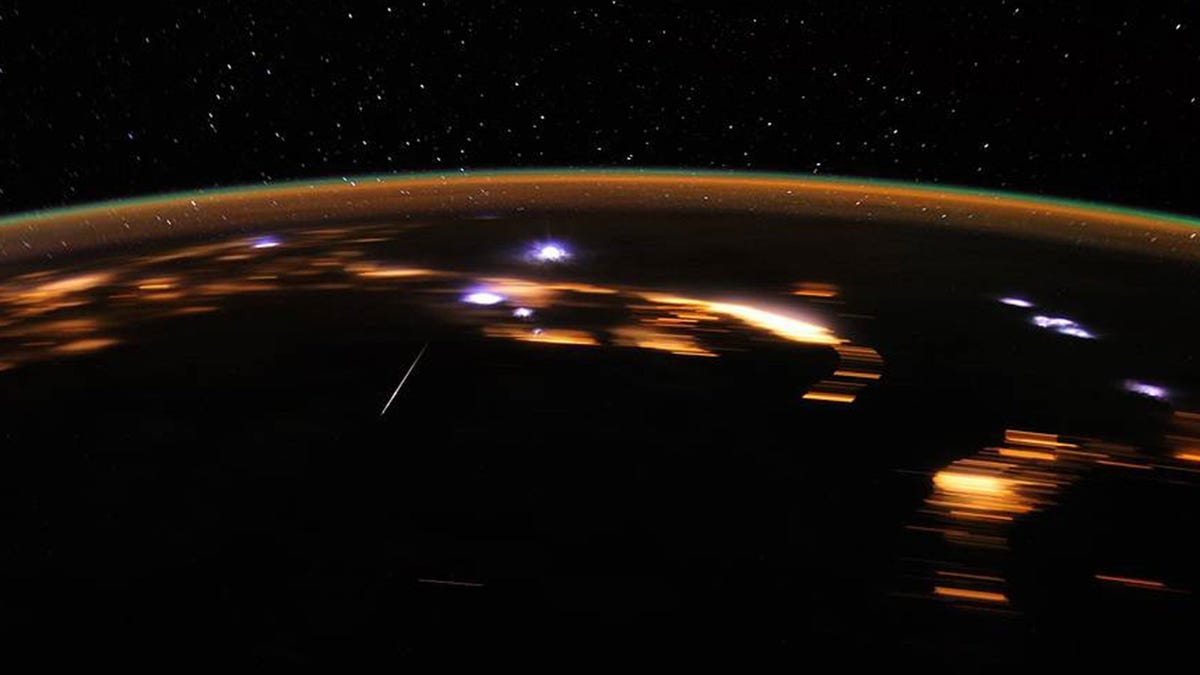
The Lyrids Meteor Shower, originating from Comet Thatcher, is currently active and will peak on the nights of April 21 to 22 and 22 to 23. Best observed from the Northern Hemisphere, the shower may produce around 10 to 15 meteors per hour due to interference from the bright waxing gibbous Moon. Skywatchers can locate the radiant point near the bright star Vega and expect meteors to rain down from the top of the Northern Hemisphere sky. The parent comet, Comet Thatcher, was discovered in 1861 and takes around 416 to 422 years to orbit the Sun.
astronomy1 year ago

"Ultimate Guide to Watching the Lyrid Meteor Shower"

The Lyrids Meteor Shower, originating from Comet Thatcher, is currently active and will peak on the nights of April 21 to 22 and 22 to 23. Best observed from the Northern Hemisphere, the shower may produce around 10 to 15 meteors per hour due to interference from the bright waxing gibbous Moon. Skywatchers can locate the radiant point near the bright star Vega and expect meteors to rain down from the top of the Northern Hemisphere sky. The Lyrids are the oldest recorded meteor shower, with observations dating back to 687 BCE, and are associated with Comet Thatcher, a long-period comet expected to reach its next perihelion around the year 2283.

astronomyspace1 year ago

"Multiple Fireball Sightings Illuminate Northeastern Skies"

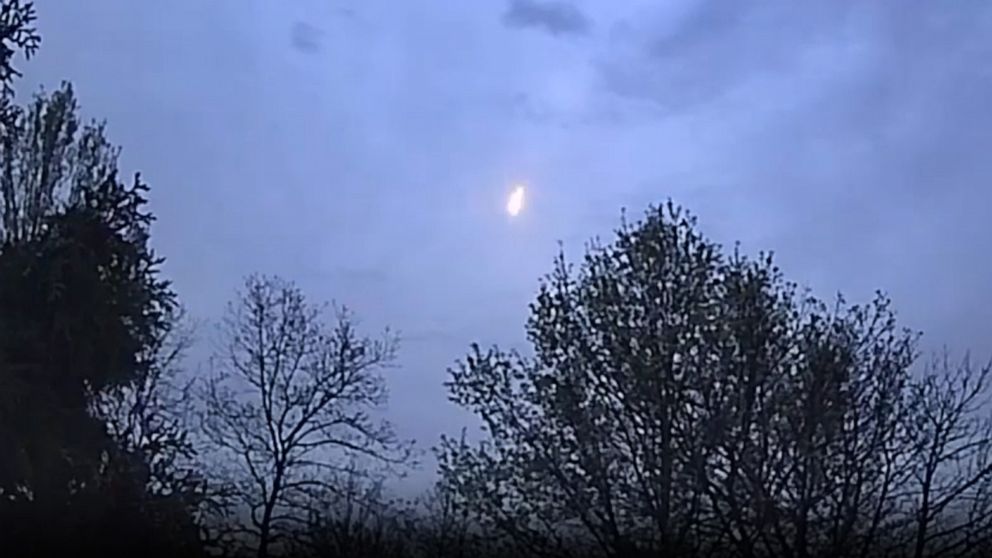
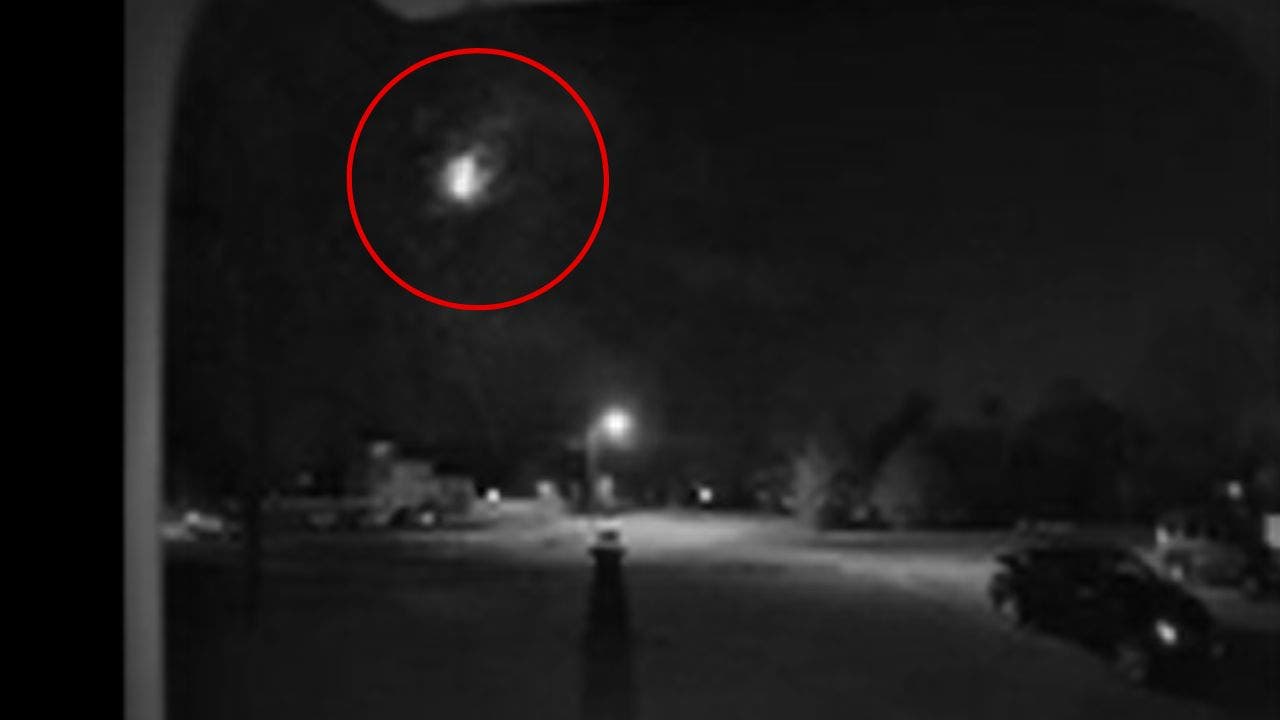
A bright fireball, likely a meteor, was seen dropping from the night sky over New Jersey early Wednesday, following a series of natural phenomena in the area, including a solar eclipse and an earthquake. The fireball was captured on video and reported by witnesses across several states. This event comes ahead of the Lyrids Meteor Shower and follows a recent earthquake in New Jersey and a sighting of fiery lights in California, which were later confirmed to be from the Chinese Shenzhou 15 Orbital Module rocket re-entering the earth’s atmosphere.

science2 years ago

Don't Miss the Lyrids Meteor Shower Peak Tonight!

The Lyrids Meteor Shower will peak on April 22-23, producing up to 15 meteors per hour under ideal viewing conditions. It occurs when Earth crosses the trail of debris left by the Comet C/1861 G1 Thatcher, and is named after the constellation Lyra. The Lyrids is one of the oldest meteor showers in history, with the first record occurring 2,700 years ago.

astronomy2 years ago

Ohioans, Don't Miss the Peak of Lyrids Meteor Shower!

The Lyrids meteor shower, one of the oldest known meteor showers, will peak on Saturday and Sunday, with an average of 10 to 20 meteors per hour, but sometimes up to 100. Northeast Ohioans have a 70% chance of seeing it early Sunday morning by looking for the bright star Vega in the northeast. The Lyrids were first recorded by the Chinese in 687 BC.

science2 years ago

Indiana residents startled by suspected meteor explosion

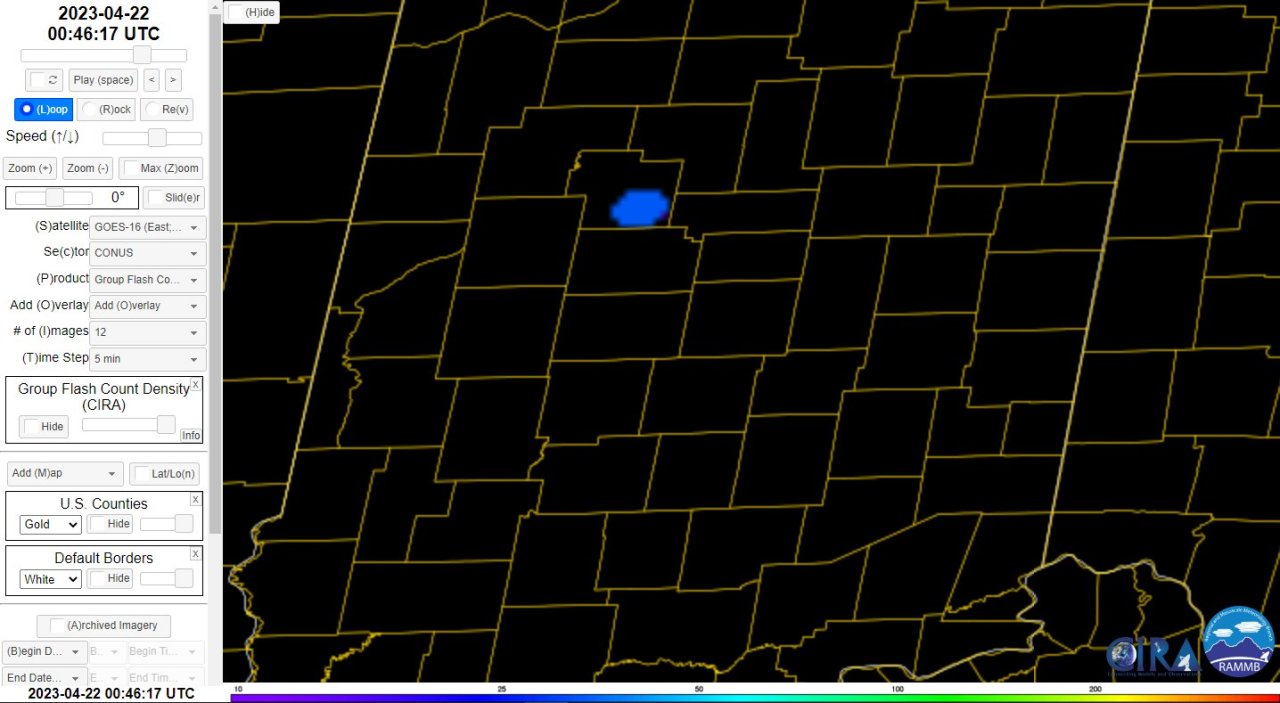
A loud boom heard across Central Indiana Friday night was likely caused by a suspected meteor, according to experts. The National Weather Service's Indianapolis office detected a "likely fireball meteor" over Carroll County, and a home security camera in Greenwood, Indiana, captured streaks in the sky accompanied by a fireball. The Lyrids meteor shower is currently occurring across the United States, and is set to peak on Saturday night.

science2 years ago

Mystery Solved: Meteorite Caused Loud Boom and Flash in Indiana Sky

Viewers in Central Indiana reported a loud boom and bright streaking light in the sky, which may have been a meteorite according to the Hamilton County Emergency Management. The National Weather Service picked up lightning on the radar and has been known to pick up meteorites in the past. The Lyrids meteor shower is currently taking place nationwide and is expected to peak on April 22.

science2 years ago

Don't Miss the Lyrid Meteor Shower Peak This Weekend!

The peak of the Lyrids meteor shower, one of the oldest known meteor showers, will be visible to sky watchers in the Northern Hemisphere away from excessive artificial light and cloudy weather this weekend. The Lyrid meteors are space debris from Comet Thatcher, and as the Earth passes through Thatcher's debris trail, particles and bits of asteroids collide with the planet's atmosphere and burn up, producing colorful streaks in the sky. Spectators should be able to see between 10 to 20 Lyrid meteors per hour, with the meteors appearing to originate from the constellation Lyra.

astronomy2 years ago

Lyrid Meteor Shower to Bring 'Fireballs' to the Sky Across the US

The Lyrids meteor shower, one of the oldest meteor showers in the world, is expected to create "spectacular fireballs" and "shooting stars" in the sky above New York State this week. NASA recommends viewing the meteor shower during the nighttime hours, after moonset and before dawn, in an area well away from city lights or street lights. The Lyrids are known for their fast and bright meteors, with as many as 100 meteors seen per hour during their peak.

astronomy2 years ago

Get Ready for the 2023 Lyrids Meteor Shower Peak on April 23!

NASA shares a schedule of noteworthy movements visible in the sky this April, including the Lyrids meteor shower, which is expected to peak on April 23 and can produce up to 20 meteors per hour. Other events include Mercury rising to its highest point for the year, the Moon and Mars meeting up, and the crescent moon hanging above Venus in the west after sunset on April 23. Meteor showers are visible to the naked eye, and no binoculars or telescope are needed to see the natural wonder.

astronomy2 years ago

Get Ready for the 2023 Lyrids Meteor Shower Peak on April 23!

NASA shares a schedule of noteworthy movements visible in the sky this April, including the Lyrids meteor shower, which is expected to peak on April 23 and can produce up to 20 meteors per hour. Other events include Mercury rising to its highest point for the year, the Moon and Mars meeting up, and the crescent moon hanging above Venus in the west after sunset on April 23. Meteor showers are visible to the naked eye, and no binoculars or telescope are needed to see the natural wonder.