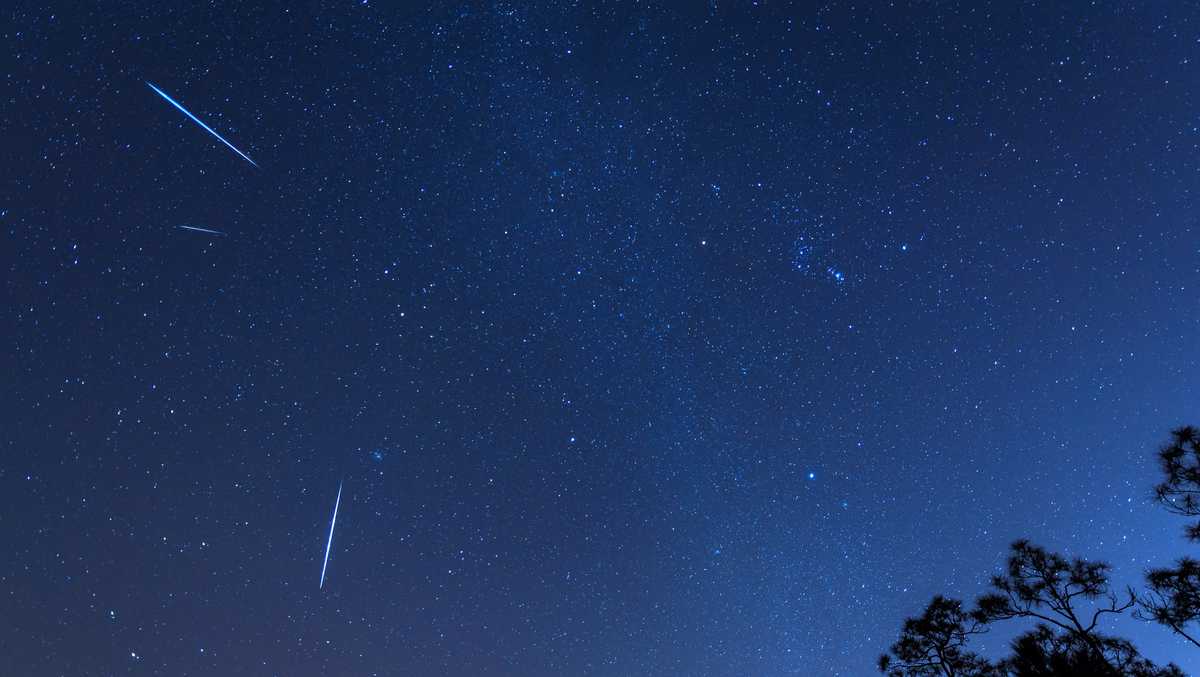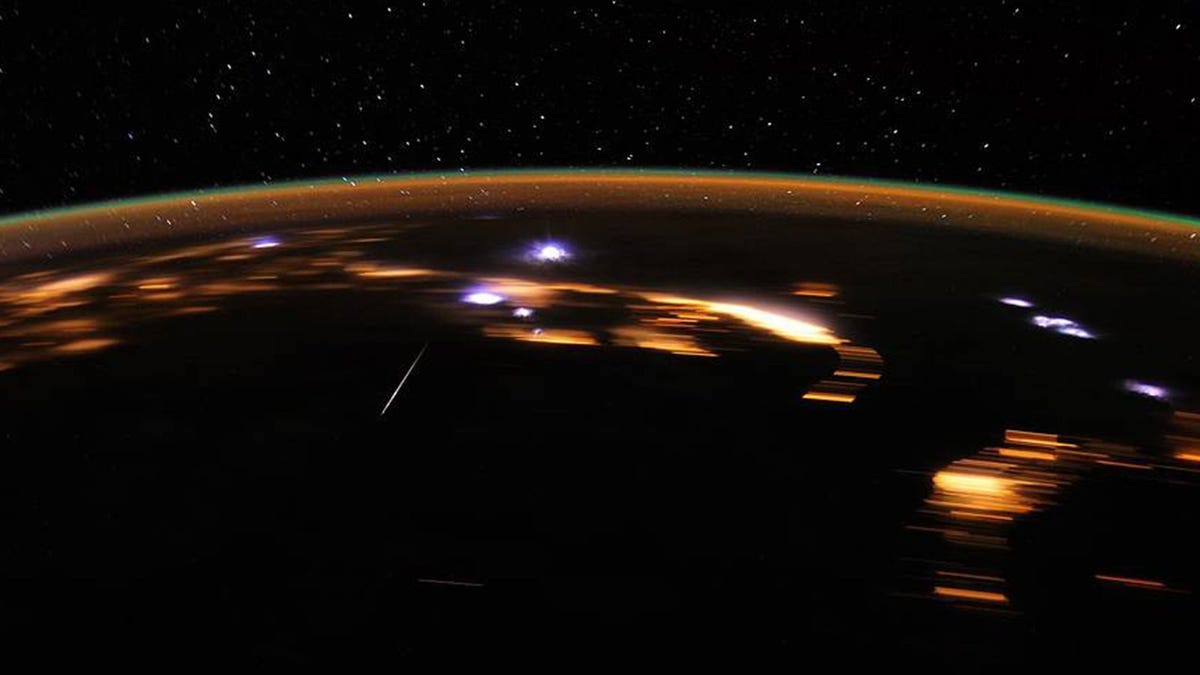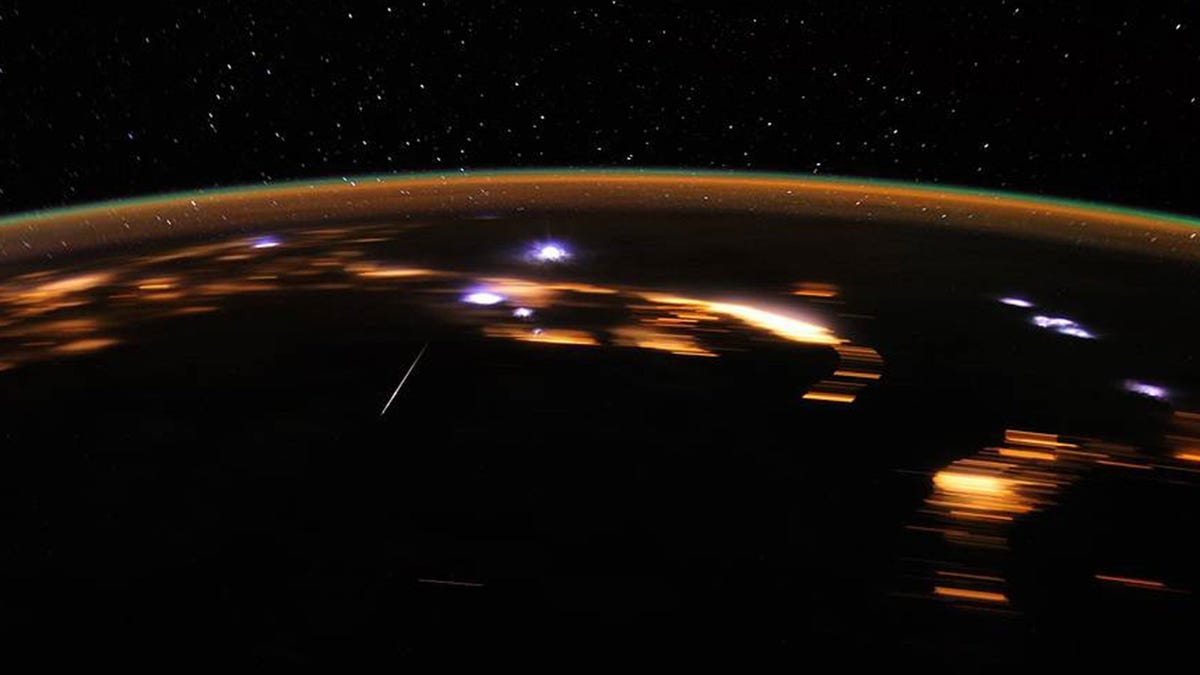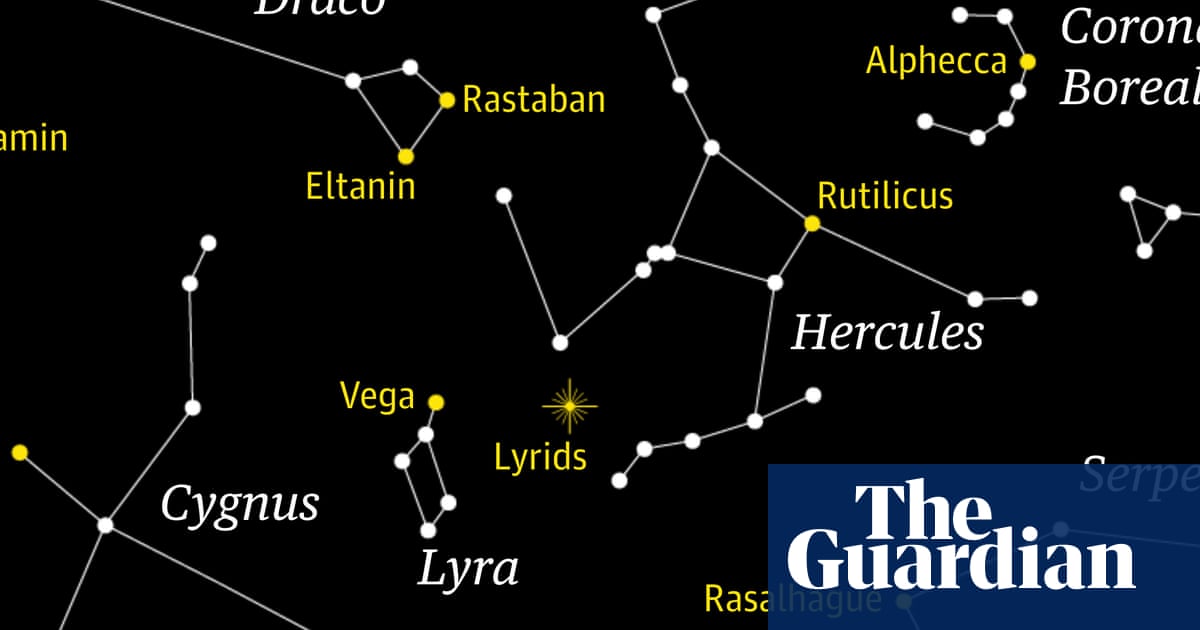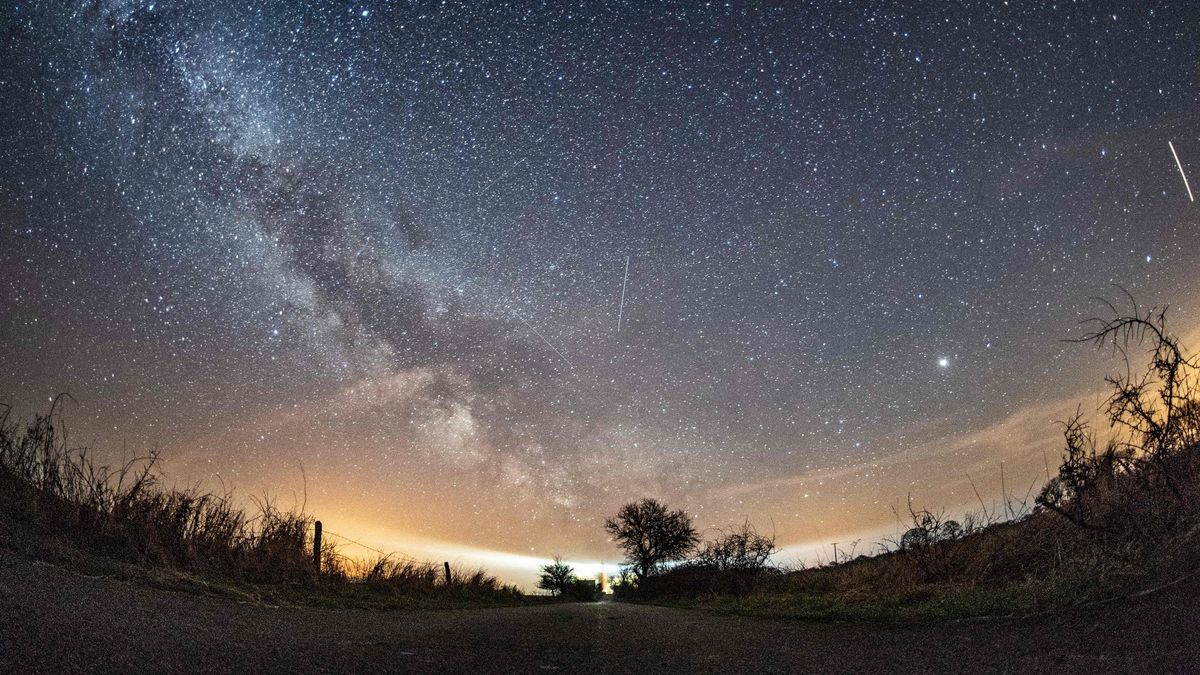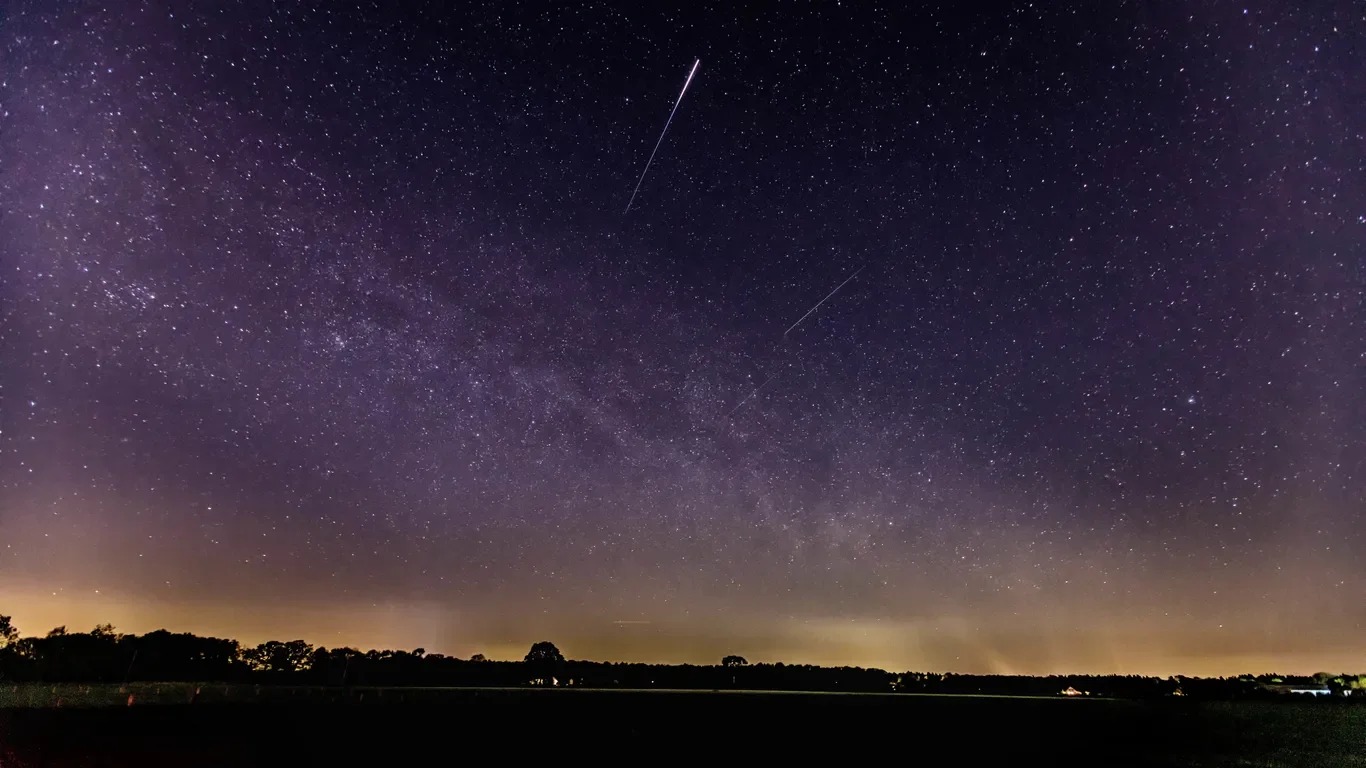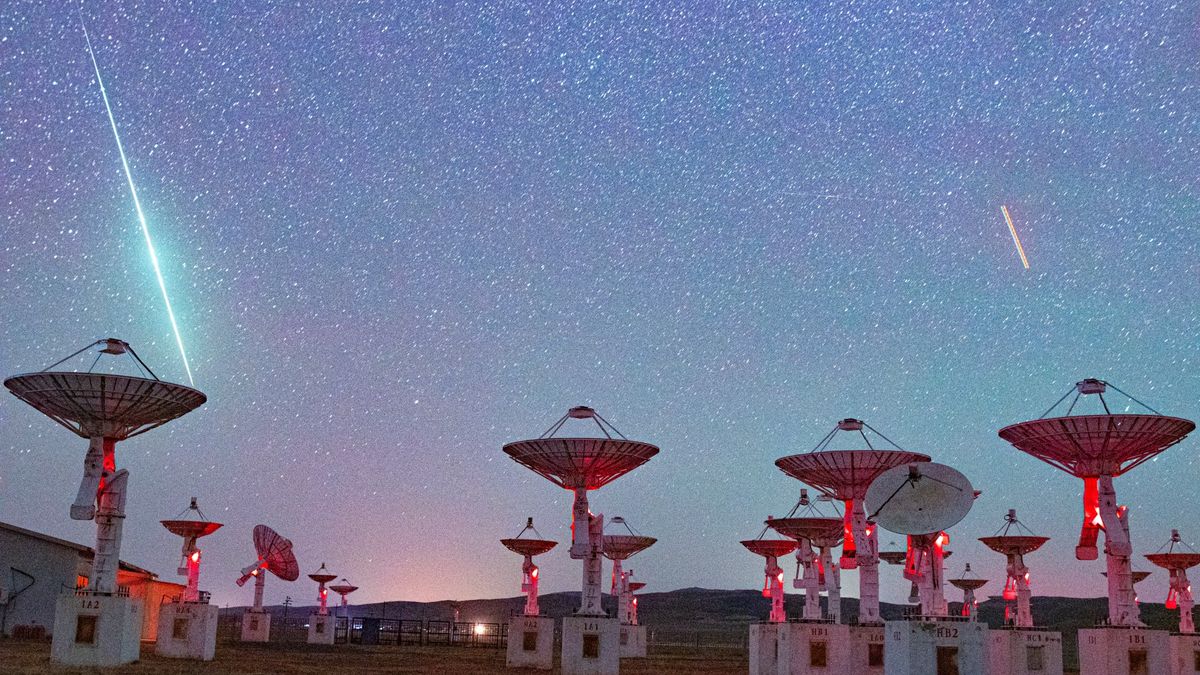
The annual Lyrid meteor shower is set to peak on April 22, but this year's display is expected to be hindered by a bright waxing gibbous moon, making it difficult to see all but the brightest meteors. The Lyrids are known for their fast and brilliant meteors, with an average velocity of 30 miles per second, and about 5 to 10 meteors can usually be seen each hour under good skies. These meteors are debris left behind by the long-departed comet Thatcher, and their paths appear to diverge from a spot near the star Vega in the constellation of Lyra. While the Lyrids are typically a weak display, they have a history of surprising observers, making them worth watching.
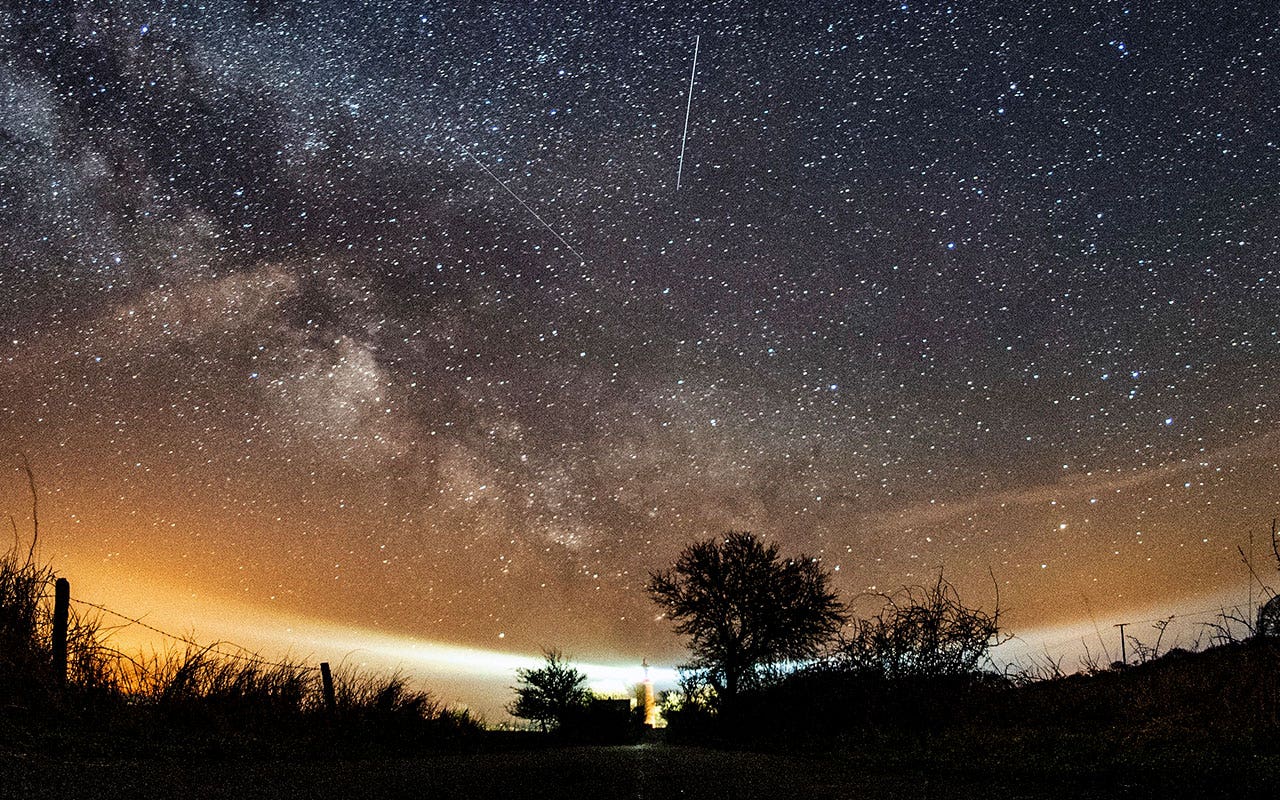
The annual Lyrid meteor shower is currently underway, peaking Sunday into Monday with an expected 10 to 20 meteors per hour. To observe the event, look to the northeast and maintain focus on the same spot in the sky, although the nearly full moon may hinder visibility. Meteor showers originate from comet debris and can be seen without special equipment, with the next major shower being the Eta Aquarids in early May.
The annual Lyrid meteor shower, caused by the Earth passing through the orbit of Comet Thatcher, is set to peak on April 21st in the northern hemisphere, with an expected 10 to 15 meteors per hour under ideal conditions. However, challenges such as a bright waxing gibbous moon and unfavorable weather may hinder visibility. Scientists recommend viewing from a dark area away from city lights and allowing time for eyes to adjust to darkness. The meteor shower will last until April 29th, and viewers are encouraged to share their meteor videos online.
The Lyrids Meteor Shower, originating from Comet Thatcher, is currently active and will peak on the nights of April 21 to 22 and 22 to 23. Best observed from the Northern Hemisphere, the shower may produce around 10 to 15 meteors per hour due to interference from the bright waxing gibbous Moon. Skywatchers can locate the radiant point near the bright star Vega and expect meteors to rain down from the top of the Northern Hemisphere sky. The parent comet, Comet Thatcher, was discovered in 1861 and takes around 416 to 422 years to orbit the Sun.
The Lyrids Meteor Shower, originating from Comet Thatcher, is currently active and will peak on the nights of April 21 to 22 and 22 to 23. Best observed from the Northern Hemisphere, the shower may produce around 10 to 15 meteors per hour due to interference from the bright waxing gibbous Moon. Skywatchers can locate the radiant point near the bright star Vega and expect meteors to rain down from the top of the Northern Hemisphere sky. The Lyrids are the oldest recorded meteor shower, with observations dating back to 687 BCE, and are associated with Comet Thatcher, a long-period comet expected to reach its next perihelion around the year 2283.
The annual Lyrids meteor shower, originating from the comet Thatcher, will peak on the night of April 22nd, offering between five and 20 meteors an hour, with the possibility of rare "fireballs". The Earth encounters the dust particles left behind by the comet every year between April 15th and 29th, with occasional outbursts of increased activity. The shower will be visible in the northern sky, with the constellation reaching its highest point around 2am from the southern hemisphere.
The annual Lyrid meteor shower will peak overnight on Saturday, April 22, offering skywatchers the opportunity to spot some fast and bright meteors as they streak through the night sky. The Lyrids, which occur around April each year, aren't the most active of the meteor showers experienced over Earth each year as our planet makes its annual passage around the sun. At peak activity and in ideal viewing conditions like dark skies and clear weather, skywatchers could expect to see around 18 meteors per hour from the Lyrids.
The peak of the Lyrids meteor shower, one of the oldest known meteor showers, will be visible to sky watchers in the Northern Hemisphere away from excessive artificial light and cloudy weather this weekend. The Lyrid meteors are space debris from Comet Thatcher, and as the Earth passes through Thatcher's debris trail, particles and bits of asteroids collide with the planet's atmosphere and burn up, producing colorful streaks in the sky. Spectators should be able to see between 10 to 20 Lyrid meteors per hour, with the meteors appearing to originate from the constellation Lyra.
The Lyrid Meteor Shower, an annual event in April caused by debris from the comet Thatcher, will be visible each night for the next two weeks, with the peak occurring on April 21 and 22. Stargazers can expect to see 10 to 15 meteors per hour, with occasional surges of up to 100 per hour. NASA recommends looking up around 9 p.m. away from city lights for the best viewing experience. The Lyrids are among the oldest known meteor showers, with records dating back 2,700 years.
The Lyrid Meteor Shower, caused by debris from Comet Thatcher, is set to take place from April 16 to 25, with up to 100 meteors per hour expected to streak across the sky. The shower is one of the oldest meteor showers on record, first recorded by Chinese observers in 687 BC. Viewers can expect to spot around 18 meteors per hour outside of larger bursts, with the shower expected to peak at 7:06 PM on April 21 until daybreak on April 22. Observers will have the best chance to view the shower if the night sky is dark and clear and in areas where there is minimal light pollution.
The Lyrid Meteor Shower, caused by debris from Comet Thatcher, is set to take place from April 16 to 25, with the peak expected on April 21. Viewers can expect to see up to 100 meteors per hour streaking across the sky, though typically around 18 meteors per hour can be seen. The shower is one of the oldest meteor showers on record, first recorded by Chinese observers in 687 BC. Observers will have the best chance to view the shower if the night sky is dark and clear and in areas where there is minimal light pollution.
The Lyrid Meteor Shower, caused by debris from Comet Thatcher, is set to take place less than a month from now and is expected to send up to 100 meteors per hour streaking across the sky. The shower is one of the oldest meteor showers on record and has been observed for nearly 2,700 years. Viewers can expect to spot around 18 meteors per hour outside of larger bursts, and the shower is expected to peak at 7:06 PM on April 21 until daybreak on April 22. Observers will have the best chance to view the shower if the night sky is dark and clear and in areas where there is minimal light pollution.