Tag

Lyrid Meteor Shower

All articles tagged with #lyrid meteor shower

astronomy1 year ago

"Anticipating the 2024 Lyrid Meteor Shower: What to Expect This Weekend"

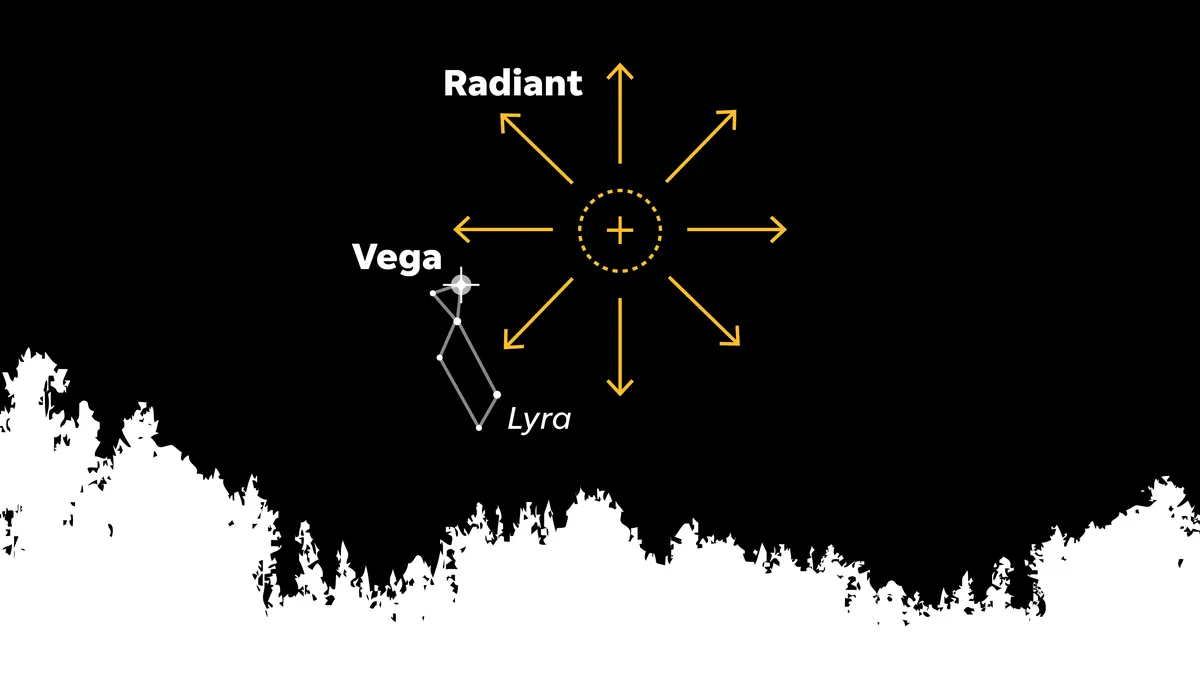
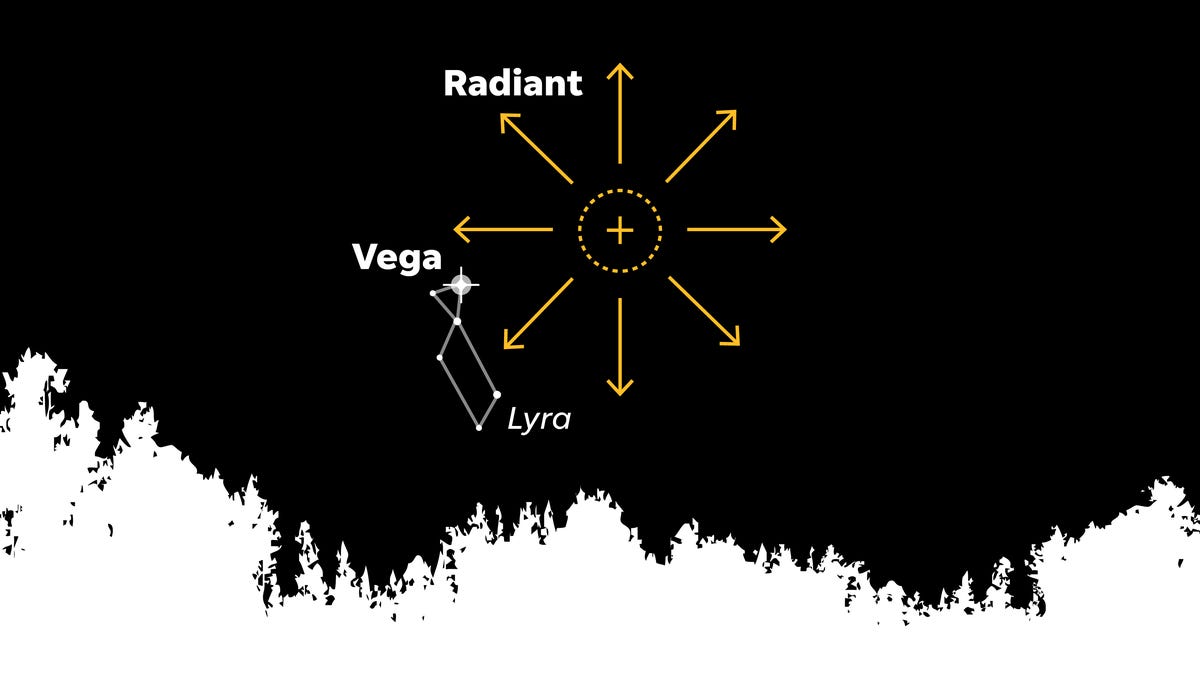
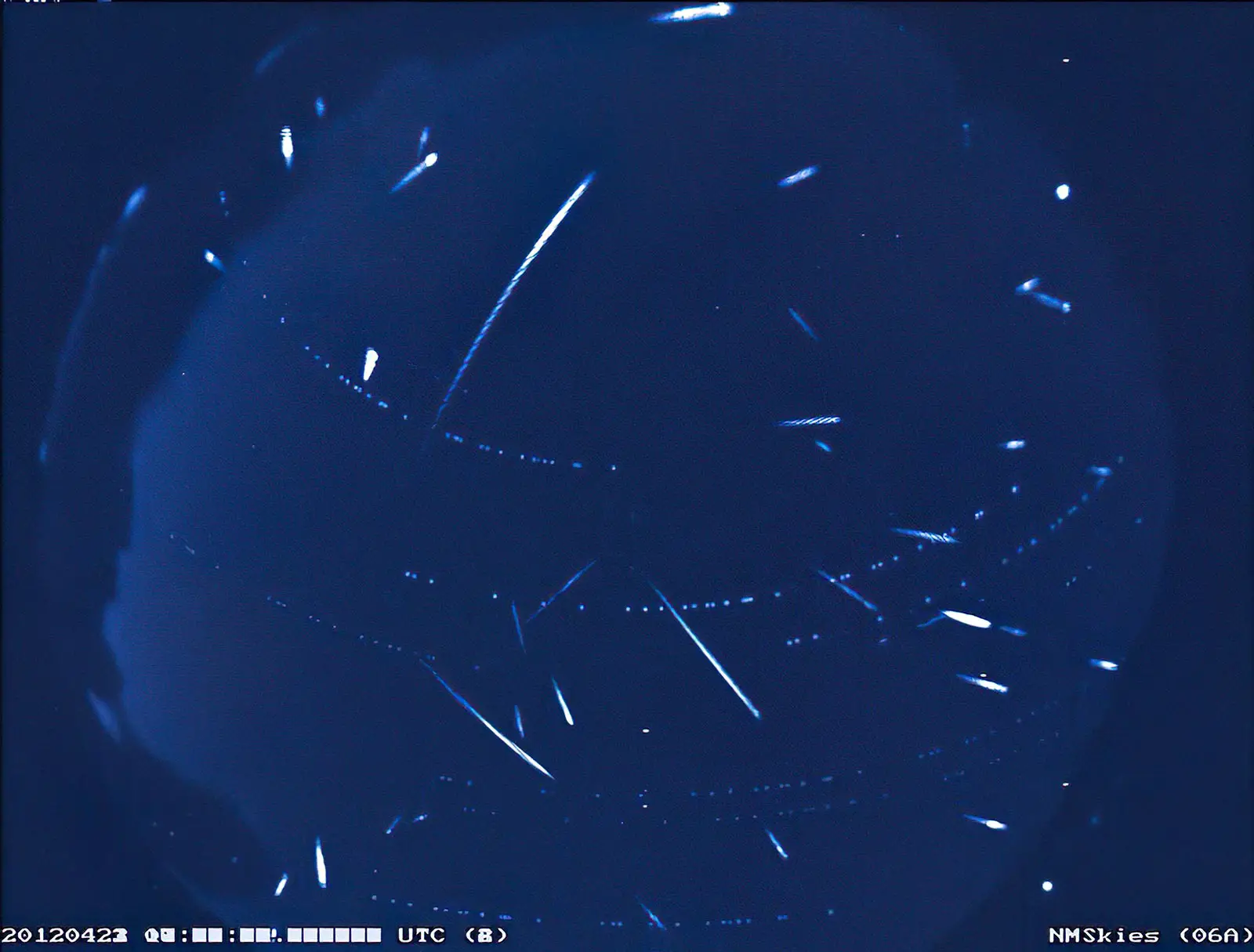
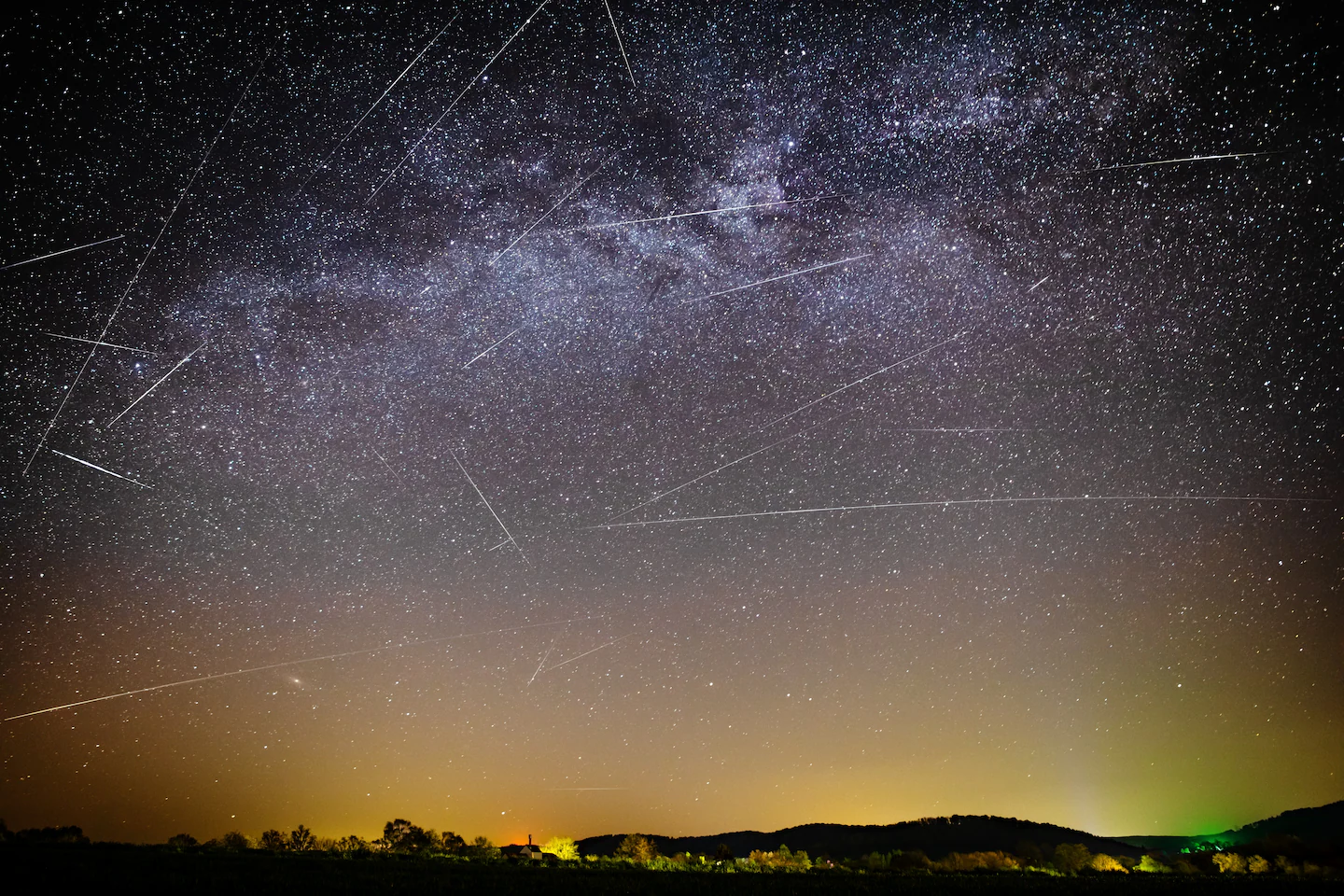
The annual Lyrid meteor shower is set to peak on April 22, but this year's display is expected to be hindered by a bright waxing gibbous moon, making it difficult to see all but the brightest meteors. The Lyrids are known for their fast and brilliant meteors, with an average velocity of 30 miles per second, and about 5 to 10 meteors can usually be seen each hour under good skies. These meteors are debris left behind by the long-departed comet Thatcher, and their paths appear to diverge from a spot near the star Vega in the constellation of Lyra. While the Lyrids are typically a weak display, they have a history of surprising observers, making them worth watching.
astronomy1 year ago

"2024 Lyrid Meteor Shower: Where and How to Watch the Spectacular Event"

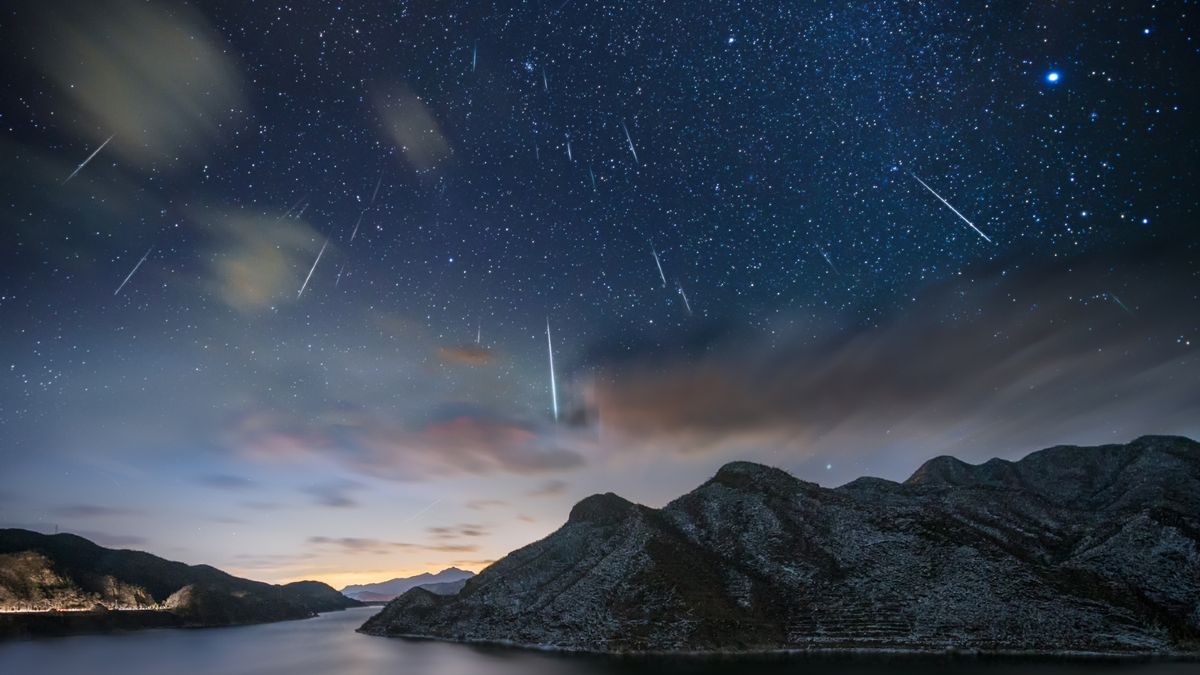
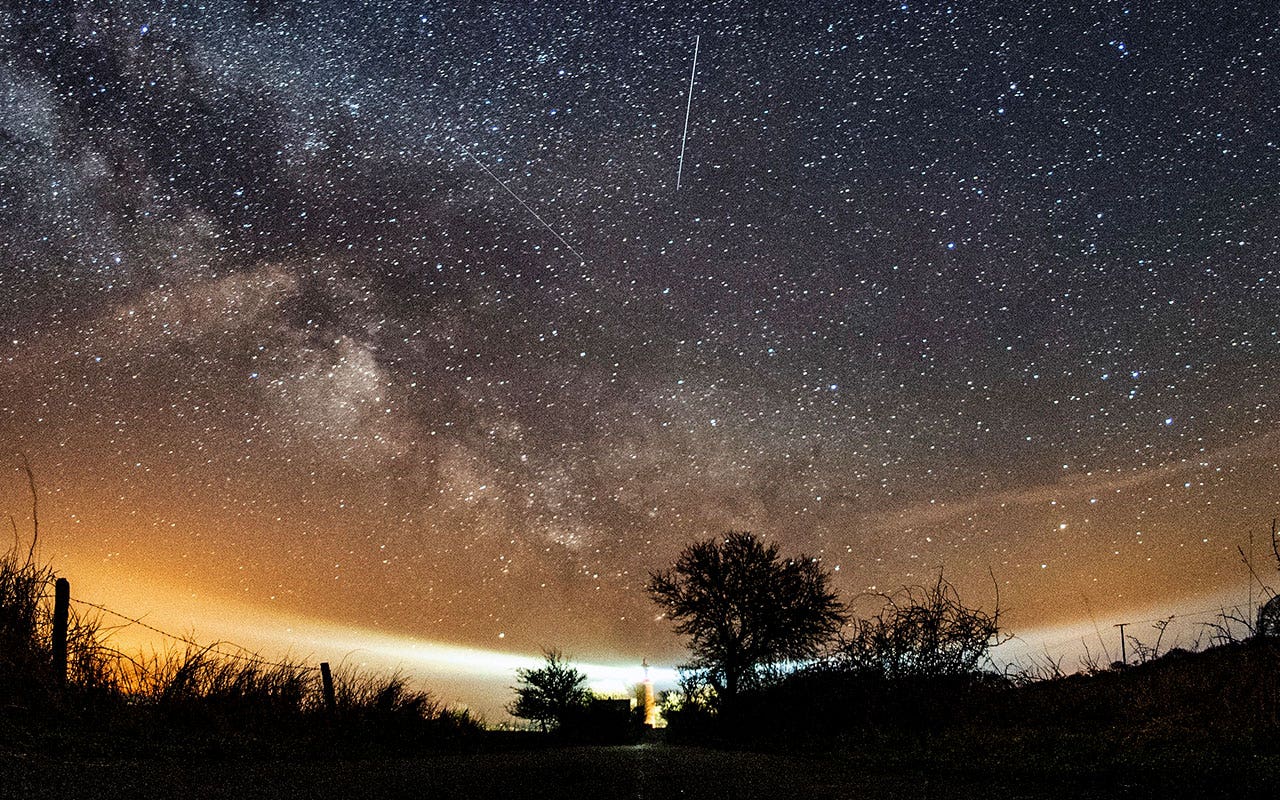
The Lyrid meteor shower has begun, with its peak expected to bring hundreds of shooting stars and "fireballs" to the night sky later this week. The event, caused by Earth passing through the debris field of Comet C/1861 G1 Thatcher, will peak between April 21 and 22, with dozens of meteors visible per hour. However, this year's peak coincides with a nearly full "pink moon," potentially reducing visibility. The best time to view the Lyrids will be just before dawn on April 22, with the shower best seen in the Northern Hemisphere away from city lights. If you miss the peak, viewing opportunities will still be available on the nights surrounding it.

astronomy1 year ago

"2024 Lyrid Meteor Shower: Peak Viewing Tips and Best Places to Watch"

The annual Lyrid meteor shower is currently underway, peaking Sunday into Monday with an expected 10 to 20 meteors per hour. To observe the event, look to the northeast and maintain focus on the same spot in the sky, although the nearly full moon may hinder visibility. Meteor showers originate from comet debris and can be seen without special equipment, with the next major shower being the Eta Aquarids in early May.

astronomy1 year ago

"Spotting the Devil Comet: A Guide for Skywatchers"

Comet 12P/Pons-Brooks, also known as the "devil comet," will reach its peak brightness on Sunday, April 21, and can be seen in the southwest sky just after sunset. The comet, discovered in 1812, is currently racing toward the sun at 40,000 mph and may be visible with the naked eye, but binoculars or a telescope will make it easier to see. Additionally, the article mentions the upcoming Lyrid meteor shower, which peaks overnight on April 21-22, and the Eta Aquariids meteor shower, which peaks around May 5-6.

astronomy1 year ago

"Your Guide to Viewing the Lyrid Meteor Shower This Weekend"

The Lyrid meteor shower is set to peak on the night of April 21-22, with an average of 10-15 meteors per hour and a potential for up to 100. Best viewing will be in the pre-dawn hours after midnight when the shower's radiant rises in the east. The Lyrids are debris from Comet C/1861 G1 Thatcher and are one of the oldest-known meteor showers, with the first recorded sighting dating back to 687 B.C. in China.

astronomy1 year ago

"Lyrid Meteor Shower: Viewing Tips for North America's Peak"

The annual Lyrid meteor shower, caused by the Earth passing through the orbit of Comet Thatcher, is set to peak on April 21st in the northern hemisphere, with an expected 10 to 15 meteors per hour under ideal conditions. However, challenges such as a bright waxing gibbous moon and unfavorable weather may hinder visibility. Scientists recommend viewing from a dark area away from city lights and allowing time for eyes to adjust to darkness. The meteor shower will last until April 29th, and viewers are encouraged to share their meteor videos online.

astronomy1 year ago

"2024 Lyrid Meteor Shower: Viewing Tips for Wisconsin and Idaho"

The Lyrid meteor shower, known for its fast and bright meteors, will peak between April 21 to 22 and is visible from both the Northern and Southern Hemisphere. In Wisconsin, some of the best places to view the meteor shower include Newport State Park, Ellison Bay, and Kettle Moraine State Forest. Meteor showers occur when the Earth passes through debris trails left by comets, and the Lyrids are pieces of debris from Comet C/1861 G1 Thatcher. Other upcoming meteor showers in 2024 include the Eta Aquariid, Delta Aquariid, Perseid, Draconids, Orionid, Taurid, Leonid, Geminid, and Ursid meteor showers.

astronomy1 year ago

"Multiple Fireball Sightings Illuminate Northeastern Skies"

A bright fireball lit up the sky across ten states on Saturday night, visible from Connecticut to Virginia, with over 100 eyewitness reports of a greenish-colored meteor traveling at 38,000 miles per hour before disintegrating over New Jersey. This event follows a similar sighting last Wednesday and precedes the upcoming Lyrid meteor shower, expected to peak late April 22 into the early hours of April 23, known for fast and bright meteors.

astronomy1 year ago

"Multiple Fireball Sightings Illuminate Night Skies Across East Coast"

A bright fireball, identified as a fast-moving meteor, was observed streaking through the night sky over several eastern states, including New Jersey, New York, and Pennsylvania. This event marked the second fireball sighting in the region within four days. NASA reported that the fireball disintegrated at an altitude of 30 miles above Norven Green State Forest, traveling approximately 37 miles through the upper atmosphere. While not associated with any active meteor shower, the upcoming Lyrid meteor shower is expected to peak on April 22-23, potentially producing a high number of shooting stars.

astronomy1 year ago

"2024 Lyrid Meteor Shower: Best Viewing Spots and Peak Times"

The Lyrid meteor shower, one of the oldest known meteor showers, will be visible worldwide starting next week, peaking in the late evening of April 21 through dawn on April 22. Meteoroids, small rocks in space, create meteors as they burn up in the Earth's atmosphere, and those that survive and hit the ground are called meteorites. Named after the constellation Lyra, the Lyrids can surprise watchers with as many as 100 meteors seen per hour, and the best view in the Northern Hemisphere is after moonset and before dawn.

astronomy1 year ago

"2024 Lyrid Meteor Shower: Where and When to See Bright Fireballs"

The Lyrid meteor shower, one of the world's oldest-known meteor showers, will peak from April 21 to April 22, offering skywatchers a chance to see fast and bright meteors originating from comet debris. Best viewed in the Northern Hemisphere during the dark hours, observers are advised to find an area away from city lights, lie flat on their back, and be patient as the show can last until dawn, with the potential to see as many as 100 meteors per hour.

astronomy2 years ago

Don't Miss the Lyrid Meteor Shower Peak This Weekend.

The Lyrid meteor shower, one of the oldest in history, will peak on April 23 with up to 15 meteors per hour visible under ideal conditions. The shower occurs every year in mid-April when Earth crosses the trail of debris left by Comet C/1861 G1 Thatcher. Unlike other showers, the Lyrids are known for their unpredictability, making regular observations crucial for improving models. To observe the Lyrids, find a dark location away from city lights, allow 30 minutes for eyes to adjust, and avoid bright screens.

skywatching2 years ago

Don't Miss the Lyrid Meteor Shower Peak This Weekend

The annual Lyrid meteor shower will peak overnight on Saturday, April 22, offering skywatchers the opportunity to spot some fast and bright meteors as they streak through the night sky. The Lyrids, which occur around April each year, aren't the most active of the meteor showers experienced over Earth each year as our planet makes its annual passage around the sun. At peak activity and in ideal viewing conditions like dark skies and clear weather, skywatchers could expect to see around 18 meteors per hour from the Lyrids.

science2 years ago

Don't Miss the Lyrid Meteor Shower Peak This Weekend: Tips for Viewing

The Lyrid meteor shower, one of the oldest-known meteor showers, will be visible on Saturday evening and into the early morning on Sunday. The meteor shower will be in full swing starting at 9 p.m. on Saturday for folks on the East Coast. People worldwide may be able to see from 15 to 20 meteors per hour at the peak. For best viewing, watch the sunset toward the western sky, wait until dark, and then turn around to the northeastern sky to look for meteors.

astronomy2 years ago

"Watch the Lyrid Meteor Shower this Weekend in California and San Diego"

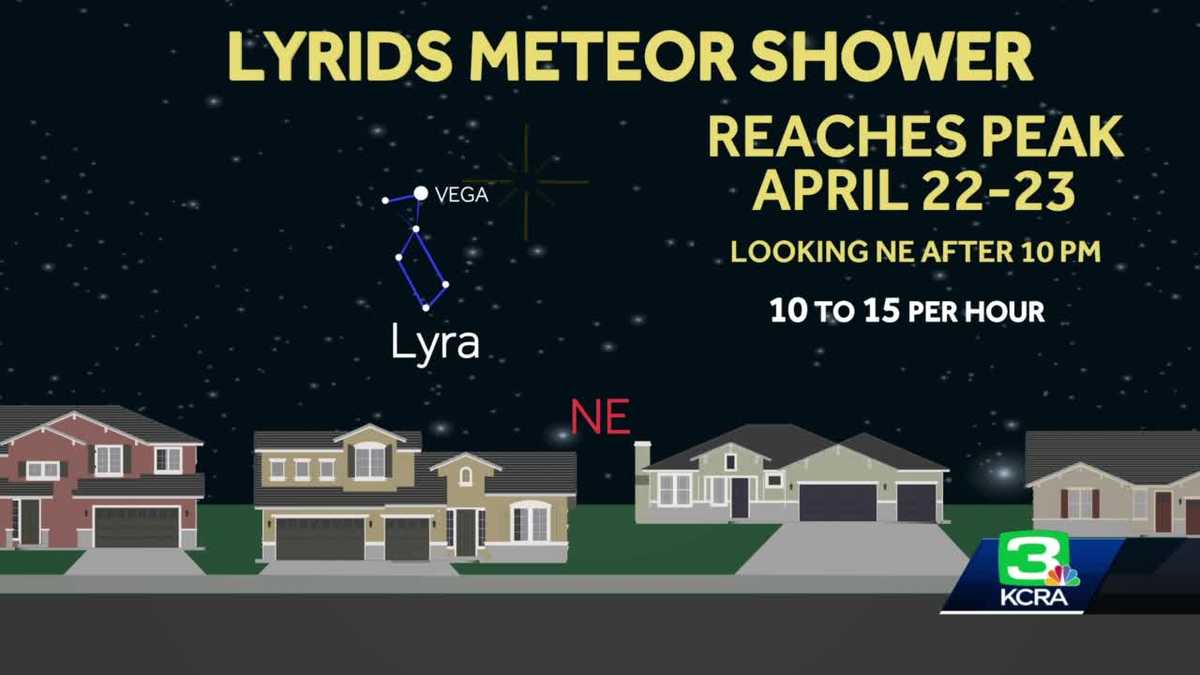
The Lyrid meteor shower will peak this weekend, with the best viewing in Northern California after 10 p.m. Stargazers may see a few fireballs, and the meteors should radiate at a rate of about 10 to 15 per hour. Two solar eclipses will occur over the next 12 months, with the first being an annular solar eclipse on Oct. 14, 2023, and the second being a total eclipse on April 8, 2024, which will not be visible in California.