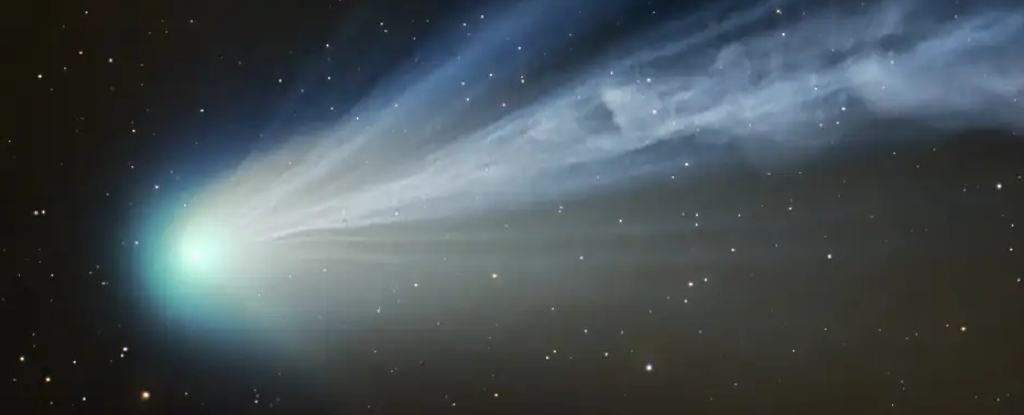
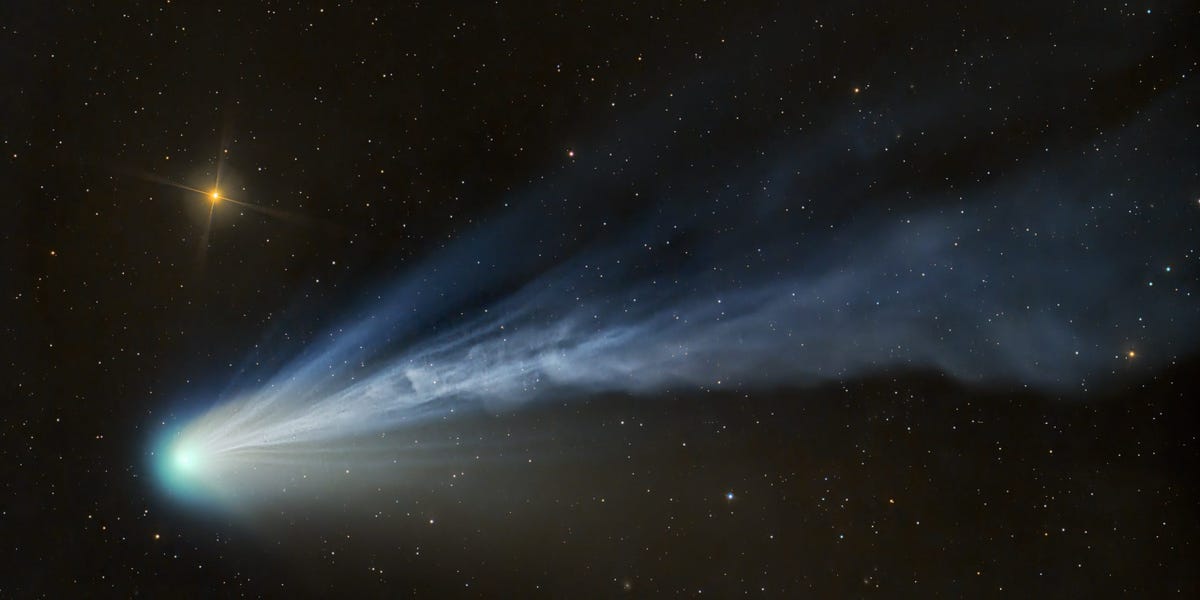
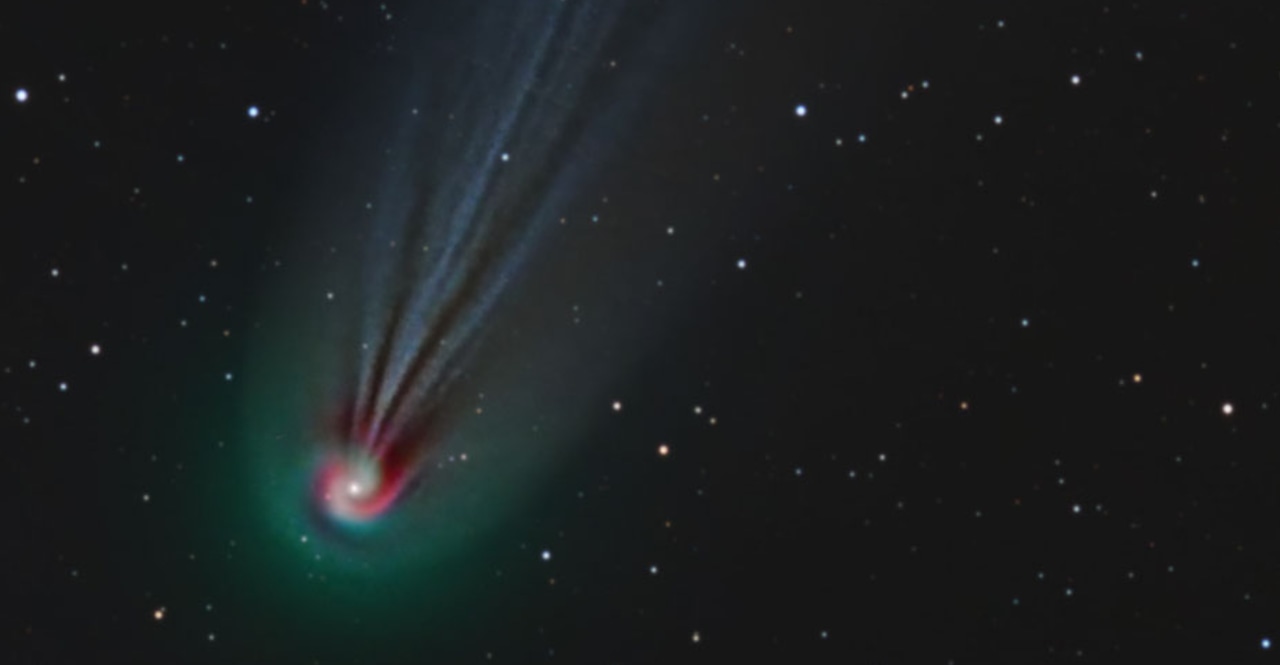
The "Devil Comet," officially known as Comet 12P/Pons-Brooks, will reach its maximum brightness this weekend in a one-in-70-year event as it approaches its closest point to the sun. It will be best visible in the Northern Hemisphere right after sunset with a telescope or binoculars, but spotting it will be challenging without a completely clear view of the horizon. The comet, known for its horn-shaped explosions of ice and gas, will reach perihelion on April 21, appearing close to the west-north-west horizon. It will also reach its closest point to Earth on June 2, passing at a distance of about 144 million miles.
On April 8, during the total solar eclipse, sky gazers in the Northern Hemisphere may have the opportunity to see the bright green "Devil Comet," also known as Pons-Brooks, which is set to make its closest approach to the sun on April 21. The comet, named for its periodic eruptions that give it the appearance of devil horns, could potentially be visible to the naked eye, especially on April 8 when it is closest to Jupiter. Observers are advised to use binoculars during the brief period of totality to catch a glimpse of this celestial event.
On April 8, a total solar eclipse will occur in the US, offering a chance to spot Comet 12P/Pons-Brooks, also known as the "Devil comet." This unusually large comet, with horn-shaped outbursts in its coma, may be visible near the eclipsed sun during totality. While its brightness is difficult to predict, it is estimated to have an apparent magnitude of about 4.9 during the eclipse. The comet's cryovolcanic nature means it could erupt and appear brighter. If not visible during the eclipse, it can be observed in the days leading up to April 21 when it will be nearest to the sun and brightest.
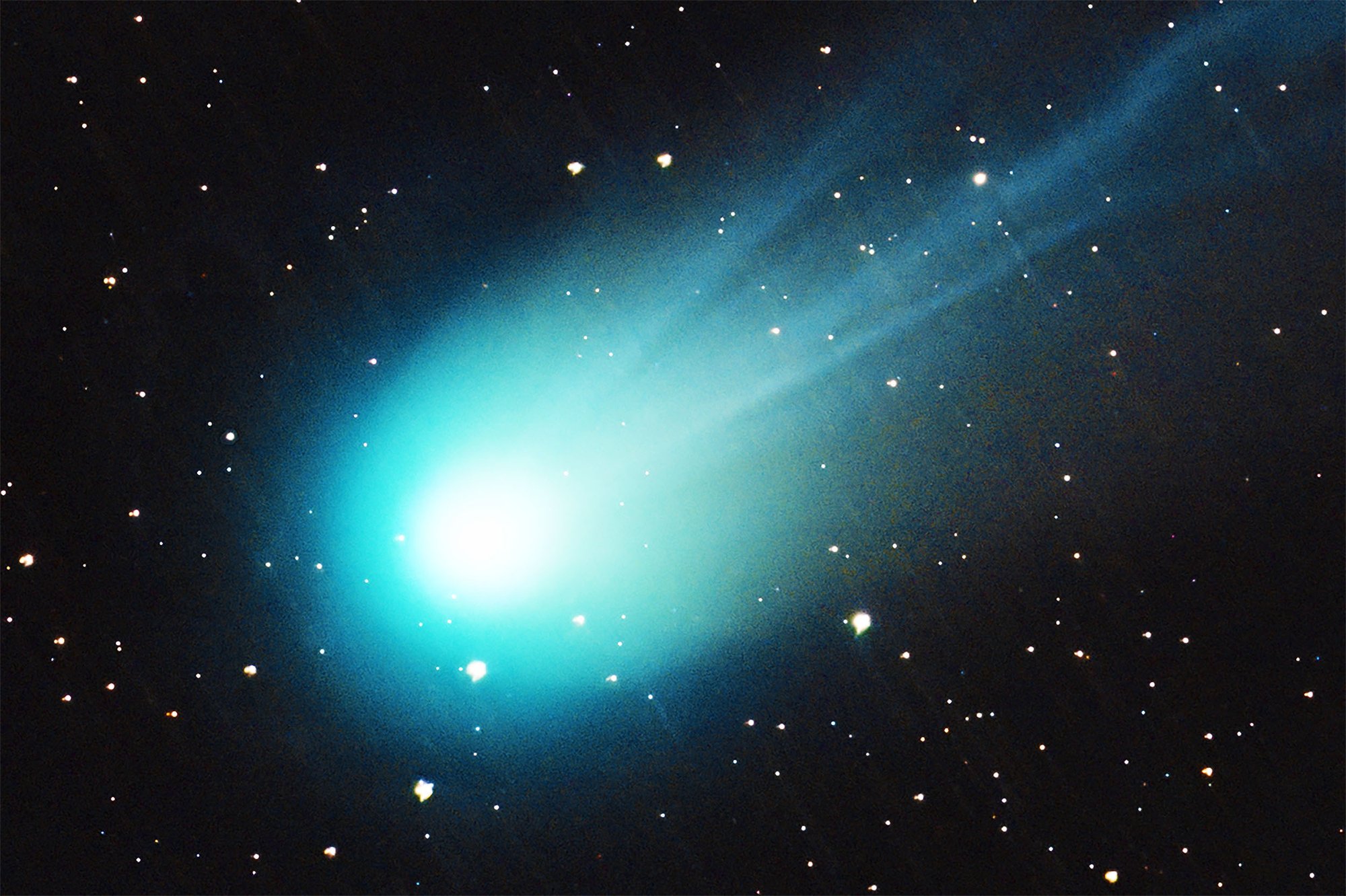
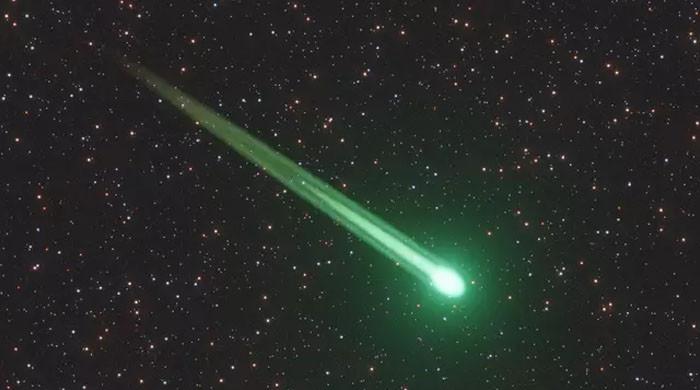
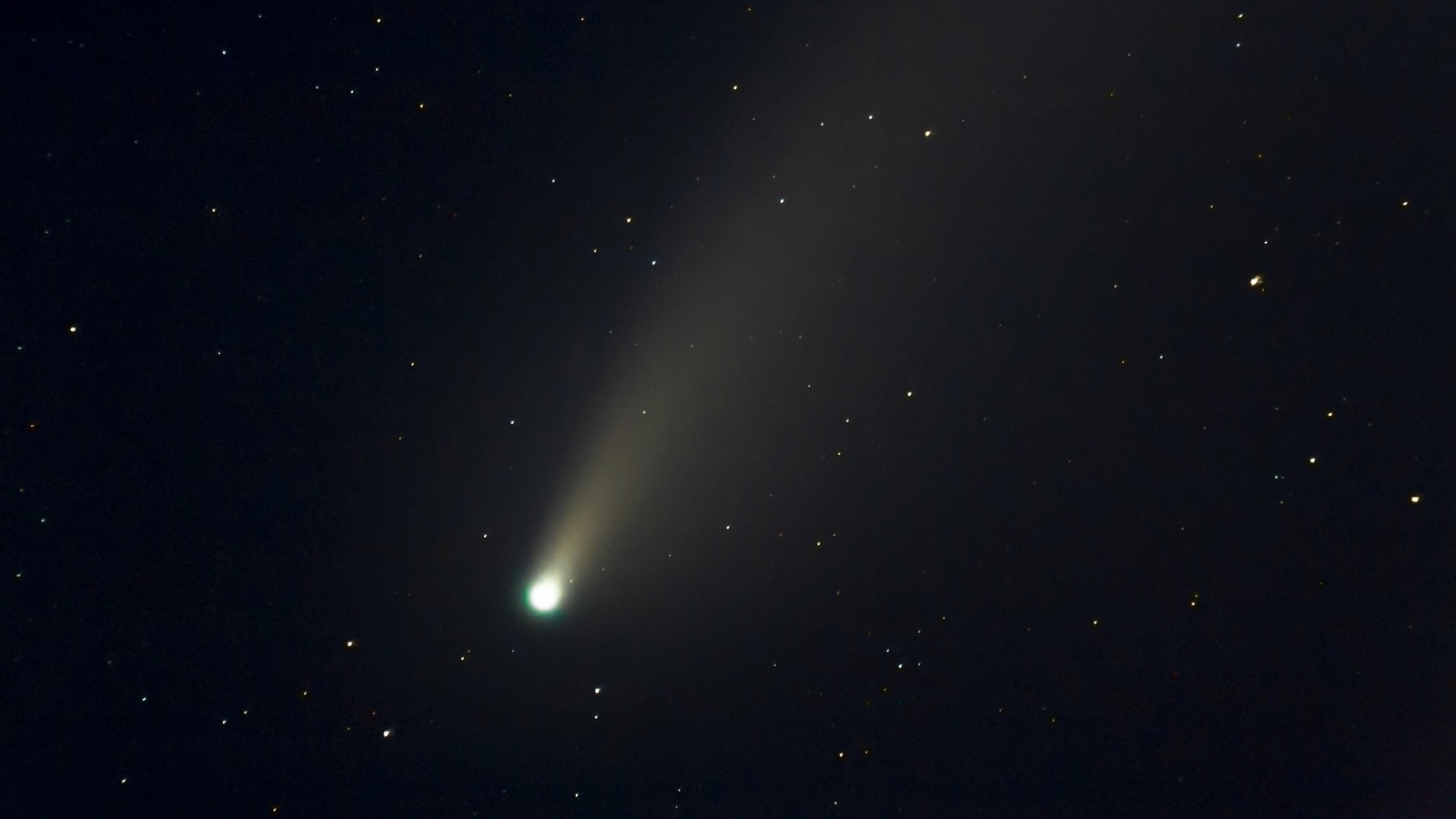
On April 8, a total solar eclipse will occur in the US, coinciding with the close approach of Comet 12P/Pons-Brooks, also known as the "Devil comet." This large comet, with horn-shaped outbursts in its coma, may be visible during the eclipse, appearing as a green streak due to its high dicarbon levels. While its brightness is difficult to predict, an eruption during the eclipse could make it appear brighter. To spot the comet, look for Jupiter during totality, but remember to use proper eye protection when observing the eclipse. If not visible on April 8, try again in the days leading up to April 21 when it will be nearest to the sun and brightest.
Comet 12P/Pons-Brooks, also known as the devil comet, is currently visible in the night skies of the northern hemisphere, offering a unique spectacle for stargazers. This Halley-type comet, with a nucleus about 30 kilometers in diameter, is known for its impressive outbursts of gas and dust during its voyages through the inner solar system. It is most visible in late March and early April, and will reach its closest point to Earth in June 2024. The comet's name honors two legendary astronomers, Jean-Louis Pons and William R. Brooks, who discovered an impressive number of comets. Additionally, the article highlights the scientific interest and importance of continued observation and study of comets, as they hold the key to understanding our place in the cosmos and the fundamental processes that have shaped our solar system.
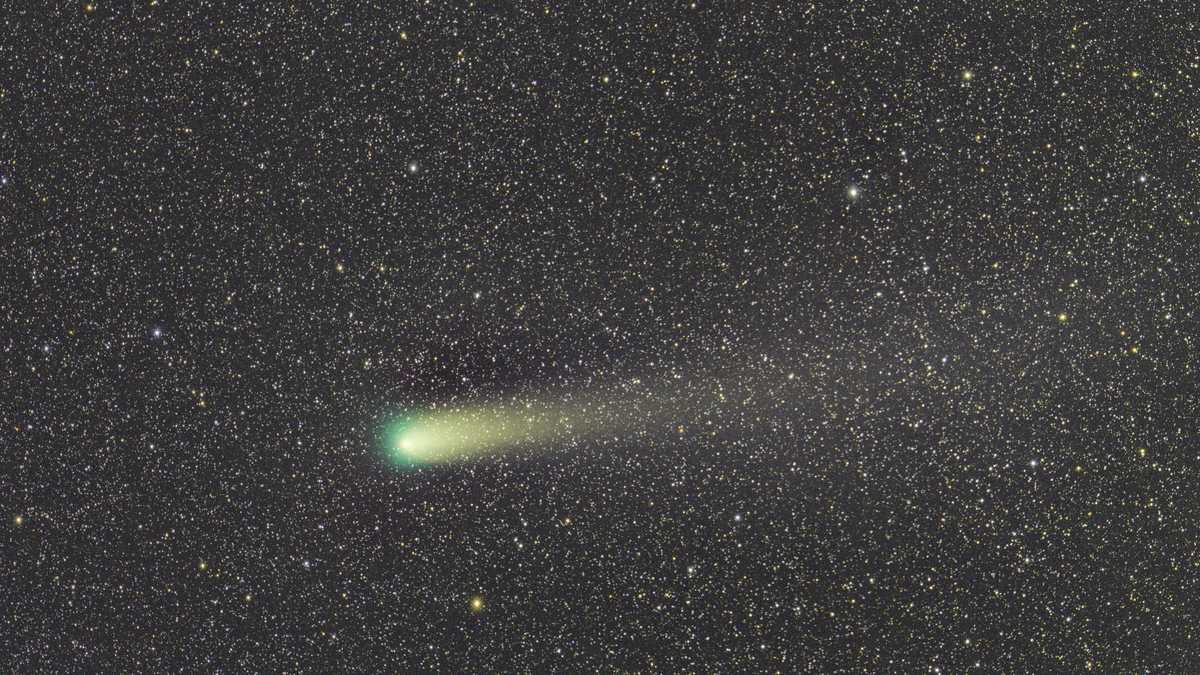
During the April 8 total solar eclipse, Comet 12P/Pons-Brooks, also known as the "Devil Comet," will be visible, known for its greenish appearance and "horns" emitting dust, gases, and ice. The comet will be visible from North America and is expected to put on a show for deep camera images, although its brightness is difficult to predict. The comet's green color comes from a molecule called dicarbon, and it will make its closest approach to the sun on April 21 before reaching its closest point to Earth on June 2.
The "Devil Comet," officially known as 12/P Pons-Brooks, will be visible in Wisconsin for the first time in 71 years from mid-March to mid-April, with the best viewing time on April 21. This 10-mile-wide comet, known for its unique appearance resembling devil horns, is a Halley-type comet that flares up as it approaches the sun. It can be seen with binoculars or a telescope just after sunset, located south and to the left of Jupiter. Although not visible during the upcoming partial solar eclipse on April 8, the comet's visibility will diminish as the sun sets later, making early April the best time for viewing in Milwaukee.
NASA reports that the rare "devil comet" 12P/Pons-Brooks, known for its periodic explosions and devilish appearance, will make its first pass by Earth in 71 years, coinciding with the April 8 total solar eclipse. The comet's closest approach to the sun will be on April 21, and it will be visible in the sky during the eclipse. With a diameter of at least 17 kilometers, the comet's periodic explosions make it brighter and easier to spot. Skywatchers are encouraged to look out for this rare astronomical event in the coming months.
The once-in-a-lifetime astronomical event of the "Devil Comet" 12P/Pons-Brooks, which only occurs every 71.2 years, is set to be visible to the naked eye at the end of March. This cryovolcanic comet, known for its eruptions and occasional green sheen, was first discovered in 1812 and measures around 10.5 miles across. Stargazers can use star charts or apps to locate it as it moves from the constellation of Andromeda to Pisces, passing by bright stars, and may need binoculars or a telescope for a better view.
On April 8, a rare total solar eclipse may coincide with the appearance of the "devil comet," 12P/Pons-Brooks, known for its distinctive horn-shaped gas and dust spew. Skygazers may have the chance to witness both the eclipse and the comet, which is set to make its closest approach to the sun, potentially becoming visible to the naked eye. The comet's unpredictable brightness surges could make it a magnificent sight alongside the eclipse, offering a unique celestial event for observers in North America.
The "devil comet," officially known as 12P/Pons-Brooks, is set to make a rare appearance during the total solar eclipse next month, possibly visible to the naked eye if it erupts before totality. Measuring 10.5 miles in breadth, the comet follows a highly elliptical orbit around the sun every 71 years and is characterized as an ice volcano or cryovolcanic comet. Skygazers have been advised to wear protective eyewear during the partial phases of the eclipse, and recent images have shown a greenish glow emitted by the comet due to high concentrations of dicarbon in its coma and tail.
The "devil comet" 12P/Pons-Brooks, known for its greenish glow and periodic eruptions, is expected to approach near Earth during the total solar eclipse on April 8. The city-sized comet, with a width of 10.5 miles, may be visible to the naked eye if it erupts before totality. Its green light is caused by high concentrations of dicarbon in its coma and tail. Observers are advised to use protective eyewear when viewing the eclipse to avoid irreversible eye damage.
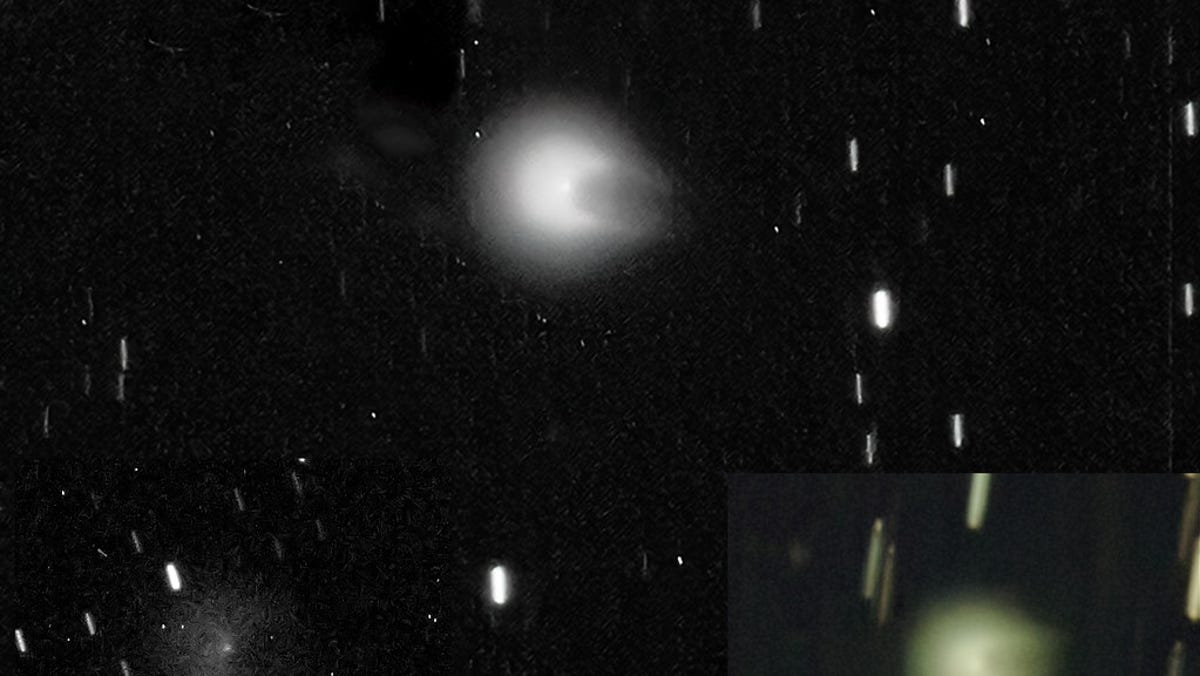
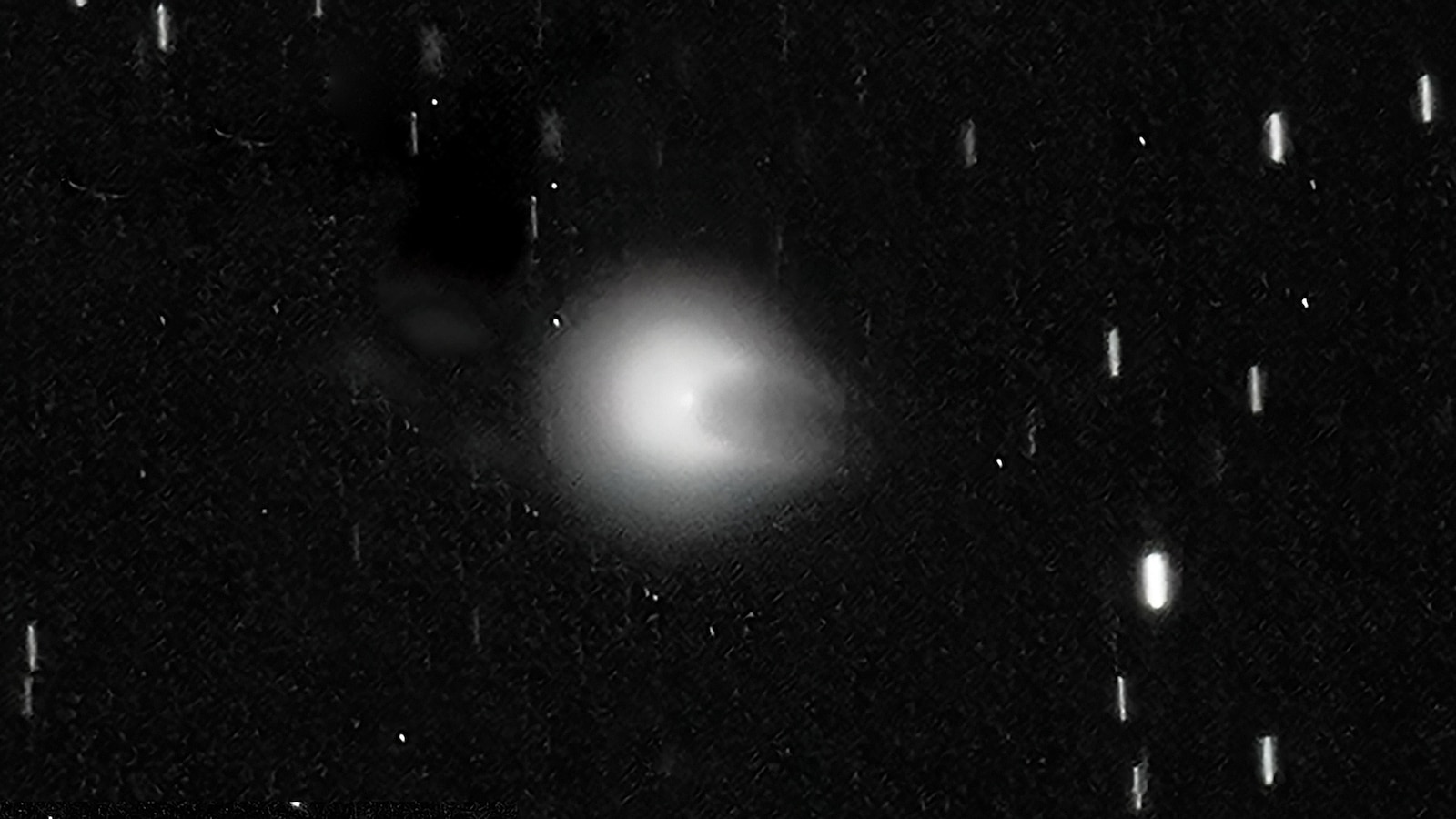
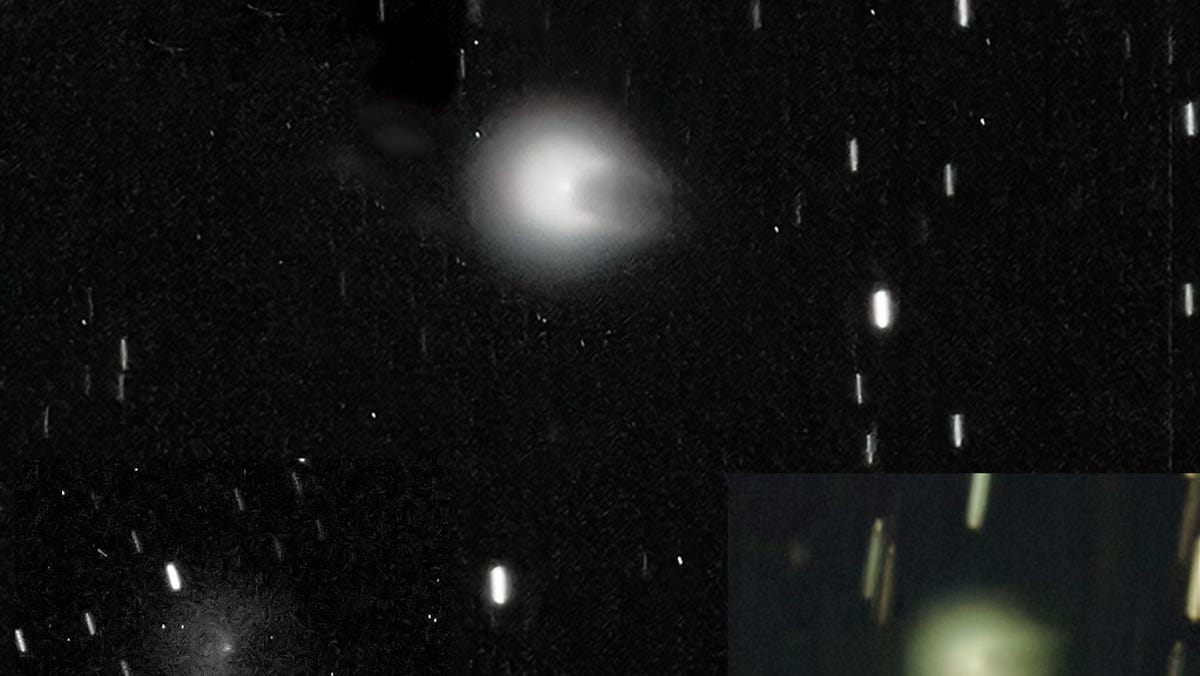
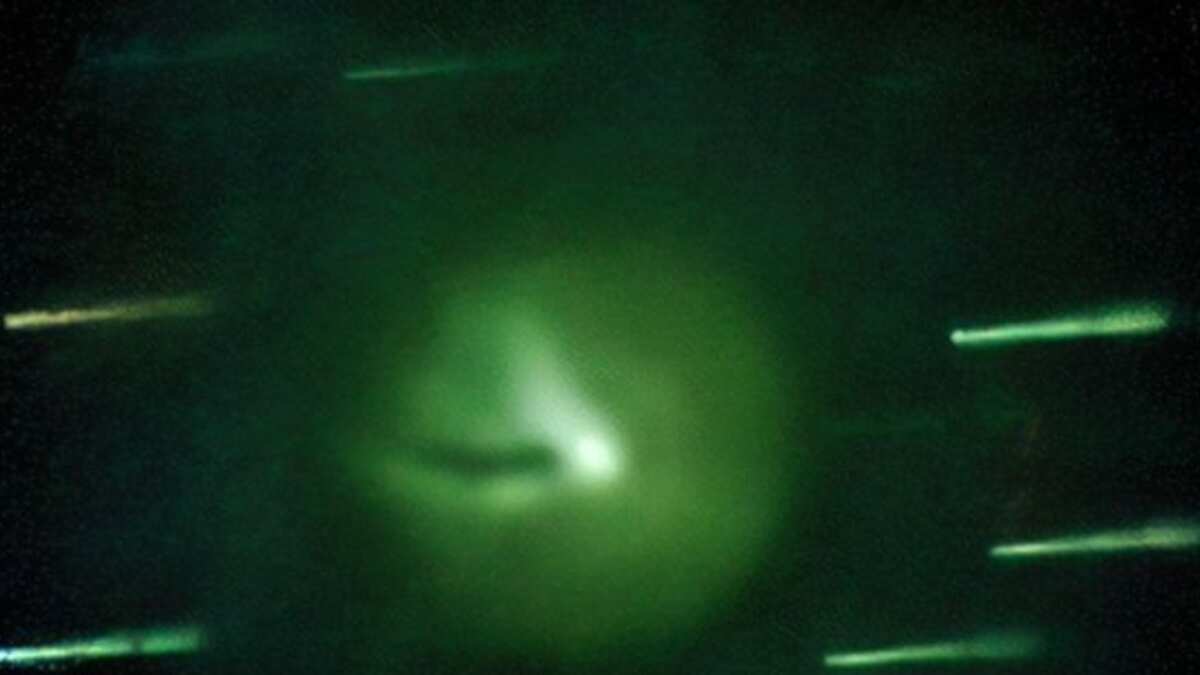
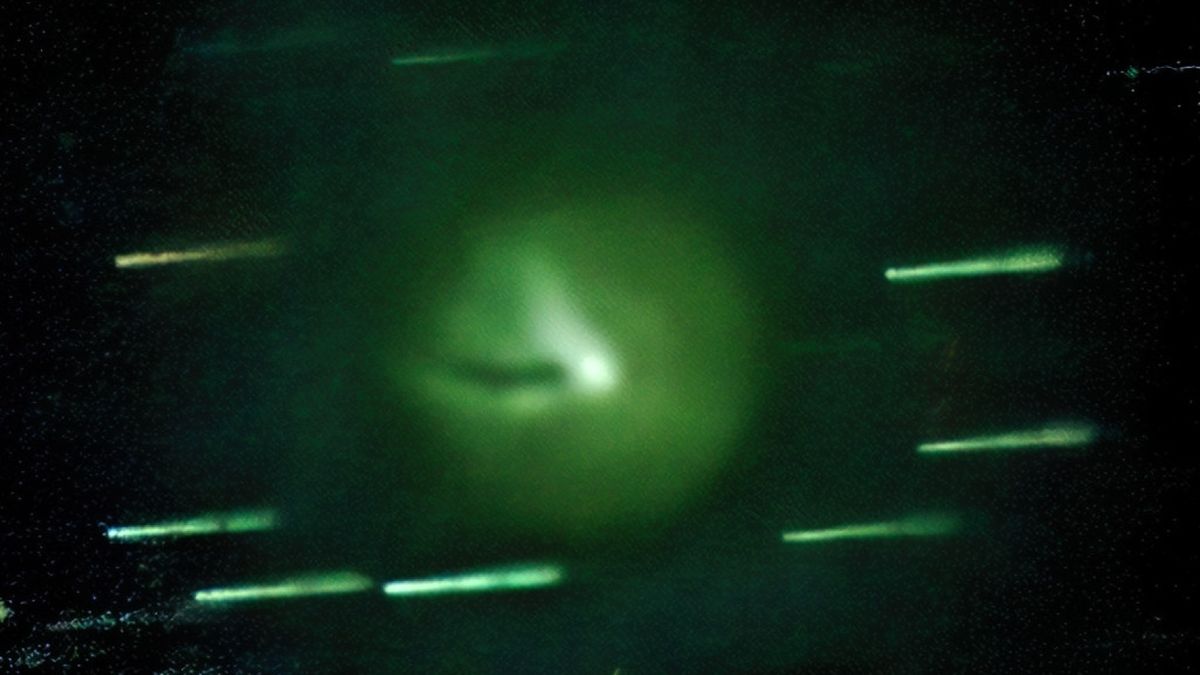
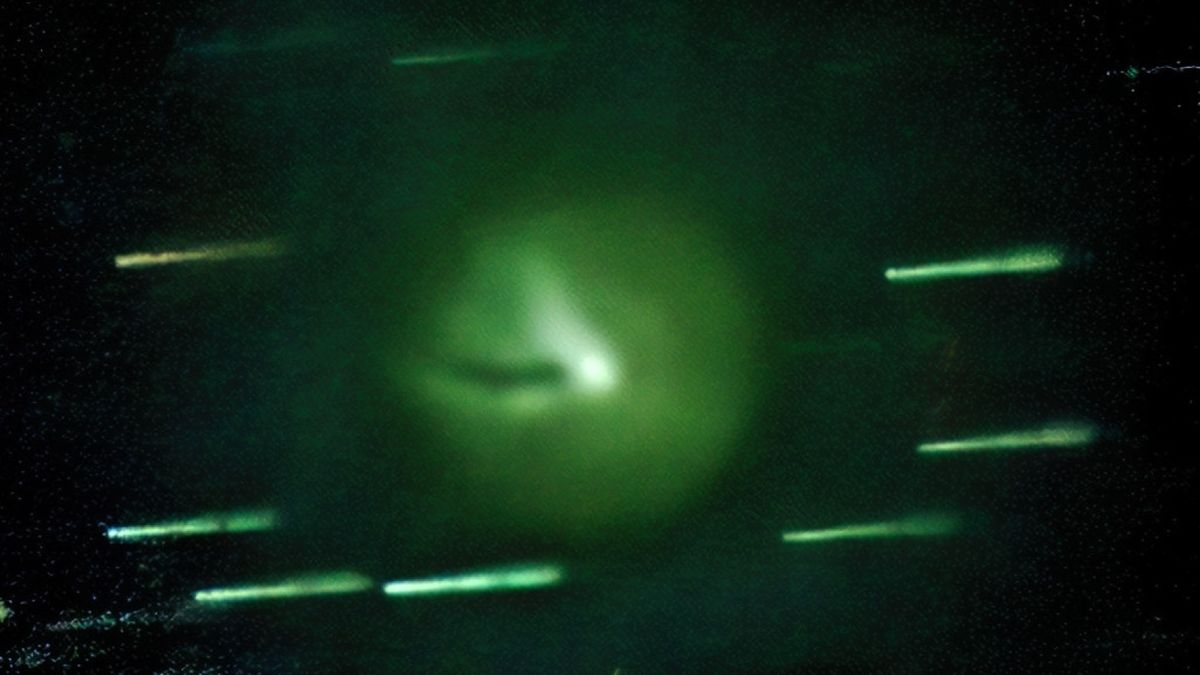
The 'Devil Comet', also known as 12P/Pons-Brooks, has lost its iconic horns after a massive volcanic eruption. Astronomers have observed new characteristics in the comet, including a mysterious shadow and a rare green hue. The comet, which is cryovolcanic and has an icy shell, will make its closest approach to Earth in over 70 years next summer. The recent eruption caused the comet's coma to expand, but the distinctive horns were not visible. It remains uncertain if the horns will reappear in the future.
The massive "devil comet" known as Comet 12P/Pons-Brooks has lost its iconic horns after its latest volcanic eruption, but has gained a rare green hue and a mysterious shadow. The comet, a cryovolcanic comet with an icy nucleus, has experienced three major eruptions, each time expanding its coma and appearing brighter to astronomers. The absence of horns suggests that the eruption may have damaged the obstruction that caused their formation. Additionally, the comet's coma now exhibits a green coloration due to high levels of dicarbon, and a shadow is believed to be cast by the outflowing cryomagma. Comet 12P/Pons-Brooks is expected to make its closest approach to Earth in June 2023.
The "devil comet" 12P/Pons-Brooks, known for its distinctive horns, has lost its iconic feature after its latest eruption. However, astronomers have observed new characteristics, including a rare green hue and a mysterious shadow. The comet, a cryovolcanic comet with an icy nucleus, has had three major eruptions, each causing its coma to expand and appear brighter. The recent eruption was the most extreme, but the horns were absent this time. It is unclear why they have disappeared, but it is speculated that the frequent eruptions may have damaged the obstruction causing the horns. The comet will make its closest approach to Earth in June 2022.