Tag

Noctilucent Clouds

All articles tagged with #noctilucent clouds

science-and-technology1 year ago

SpaceX Launch Paints Florida Skies with Rare Noctilucent Clouds

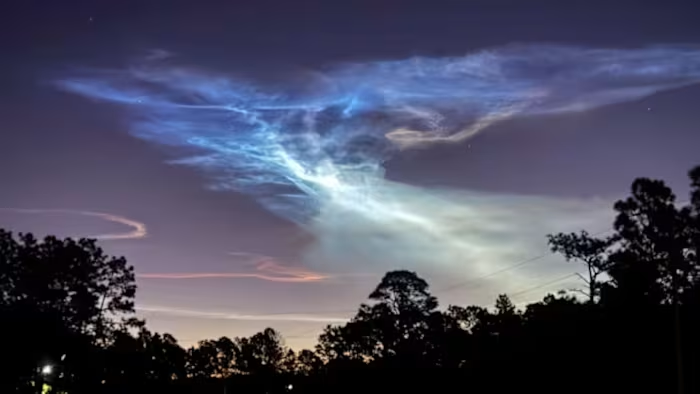
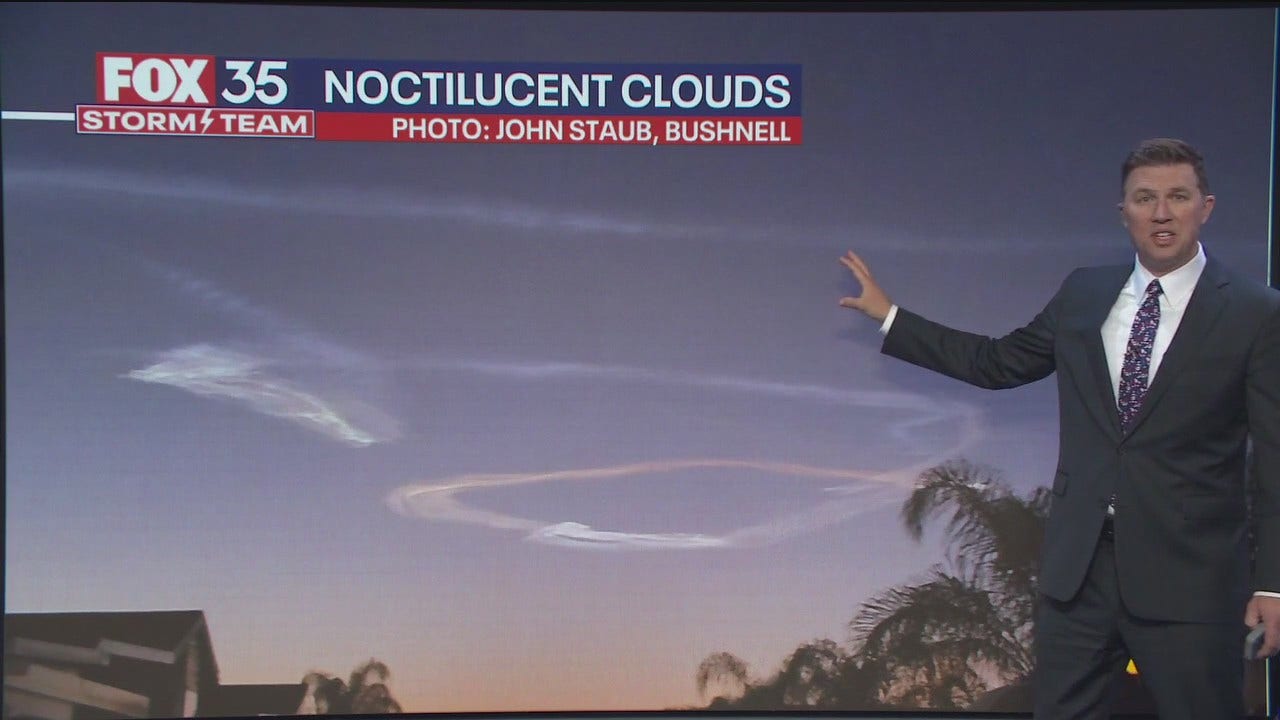
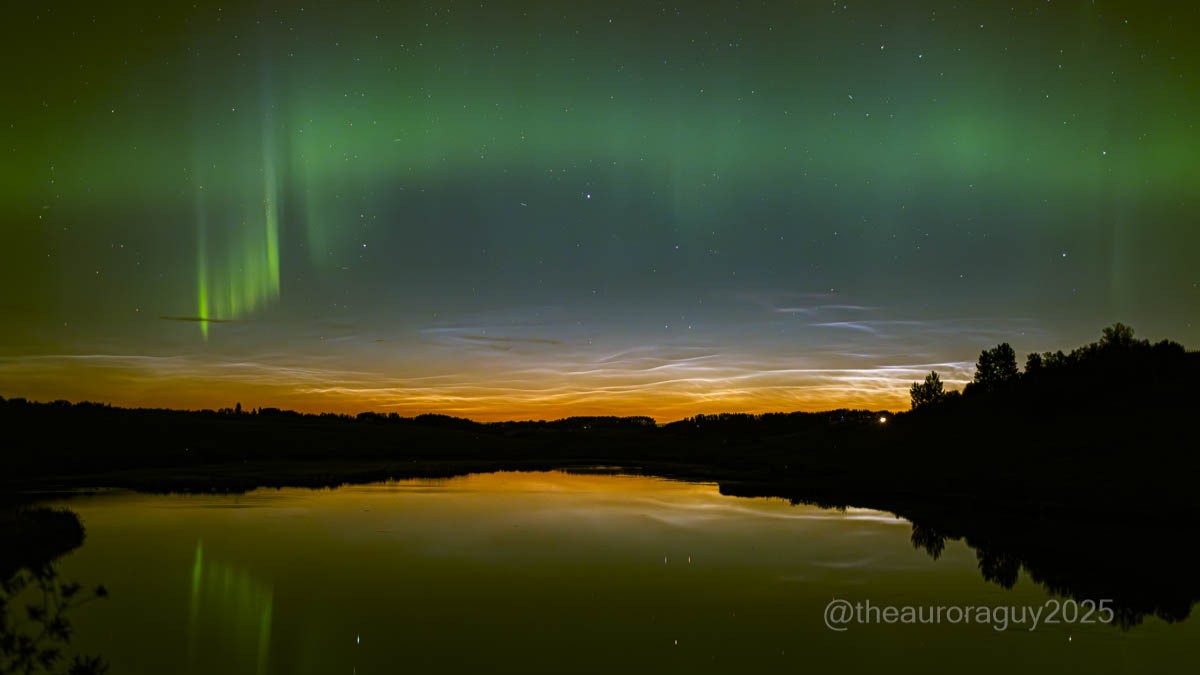
A SpaceX rocket launch from Cape Canaveral on Wednesday morning created a stunning display of noctilucent clouds visible in Northeast Florida. These high-altitude clouds, formed from rocket vapor trails, appeared as glowing, wispy formations in the pre-dawn sky. Noctilucent clouds occur when water vapor and exhaust from rockets freeze into ice crystals in the mesosphere, creating luminous trails that are illuminated by the sun's rays below the horizon.

science-and-technology1 year ago

"Unusual Cloud Formation and Mystery Object: SpaceX Launch Captivates Florida Residents"

A SpaceX Falcon 9 rocket launch in Florida created a rare cloud formation known as noctilucent clouds, visible across the state. The clouds, formed by the rocket's exhaust in the upper atmosphere, were illuminated by solar rays before sunrise, giving them a luminescent appearance. The launch deployed 23 Starlink satellites into low-Earth orbit, and the phenomenon was caused by the interaction of water vapor, dust, and low temperatures at high altitudes.

science-and-technology2 years ago

Mysterious Night-Shining Clouds Illuminate Mediterranean Sky

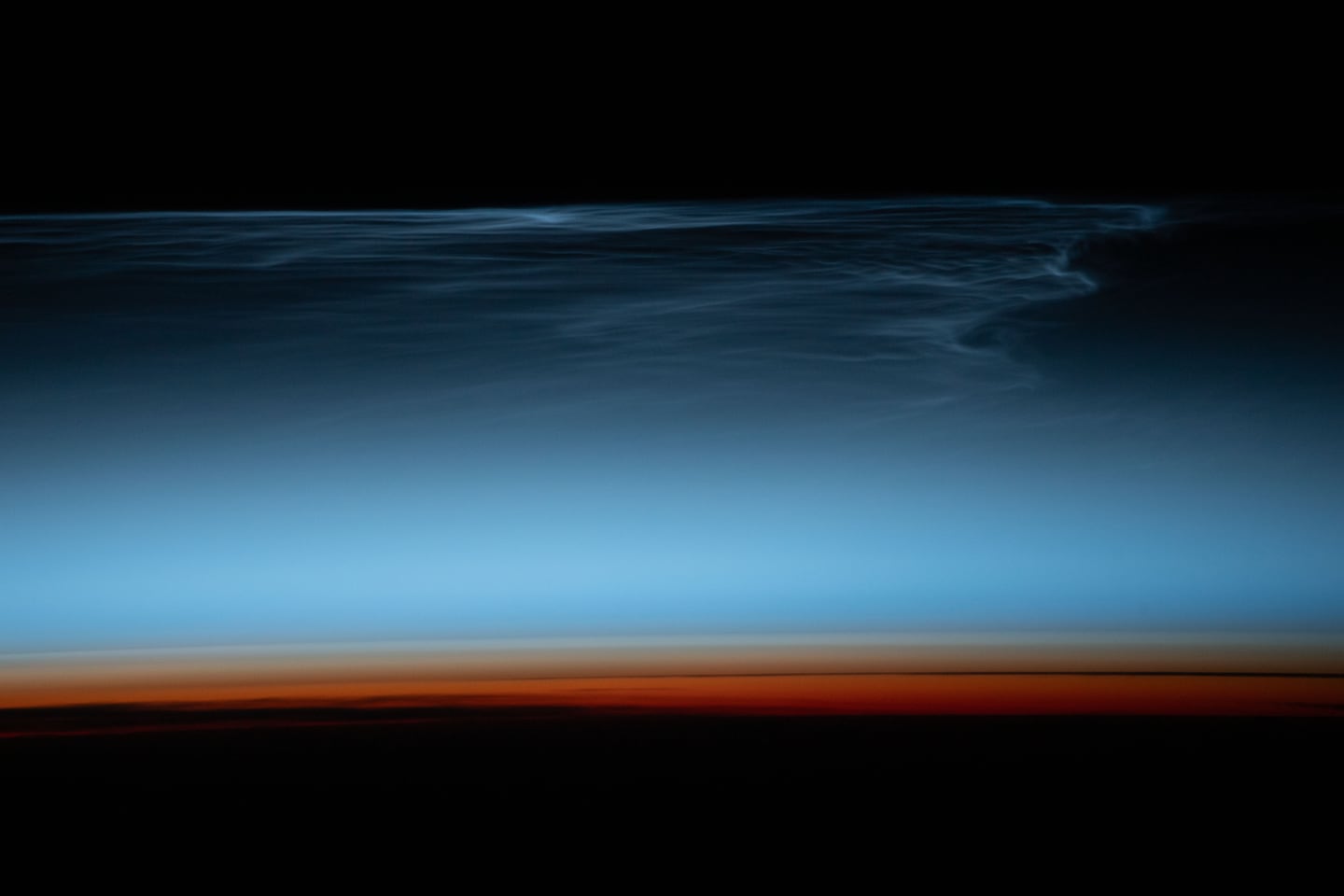
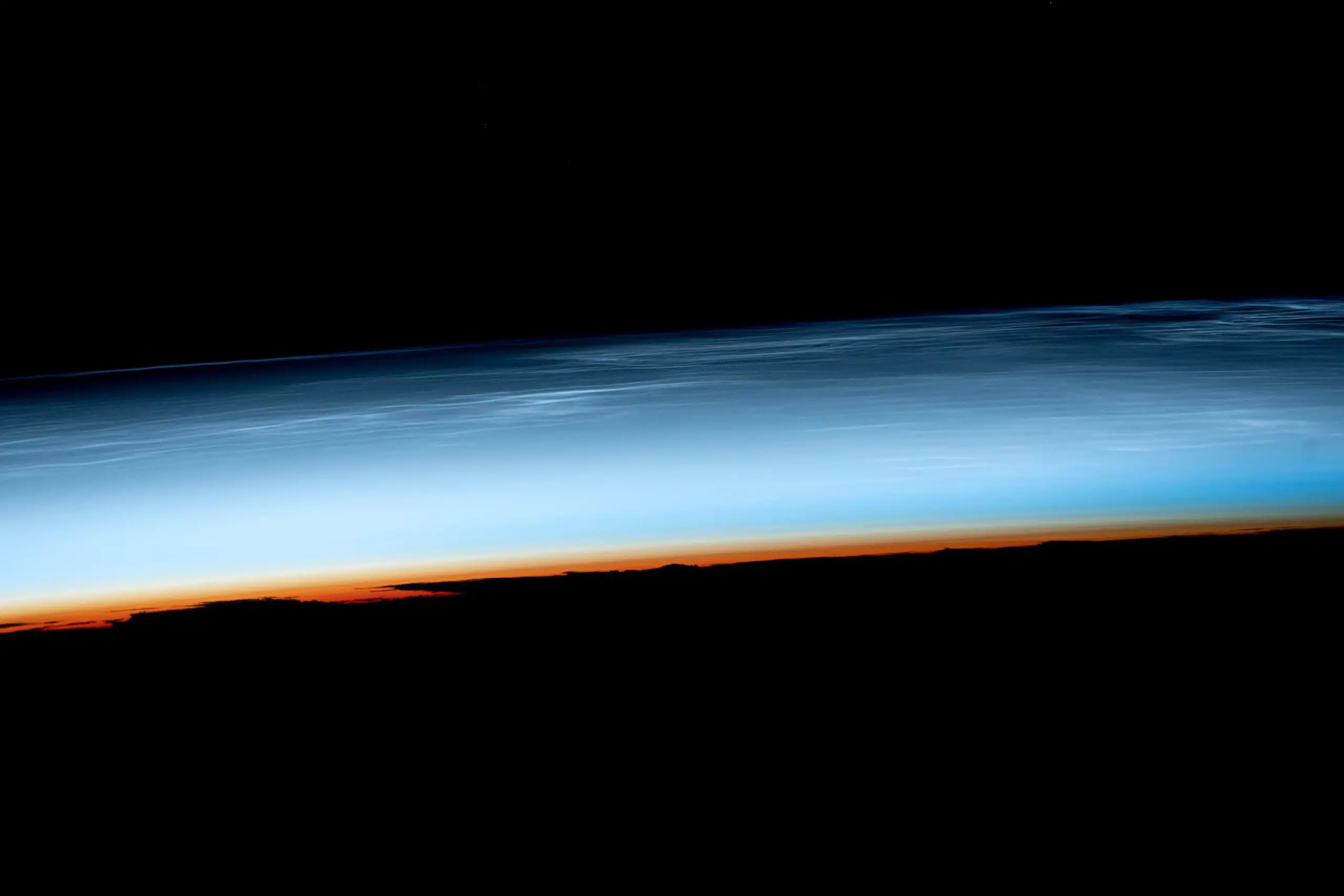
Polar mesospheric clouds, also known as noctilucent or night-shining clouds, are becoming brighter and more visible over mid-latitudes, as observed by an astronaut aboard the International Space Station (ISS). These wispy structures form at altitudes of just over 80 kilometers and are the highest-altitude clouds in Earth's atmosphere. Previously limited to higher latitudes, the clouds are now increasingly visible to observers in middle latitudes. Scientists are investigating the reasons behind this change, including increased humidity in the mesosphere and the impact of exhaust plumes from space vehicle launches.

science-and-technology2 years ago

"Mediterranean Sea Illuminated by Glowing Clouds"

An astronaut aboard the International Space Station captured a stunning image of polar mesospheric clouds, also known as noctilucent or night-shining clouds, over the Mediterranean Sea. These wispy structures form at altitudes of just over 80 kilometers and are the highest-altitude clouds in Earth's atmosphere. While historically seen only in higher latitudes during summer months, polar mesospheric clouds have become brighter and more visible in mid-latitudes. Scientists are investigating potential causes, including increased humidity in the mesosphere and the impact of exhaust plumes from space vehicle launches.

astronomy2 years ago

Celestial Highlights: Venus Shines Brightly Amidst Night Sky Wonders

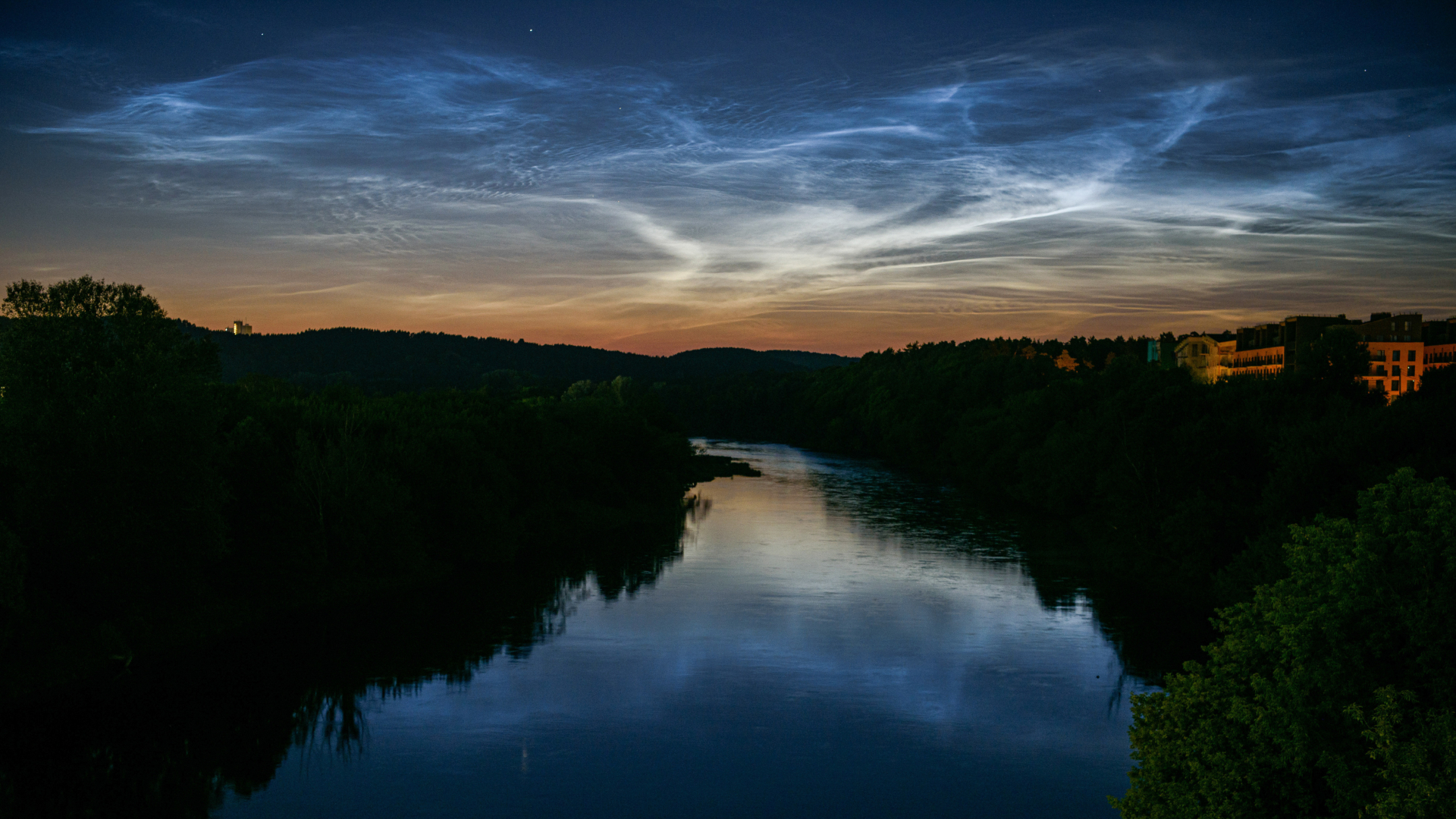
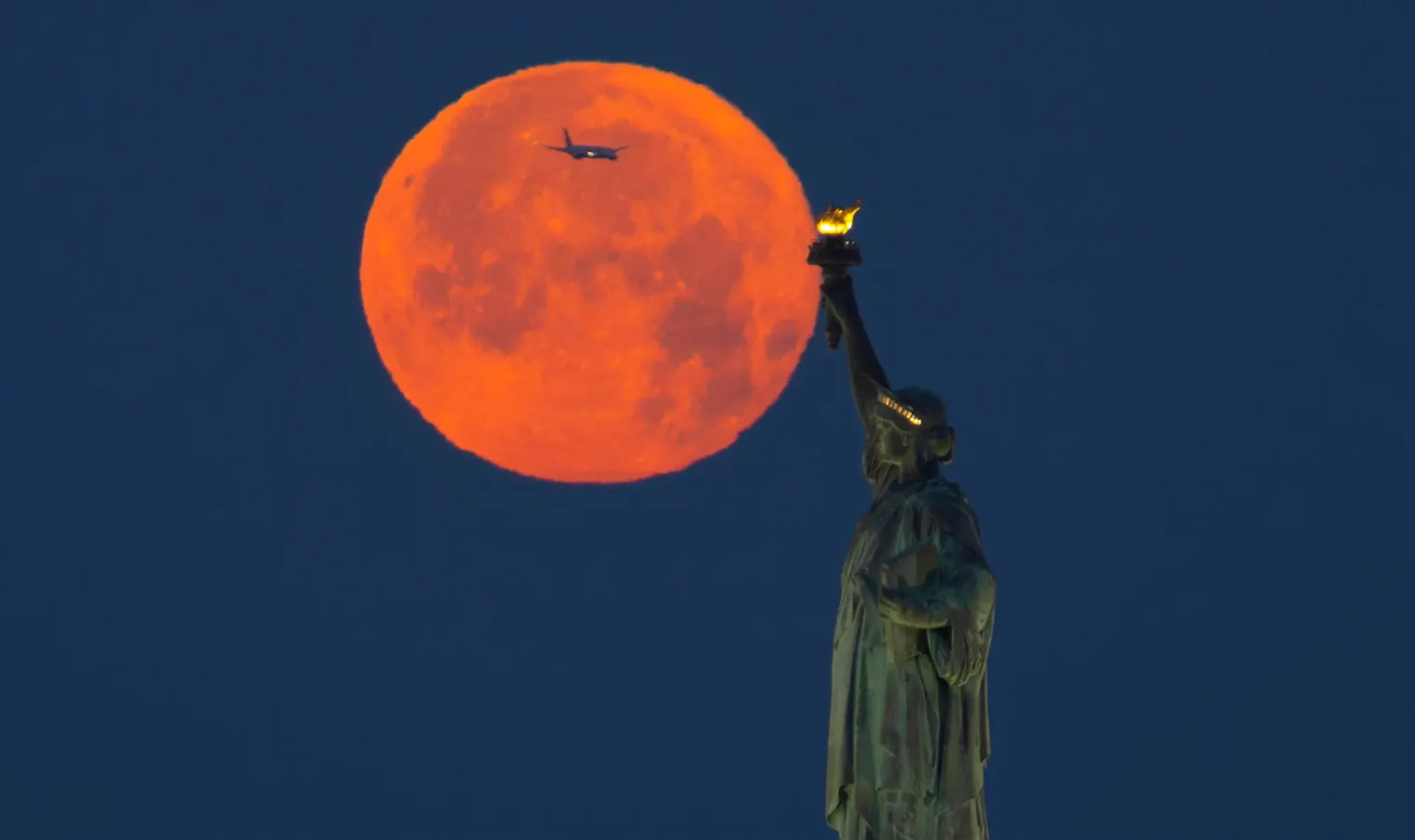
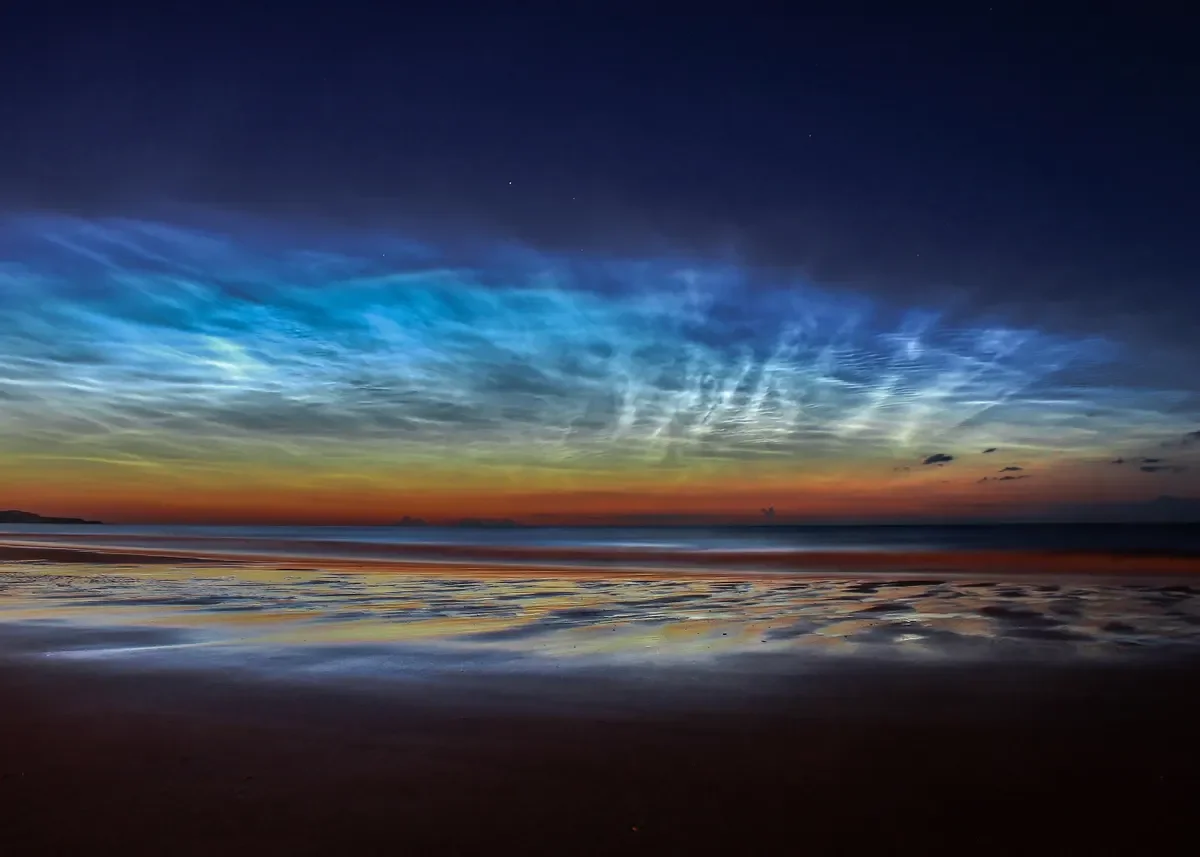
This week in the night sky, there are several celestial events to observe, including the Last Quarter Moon, Manhattanhenge, a crescent moon with the Pleiades cluster, Mercury rising, the Old Moon in the New Moon's Arms, and Venus near Regulus. Additionally, stargazers in the northern hemisphere can look out for noctilucent clouds, which are visible as ghostly tendrils in the twilight and peak in July.

space2 years ago

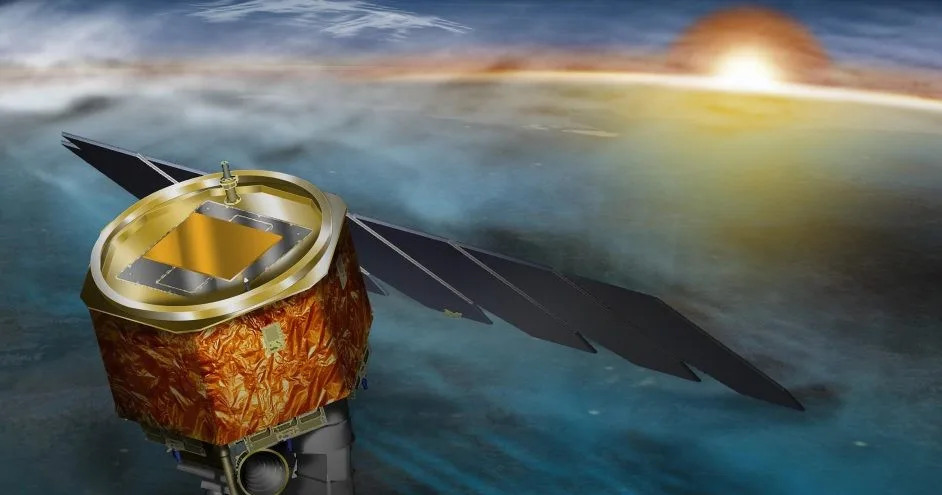
NASA's AIM spacecraft ends 15-year mission in silence.

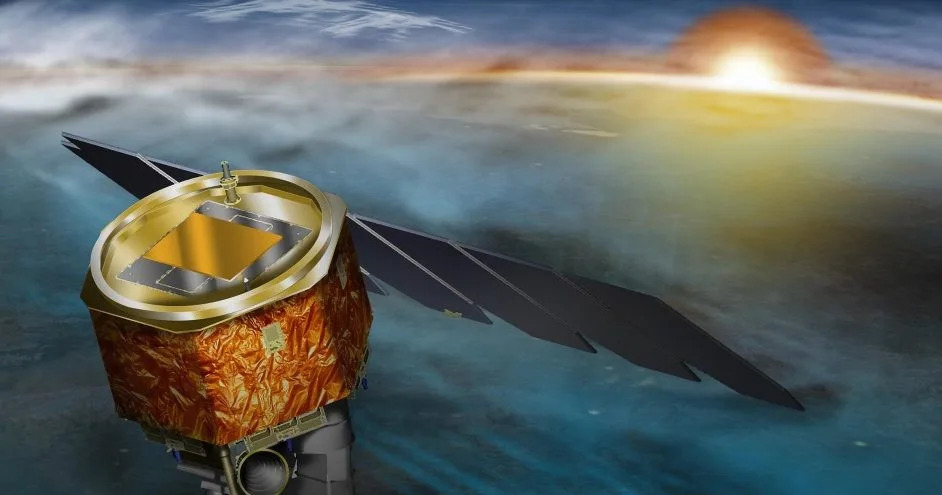
NASA's AIM mission, which was launched in 2007 to study noctilucent clouds, has ended after 15 years due to a battery power failure. The spacecraft was only meant to operate for two years but provided data for multiple groundbreaking studies, including a recent 2018 study that found methane emissions are causing night-shining clouds to form more frequently.

science-and-technology2 years ago

NASA's AIM spacecraft retires after 15 years of studying Earth's clouds.

NASA's AIM spacecraft, which was launched in 2007 to study noctilucent clouds, has gone silent after a battery power failure. The spacecraft had been sending a significant amount of data back to Earth until recently. The AIM team will monitor the spacecraft for another two weeks in case it reboots. The spacecraft's data has appeared in 379 peer-reviewed papers, including a recent study that found human-driven climate change is causing night-shining clouds to form more frequently.