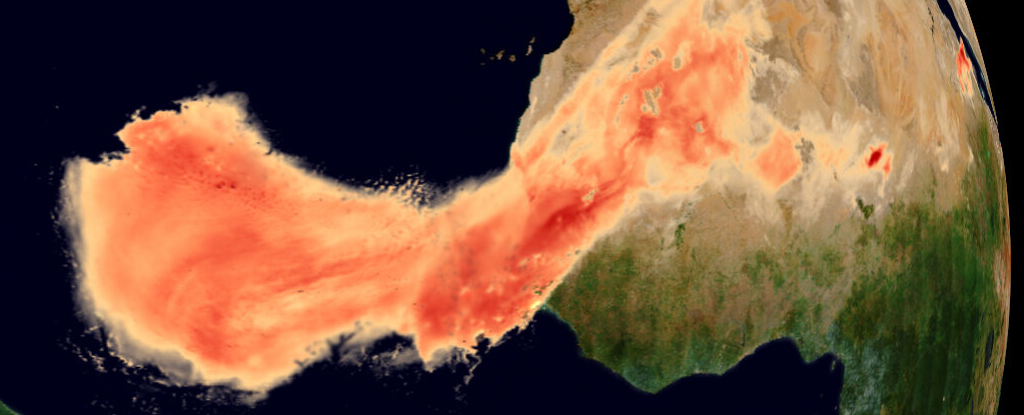
A large cloud of Saharan dust is expected to reach the southeastern US this week, affecting air quality, visibility, and potentially reducing hurricane activity, while also possibly creating striking sunsets and warmer nights.
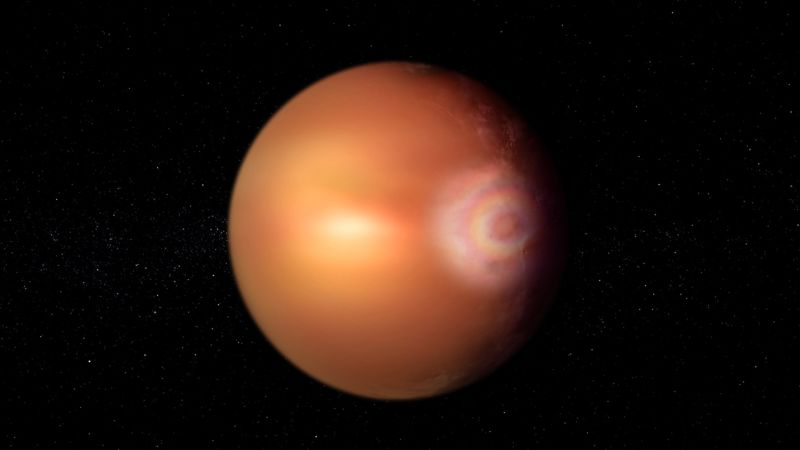
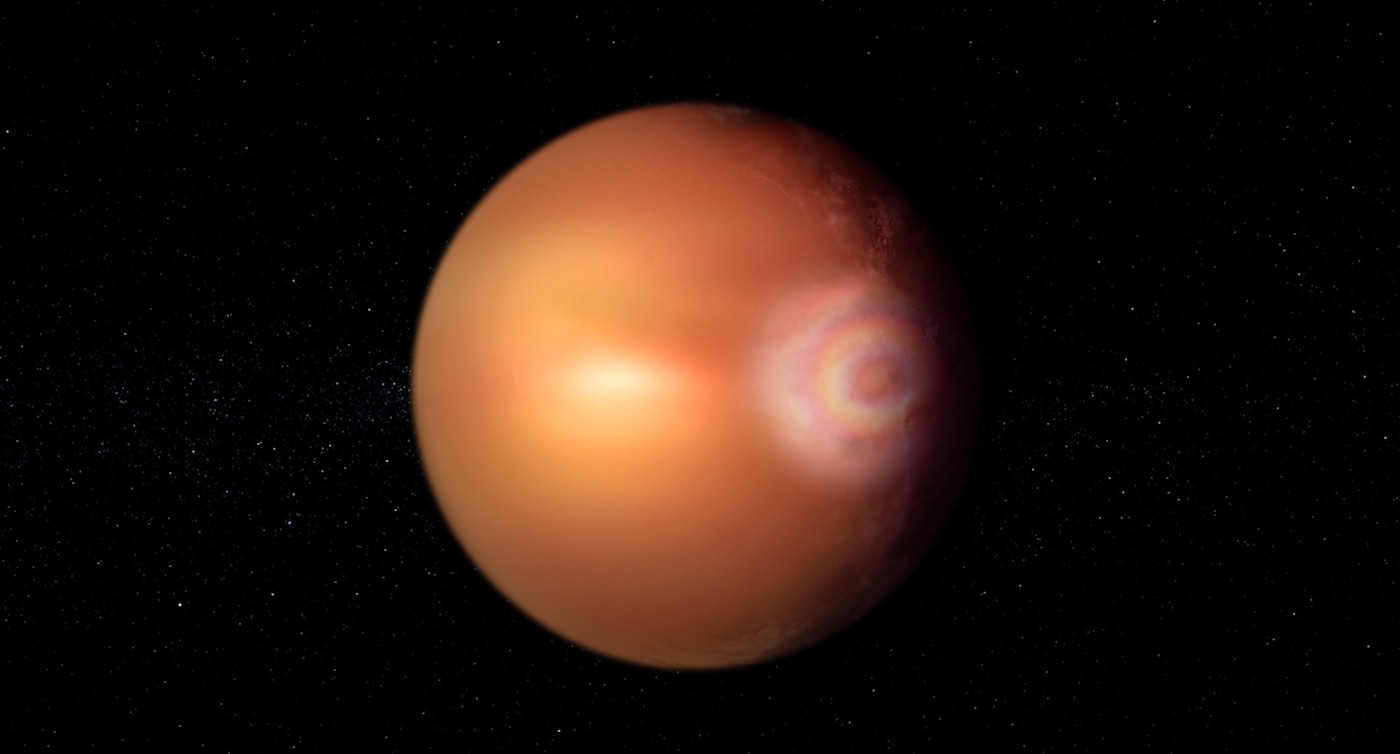
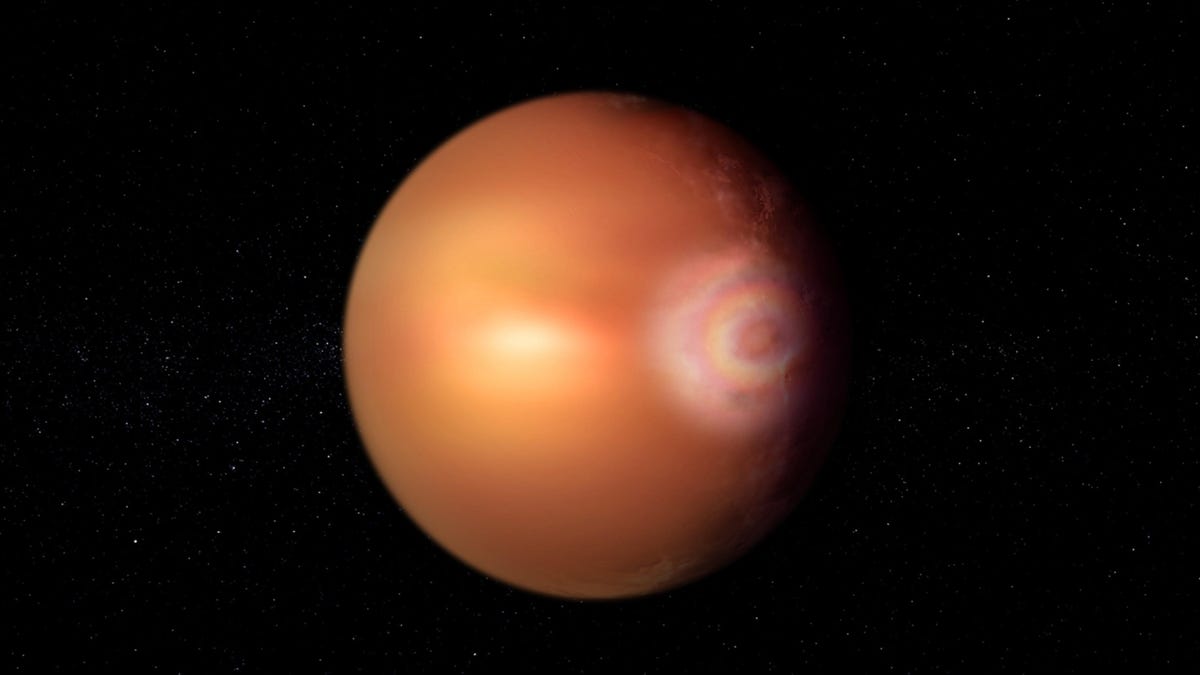
Astronomers have observed a rainbow-like "glory effect" on the ultra-hot exoplanet WASP-76b, located 637 light-years from Earth, using the Cheops space telescope. This phenomenon, previously only seen on Venus, consists of concentric rings of light and suggests the presence of persistent clouds with perfectly spherical droplets in the planet's atmosphere. The intense heat and radiation from its host star have caused WASP-76b to puff up to nearly double the size of Jupiter, and the discovery could provide new insights into alien worlds.
Astronomers have observed the rainbow-like 'glory' effect on a planet outside our solar system for the first time, offering new insights into the potential habitability of distant planets. The phenomenon, seen on a planet called WASP-76b, is caused by concentric rings of light reflecting off clouds made of a uniform substance. This discovery, made using the European Space Agency's Characterizing Exoplanet Satellite, could provide a unique tool for understanding the atmospheres of exoplanets and their potential habitability.
The European Space Agency's Cheops satellite has detected signs of a rare optical phenomenon, known as the 'glory effect', on the exoplanet WASP-76b, which is located several hundred light-years away. This phenomenon, previously observed only on Earth and Venus, occurs when light passes through spherical and uniform atmospheric particles, creating a rainbow-like halo. The extreme conditions on WASP-76b, including its tidally locked orbit, scorching temperatures, and iron rain, make it an unusual and fascinating world for astronomers to study. Further observations with the Webb Space Telescope and the upcoming Ariel mission are planned to confirm the presence of the glory effect on this chaotic alien world.
During a solar eclipse, physics professor Jamie Vesenka explains the occurrence of "shadow snakes," a phenomenon where diffracted light around the sun creates moving shadows on the ground. To observe this, Vesenka advises using a white sheet on the ground and not experiencing the event alone.
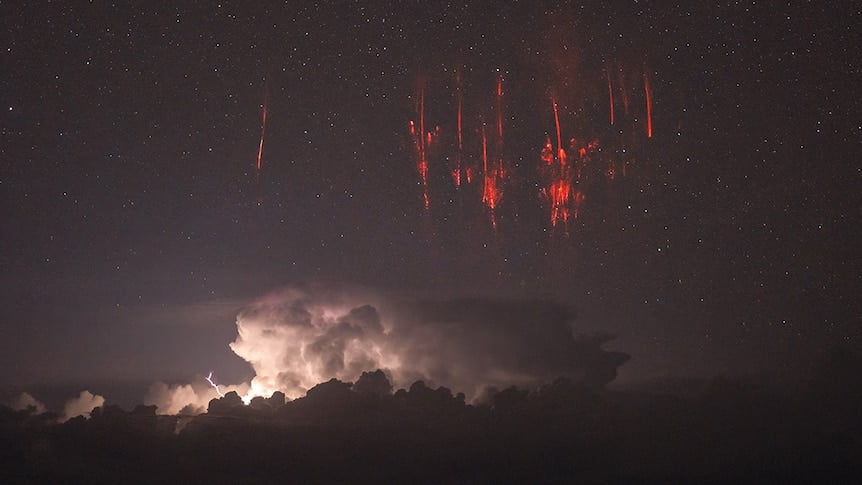
Nature photographer JJ Rao captured rare red sprites, large electrical discharges that form high above active thunderstorms, in the skies over Western Australia's Kimberley region. The sprites, almost impossible to see with the naked eye, appeared as feathery tendrils of reds and purples and were described as some of the most intricate natural phenomena in the world. Astrophysicist Brad Tucker highlighted the rarity of capturing red sprites on camera and emphasized the importance of studying and mapping them for future research.
Scientists in Spain have conducted the first spectroscopic analysis of a rare atmospheric phenomenon known as "ghosts," which are a form of transient luminous event (TLE). These TLEs occur above thunderstorms and include various electrical events such as sprites, halos, elves, blue jets, and gigantic jets. The researchers observed a green glow above energetic sprites, which they named "ghosts." Through spectrographic analysis, they identified atomic oxygen, molecular nitrogen, and traces of atomic nickel, iron, sodium, and ionic silicon as contributing factors to the phenomenon. The findings suggest a need to revise current theories and models of TLEs.
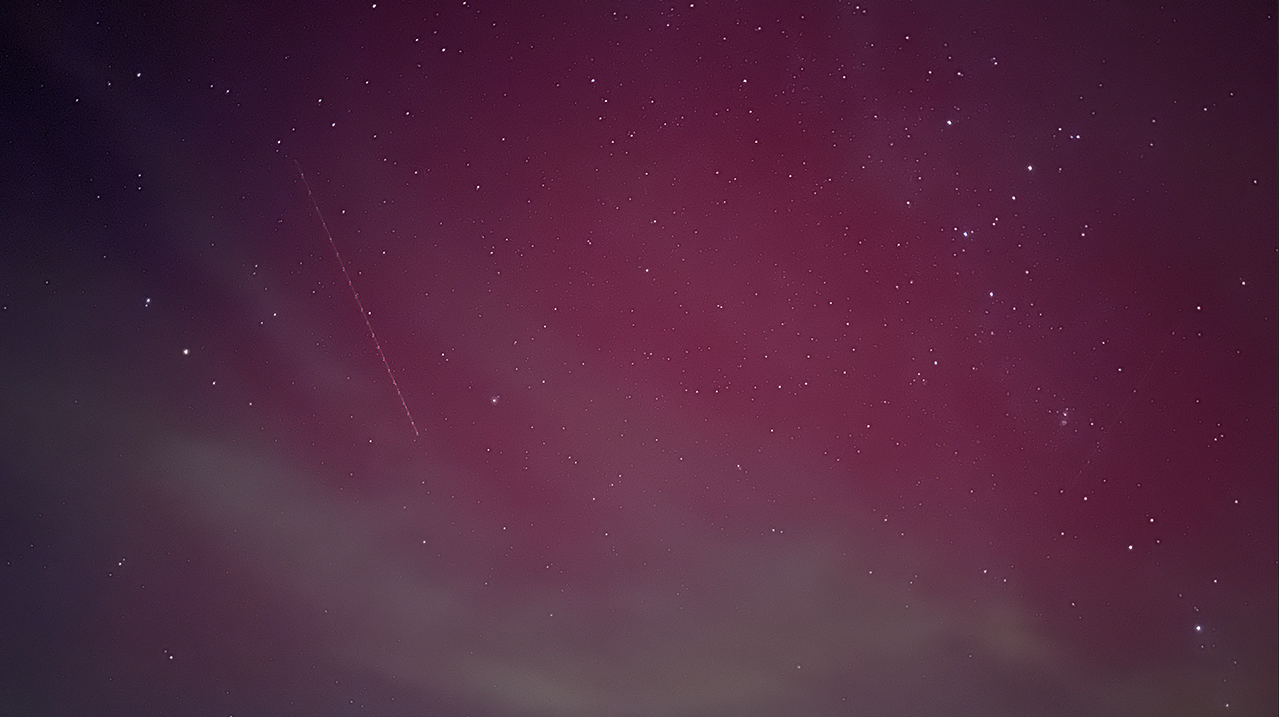
A Kansas man captured photos of a strange reddish-pink light in the sky, which experts believe could be a rare atmospheric event known as Stable Auroral Red (SAR) arcs or Strong Thermal Emission Velocity Enhancement (STEVE). While auroras are typically associated with strong solar storms, NASA's Solar System Ambassador Brenda Culbertson suggests that the sighting in November was not an aurora but rather SAR arcs, which are separate from typical auroras and can occur during intense geomagnetic storms. SAR arcs are considered a rare night sky phenomenon and are not commonly known or seen.
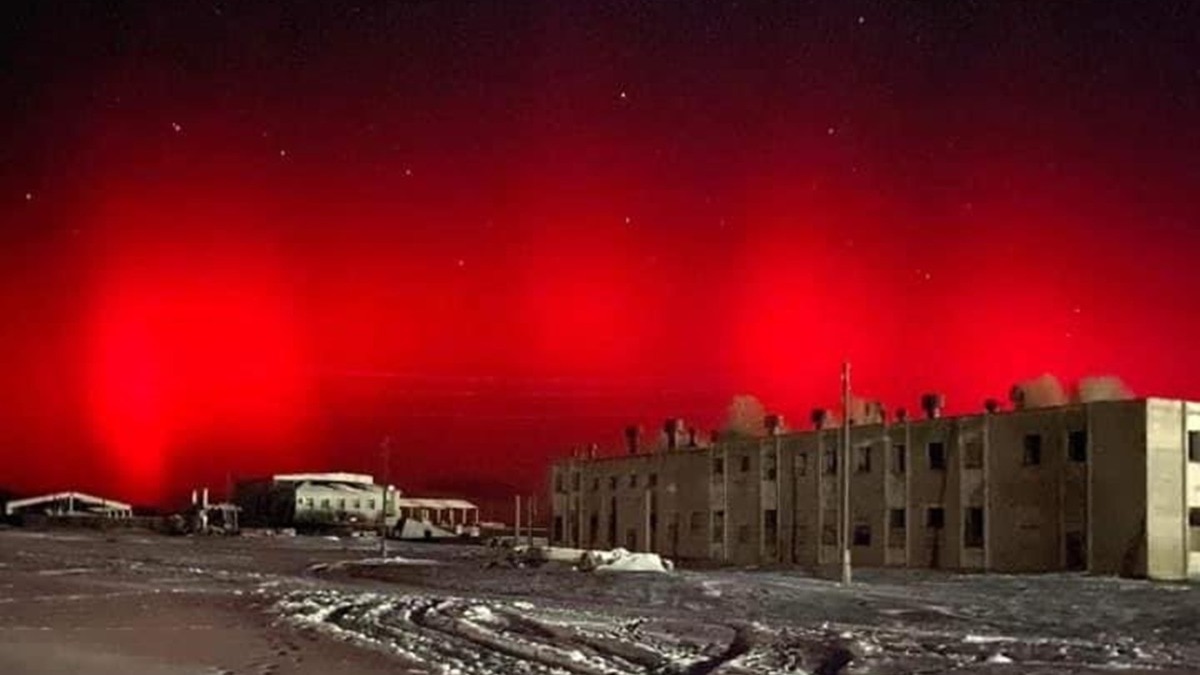
The skies over Mongolia turned blood-red as the country experienced a rare auroral event caused by a significant solar storm. The crimson hue, considered the most uncommon color of the Northern Lights, was the result of solar particles colliding with oxygen at high altitudes. This event provides scientists with an opportunity to study the effects of solar storms at lower latitudes and serves as a reminder of the Sun's immense power and its potential impact on our technologically dependent society. As the solar cycle progresses towards its predicted peak in 2024, more displays of auroral beauty can be expected, though few may rival the intensity and rarity of Mongolia's blood-red skies.
NASA shared a stunning image of an aurora taken from the International Space Station, showing a dazzling green aurora sweeping through the skies above Utah. Auroras are caused by solar storms on the surface of the sun, which send out electrically charged particles into space. The image garnered over 316,000 likes and received comments praising its beauty and awe-inspiring nature.
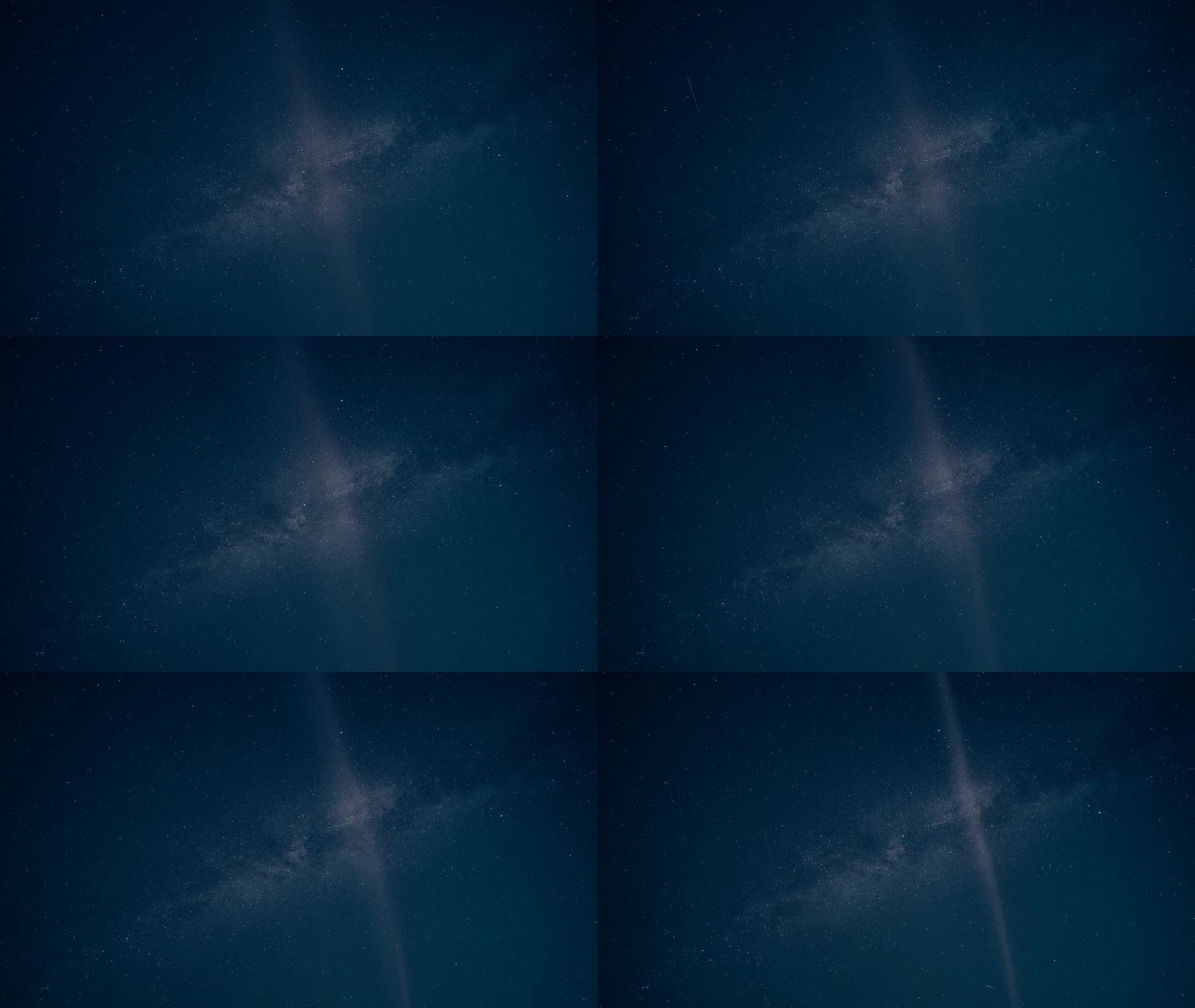
STEVE, or Strong Thermal Emission Velocity Enhancement, is an atmospheric phenomenon similar to the aurora but distinct from it. It is a streak of purplish light that appears in conjunction with the aurora and is created by heated gas in the upper atmosphere. STEVE was discovered by citizen scientists in Canada between 2015 and 2016 and has since been studied by researchers. It is less frequently observed than the aurora and occurs during geomagnetic storms. The name STEVE is a backronym derived from the original nickname given to the phenomenon by amateur aurora chasers.
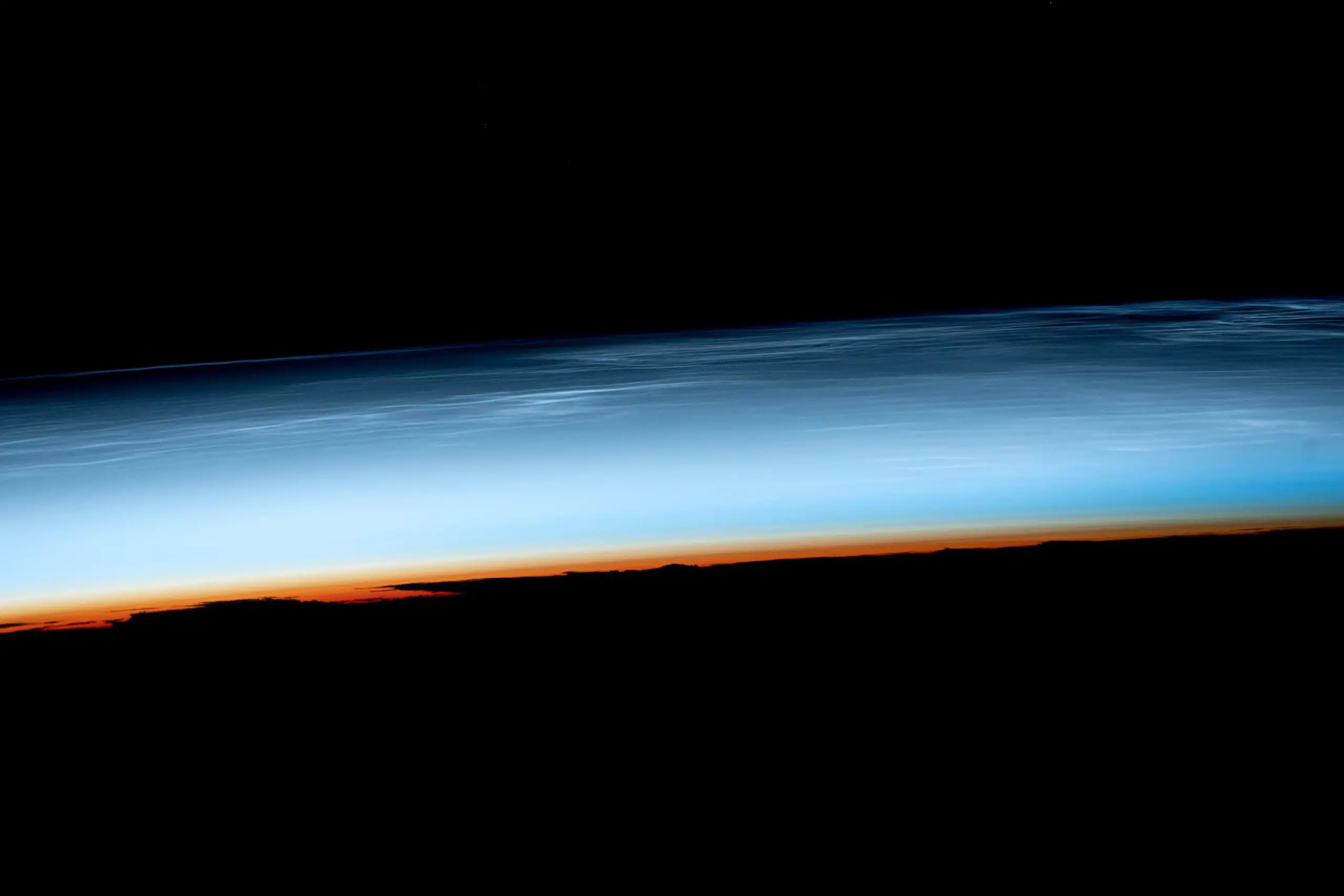
Polar mesospheric clouds, also known as noctilucent or night-shining clouds, are becoming brighter and more visible over mid-latitudes, as observed by an astronaut aboard the International Space Station (ISS). These wispy structures form at altitudes of just over 80 kilometers and are the highest-altitude clouds in Earth's atmosphere. Previously limited to higher latitudes, the clouds are now increasingly visible to observers in middle latitudes. Scientists are investigating the reasons behind this change, including increased humidity in the mesosphere and the impact of exhaust plumes from space vehicle launches.
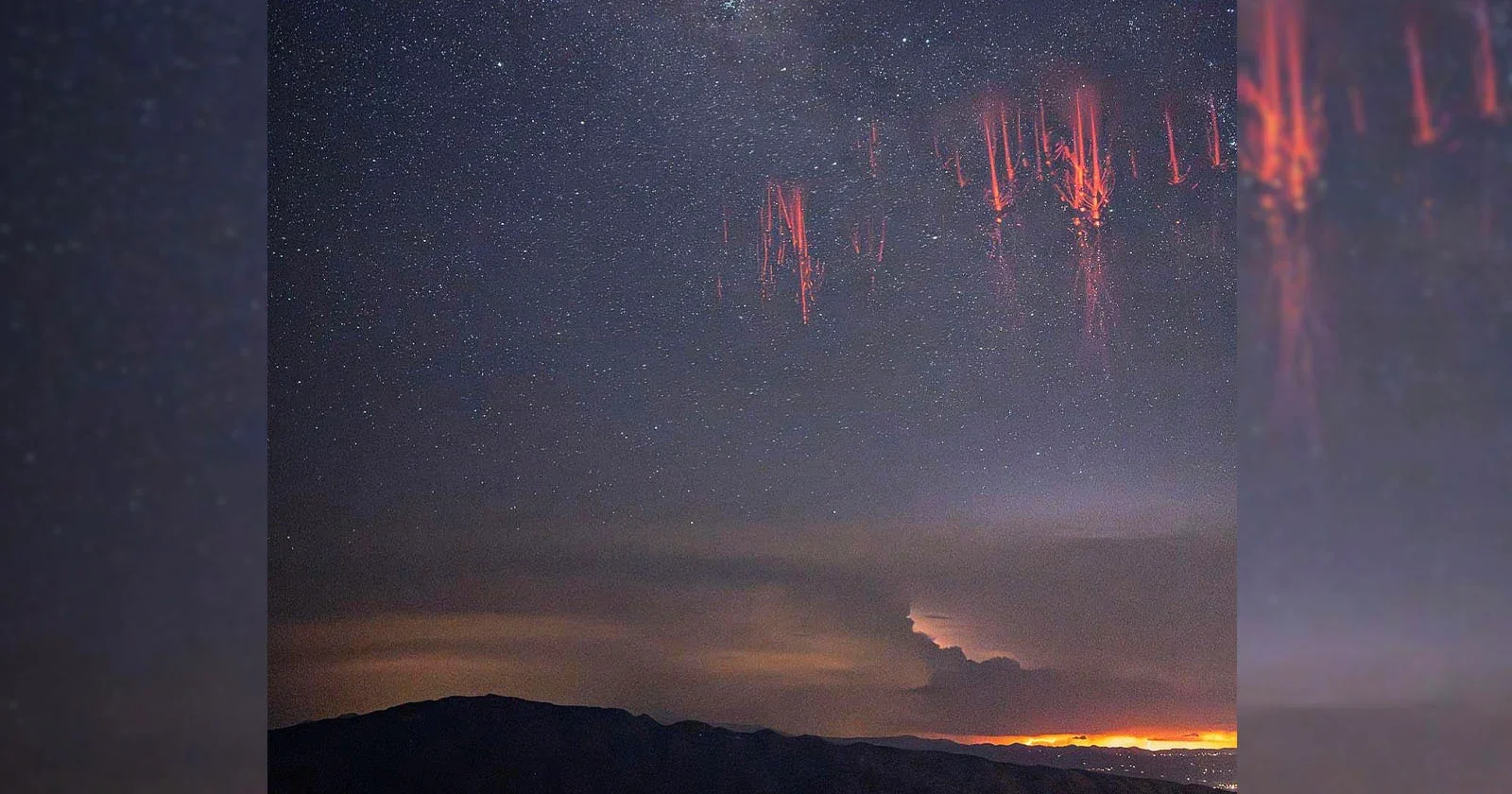
A photographer leading a storm photo tour in Arizona captured rare red lightning sprites in the night sky above Mount Lemmon. Sprites are upper atmospheric discharges from lightning that occur about 50 miles above thunderstorms. The photographer and his group were able to capture these elusive phenomena after spotting a storm in Mexico on radar. The photographer used a Nikon Z6 and a 50mm lens, and the best conditions to see and photograph sprites are dark nights with clear skies and a distant storm.
Unusual and captivating cloud formations stretching over 1,000 kilometers appeared over Western Australia and the Northern Territory. Experts speculate that gravity waves and disturbances in the stable atmosphere caused the complex patterns. The large clouds with arced edges may have been shaped by gravity waves on a larger scale, while the cloud boundaries could have been influenced by the topography below. The clouds resembled fallstreak clouds but formed at lower levels. The spectacle was short-lived, disappearing by late morning due to destabilization of the lower atmosphere.
Lightning on Jupiter occurs at a similar rate to Earth, according to data from the Juno probe. The study found that even run-of-the-mill thunderstorms may be comparable between the two planets. The team analyzed nearly five years of data from Juno's radio receiver during its polar orbit around Jupiter. The results suggested step-like features of lightning initiation similar to observations from thunderstorms on Earth.