Tag

International Seabed Authority

All articles tagged with #international seabed authority

nature1 year ago

"Sunken Treasure: Brazil's Massive Island Rich in Precious Minerals Discovered"

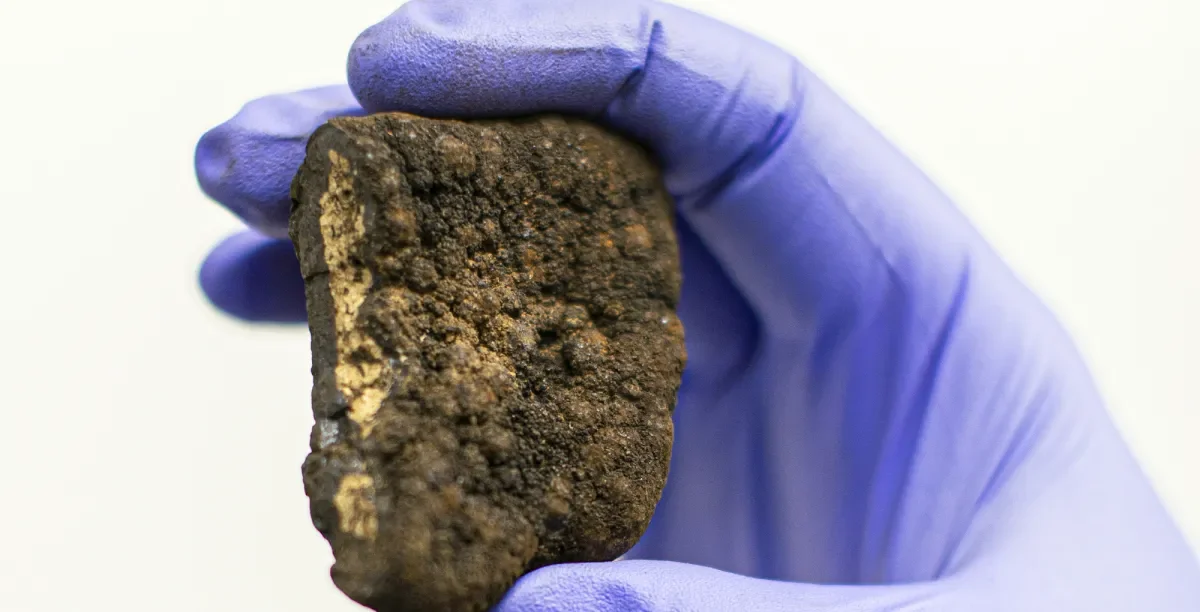
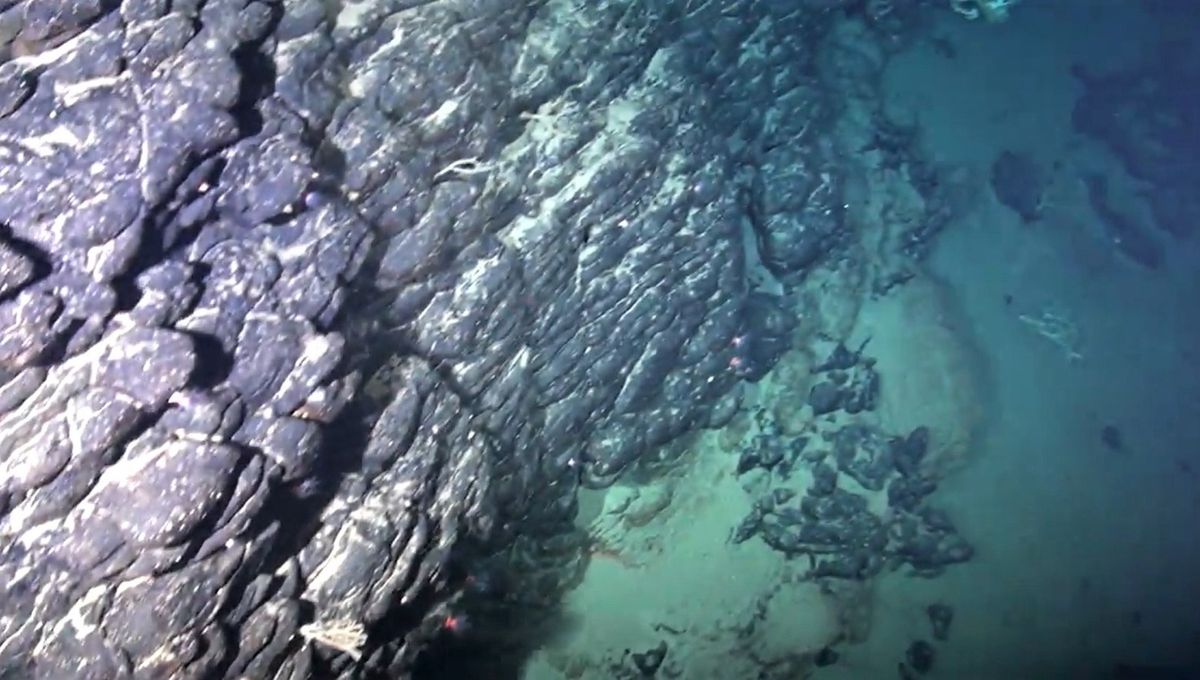
The Rio Grande Rise, a sunken island off the coast of Brazil, is believed to be rich in rare earth elements and other valuable minerals. Recent analysis of sediment samples confirms that the ridge was once an island, formed around 40 million years ago. The area is currently governed by the International Seabed Authority, but the Brazilian government has applied for legal ownership. However, concerns about the environmental impact of mineral extraction from the area remain.

environment2 years ago

"Norway's Parliament Greenlights Deep-Sea Mining Exploration"

The Norwegian Parliament has voted to allow seabed mining exploration in parts of the Norwegian Sea, a move opposed by environmentalists. This decision reflects the increasing global demand for metals necessary for electric vehicle batteries. The exploration will involve collecting information about seabed metal deposits and potential harm to aquatic life, with the possibility of industrial-scale mining pending further parliamentary consideration. Norway joins other nations in considering or taking steps toward seabed mining, as the International Seabed Authority drafts regulations for international waters. The move reflects Norway's shift away from fossil fuels and its search for new economic opportunities, despite opposition from environmental groups concerned about ocean health and the changing landscape of battery chemistry.

environment2 years ago

"Environmental Concerns Surround Seabed Mining for Clean-Tech Minerals: Will It Be Approved?"

The International Seabed Authority (ISA), a United Nations body, has the power to permit or deny mining on the deep seabed, which could unlock critical minerals for clean-tech but also destroy ecosystems. While some countries are pushing for mining to begin, almost 20 governments are calling for a moratorium or slowdown on mining due to concerns about the long-lasting impact on sealife and lack of technology to monitor the seabed. The ISA has missed its deadline to produce regulations, potentially leading to unregulated deep-sea mining. The sticking point is the pristine environment of the seabed and the lack of knowledge about its ecosystems.

environment2 years ago

The Growing Battle for Deep-Sea Mining in the Energy Transition

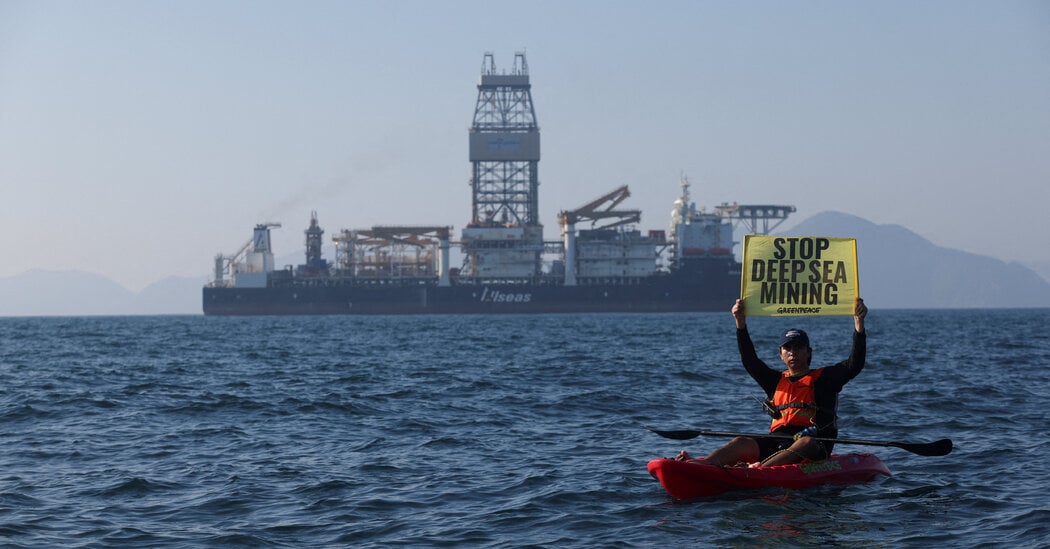
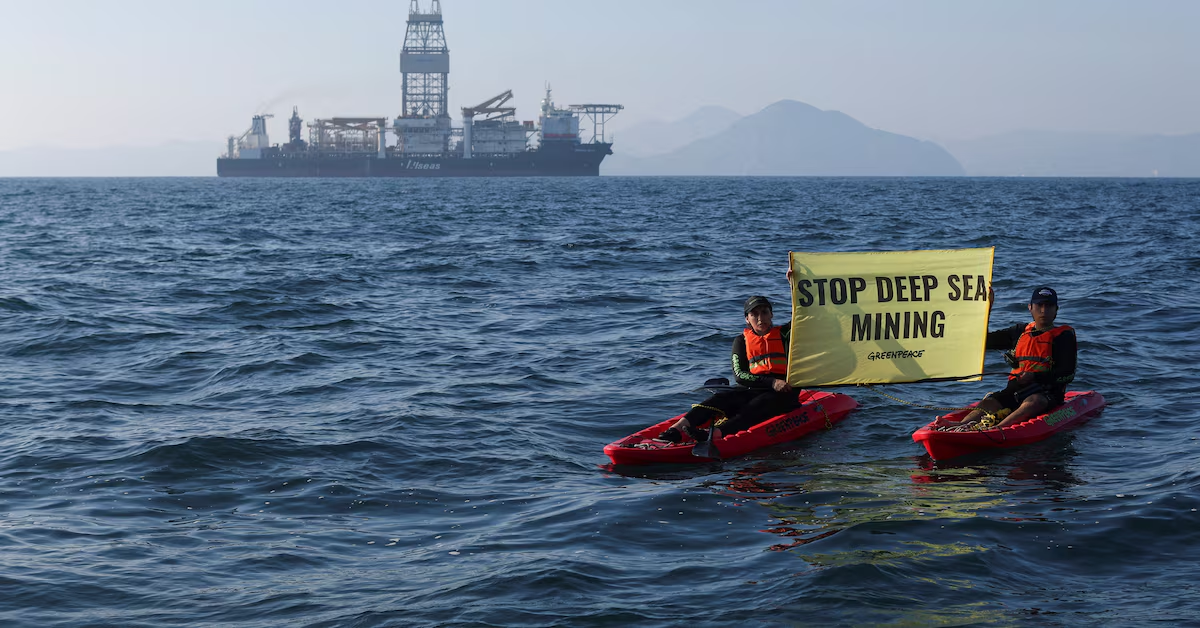
The surge in demand for metals used in electric vehicle batteries has sparked a global race to mine the deep seas, with countries and companies divided over the environmental and economic consequences. The International Seabed Authority missed a deadline to establish a regulatory framework, allowing companies to apply for licenses before rules are finalized. Some countries, including Canada, France, and Germany, want to pause deep-sea mining due to unknown environmental impacts, while others like China, Norway, and Russia argue that it is less destructive than land mining. Concerns over ecosystem damage and doubts about profitability have led companies like BMW, Google, and Volkswagen to pledge not to finance or source materials from deep-sea mining. However, supporters of deep-sea mining believe it can help secure critical metals and provide economic opportunities for small island nations affected by climate change.

environment2 years ago

Global Opposition Grows Against Deep-Sea Mining as Concerns Mount

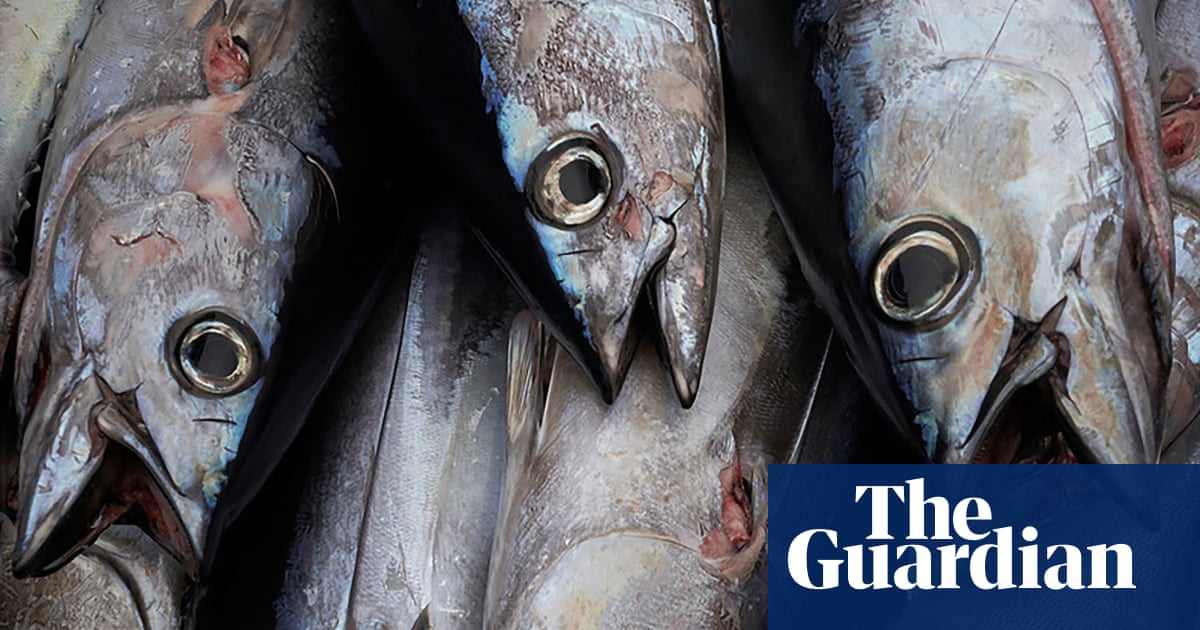
Seafood groups representing a significant portion of the global tuna trade, including major supermarket suppliers, have joined the Sustainable Seafood Coalition in calling for a halt to deep-sea mining. A new study reveals that tropical tuna fishing grounds in the Pacific would overlap with mining plans, potentially impacting sustainable fisheries. The study highlights the potential conflict between the two industries as warming oceans alter the tuna's range. The groups are deeply concerned about the potential impacts of deep-sea mining on ocean ecosystems and global food security. They are urging the International Seabed Authority to establish strong regulations before granting any exploration contracts.

environment2 years ago

Global Controversy Over Deep-Sea Mining Intensifies

Global talks in Jamaica will focus on the controversial issue of deep-sea mining, as a two-year ban on the practice expired without new rules being agreed upon. Scientists warn that mining for precious metals beneath the oceans could have devastating consequences for marine life, while supporters argue that these minerals are necessary for meeting the demand for green technologies. Nearly 200 countries are calling for a pause or moratorium on deep-sea mining due to environmental concerns, and a new ban may be voted on in the coming month. Limited research has been conducted on the deep ocean, raising concerns about the potential impacts of mining on deep-sea ecosystems.

environment2 years ago

UN Begins Accepting Deep-Sea Mining Applications in July

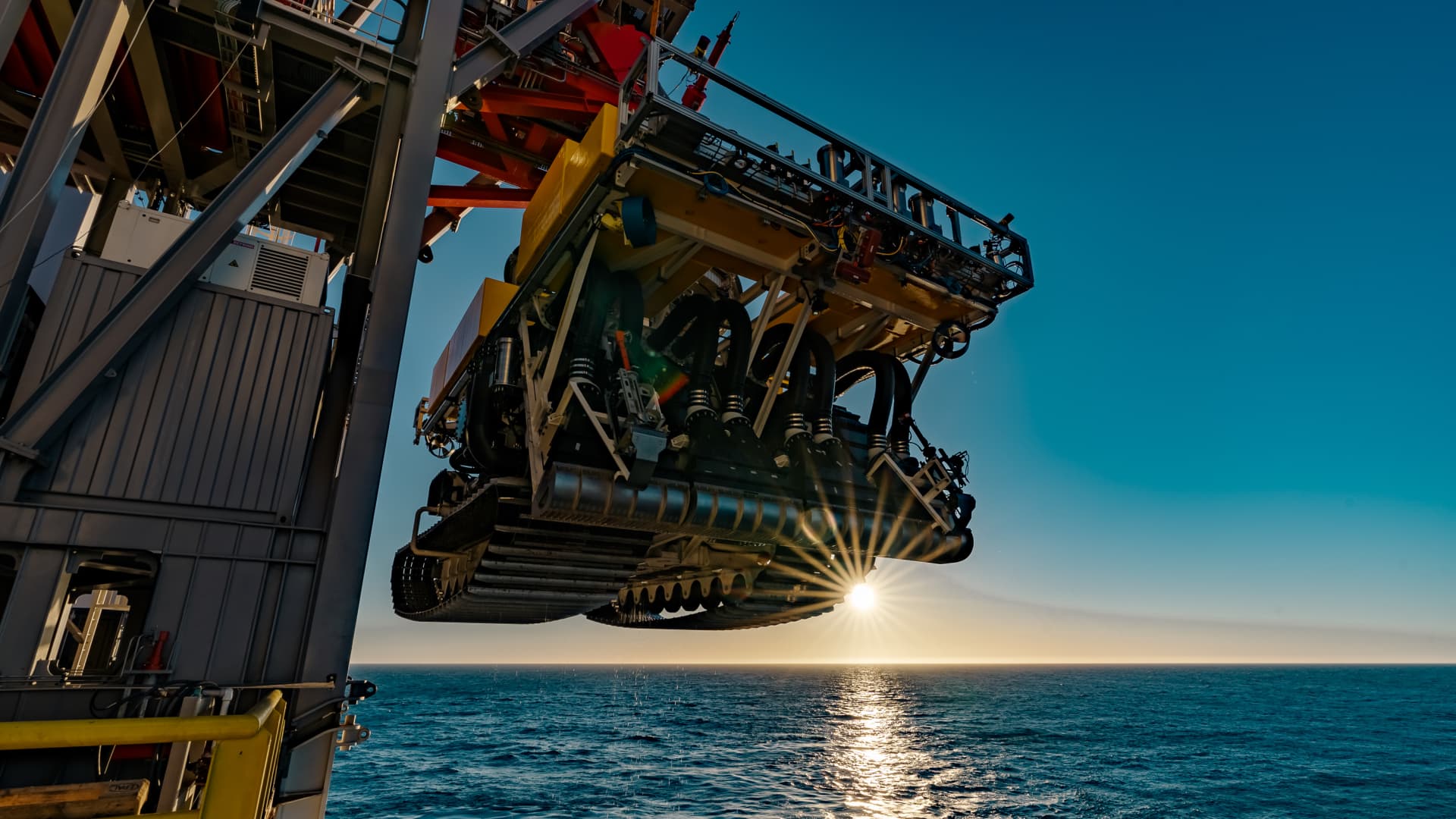
The International Seabed Authority will begin accepting applications from companies for deep-sea mining in July, allowing them to extract cobalt, copper, nickel, and manganese from the ocean's floor. The decision has been met with opposition from environmental groups, who are concerned about the impact on wildlife and the lack of scientific data. China is a leader in deep-sea mining exploration, but other nations have called for a global moratorium on the practice.

environment2 years ago

The Risks of Rushing Deep-Sea Mining Regulations and its Ecological Impact

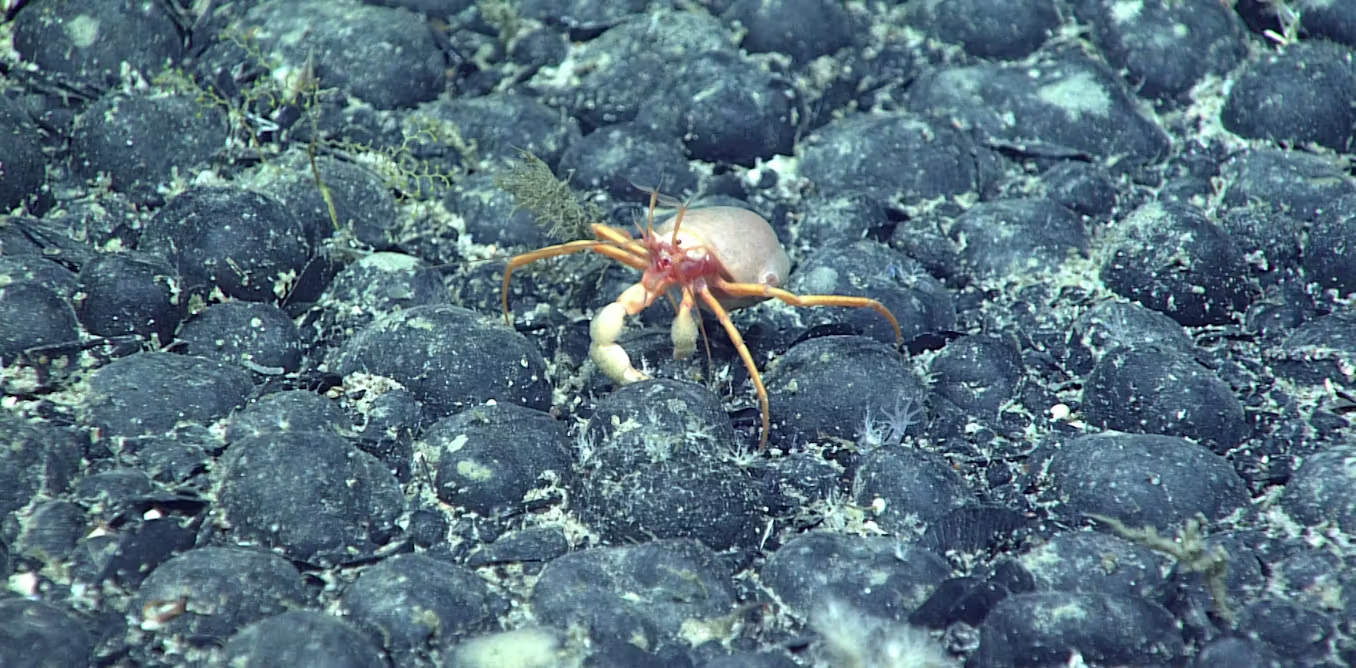
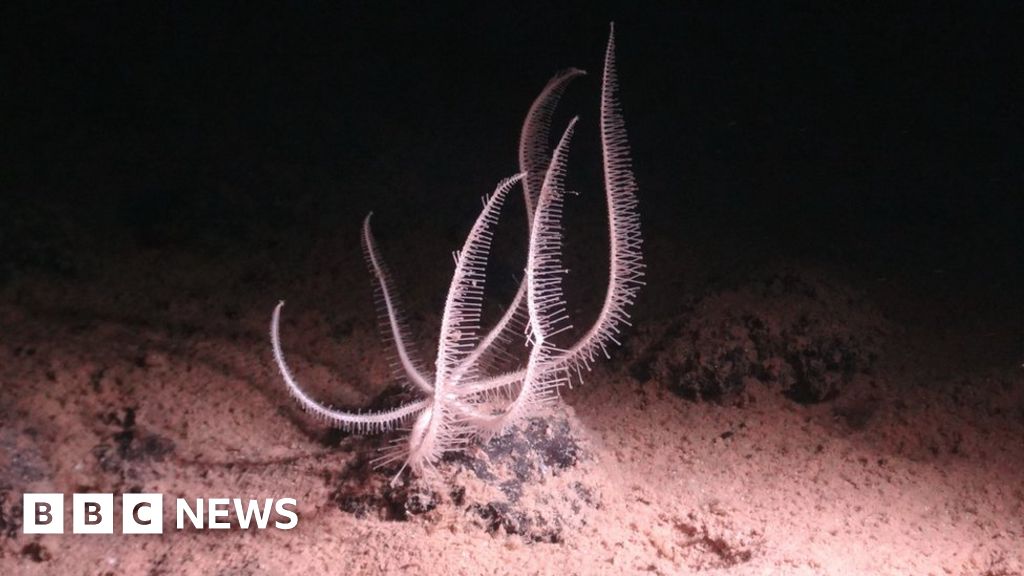
The International Seabed Authority is facing a deadline to finalize rules governing deep-sea mining, but opponents argue that the rush to open the seafloor in international waters could be a damaging decision that's impossible to reverse. Proponents say that deep-sea mining is a less damaging way to gather metals like nickel, copper, manganese, and cobalt, which are essential in batteries and electrical infrastructure. However, critics say there is not enough information to make that kind of decision, and deep-sea creatures have adapted over millions of years to living in a dark, quiet place with little sediment.