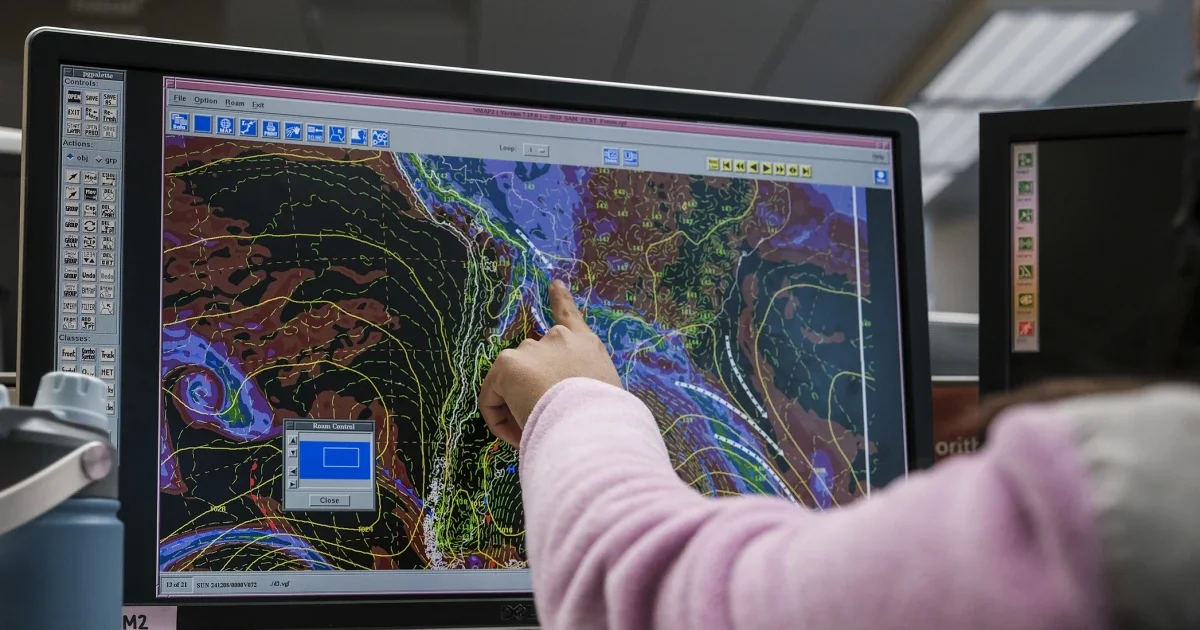
The NSF is reviewing and planning to restructure the research and observational capabilities of NCAR, including potential transfer of the supercomputer and aircraft, to focus on critical weather prediction and space weather research.
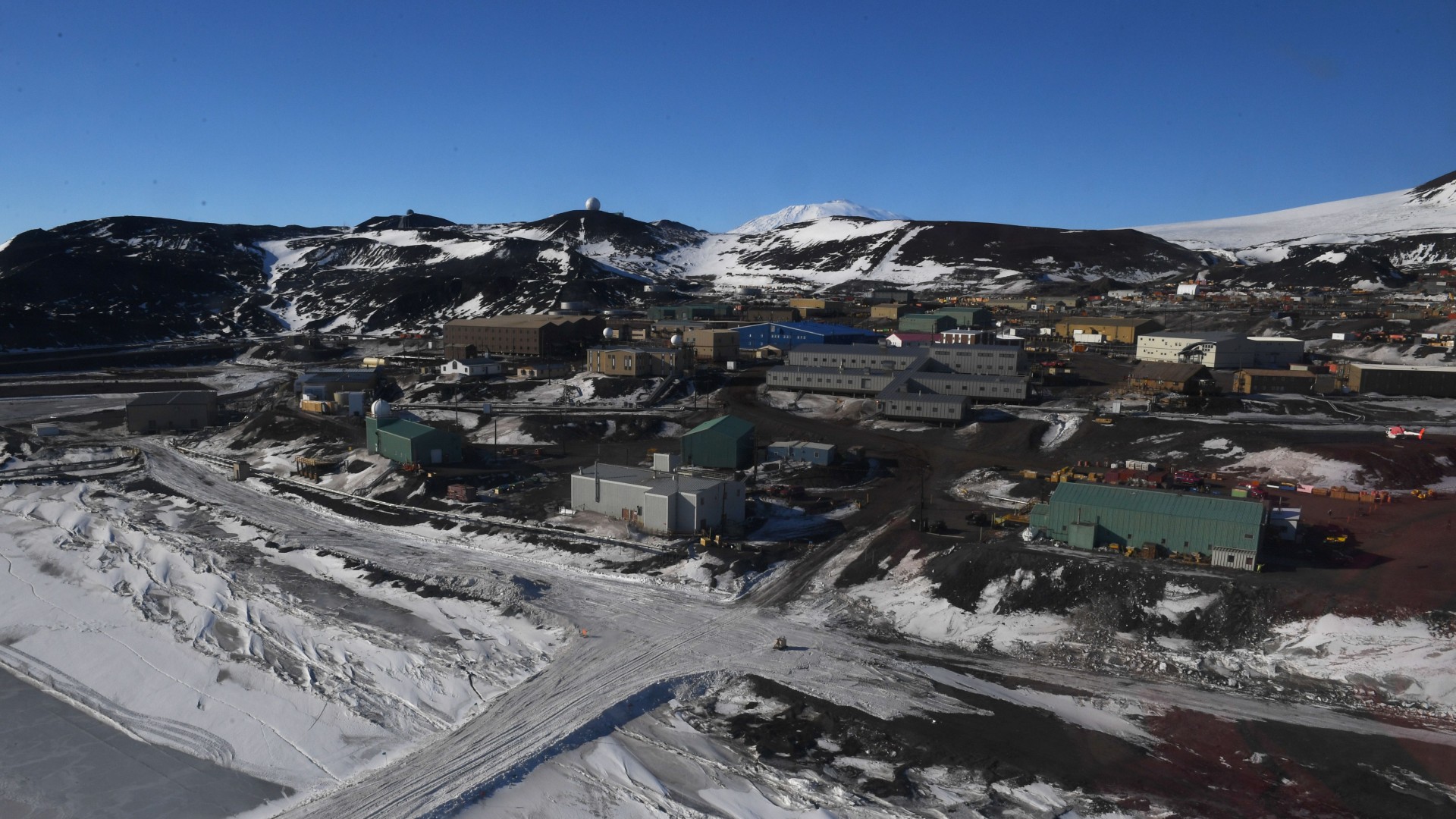
A survey by the US NSF revealed that over 40% of participants in Antarctic research expeditions experienced sexual harassment or assault, highlighting issues of misconduct in isolated, extreme environments that are analogs for future moon and Mars outposts. The findings prompt calls for improved safety measures and cultural change, with NSF committed to addressing these problems despite potential budget constraints and political challenges.
The U.S. NSF and NVIDIA are partnering to develop open AI models to boost scientific research and maintain U.S. leadership in AI, investing a total of $152 million in the OMAI project led by Ai2, which aims to create accessible, multimodal AI tools for scientific discovery across various fields.
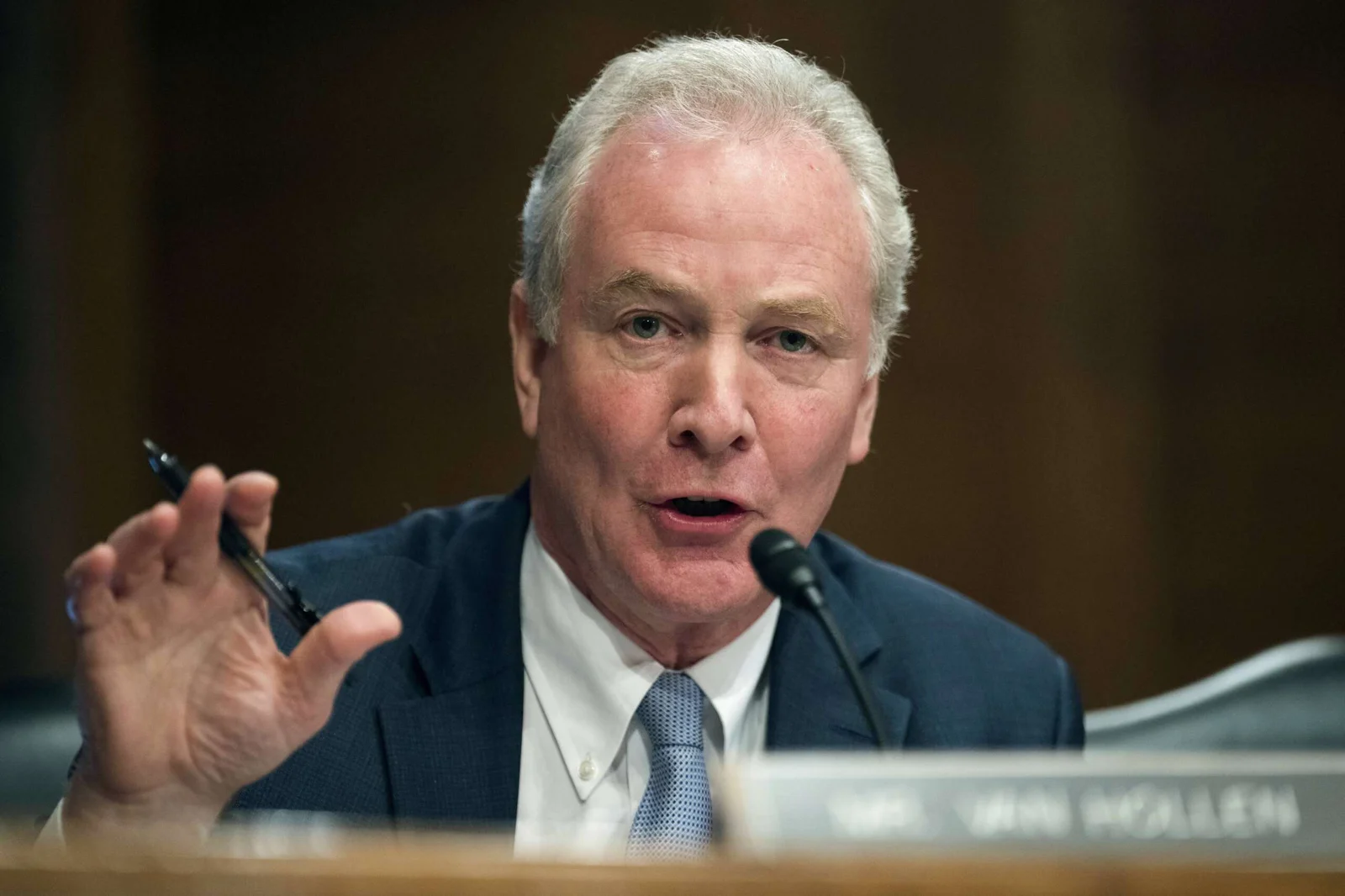
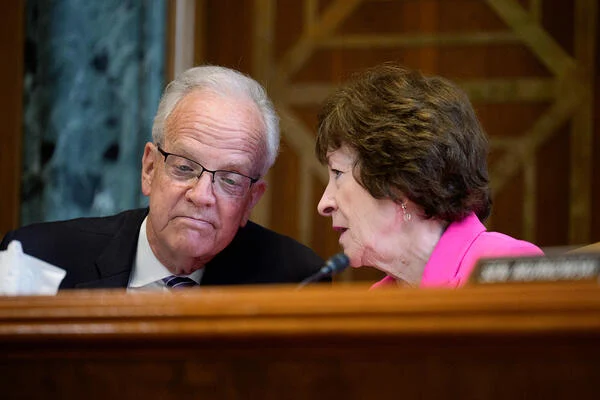
The Senate proposed a modest increase in funding for the National Science Foundation and other science agencies, rejecting the Trump administration's proposed large cuts, amidst ongoing debates over federal budget allocations and specific issues like the FBI headquarters location, with bipartisan support for science funding and concerns over potential government shutdowns.
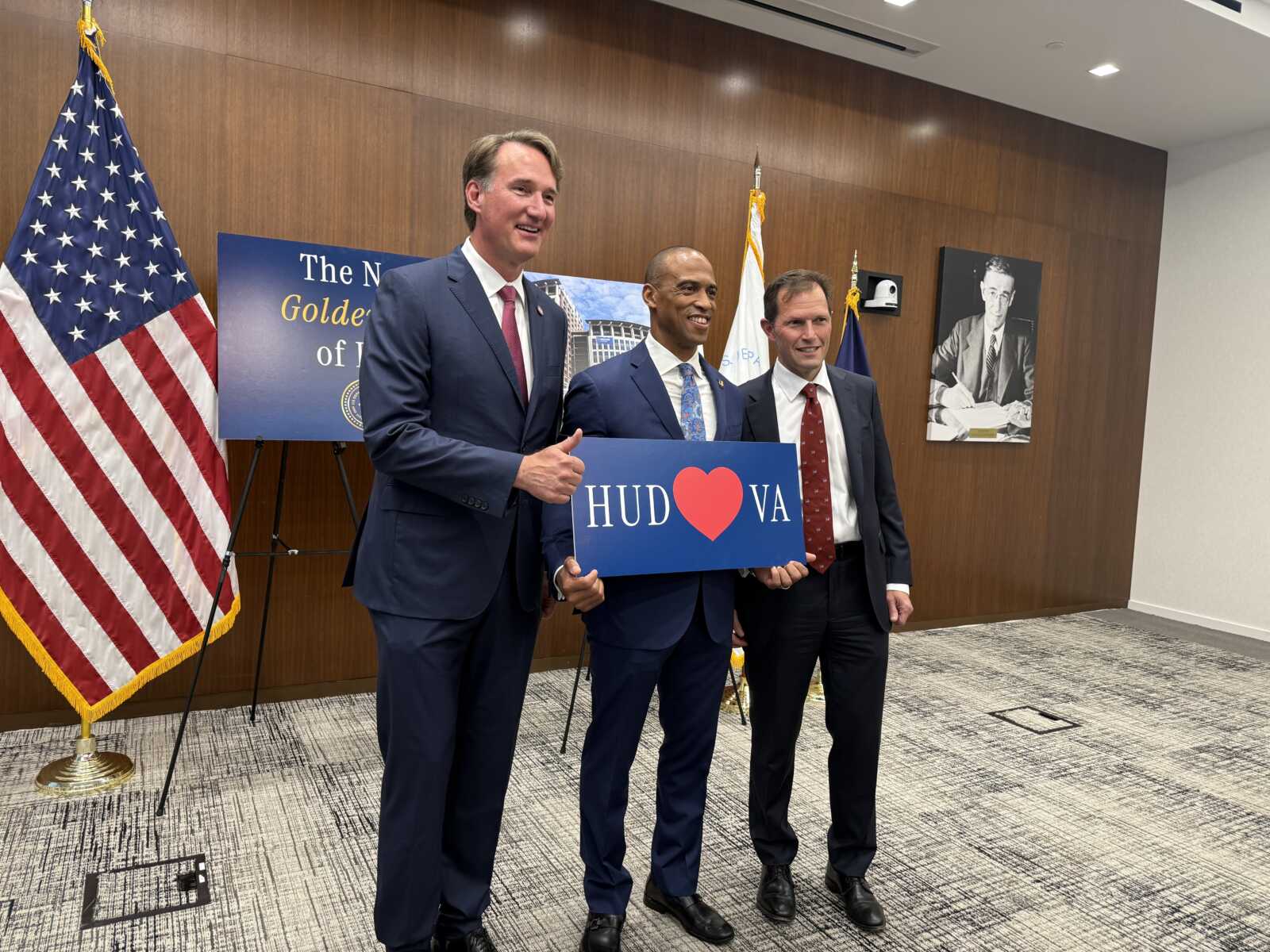
The Department of Housing and Urban Development (HUD) will relocate its headquarters to the National Science Foundation building in Alexandria, Virginia, displacing about 1,800 NSF employees. The move aims to save over $500 million in maintenance costs and improve working conditions, marking a significant shift under the Trump administration's efforts to optimize federal real estate. The transition will be managed to minimize disruption, with HUD occupying the entire 660,000-square-foot building, and is expected to be completed in the coming months.
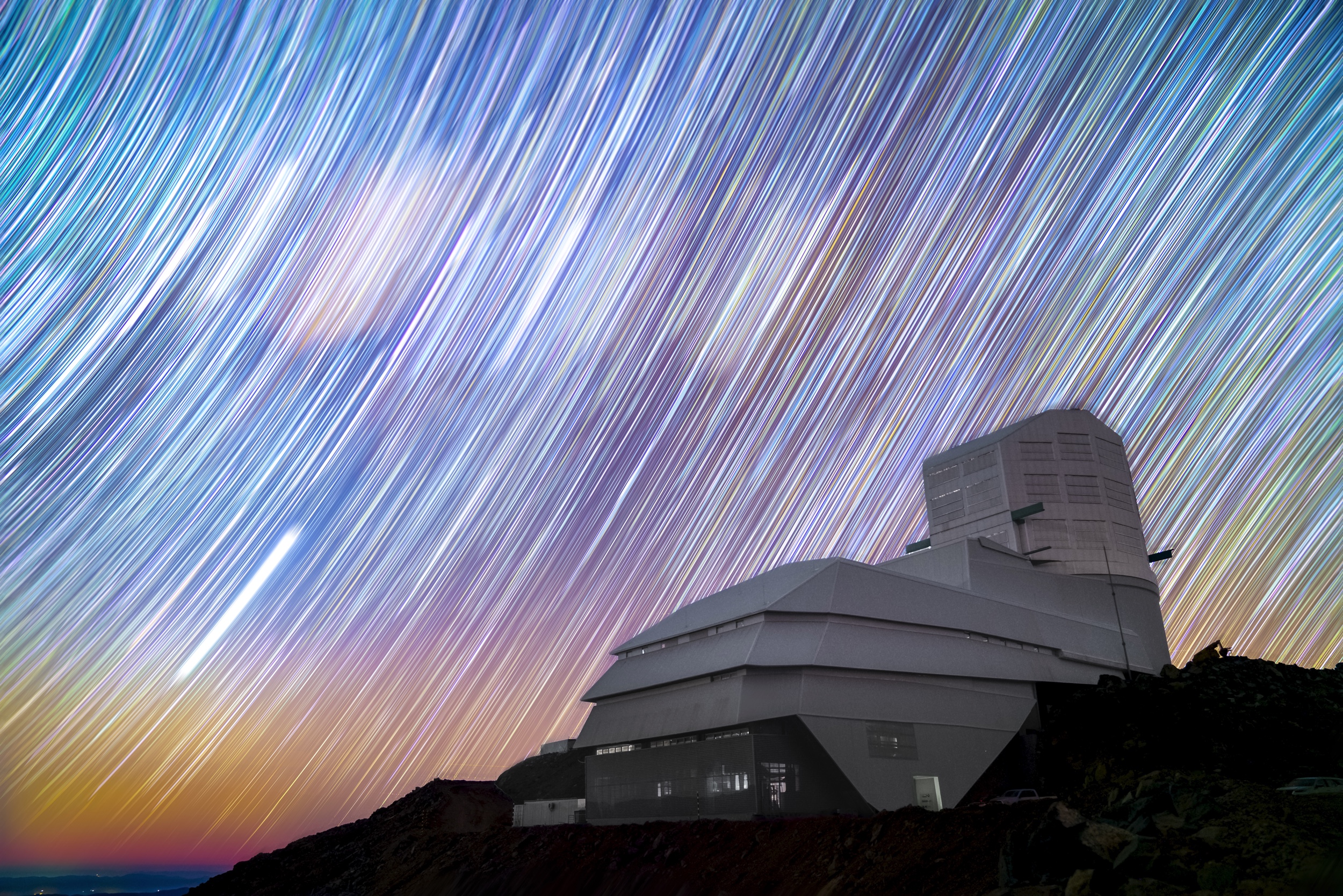
The first images from the Vera C. Rubin Observatory in Chile have been released, showcasing its potential to revolutionize astronomy, but concerns loom over significant budget cuts to the NSF, which funds the project, potentially impacting its operations and future surveys.
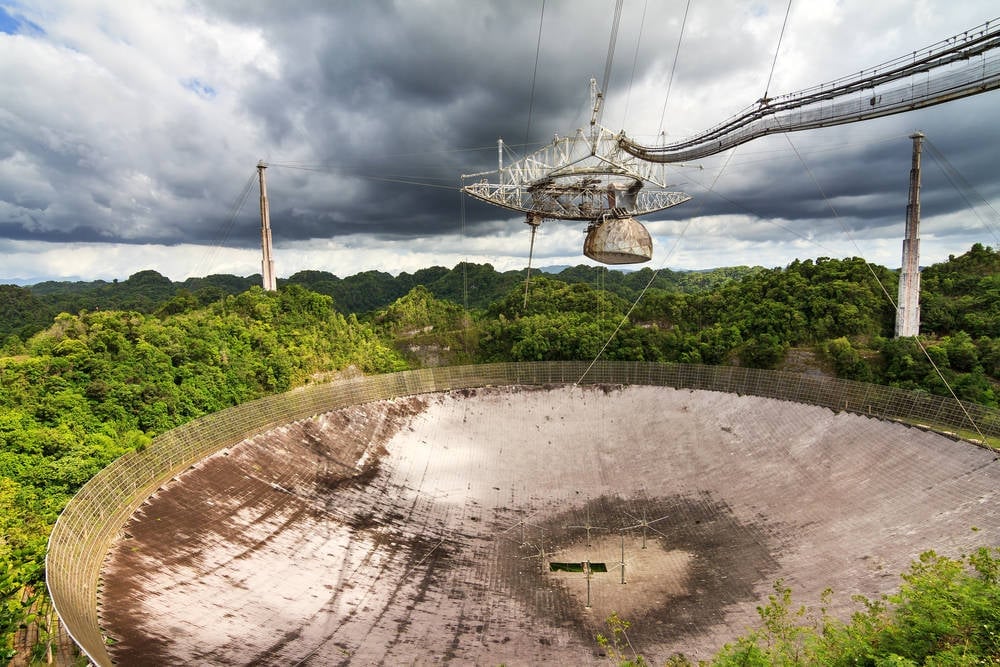
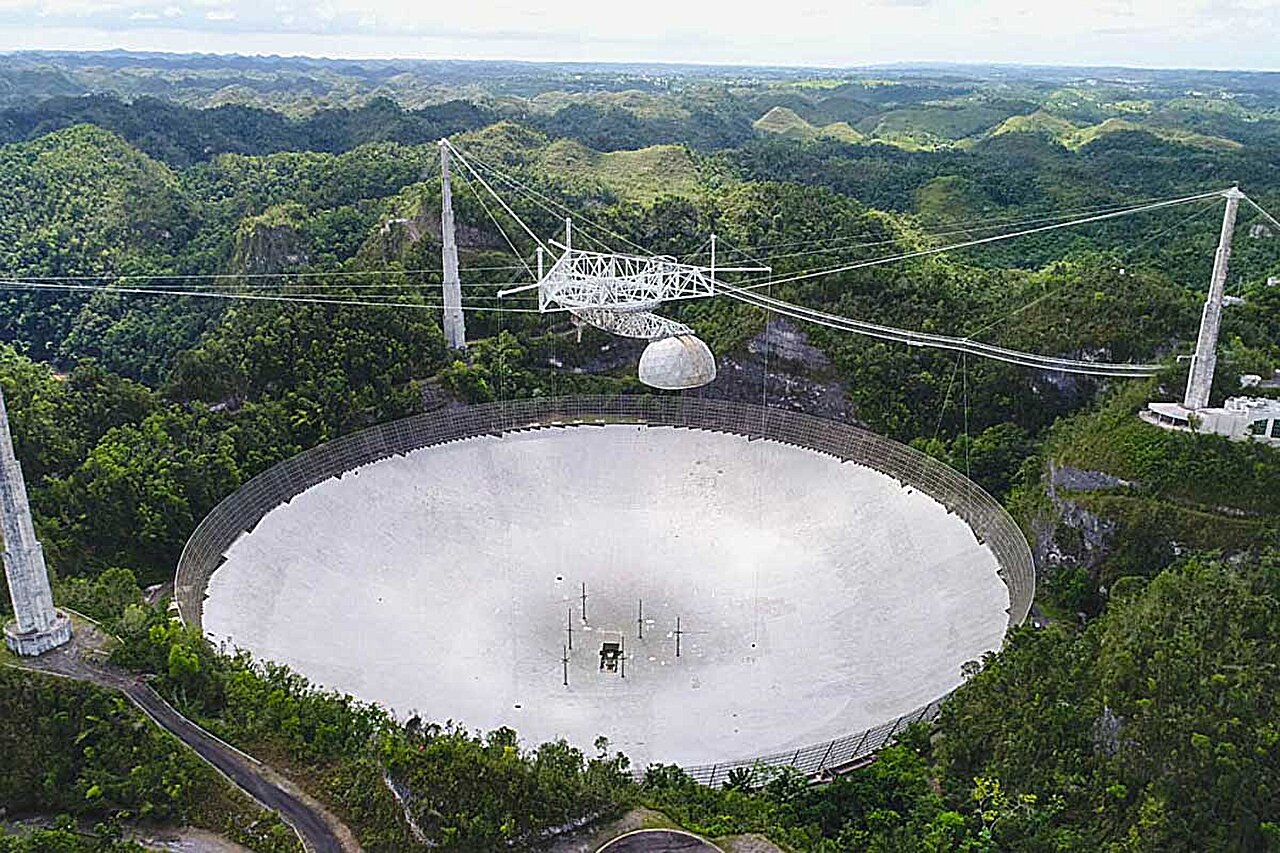
The collapse of the Arecibo Observatory's telescope in 2020 is attributed to zinc creep in cable sockets, potentially accelerated by electroplasticity due to electromagnetic radiation, according to a National Academies report. The report suggests that the unique electromagnetic environment of the telescope may have hastened the failure, despite a safety factor above two. The NSF plans to replace the telescope with a science education center and is considering the report's recommendations for future projects.
The Arecibo Observatory in Puerto Rico, once the world's largest radio telescope, collapsed in December 2020 due to weakened infrastructure from zinc creep-induced failure in cable sockets and damage from Hurricane Maria. A recent report by the NSF and the University of Central Florida attributes the collapse to these factors, compounded by delayed and misdirected repairs. The observatory, known for significant astronomical discoveries, will be transformed into an education center focused on science, computing, and community.
The Arecibo Observatory in Puerto Rico, once the world's largest radio telescope, collapsed in December 2020 due to weakened infrastructure from zinc creep-induced failure in cable sockets and damage from Hurricane Maria. A recent report by the NSF and the University of Central Florida attributes the collapse to these factors, compounded by delayed repairs. The observatory, known for significant astronomical discoveries, will be transformed into an education center focused on science, computing, and community.
The National Science Foundation (NSF) is facing pressure to choose between funding two major telescopes, the Giant Magellan Telescope (GMT) and the Thirty Meter Telescope (TMT), due to budget constraints. Both telescopes are equally important and are expected to work together to advance astronomy. The decision is expected by May, and the outcome will impact the future of U.S. astronomy and its leadership in the field.