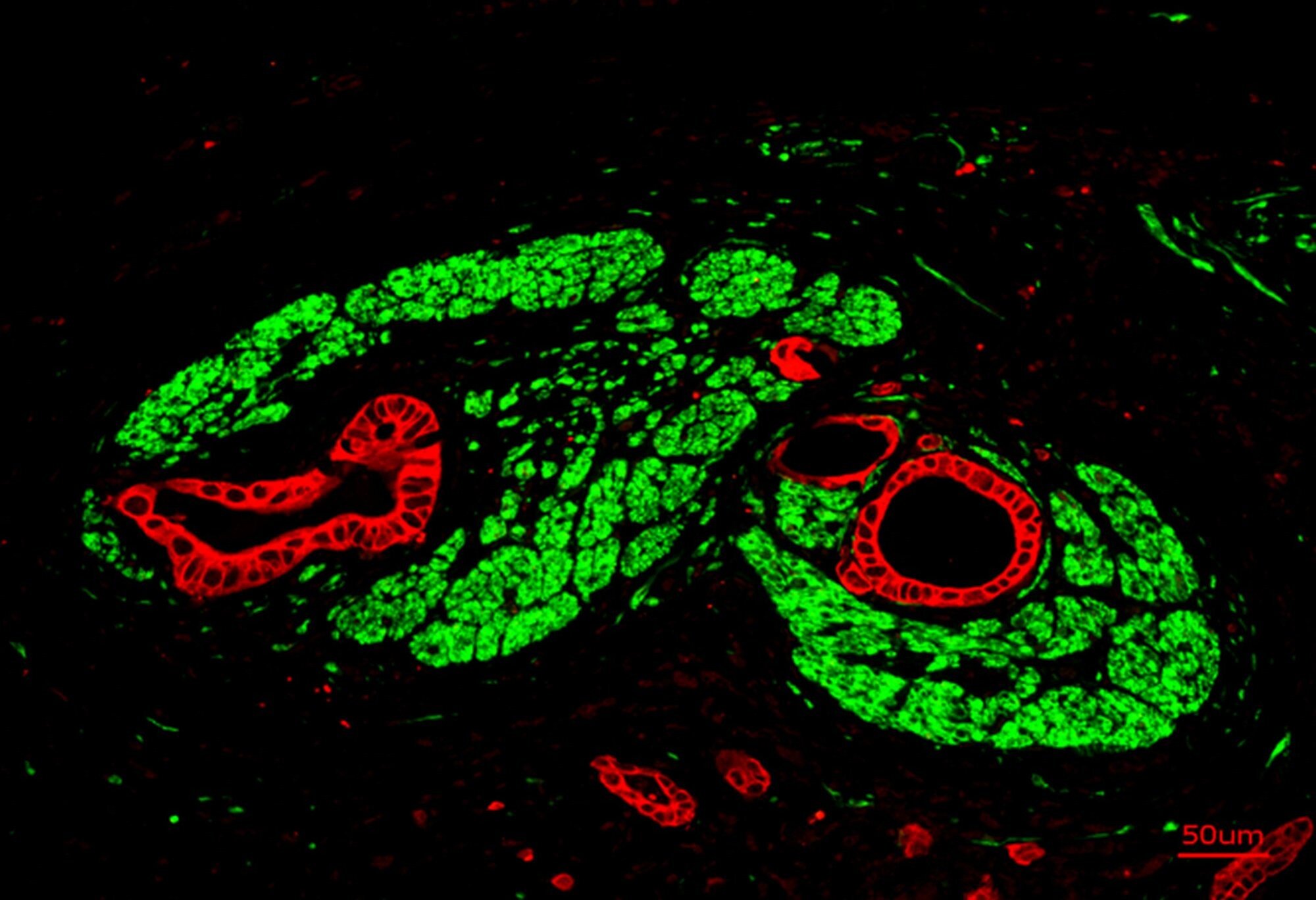
Scientists at TUM discovered that pancreatic tumors form pseudosynapses by exploiting the nervous system, using glutamate to promote tumor growth via NMDA receptors. Blocking these receptors in mice slowed tumor progression, suggesting new therapeutic avenues.,
Serotonin, often referred to as the "happy hormone," plays a crucial role in various bodily functions, including mood regulation, learning, and gut movement. While there are numerous supplements claiming to boost serotonin levels, the actual impact of these supplements is not well understood. Research on serotonin's role in mood regulation is inconclusive, and the effectiveness of serotonin-boosting supplements is limited. Natural methods such as exercise, healthy eating, sunlight exposure, and adequate sleep are recommended for promoting serotonin release, while consulting a doctor is advised for individuals experiencing mood-related concerns.
A new study has identified a potential mechanism for why sleep deprivation can intensify pain sensitivity. Researchers found that sleep-deprived mice had reduced levels of the neurotransmitter N-arachidonoyl dopamine (NADA) in a brain region associated with sensory processing and arousal. Administering NADA to this region alleviated heightened pain response in the mice. The study suggests that sleep disruption leads to decreased NADA levels, contributing to increased pain sensitivity. The findings highlight the potential of targeting the endocannabinoid system, which includes NADA, as a therapeutic approach for managing pain associated with sleep loss.
A recent study reveals that dopamine plays a role in the speed and accuracy of decision-making processes. When dopamine release was elevated, decisions were made faster but with increased inaccuracy. The study utilized a learning task involving abstract symbols and rewards, and computer models were used to analyze the learning and decision-making processes. The findings suggest that dopamine potentially links motor response and effort regulation, favoring speed over accuracy. Further research is needed to understand the extent of this mechanism in non-reward-related decisions and the role of motor functions.
GABA receptors and the neurotransmitter GABA have been identified as potential therapeutic targets for managing depressive disorders. Both drugs that enhance and inhibit GABA-A receptor activity could have antidepressant effects, suggesting the complexity of depression treatment mechanisms. The authors propose possible pathways through which GABA-modulating treatments could alleviate cognitive and affective symptoms associated with depression. Additionally, GABA-A receptors may also play a role in treating cognitive impairment often correlated with depression. The research highlights the importance of GABA receptors in depression and their potential as crucial targets for both affective and cognitive symptoms.
Orexin, not the stress hormone noradrenaline, is responsible for regulating pupil size, challenging previous understanding. Orexin neurons affect pupil size in response to emotional states and mental strain, not just light exposure. This discovery has implications for neurological conditions such as narcolepsy and Alzheimer's, offering new diagnostic avenues. It also sheds light on our understanding of consciousness and attention regulation.
Caffeine is a naturally occurring substance found in coffee, tea leaves, and cacao nuts. It is a stimulant drug that can make people feel alert and energized, but can also cause jitteriness and anxiety. The half-life of caffeine is between 4-6 hours, meaning even if the effects start to wane, there is still some caffeine in the system. The exact way caffeine works in the body is still unclear, but it is thought to affect neurotransmitter receptors. Three cups of black, caffeinated coffee can help liver function.