Tag

Cognitive Symptoms

All articles tagged with #cognitive symptoms

neurology2 years ago

Unraveling the Impact of Long COVID on the Brain

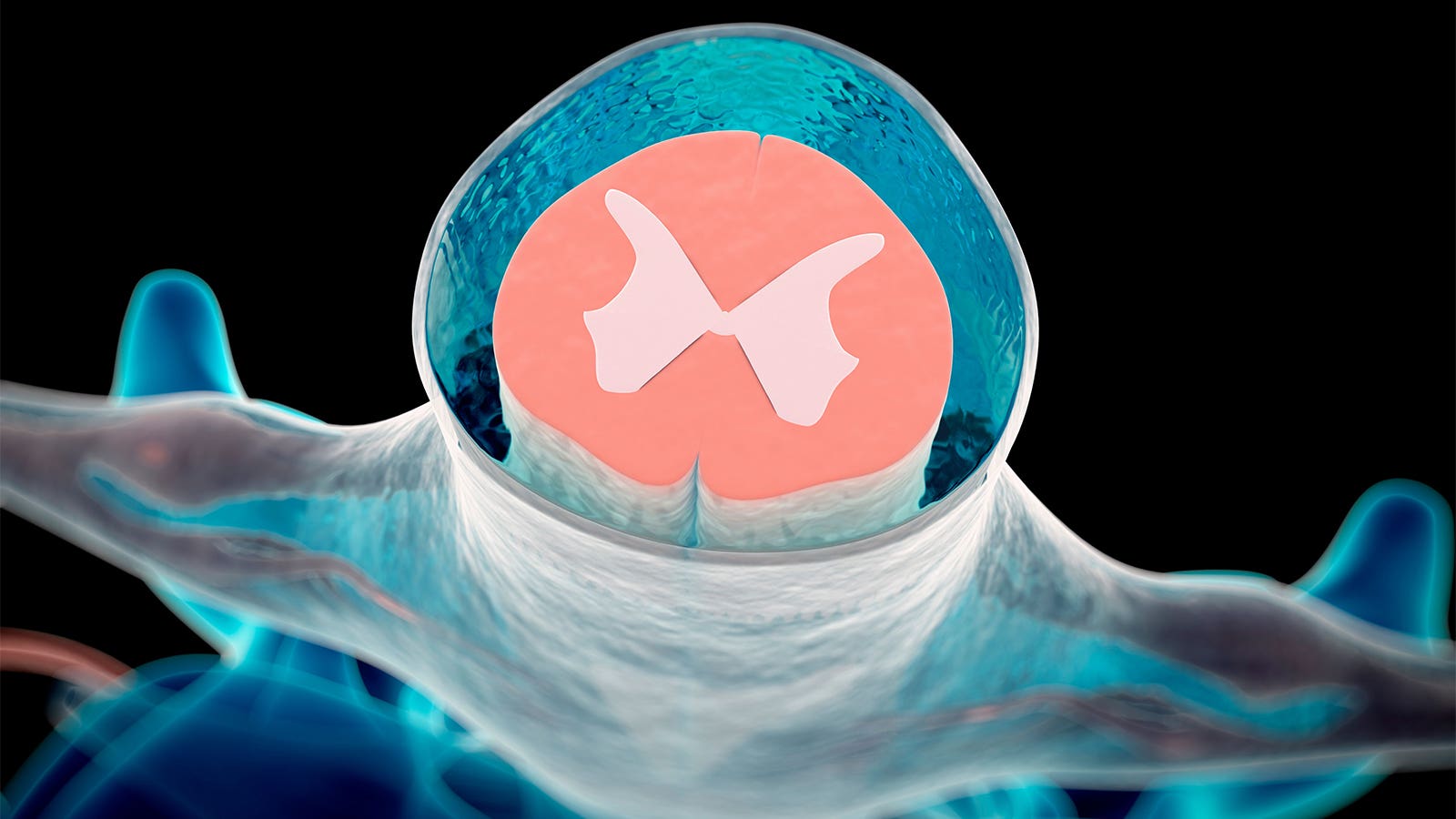
A case-control study found that spinal fluid immune profiles were largely normal in individuals with neurologic long COVID symptoms, suggesting that brain inflammation may not be the cause of cognitive symptoms associated with long COVID. The study did not find evidence of abnormal cytokines in cerebrospinal fluid (CSF) or blood-brain barrier dysfunction in participants with post-COVID neuropsychiatric conditions. The findings suggest that interventions aimed at reducing brain inflammation may not be effective in treating long COVID cognitive symptoms. Further research is needed to understand the underlying mechanisms of long COVID.

health2 years ago

Unveiling the Potential of Neuro-meditation in Treating Long COVID Cognitive Symptoms and Brain Fog

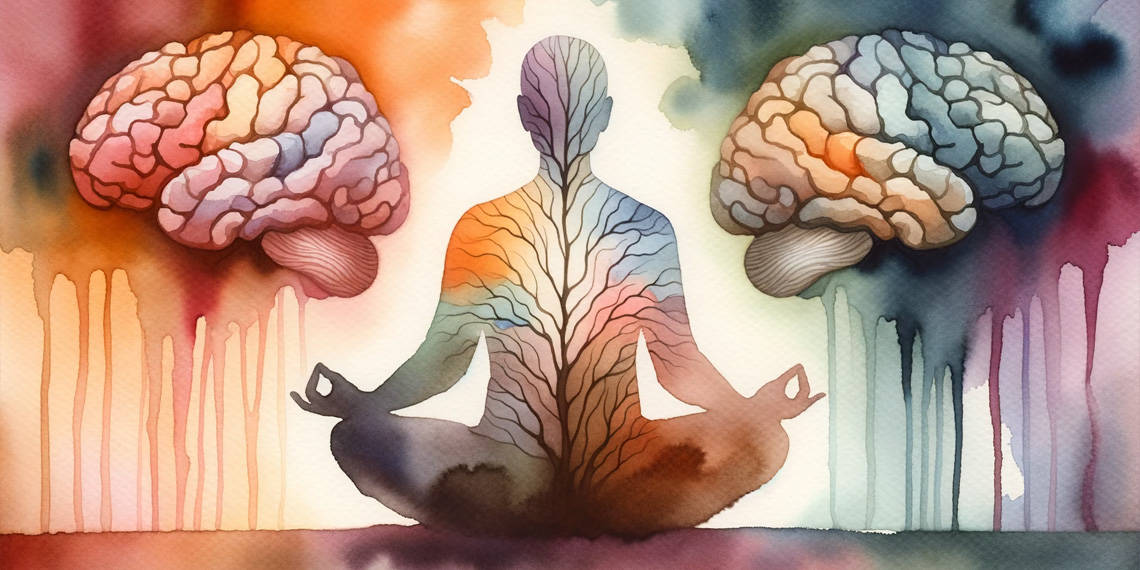
A recent study suggests that a neuro-meditation program may be a beneficial intervention for cognitive symptoms in Long COVID patients. The study involved 34 Long COVID patients and 15 healthy participants who underwent a 5-week neuro-meditation program. The results showed significant improvements in cognitive function and a decrease in symptoms such as fatigue, anxiety, depression, pain, and sleep disorders. However, the study had limitations, including the absence of a traditional meditation group and a short follow-up period. Further research is needed to confirm the long-term effects of neuro-meditation on Long COVID patients.

mental-health2 years ago

The Link Between Childhood Emotional Maltreatment and Depression: The Role of Rumination

A study in Germany has found that childhood emotional maltreatment, including emotional abuse and neglect, can increase the risk of depression in adulthood by predisposing individuals to rumination. The study revealed that childhood emotional maltreatment was associated with elevated levels of cognitive symptoms of depression, such as pessimistic thoughts and trouble concentrating. The researchers also found that rumination mediated the relationship between childhood emotional maltreatment and cognitive symptoms of depression. However, the study had limitations, including a small sample size and reliance on participants' recall of events from childhood.

neuroscience2 years ago

Unraveling the Link Between GABA Receptors and Antidepressant Efficacy

GABA receptors and the neurotransmitter GABA have been identified as potential therapeutic targets for managing depressive disorders. Both drugs that enhance and inhibit GABA-A receptor activity could have antidepressant effects, suggesting the complexity of depression treatment mechanisms. The authors propose possible pathways through which GABA-modulating treatments could alleviate cognitive and affective symptoms associated with depression. Additionally, GABA-A receptors may also play a role in treating cognitive impairment often correlated with depression. The research highlights the importance of GABA receptors in depression and their potential as crucial targets for both affective and cognitive symptoms.

health2 years ago

COVID-19 Linked to Long-Term Neuroinflammation and Mental Health Issues.

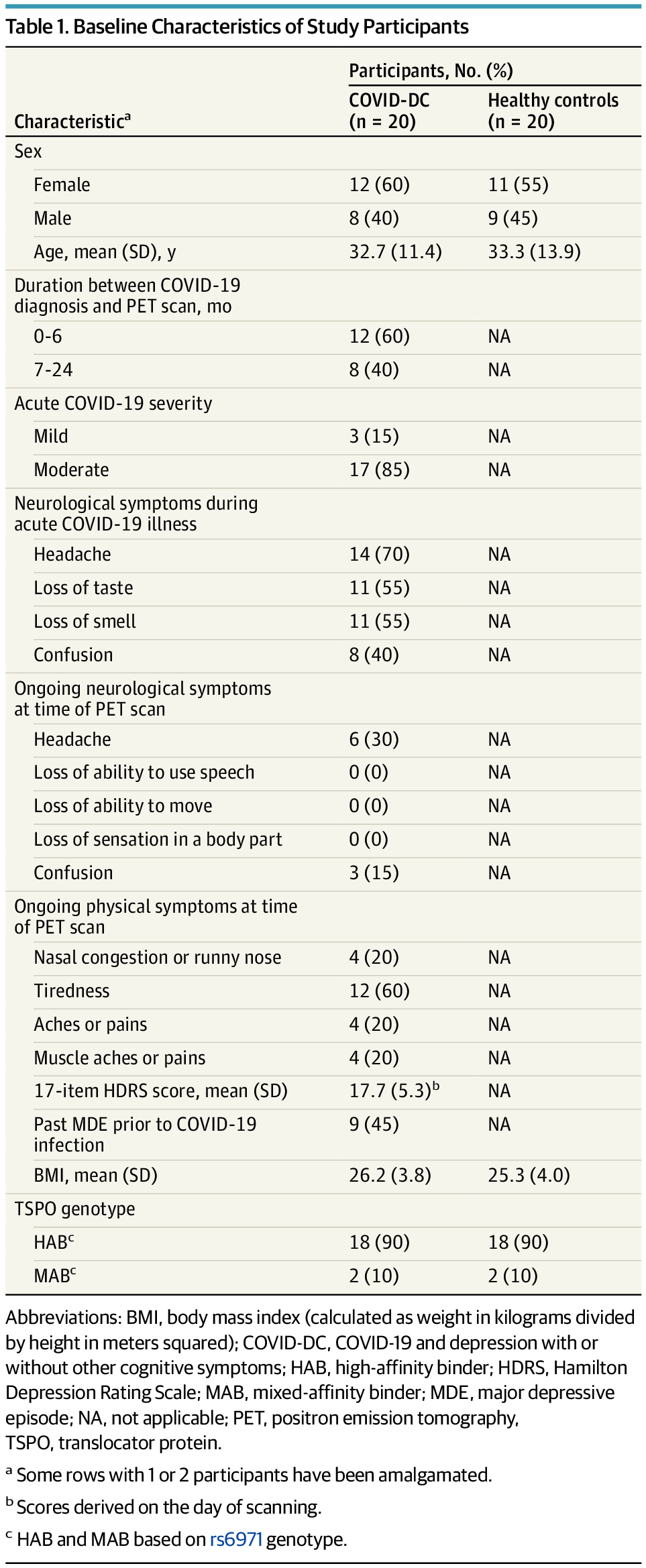
A case-control study conducted in Canada found that translocator protein total distribution volume (TSPO VT), a marker of gliosis, was elevated in the brains of individuals with persistent depressive and cognitive symptoms after mild to moderate COVID-19 infection. The study suggests that gliosis, especially in the ventral striatum and dorsal putamen, may explain some persistent depressive and cognitive symptoms, including slowed motor speed, low motivation or energy, and anhedonia, after initially mild to moderate COVID-19 illness. PET imaging of the translocator protein (TSPO) can detect gliosis composed of activated microglia or astroglia.