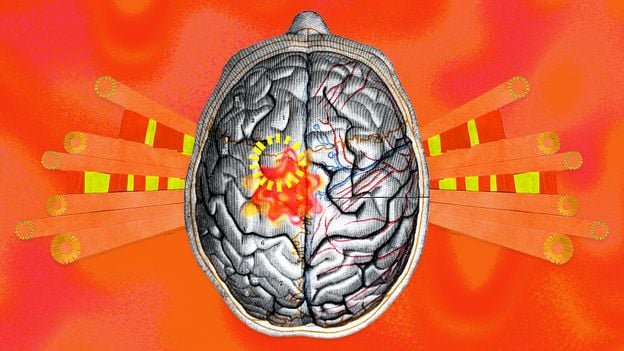
A new ultrasound helmet developed by researchers offers a promising non-invasive approach to treat neurological conditions like Parkinson's disease by precisely targeting small brain regions, potentially replacing invasive procedures like deep brain stimulation, with ongoing studies to expand its applications.
Rising global temperatures due to climate change are increasingly impacting brain function and neurological health, exacerbating conditions like epilepsy, stroke, and neurodevelopmental issues, while also affecting mood, behavior, and vulnerability to neurodegenerative diseases, with vulnerable populations such as the elderly and low-income groups at higher risk.
A new study demonstrates that wearable sensors combined with machine learning can accurately monitor walking patterns, particularly step length, to help detect early signs of Alzheimer's and other neurological conditions during daily life, potentially enabling earlier diagnosis and intervention.
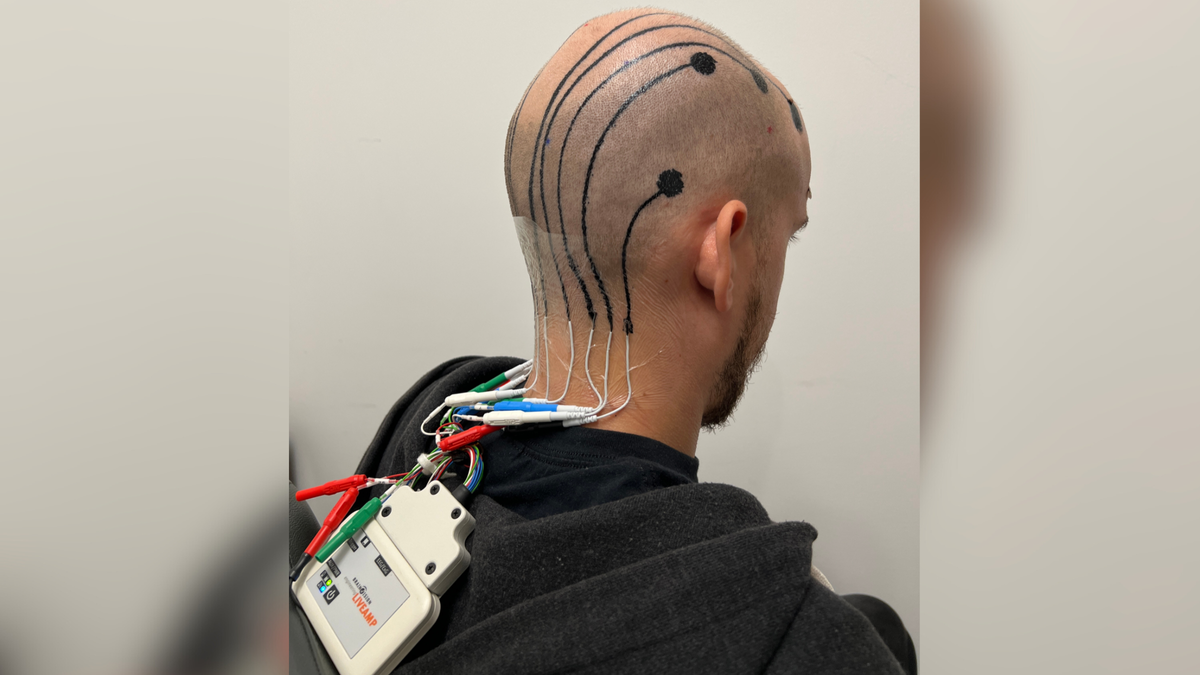
Researchers have developed electronic tattoos that can measure brain waves, offering a quicker and more convenient alternative to traditional EEG tests. These e-tattoos, made from conductive ink, are applied to the scalp and can detect brain activity as effectively as conventional electrodes. The technology, which is still being refined for automation and wireless data transmission, could simplify the process of diagnosing neurological conditions and potentially allow for overnight brain monitoring.
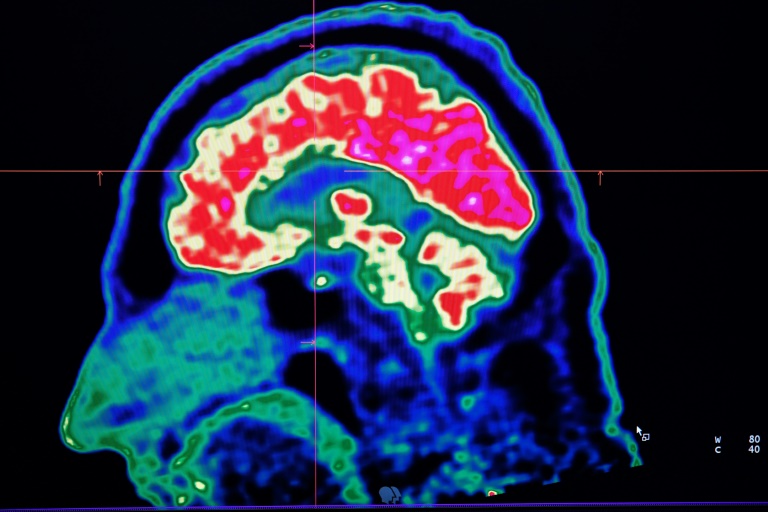
Researchers have developed a transparent skull implant that allows high-resolution brain imaging using functional ultrasound (fUSI). This non-invasive method enables precise monitoring of brain activity, potentially benefiting patients with neurological conditions and advancing brain research. The study, conducted by USC and Caltech, demonstrates the implant's effectiveness in a patient with a traumatic brain injury, suggesting new possibilities for patient monitoring and clinical research.
A new study by The Lancet Neurology and the World Health Organization reveals that over 3 billion people worldwide were living with neurological conditions in 2021, making them the leading cause of ill health and disability. The study emphasizes the urgent need for targeted interventions to improve access to quality care, treatment, and rehabilitation for those affected. The Intersectoral Global Action Plan 2022–2031 aims to address the neglect of neurological disorders by improving prevention, early identification, treatment, and rehabilitation, as well as promoting brain health and disease prevention.
A new study suggests that exposure to certain common household chemicals, such as organophosphate flame retardants and quaternary ammonium compounds (QACs), may damage vital brain cells called oligodendrocytes, potentially contributing to the rise in neurological and neurodevelopmental conditions such as autism-spectrum disorders, attention deficit disorders, and multiple sclerosis. The research, which assessed the effect of nearly 1,900 chemicals on brain cells, found that these chemicals can inhibit the generation of oligodendrocytes and cause their death. The study also suggests a positive association between organophosphate flame retardant exposure and abnormal neurodevelopment, emphasizing the need for caution and further research into the potential health implications of these household chemicals.
A new study from the World Health Organization and others estimates that nearly half of the global population is living with neurological conditions, making them the leading cause of disability and illness worldwide. The study found that about 3.4 billion people are affected by conditions such as Alzheimer’s disease, stroke, epilepsy, and more, with the burden disproportionately felt in low- to middle-income countries. While the rate of people living with or dying from neurological conditions has decreased since 1990, the absolute number of lost healthy years has increased, highlighting the need for targeted interventions and preventative measures to address this growing public health challenge.
A new study from the World Health Organization and others estimates that nearly half of the global population is living with neurological conditions, making them the leading cause of disability and illness worldwide. The study found that about 3.4 billion people are affected by conditions such as Alzheimer’s disease, stroke, epilepsy, and more. While the rate of people living with or dying from neurological conditions has decreased, the absolute number of lost healthy years has increased, with the burden disproportionately affecting low- to middle-income countries. Urgent action is needed to scale up interventions and improve access to quality care, treatment, and rehabilitation for those living with neurological conditions.
A major US study has confirmed that neurological conditions, including strokes, migraines, and dementia, have become the leading cause of ill health globally, surpassing heart disease for the first time. The analysis, conducted by the Institute for Health Metrics and Evaluation, found that over 3.4 billion people, or 43% of the world's population, experienced a neurological condition in 2021, marking a 59% increase over the last three decades. Stroke emerged as the worst neurological condition, accounting for 160 million years of healthy life lost.
A major analysis led by the Institute for Health Metrics and Evaluation revealed that nervous system disorders, including strokes, migraines, and dementia, have surpassed heart disease as the leading cause of ill health worldwide, affecting over 3.4 billion people in 2021. The surge in these conditions, attributed to an aging and growing population, resulted in over 443 million years of healthy life lost globally. While cardiovascular disease remains the leading cause of death, the study emphasizes the urgent need for prevention, treatment, and rehabilitation efforts to address the growing burden of neurological disorders, particularly in poorer countries.
A new Lancet Neurology study reveals a significant 18% increase in the global burden of neurological conditions over the past 30 years, with conditions such as stroke, Alzheimer’s disease, and diabetic neuropathy featuring prominently. In India, the study underscores the need for vigilance regarding diabetic neuropathy and strokes, particularly given the aging population, increase in risk factors, and health system deficiencies. The report also emphasizes the importance of managing risk factors, such as high blood pressure, to prevent neurological conditions, and calls for better support systems for individuals with cognitive impairment and specialized care services for conditions like dementia and stroke.
A study by The Lancet Neurology and the World Health Organization reveals that over 3 billion people worldwide were living with neurological conditions in 2021, making it the leading cause of ill health and disability globally. The burden of neurological conditions disproportionately affects low- and middle-income countries, with access to treatment varying widely. The study identifies the top ten neurological conditions contributing to health loss, including stroke, dementia, and diabetic neuropathy, and highlights the need for targeted interventions and increased research to improve prevention, care, and quality of life for those affected. The Intersectoral Global Action Plan 2022–2031 aims to address the neglect of neurological disorders and improve access to treatment, care, and support.
A study published in the Lancet has revealed that neurological conditions, including stroke, Parkinson’s disease, and dementia, have become the leading cause of ill-health worldwide, affecting 3.4 billion people in 2021. The research highlighted a dramatic rise in the number of people affected by neurological disorders over the past three decades, with 11.1 million deaths attributed to these conditions. The study emphasized the importance of preventive measures, such as lowering high systolic blood pressure, to reduce the risk of developing these conditions and address the global health inequalities in low- and middle-income countries.
A new analysis from the Global Burden of Disease Study reveals that neurological conditions, including stroke, Alzheimer's disease, and meningitis, have become the leading cause of ill health and disability globally. The study shows a substantial increase in the number of people affected by these conditions over the past 30 years, with over 3.4 billion individuals experiencing a nervous system disorder in 2021. While the absolute number of disability-adjusted life years (DALYs) has risen due to population growth and aging, age-standardized rates of DALYs and deaths have actually declined, largely attributed to improved awareness, vaccination, and prevention efforts. The study emphasizes the need for effective prevention, treatment, and long-term care strategies, especially in low- and middle-income countries where over 80% of neurological deaths and health loss occur.