Tag

Net Zero Emissions

All articles tagged with #net zero emissions

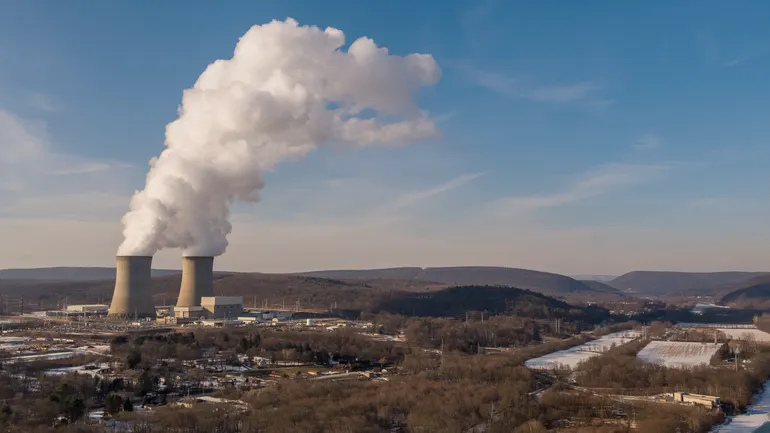
Biden Aims to Triple U.S. Nuclear Power by 2050

Originally Published 1 year ago — by Utility Dive

Featured image for Biden Aims to Triple U.S. Nuclear Power by 2050
Source: Utility Dive

The Biden-Harris administration has unveiled a plan to triple U.S. nuclear energy capacity by 2050, aiming to add 200 GW of new capacity through new reactors, restarts, and upgrades. The plan supports the global goal of tripling nuclear energy production by 2050 to achieve net-zero emissions. While the initiative has received backing from bipartisan lawmakers, it faces criticism from environmental groups concerned about safety and cost. The roadmap includes developing new reactor types, improving licensing, and expanding the nuclear workforce.
"Rising Clean Power Generation to Meet Global Electricity Demand, IEA Reports"

Originally Published 2 years ago — by IEA

Featured image for "Rising Clean Power Generation to Meet Global Electricity Demand, IEA Reports"
Source: IEA

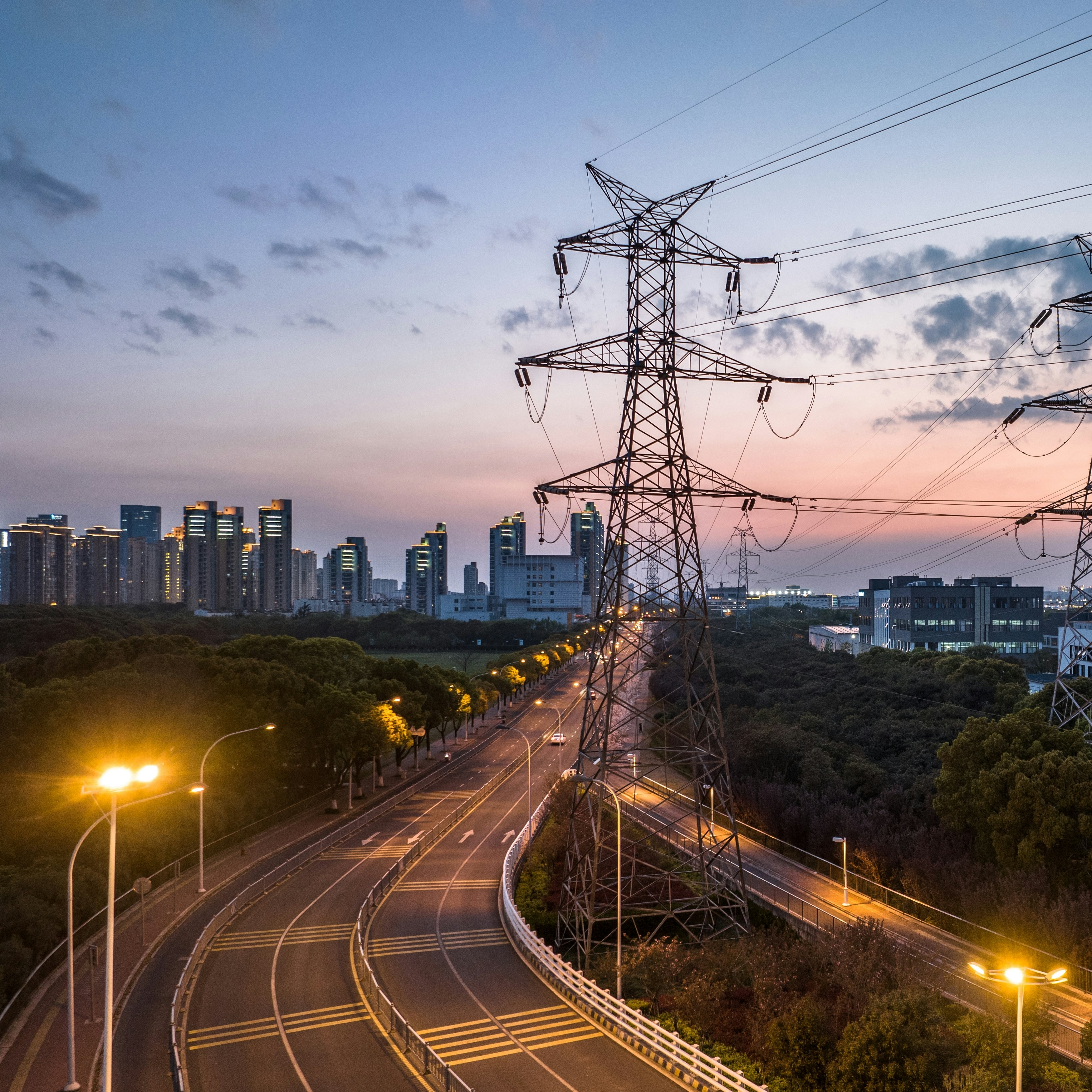
The International Energy Agency (IEA) predicts that clean sources of generation will meet the world's additional electricity demand over the next three years, with power generation being the largest source of carbon dioxide emissions but also leading the transition to net zero emissions through the rapid expansion of renewable energy sources such as solar and wind power.

The Controversy Surrounding Carbon Capture and its Role in Climate Change

Originally Published 2 years ago — by The Associated Press

Featured image for The Controversy Surrounding Carbon Capture and its Role in Climate Change
Source: The Associated Press

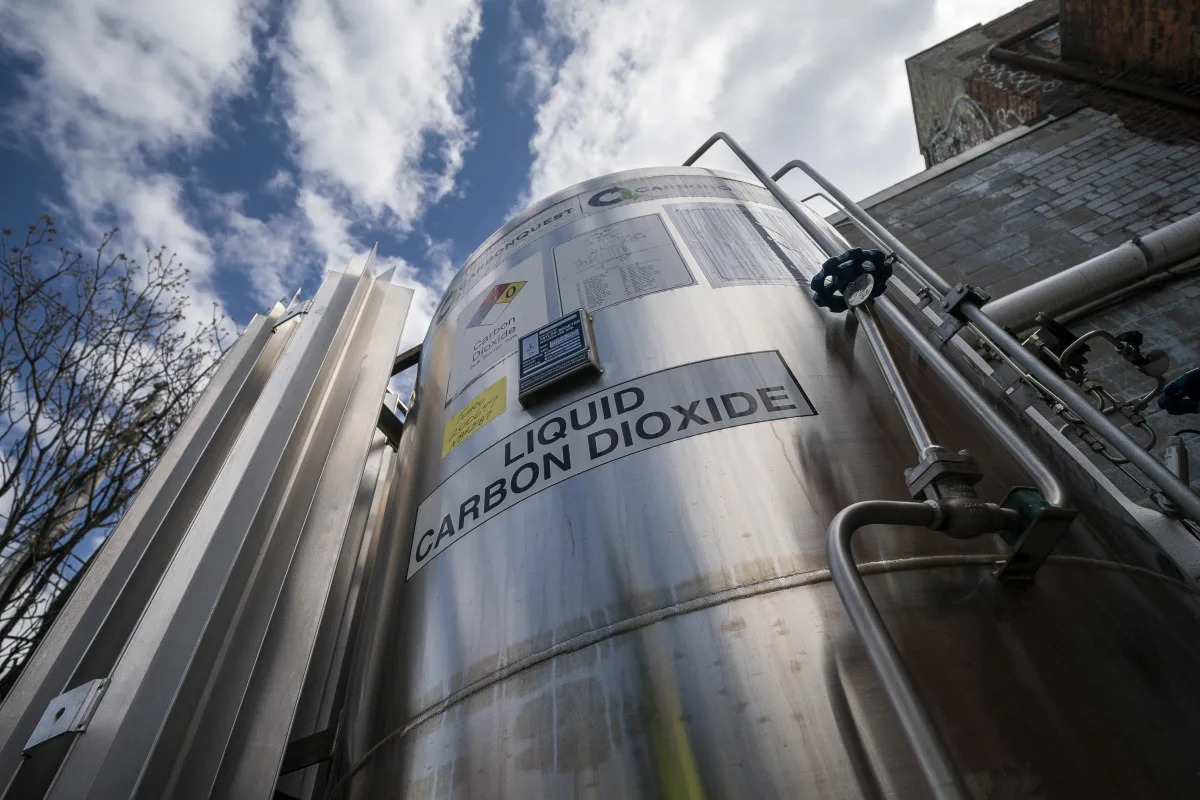
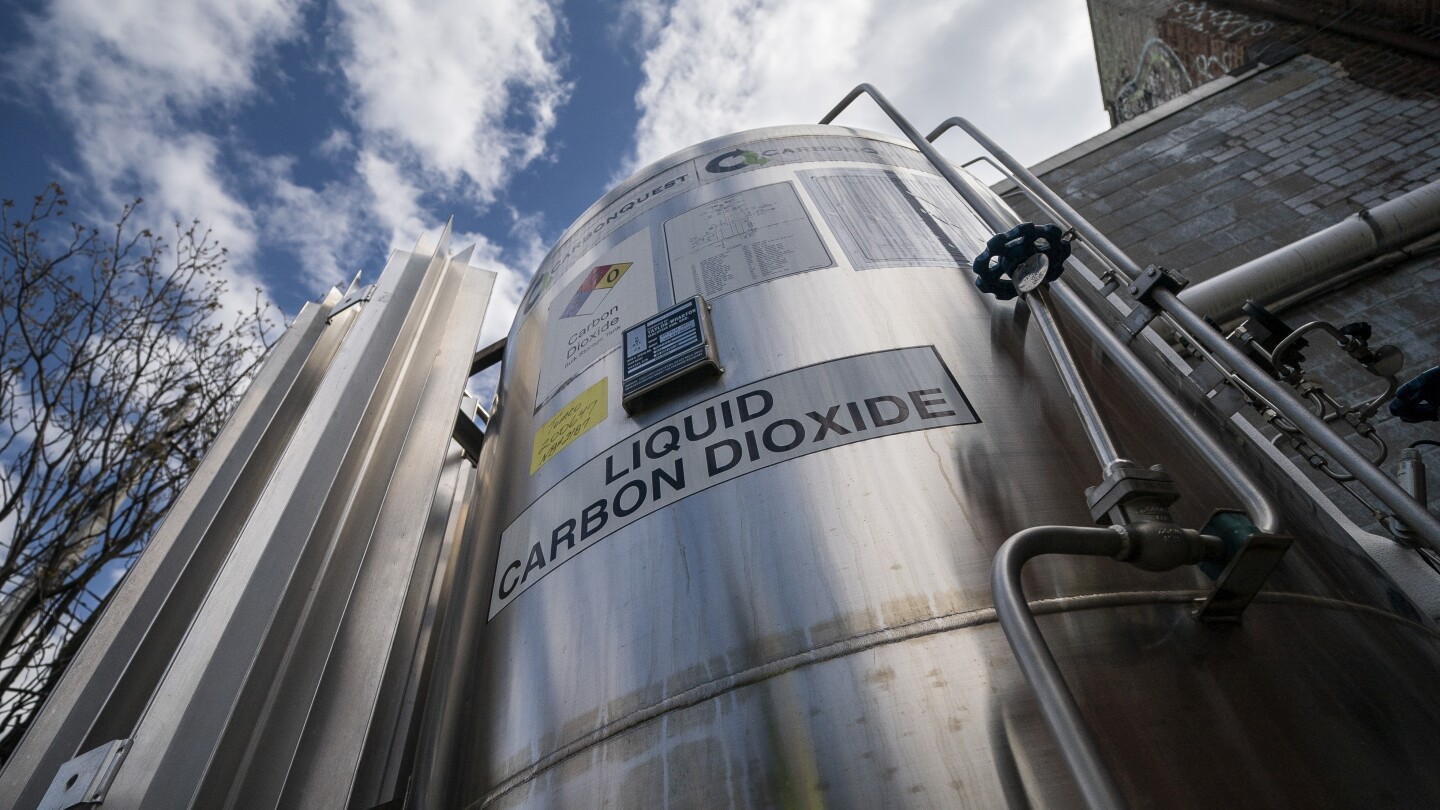
Carbon capture and carbon removal technologies are being discussed at the United Nations climate summit in Dubai as potential solutions to reduce greenhouse gas emissions. While some view these technologies as essential during the transition to clean energy, skeptics argue that they are being oversold to maintain the status quo. Carbon capture involves separating carbon dioxide from industrial emissions and storing it underground, while carbon removal aims to extract carbon already in the atmosphere. However, the deployment of these technologies is still in its early stages and faces challenges such as high costs and opposition to infrastructure development. Supporters, including the American Petroleum Institute, believe that carbon capture is crucial for cleaner energy use, while critics argue that it can prolong the lifespan of polluting plants and distract from the need to phase out fossil fuels.

Unveiling the Truth Behind Carbon Capture and its Role in Climate Change Mitigation

Originally Published 2 years ago — by Yahoo News

Featured image for Unveiling the Truth Behind Carbon Capture and its Role in Climate Change Mitigation
Source: Yahoo News

Carbon capture and carbon removal technologies are being discussed at the United Nations climate summit in Dubai as potential solutions to reduce greenhouse gas emissions. While some view these technologies as essential during the transition to clean energy, skeptics argue that they are being oversold by the fossil fuel industry to maintain the status quo. Carbon capture involves separating carbon dioxide from industrial emissions and storing it underground, while carbon removal aims to extract carbon dioxide from the atmosphere. However, the deployment of these technologies is still in its early stages and faces challenges such as high costs and opposition to infrastructure development. Supporters argue that carbon capture is key to cleaner energy use, while opponents believe it can prolong the lifespan of polluting plants and harm marginalized communities.

"Nuclear Power's Role in COP28: Balancing Energy Needs and Proliferation Concerns"

Originally Published 2 years ago — by Power Technology

Featured image for "Nuclear Power's Role in COP28: Balancing Energy Needs and Proliferation Concerns"
Source: Power Technology

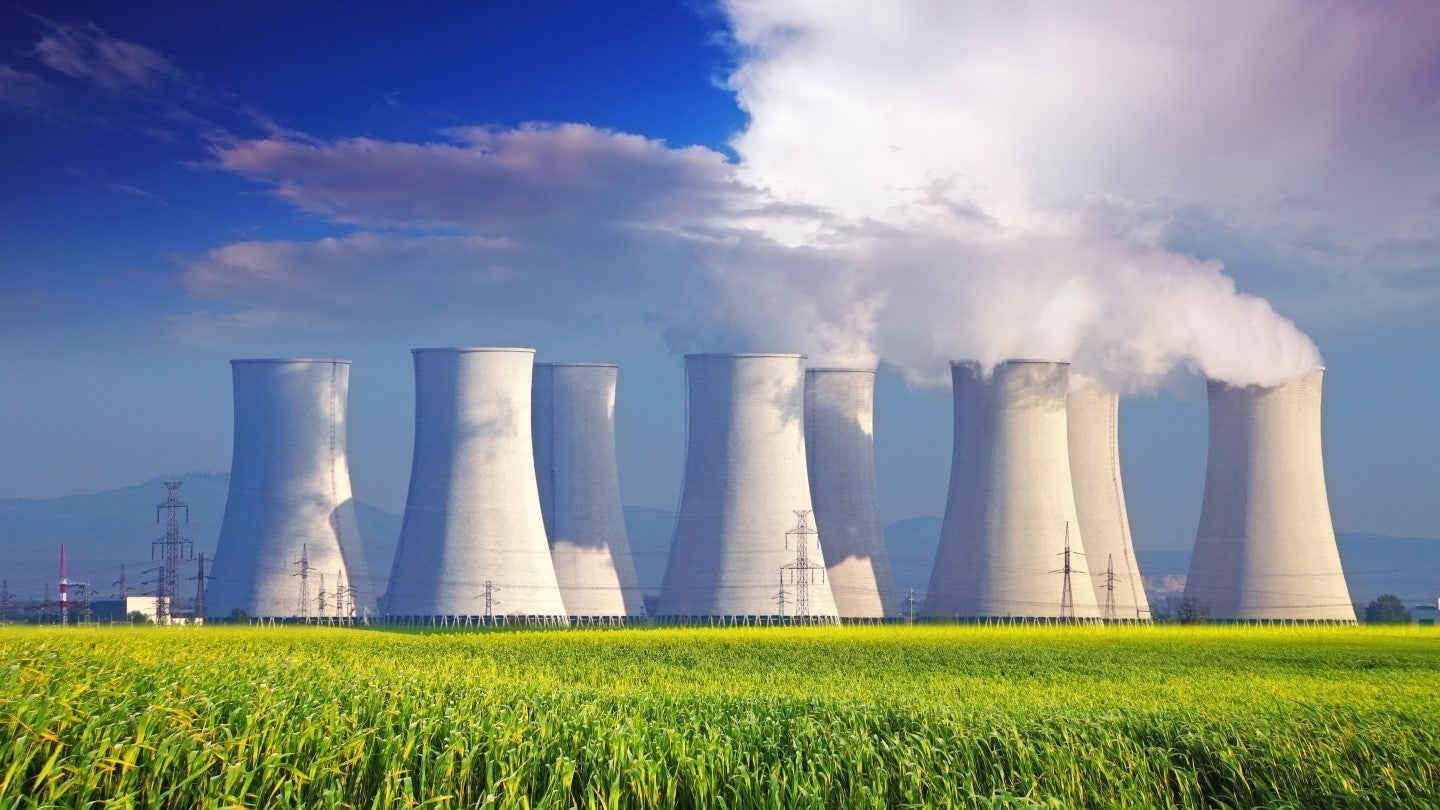
The US, Canada, France, Japan, and the UK have pledged $4.2 billion in government-led investments to develop a global nuclear supply chain. The investments will focus on improving uranium enrichment and conversion capacity by 2027 and establishing a secure and resilient global uranium market. The countries aim to encourage public-private investment in uranium enrichment production capacity and to triple nuclear capacity by 2050. They also seek to include nuclear energy in the lending policies of international financial institutions and regional development banks, while working towards a global supply market for uranium free from Russian influence.

"Oil Producers Resist Fossil Fuel Phase-Out, Highlighting Climate Pledge Gaps at COP28"

Originally Published 2 years ago — by Reuters

Featured image for "Oil Producers Resist Fossil Fuel Phase-Out, Highlighting Climate Pledge Gaps at COP28"
Source: Reuters

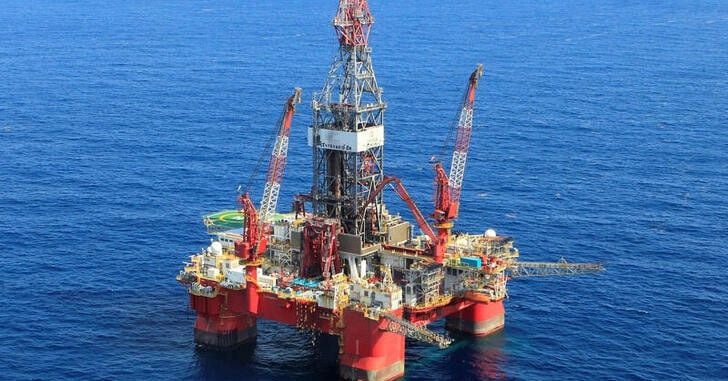
None of the world's major oil and gas-producing countries, including Saudi Arabia, the United States, Russia, China, and the United Arab Emirates, have plans to phase out fossil fuel production despite pledging to reach net zero emissions, according to data from the Net Zero Tracker. Only three minor producers, Denmark, Spain, and France, have set out plans to eventually stop drilling. The findings highlight the gap between countries' climate change targets and their real-world plans to continue producing CO2-emitting energy. The data comes as governments at the COP28 climate summit debate whether to agree for the first time to phase out CO2-emitting fossil fuels.

"U.S. Spearheads Global Coalition to Triple Nuclear Power by 2050, Combatting Climate Change"

Originally Published 2 years ago — by CNBC

Featured image for "U.S. Spearheads Global Coalition to Triple Nuclear Power by 2050, Combatting Climate Change"
Source: CNBC

The United States, along with more than 20 other countries including Canada, France, the United Kingdom, and Japan, plans to triple nuclear power by 2050 in order to achieve net-zero carbon emissions and combat climate change. This declaration marks a significant step towards placing nuclear power at the forefront of the transition to clean energy. Nuclear energy is seen as a reliable source of electricity that can provide power without interruption when wind and solar energy are not available due to weather conditions. Studies indicate that global net-zero carbon emissions by 2050 can only be achieved with substantial investment in nuclear energy.

"Fossil Fuel Interests Swarm UN Climate Talks with Hundreds of Employees"

Originally Published 2 years ago — by The Associated Press

Featured image for "Fossil Fuel Interests Swarm UN Climate Talks with Hundreds of Employees"
Source: The Associated Press

Over 1,300 employees representing fossil fuel interests registered to attend the United Nations climate talks at COP28 in Dubai, more than triple the number from last year, as new disclosure rules required attendees to disclose their employment. The presence of these individuals, who make up a small fraction of the 90,000 registered attendees, has raised concerns among environmentalists who question their role in negotiations aimed at addressing climate change. Fossil fuel companies, including Shell, Chevron, TotalEnergies, and BP, have been regular participants in the talks, citing their commitment to advancing green technologies and achieving net-zero emissions. However, critics argue that their presence diverts attention and resources from proven solutions and the urgent need to reduce greenhouse gas emissions.

"Study Reveals Shocking Lack of Climate Action Among Top Companies"

Originally Published 2 years ago — by Reuters

Featured image for "Study Reveals Shocking Lack of Climate Action Among Top Companies"
Source: Reuters

A report by the Net Zero Tracker, an independent data consortium including Oxford University, reveals that while half of the world's top 2,000 listed companies have set a target to achieve net-zero emissions by mid-century, only 4% of these targets meet the United Nations' guidelines for quality pledges. The report shows that just a fraction of the corporate targets cover all emissions, start immediate emissions reductions, and provide annual progress updates. The findings come ahead of the COP28 climate talks in Dubai, where the pace of change among governments and corporations will be a key focus.

Cameco Secures Uranium Supply Deal with China Nuclear International Corporation

Originally Published 2 years ago — by Cameco

Featured image for Cameco Secures Uranium Supply Deal with China Nuclear International Corporation
Source: Cameco

Cameco, a global provider of uranium fuel, has signed a uranium supply agreement with China Nuclear International Corporation, a subsidiary of China National Nuclear Corporation. The contract, which supports China's commitment to achieving net-zero emissions, was marked at the 2023 International Forum on Natural Uranium Industry in Beijing. The terms of the agreement are confidential, but the volumes are reflected in Cameco's reported long-term contracts and average annual delivery volumes.

Controversial Approval: UK Greenlights Massive North Sea Oilfield Development

Originally Published 2 years ago — by Reuters

Featured image for Controversial Approval: UK Greenlights Massive North Sea Oilfield Development
Source: Reuters

Britain has approved Equinor's North Sea Rosebank field, one of its largest oil and gas projects in years, despite opposition from environmentalists. The government prioritized energy security and stated that Rosebank would be less emissions-intensive than older developments. The plan includes electrifying the extraction process, with production expected to start in 2026/27. Critics argue that the approval contradicts the country's net-zero emissions target. The field is projected to produce 300 million barrels of oil and is a significant contributor to the economy, supporting jobs and tax revenues. Equinor and Ithaca Energy will invest $3.8 billion in the first phase of the field's development.

"UN Chief Urges Global Action on Climate Change, Calls for End to Fossil Fuel Subsidies"

Originally Published 2 years ago — by CNN

Featured image for "UN Chief Urges Global Action on Climate Change, Calls for End to Fossil Fuel Subsidies"
Source: CNN

UN Secretary General António Guterres warned world leaders at the Climate Ambition Summit that "humanity has opened the gates to hell" due to the devastating effects of the climate crisis. The one-day conference aimed to build momentum towards reducing planet-heating pollution ahead of the UN's COP28 climate summit in December. Guterres called on developed countries to reach net-zero emissions by 2040, ten years earlier than current commitments, and urged countries to phase out fossil fuel emissions and increase finance for clean energy and climate resilience measures. Notably absent from the speaker list were major polluters China, India, and the United States.

UK Government Faces Backlash Over Delayed Green Policies and Weakened Climate Targets

Originally Published 2 years ago — by Reuters UK

Featured image for UK Government Faces Backlash Over Delayed Green Policies and Weakened Climate Targets
Source: Reuters UK

The UK government is considering delaying some of its net zero policies to alleviate the financial burden on households, with Prime Minister Rishi Sunak expected to announce a more "proportionate" approach to achieving net zero emissions by 2050. The ban on new petrol and diesel cars may be pushed back from 2030 to 2035, angering car companies that have invested heavily in electric vehicle production. The government's wavering on green measures is seen as a political move to win over swing voters ahead of the upcoming national election, despite arguments that long-term cost savings would come from improved insulation and new energy sources.

UK PM Sunak to reconsider climate goals and delay petrol car ban

Originally Published 2 years ago — by Reuters UK

Featured image for UK PM Sunak to reconsider climate goals and delay petrol car ban
Source: Reuters UK

UK Prime Minister Rishi Sunak is expected to announce a delay in some of the government's policies to achieve net zero emissions by 2050, stating that the response to climate change should be more "proportionate." Sunak's decision to scale back on green policies is seen as an attempt to win over swing voters ahead of the upcoming general election. The UK is considering pushing back the ban on the sale of new petrol and diesel cars until 2035, five years later than planned. Sunak criticized previous governments for not being honest about the costs and trade-offs of going green, and his speech this week will address the long-term decision needed for the country's climate plans.

"NASA and Boeing Collaborate on Revolutionary X-66A Aircraft for Sustainable Skies"

Originally Published 2 years ago — by SciTechDaily

Featured image for "NASA and Boeing Collaborate on Revolutionary X-66A Aircraft for Sustainable Skies"
Source: SciTechDaily

NASA and Boeing have unveiled the X-66A aircraft, a part of the Sustainable Flight Demonstrator initiative, aimed at achieving net-zero aviation greenhouse gas emissions. The X-66A features a Transonic Truss-Braced Wing design and has the potential to consume up to 30% less fuel and produce significantly fewer emissions compared to current aircraft. This innovative aircraft is a crucial step towards more eco-friendly single-aisle planes, which account for nearly half of global aviation emissions.