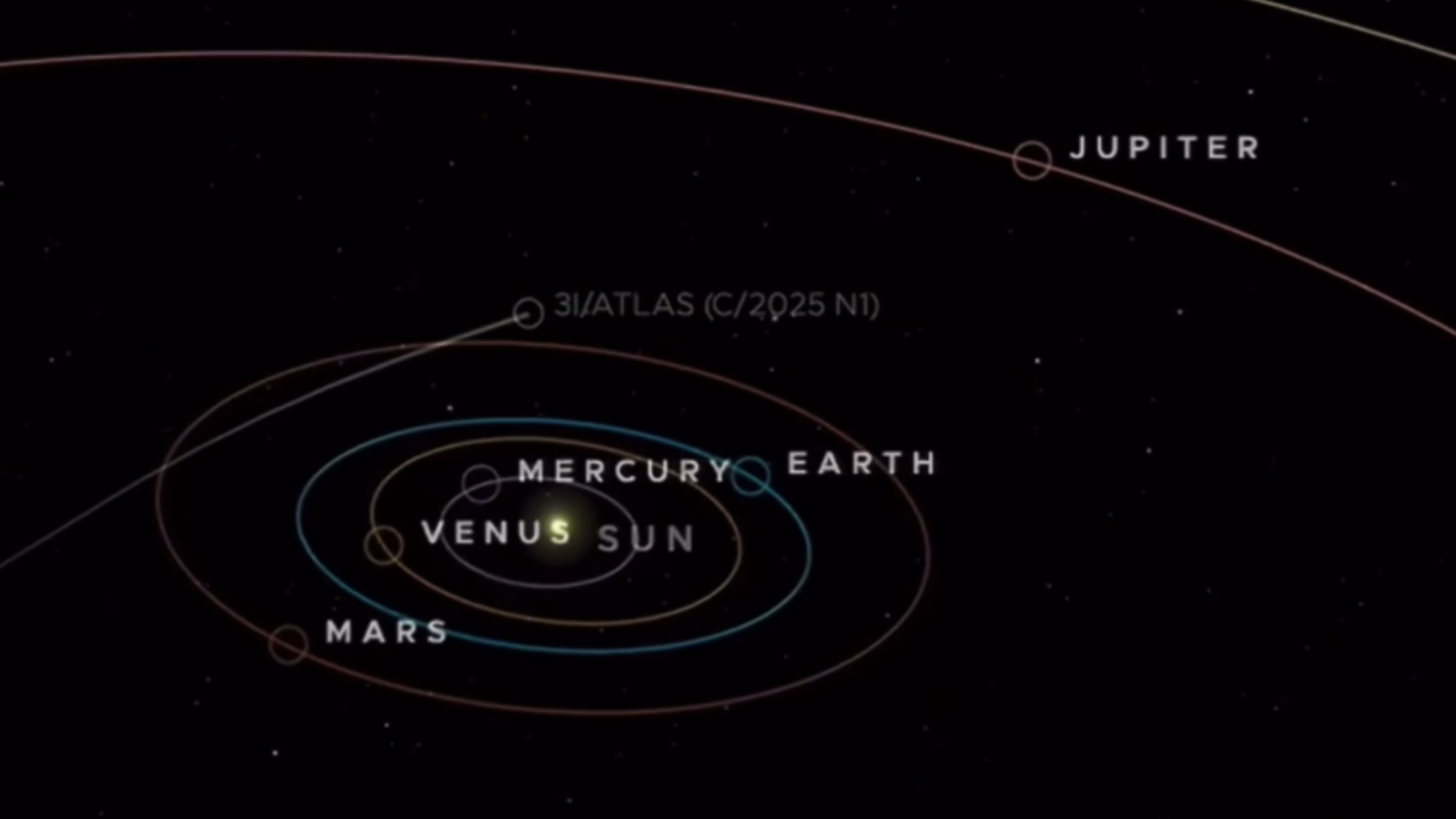
Astronomers are studying interstellar comet 3I/ATLAS, which has exhibited unprecedented energy bursts and unusual chemical signatures, sparking speculation about its origins, but most scientists believe its activity is natural rather than artificial.
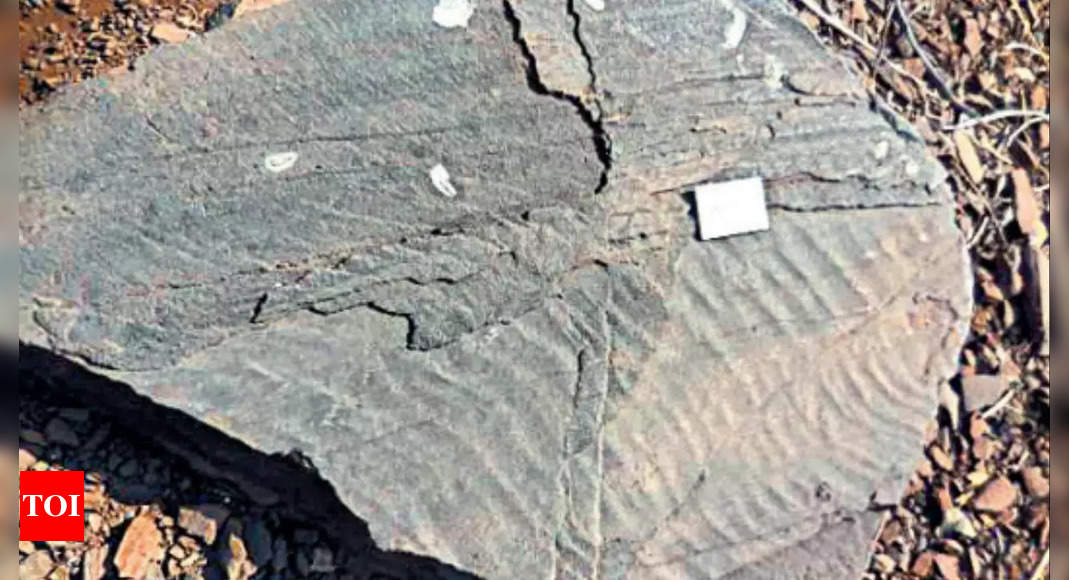
Ancient volcanic activity 183 million years ago caused widespread ocean anoxia, a process that is now being mirrored by modern human-induced CO2 emissions, which are reducing ocean oxygen levels and threatening marine life. Scientists use geochemical methods to study past events, highlighting the long-lasting impact of deoxygenation and emphasizing the urgent need to reduce emissions to prevent similar catastrophic outcomes today.
The European Commission has recommended a 90 percent reduction in carbon dioxide emissions from fossil fuels by 2040 compared to 1990 levels, but the proposal has faced criticism for its reliance on carbon capture and removal technologies and the omission of a clear plan to phase out oil and gas. The plan also includes a strategy to store 280 million metric tons of captured carbon dioxide annually by 2040, but the feasibility and cost of such technologies remain uncertain. The proposal is an interim goal following the EU's commitment to slash emissions by at least 55 percent by 2030 and reach net zero by 2050, aligning with the Paris Agreement's goals.
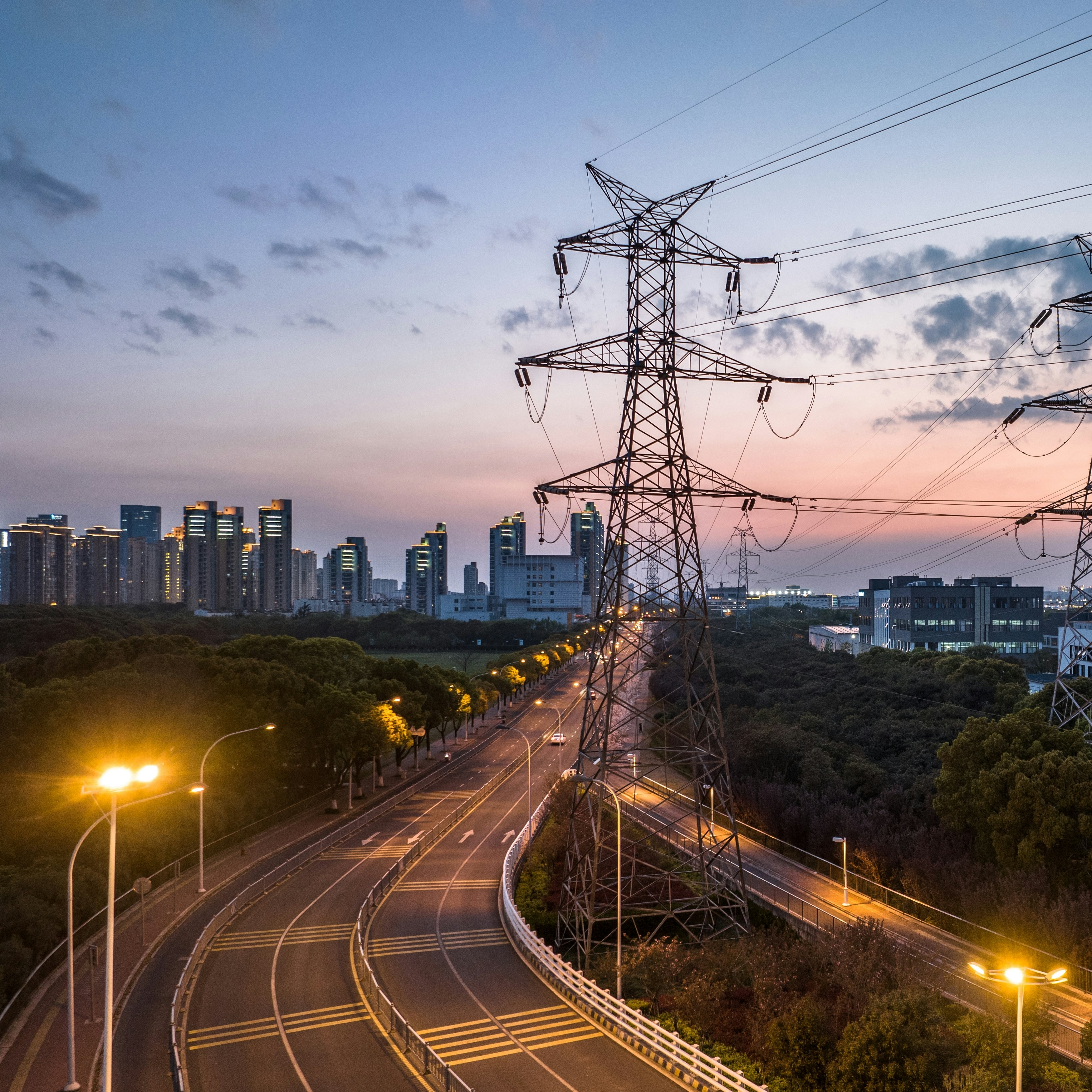
The International Energy Agency (IEA) predicts that clean sources of generation will meet the world's additional electricity demand over the next three years, with power generation being the largest source of carbon dioxide emissions but also leading the transition to net zero emissions through the rapid expansion of renewable energy sources such as solar and wind power.
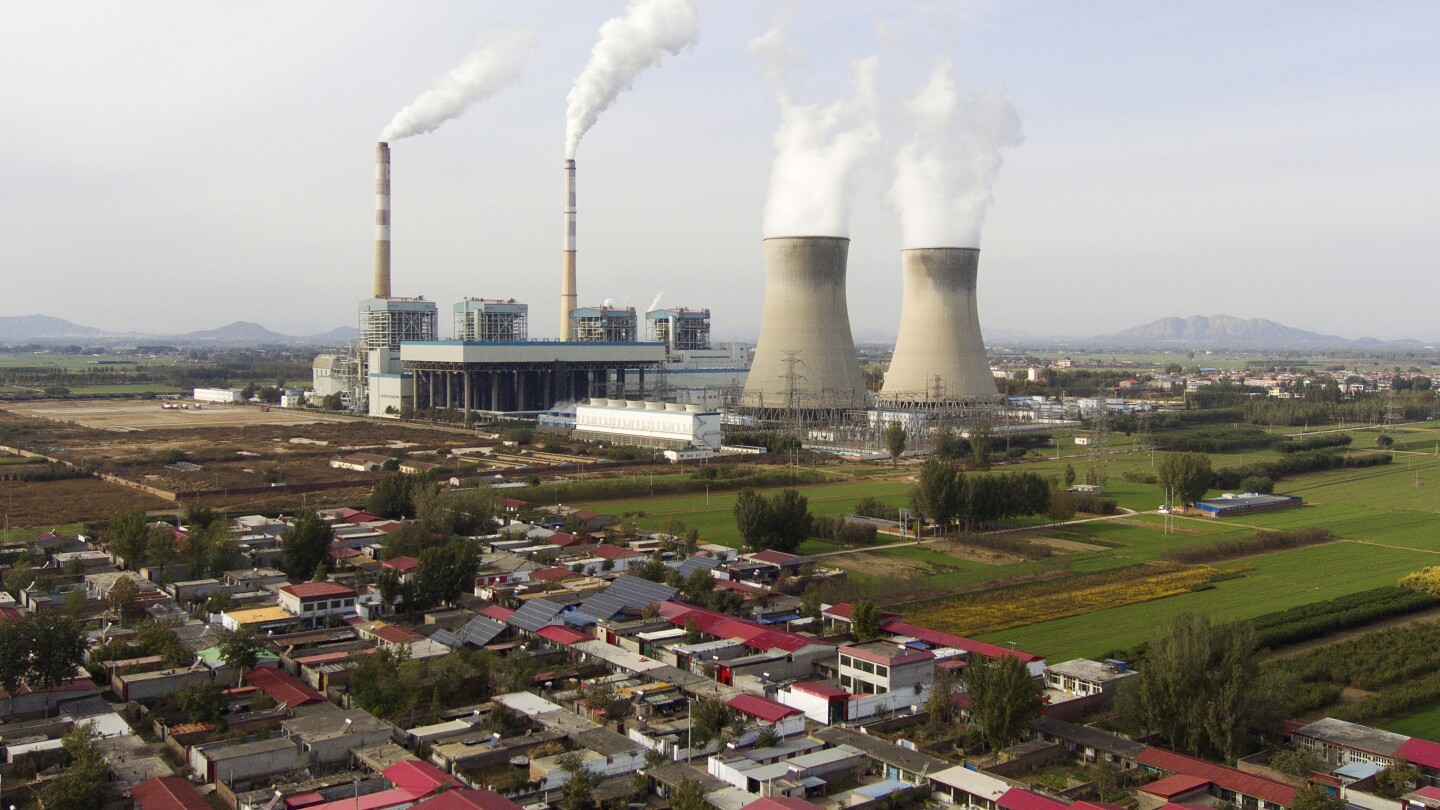
Carbon dioxide emissions have increased by 1.1% this year, driven by increased pollution from China and India, as well as aviation emissions, according to a team of scientists. The world pumped 36.8 billion metric tons of carbon dioxide into the air in 2023, twice the amount from 40 years ago. This increase makes it likely that the 1.5-degree Celsius target of the Paris Agreement will be surpassed, requiring rapid cuts in fossil fuel emissions. Excluding China and India, global emissions from fossil fuels and cement manufacturing would have decreased. Developed nations need to achieve zero fossil fuel emissions by 2040, while developing nations should aim for 2050 or 2060.
A study published in Nature has revealed that carbon-rich sedimentary rocks, subjected to forces like mountainous uplift and erosion, release significant amounts of carbon dioxide (CO2) into the atmosphere through geological weathering. This process contributes approximately 68 megatons of CO2 annually, comparable to emissions from Earth's volcanoes. The study used a unique approach, utilizing the trace element rhenium as a proxy for CO2, and a global spatial model based on data from 59 river basins. The findings highlight the importance of understanding Earth's habitability and provide insights for climate models and long-term planning.
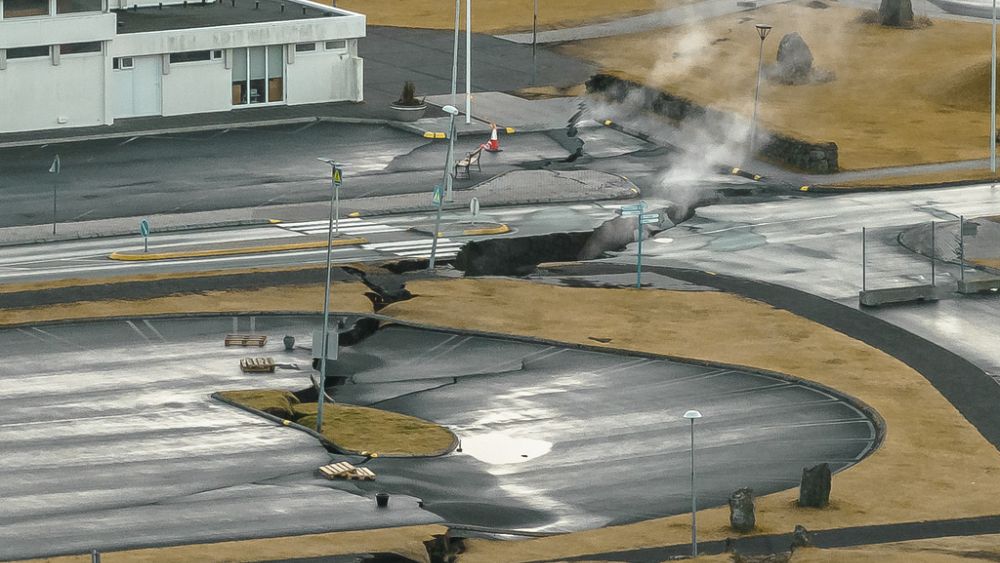
Social media users are spreading false claims that the impending volcanic eruption in Iceland will emit more carbon dioxide (CO2) than all human activity in the past decade. However, scientific studies have shown that human activity emits 40 to 100 times more CO2 each year than all volcanoes combined. While volcanic eruptions can temporarily affect the climate, their long-term impact is not as significant as man-made emissions. Volcanoes release less than one percent of the carbon dioxide currently emitted by human activities, according to the United States Geological Survey.
Japan plans to allocate 30.6 billion yen ($205 million) in subsidies to support the development of components for electric aircraft with reduced carbon dioxide emissions. The government will provide funding for hydrogen fuel cell systems for aircraft and fuel-efficient engine control systems, with 17.3 billion yen allocated for the former and 13.3 billion yen for the latter. The aim is to promote the use of electric aircraft and contribute to the reduction of CO2 emissions.
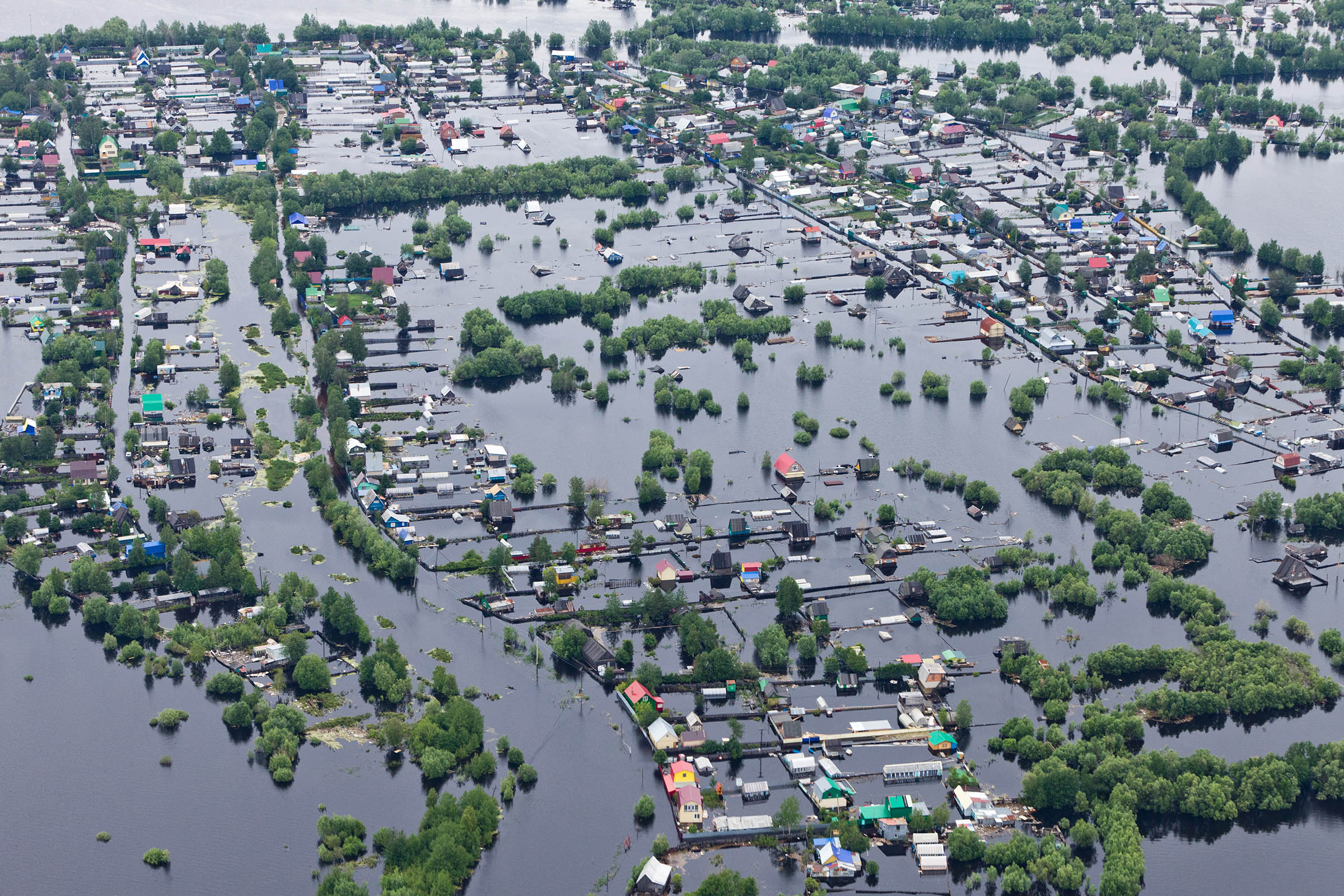
A new study suggests that by 2050, regions worldwide could experience 100-year floods annually due to rising sea levels caused by climate change. These devastating floods, historically considered rare events with a one percent chance of occurring in any given year, could occur every nine to fifteen years on average. The study highlights the need to combat climate change to mitigate the increasing frequency of these destructive floods.
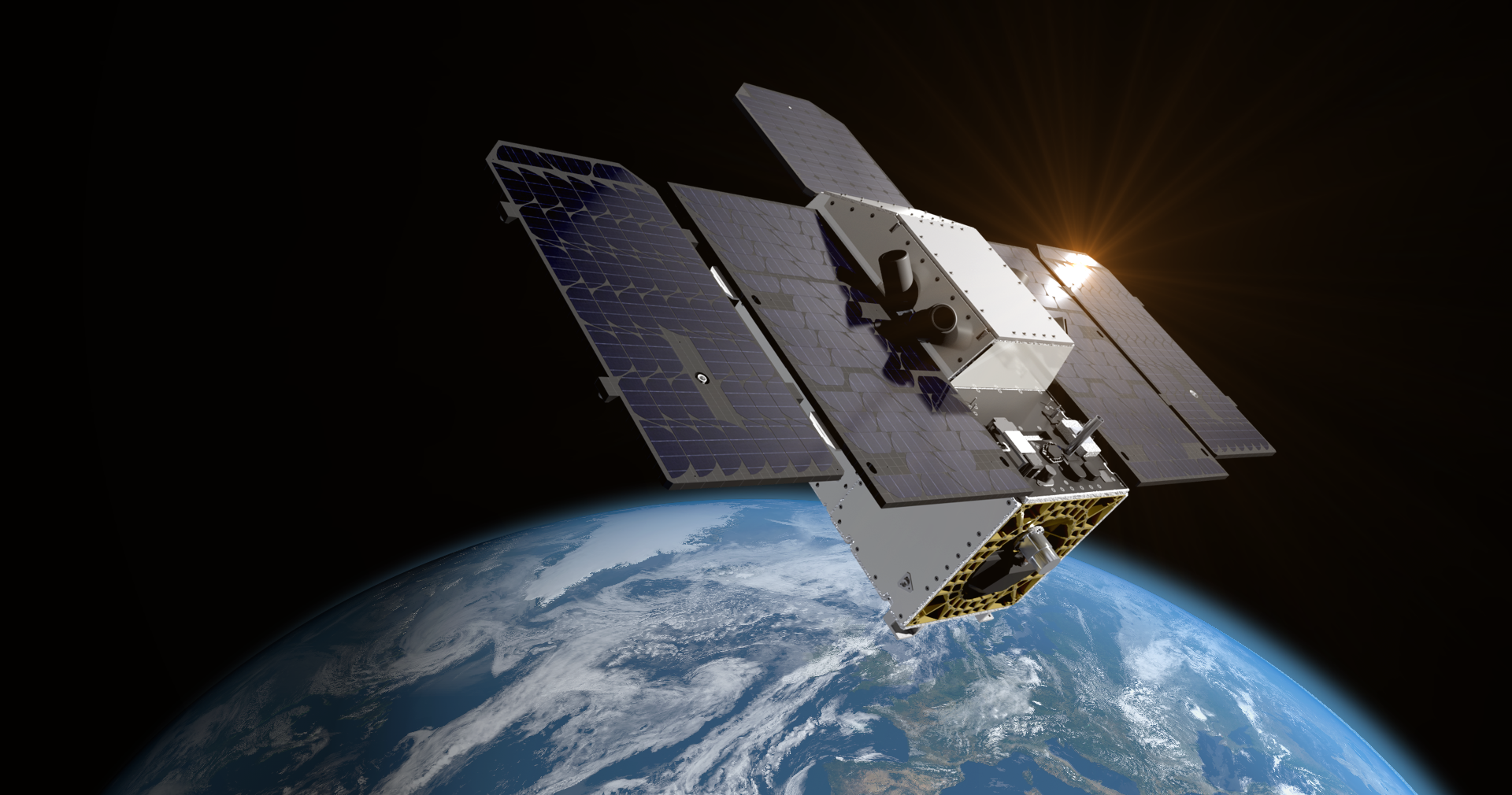
NASA JPL has handed off the imaging spectrometer to the Carbon Mapper Coalition for integration onto the Tanager 1 hyperspectral satellite. This instrument will allow the satellite to detect and quantify point source emissions of methane and carbon dioxide, marking a major milestone in understanding global greenhouse gas emissions. The Pelican Program is also progressing, with the first Tech Demo (TD1) fully built and expected to launch later this year. The Early Access Program (EAP) is collaborating with users to understand the value of hyperspectral data in various industries. Tanager 1 and Tanager 2 are expected to launch in 2024.
The world's average temperature reached a new high on July 3, surpassing 17 degrees Celsius for the first time since records began. This record-breaking temperature is attributed to a combination of the natural weather event El Niño and ongoing carbon dioxide emissions. June 2022 has also been confirmed as the warmest June ever recorded globally. Scientists predict that more temperature records will be broken as the summer progresses and El Niño strengthens.
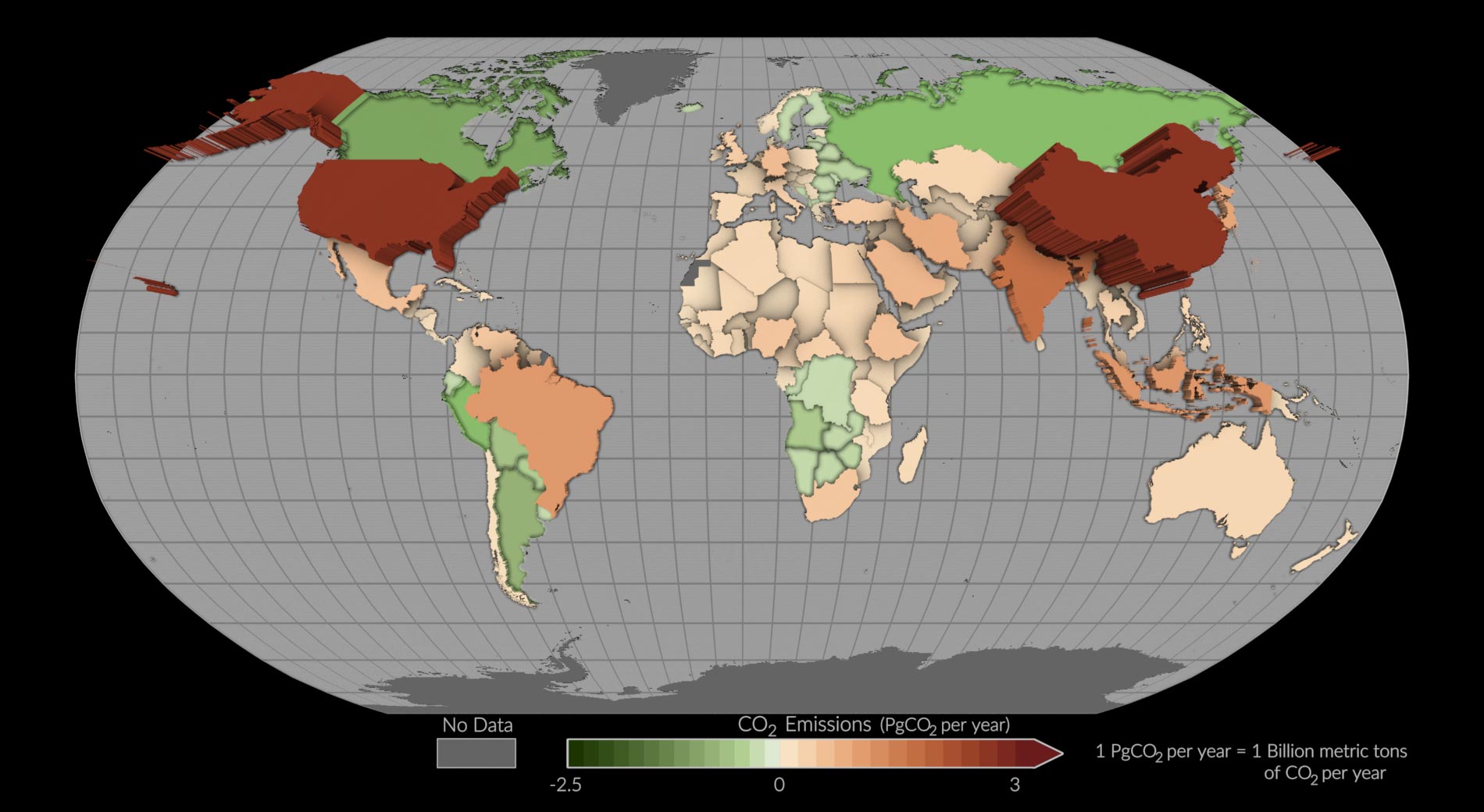
A pilot project using NASA's Orbiting Carbon Observatory-2 (OCO-2) mission has estimated carbon dioxide emissions and removals for more than 100 countries around the world. The study, published in Earth System Science Data, used a measurement-based approach to infer the balance of how much carbon dioxide was emitted and removed. The findings offer a new perspective on carbon dioxide emissions and removals, particularly for nations that lack traditional resources for inventory development. The study provides a new perspective by tracking both fossil fuel emissions and the total carbon “stock” changes in ecosystems, including trees, shrubs, and soils.