Despite rising prices due to tariffs and most artificial Christmas trees being made overseas, Americans continue to prefer fake trees for convenience, cost, and allergy reasons, leading to limited US production and reliance on imports from China and other countries.
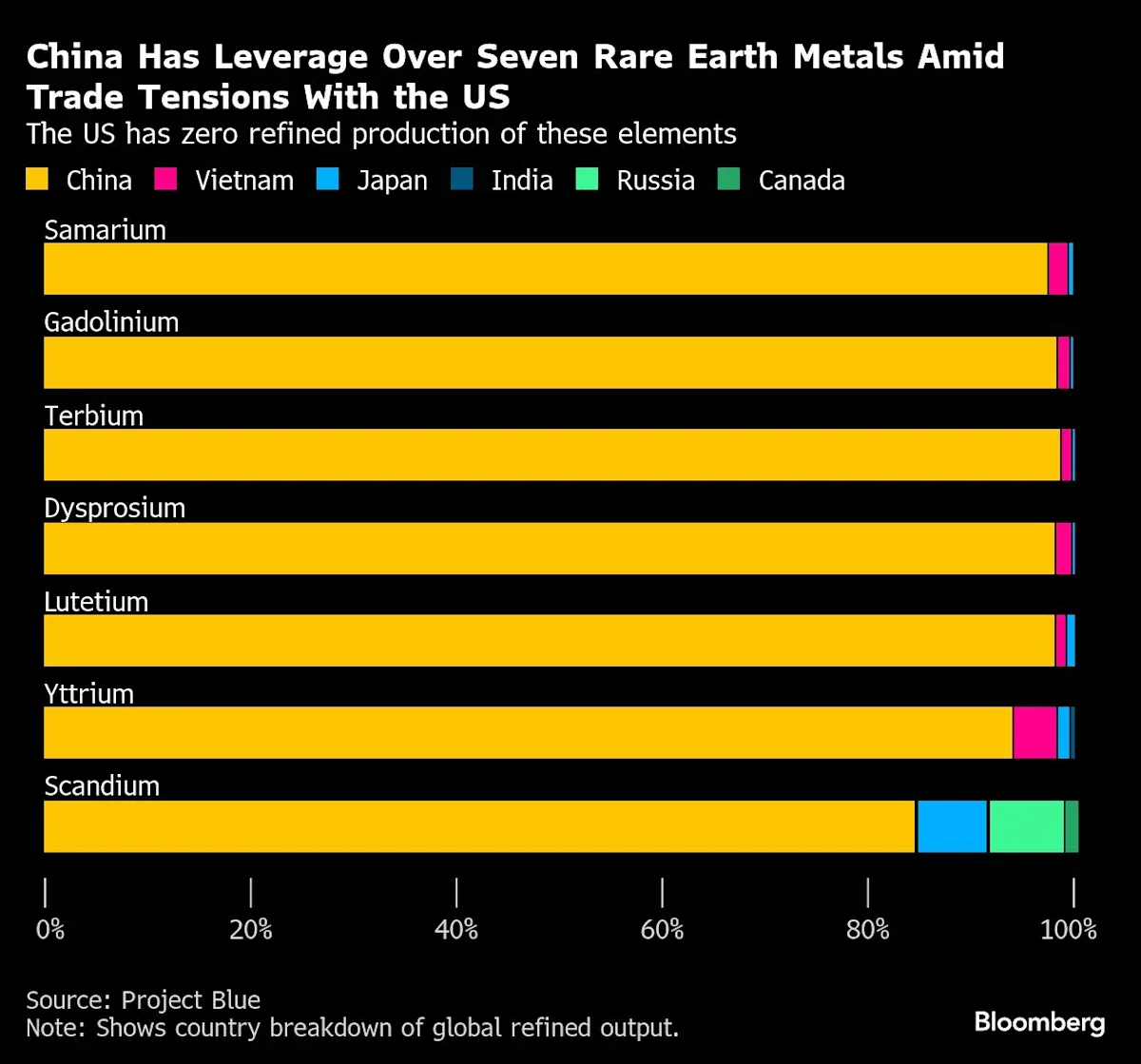
China has announced a one-year suspension of its planned export controls on rare earths, following a trade truce between the US and China at a summit in Seoul. This pause delays measures that would have expanded control over rare earth exports and products containing Chinese rare earths, providing more time for global efforts to develop alternative supply sources and reduce dependence on China. The move is part of broader negotiations and strategic responses by Western nations to China's dominance in critical minerals.
China has imposed new restrictions on rare earth exports, asserting control over critical minerals vital for global industries, prompting international concern and potential countermeasures from the US, EU, and other nations.
The article argues that high-tech manufacturing in the US has declined in employment due to automation and offshoring, with most manufacturing now highly automated and requiring fewer workers. It discusses the implications for middle-class jobs, national security, and economic independence, suggesting that the narrative of bringing jobs back is complicated by technological and economic realities, and emphasizing the importance of maintaining manufacturing expertise and supply chain resilience.
The article discusses the chaos and negotiations behind Thailand's trade deal with the US to reduce tariffs imposed by President Trump, highlighting regional impacts, domestic political challenges, and the complexities of global supply chains amid ongoing trade tensions.
The Trump family's new T1 smartphone, marketed as 'Made in America,' is almost certainly assembled overseas, likely in China, with components sourced globally. Experts highlight the difficulty and near impossibility of manufacturing an entirely American-made smartphone due to complex global supply chains and strict FTC labeling regulations. Claims of a fully American-made device are misleading, and similar issues have arisen with other tech giants like Apple.
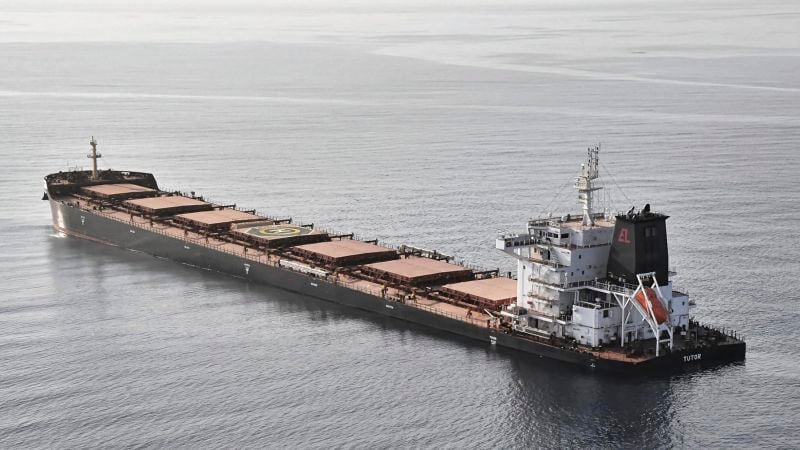
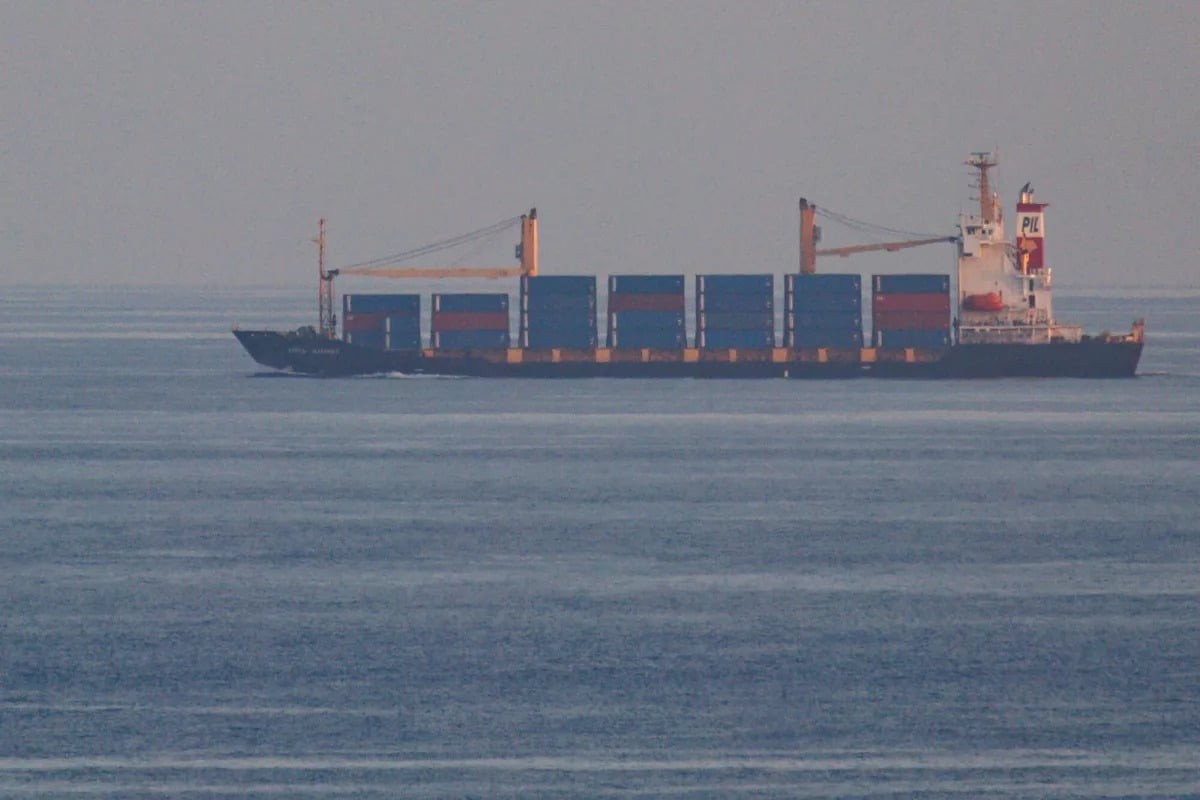
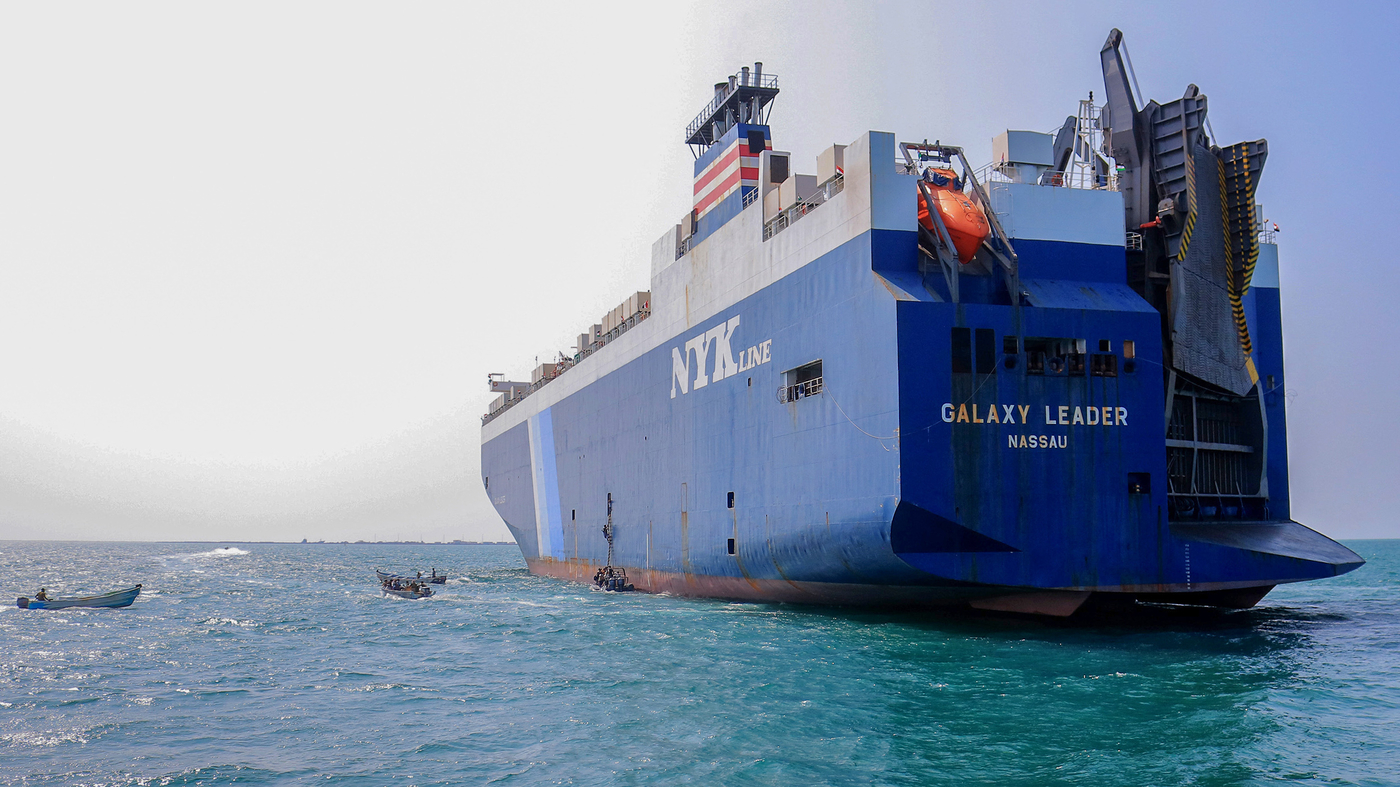
Leading shipping groups are urging governments to stop Houthi attacks on vessels in the Red Sea after a second freighter sank this week, resulting in at least three seafarer deaths. The attacks have severely disrupted one of the world's key trade routes, causing shipping costs to soar and port congestion in Asia and Europe. The situation threatens global supply chains, with major shipping companies rerouting vessels around Africa, leading to increased freight rates and operational challenges.
Aluminium and nickel prices surged following the imposition of sanctions on Russian supply, as concerns over disruptions to the global supply chain intensified. The sanctions, imposed in response to Russia's invasion of Ukraine, have raised fears of potential shortages and supply chain disruptions, leading to a sharp increase in commodity prices.
Venture Global LNG is set to acquire a fleet of nine LNG transport vessels, expanding its capacity to sell and ship its own cargoes. The company has faced complaints from energy giants over its independent sales from the Calcasieu Pass plant in Louisiana, which has yet to start full commercial operations due to equipment malfunctions. Despite this, Venture Global plans to complete the commissioning of the plant by the end of the year and is also eyeing future LNG projects in Louisiana. The company aims to play a bigger role in the global LNG supply chain and is considering developing liquefaction facilities outside the U.S. if the U.S. government's pause on approving new LNG projects continues.
China's manufacturing activity has slowed for the fifth consecutive month, indicating a persistent economic slowdown. This decline in industrial activity is likely to have repercussions on the global supply chain and could further impact the country's economy.
Ongoing missile, drone, and hijacking attacks in the Red Sea have disrupted international trade, leading to increased costs for shippers worldwide. The attacks by Houthi militants have prompted ships to avoid the Red Sea, causing significant diversions in trade routes and delays in shipping. This has led to higher shipping costs, production suspensions at European plants, and potential inflation risks. The disruptions are expected to persist for months, impacting global supply chains and highlighting vulnerabilities in the international trade system.
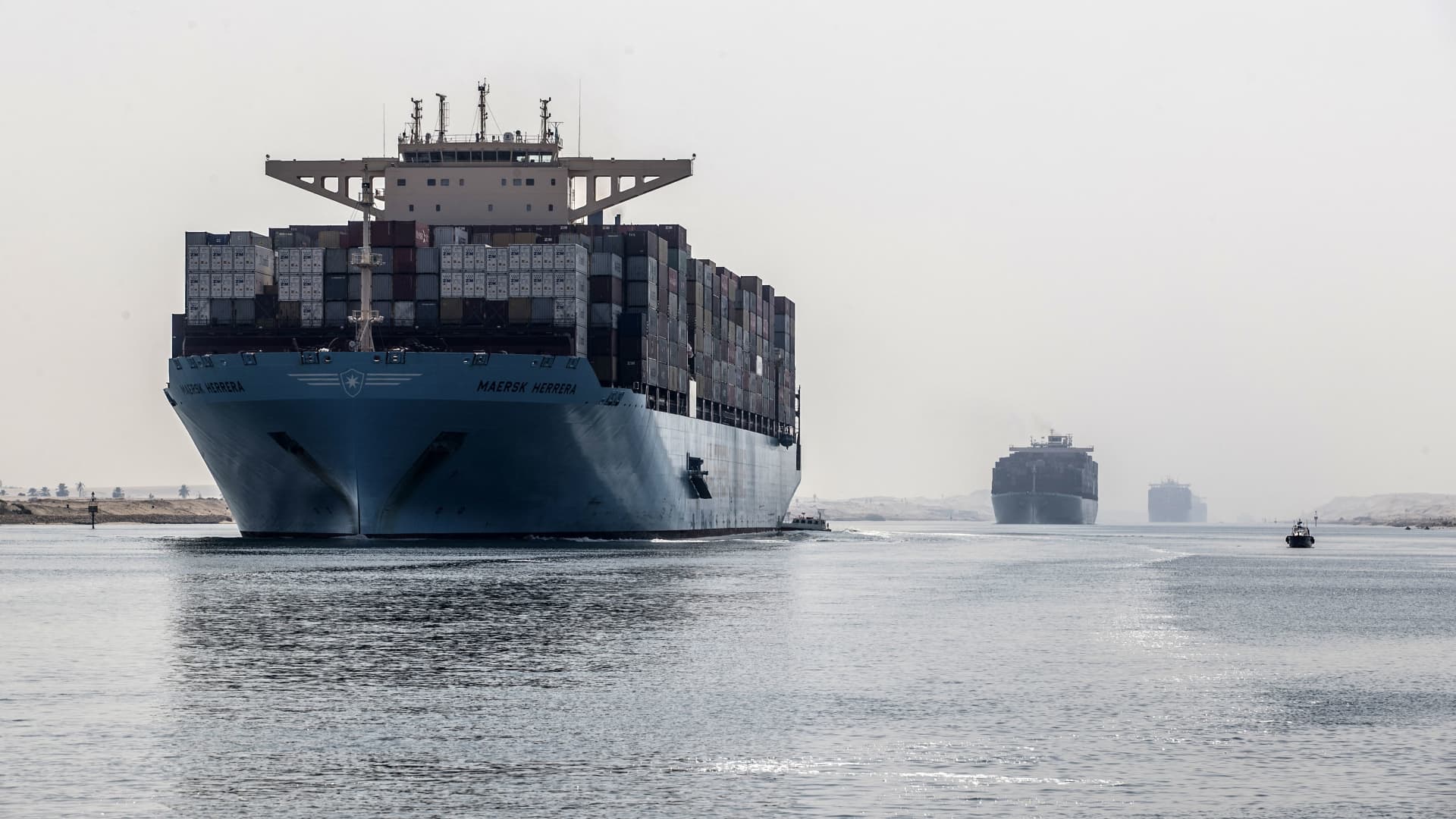
Houthi rebels' attacks on commercial ships in the Red Sea are causing disruptions to the global supply chain, leading to rerouted vessels and increased costs for industries such as petroleum, food, and electronics. Experts are drawing on lessons from past disruptions, including the COVID-19 pandemic and the Suez Canal blockage, to mitigate the impact. Shipping companies are rerouting around South Africa to avoid the conflict zone, and manufacturers are adapting by adding slack to their inventories and considering reshoring. The situation remains uncertain, with the hope for a diplomatic resolution to the conflict in the region.
Shipping costs have nearly doubled as vessels face delays and diversions due to Houthi attacks in the Red Sea, impacting 30% of shipping capacity and causing wider global supply chain implications. U.S. and U.K. naval forces intercepted 21 drones and missiles in the largest Houthi attack yet, prompting a coalition-led patrol and warnings of consequences from Secretary of State Antony Blinken. The U.N. Security Council is set to vote on a resolution demanding an immediate halt to Houthi attacks.
China has banned the export of rare earth processing technologies, a move that could have significant implications for the global supply chain. Rare earth elements are crucial for the production of various high-tech products, including smartphones, electric vehicles, and renewable energy technologies. China is the world's largest producer of rare earths, and this export ban could give it greater control over the global supply and potentially disrupt industries heavily reliant on these materials.
Houthi attacks on ships in the Red Sea have disrupted global trade, leading major shipping lines and oil transporters to suspend their services. This has resulted in increased freight costs and potential delays in container and commodity deliveries. The United States is expected to announce its strategy in response to the attacks. Insurers are widening their high-risk zone, potentially leading to higher costs for shippers and consumers. The route shifts also pose a threat to Egypt's struggling economy, which relies on the Suez Canal.