Tag

Carbon Removal

All articles tagged with #carbon removal

Trump's Energy Policies Target Climate Initiatives and Renewable Projects

Originally Published 3 months ago — by Heatmap News

Featured image for Trump's Energy Policies Target Climate Initiatives and Renewable Projects
Source: Heatmap News

The U.S. Department of Energy plans to cancel funding for major Direct Air Capture hubs in Texas and Louisiana, potentially hindering progress in carbon removal technology despite industry and congressional support, raising concerns about setbacks in climate and industrial policy.

Tom Steyer Highlights Rapid Energy Transition Amid Climate Week and UNGA Events

Originally Published 3 months ago — by Axios

Featured image for Tom Steyer Highlights Rapid Energy Transition Amid Climate Week and UNGA Events
Source: Axios

Tom Steyer believes that President Trump won't derail the ongoing energy transition and emphasizes the importance of market-driven solutions, investment in clean energy, and the role of young people in addressing climate change, despite acknowledging ongoing global challenges.

Climeworks Unveils Cost-Cutting Next-Gen Carbon Capture Tech

Originally Published 1 year ago — by Climeworks

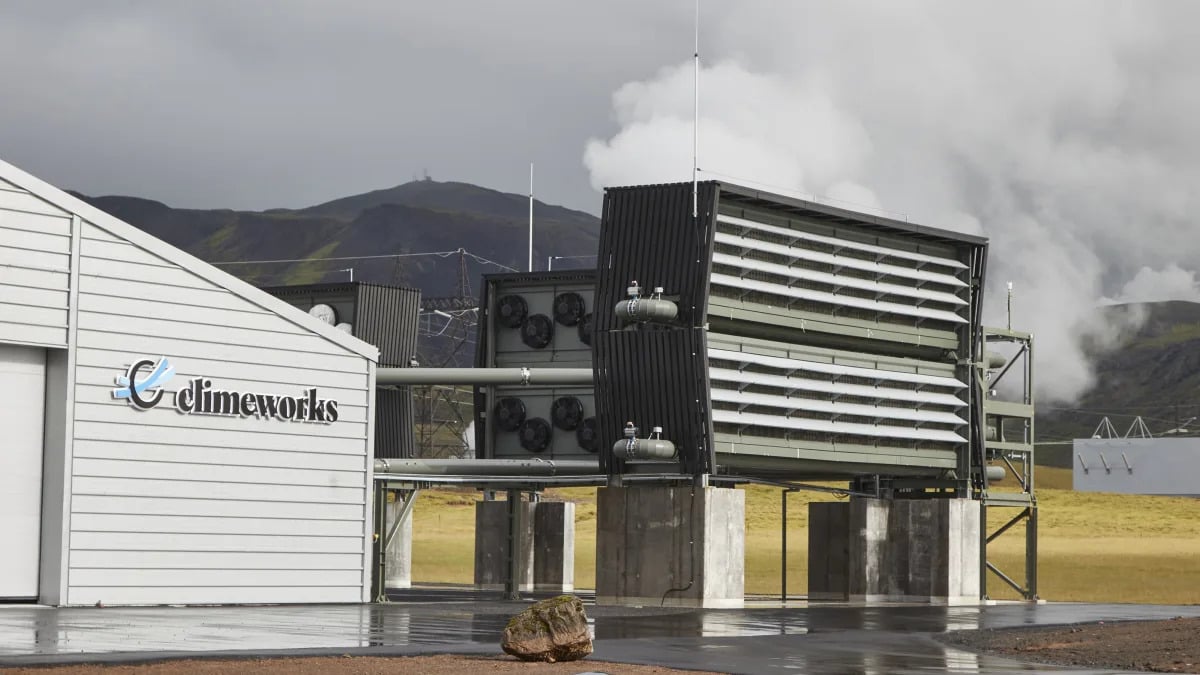
Climeworks has unveiled its Generation 3 direct air capture technology, which significantly enhances CO₂ capture efficiency and reduces costs. This new technology, featuring novel structured sorbent materials in modular cubes, will first be deployed in the U.S. and then globally. The advancements include doubling CO₂ capture capacity, halving energy consumption, and extending material lifespan, aiming for substantial cost reductions by 2030. The first large-scale implementation will occur in 2024 in Switzerland, with further projects planned in the U.S., Norway, Kenya, and Canada.

"EU's 2040 Climate Target: Balancing Ambition and Realities"

Originally Published 1 year ago — by Nature.com

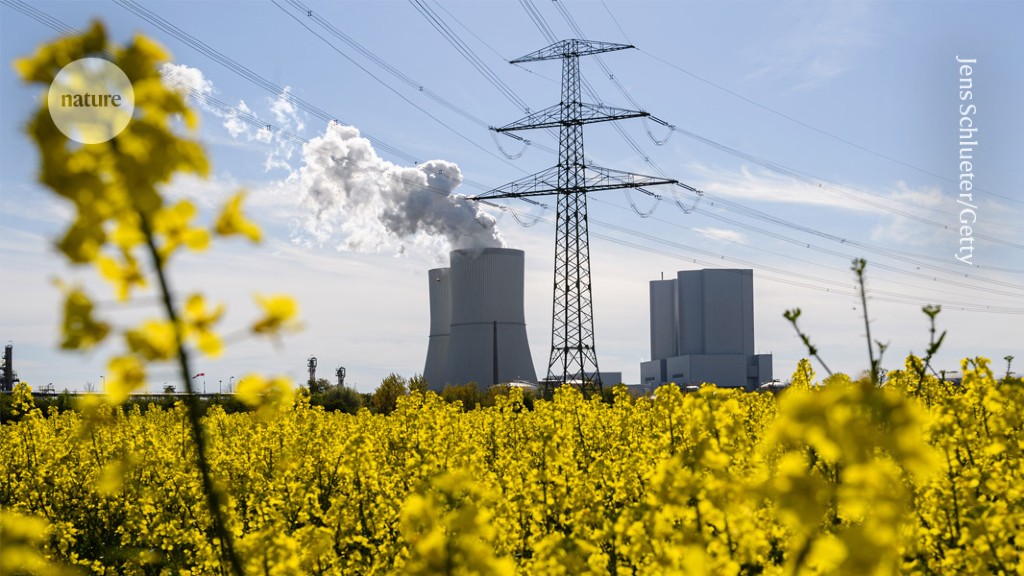
Featured image for "EU's 2040 Climate Target: Balancing Ambition and Realities"
Source: Nature.com

The European Commission has announced a bold climate target to reduce net greenhouse-gas emissions by 90% compared to 1990 levels by 2040, drawing mixed reactions from scientists. While the goal is seen as ambitious, concerns have been raised about its heavy reliance on unproven technologies like carbon removal and the potential impact of political shifts in EU member states. Researchers emphasize the need to prioritize cutting fossil fuels and meeting existing 2030 targets, while also stressing the importance of adaptation measures to address the current and future impacts of climate change.

The Controversy Surrounding Carbon Capture and its Role in Climate Change

Originally Published 2 years ago — by The Associated Press

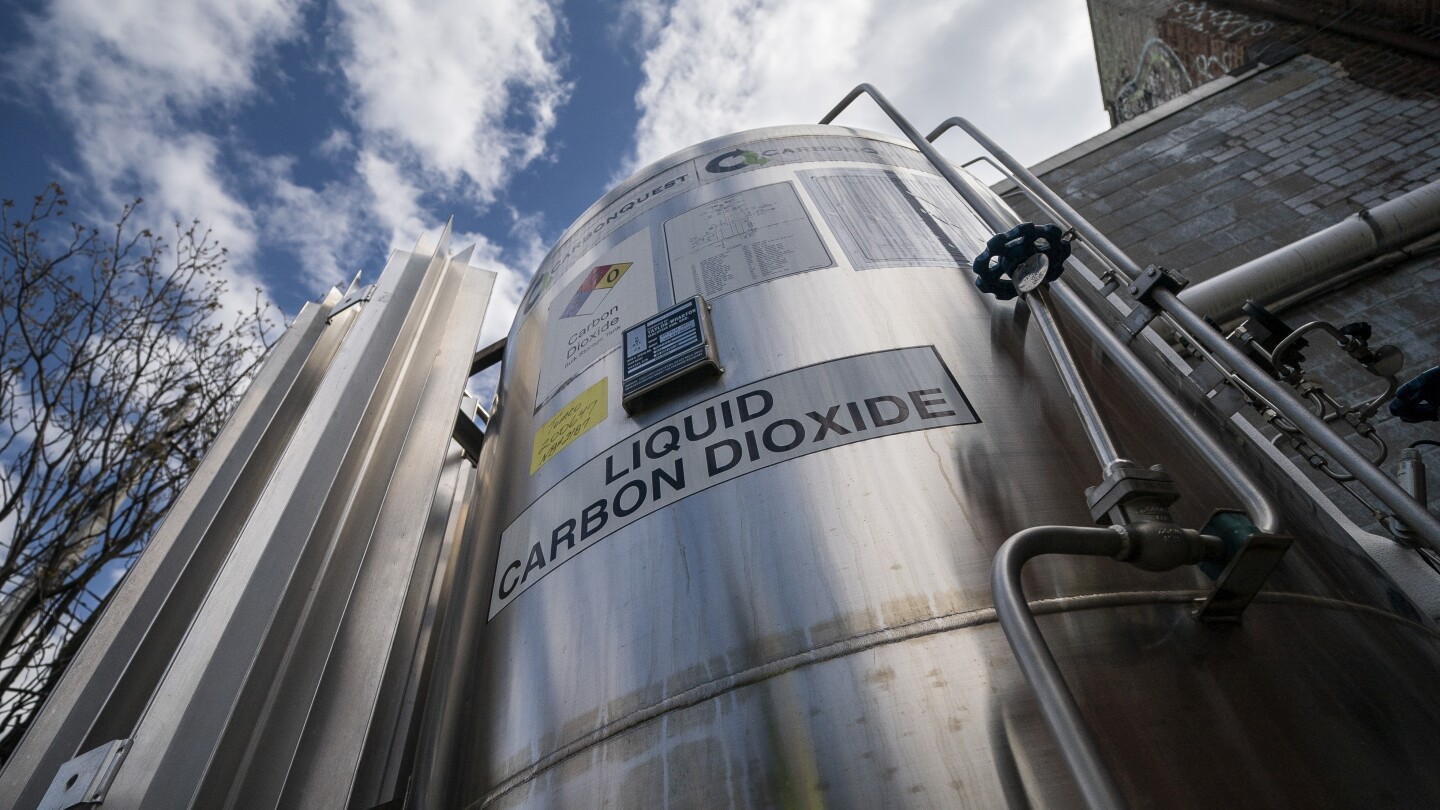
Featured image for The Controversy Surrounding Carbon Capture and its Role in Climate Change
Source: The Associated Press

Carbon capture and carbon removal technologies are being discussed at the United Nations climate summit in Dubai as potential solutions to reduce greenhouse gas emissions. While some view these technologies as essential during the transition to clean energy, skeptics argue that they are being oversold to maintain the status quo. Carbon capture involves separating carbon dioxide from industrial emissions and storing it underground, while carbon removal aims to extract carbon already in the atmosphere. However, the deployment of these technologies is still in its early stages and faces challenges such as high costs and opposition to infrastructure development. Supporters, including the American Petroleum Institute, believe that carbon capture is crucial for cleaner energy use, while critics argue that it can prolong the lifespan of polluting plants and distract from the need to phase out fossil fuels.

Unveiling the Truth Behind Carbon Capture and its Role in Climate Change Mitigation

Originally Published 2 years ago — by Yahoo News

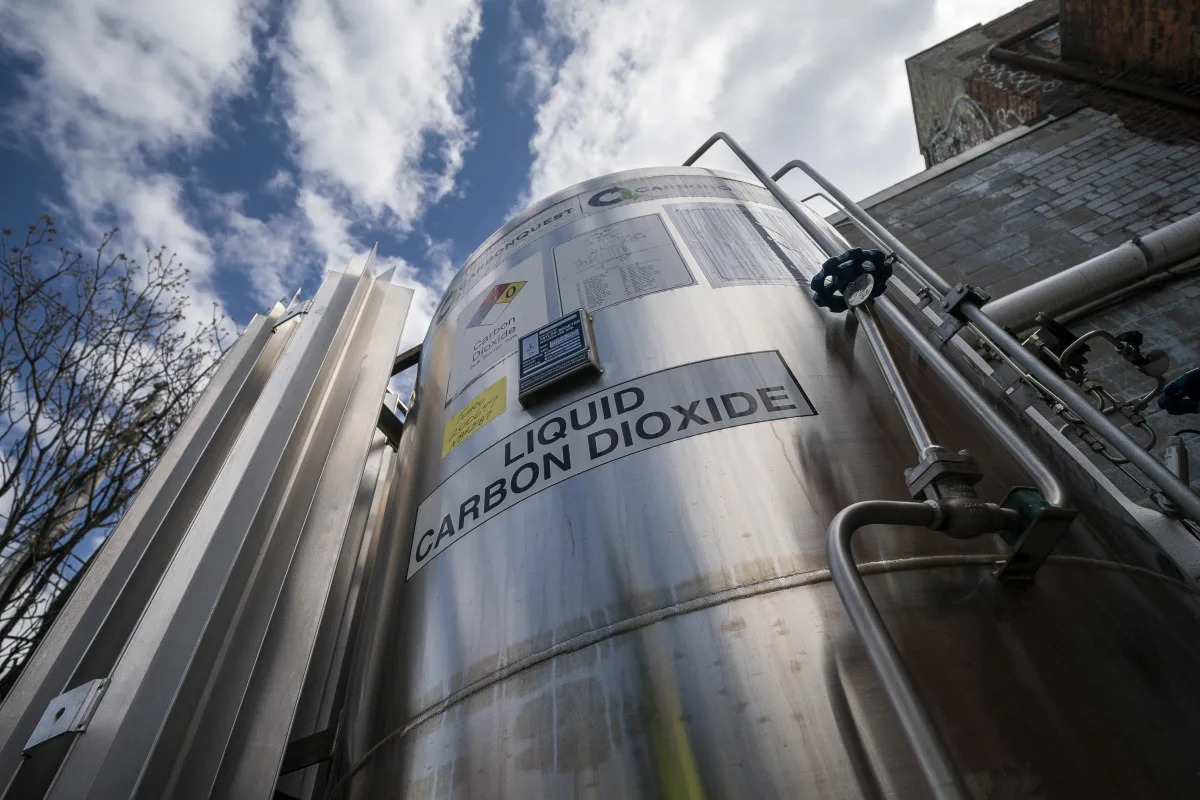
Featured image for Unveiling the Truth Behind Carbon Capture and its Role in Climate Change Mitigation
Source: Yahoo News

Carbon capture and carbon removal technologies are being discussed at the United Nations climate summit in Dubai as potential solutions to reduce greenhouse gas emissions. While some view these technologies as essential during the transition to clean energy, skeptics argue that they are being oversold by the fossil fuel industry to maintain the status quo. Carbon capture involves separating carbon dioxide from industrial emissions and storing it underground, while carbon removal aims to extract carbon dioxide from the atmosphere. However, the deployment of these technologies is still in its early stages and faces challenges such as high costs and opposition to infrastructure development. Supporters argue that carbon capture is key to cleaner energy use, while opponents believe it can prolong the lifespan of polluting plants and harm marginalized communities.

American Airlines Teams Up with Bill Gates-Backed Company to Bury 10,000 Tons of CO2 Underground

Originally Published 2 years ago — by The Verge

Featured image for American Airlines Teams Up with Bill Gates-Backed Company to Bury 10,000 Tons of CO2 Underground
Source: The Verge

American Airlines has signed a deal with Graphyte, a startup backed by Bill Gates, to bury 10,000 tons of carbon dioxide underground as part of its efforts to combat climate change. Graphyte's unique carbon casting technology offers a more affordable solution compared to other carbon removal methods, with a cost of $100 per ton. By mummifying plant matter and preventing decomposition, Graphyte can store the carbon dioxide absorbed by the plants for up to a thousand years. The deal with American Airlines marks a significant milestone for Graphyte and the emerging carbon removal market, which aims to prove the effectiveness of new projects in permanently trapping CO2. However, carbon removal should be seen as a supplement to reducing pollution at its source through clean energy adoption.

"Carbon Removal: Bridging the Divide in the Climate Fight"

Originally Published 2 years ago — by Reuters

Featured image for "Carbon Removal: Bridging the Divide in the Climate Fight"
Source: Reuters

Two direct air capture (DAC) projects in Texas and Louisiana highlight the divide over the role of carbon removal technologies in the fight against climate change. Occidental Petroleum's project in Texas aims to inject captured carbon into oil fields to increase crude production, while Climeworks and Heirloom's project in Louisiana plans to store the carbon underground and advocates for a transition to renewable energy. The clash reflects a global debate over whether carbon removal should be used to reduce emissions from fossil fuels or to eliminate fossil fuels altogether. The International Energy Agency (IEA) has criticized the over-reliance on carbon capture, while proponents argue that DAC is necessary to meet climate goals. The financial viability of these projects remains uncertain, as DAC technology is expensive and unproven at scale.

The Rise of Carbon Capture: Revolutionizing Climate Solutions

Originally Published 2 years ago — by Yahoo News

Featured image for The Rise of Carbon Capture: Revolutionizing Climate Solutions
Source: Yahoo News

Companies are beginning to explore carbon removal as a way to combat climate change by extracting carbon dioxide from the air and storing it underground. However, challenges remain in scaling up the technology to make it affordable and effective enough to significantly reduce global temperatures. Carbon removal, also known as direct air capture, offers a precise and measurable reduction in carbon emissions, unlike carbon offsets. Companies like Climeworks and Heirloom are offering carbon removal services, with subscriptions available for individuals and customized plans for companies. While the cost of carbon removal is currently high, experts believe that economies of scale and technological advancements will help reduce costs in the future. The Biden administration has allocated funds for developing direct air capture hubs, and countries like Canada are considering substantial subsidies for carbon removal.

Innovative CO2 Extraction: Using Old Wood and LEGO-Like Technology

Originally Published 2 years ago — by The Washington Post

Featured image for Innovative CO2 Extraction: Using Old Wood and LEGO-Like Technology
Source: The Washington Post

Start-up Graphyte, incubated by Breakthrough Energy Ventures, claims to have developed a simple and cost-effective method for removing carbon dioxide (CO2) from the atmosphere. The company uses plant waste, such as wood chips and rice hulls, to create carbon-laden blocks that can be buried underground for hundreds of years. This approach could store a ton of CO2 for around $100, a significant milestone in affordable carbon removal. While other methods like direct air capture are more complex and expensive, Graphyte's plant-based approach offers a simpler and potentially more scalable solution to combat climate change.

Advancements and Challenges in Carbon Capture Technology

Originally Published 2 years ago — by The New York Times

Featured image for Advancements and Challenges in Carbon Capture Technology
Source: The New York Times

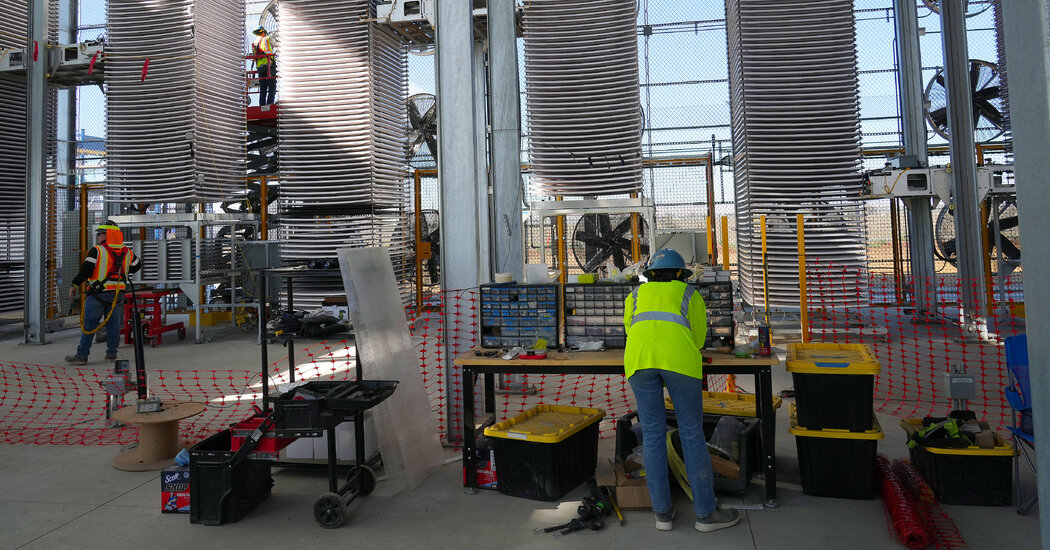
Heirloom Carbon Technologies has opened the first commercial direct air capture plant in the United States, located in Tracy, California. The plant uses a process that involves vacuuming greenhouse gases from the atmosphere and permanently sealing the captured carbon dioxide in concrete. Heirloom plans to sell carbon removal credits to companies, with Microsoft already signing a deal to remove 315,000 tons of carbon dioxide. While the technique is expensive, proponents believe that rapid growth and economies of scale can help bring down costs and make it a crucial tool in the fight against climate change. Critics, however, argue that artificial methods of carbon removal could distract from efforts to reduce emissions and caution against the involvement of oil companies in the technology.

Crushed Rock Boosts Carbon Removal from Farmland

Originally Published 2 years ago — by Phys.org

Featured image for Crushed Rock Boosts Carbon Removal from Farmland
Source: Phys.org

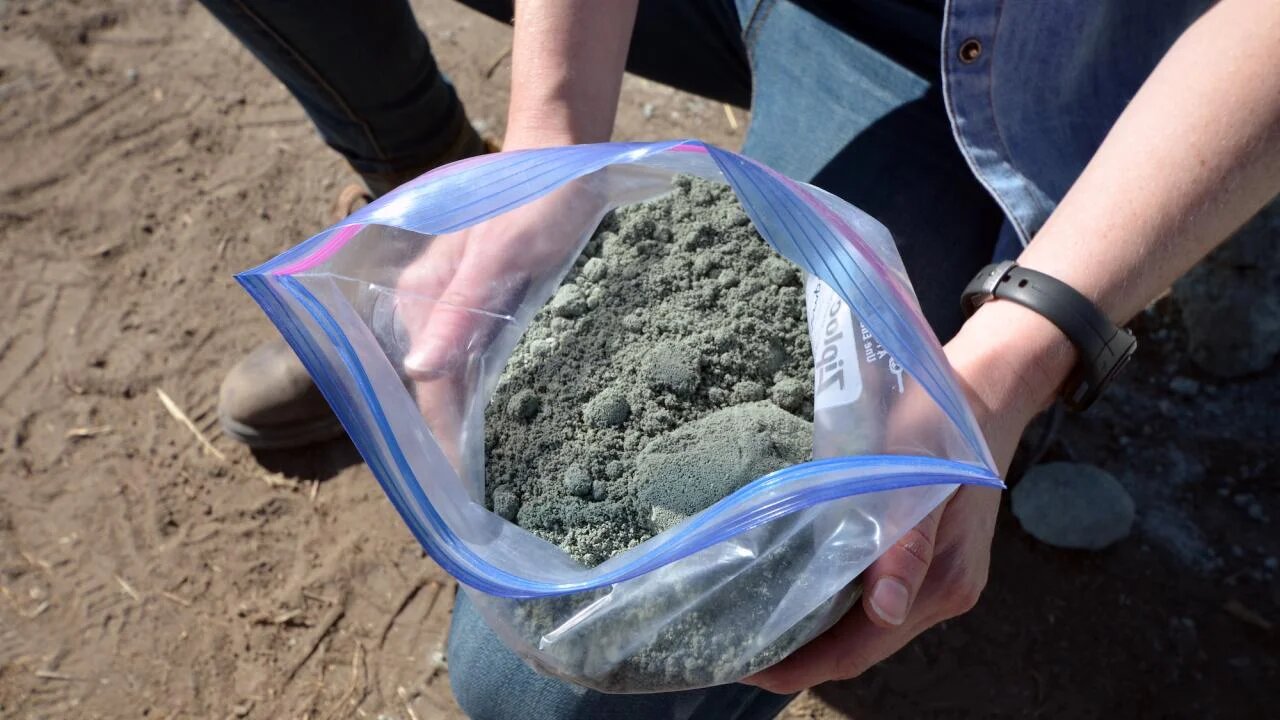
Adding crushed volcanic rock to farmland can help remove carbon dioxide from the air, according to a field study conducted by researchers at the University of California, Davis, and Cornell University. The study found that the technology of enhanced rock weathering, which speeds up the process of carbon capture, was effective even in dry climates. By crushing the rock into a fine dust, it reacts with rainwater to capture carbon dioxide and store it in the soil. The researchers observed carbon removal during an extreme drought in California, and if this method was applied to all croplands in the state, it could be equivalent to taking 350,000 cars off the road annually. The study highlights the potential of this technique in combating climate change and the need for further research and verification at larger scales.

Bill Gates: Climate change solutions require more than just planting trees

Originally Published 2 years ago — by Fortune

Featured image for Bill Gates: Climate change solutions require more than just planting trees
Source: Fortune

Bill Gates remains optimistic about the climate crisis, emphasizing that while the threats are severe, they won't lead to the end of the world. He believes that humanity will find solutions to the challenges posed by climate change, such as malnutrition caused by difficulties in growing crops in equatorial regions. Gates sees the reduction of carbon dioxide emissions and the widespread adoption of electric vehicles as crucial steps. He advocates for carbon taxes to fund green technologies like carbon capture, dismissing tree planting as "complete nonsense." Gates praises the Inflation Reduction Act and encourages continued climate activism.

Biden Administration Invests Billions in Controversial Carbon Removal Technology and Carbon Capture Initiatives

Originally Published 2 years ago — by The Verge

Featured image for Biden Administration Invests Billions in Controversial Carbon Removal Technology and Carbon Capture Initiatives
Source: The Verge

The Biden administration has allocated $1.2 billion from the Department of Energy (DOE) to fund the development of direct air capture (DAC) facilities in Texas and Louisiana. DAC is a controversial carbon removal technology that aims to address pollution already emitted. While some environmental advocates support the move, others are wary of the deep ties between fossil fuel companies and the emerging carbon removal industry. The DOE plans to distribute a total of $3.5 billion to develop at least four DAC hubs across the US. The first two hubs are expected to capture at least 1 million metric tons of CO2 annually and create 4,800 jobs. However, critics argue that DAC allows polluting industries to continue operating instead of transitioning to renewable energy sources. The cost of DAC technology remains high, but the Biden administration aims to reduce it to less than $100 per ton of CO2 removed.

"Rock 'Planting' in Farms: A Key Solution for Meeting IPCC's Carbon Removal Goal"

Originally Published 2 years ago — by Phys.org

Featured image for "Rock 'Planting' in Farms: A Key Solution for Meeting IPCC's Carbon Removal Goal"
Source: Phys.org

Farmers can contribute to achieving a key carbon removal goal set by the IPCC by incorporating crushed volcanic rocks into their fields, according to a new study. This climate intervention strategy, known as enhanced rock weathering, accelerates the natural process of carbon sequestration in carbonate minerals. The study highlights the wet, warm tropics as the most promising locations for this approach. By combining emissions reductions with enhanced rock weathering, farmers can help slow down climate change while also improving soil health and countering ocean acidification. The study estimates that up to 217 gigatons of carbon could be sequestered globally by applying crushed basalt to agricultural fields.