
Tag

Halley Type Comet

All articles tagged with #halley type comet

astronomy1 year ago

"2024's 'Devil Comet': A Once-in-a-Lifetime Sky Spectacle"

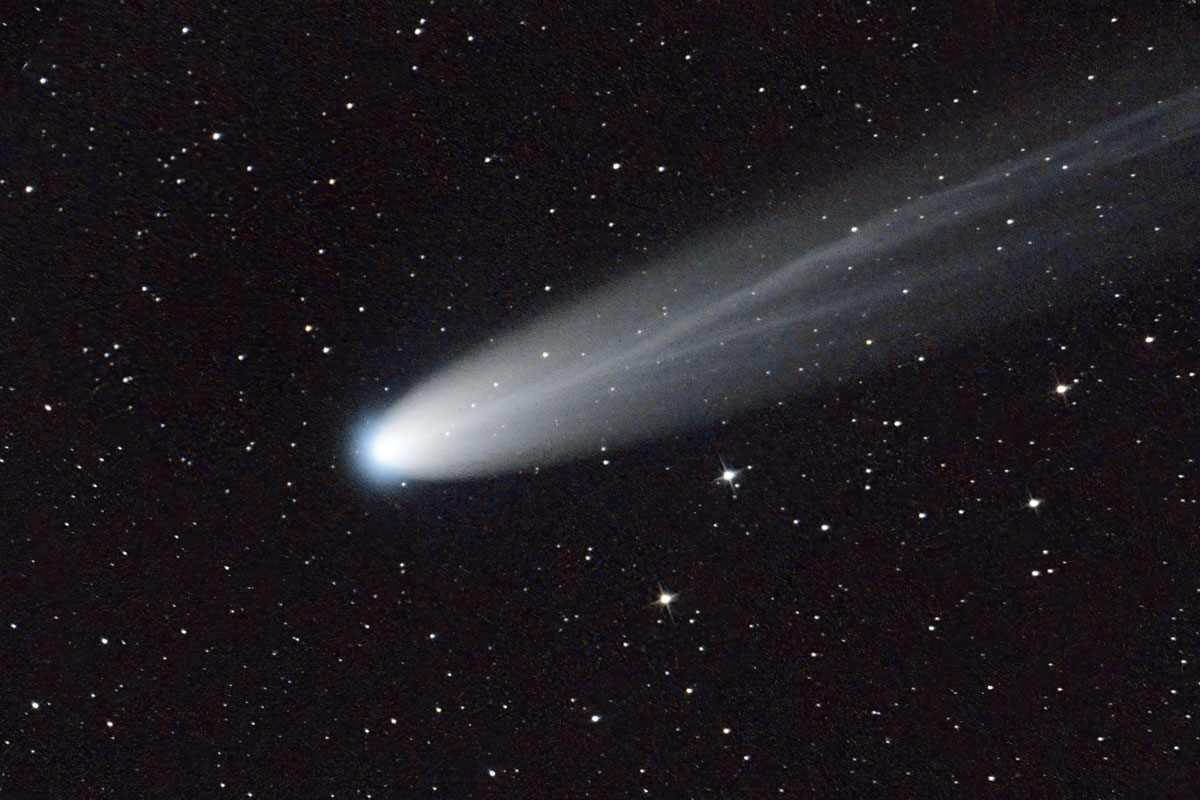
The 12P/Pons-Brooks comet, comparable in size to Mount Everest, is making its first appearance in over 70 years and can be seen with binoculars or a small telescope until April 21, 2024. It will be best visible towards the end of March and may brighten enough to be visible to the naked eye. The comet, known for its cryovolcanic eruptions, is expected to reach its perihelion on April 21. The 12P in its name signifies that it was the 12th comet observed to periodically return, and it is a Halley-type comet with an orbital period of 71.3 years. Additionally, the 13P/Olbers comet and C/2023 A3 comet are expected to be visible later in 2024.

astronomy1 year ago

"Rare Sighting: 'Devil Comet' Photobombs Total Solar Eclipse"

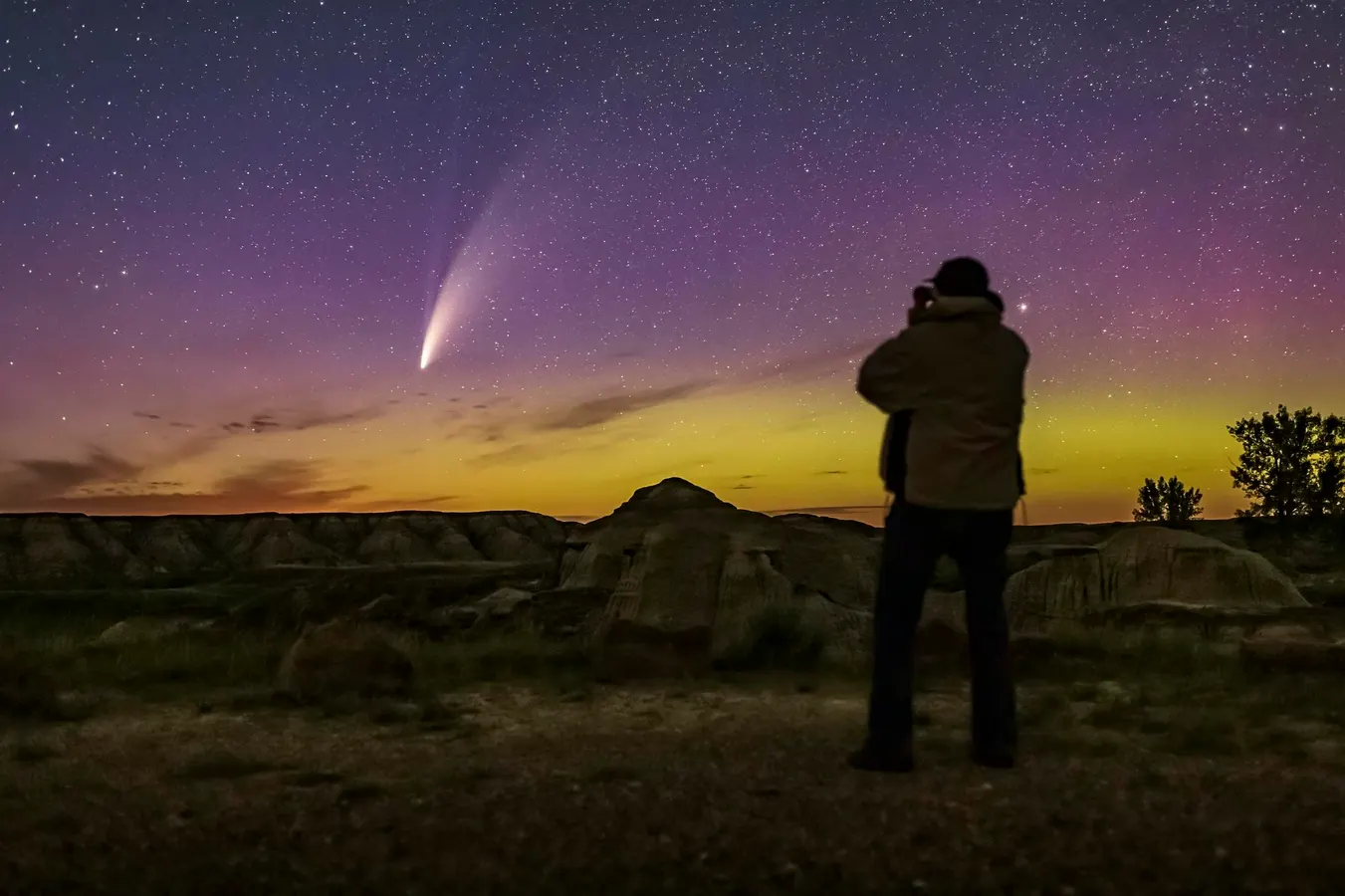
Comet 12P/Pons–Brooks, also known as the "Devil Comet," is currently visible in telescopes and binoculars in the western sky after sunset, and may become a naked eye object during the total solar eclipse on April 8. This "green comet," with a 71-year orbit around the sun, is currently at a magnitude of 5.9 and is best observed in early April when it's closest to the sun and Earth. Although it may be difficult to spot during the eclipse, it will be close to Jupiter and may be visible with binoculars or a small telescope.

astronomy2 years ago

"Approaching Catastrophe: Massive Cryovolcanic Comet Hurtling Towards Earth"

A colossal cryovolcanic comet, named 12P/Pons-Brooks, three times the size of Mount Everest, has exploded in space and is now heading towards Earth. Although it will not collide with our planet, it will be visible to the naked eye on April 21, 2024. This cryovolcanic comet, similar in size to Halley's comet, has a solid core and releases icy fragments through fissures when warmed by the sun. Sky watchers can currently spot it in the Hercules constellation, and further eruptions are expected as it continues its journey. Cryovolcanic comets offer insights into the solar system's outer realms and may have played a role in delivering water and organic compounds to Earth. Future missions aim to study cryovolcanic activity up close and potentially discover extraterrestrial organisms in these icy eruptions.