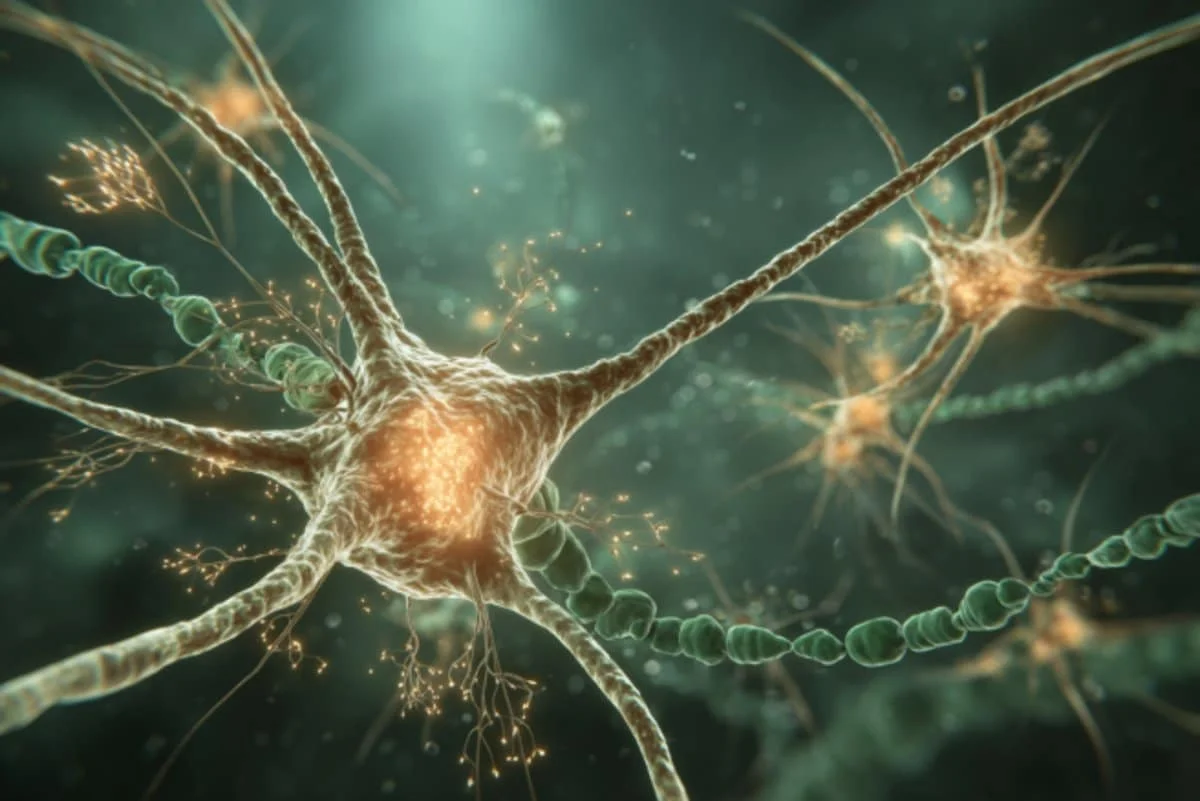
Scientists at UC Irvine discovered that a combination of nicotinamide and green tea antioxidant can restore energy levels in aging brain cells, improve protein clearance, and potentially offer a non-drug approach to combat Alzheimer's disease, though further research on delivery methods is needed.
A 28-day clinical study in China found that a skincare emulsion containing 0.1% pterostilbene, a natural antioxidant related to resveratrol, significantly improved skin firmness, elasticity, and reduced wrinkles, demonstrating its potential as an effective anti-aging ingredient.
Researchers found that fermenting stevia with a bacterium from banana leaves enhances its ability to target pancreatic cancer cells while sparing healthy cells, potentially due to the formation of a more active compound called CAME, which induces cancer cell death and alters gene activity, offering a promising natural approach for cancer treatment.
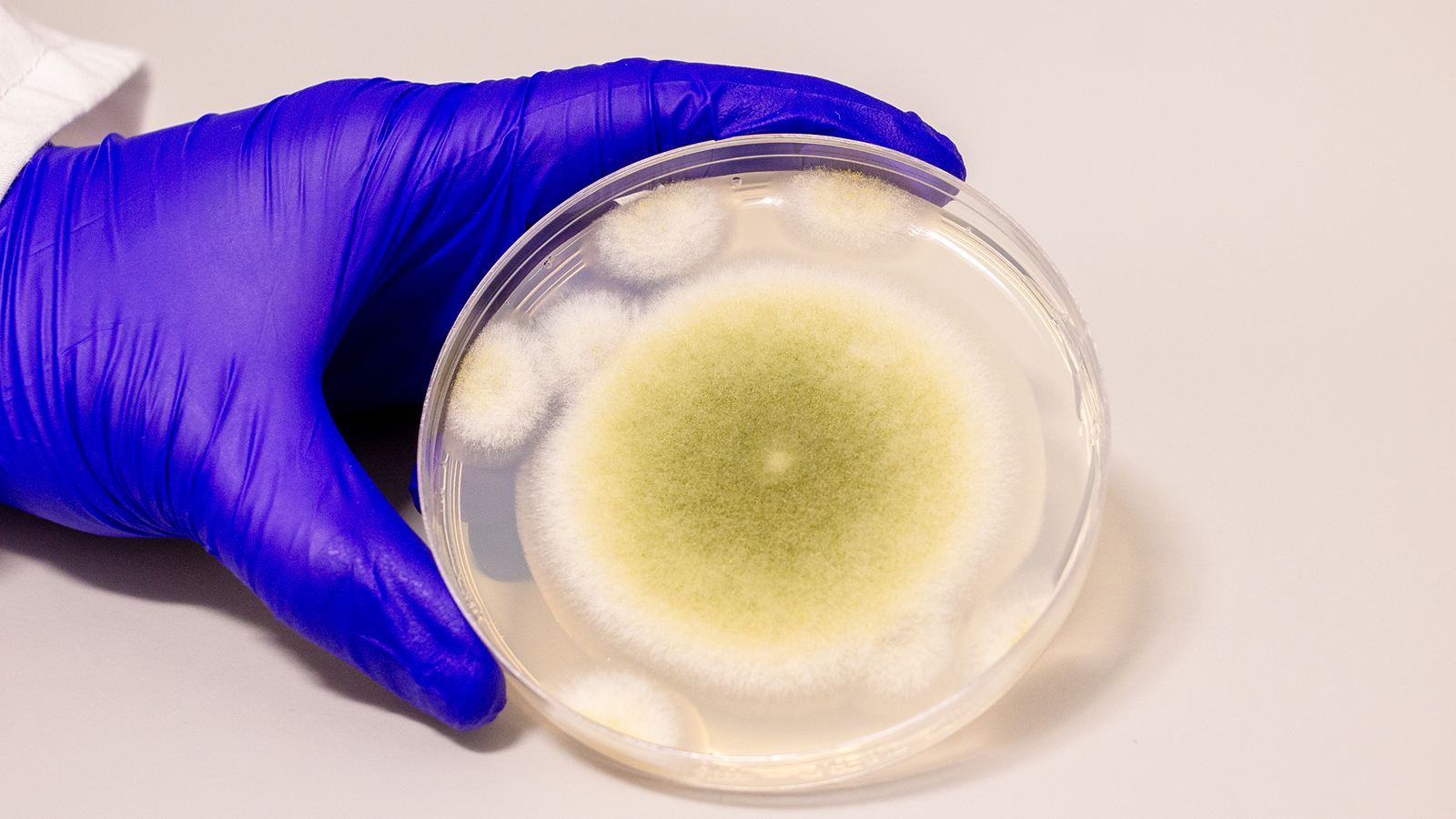
A fungus historically associated with deadly infections, Aspergillus flavus, has been found to produce compounds called asperigimycins that show promise in treating leukemia, highlighting a potential new avenue for cancer therapy derived from ancient natural sources.
Researchers have discovered that ferulic acid, a natural compound found in rice, coffee, and vegetables, can prevent coronary artery spasms by blocking calcium channels and muscle protein activation, potentially offering a safe, plant-based approach to heart health that may surpass some existing medications.
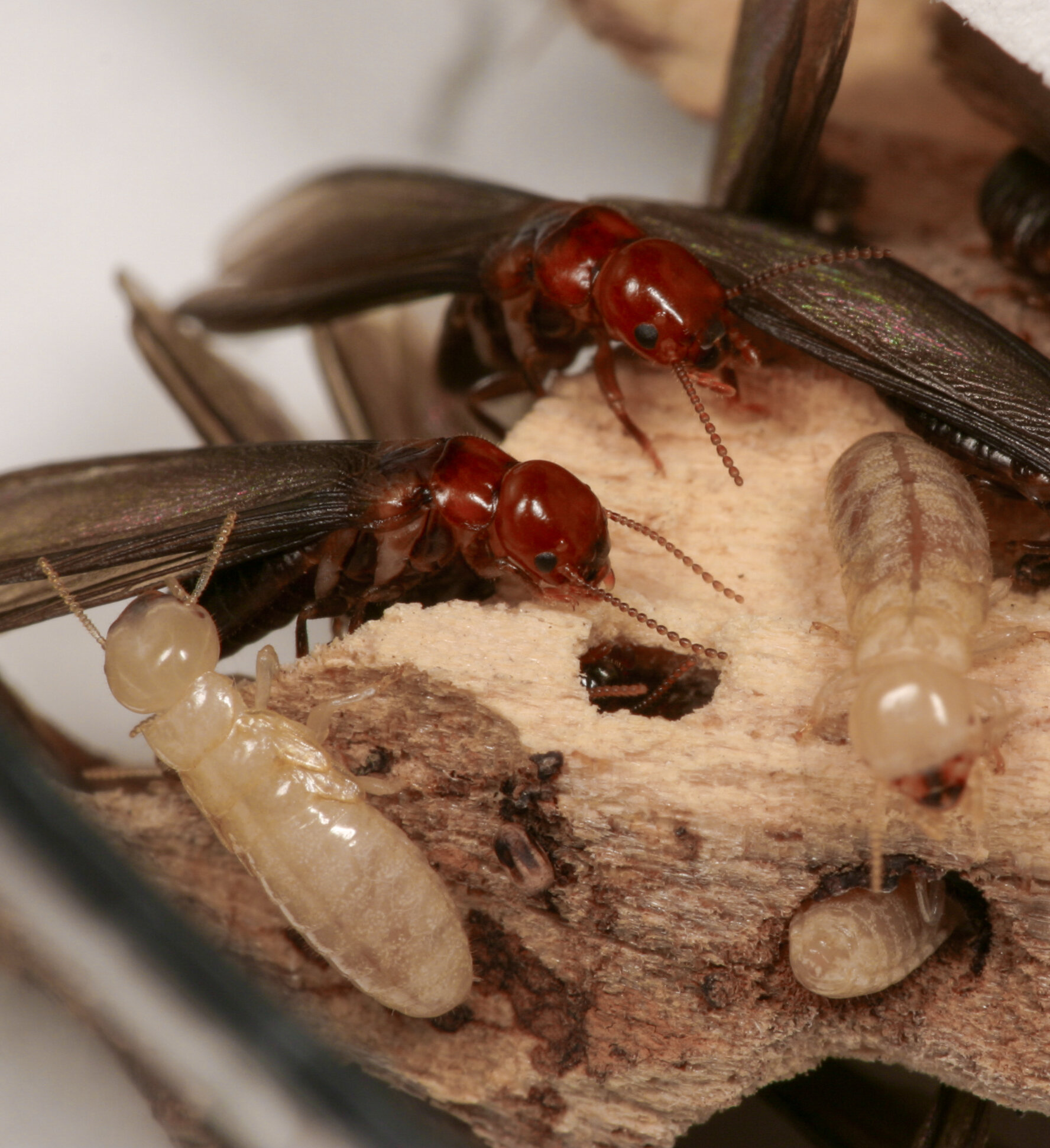
UC Riverside scientists have developed a nontoxic and cost-effective termite control method using pinene, a chemical from forest trees, to attract termites to insecticide-injected wood. This approach significantly increases termite mortality rates and offers a greener alternative to traditional fumigation, which is expensive and environmentally harmful.
A study led by researchers at the Hebrew University of Jerusalem suggests that mushroom extract containing psilocybin may have a more potent and enduring impact on synaptic plasticity compared to chemically synthesized psilocybin. The research, focusing on synaptic plasticity in mice, reveals promising insights into the potential therapeutic benefits of natural psychedelic compounds in addressing psychiatric disorders. The study's findings open up new possibilities for the therapeutic use of natural psychedelic compounds, providing hope for those who have found little relief in conventional psychiatric treatments. Controlled mushroom cultivation offers a promising approach to replicate extracts for medicinal use, highlighting the feasibility of incorporating them into Western medicine.
An AI algorithm has identified three natural compounds that can help combat age-related health issues, including Alzheimer's disease and certain cancers. The algorithm combed through a library of over 4,300 chemical compounds and identified 21 drug candidates that could prompt cell senescence. Of those 21 candidates, the scientists zeroed in on three compounds – ginkgetin, oleandrin, and periplocin – which were able to remove defective cells without harming healthy ones when tested on human cells. The research team headed up by experts at Scotland's University of Edinburgh devised an algorithm that successfully zeroed in on three natural compounds that can help stave off age-related health declines such as vision loss, loss of mobility, and Alzheimer's.