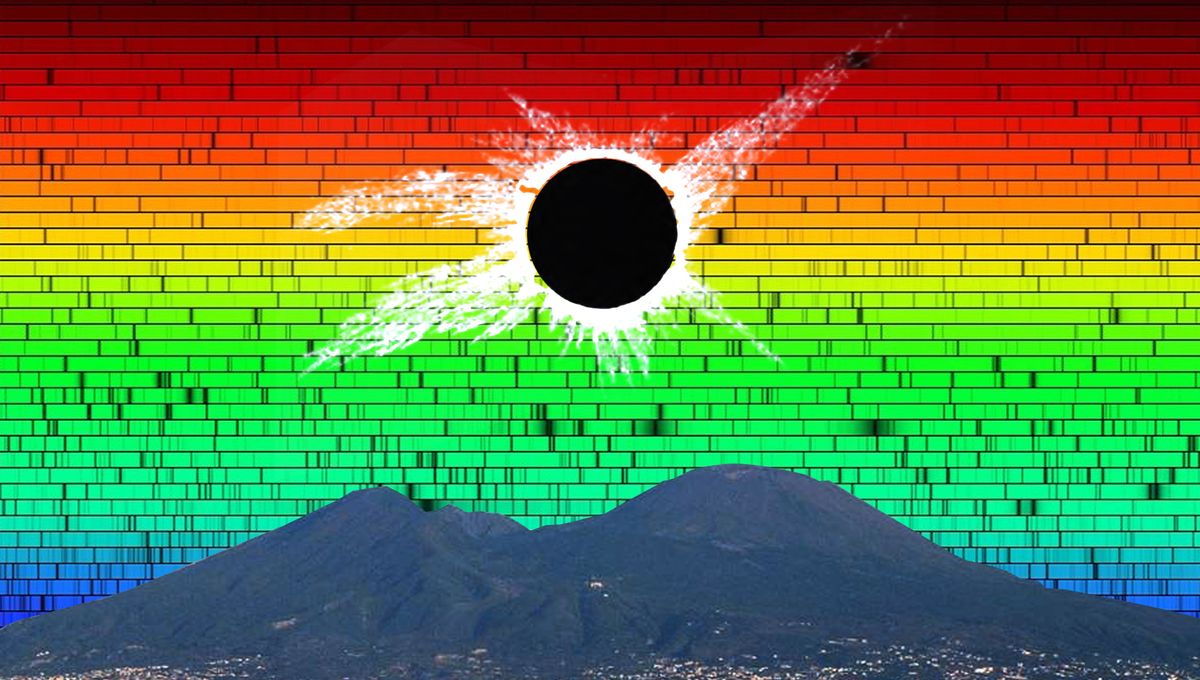
The article recounts the discovery of helium, the second most abundant element in the universe, which was first identified during the 1868 solar eclipse through spectral analysis and later found on Earth in volcanic emissions from Mount Vesuvius, highlighting its cosmic and terrestrial significance.
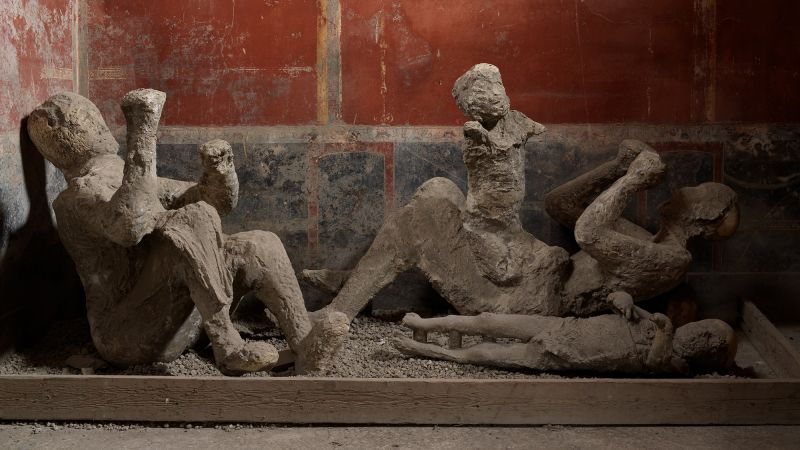
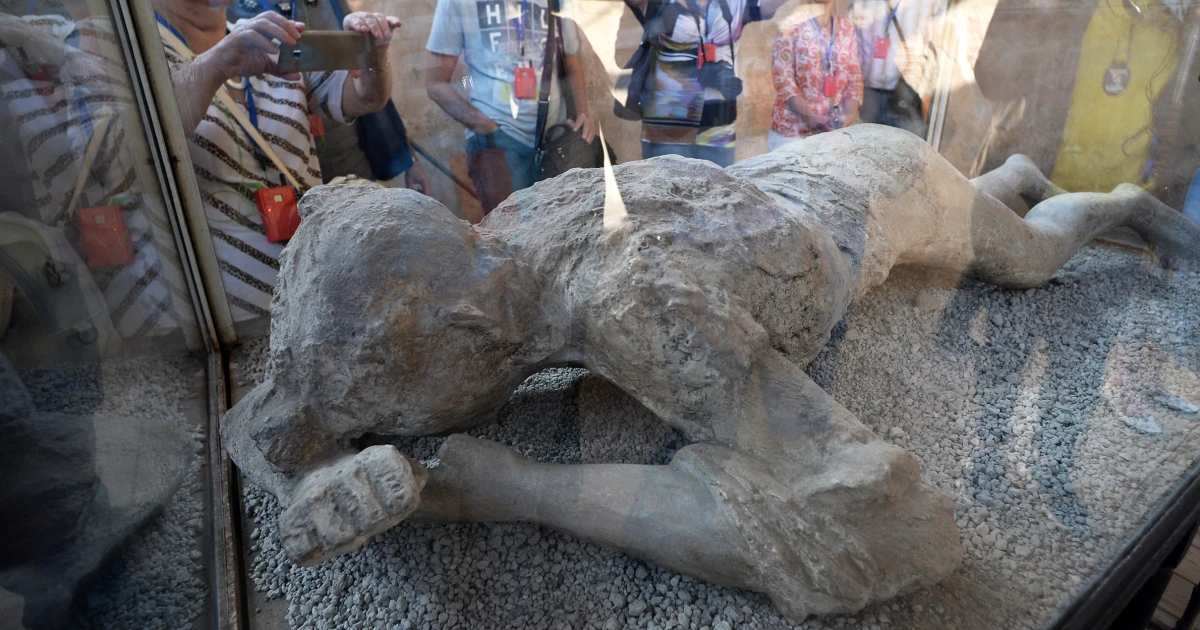
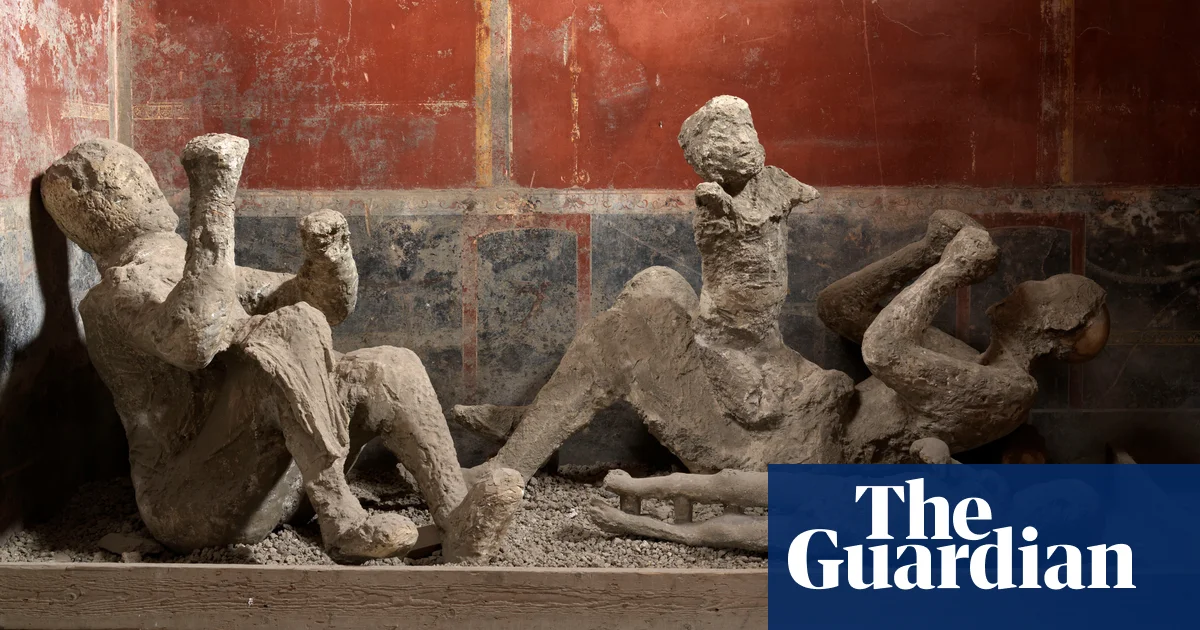
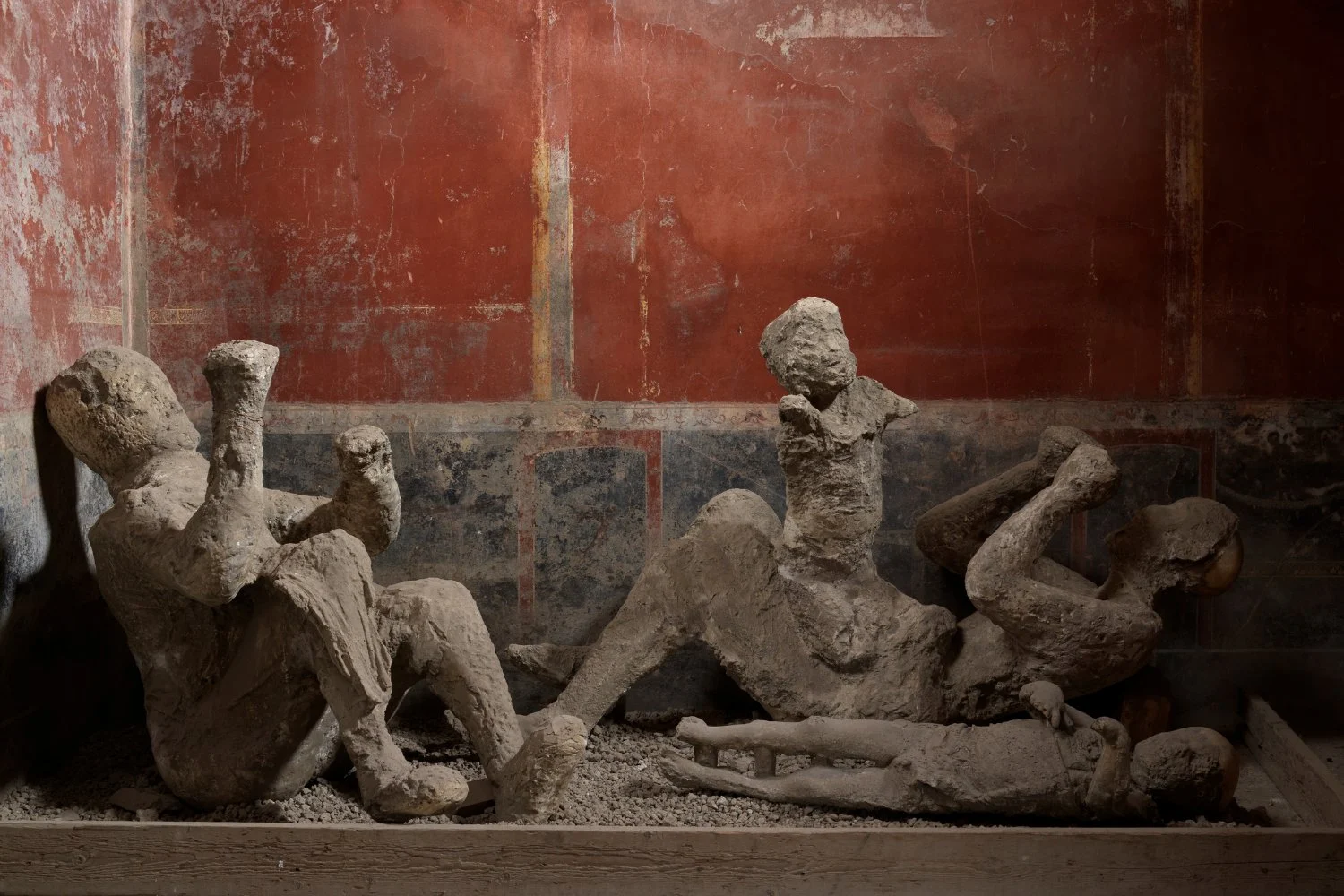
A new study using ancient DNA analysis has overturned previous assumptions about the identities and relationships of people who perished in Pompeii during the eruption of Mount Vesuvius in AD 79. The research, published in Current Biology, reveals that many of the victims were not related as previously thought, challenging traditional gender and familial assumptions. The findings highlight Pompeii's diverse population, reflecting broader patterns of mobility and cultural exchange in the Roman Empire, and provide a more nuanced understanding of the city's demographics and social structures.
New DNA analysis of skeletal remains from Pompeii has challenged long-held assumptions about the victims of Mount Vesuvius's eruption in A.D. 79. The study, published in Current Biology, reveals that traditional interpretations of gender and family relationships among the victims were incorrect, with some individuals previously thought to be women actually being men. The research highlights the dangers of projecting modern gender norms onto ancient societies and underscores the diverse ancestry of Pompeii's residents, primarily tracing back to eastern Mediterranean immigrants. This discovery adds to the ongoing revelations about the ancient Roman city and its multicultural nature.
Recent DNA analysis of victims from Pompeii challenges long-held assumptions about their identities and relationships. The study reveals that a supposed mother in a famous cast was actually a man, unrelated to the children, and suggests diverse origins for the victims, indicating significant human mobility in the Roman period. This research highlights the potential for scientific analysis to reshape historical narratives and offers insights into the diverse backgrounds of Pompeii's inhabitants.
Recent DNA analysis of Pompeii victims has revealed surprising insights into the demographics and relationships of the ancient city's residents, challenging previous assumptions. The study found significant genetic diversity, with influences from the Eastern Mediterranean, highlighting Pompeii's cosmopolitan nature. Some individuals were misidentified in terms of sex and familial relationships, illustrating the unreliability of past narratives based on limited evidence. This research underscores the potential of ancient DNA analysis to provide a more nuanced understanding of historical populations.
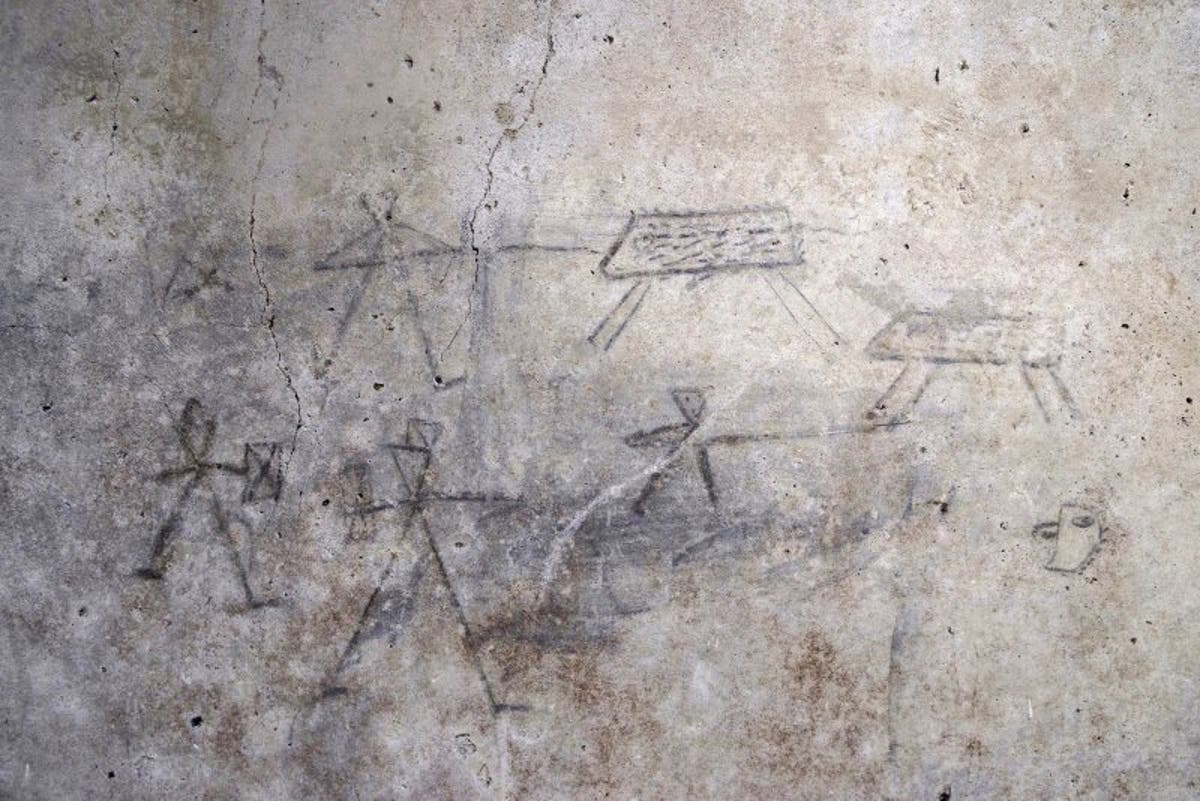
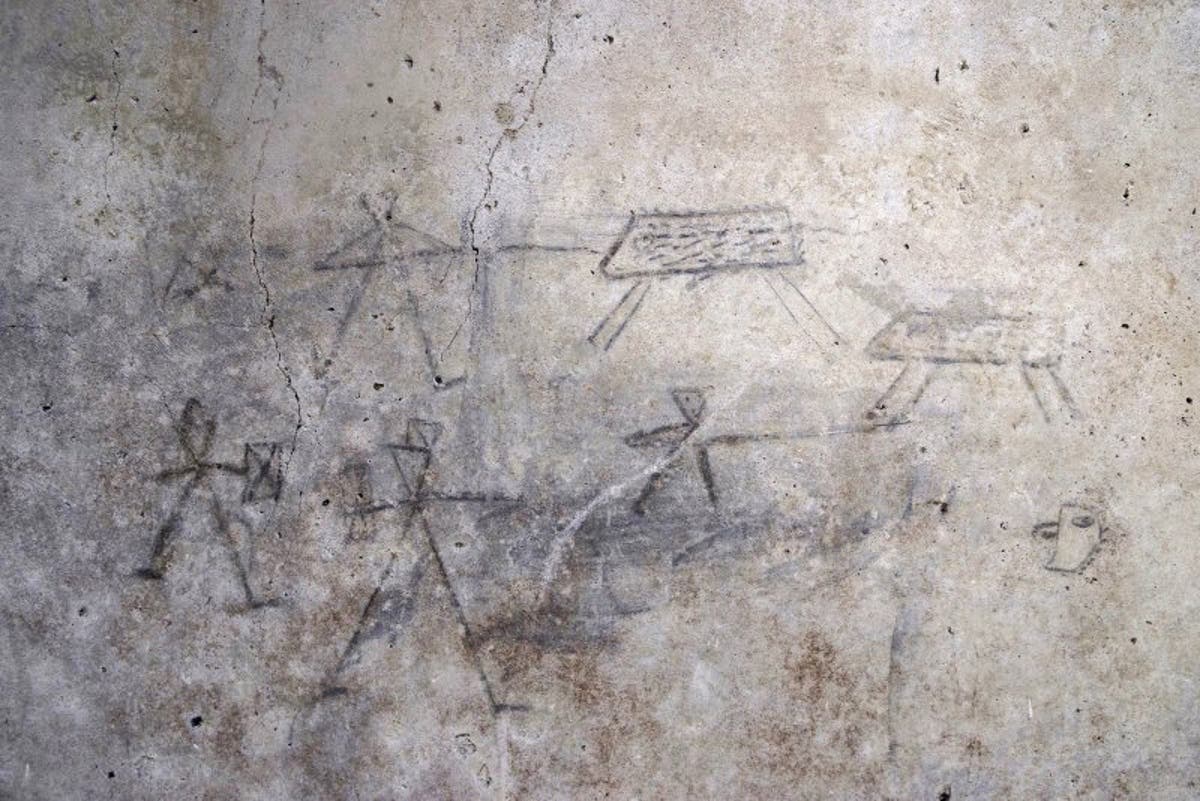
Archaeologists in Pompeii have discovered charcoal sketches by children, depicting violent scenes such as gladiator fights, likely witnessed in the city's amphitheatre. These naive drawings, found on a house wall, suggest that even young children were exposed to extreme violence. Other recent finds include a unique portrait of a hooded child with a dog, and a black-walled dining hall with mythological paintings, all part of ongoing excavations in the ancient city destroyed by Mount Vesuvius nearly 2,000 years ago.
Archaeologists in Pompeii have discovered charcoal sketches by children, depicting violent scenes such as gladiator fights, likely witnessed in the ancient city's amphitheatre. These naive drawings, found on a house wall, were probably made by children aged six or seven. Other recent finds include a unique portrait of a hooded child with a dog, and a black-walled dining hall with mythological paintings.
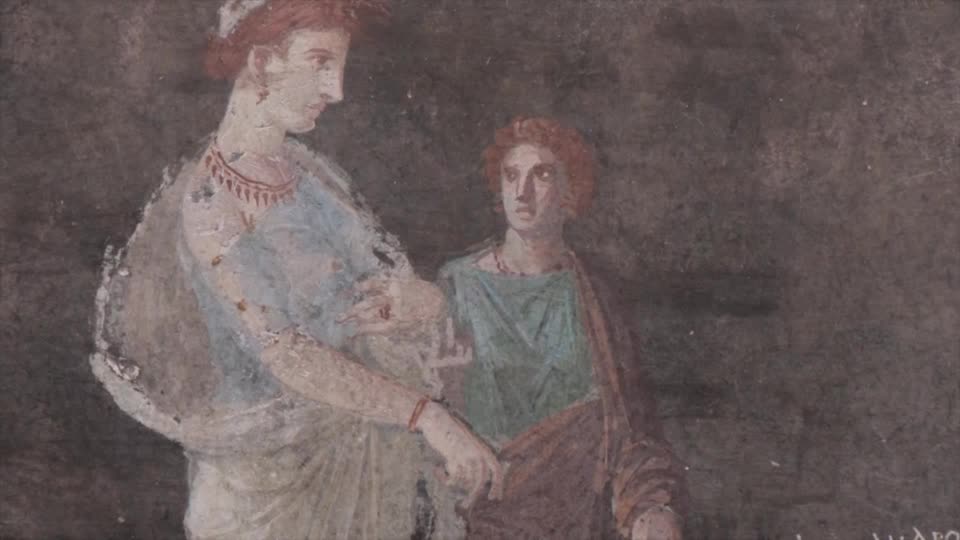
Archaeologists at the Pompeii Archaeological Park have uncovered remarkably preserved frescos depicting scenes from the Trojan War, including Helen of Troy meeting Paris and Apollo attempting to seduce the Trojan priestess, Cassandra. The artworks, believed to have adorned a banqueting room, were buried by the eruption of Mount Vesuvius in AD79 and are intended to provide entertainment and conversation topics for guests. This discovery is part of a larger project aimed at enhancing the sustainability and accessibility of Pompeii's cultural heritage.
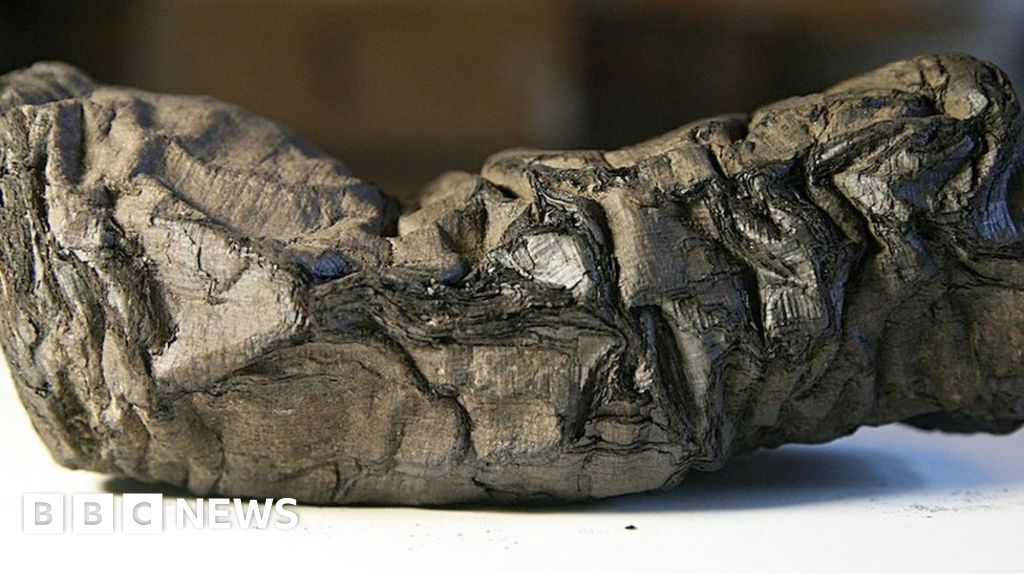
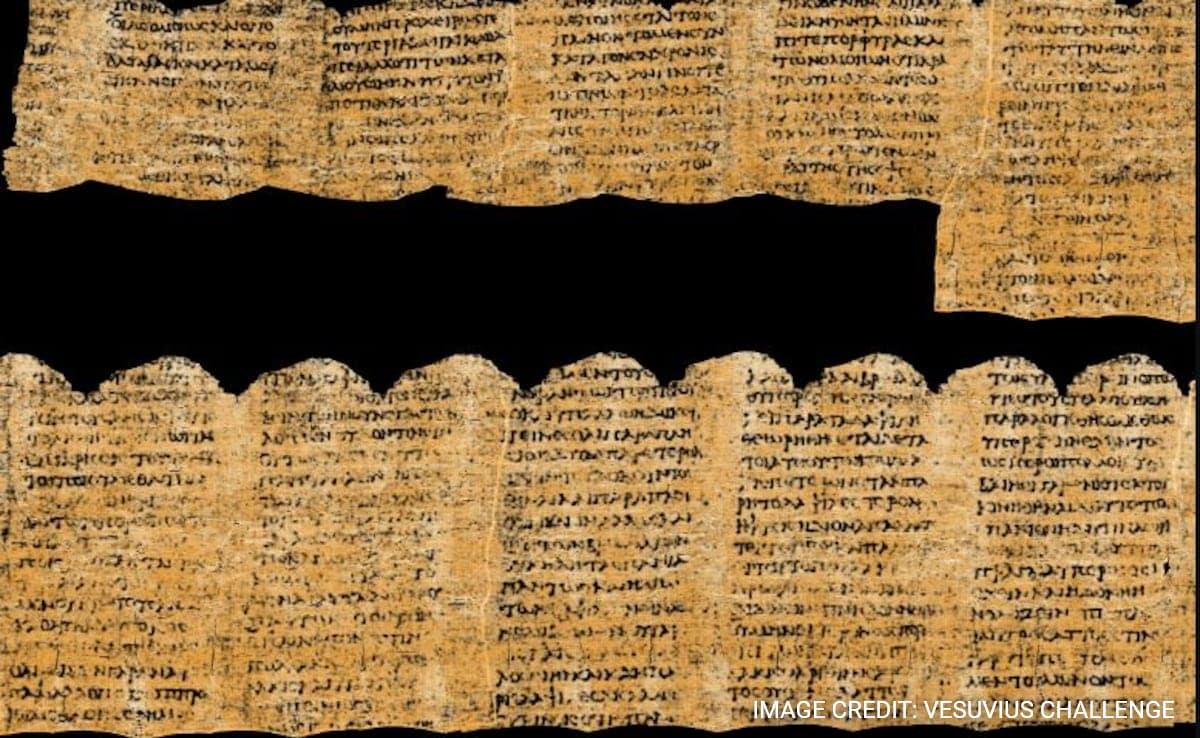
Researchers have used artificial intelligence to decipher a 2,000-year-old scroll that was scorched in the eruption of Mount Vesuvius, winning a $700,000 prize in the process. The Herculaneum papyri, consisting of about 800 rolled-up Greek scrolls, were carbonized during the 79 CE volcanic eruption and have been extensively damaged. The breakthrough could potentially rewrite the history of the ancient world, with the scroll's author believed to be the Epicurean philosopher Philodemus. The next phase of the competition aims to unlock 90% of the scanned scrolls and lay the foundation to read all 800 scrolls.
Three students have won a $700,000 prize for using AI to decipher a 2,000-year-old scroll charred during the Mount Vesuvius eruption in 79AD, believed to have belonged to Julius Caesar's father-in-law. The breakthrough has revealed writings by the Greek philosopher Philodemus discussing music and food, and experts believe it marks a revolution in Greek philosophy. The AI model has deciphered 2,000 Greek characters from one of the four scrolls, with hopes to eventually translate all 800.
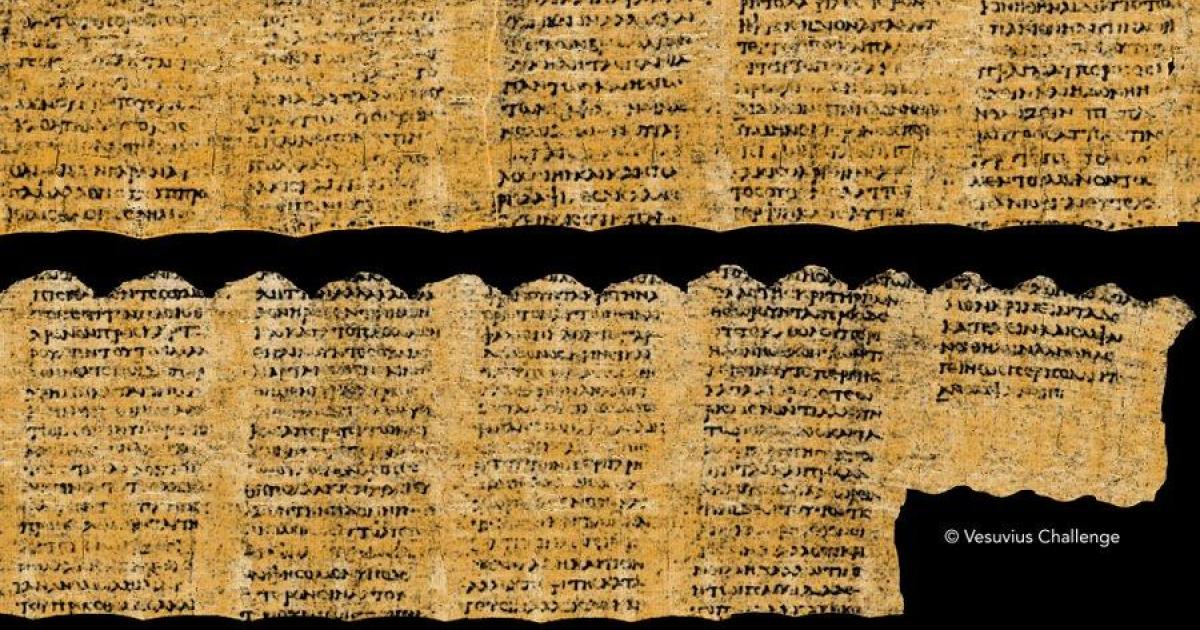
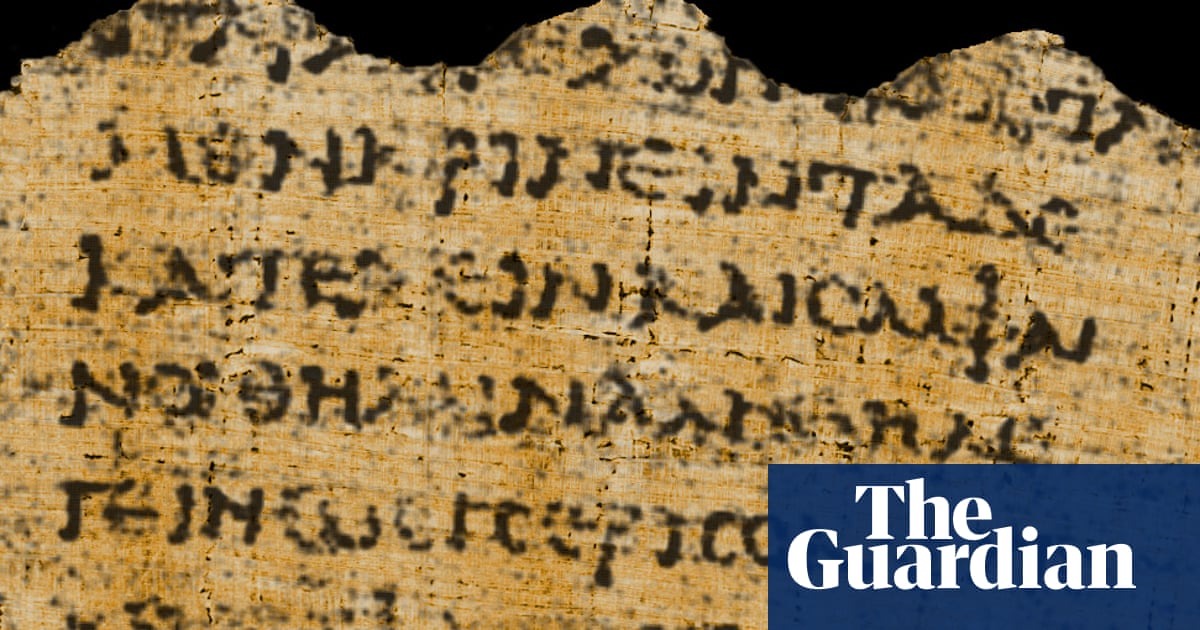
Researchers win $700,000 prize for using AI to read a 2,000-year-old scroll scorched in Mount Vesuvius eruption, part of the Herculaneum papyri. The scrolls, carbonized during the 79 CE volcanic eruption, have been extensively damaged, but high-resolution CT scans and AI helped distinguish ink from papyrus and decipher faint Greek lettering. The recovered texts could rewrite ancient history, with the scrolls possibly authored by Epicurean philosopher Philodemus. The next phase of the competition aims to unlock 85 percent of the scroll, potentially revolutionizing Herculaneum papyrology and Greek philosophy.
Researchers armed with artificial intelligence have successfully read the hidden text of a charred scroll buried during the eruption of Mount Vesuvius in AD79, using high-resolution CT scans and AI algorithms. The breakthrough, part of the $1m Vesuvius Challenge, has revealed more than 2,000 Greek letters from the scroll, providing scholars with new insights into ancient Roman times and Greek philosophy. The team aims to continue the effort to read more of the scrolls and potentially apply the technology to other ancient artifacts, such as papyrus wrapped around Egyptian mummies.
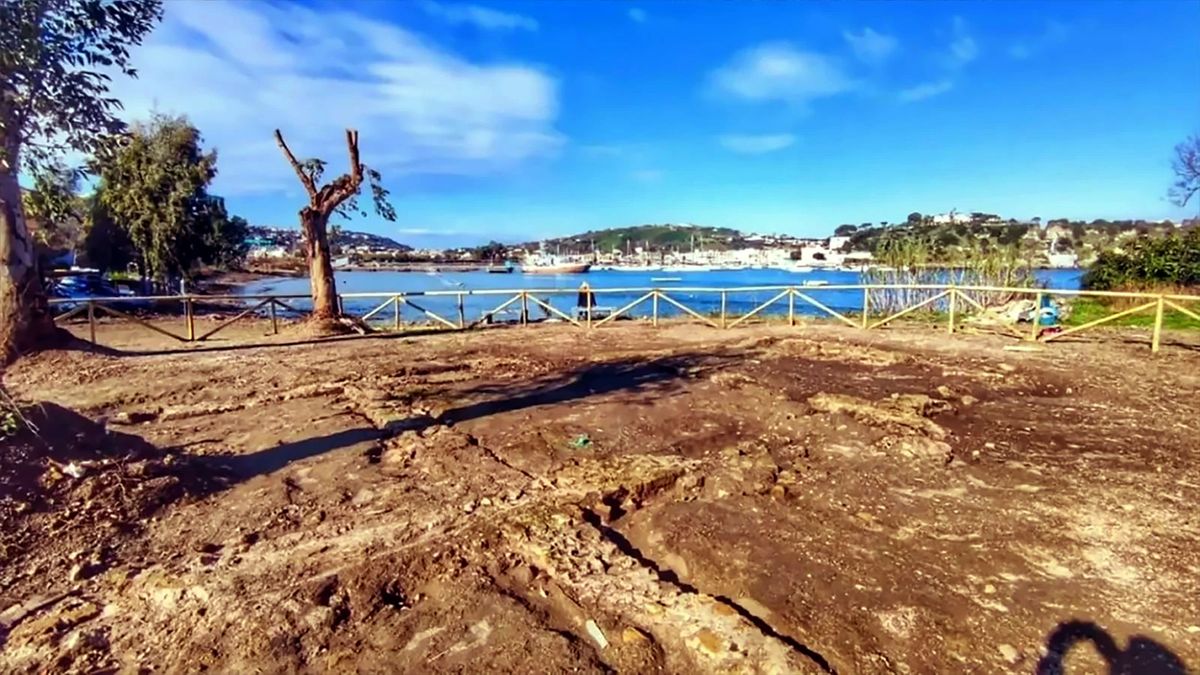
The remains of a luxurious villa near Mount Vesuvius, believed to be where the Roman philosopher Pliny the Elder witnessed the catastrophic eruption in A.D. 79, have been discovered at Punta Sarparella in Bacoli, Italy. The villa, possibly belonging to Pliny, offers a prominent view of the volcano and the entire Gulf. Pliny, a Roman naval fleet commander, famously perished while attempting to rescue people during the eruption. The excavation also revealed that the villa's walls were built from diamond-shaped blocks of soft limestone, and further exploration is expected to uncover more about the villa and the ancient port city of Misenum.
Archaeologists have discovered a prison in ancient Pompeii that was once a bakery where humans and animals were forced to grind grain for bread. The prison had minimal windows and only one doorway, leading to the enslavers' lavish home. The remains of three individuals were found inside, suggesting it was operational during the eruption of Mount Vesuvius. The ruins align with historical accounts of the backbreaking labor endured by slaves in ancient Rome. The excavation of Pompeii and Herculaneum has provided valuable insights into Roman life.
Researchers have used artificial intelligence to extract the first word from an ancient scroll that was burned by the eruption of Mount Vesuvius in AD79. The scroll, part of a collection held by the Institut de France, was found to contain the ancient Greek word "πορφύραc" meaning "purple". The discovery was made as part of the Vesuvius challenge, which aims to accelerate the reading of the carbonised scrolls. The researchers are now working to read the surrounding text and uncover the contents of the scroll.