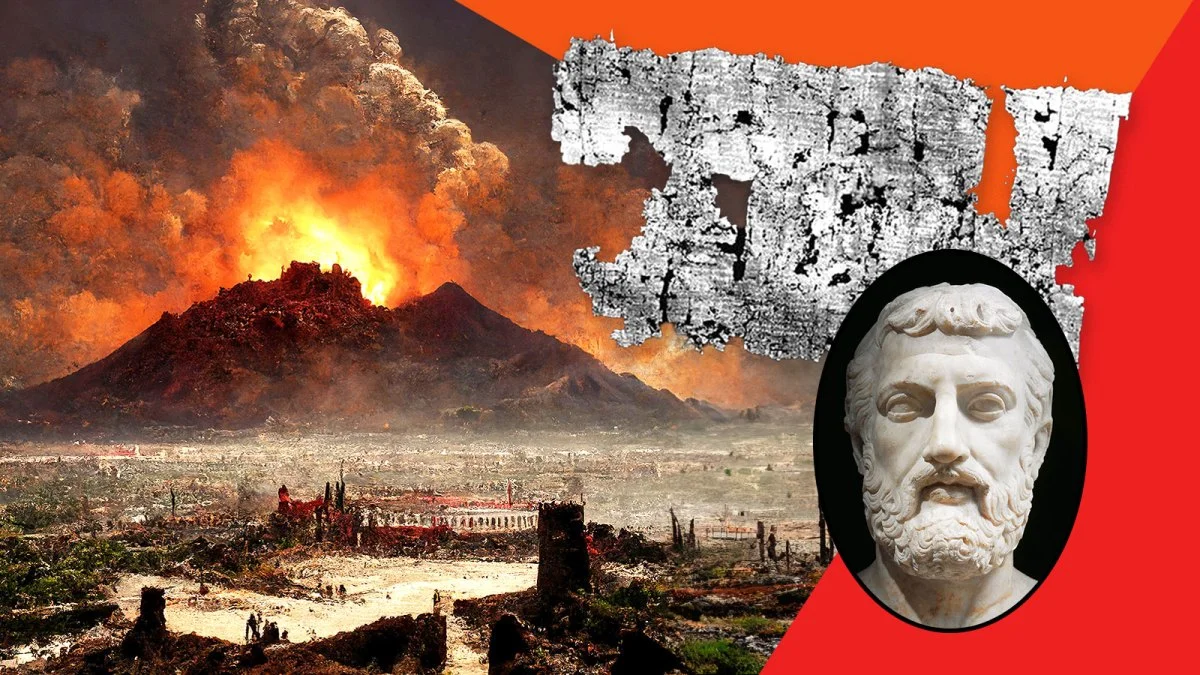
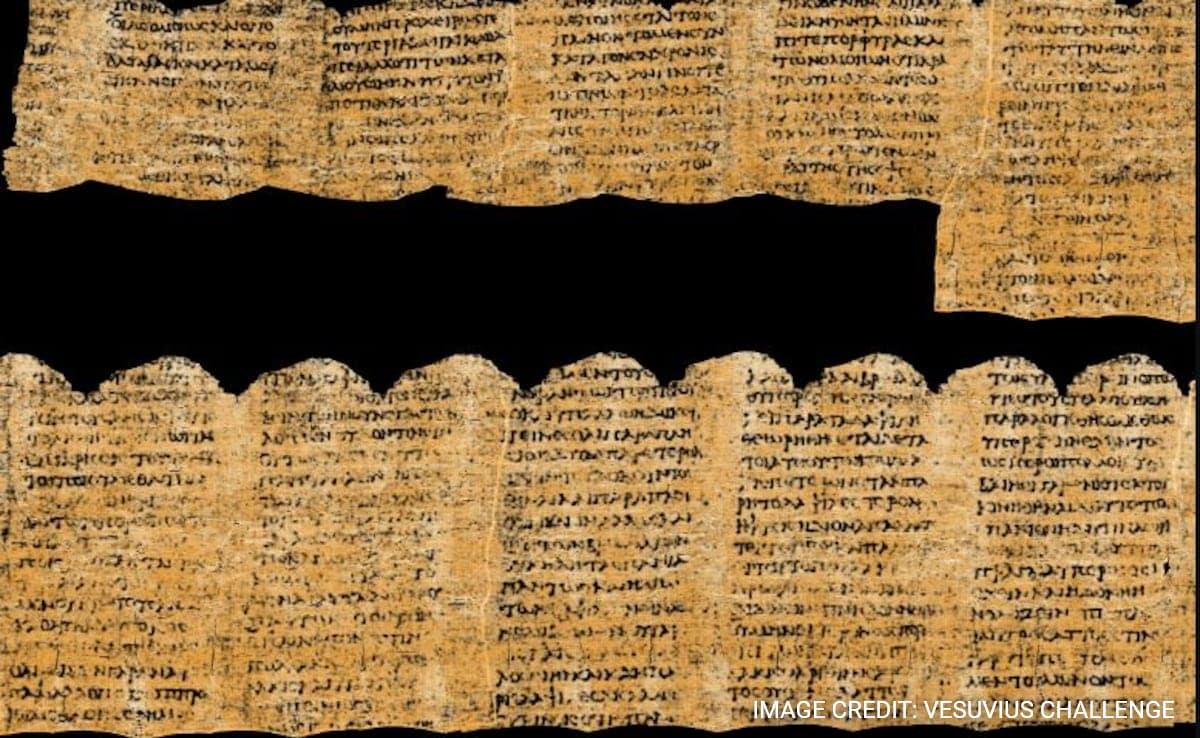
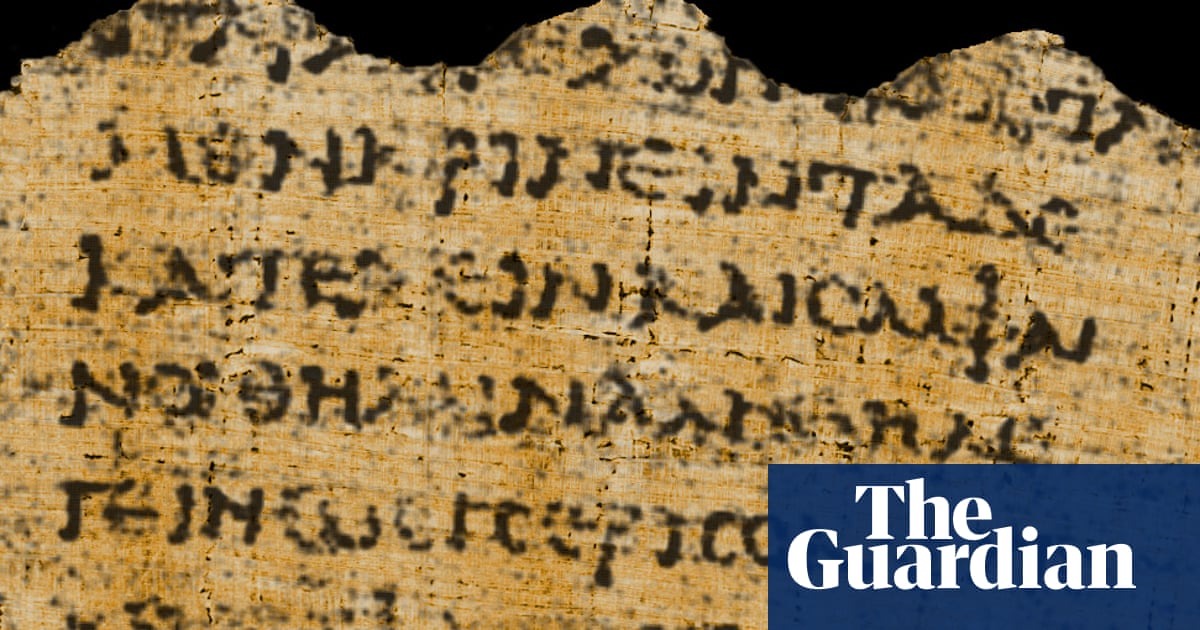
Researchers used a new thermal imaging technique to read charred papyrus scrolls from Vesuvius's eruption, revealing new details about Zeno of Citium, the founder of Stoicism, including his life, teachings, and controversial ideas on social practices, thereby enhancing our understanding of ancient Greek philosophy.
Three students won the Vesuvius Challenge and a $700,000 prize for using AI to translate previously unreadable text from the Herculaneum papyri, buried during the eruption of Mt. Vesuvius. The passages they uncovered discuss "how to enjoy life's pleasures." The competition aims to decode the ancient scrolls, and the founders hope to eventually read the entirety of all 800 scrolls using AI and machine learning.
Researchers are using new technology to virtually unwrap charred Herculaneum scrolls, revealing nearly complete passages from the philosopher Philodemus, while a study suggests Saturn's moon Mimas may have a hidden ocean, potentially changing our understanding of ocean worlds in the solar system. Additionally, Australian scientists are using spiderwebs to track endangered species, a serene image of a polar bear wins the Wildlife Photographer of the Year People’s Choice Award, and the treacherous Drake Passage remains a challenge for ship captains ferrying tourists.
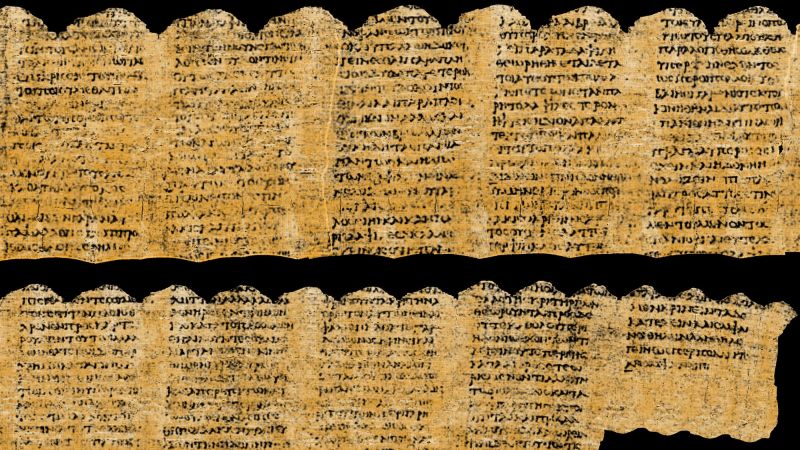
Archeologists have used artificial intelligence to decipher some of the ancient text from the Herculaneum papyri, a collection of around 1,000 scrolls carbonized during the eruption of Mount Vesuvius in A.D. 79. A global competition, the Vesuvius Challenge, offered $1 million in prizes to anyone who could find a way to read the remaining closed scrolls, most of which are preserved in a library in Naples. A team of three students won the $700,000 grand prize after training machine-learning algorithms on scans and were able to read 2,000 letters from the scroll, revealing new text from the ancient world that has never been seen before. This breakthrough has been hailed as revolutionary by experts in the field.
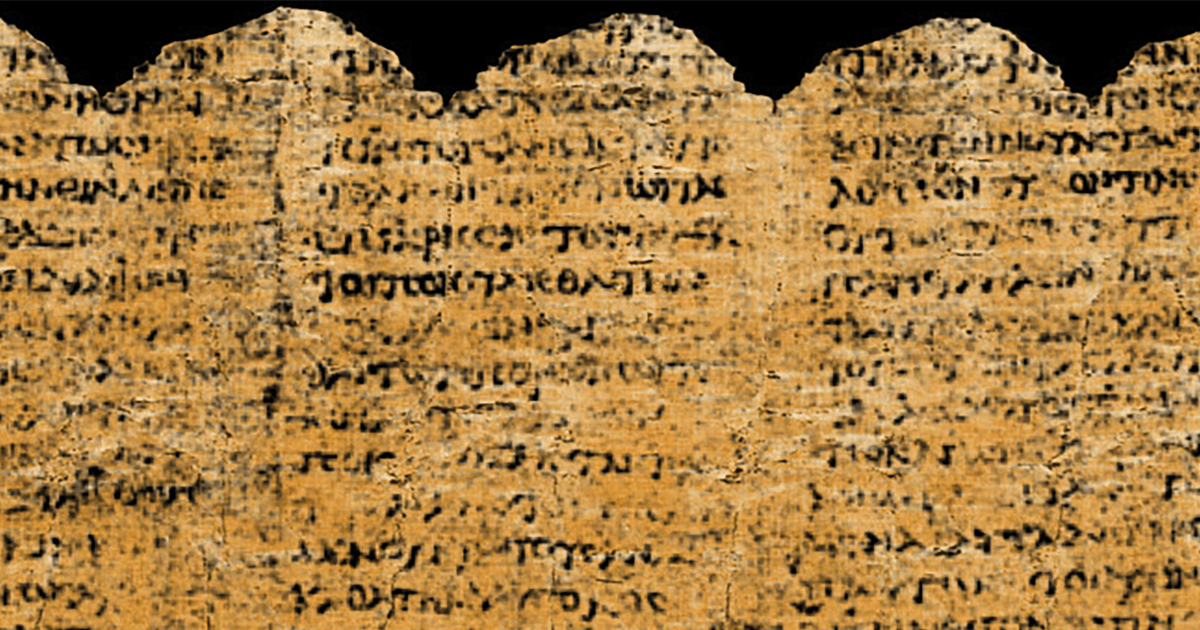
Researchers win $700,000 prize for using AI to read a 2,000-year-old scroll scorched in Mount Vesuvius eruption, part of the Herculaneum papyri. The scrolls, carbonized during the 79 CE volcanic eruption, have been extensively damaged, but high-resolution CT scans and AI helped distinguish ink from papyrus and decipher faint Greek lettering. The recovered texts could rewrite ancient history, with the scrolls possibly authored by Epicurean philosopher Philodemus. The next phase of the competition aims to unlock 85 percent of the scroll, potentially revolutionizing Herculaneum papyrology and Greek philosophy.
Researchers armed with artificial intelligence have successfully read the hidden text of a charred scroll buried during the eruption of Mount Vesuvius in AD79, using high-resolution CT scans and AI algorithms. The breakthrough, part of the $1m Vesuvius Challenge, has revealed more than 2,000 Greek letters from the scroll, providing scholars with new insights into ancient Roman times and Greek philosophy. The team aims to continue the effort to read more of the scrolls and potentially apply the technology to other ancient artifacts, such as papyrus wrapped around Egyptian mummies.
Researchers have used artificial intelligence to extract the first word from an ancient scroll that was burned by the eruption of Mount Vesuvius in AD79. The scroll, part of a collection held by the Institut de France, was found to contain the ancient Greek word "πορφύραc" meaning "purple". The discovery was made as part of the Vesuvius challenge, which aims to accelerate the reading of the carbonised scrolls. The researchers are now working to read the surrounding text and uncover the contents of the scroll.