Tag

Motor Symptoms

All articles tagged with #motor symptoms

health1 year ago

Innovative Retainer Delivers Consistent Levodopa Doses

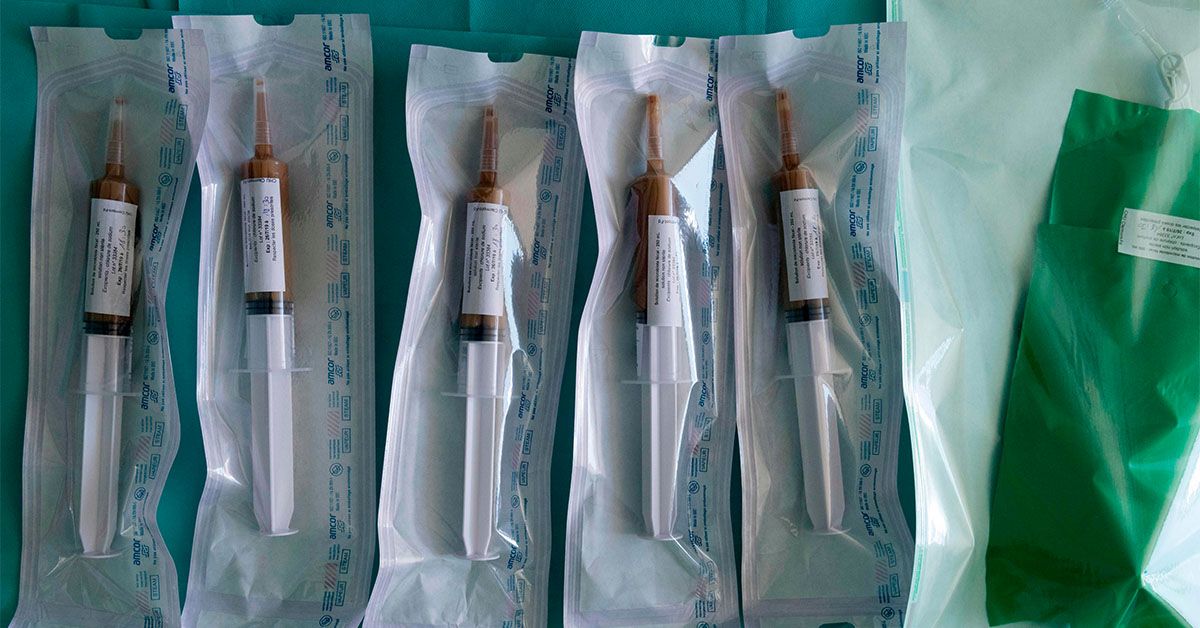
A new teeth-retainer system called DopaFuse, developed by SynAgile, can continuously deliver high doses of levodopa and carbidopa to help manage motor symptoms in advanced Parkinson's disease patients. This system, tested in a Phase 2 study, provides more stable medication levels and better symptom control by releasing a paste formulation of the drugs into the mouth, allowing for doses up to 1,200 mg per day without invasive methods.

health1 year ago

"Stool Transplant: A Promising Treatment for Parkinson's"

A small clinical trial suggests that fecal transplants from healthy donors could improve motor symptoms in early-stage Parkinson's disease patients. The study found that recipients of the transplants showed significant improvements in motor symptoms and constipation, but also experienced increased fatigue. Experts believe that the gut microbiome may play a role in neurodegenerative conditions, and further research is needed to understand the potential of fecal transplants as a treatment option for Parkinson's disease.

health1 year ago

"GLP-1 Diabetes Medication Shows Promise in Slowing Parkinson's Disease Progression"

In a Phase 2 clinical trial, the diabetes medication lixisenatide showed promise in slowing the progression of motor symptoms in people with Parkinson’s disease. While gastrointestinal side effects were more common with the therapy, the findings support lixisenatide as a potential treatment for Parkinson’s, with researchers calling for more studies to confirm its effects. The study's main goal was to assess the effect of treatment on the severity of motor symptoms, and results showed that lixisenatide modestly reduced motor disability progression in patients with early Parkinson’s disease compared with a placebo, but had gastrointestinal side effects.

health1 year ago

"Fecal Microbiota Transplant Shows Promise in Alleviating Parkinson's Symptoms"

A small clinical trial found that fecal microbiota transplant, a procedure that replaces a person’s gut bacteria with bacteria from a healthy donor, may help ease motor symptoms of Parkinson’s disease. The study showed that patients with mild to moderate Parkinson’s who underwent the transplant experienced improved motor symptoms and less severe constipation. While the findings are promising, larger studies are needed to confirm the results and explore the potential of this therapeutic approach in patients at various disease stages.

health2 years ago

AAV-GAD gene therapy trial reaches full enrollment by year-end

MeiraGTx's Phase 1/2 clinical trial testing AAV-GAD, an investigational gene therapy for Parkinson's disease, is expected to be fully enrolled by the end of the year. The trial aims to evaluate the safety and efficacy of AAV-GAD in easing motor symptoms in Parkinson's patients. The gene therapy delivers a working copy of the GAD gene to neurons in the subthalamic nucleus, a brain region involved in movement control. The therapy is administered through an infusion directly into the brain. MeiraGTx is also planning a potential pivotal clinical trial for 2024.

health2 years ago

Tai Chi's Long-term Benefits: Slowing Parkinson's and Reducing Medication Dependency

Regular practice of tai chi, a Chinese martial art, may slow the progression of motor and nonmotor symptoms of Parkinson's disease and delay the need for increased medication dosage, according to a study. The benefits of long-term tai chi practice included a reduction in complications associated with Parkinson's, particularly in dyskinesia, cognitive impairment, and restless leg syndrome. Tai chi was found to have a positive effect on motor function, quality of life, sleep, and cognition, while also reducing the prevalence of complications and several nonmotor symptoms. However, the study was observational and the number of participants was relatively small.

health2 years ago

Exercise: A Key to Balancing Parkinson's Motor Symptoms

Regular physical exercise, particularly consistent and sustained participation, has been found to improve balance and mobility in individuals with mild to moderate Parkinson's disease. A meta-analysis of 15 previous studies showed that exercise interventions, ranging from walking on a treadmill to dance, yoga, or tai chi, resulted in greater improvements in motor function, gait function, and balance. Exercise programs also led to a decrease in motor symptoms and did not pose notable safety issues. However, more research is needed to evaluate the impact on quality of life and determine the ideal exercise forms and duration for Parkinson's patients.

neuroscience2 years ago

Discovery of Paralyzing Nerve Cells Sheds Light on Movement Control

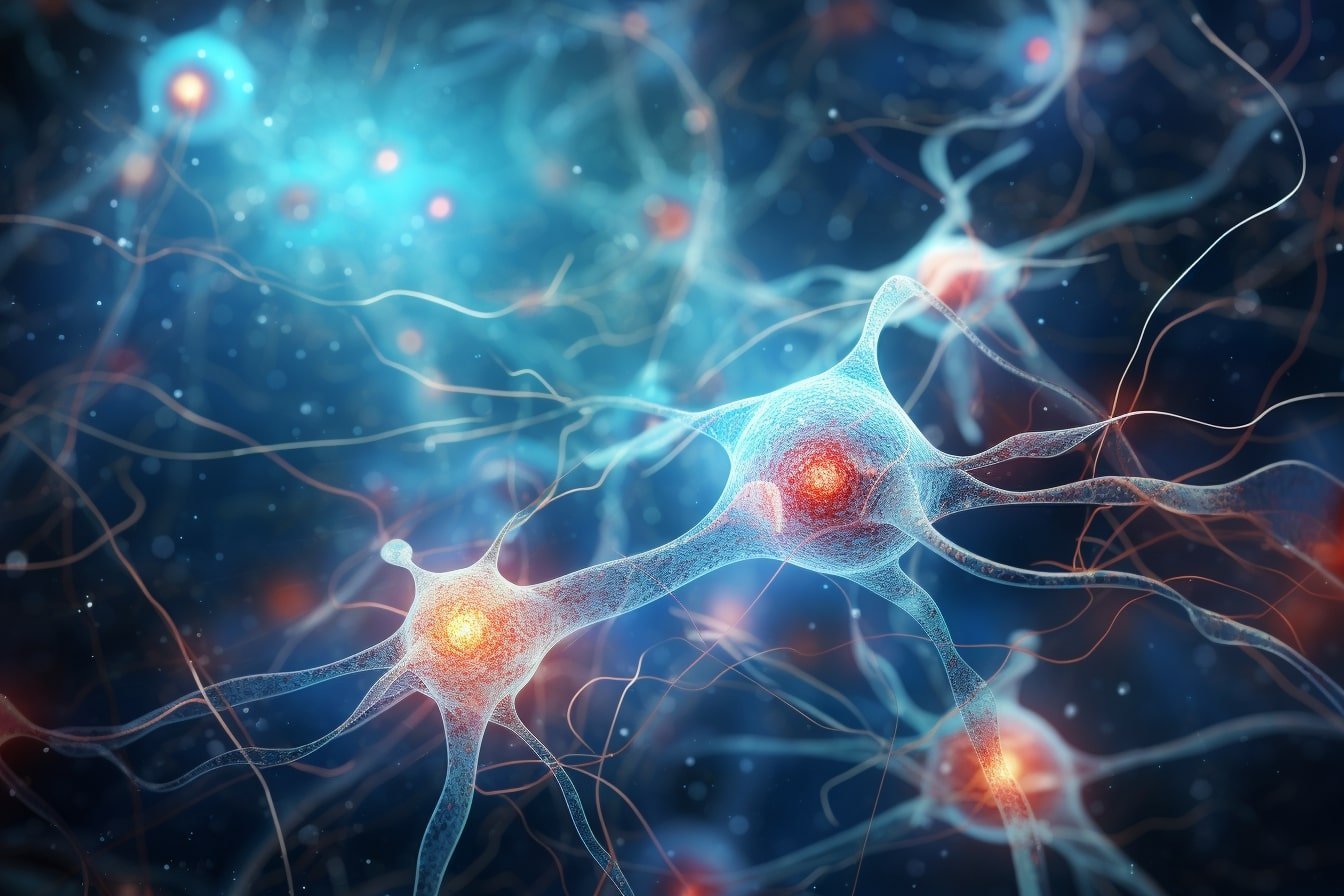
Scientists have discovered a group of nerve cells in the midbrain, specifically in the pedunculopontine nucleus (PPN), that can halt all movement when stimulated. These cells, identified by the marker Chx10, impact various forms of motor activity, including breathing and heart rate. The unique "pause-and-play pattern" observed in these cells may be related to a state of alertness or focused attention, rather than fear. Understanding these cells could provide insights into the motor symptoms seen in Parkinson's disease.

health2 years ago

High Prevalence of Parkinson's-like Symptoms in the Oldest Old.

Many elderly people who do not have Parkinson’s disease nonetheless experience some Parkinson’s-like symptoms, especially slowness of movement, a new study from Sweden highlights. These symptoms, while reported to impact quality of life, typically are not enough to warrant a formal Parkinson’s diagnosis. Instead, they’re often referred to as mild parkinsonian signs, or MPS. The study suggests that health problems may explain the greater occurrence of MPS among older people, but also note that these symptoms might just be a normal part of aging.

health2 years ago

Home Apomorphine Infusion Shows Faster Parkinson's Gains.

Home initiation of under-the-skin (subcutaneous) apomorphine infusion for Parkinson's disease patients is faster at improving their quality of life than hospital initiation, according to a French study. The study found that home initiation of continuous subcutaneous apomorphine infusion (CSAI) is feasible and has the same efficacy and level of tolerance as in-hospital initiation. The treatment is used to treat motor fluctuations and can be administered via subcutaneous injections. The study included 145 patients, and after six months of treatment, there was an improvement in patients' reported quality of life by 21% in the whole group of patients and by 32% in the home group.

health2 years ago

New hope for Parkinson's patients: Exercise and focused ultrasound interventions show promise.

A new meta-analysis of published studies has found that exercise interventions, including both aerobic and non-aerobic activity, can lessen Parkinson's disease motor symptoms. The study involved 25 articles relating to interventions spanning 4-26 weeks and provides evidence in support of exercise in the management of Parkinson's disease. The researchers noted that the differential benefit of specific forms of exercise requires further investigation.

health2 years ago

The Power of Exercise for Parkinson's and Mental Health.

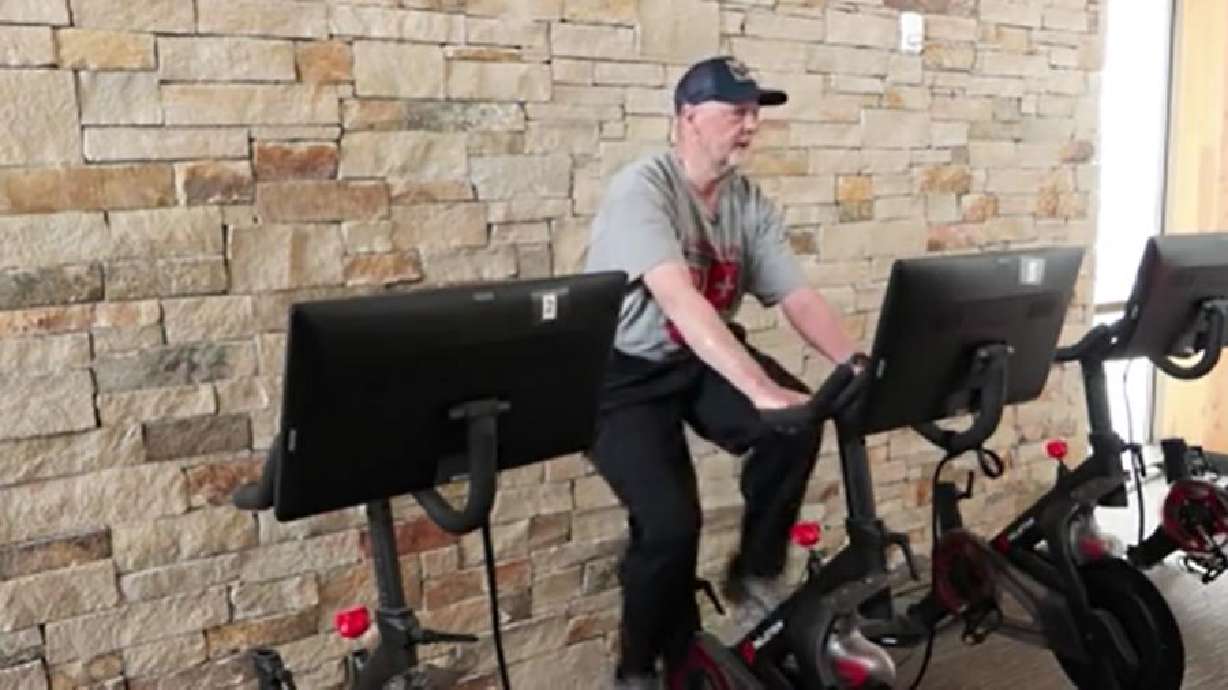
While there is no cure for Parkinson's disease, exercise has shown promise in improving symptoms and possibly slowing down the disease. Exercise improves motor symptoms and reduces tremors, stiffness, and loss of balance. Intermountain Health offers a pedaling class that helps reduce Parkinson's symptoms. A recent study revealed nearly 90,000 Americans are diagnosed with Parkinson's each year. Dr. Kathleen Mckee is doing more research on how exercise and aerobics help with the treatment of Parkinson's.

health2 years ago

The Power of Exercise in Improving Parkinson's, Happiness, and Mental Health

A systematic review study found that most types of physical exercise can help ease motor symptoms and improve the quality of life in adults with Parkinson's disease. The study included 156 trials involving 7,939 patients, and the researchers observed clinically meaningful improvements in the severity of motor symptoms for most types of exercise, including dancing, training to improve gait, balance and movement, multi-exercise training, and mind-body training. The study also found that exercise programs designed for Parkinson's may be most beneficial, and safety data from 85 studies suggested that the exercise-based interventions were relatively safe.

health2 years ago

The Power of Exercise in Improving Mental and Physical Health

A systematic review by Cochrane found that physical exercise can help improve the severity of movement-related symptoms and quality of life in people with Parkinson's Disease. The review included 156 randomized controlled trials and 7,939 participants from around the world, making it the largest and most comprehensive study on the effects of physical exercise in people with Parkinson's Disease. The review found that any type of structured exercise is better than none, and most types of exercise produced meaningful improvements in symptoms and quality of life.