Tag

Diabetes Medication

All articles tagged with #diabetes medication

health7 months ago

Experts Clarify 'Ozempic Penis' Reports Amid Men’s Weight Loss Concerns

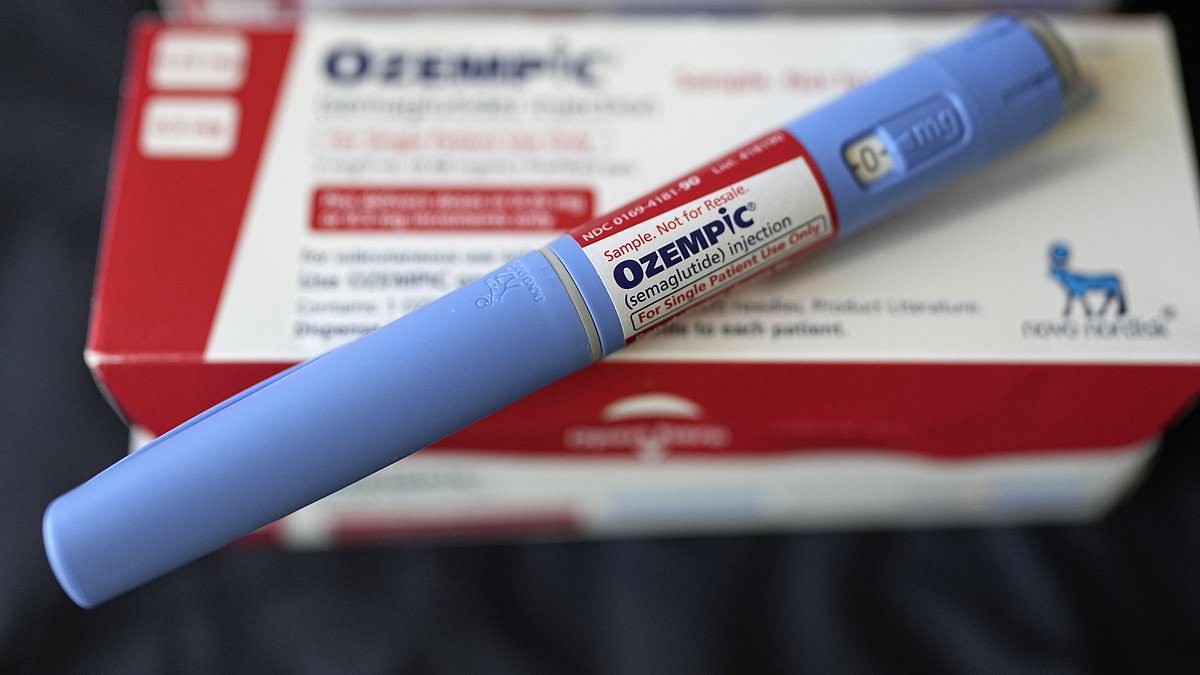
Some men using Ozempic report a perceived increase in penis size, dubbed 'Ozempic penis,' but urologists clarify that the apparent growth is due to fat loss around the penis, not actual tissue growth. The drug, primarily used for diabetes and weight loss, can cause rapid fat reduction, revealing more of the shaft, which creates the illusion of a larger penis. However, the medication's side effects can be severe, and it should only be used under medical supervision.

health-and-wellness7 months ago

Ozempic and Male Genital Changes: What Men Are Saying

The article discusses claims that Ozempic, a diabetes and weight loss drug, may cause an increase in penis size, possibly due to weight loss effects that make the penis appear larger. While some users report this change, experts suggest it may be an illusion caused by fat loss around the pubic area. The article also covers Ozempic's primary use, side effects, and its mechanism of appetite suppression.

health-and-wellness7 months ago

Woman Shares Hidden Side Effects After Losing 84 Lbs on Mounjaro

A British woman, Bethany, lost 84 pounds using Mounjaro, an antidiabetic medication, but experienced significant side effects including sulfur burps, nausea, hair loss, and digestive issues. Despite these challenges, she reports improved confidence and mental health, highlighting both the benefits and drawbacks of using such medication for weight loss. The article also discusses the medication's mechanism and societal reactions to her journey.

health1 year ago

Weight Loss Drugs Like Ozempic Show Promise in Reducing Alcohol Addiction

A new study from the University of Nottingham suggests that GLP-1 receptor agonists, diabetes medications like Ozempic and Wegovy, may help reduce alcohol consumption by targeting the brain's reward center. The effect is particularly notable in obese individuals with a BMI over 30. The study reviewed data from six prior studies, including two major clinical trials, and found that GLP-1 medications could potentially serve as a treatment for excessive alcohol use, potentially reducing alcohol-related health issues and deaths.

health1 year ago

Surge in Ozempic Overdoses Raises Alarm on Side Effects

Poison control centers have reported an increase in cases of people taking too much Ozempic, a diabetes medication also used for weight loss. While overdosing is technically possible, it's unlikely with proper use. Errors can occur when patients attempt to "microdose" higher prescriptions to save costs or use compounded versions of the drug. Overdosing can lead to side effects like nausea, vomiting, and low blood sugar. Patients are advised to follow their doctor's instructions carefully and consult them if unsure about dosing.

health1 year ago

"Rising Popularity of Injectable Weight Loss Drugs"

An estimated 15.5 million U.S. adults have used injectable diabetes medications like Ozempic and Wegovy for weight loss, with 6% of Americans having tried them and 3% currently using them. The drugs, approved by the FDA for weight loss in 2021, are reported to be effective by nearly two-thirds of users, though effectiveness is perceived to be lower among older adults. The popularity of these medications has led to shortages and high costs, with a month's supply costing around $1,000 without insurance.

health1 year ago

Weight Loss Drugs Ozempic and Wegovy Linked to Stomach Paralysis Risks

New studies indicate that users of GLP-1 drugs like Ozempic and Wegovy are more likely to develop gastroparesis, a condition involving delayed stomach emptying. Despite its alarming name, experts emphasize that gastroparesis is a reversible and expected side effect of these medications, which are commonly used for diabetes and obesity treatment.

health1 year ago

"The Dangerous Rise of Ozempic: Oprah Winfrey's Weight-Loss Revelation"

Ozempic, a diabetes medication, has gained popularity among celebrities and influencers for its weight loss effects, leading to increased demand and potential shortages for those who need it for medical purposes. While the drug is intended for managing blood sugar levels in patients with type 2 diabetes, its off-label use for weight loss has sparked public interest. However, concerns have been raised about potential side effects and the influence on young consumers, prompting calls for careful supervision and a comprehensive understanding of health and weight loss.

health1 year ago

"GLP-1 Diabetes Medication Shows Promise in Slowing Parkinson's Disease Progression"

In a Phase 2 clinical trial, the diabetes medication lixisenatide showed promise in slowing the progression of motor symptoms in people with Parkinson’s disease. While gastrointestinal side effects were more common with the therapy, the findings support lixisenatide as a potential treatment for Parkinson’s, with researchers calling for more studies to confirm its effects. The study's main goal was to assess the effect of treatment on the severity of motor symptoms, and results showed that lixisenatide modestly reduced motor disability progression in patients with early Parkinson’s disease compared with a placebo, but had gastrointestinal side effects.

health1 year ago

"GLP-1 Drug Shows Promise in Slowing Parkinson's Progression, Study Finds"

Researchers have found that a type 2 diabetes medication called lixisenatide may slow the progression of symptoms in Parkinson's disease, supporting the theory that Parkinson's could be associated with insulin resistance in the brain. In a study, participants given lixisenatide showed essentially no progression of motor problems, while those given a placebo showed worsening symptoms. However, some participants receiving lixisenatide reported nausea and vomiting. The findings pave the way for larger phase 3 clinical trials and suggest that GLP-1R agonists have potential for treating Parkinson's.

health1 year ago

"The Truth About Ozempic: Why It Doesn't Always Lead to Weight Loss"

Some users of diabetes medications like Ozempic and Wegovy, which are known for their weight loss capabilities, are reporting limited success in shedding pounds. Studies show that only a small percentage of patients achieve significant weight loss, with some experiencing weight regain upon stopping the medication. Factors such as individual response variability, pre-existing medical conditions, lifestyle habits, and genetic mutations may contribute to the drugs' limited effectiveness. Additionally, interactions with other medications and rapid drug metabolism can also impact their weight loss effects.

healthcare-pharmaceuticals1 year ago

"Study Reveals Shocking Disparity in Ozempic Production Costs"

A study revealed that it costs less than $5 to produce a month’s supply of the diabetes medication Ozempic, which is sold at a list price of $935.77 for four weekly injections. Lawmakers and patient advocates are pressuring Novo Nordisk to lower the drug's price, with U.S. Senator Bernie Sanders calling for a reduction to no more than its price in Canada, around $300. The advocacy group Patients for Affordable Drugs is also urging legislative action to address the exorbitant prices, while Novo Nordisk has expressed support for policy changes to improve patient affordability and access.

health-and-wellness1 year ago

Ozempic: Changing Lives, Influencing Trends, and Celebrity Confessions

Men are praising the diabetes medication Ozempic for its weight loss effects, with some reporting significant weight loss and reduced cravings for food and alcohol. However, the drug is not officially approved for weight management, and its long-term effectiveness is uncertain. The rise in private prescriptions for weight loss has caused shortages for diabetics who rely on the drug, prompting concerns about its availability and potential side effects.