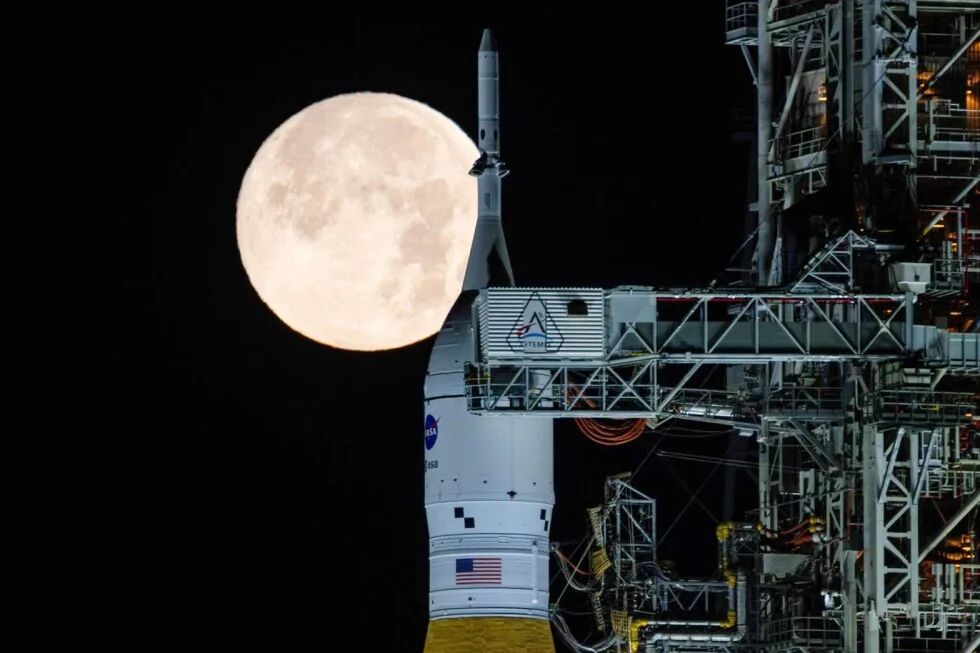
New analysis of ancient Moon rocks from the Apollo missions suggests the Moon had a stronger early magnetic field than previously thought, shedding light on the Moon's ancient interior and geophysical history.
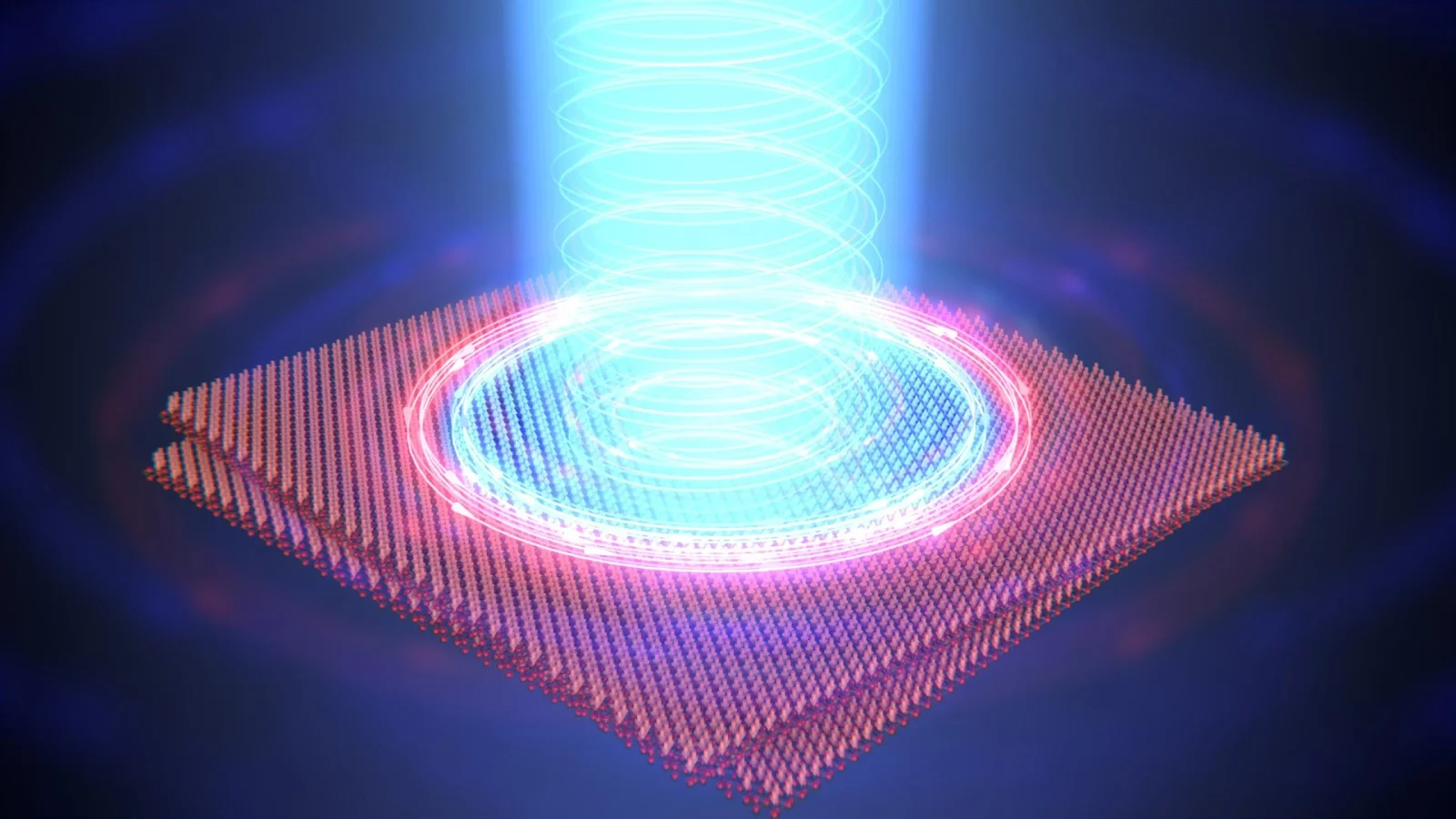
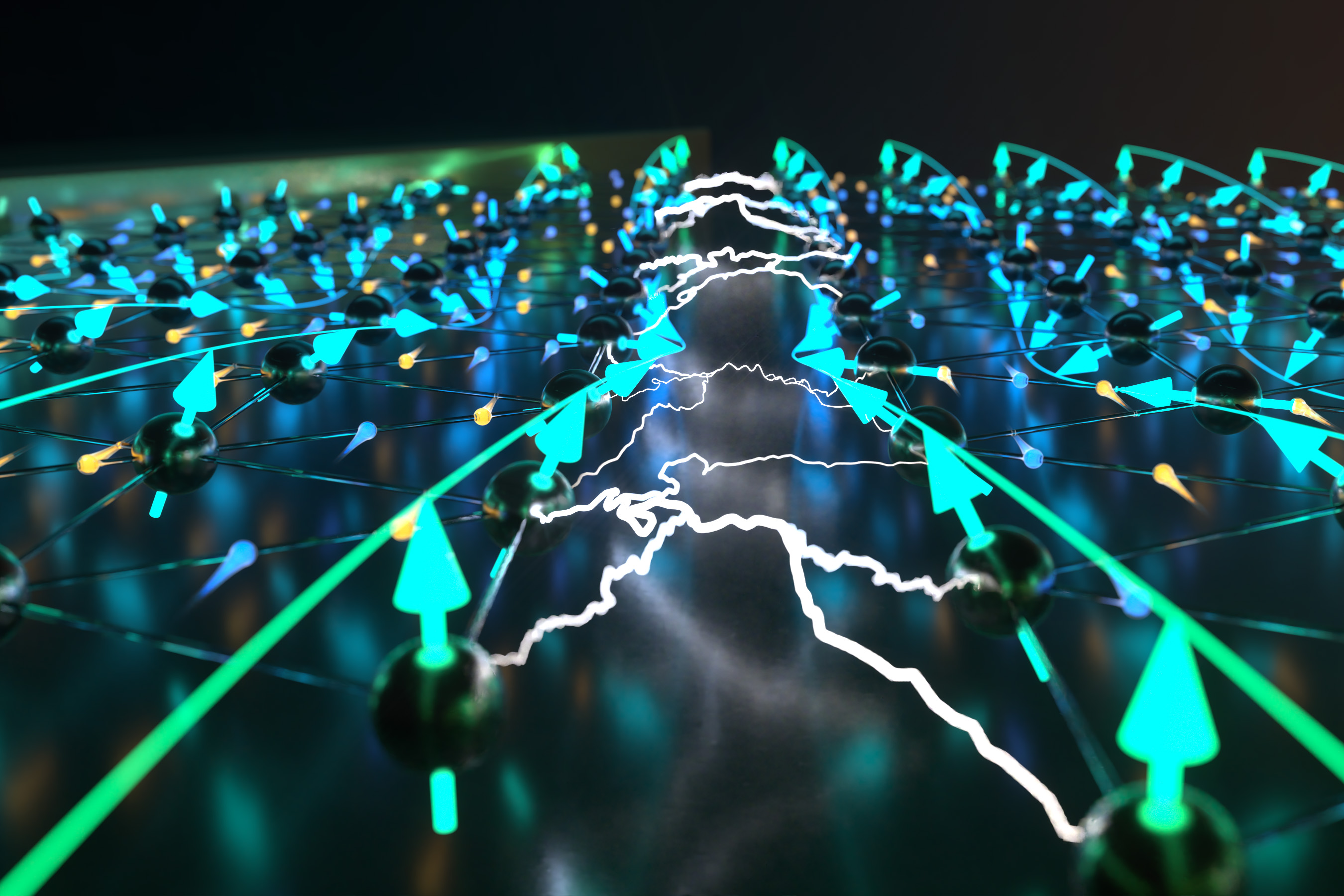
Researchers demonstrated optical, non-thermal control of magnetism in a twisted bilayer MoTe2; a laser pulse reversibly flips the ferromagnetic polarity, with switching dynamics tied to whether electrons reside in a topological insulating or metallic state. This links topology and magnetism in a single platform and suggests future possibilities for light-written topological circuits and tiny interferometers on chips.
Physicists used ultracold lithium atoms to simulate the Fermi-Hubbard model in an optical lattice and observed that magnetic correlations persist in a disordered-like regime near the pseudogap, following a single universal pattern tied to a temperature scale similar to the pseudogap temperature. They also detected extended magnetic polarons across many lattice sites, quantified a new 'polaron strength,' and measured high-order spin–charge correlations up to fifth order, indicating the pseudogap hosts complex, multi-particle quantum order that could connect magnetism to high-temperature superconductivity—though some model predictions diverged at higher doping.
Physicists using an ultracold lithium-atom quantum simulator have revealed hidden magnetic order in the pseudogap phase of certain quantum materials, showing universal antiferromagnetic correlations above the superconducting transition and offering fresh insight into how high-temperature superconductivity may emerge, with results published in Proceedings of the National Academy of Sciences.
Scientists at Florida State University have created a new crystalline material with complex swirling magnetic patterns called skyrmion-like spin textures, achieved by combining similar compounds with different crystal symmetries, which could advance data storage and quantum computing technologies.
Physicists have for the first time observed how magnetism is distributed within a radioactive molecule's nucleus, specifically in radium monofluoride, using electrons as probes. This breakthrough allows for more precise studies of nuclear asymmetries that could reveal new physics beyond the Standard Model, and demonstrates the potential of molecules in fundamental physics research.
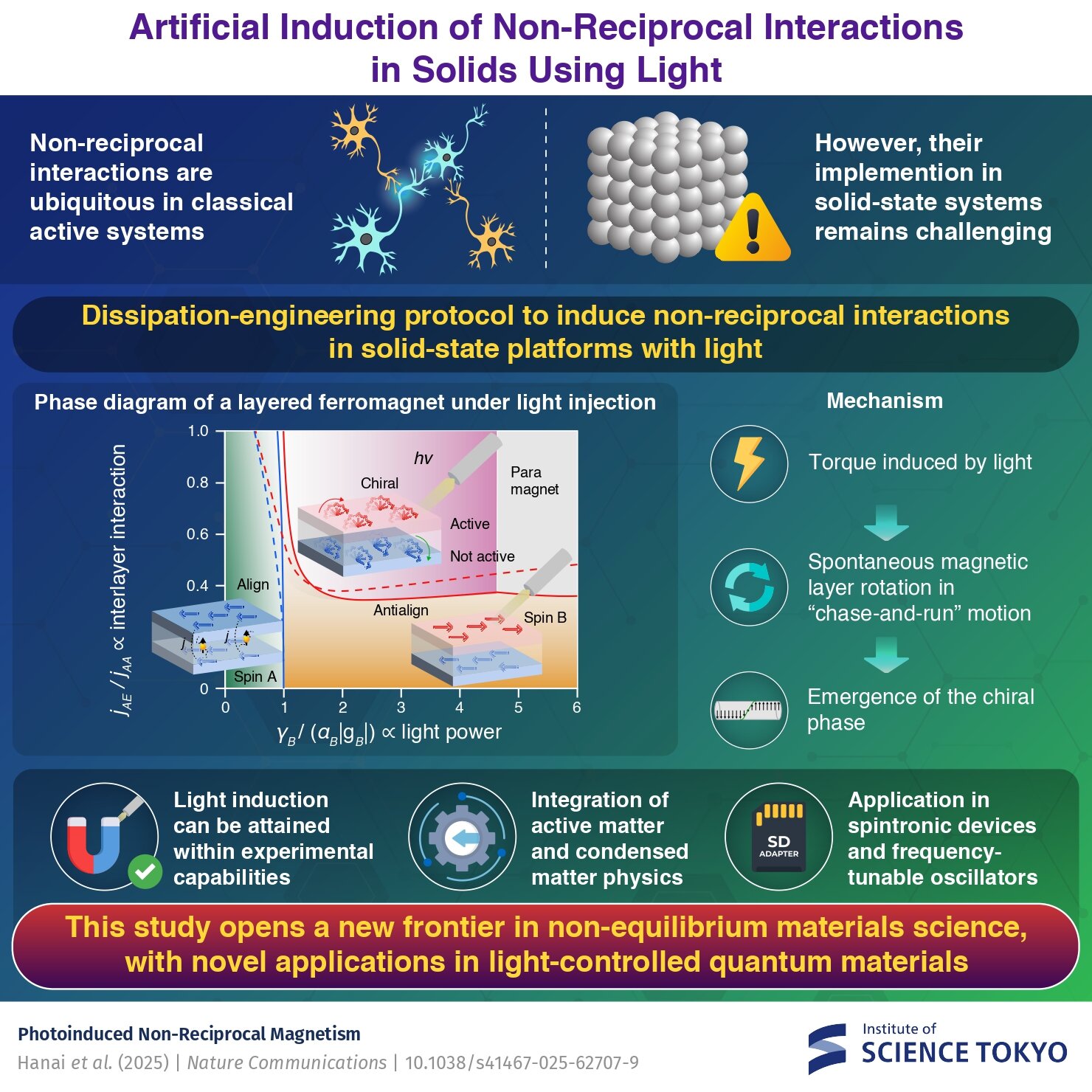
Researchers from Japan have theoretically demonstrated that shining specific light on magnetic metals can induce non-reciprocal magnetic interactions that effectively violate Newton's third law, leading to a novel chiral phase with persistent rotation, opening new avenues in non-equilibrium materials science and potential technological applications.
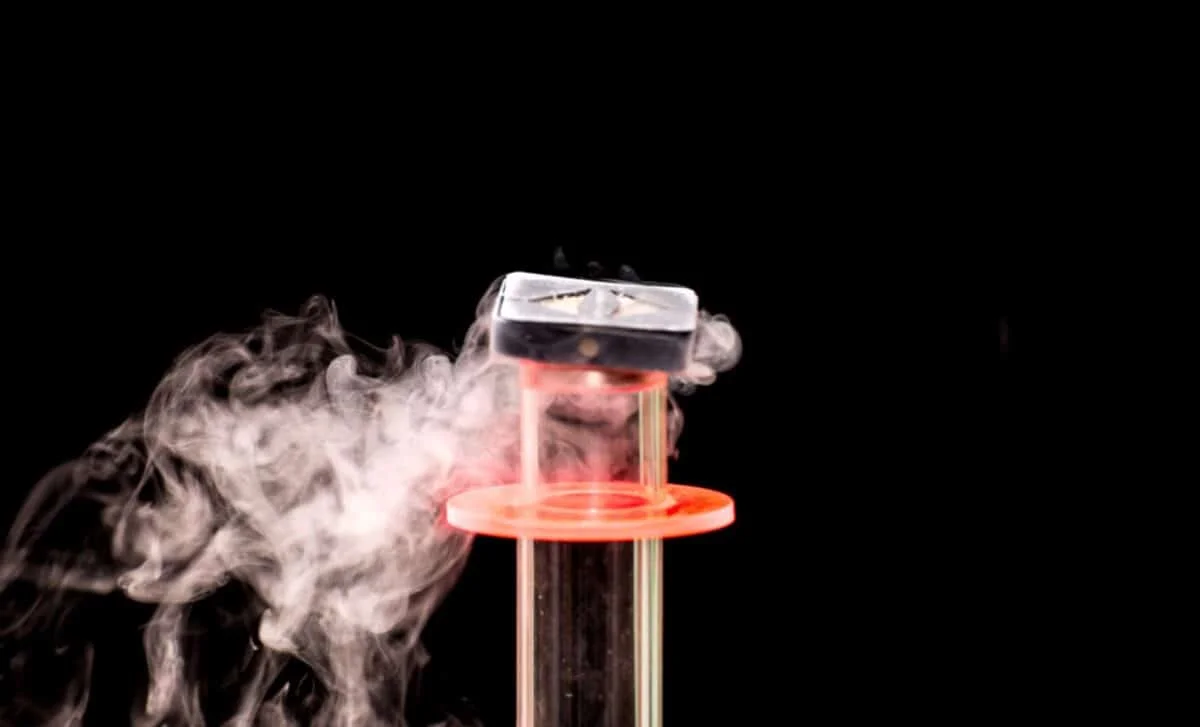
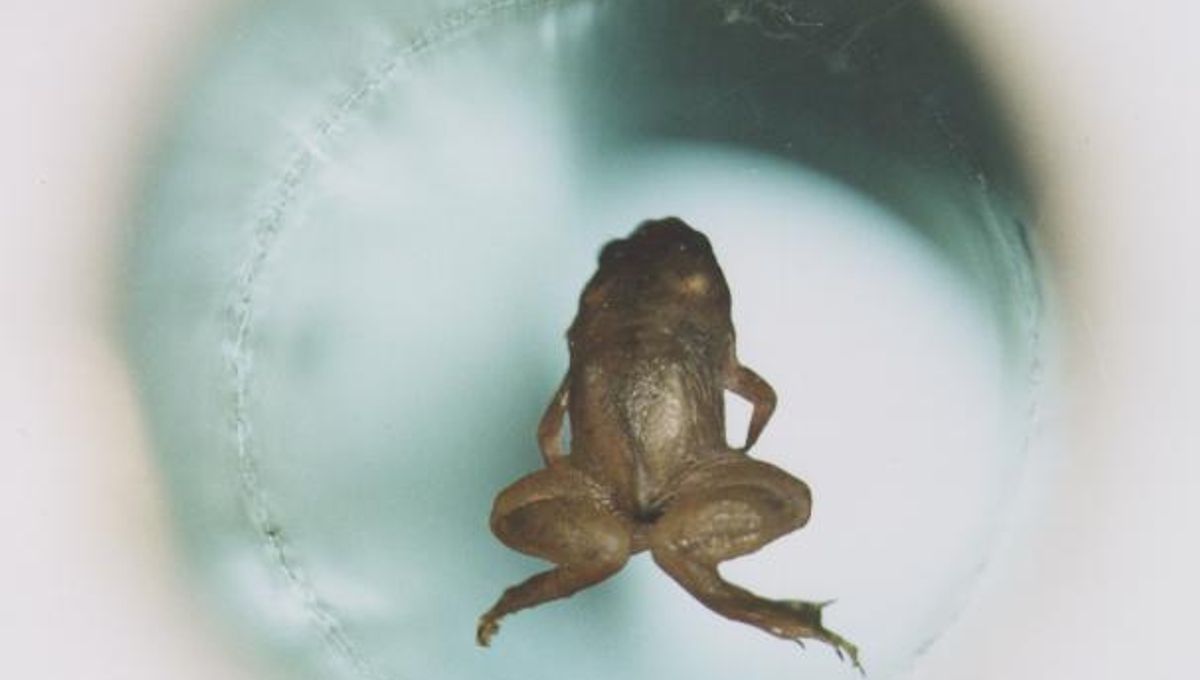
In 2000, a famous experiment by Dr. Andre Geim demonstrated how a frog could be levitated using diamagnetism, earning an Ig Nobel Prize; this phenomenon showcases how magnetic fields can make living organisms float without harm, with potential applications in research and industry, and hints at future possibilities like human levitation.
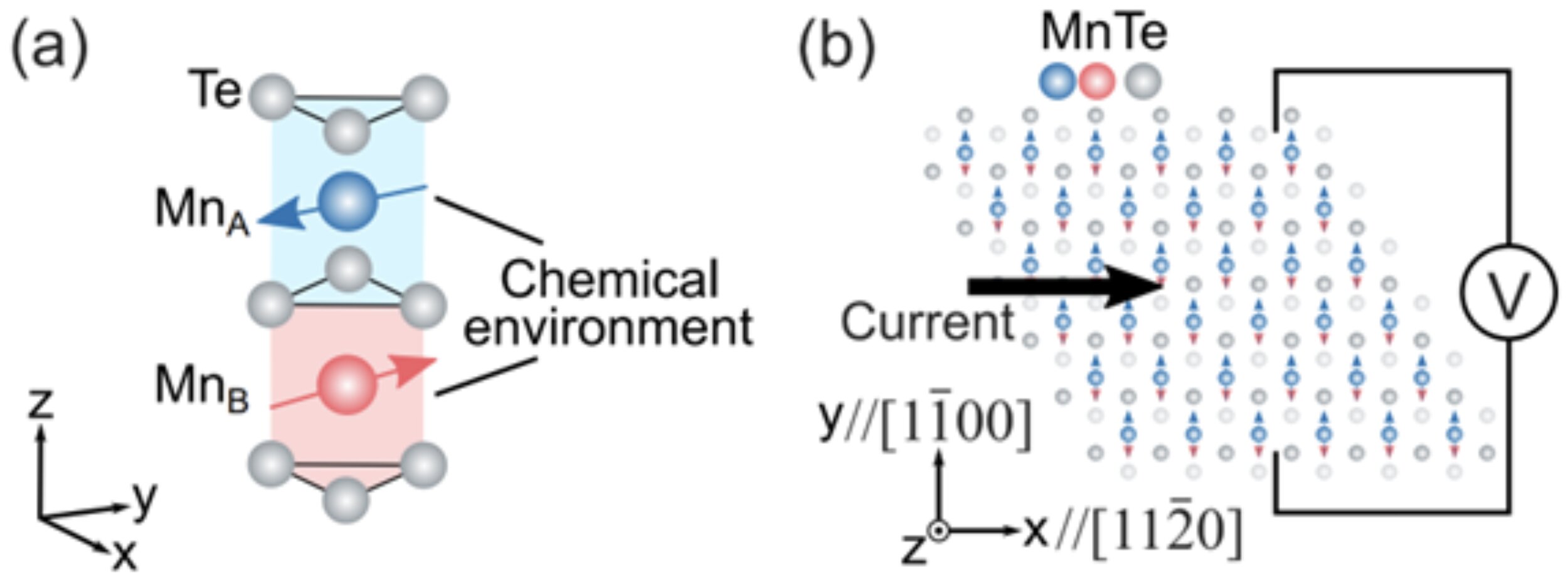
Researchers have demonstrated the electrical switching of altermagnetism in bilayer MnTe, a breakthrough that could lead to new, energy-efficient magnetic memory devices without the need for external magnetic fields, opening new avenues for data storage technology.
MIT physicists have observed a new form of magnetism called 'p-wave magnetism' in nickel iodide, characterized by spiral spin configurations that can be electrically switched, paving the way for more efficient spintronic memory devices.
MIT physicists discovered a new form of magnetism called p-wave magnetism in nickel iodide, which allows for electrical control of electron spins and could lead to faster, more efficient spintronic memory devices, although current observations are at ultracold temperatures.
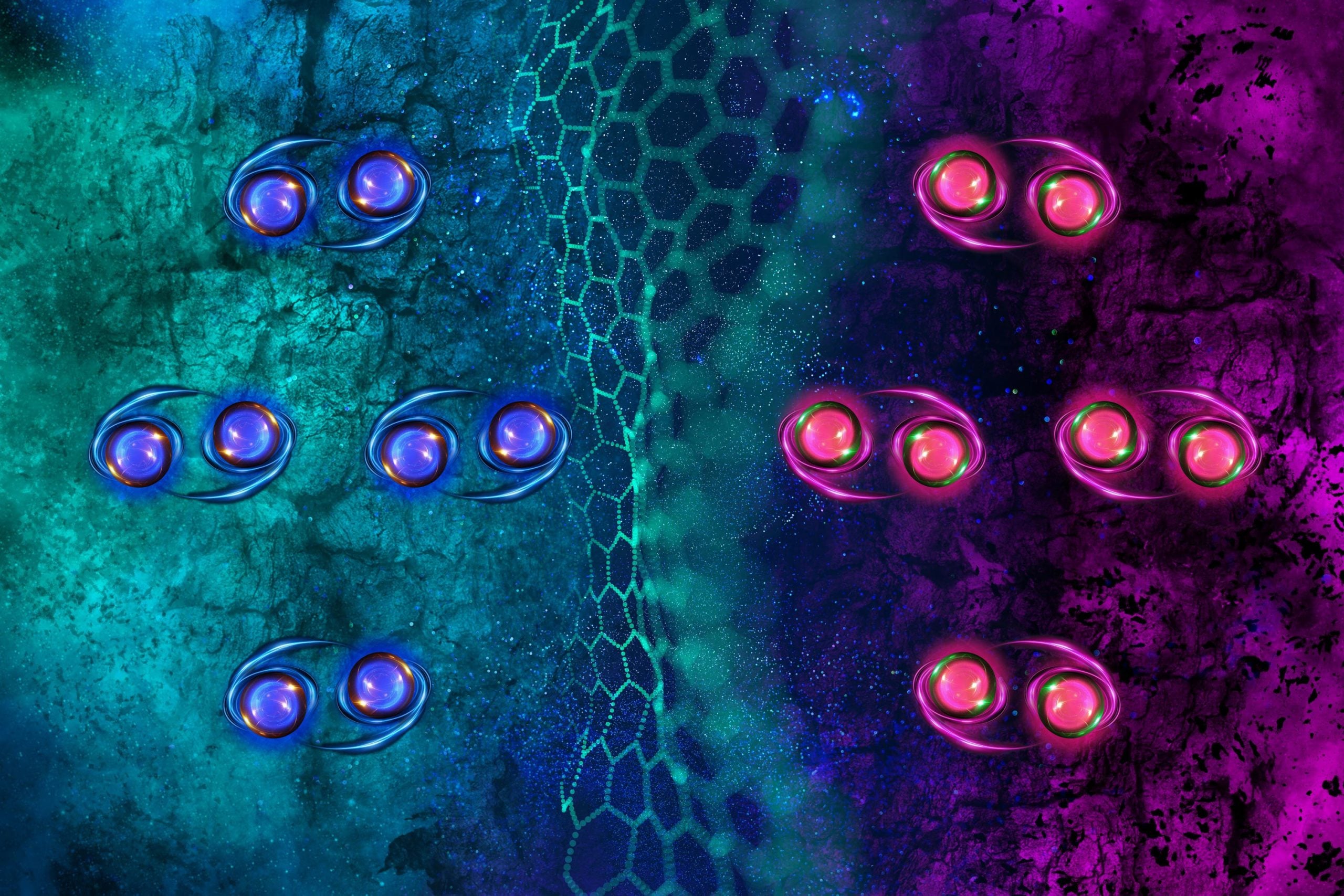
MIT scientists discovered a new type of magnetic superconductor in rhombohedral graphene layers of graphite, challenging the traditional view that superconductivity and magnetism are incompatible, with potential implications for quantum computing.
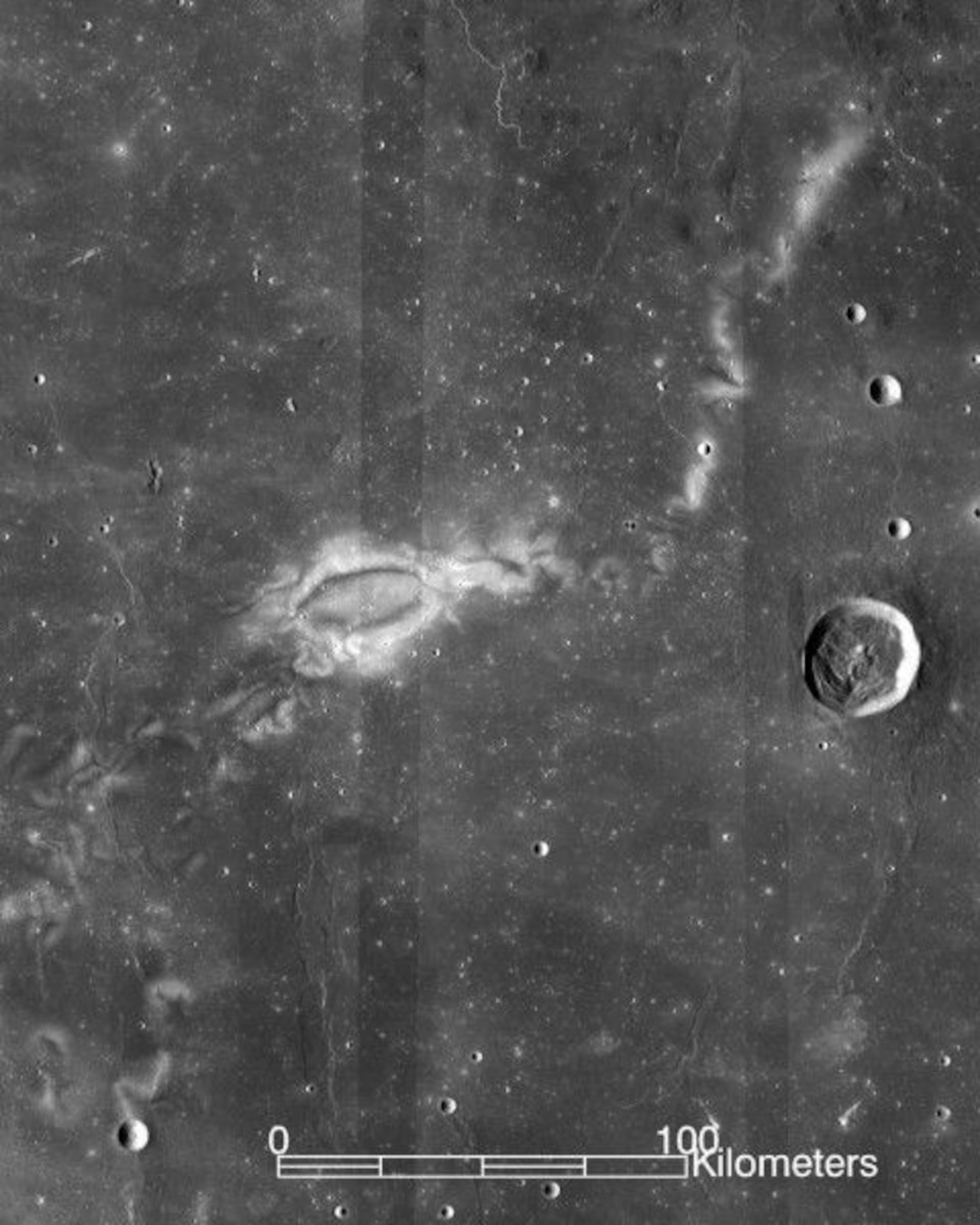
NASA is planning to send a rover in 2025 to investigate "lunar swirls," mysterious light-colored patterns on the moon's surface caused by magnetism. A new study suggests that underground magma cooling could create magnetic fields responsible for these swirls, but more data is needed to confirm this theory.
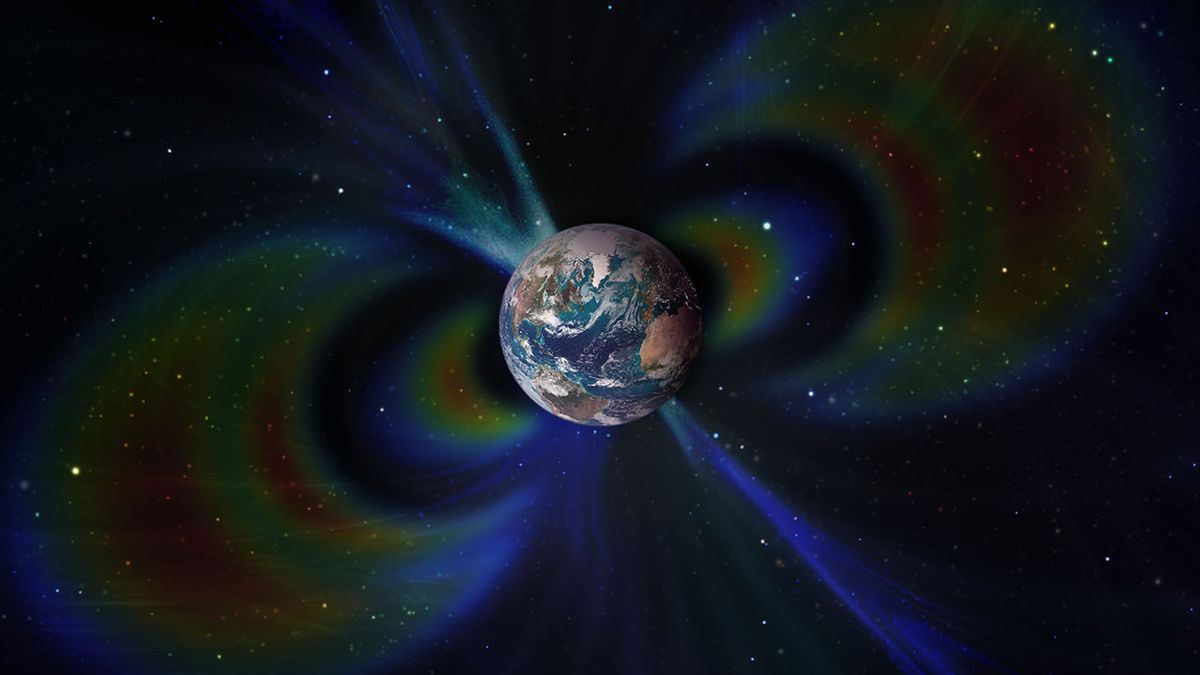
The Earth's magnetic field, generated by electric currents in its liquid core, has been a fundamental force since the planet's formation. This magnetism, locked into iron-containing minerals as the Earth cooled, extends from the core to the atmosphere and beyond. The phenomenon has been known for thousands of years, with historical references to magnetic rocks like magnetite. Theoretical physicist Frank Close explores these concepts in his book "CHARGE: Why Does Gravity Rule?"
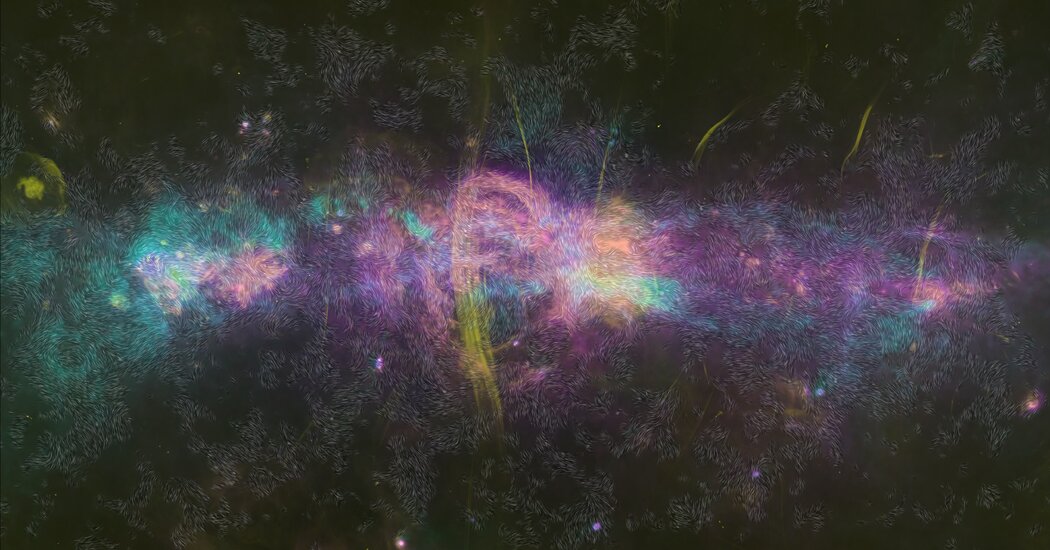
An international team of astronomers, as part of the FIREPLACE project, has produced a celestial image revealing previously unseen details of the central Milky Way, including magnetic field lines and jets of hot ionized gas. The image, created using infrared light polarization measurements aboard the Stratospheric Observatory for Infrared Astronomy, offers insights into the role of magnetic fields in the cycle of stellar birth and death, potentially guiding the development of new astronomical exploration and theories.